
Reviewed · NAGANO TOURS
Wild Japanese Flying Squirrel Watching Tour in Nagano
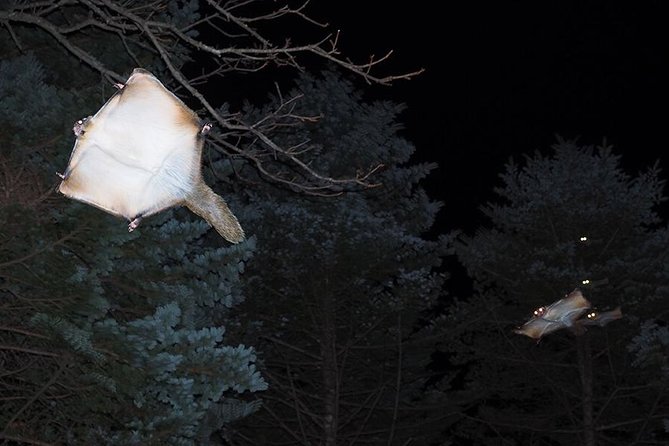
Some wildlife tours ask you to wait. This one gives the waiting a purpose. In Karuizawa, a nature guide introduces you to Japan’s giant flying squirrel, then leads you into the quiet Hoshino area at the time these animals may begin gliding between trees. I especially like the small-group nature of the outing, with a maximum of 30 people, and the fact that binoculars are included. The $28.69 price is fair for a 90-minute guided experience.
The main consideration is that wild animals do not keep appointments. Poor weather, or simply the absence of flying squirrels, can lead to cancellation. Some guides speak limited English, though the lecture slides include English subtitles. If you need a guaranteed animal sighting, this is not the right choice. If you enjoy patient wildlife watching, it offers a fine chance to see a remarkable native animal in its own habitat.
In This Review
- Key points at a glance
- Why this Karuizawa wildlife tour is worth your time
- Starting at the Picchio Visitor Center
- Watching for the musasabi in the Hoshino area
- What the $28.69 price really covers
- The real drawback: nature may say no
- Language, fitness, and group size
- Who will enjoy this experience most
- How to prepare for a better hour outside
- Should you book the Japanese flying squirrel tour?
- FAQ
- Where does the tour start?
- What time does the tour begin?
- How long does the experience last?
- Are binoculars provided?
- Is the tour conducted in English?
- Can I get a refund if the tour is canceled?
Key points at a glance
- Japanese giant flying squirrels glide through the Karuizawa woods: The focus is a real wild animal, not a zoo display or staged encounter.
- The 4 p.m. start suits evening activity: You begin with a short ecology talk before heading outside to watch for movement in the trees.
- A guide helps you search the right places: Their familiarity with squirrel habits and gliding patterns saves you from guessing where to look.
- The Picchio Visitor Center adds useful context: You learn about diet, size, habitat, and flying distance before the outdoor portion.
- Binoculars are provided: That matters when a squirrel is high in a tree or gliding across a gap.
- The price is modest, but the sighting is never guaranteed: You are paying for expert guidance and a chance to observe nature, not a promised show.
Why this Karuizawa wildlife tour is worth your time
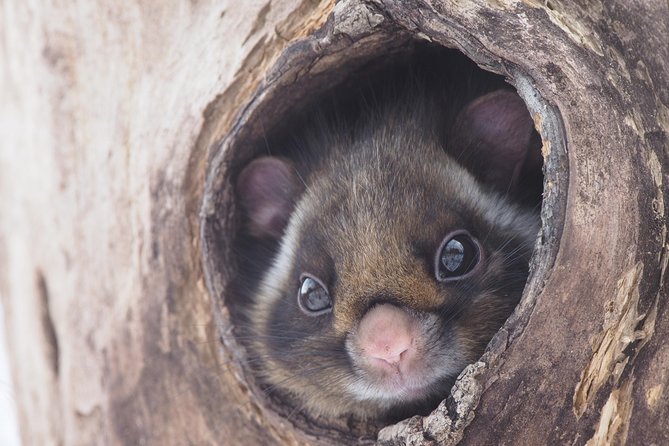
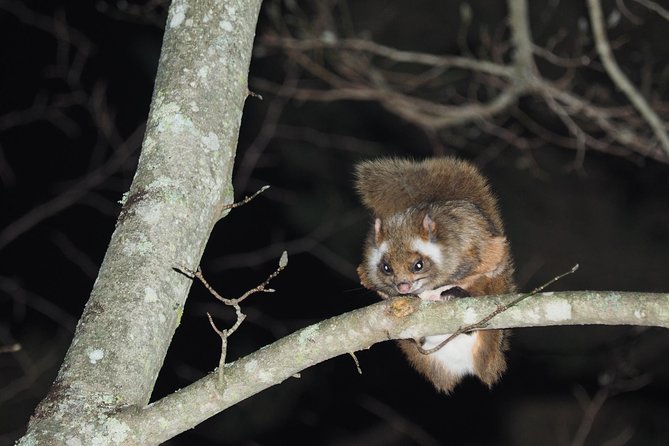
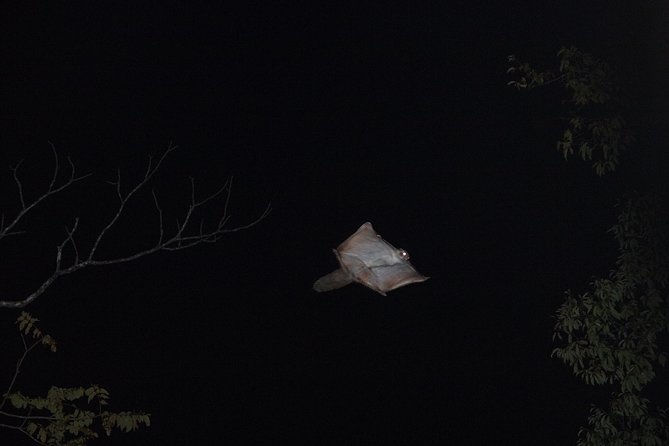
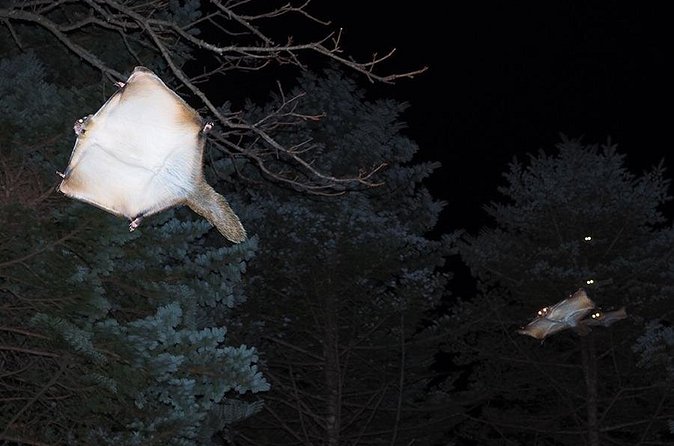
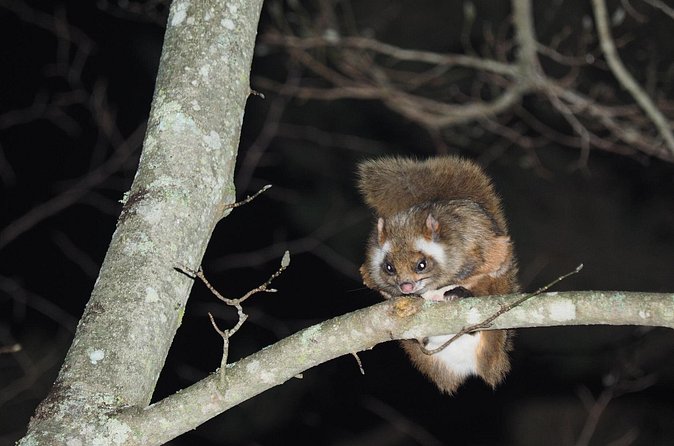
Japan’s giant flying squirrel, known locally as the musasabi, is not the tiny, cartoon-like animal you may picture from the name. It is a large native squirrel with a membrane that lets it glide from tree to tree. The movement is quiet and graceful, and the animal can cover a surprising distance through the air.
That makes this experience different from a standard animal attraction. You are not being led to a feeding platform or a prepared enclosure. You are learning how to watch a forest and hoping the forest gives you something to see.
I like that balance. The tour does not pretend nature can be controlled. Instead, it gives you the best available help: a guide who understands the squirrel’s diet, habits, preferred areas, and gliding patterns.
The numbers also make the experience appealing. At $28.69 per person, it costs less than many large sightseeing activities in Japan. The tour lasts about an hour and a half, so you can fit it into a Karuizawa day without sacrificing an entire afternoon or evening.
The 4.9 rating from 79 reviews and 97 percent recommendation rate suggest that the guide-led format works well for most people. Still, those figures should not be read as a promise of a sighting. The animal is wild, and weather or simple bad luck can change the evening.
A few more Nagano experiences worth weighing up
- 1-Day Snow Monkeys, Zenko-ji Temple & Sake in Nagano
★ 5.0 · 1,020 reviews - Nagano: Snow Monkeys, Zenkoji Temple & Sake Day Trip
★ 4.9 · 833 reviews - From Tokyo: Snow Monkey 1 Day Tour with Beef Sukiyaki Lunch
★ 4.6 · 295 reviews
Starting at the Picchio Visitor Center
You meet at the Karuizawa Wild Bird Sanctuary in the Hoshino area of Karuizawa, Nagano. The listed address is 2148 Hoshino, Karuizawa, in the Kitasaku District, postal code 389-0111. The activity begins at 4 p.m. and ends back at the same meeting point.
The first part takes place at Picchio, the nature and conservation center connected with the tour. This opening talk lasts about 20 minutes and is more useful than a quick introduction in a parking area. It gives you a reason to look up into the trees with some understanding of what you are seeking.
The guide covers the squirrel’s ecology, including its diet, size, flying distance, and way of life. You also learn where the animals live and why the Karuizawa area provides suitable habitat.
I appreciate this approach because it turns a possible sighting into a small lesson in field observation. You learn what kind of movement might matter, why a particular part of the woodland may be useful, and how the squirrel’s behavior connects with the surrounding forest.
The center also helps with the language issue. Some guides do not speak much English, but the lecture slides have English subtitles. That means you should still be able to follow the core information even if the spoken explanation is limited.
Do not expect a long museum visit. The presentation is only about 20 minutes, so the emphasis stays on the animal and the outdoor search. If you enjoy a short, focused introduction before seeing wildlife, the timing works well.
Watching for the musasabi in the Hoshino area
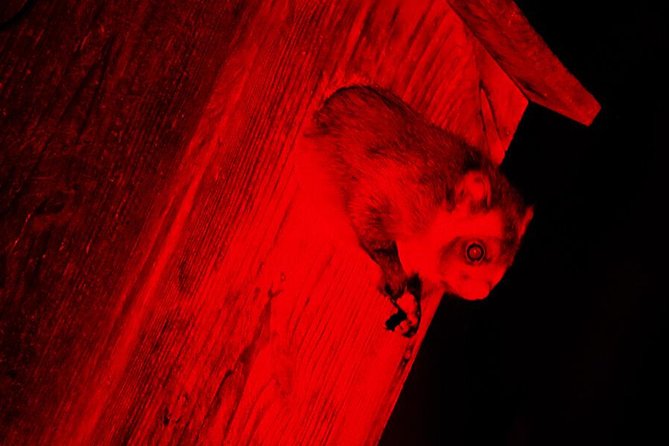
After the talk, you walk outside into the Karuizawa Hoshino area for about an hour of observation. This is the heart of the experience, and it is also where patience matters most.
The appeal is the silence. The tour description captures the mood well: the quiet of the forest may be broken by excited gasps when a flying squirrel glides overhead. That contrast tells you what kind of activity this is. You are not moving from one attraction to another. You are standing or walking in a natural setting, listening and watching for a brief event.
A guide familiar with the squirrels’ habits can make a major difference. Without help, you might spend an hour scanning every branch with no clear idea where to focus. Here, the guide knows the areas that offer a better chance and understands the patterns that may signal activity.
Binoculars are included, which is a practical touch. A squirrel may be difficult to see clearly even when it is present. The binoculars help you pick out an animal in the trees and follow its movement without needing to crowd close to the guide or other people.
The group can include up to 30 people. That is not a tiny private walk, and you should keep your expectations sensible. A group of this size may feel less intimate than a one-guide, few-person nature walk, but it also means the cost stays low.
The strongest part of the tour is the shared reaction when someone spots movement or a glide. Wildlife watching can be quiet and solitary, but a sudden sighting gives the group a common thrill. The mood becomes lively for a moment, then settles again as everyone waits for the next chance.
What the $28.69 price really covers
At $28.69, this is an inexpensive guided activity by Japan sightseeing standards. You receive the ecology talk, a guide-led outdoor search, and binocular use. The tour also gives you access to the experience of searching in a conservation setting without having to work out the likely observation areas yourself.
The value depends on how you define success. If success means seeing a giant flying squirrel up close for a guaranteed length of time, the price cannot deliver that. No ethical wildlife tour can promise the behavior of a free animal.
If success means gaining a better chance of seeing the species, learning how it lives, and spending an hour in a quiet natural setting, the price looks strong. You are paying for local guidance and access to a well-planned observation period rather than for a manufactured performance.
I would also consider the short duration a benefit. Ninety minutes is enough time to feel that you did something special, but not so long that a quiet spell becomes exhausting. The 20-minute talk and one-hour outdoor period make the schedule easy to understand.
Because the tour starts at 4 p.m., it can work well after other activities in Karuizawa. The exact amount of daylight or animal activity can vary, and the supplied information does not promise a specific sunset or viewing time. You should simply treat the start time as the point when the guided search begins.
A completely different kind of day out in Nagano:
- Tokyo: Snow Monkey & Nagano Customiseable Private Day Tour
★ 4.8 · 138 reviews - Matsumoto Castle Tour & Samurai Experience
★ 4.9 · 128 reviews - 1-Day Tour from Nagano and Matsumoto Kamikochi & Matsumoto Castle
★ 5.0 · 105 reviews - 1-Day Snow Monkeys & Snow Fun in Shiga Kogen Tour
★ 5.0 · 94 reviews
The real drawback: nature may say no
The tour requires good weather, and it may be canceled for poor conditions. It can also be canceled for unexpected reasons, including the absence of flying squirrels. If that happens, you will be offered another date or a full refund for the tour.
That policy is reasonable, but it creates a practical issue. You should avoid building an expensive, nonrefundable travel plan around this one activity. The provider does not refund transport expenses or other costs that may arise if the tour is canceled.
The best way to handle this is to keep your wider schedule flexible. Since you can cancel for a full refund if you do so at least 24 hours before the 4 p.m. start, you have some control over your plans. Changes or cancellations made less than 24 hours before the start are not accepted for a refund.
Even with good weather, there is no guarantee that you will see a squirrel. That uncertainty is not a flaw in the guide’s work. It is simply part of watching wild animals. You should book this with the mindset that the guide improves your chances, not that the guide controls the result.
Language, fitness, and group size

The tour is near public transportation, which makes the meeting point easier to reach than a remote forest trail. The activity both starts and ends at the Karuizawa Wild Bird Sanctuary, so you do not need to arrange a separate return transfer through the provider.
You need a moderate level of physical fitness. The information does not give a detailed trail profile or state the exact distance walked, so you should be prepared for an outdoor walk and a period of standing or watching in the woodland.
Wear practical outdoor clothing and shoes suited to a nature walk. That is straightforward advice rather than a promise about the trail surface. You should also be ready for a quiet hour in which careful observation matters more than constant movement.
The maximum group size is 30. Families, couples, solo visitors, and wildlife fans can all fit the format, but people seeking a private or highly personalized outing may prefer a smaller activity. The supplied details do not offer a private-tour option, so you should assume the standard group arrangement.
English support is mixed. Some guides speak limited English, while the lecture slides provide English subtitles. If you need every spoken detail translated, this may feel less comfortable. If you can follow visual information and basic guidance, the tour should remain accessible in a practical sense.
Who will enjoy this experience most

I would recommend this tour to anyone who likes wildlife without needing a guaranteed result. It is especially suited to visitors who want a break from city streets, shopping, and formal sightseeing, and who enjoy learning a little before heading outdoors.
It also fits families and older children who can remain quiet and patient during observation. The animal’s gliding behavior creates a memorable reward for careful attention. The short talk helps younger participants understand why everyone is looking at the trees.
Nature photographers may enjoy the chance, but the information does not promise photography equipment, special lighting, or a close viewing distance. You should bring your own camera if you want to take pictures, but you should not book this as a guaranteed photography session.
The tour may be less suitable if you have a tight schedule, dislike waiting, or need a reliable indoor plan. Weather and animal activity are central to the experience. People who want a certain result at a certain time may leave disappointed.
How to prepare for a better hour outside
Arrive with enough time to find the meeting point at the Karuizawa Wild Bird Sanctuary before 4 p.m. The experience ends where it begins, which simplifies the return portion of the evening.
Keep your voice low once the observation starts. The silence is part of the activity, and sudden noise can make it harder for everyone to notice movement. Your guide will direct attention to the most promising areas, so resist the urge to scan randomly in every direction.
Use the binoculars even if you think you have good eyesight. A squirrel may appear only briefly, and the extra reach can help you confirm what you are seeing. Sharing the guide’s attention is also important in a group of up to 30 people.
Plan for the possibility that the best moment lasts only seconds. A glide is not a long performance. You may see the animal move quickly through the trees, then spend more time waiting and listening.
That rhythm is the point. The experience rewards attention, not speed.
Should you book the Japanese flying squirrel tour?
Book it if you want a low-cost, guide-led chance to see one of Japan’s most unusual native animals in the wild. The short ecology lesson, included binoculars, practical observation guidance, and 4 p.m. start make it a well-shaped activity for a Karuizawa visit.
Skip it if a sighting is essential to your plans or if you cannot accept a weather-related cancellation. The tour is honest about its limits: the animal is free, the conditions matter, and transport costs are not covered if the provider has to cancel.
For most nature-minded visitors, I think the price makes the gamble worthwhile. You get a quiet hour in the woods, a better understanding of the musasabi, and a real chance to witness a graceful glide that no indoor attraction can reproduce.
FAQ
Where does the tour start?
The tour starts at the Karuizawa Wild Bird Sanctuary in the Hoshino area of Karuizawa, Nagano. The listed address is 2148 Hoshino, Karuizawa, Kitasaku District, Nagano 389-0111.
What time does the tour begin?
The tour starts at 4 p.m. It ends back at the same meeting point.
How long does the experience last?
The experience lasts about 1 hour and 30 minutes. Around 20 minutes is spent at the Picchio Visitor Center, followed by about 1 hour of outdoor observation.
Are binoculars provided?
Yes. Binoculars are included for use during the wildlife observation.
Is the tour conducted in English?
Some guides speak limited English, but the lecture slides have English subtitles. The supplied information does not promise fully English-speaking guides for every departure.
Can I get a refund if the tour is canceled?
If you cancel at least 24 hours before the local start time, you can receive a full refund. If poor weather causes the provider to cancel, you will be offered another date or a full refund. The provider does not refund travel or other related costs caused by a cancellation.
Just added around Nagano
- From Nagano: Tateyama-Kurobe Alpine Route★ 4.8 · 45 reviews
- Private Snow Monkey Tour – Conveniently Resort Hop and Sightsee★ 5.0 · 47 reviews
- Nagano: 1-Day Snow Monkey & Cherry Blossom Tour in Spring★ 4.8 · 51 reviews
- 1 Day Tour: Snow Monkeys & Snow Fun in Shiga Kogen★ 5.0 · 52 reviews
- Snow Monkey & Shibu Onsen Afternoon Tour (Depart: Iiyama & Nozwa)★ 5.0 · 54 reviews
- Nagano/Tokyo: Snow Monkey and Zenkoji Temple Private Tour★ 4.8 · 54 reviews
- (Spring Only) 1-Day Snow Walls of Tateyama-Kurobe Alpine Route Tour★ 5.0 · 75 reviews
- 1-Day Snow Monkeys & Snow Fun in Shiga Kogen Tour★ 5.0 · 94 reviews
Nagano Tours, compared.
1-Day Snow Monkeys, Zenko-ji Temple & Sake in Nagano
Read our review →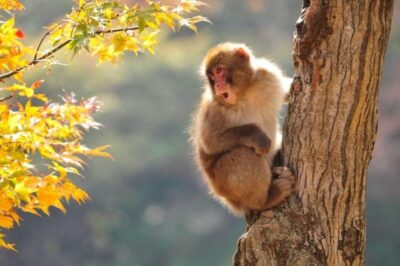
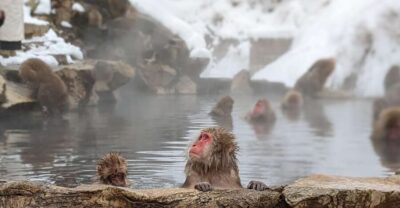
Snow Monkey 1 Day Tour with Beef Sukiyaki Lunch
Read our review →
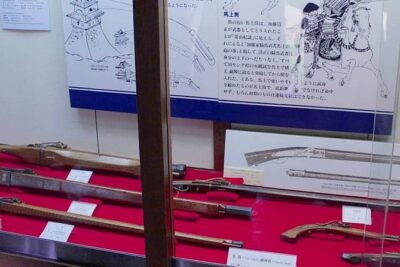
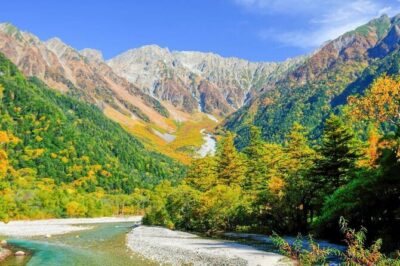
1-Day Tour from Nagano and Matsumoto Kamikochi & Matsumoto Castle
Read our review →
1-Day Snow Monkeys & Snow Fun in Shiga Kogen Tour
Read our review →
Full-Day Tour: Matsumoto Castle & Kamikochi Alpine Valley
Read our review →Browse the lists this tour appears in