
Reviewed · SNOW MONKEY TOURS
From Tokyo: Snow Monkey 1 Day Tour with Beef Sukiyaki Lunch
The monkeys are worth the long ride north. This full-day trip pairs beef sukiyaki lunch with a close look at Japan’s famous macaques in Jigokudani Valley, plus coach transport from central Tokyo. I especially like the easy all-in-one setup and the chance to see the monkeys in a snowy mountain setting rather than trying to arrange trains, buses, and park tickets yourself. The drawback is clear: expect up to seven hours on the road, and the final walk can be icy, muddy, and harder than the description suggests.
The best winter departures add Kamakura no Sato, a small village of illuminated snow huts, between January 23 and March 1, 2026. Guides such as Ichiro, Mai, Maki, Ken, and George have helped make past departures friendly and well organized, but guide assignments change. Pack seriously for winter, arrive early at the Shinjuku meeting point, and think of this as a long mountain outing with a spectacular payoff.
In This Review
- Key points before you book
- Why this day trip is worth considering
- Meeting at the LOVE sculpture in Shinjuku
- The long coach ride to Nagano Prefecture
- Sukiyaki at Shinshu Fruitsland
- Walking into Jigokudani Monkey Park
- Watching the monkeys without disturbing them
- The Kamakura snow huts from January 23 to March 1
- Is $151 good value for a Tokyo day trip?
- How to make the day run smoothly
- Who will enjoy this tour most?
- Should you book the snow monkey tour?
- FAQ
- How long does the Tokyo snow monkey tour last?
- Where is the meeting point in Tokyo?
- Is hotel pickup included?
- What lunch is served?
- Are the snow monkeys guaranteed to be in the hot springs?
- When are the monkeys most likely to use the hot springs?
- How much walking is required?
- What should I wear?
- Is the Kamakura snow-hut village included?
Key points before you book
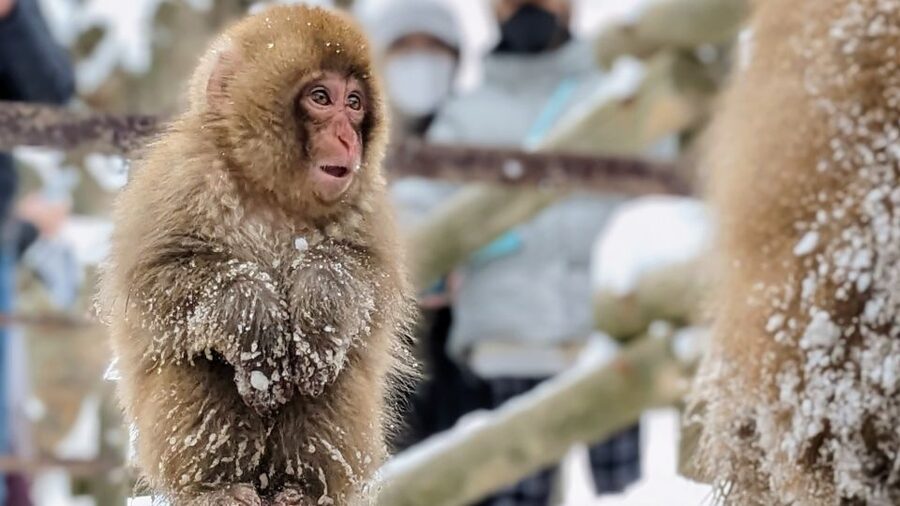
- The hot-spring monkeys are not guaranteed: They are wild animals, and they may not enter the water, especially from mid-March in warmer weather.
- The walk takes more than 30 minutes each way: Snow, ice, mud, and uphill sections make sturdy, non-slip footwear essential.
- The bus ride is the price of convenience: The journey can take up to three and a half hours each way, with two or three service-area stops.
- Lunch is included at Shinshu Fruitsland: Beef sukiyaki is the standard meal, with pork, vegetarian, or vegan alternatives available if requested in advance.
- Winter adds the most atmosphere: Snow-covered Jigokudani is at its most photogenic, and the snow huts are included from January 23 to March 1, 2026.
- The $151 cost covers the main pieces: Transport, park admission, lunch, a guide, and the Tokyo meeting-point transfer are included.
Why this day trip is worth considering
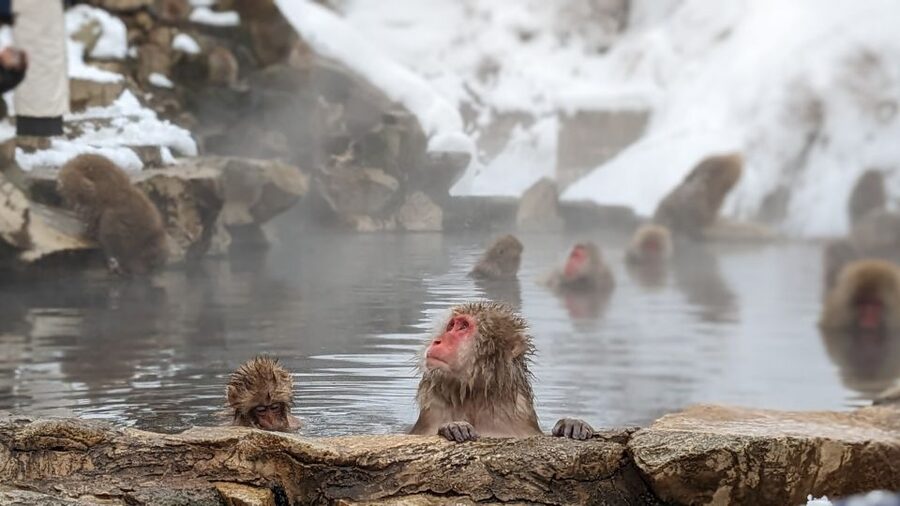
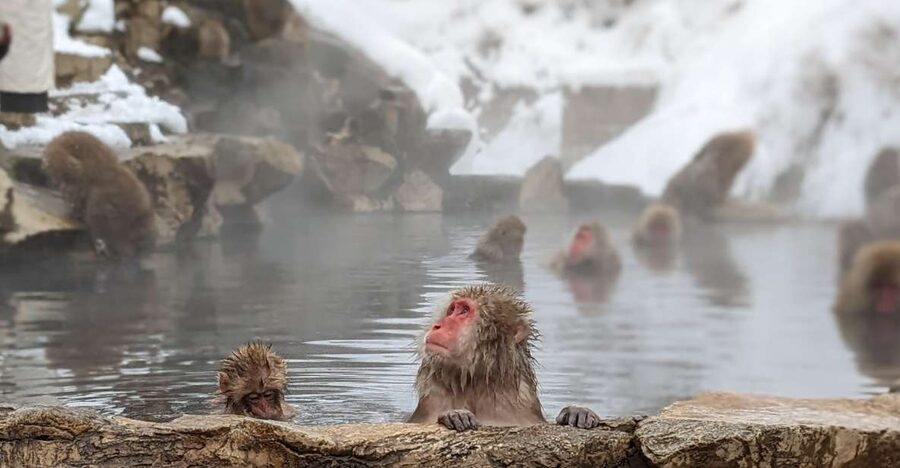
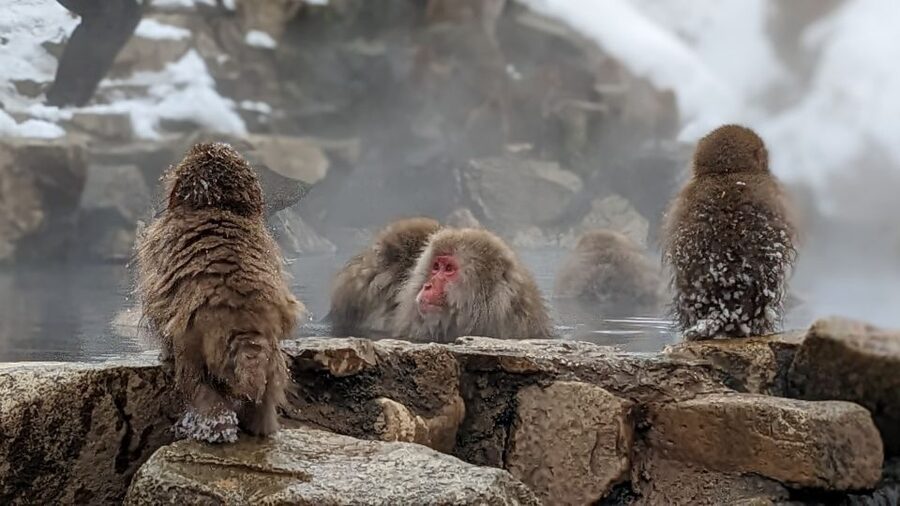
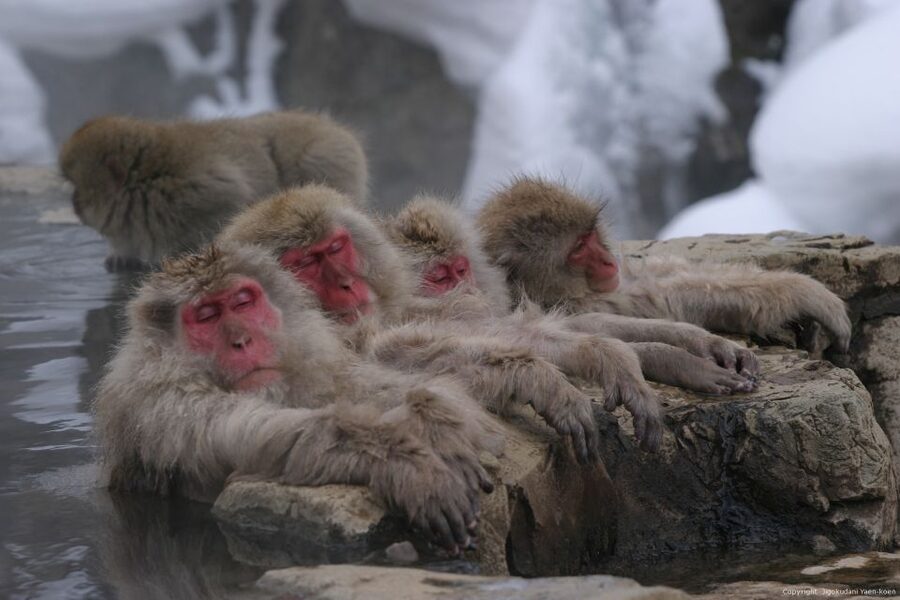
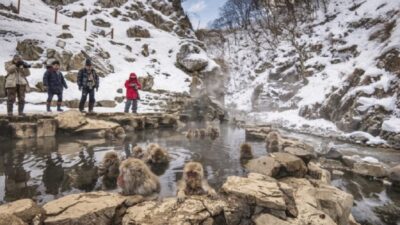
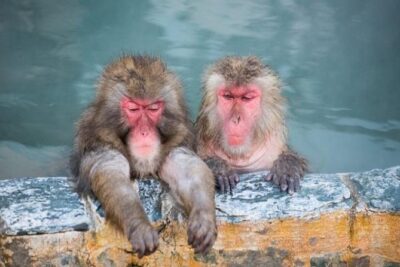
Jigokudani Monkey Park is one of Japan’s most unusual wildlife stops. Japanese macaques come down from the surrounding mountains and sometimes soak in the park’s thermal pool. Their calm expressions, pink faces, wet fur, and complete lack of interest in your holiday plans make for memorable photographs.
I like that the encounter is close without being an artificial animal show. The monkeys are accustomed to people, but you still observe them on their terms. You cannot touch, feed, or stare directly at them. That matters. The best experience comes from standing quietly and watching the group interact.
The setting adds plenty. The park sits in the Jigokudani Valley, where snow-capped slopes and a forest path frame the walk. In winter, falling snow can make the scene feel almost unreal. In warmer weather, the view remains attractive, but the classic image of a monkey floating in steaming water becomes less likely.
The tour also removes a lot of planning work. You meet in Shinjuku, ride north, eat lunch, enter the park with transport and admission already arranged, then return to central Tokyo. For a first visit to Japan, that simplicity has real value.
More snow monkey trips:
- 1-Day Snow Monkeys, Zenko-ji Temple & Sake in Nagano
★ 5.0 · 1,020 reviews - Nagano: Snow Monkeys, Zenkoji Temple & Sake Day Trip
★ 4.9 · 833 reviews - Tokyo: Snow Monkey & Nagano Customiseable Private Day Tour
★ 4.8 · 138 reviews
Meeting at the LOVE sculpture in Shinjuku
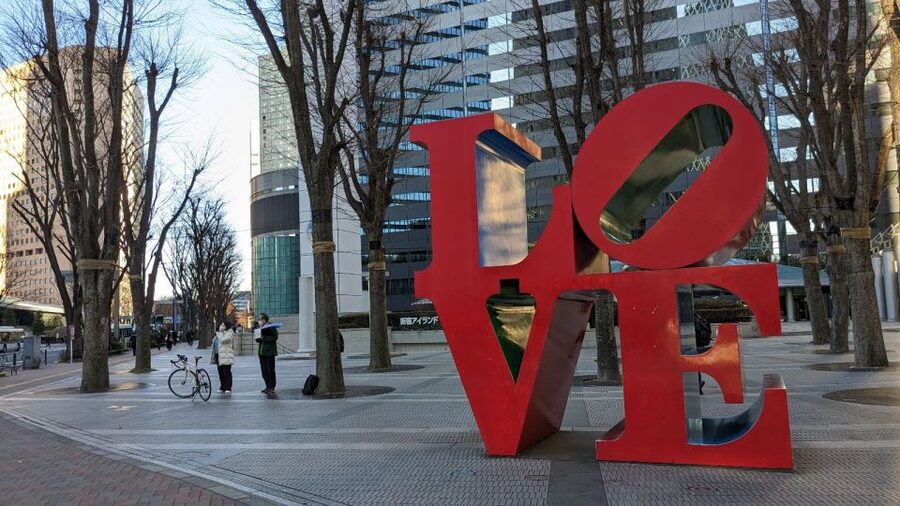
The meeting point is beside the Nishi Shinjuku LOVE sculpture, outside the Shinjuku i-Land building at 6-chōme-5-1 Nishishinjuku. This is not hotel pickup, and the coach does not collect people from individual hotels in central Tokyo.
Give yourself extra time to find the sculpture and the correct road. The area is busy, and the pickup point can feel less obvious than its written address suggests. A few minutes of calm orientation is better than a last-second sprint through Shinjuku.
Late arrival is a serious problem. The coach leaves at the scheduled time at the guide’s discretion, and there is no refund for missing it. Bring your booking details and keep your phone available for tour communication.
The long coach ride to Nagano Prefecture
The first leg can take up to three and a half hours, followed by another roughly 30-minute ride after lunch before reaching the monkey park. The return journey is also scheduled for about three and a half hours, though traffic around Tokyo can make the day longer.
Some departures have taken around 12 hours from start to finish. That is not a flaw in the tour so much as a fact of geography. Jigokudani is far from Tokyo, and a day trip means accepting a large amount of sitting.
The coach normally makes two or three stops at service areas along the route. These breaks help with restrooms, snacks, and stretching your legs, but they do not turn the ride into a sightseeing tour. Bring something to read, a tablet, or downloaded entertainment if long bus journeys wear you down.
Coach size can vary with the group, from a smaller vehicle to a medium coach. Some passengers have found the seats less comfortable for the long ride, particularly when they do not recline. If you value maximum legroom and flexible departure times, taking the train and arranging the mountain connections yourself may suit you better. If you value one booking and a single direct plan, the coach wins.
A good guide can make the drive feel shorter. Past guides including Thomas and Maki have provided running commentary, jokes, and clear updates. Another departure featured a song sheet ready in case traffic caused a delay. The quality of commentary can vary, so I would not book this primarily for a detailed lecture during the ride.
Sukiyaki at Shinshu Fruitsland
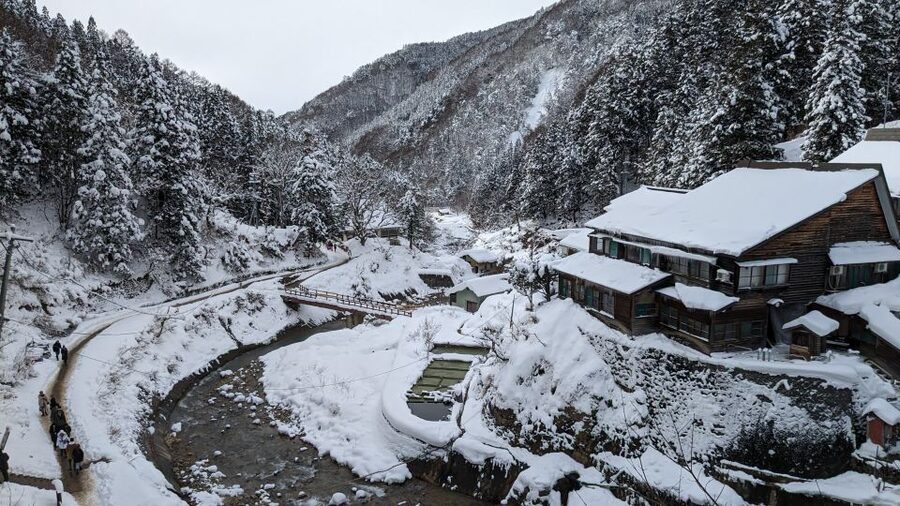
Lunch comes at Shinshu Fruitsland and lasts about an hour. Beef sukiyaki is the standard meal, cooked in a sweet-savory broth with the familiar hot-pot style that makes sense on a cold winter day.
The meal is included, which makes the $151 price easier to judge. You are not paying for a luxury restaurant, but you do get a warm Japanese meal without needing to search for food during a tightly timed day.
If you do not eat beef, contact the operator when booking. Pork, vegetarian, and fully vegan alternatives are available. Fish and chicken are not offered, so do not assume every substitute can be arranged. Drinks are not included.
The lunch has generally been considered good and satisfying, though not a major culinary event. That is a fair expectation. Its real value is warmth, convenience, and a taste of a familiar Japanese dish before the mountain visit.
A few more Nagano experiences worth weighing up
- Bike Tour Exploring North Kyoto plus Lunch
★ 5.0 · 1,087 reviews - Tokyo: Mt.Fuji & Lake Kawaguchiko 1-Day Bus Tour w/Optional Lunch
★ 4.5 · 839 reviews - Osaka/Kyoto: Arashiyama, Nara & Fushimi Inari Shrine w/Lunch
★ 4.4 · 754 reviews - Kyoto Zen Meditation & Garden Tour at a Zen Temple with Lunch
★ 5.0 · 441 reviews
Walking into Jigokudani Monkey Park
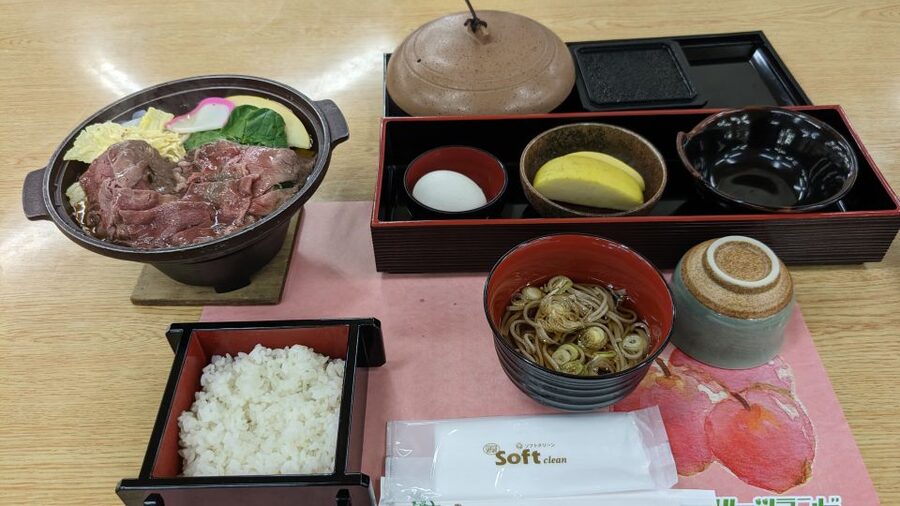
After lunch, the coach continues for about 30 minutes toward the park area. From the parking area, you walk more than 30 minutes to Jigokudani Yaen-koen. The route passes through woodland and can be beautiful, but it is not a flat stroll from the bus to the viewing area.
In snow and ice, the walk becomes the day’s main physical challenge. Hardened snow can be slick. Mud can appear during warmer periods. Some people have found the route closer to 40 minutes, especially when conditions are difficult or the group moves at different speeds.
Wear snow boots or other shoes with a strong grip. Warm, waterproof trousers are useful, and high boots are better than smooth-soled city shoes. Optional crampons may be sold on the bus, but you should not depend on buying them as your only preparation.
The tour describes the walking level as moderate, but I would call it more than moderate if you are unsteady on ice. It is not suitable for wheelchair users, and pregnant people are advised not to take the tour. One guide once stayed beside a participant using a cane and helped them reach the park, which shows the staff can be considerate, but you should still judge your own ability honestly.
Allow plenty of time for the return walk. The monkeys are the reason you made the journey, but the schedule must also account for the forest path, changing weather, and the drive back to Tokyo.
Watching the monkeys without disturbing them
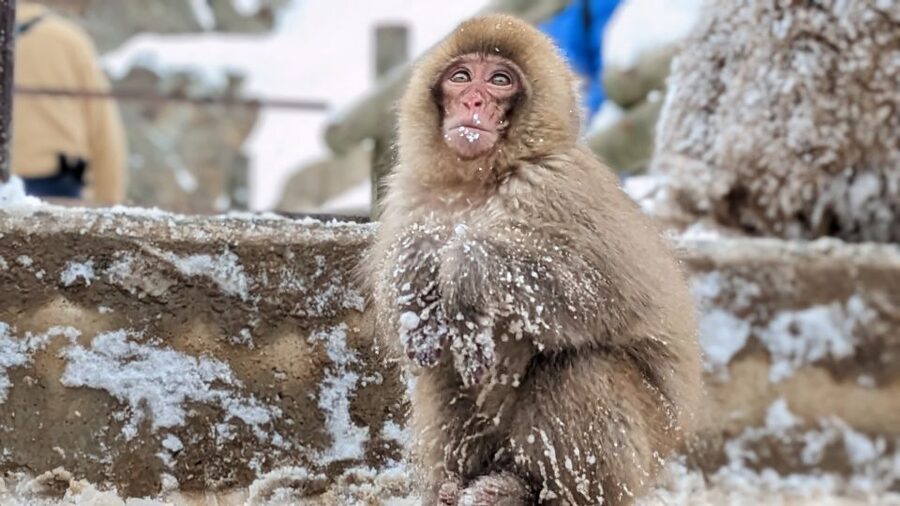
The viewing area gives you the chance to see Japanese macaques at close range. They may walk past you, play, groom one another, care for young animals, or sit near the thermal pool. Winter departures often provide the strongest chance of seeing them in snow, with babies and adults moving through the white forest.
Still, nature does not follow the brochure. Sightings are not guaranteed, and there is no refund if the monkeys are absent. Even when the monkeys are present, they do not spend most of their time bathing. You might see a busy troop around the pool, or you might find the animals on the surrounding ground.
From mid-March, warm weather can mean fewer monkeys in the springs. Snowy days later in the season can improve your odds, since the animals are more likely to seek warmth. This is one reason January and February are the safest choices for the classic hot-spring scene, though no month promises it.
Follow the park rules closely. Do not touch or feed the monkeys. Avoid direct eye contact, since the animals can be territorial. Keep your hands to yourself and let the macaques decide how close they want to pass.
The park visit lasts about two hours, including time for the walk and viewing. Several past departures have felt that more time at the monkeys would be welcome. I agree that the schedule can feel tight, but two hours is enough to watch the troop, take photographs, and enjoy the valley if you move with purpose.
The Kamakura snow huts from January 23 to March 1
If your departure falls between January 23 and March 1, 2026, the tour also includes Kamakura no Sato, the illuminated snow-hut village. These rounded snow domes give the day a second winter image, distinct from the monkeys and forest.
The huts are a seasonal bonus, not the main reason to book. They add atmosphere and variety after the park, particularly when evening lights glow against the snow. The stop may also help break up the return schedule, but road conditions and timing can affect the precise plan.
Outside those dates, this seasonal entry is not included. Check the travel date carefully if the snow huts are important to you.
Is $151 good value for a Tokyo day trip?
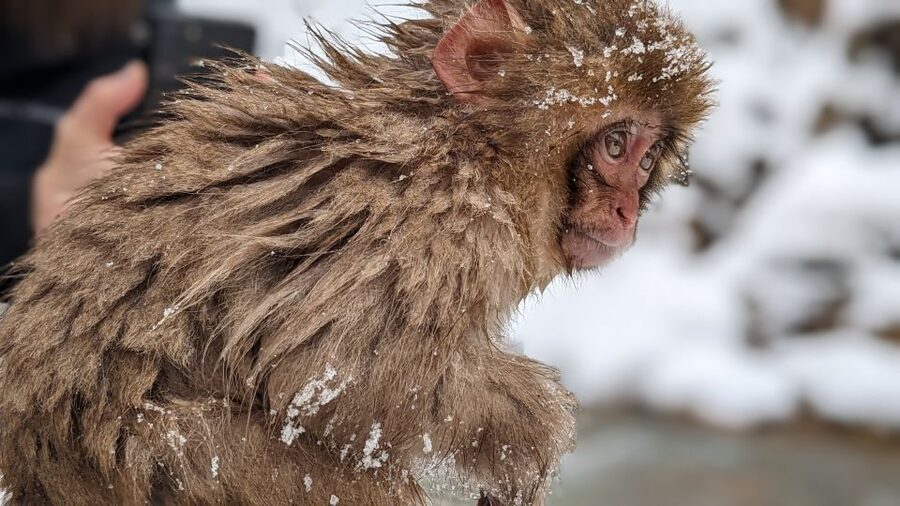
At $151 per person, the tour is not cheap, but it covers the pieces that quickly add up: round-trip coach transport, the Jigokudani Monkey Park admission, lunch, an English-speaking guide, and the Shinjuku meeting-point transfer. During the winter date range, Kamakura no Sato admission is also included.
The price makes sense if you want the monkey park without handling several connections in rural Nagano. It also protects you from the hassle of buying a park ticket, finding the right bus, and coordinating a mountain visit with a same-day return to Tokyo.
The value is weaker if you dislike long coach rides or want a relaxed visit with several hours at the park. You are buying convenience, not speed. Traffic, road conditions, and group timing can stretch the day.
The included lunch is useful, but drinks and optional crampons cost extra. Reserve and pay later options, plus free cancellation up to 24 hours in advance, make the booking less rigid if your plans are still moving.
How to make the day run smoothly
I would pack the following:
- Warm layers, including gloves and a hat
- Waterproof outer clothing
- Snow boots or other anti-slip footwear
- A small amount of water and personal snacks
- Phone battery power for photographs and tour messages
- Cash or payment for drinks and optional crampons
Wear your walking shoes from the start, not just for the park. The service-area stops are useful, but they are not a replacement for being ready when you arrive in the snow.
Use the restroom whenever the coach stops. The drive is long, and the park visit follows a fixed schedule. Keep your belongings compact and do not leave rubbish on the bus.
Most important, arrive early at the LOVE sculpture. A confusing pickup is a much bigger problem than a missed photograph, because latecomers are not refunded.
Who will enjoy this tour most?
This works best for you if seeing the snow monkeys is high on your Japan list and you want a simple organized day from Tokyo. It is also a strong fit for first-time visitors who would rather follow a clear plan than manage rural transport.
You should enjoy it if you can handle a long ride, moderate walking, cold weather, and a little uncertainty from wild animals. Families with older children, couples, solo participants, and small groups can all join, since the tour accepts bookings from one person onward.
I would hesitate if you have difficulty walking on ice, need wheelchair access, dislike fixed schedules, or want a slow meal and extended park time. A private arrangement or overnight stay near Nagano would offer more freedom, but it would require more planning and likely more cost.
The guide can make a real difference. Past departures with Ichiro, Mai, Kubo, Maki, Ken, George, Thomas, and Mami have been praised for humor, kindness, clear instructions, and help with practical questions. You cannot choose your guide, but the operator’s strength is its active support when traffic or icy roads complicate the day.
Should you book the snow monkey tour?
Book it if the snow monkeys are a priority and you accept that the journey is almost as long as the visit. The combination of simple transport, included lunch, park admission, and winter scenery gives you solid value for a difficult-to-arrange destination.
Choose a January or February date for the best winter mood, but remember that even then the monkeys may stay out of the water. If the Kamakura snow huts appeal to you, travel between January 23 and March 1, 2026.
My advice is simple: book the tour, then prepare like you are going on a short mountain walk, not a casual city excursion. Bring serious footwear, reach Shinjuku early, and treat the monkeys as wild animals rather than guaranteed performers. If you do that, the long ride is likely to feel worthwhile when a pink-faced macaque settles into the steaming pool with snow falling around it.
FAQ
How long does the Tokyo snow monkey tour last?
The experience lasts one full day. The total schedule can reach about 12 hours, with up to three and a half hours of travel each way, stops, lunch, walking, and the park visit.
Where is the meeting point in Tokyo?
Meet beside the Nishi Shinjuku LOVE sculpture outside the Shinjuku i-Land building at 6-chōme-5-1 Nishishinjuku.
Is hotel pickup included?
No. Hotel pickup and drop-off are not included. You meet the guide in Shinjuku and return to central Tokyo at the designated finish point, Tokyo Mode Gakuen.
What lunch is served?
Beef sukiyaki is the standard lunch at Shinshu Fruitsland. Pork, vegetarian, and vegan alternatives can be requested in advance. Fish and chicken are not available, and drinks are not included.
Are the snow monkeys guaranteed to be in the hot springs?
No. The monkeys are wild, and sightings in the springs are not guaranteed. They may be nearby without entering the water.
When are the monkeys most likely to use the hot springs?
Winter conditions generally offer the best chance. From mid-March, warmer weather may mean the monkeys do not enter the springs, although snowy days can improve the chance.
How much walking is required?
It takes more than 30 minutes to walk from the parking area to Jigokudani Monkey Park, followed by the return walk. Snow, ice, mud, and uphill sections can make the route demanding.
What should I wear?
Wear warm clothing and comfortable shoes with strong grip. Snow boots or other non-slip footwear are recommended, and waterproof trousers can help in wet or muddy conditions.
Is the Kamakura snow-hut village included?
Yes, entry to Kamakura no Sato is included for tours running from January 23 through March 1, 2026. It is not part of the tour outside those dates.
Just added around Nagano
- From Nagano: Tateyama-Kurobe Alpine Route★ 4.8 · 45 reviews
- Private Snow Monkey Tour – Conveniently Resort Hop and Sightsee★ 5.0 · 47 reviews
- Nagano: 1-Day Snow Monkey & Cherry Blossom Tour in Spring★ 4.8 · 51 reviews
- 1 Day Tour: Snow Monkeys & Snow Fun in Shiga Kogen★ 5.0 · 52 reviews
- Snow Monkey & Shibu Onsen Afternoon Tour (Depart: Iiyama & Nozwa)★ 5.0 · 54 reviews
- Nagano/Tokyo: Snow Monkey and Zenkoji Temple Private Tour★ 4.8 · 54 reviews
- (Spring Only) 1-Day Snow Walls of Tateyama-Kurobe Alpine Route Tour★ 5.0 · 75 reviews
- Wild Japanese Flying Squirrel Watching Tour in Nagano★ 5.0 · 79 reviews
Snow Monkey Tours, compared.
1-Day Snow Monkeys, Zenko-ji Temple & Sake in Nagano
Read our review →
Hokkaido Seasonal: Lake Toya & Noboribetsu Jigokudani Valley
Read our review →
Nagano Snow Monkey 1 Day Tour with Beef Sukiyaki Lunch from Tokyo
Read our review →
1-Day Snow Monkeys & Snow Fun in Shiga Kogen Tour
Read our review →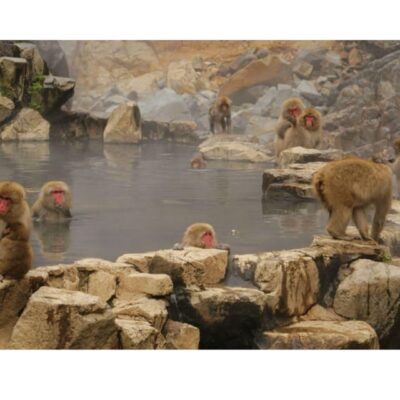
Nagano Tokyo: Snow Monkey Private Day Tour Hotel Pick & Drop
Read our review →Browse the lists this tour appears in