
Reviewed · ARASHIYAMA & BAMBOO GROVE TOURS
Osaka/Kyoto: Arashiyama, Nara & Fushimi Inari Shrine w/Lunch
Japan’s big three, neatly packed. This full-day bus tour links Arashiyama Bamboo Forest, Nara Park, and Fushimi Inari Shrine with lunch in a traditional Kyoto townhouse. I like the clever route, which covers several major sights without asking you to decode Kyoto’s trains, and I like the included shabu-shabu meal, a welcome pause between temple visits.
The tradeoff is time. With roughly nine hours on the road and several headline attractions to cover, this is a highlights tour, not a slow Kyoto stroll. Fushimi Inari can feel rushed, especially if crowds make the walk from the bus parking area to the shrine entrance slower than expected.
In This Review
- Key points to know before you book
- Why this Osaka and Kyoto day trip works
- Arashiyama Bamboo Forest: beautiful, brief, and busy
- Lunch at Kyoto Wasabi in a historic townhouse
- Nara Park and the deer
- Fushimi Inari’s torii gate tunnel
- What the guides add to the day
- Timing, transport, and the real pace
- Is $61 a fair price?
- Who should book this tour?
- FAQ
- How long does the tour last?
- Where does the tour start?
- Can I finish in either Osaka or Kyoto?
- Is lunch included?
- Is the Todai-ji Temple entrance fee included?
- Are hotel pickup and drop-off provided?
- What languages are available?
- Should you book it?
Key points to know before you book
- Three famous sights in one day: Arashiyama, Nara Park with optional Todai-ji Temple, and Fushimi Inari all fit into one organized route.
- Lunch is more than a quick boxed meal: You eat at Kyoto Wasabi, a 120-year-old Kyo-Machiya townhouse, with Kobe beef, pork, or vegetarian curry options.
- Guides set the tone: Gary, Nick, Eric, Mike, Tracy, Kevin, and others have earned praise for humor, clear instructions, photography help, and keeping the group together.
- You explore independently at each stop: The guide gives directions and background, then you roam on your own and return to the bus at the assigned time.
- The $61 price is strong value: Transport, a guide, lunch, the day’s route, and taxes are included, though Todai-ji admission costs extra.
- Punctuality matters: The bus leaves on time, and arriving at the wrong meeting point or missing departure can mean missing the tour without a refund.
Why this Osaka and Kyoto day trip works
If you are staying in Osaka but want to see Kyoto and Nara, this tour removes a lot of planning. You start at the Osaka Villa Namba or the Kyoto VIP Lounge, depending on your booking, then travel by air-conditioned vehicle between the main sights.
That convenience matters. Arashiyama, Nara, and Fushimi Inari are not all clustered together, and arranging the same route by public transport takes time and careful connections. Here, the driver handles the distance while your guide explains the plan and gives you a clear return time at each stop.
I would treat the experience as a great first look. You get the famous bamboo path, the deer park, a major Buddhist temple, and Kyoto’s famous torii gates in one day. If one place captures your imagination, you can return later for a slower visit.
The group format also keeps the day moving. That is useful for a first visit, but it means you need to watch the clock. Several stops are commonly around 80 minutes, and Fushimi Inari has received particular criticism for feeling short at about one hour and 20 minutes.
More Temple & Shrine Tours in Kyoto
- Kyoto: Fushimi Inari, Kinkakuji, Bamboo Grove 1 Day Bus Tour
★ 4.8 · 4,316 reviews - Kyoto: Tea Ceremony in a Traditional Tea House in Kiyomizu
★ 4.9 · 3,519 reviews - Kyoto: Tea Ceremony Ju-An at Jotokuji Temple
★ 4.9 · 3,207 reviews
Arashiyama Bamboo Forest: beautiful, brief, and busy
The day begins with Arashiyama’s famous bamboo grove. Tall green stalks rise on both sides of the walking path, creating one of Kyoto’s most recognizable photo settings. The grove feels cooler than the open streets, which is especially welcome in Japan’s hot summer months.
You will have time to walk beneath the bamboo, take photographs, and enjoy the surrounding area. The main attraction is the atmosphere rather than a long guided explanation. Your guide may provide directions and useful context, but this stop is largely self-directed.
The practical point is to keep your expectations sensible. Arashiyama is a popular place, so the path may be crowded. A clear photograph with no one else in it can take patience, and the stop may not allow time to explore every nearby sight.
Still, the grove earns its place on this route. It gives you a quiet-feeling opening to a busy day, and it is easy to appreciate without needing specialist knowledge. Wear shoes you can walk in, and keep your camera ready. You may get only a short window for the photograph you want.
Lunch at Kyoto Wasabi in a historic townhouse
Lunch is one of the tour’s strongest features. Kyoto Wasabi occupies a traditional Kyo-Machiya townhouse that has welcomed diners for more than 120 years. The setting gives the meal a stronger sense of place than a stop at a modern restaurant beside a coach park.
The main choice is Kobe beef shabu-shabu. Thin slices of wagyu beef are cooked in hot broth at the table, so the meal has a small ritual to it. The beef is valued for its tenderness and flavor, and the cooking process lets you control how long each slice stays in the broth.
A pork shabu-shabu option is also available. It includes tender pork and tofu in a seasoned broth, and it is a useful choice if you want the same interactive meal without choosing beef. Vegetarian guests can select curry rice, described as a comforting dish made with spices and fresh ingredients.
There is also Kobe beef aburi sushi available for an extra charge on the day. That is not part of the listed meal, so budget for it separately if you are interested.
A few practical points are worth noting. One person found the meal good but wished there had been more food, while many others found it filling and delicious. I would call the lunch a well-chosen inclusion, but not a long, leisurely restaurant experience. The schedule has several places still ahead, so you should enjoy the meal without expecting a two-hour break.
For the $61 tour price, including a Kobe beef option in a historic Kyoto home adds real value. Comparable self-planned transport and meals can quickly eat into a day’s budget, especially if you are visiting from Osaka.
Nara Park and the deer
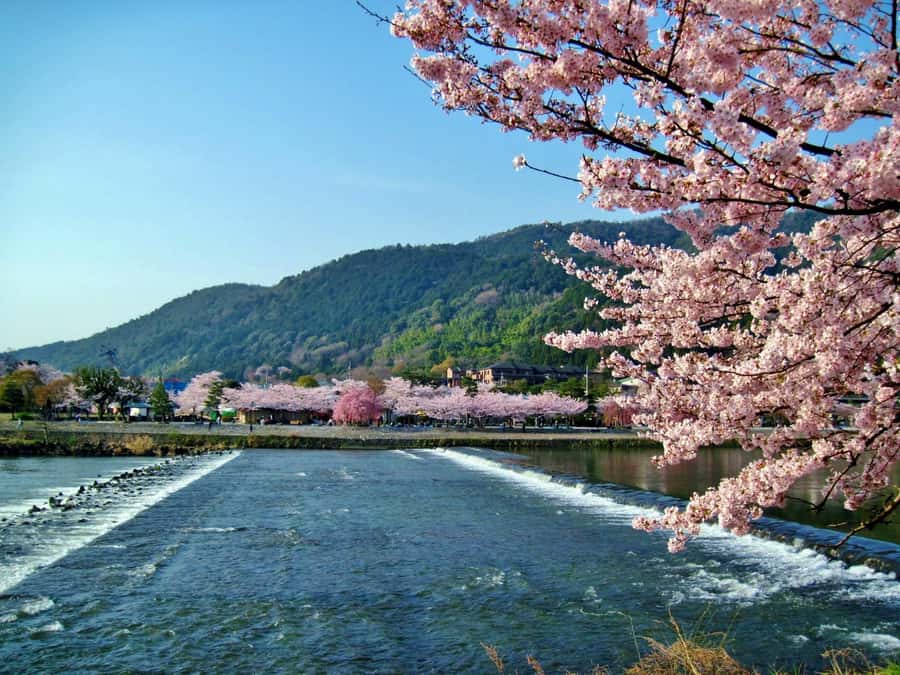
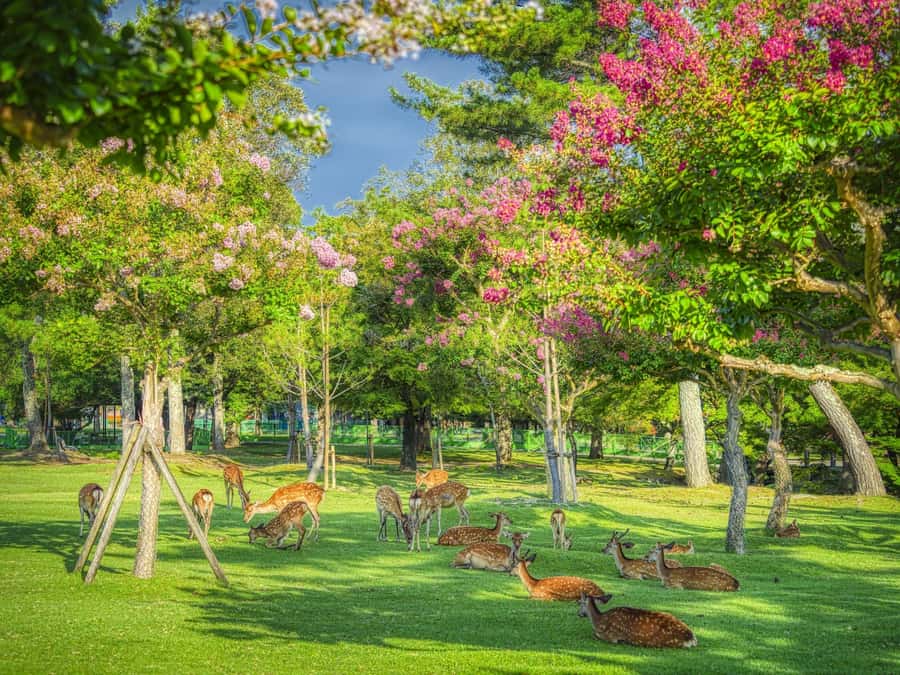
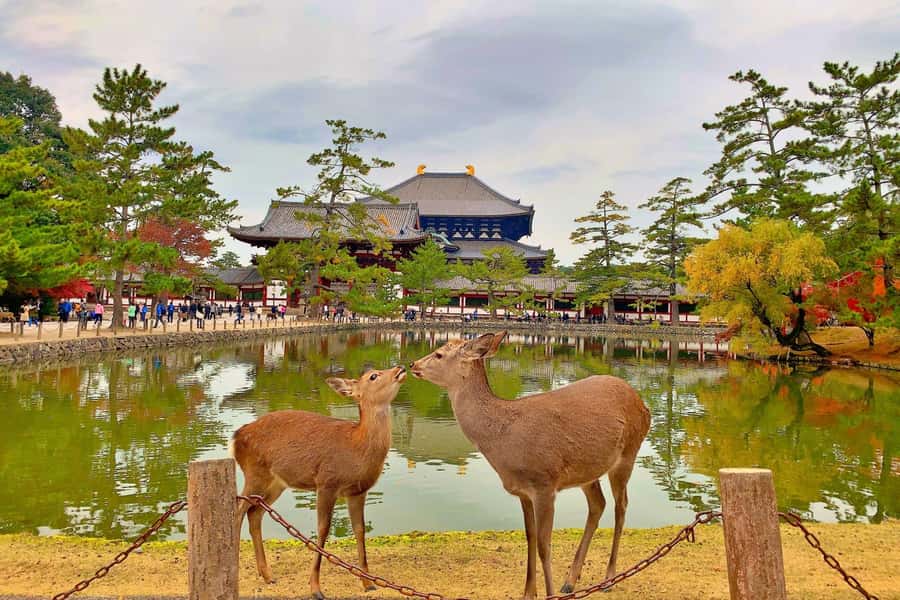
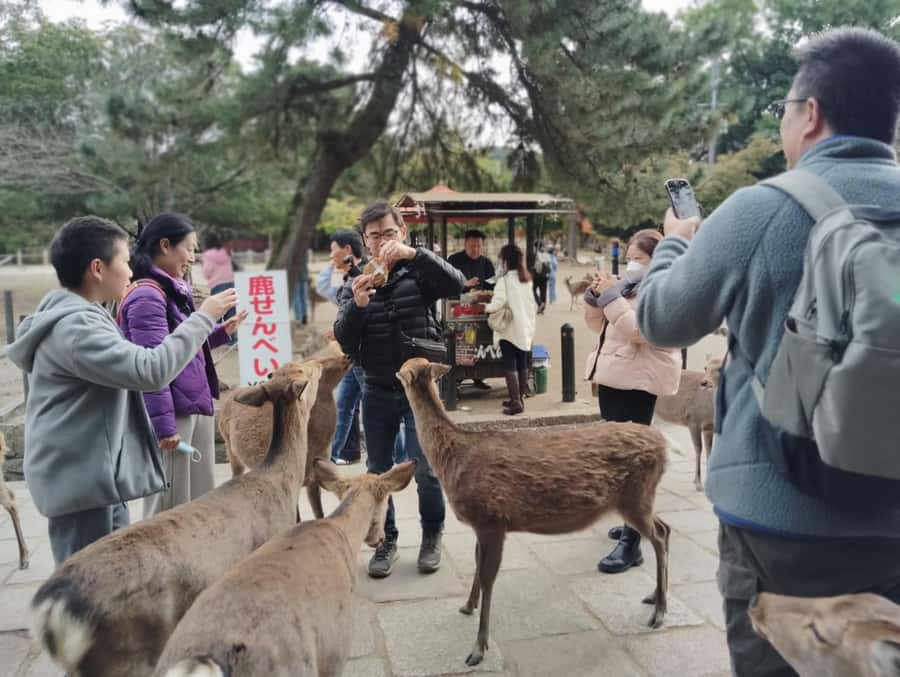
Nara Park brings a completely different mood. The park is known for its free-roaming deer, and you can see them moving around the grounds near the temples and paths. The animals are a memorable part of the visit, especially for children and first-time visitors.
You may be able to buy deer crackers in the park and feed the deer, though the supplied information does not promise that as part of the tour. The important rule is to remember that they are wild animals. Do not tease them, chase them, or disturb them, and keep an eye on anything they might try to eat.
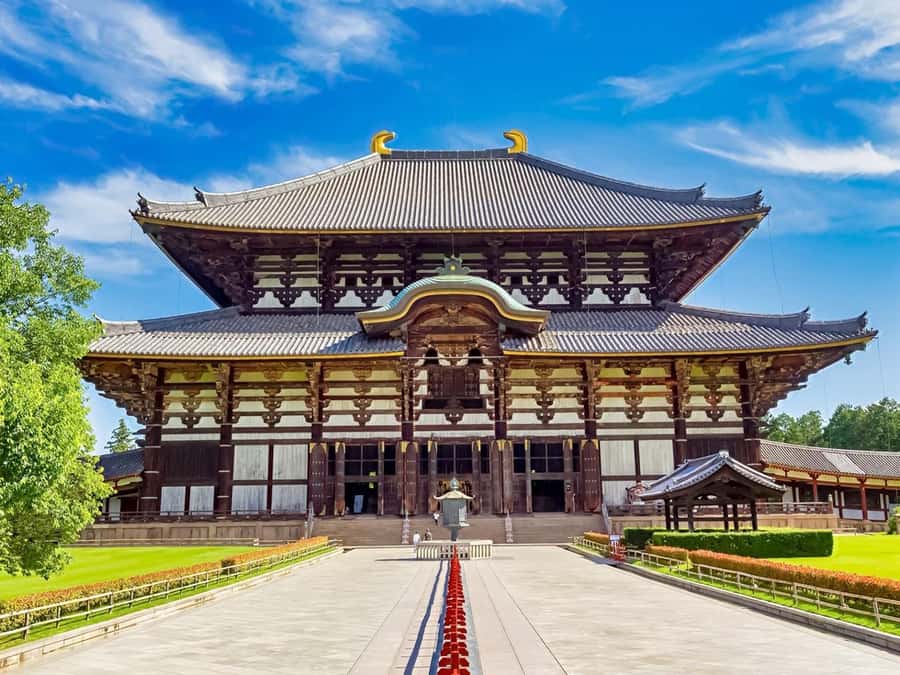
The deer are not the only reason to visit. Nara was Japan’s ancient capital, and the park places you near one of the country’s major Buddhist sites, Todai-ji Temple. The temple is a UNESCO World Heritage site and is described as the world’s largest wooden structure.
Todai-ji contains a colossal Buddha statue measuring about 15 meters tall. The scale is hard to grasp until you are inside the building, looking up at the figure. If you want to enter Todai-ji, the admission fee is optional and not included in the tour price.
That optional entry creates a useful choice. You can pay to see the temple interior and Buddha, or stay in the park and spend more time with the deer and nearby grounds. If Todai-ji is a priority, carry enough cash or confirm the accepted payment method before you go, since the tour details only specify that the admission is separate.
Nara is also a place where the schedule can feel tight. You are balancing deer, temple grounds, photographs, and perhaps lunch after or before this stop, depending on the day’s operating order. The tour is designed to show you the essentials, not every corner of Nara Park.
More Arashiyama and bamboo grove walks:
- Osaka/Kyoto:Kinkakuji,Arashiyama,FushimiInariShrine,NaraPark
★ 4.1 · 1,596 reviews - Kyoto/Osaka: Nara, Fushimi Inari Taisha, Arashiyama Bus Tour
★ 4.7 · 1,275 reviews - Kyoto Arashiyama Walking Tour: Bamboo, Monkeys, Gardens & Secrets
★ 5.0 · 1,216 reviews - Arashiyama Bamboo, Temple, Monkeys, or Secret Sake Brewery
★ 4.8 · 886 reviews
Fushimi Inari’s torii gate tunnel
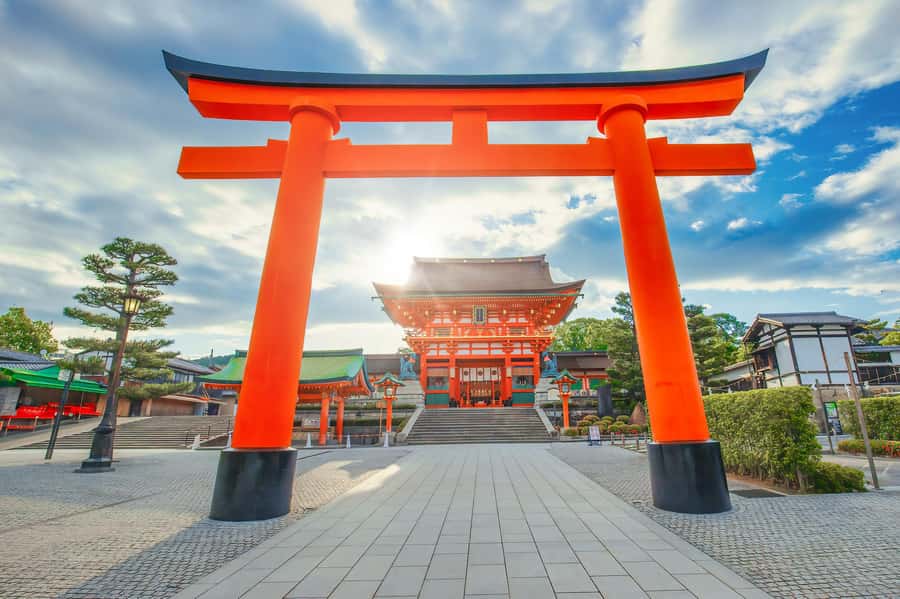
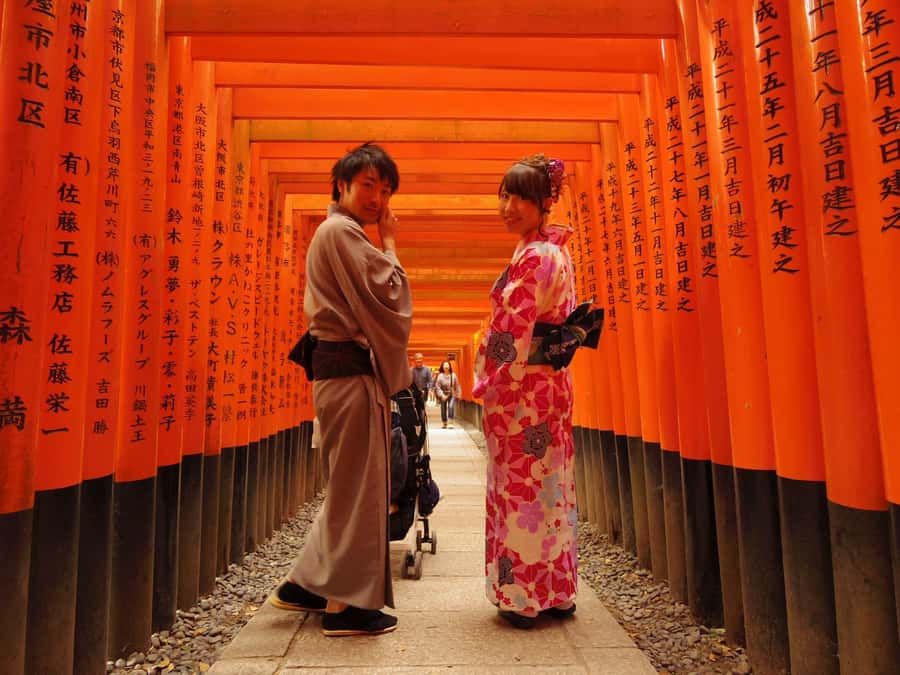
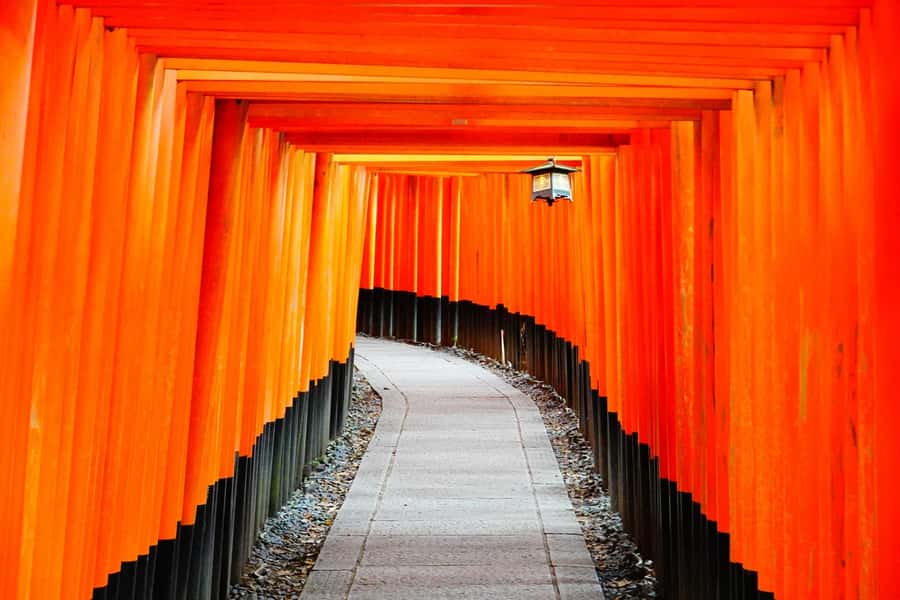
The final major sight is Fushimi Inari Taisha, one of Kyoto’s most famous Shinto shrines. Its signature feature is the long sequence of vermilion torii gates leading up Mount Inari. The gates form a striking tunnel-like path, with smaller shrines and religious markers along the way.
Fushimi Inari is dedicated to Inari Okami, associated with business prosperity, household safety, and success in different pursuits. You do not need to understand every ritual to enjoy the setting, but a short explanation from the guide can make the shrine feel more meaningful than a simple photo stop.
The key limitation is time. The bus parking area may be some distance from the shrine entrance, and heavy crowds can slow your progress. An 80-minute stop may sound generous, but once you walk to the gates, take photos, and find your way back, the available time shrinks.
You do not need to climb all the way up Mount Inari to have a worthwhile visit. The first section contains the famous gate tunnel and is the practical target for a short group tour. If you want a quieter walk or a longer mountain route, return independently on another day.
I suggest keeping your first visit focused. Move directly toward the main torii gates, take your photographs, and note the exact bus meeting time. Do not wander too far up the mountain unless you are certain you can return on time.
What the guides add to the day
The guide quality appears to be one of the biggest strengths of this experience, although your actual guide will vary. Gary is praised for kindness, organization, and keeping the group in good spirits. Nick is repeatedly described as funny, helpful, and full of useful facts about Japanese culture and local customs.
Eric is noted for keeping the whole bus accounted for and explaining the day clearly. Mike receives praise for interesting stories, helpful advice, and an upbeat personality. Tracy, Kevin, and others are also singled out for friendly service and clear guidance.
Do not expect a private guide walking beside you at every shrine. The usual format is more practical: the guide gives information on the bus, explains where to go, points out meeting locations, and then lets you explore independently. That arrangement gives you freedom, but you must pay attention to instructions.
Some guides have helped with shrine blessings, photo spots, water refills, and heat protection. Nick, in particular, is praised for offering refreshing wipes and fans during very hot weather, while other guides have taken group photographs and checked for every passenger before departure.
English and Chinese commentary are available. Depending on the group, both languages may be used, so parts of the explanation may take longer than you expect. One English-speaking passenger found a guide’s pronunciation difficult at times, although this appears to be a minor issue rather than a common complaint.
Timing, transport, and the real pace
The tour lasts about nine hours, though traffic and other unexpected conditions can change the schedule. The air-conditioned bus is a major advantage in summer, when walking between the sites can be hot and tiring.
The vehicle may be a large shuttle bus, and it can fill up. There is no stated phone charging facility, so charge your devices before departure. Your phone will be useful for photographs, maps, meeting-time reminders, and keeping in touch with your group.
This is not a hop-on, hop-off arrangement. You are assigned to a specific bus and guide, and the guide has a list of passengers for that vehicle. You need to arrive at the exact meeting point selected during booking, not simply at a nearby Osaka or Kyoto location.
The bus leaves promptly. If you arrive late, go to the wrong meeting point, or miss the departure, the operator may not be able to accommodate you and no refund is promised. If you need to change your meeting point or are unsure where to go, contact the provider at least two days before departure. The listed contact hours are weekdays, 9:30 a.m. to 6 p.m. Japan time.
At the end, you can return to either Kyoto or Osaka, depending on the available option and your preferred finish. That flexibility is useful if you are staying in one city but began the day in the other.
Is $61 a fair price?
At $61 per person, this is a strong deal for a packed sightseeing day. The price includes lunch, an English- or Chinese-speaking guide, air-conditioned transport, taxes, fees, and handling charges.
The included lunch is important to the calculation. You are not only paying for a seat on a bus. You are also receiving a Kobe beef shabu-shabu option in a century-old townhouse, or a pork or vegetarian meal, while moving between three major destinations.
You still need to pay for Todai-ji if you choose to enter. You also arrange your own way to the meeting point because hotel pickup and drop-off are not included. Those are manageable extra considerations, but they should be part of your budget.
The value is highest if you want an efficient introduction and do not want to plan several train rides. The value is lower if you already know Kyoto and Nara well, or if you prefer spending half a day at one shrine instead of seeing three headline sights quickly.
Who should book this tour?
I would recommend it to first-time visitors staying in Osaka or Kyoto who want to see the major sights with minimal transport planning. It also suits solo visitors, couples, and families who appreciate a clear schedule, included lunch, and a guide who handles directions.
It works well for people who want a sampler day. You can see which places deserve a return visit, then come back independently with more time.
I would hesitate if your main goal is quiet temple time, detailed guided touring inside each site, or a relaxed meal. Families with young children should also allow for the fact that 80-minute stops can feel short once walking and regrouping are included.
The tour has a rating of 4.4 from 754 reviews, and the strongest pattern is clear: people value the guides, efficient route, air-conditioned bus, and lunch. The most consistent complaint is not poor service. It is the familiar problem of trying to fit too much into one day.
FAQ
How long does the tour last?
The tour takes approximately nine hours, although traffic and unforeseen conditions may change the schedule.
Where does the tour start?
You begin at the Osaka Villa Namba or the Kyoto VIP Lounge, depending on the option you book. The exact meeting point may vary, so check your selected option carefully.
Can I finish in either Osaka or Kyoto?
The return journey offers the option to disembark in either Kyoto or Osaka, subject to the option selected for your booking.
Is lunch included?
Yes. Lunch is included, with Kobe beef shabu-shabu, pork shabu-shabu, or vegetarian curry rice options. Kobe beef aburi sushi can be ordered separately for an additional charge on the day.
Is the Todai-ji Temple entrance fee included?
No. Entry to Todai-ji Temple is optional and the admission fee is not included.
Are hotel pickup and drop-off provided?
No. Hotel pickup and drop-off are not included. You must reach the assigned meeting point yourself.
What languages are available?
The tour is offered in English and Chinese. Depending on the group size, commentary may be given in both languages.
Should you book it?
Book this tour if you want three major sights, lunch, and transport for $61 without working out the connections yourself. The route is smart, the guides often add real warmth and useful help, and the traditional townhouse meal gives the day more character than a basic coach excursion.
Skip it if you want to linger. Arashiyama, Nara, and Fushimi Inari each deserve more time than a single day can provide. For everyone else, arrive early, wear good walking shoes, charge your phone, watch the meeting times, and treat this as an efficient first taste of Kyoto and Nara.
More Lunch Experiences
- Bike Tour Exploring North Kyoto plus Lunch
★ 5.0 · 1,087 reviews - Kyoto Zen Meditation & Garden Tour at a Zen Temple with Lunch
★ 5.0 · 441 reviews - 4.5-Hour Kyoto Bike Tour with Lunch and UNESCO Zen Temples
★ 5.0 · 122 reviews - From Kyoto: Nara History Guided Half Day Bus Tour with Lunch
★ 4.8 · 114 reviews
Just added around Kyoto
- Kyoto: Gion Night Walking Tour with Geisha Insight★ 5.0 · 39 reviews
- Kyoto: Private Customizable Day Trip by Car★ 5.0 · 38 reviews
- Kyoto: Full Day Bike Tour★ 4.9 · 39 reviews
- Private Japanese Calligraphy in Kyoto – Learn Shodō with a Master★ 5.0 · 39 reviews
- Kyoto: Gion Evening Walk with Hidden Gems, Geisha & Sake★ 5.0 · 41 reviews
- Experience a tea ceremony in an authentic tearoom, in Kyoto!★ 4.5 · 41 reviews
- Kyoto Private Photo Shoot & Tour by SnapKyoto★ 5.0 · 41 reviews
- The Way of Tea: Kyoto Crafts, Hidden Temples & Wabi-Sabi Walk★ 5.0 · 41 reviews
Arashiyama & Bamboo Grove Tours, compared.
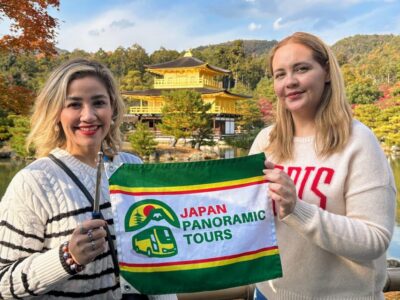
Fushimi Inari, Kinkakuji, Bamboo Grove 1 Day Bus Tour
Read our review →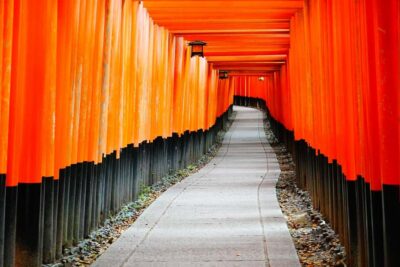
Osaka/Kyoto:Kinkakuji,Arashiyama,FushimiInariShrine,NaraPark
Read our review →
Kyoto/Osaka: Nara, Fushimi Inari Taisha, Arashiyama Bus Tour
Read our review →
Kyoto Arashiyama Walking Tour: Bamboo, Monkeys, Gardens & Secrets
Read our review →
Arashiyama Bamboo, Temple, Monkeys, or Secret Sake Brewery
Read our review →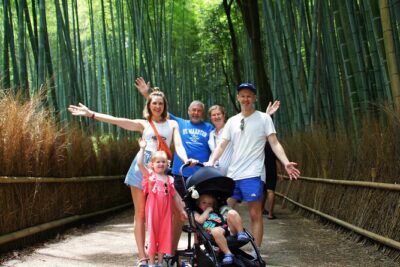
Arashiyama Bamboo Forest, Monkeys, Matcha & Temple Tour
Read our review →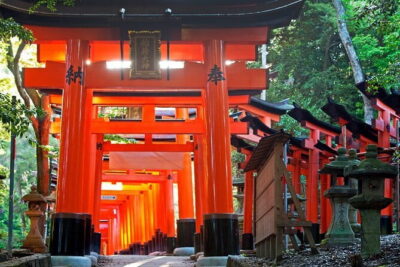
Nijo, Kinkaku-ji, Arashiyama, Kiyomizu & Fushimi Inari
Read our review →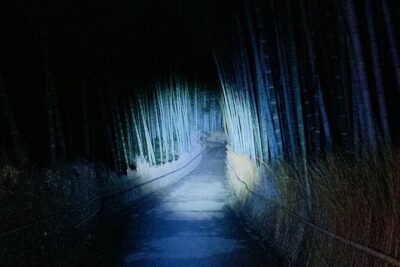
Kyoto Ghost Tour: Dark Tales, Urban Legends, Bamboo Forest Night
Read our review →Browse the lists this tour appears in