
Reviewed · TEA CEREMONY EXPERIENCES
Kyoto: Tea Ceremony Ju-An at Jotokuji Temple
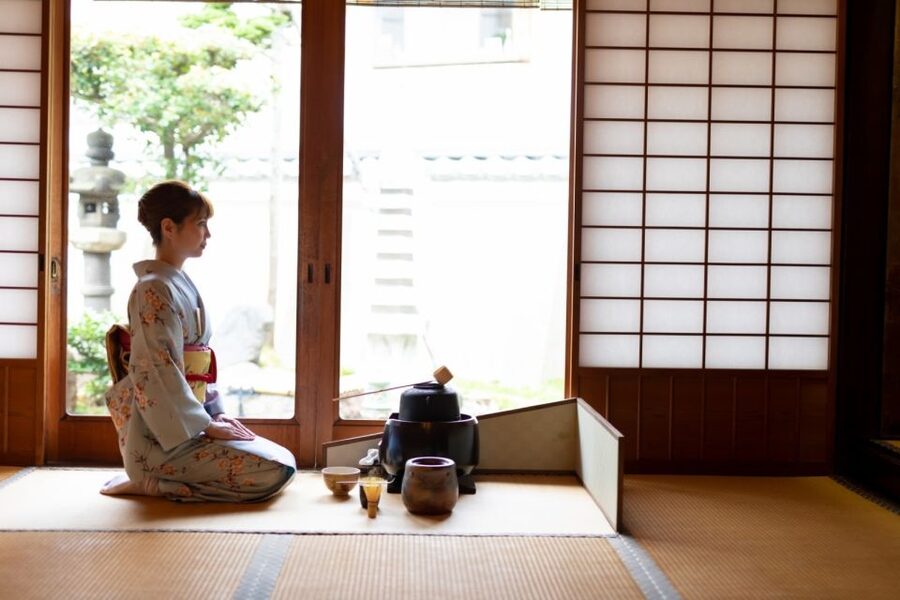
Tea can slow Kyoto down. This 70-minute matcha ceremony at Jotokuji Temple offers a calm look at Japanese custom without asking you to commit half a day. I like the small group size, capped at 10, and the chance to prepare your own tea after watching the Tea Master. The $29 price is also fair for a guided cultural activity in a temple setting.
I also like that the experience begins with a purification ritual and a short look at the temple grounds, rather than dropping you straight into a room and handing you a bowl. The main drawback is practical: the tearoom has three steps and traditional floor seating, although stools and seats can be provided. This is an introduction to chanoyu, not a four-hour formal ceremony, so anyone seeking a full-scale ritual should set expectations accordingly.
In This Review
- Key points to know before you book
- Entering Jotokuji Temple and finding the tea room
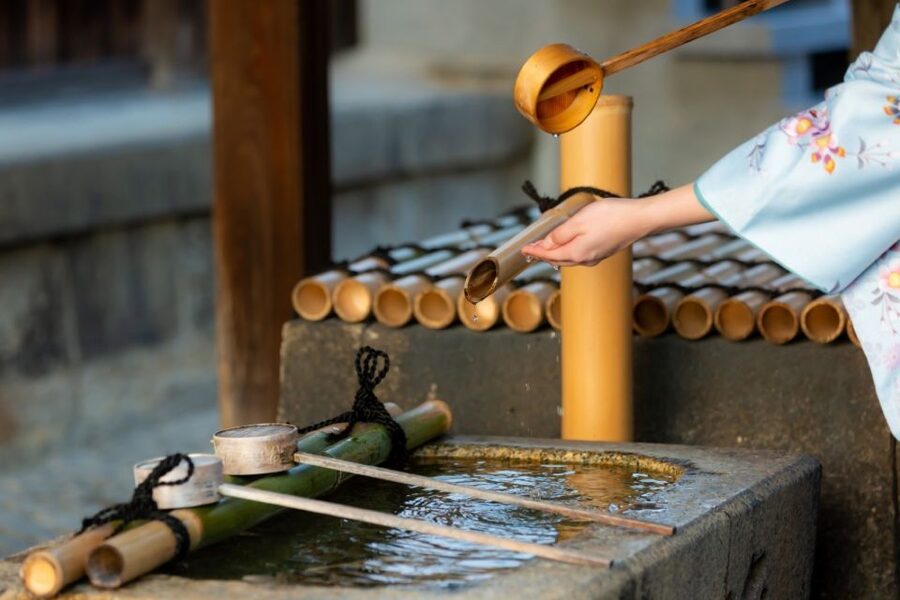
- A purification ritual before the matcha
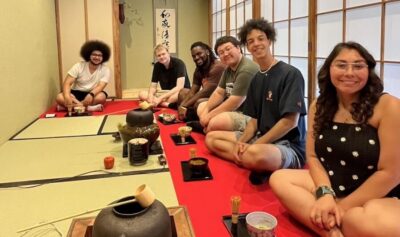
- Removing your shoes and entering the Grand Tearoom
- Watching the Tea Master prepare matcha
- Making your own bowl of matcha
- Why the 70-minute format works
- The value of $29 in Kyoto
- What the atmosphere is really like
- Who should book this experience
- Practical tips for a smoother visit
- Should you book Tea Ceremony Ju-An?
- FAQ
- How long does the tea ceremony last?
- How much does the experience cost?
- Is the ceremony conducted in English?
- How many people are in the group?
- Is matcha included?
- Can I sit on a chair instead of the floor?
- Is the tearoom wheelchair accessible?
Key points to know before you book
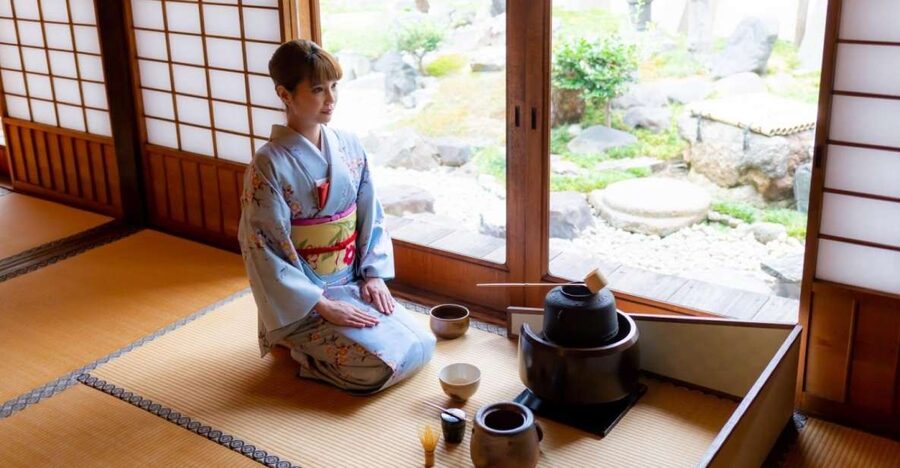
- The setting matters: Jotokuji Temple gives the ceremony a quieter, more traditional frame than a hotel or tourist studio.
- You do more than watch: After the Tea Master demonstrates the method, you can make your own matcha with guidance.
- English instruction is included: Guides explain the actions, meanings, history, and etiquette as the ceremony unfolds.
- Expect sweets with the tea: The matcha is paired with traditional sweets, making the strong green tea easier to appreciate.
- The group stays small: With no more than 10 participants, questions are easier and the workshop feels personal.
- Plan for the floor: Shoes come off before entering the Grand Tearoom, and the room is reached by three steps.
Entering Jotokuji Temple and finding the tea room
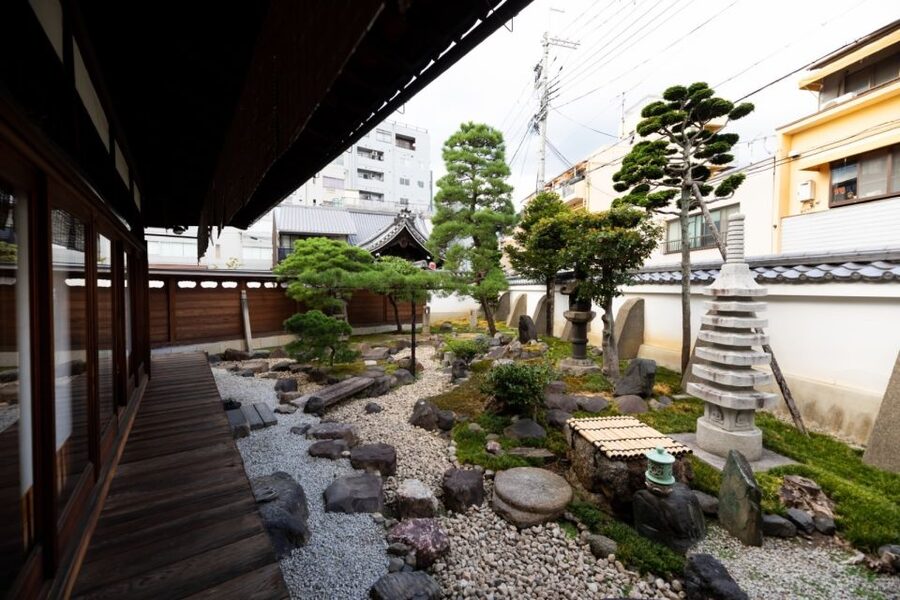
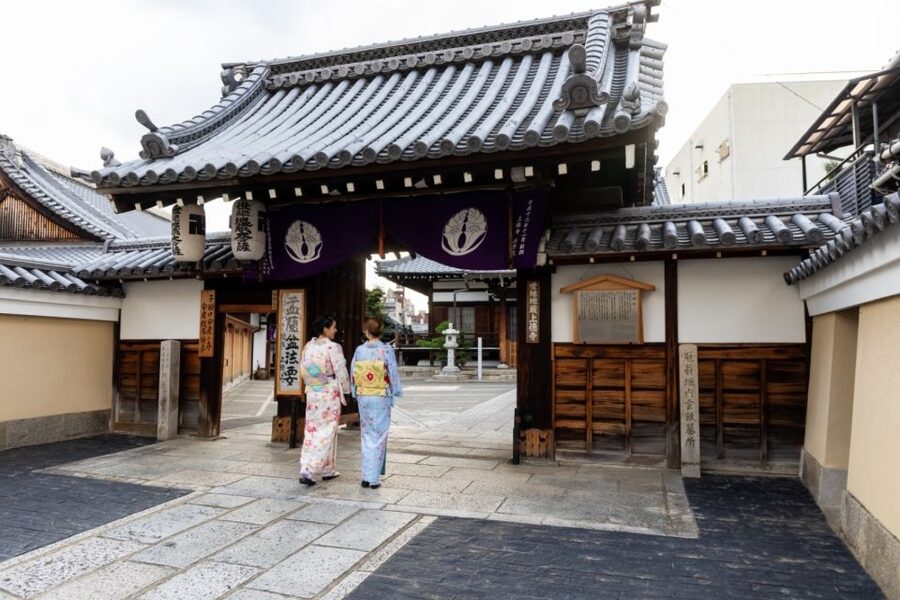
Your visit begins at the main gates of Jotokuji Temple. The meeting point is listed as Tea Ceremony Ju-An at 556 Gojo-sagaru, Tominokoji Dori, Shimogyo-Ku, Kyoto. Once inside, face the Main Hall and look to the left for a few steps leading toward the tea room.
The first few minutes are useful. You pass the entrance to the Grand Tearoom and a parish shop, then meet your guide near the red benches. If the weather is pleasant, you can sit there for a short pause and take in the temple grounds. In rain, the shop gable provides cover, and the Grand Tearoom may also serve as a waiting place.
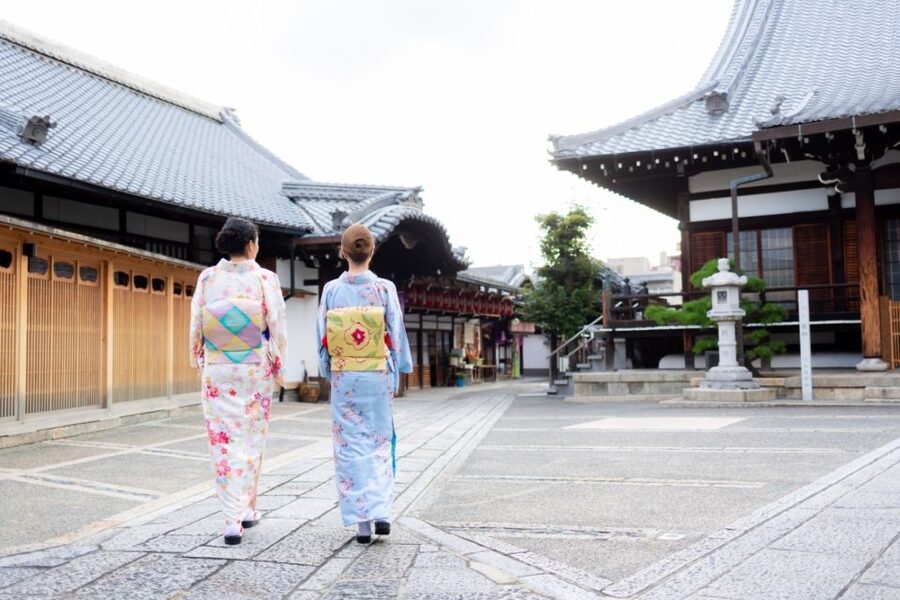
That small waiting period helps set the tone. You are not rushed from a street entrance into a staged performance. Instead, you have a moment to notice the temple architecture, the simple lines of the buildings, and the purification fountain.
I would arrive with enough time to find the entrance calmly. The directions are clear once you face the Main Hall, but temple grounds can feel less obvious than a modern attraction with a large sign. Look for the red benches and the tea room entrance on the left.
More Tea Ceremonies in Kyoto
- Kyoto: Tea Ceremony in a Traditional Tea House in Kiyomizu
★ 4.9 · 3,519 reviews - Kyoto: 45-Minute Tea Ceremony Lesson Experience
★ 4.3 · 2,378 reviews - Kyoto: Table-Style Tea Ceremony at a Kyo-Machiya
★ 4.9 · 1,211 reviews
A purification ritual before the matcha
Before entering the tearoom, the group takes part in a traditional purification ritual. This is one of the most useful parts for anyone new to Japanese religious or cultural customs.
The act is explained rather than treated as a puzzle. You learn why purification comes before entering a sacred space and how the ritual prepares you to pay attention. For a first-time visitor from outside Japan, this adds context that a simple demonstration of whisking tea would miss.
The ritual also makes the ceremony feel connected to the temple. You are not simply learning how to mix powdered tea. You are being shown how the setting, the guest, the host, and the actions fit together.
The mood is quiet and respectful, but the English guide keeps it approachable. Feedback repeatedly highlights the clear explanations and the chance to ask questions. Guides such as Kate are praised for making the information easy to follow, while tea masters including Taka and Yaki are described as patient and encouraging.
Removing your shoes and entering the Grand Tearoom
Shoes come off at the entrance to the Grand Tearoom. This is a small detail, but it signals a change from walking around the temple to taking part in a formal indoor practice.
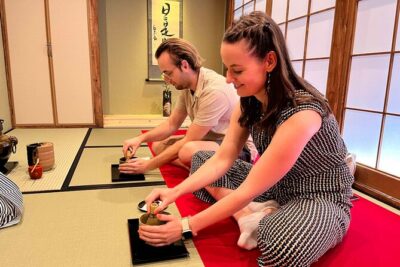
The tearoom itself is part of the appeal. Traditional decorations and the simple room allow the actions to take center stage. You sit with the group while the Tea Master prepares the matcha, explaining each movement and the reason behind it.
Do not worry if you know nothing about tea ceremony etiquette. The workshop is designed as an introduction, and the instructors explain what to do. You are not expected to arrive with special knowledge or perfect posture.
The traditional position is on the floor, which can be uncomfortable for some people. Seats and stools are available for those who prefer them. Ask for one when you arrive rather than struggling through the ceremony.
The tearoom is not wheelchair accessible because of three steps, even though the temple itself is wheelchair accessible. The activity is therefore not suitable for wheelchair users.
Watching the Tea Master prepare matcha
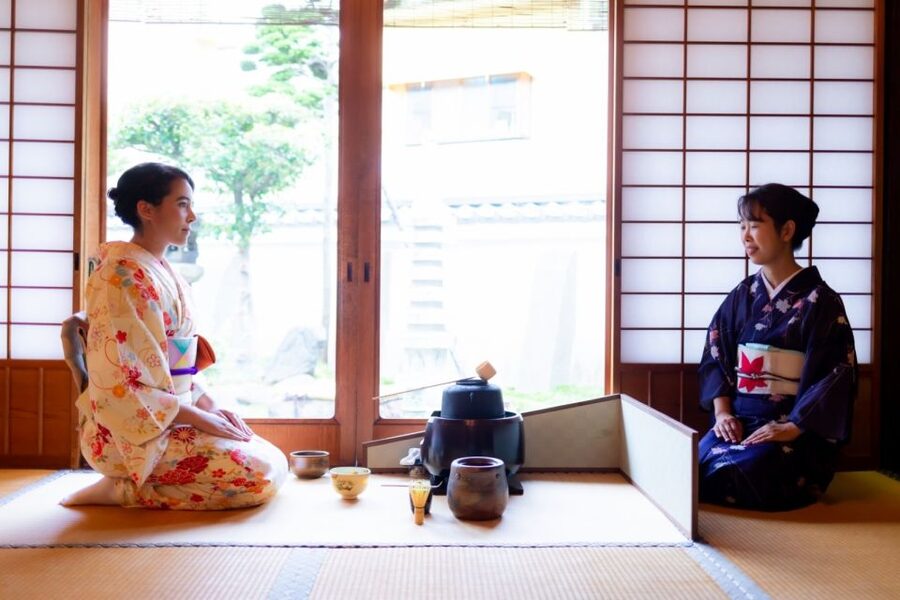
The central demonstration is deliberate and measured. The Tea Master handles the bowl, tea, and utensils with care, showing how the preparation is more than a quick drink made with hot water.
You learn how to drink matcha properly and why the ceremony gives importance to each movement. The guide provides the cultural explanation in English, while the Tea Master shows the physical technique. This division works well because you can watch the preparation without missing the meaning behind it.
The matcha is served with sweets. The combination matters. Matcha has a strong, grassy flavor that may surprise you if your only experience is sweetened green tea. The sweets offer a gentle balance and make the tasting more enjoyable.
The strongest praise for this experience focuses on the instructors. The hosts are repeatedly described as kind, warm, patient, and easy to understand. That tone is important because tea ceremony can seem intimidating from the outside. Here, the explanations help you respect the tradition without feeling afraid to participate.
You should also expect time for questions. The guides explain the history and philosophy behind the ceremony, not just the mechanics. That makes the session useful for anyone curious about Japanese daily life, hospitality, and the idea of giving full attention to one shared moment.
More Temple & Shrine Tours in Kyoto
- Kyoto: Fushimi Inari, Kinkakuji, Bamboo Grove 1 Day Bus Tour
★ 4.8 · 4,316 reviews - Fushimi Inari Hidden Hiking Tour (Private Option Available)
★ 5.0 · 1,750 reviews - Osaka/Kyoto:Kinkakuji,Arashiyama,FushimiInariShrine,NaraPark
★ 4.1 · 1,596 reviews - Kyoto/Osaka: Nara, Fushimi Inari Taisha, Arashiyama Bus Tour
★ 4.7 · 1,275 reviews
Making your own bowl of matcha
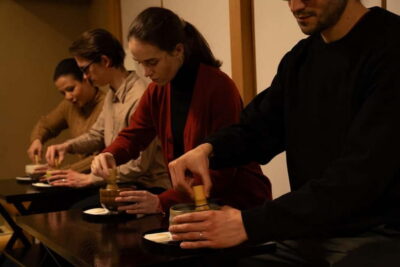
The workshop becomes more memorable when you take your turn. After the demonstration, participants can prepare their own tea using the ceremonial implements and guidance from the hosts.
This hands-on section gives you a better sense of the technique. It is easy to assume that making matcha simply means stirring powder into water. Using the whisk and following the correct sequence shows how much control and care the process involves.
You are guided through the task, so mistakes become part of the fun rather than a source of embarrassment. Several comments emphasize that the instructors encourage participation and include everyone, which is especially helpful in a small group with different levels of confidence.
The group limit of 10 works in your favor here. The session is not private, but it is small enough for the host to watch participants and respond to questions. A larger group could make the hands-on part feel rushed. This format gives the activity a workshop quality rather than leaving you as a passive audience member.
For many people, this will be the best reason to choose this experience over simply visiting a tea house. You leave with an understanding of how the tea is prepared, not just a photograph of a bowl.
Why the 70-minute format works
A traditional Japanese tea ceremony can last much longer. One useful comparison made during the experience is that a full ceremony may take around four hours. The Ju-An session is a shorter introduction designed to fit into a Kyoto sightseeing day.
Seventy minutes is long enough to include the temple entrance, purification ritual, demonstration, tasting, cultural explanation, and hands-on preparation. It is short enough that you can pair it with other plans without giving up an entire morning or afternoon.
I see the shorter format as a strength for most first-time visitors. You get the central ideas without needing to know every rule or sit through a long formal sequence. It also leaves room for questions, which can be more useful than adding extra ceremony without explanation.
The tradeoff is depth. If you already study chanoyu or want an extended formal event with every stage included, this may feel introductory. The experience is best understood as a well-guided doorway into the tradition.
The value of $29 in Kyoto
At $29 per person, the experience offers solid value. The price includes an English-speaking guide and the chanoyu workshop ceremony. You also receive matcha and sweets as part of the session, according to the experience details and participant accounts.
The setting adds value. You are not paying only for a drink. You get access to a temple environment, an explanation of purification, an organized demonstration, cultural background, and the chance to prepare your own tea.
The small group is another reason the price feels reasonable. A low-cost activity can be disappointing if the instructor cannot give anyone personal attention. With a maximum of 10 participants, you have a better chance to ask questions and follow the practical portion closely.
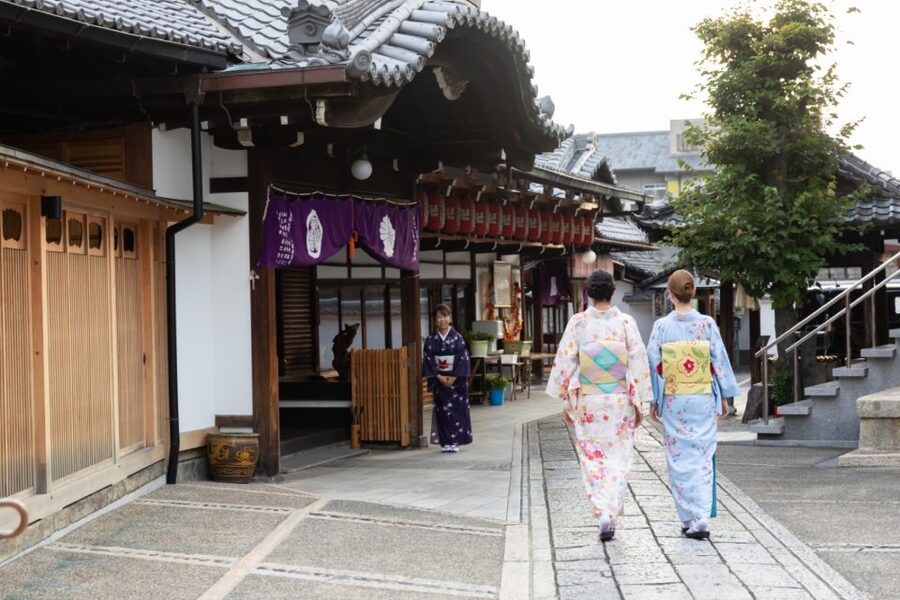
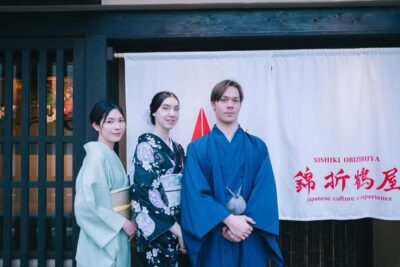
Meals are not included, though that should not be a concern for a 70-minute activity. Kimono rental is also not included and can be arranged separately if you want the visual experience of wearing traditional clothing. I would treat the kimono as an optional extra, not a requirement. The ceremony itself remains the main event.
The booking terms add flexibility. You can reserve now and pay later, and cancellation is allowed up to 24 hours in advance for a full refund. Check the available start times before planning the rest of your day.
What the atmosphere is really like
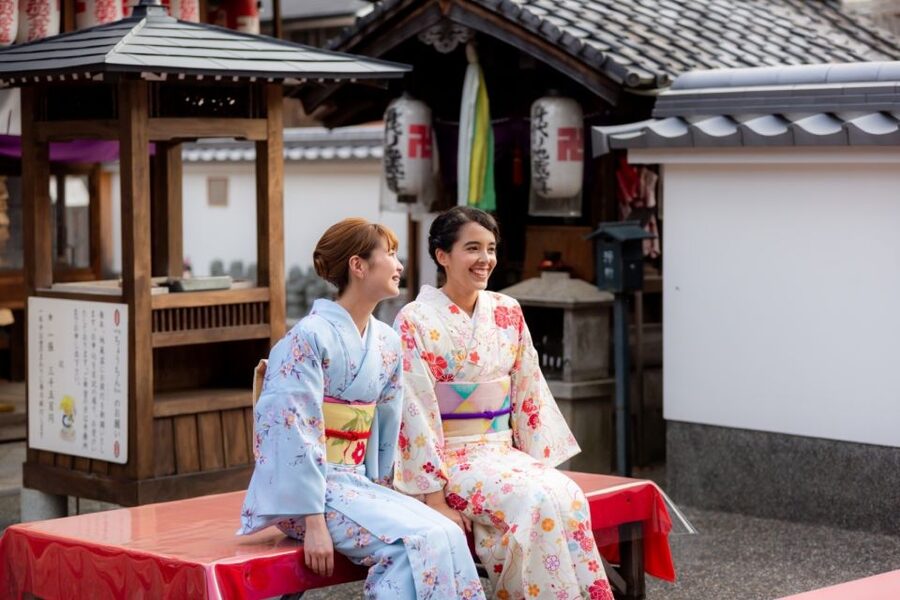
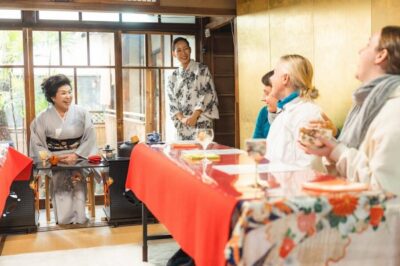
The word that best fits this experience is calm. The temple setting, slow preparation, and measured explanations create a break from Kyoto’s busy sightseeing routes.
That quiet does not mean the session is dull. The guides bring warmth and humor to the explanations, and the practical preparation keeps you involved. One of the strongest features is the balance between respect and ease. You are shown why the tradition matters, but you are still invited to try it yourself.
The atmosphere may be especially welcome in the morning. A morning session lets you begin the day at a slower pace, and the gentle structure gives you a clear introduction to Japanese custom before more sightseeing.
Some participants describe leaving with a sense of peace. That reaction makes sense, but you should not expect a meditation class. The focus is tea ceremony, cultural explanation, tasting, and practice. The calm comes from the setting and the attention given to each step.
Who should book this experience
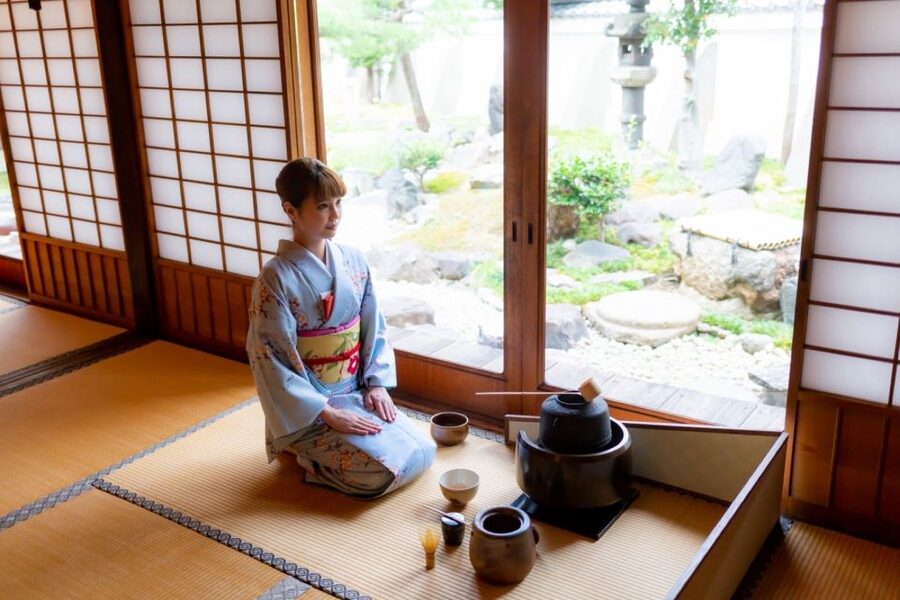
I would recommend it to first-time visitors who want an introduction to Japanese culture that is more personal than a museum display. It also suits people who enjoy food and drink experiences, traditional arts, photography, architecture, or quiet activities.
Families with older children may find the hands-on portion appealing, though the provided information does not specify a minimum age. Couples and solo visitors can both fit comfortably into a group of up to 10.
It is also a good choice if you are not normally a tour person. The session is focused and short, and the subject is something you would not easily experience alone. You can visit a temple independently, buy matcha independently, and watch videos about tea ceremony, but you cannot reproduce the host-led ritual and instruction in quite the same way.
I would be more cautious if you dislike sitting on the floor, dislike taking part in demonstrations, or want a long, highly formal ceremony. Seats and stools help with posture, but the tearoom still requires three steps and shoe removal.
Practical tips for a smoother visit
Arrive ready to remove your shoes before entering the Grand Tearoom. Wear socks you are comfortable showing, especially if you are visiting during a cooler season.
Give yourself time to locate the main hall and tea room. The meeting point is inside the temple, with the tea room to the left when you face the Main Hall. The red benches are the usual place to meet the guide.
If you need a stool or chair, request one at the start. The traditional floor position is part of the setting, but you do not need to endure discomfort to show respect.
Keep questions for the explanation and hands-on portion. The instructors make room for them, and this is where the activity becomes more than a demonstration.
If you want a kimono, arrange that separately and account for the extra cost. The listed $29 covers the guide and ceremony, not kimono rental or meals.
Should you book Tea Ceremony Ju-An?
Book it if you want a short, welcoming, hands-on introduction to matcha and Japanese tea culture. The Jotokuji Temple setting, purification ritual, English guidance, sweets, and small group make this more substantial than a quick cup of green tea.
The experience earns its strong reputation through its hosts. Kate, Taka, Yaki, and the other instructors are praised for clear teaching, patience, and warmth. Those qualities matter because they turn a formal tradition into something you can appreciate and try without feeling out of place.
Skip it only if you need wheelchair access to the tearoom or want a full four-hour ceremony. For most visitors, $29 buys a thoughtful 70-minute pause in Kyoto, with enough history, ritual, and participation to make the memory last.
FAQ
How long does the tea ceremony last?
The experience lasts 70 minutes.
How much does the experience cost?
The listed price is $29 per person.
Is the ceremony conducted in English?
Yes. The instructor and guide provide the experience in English.
How many people are in the group?
The group is limited to 10 participants.
Is matcha included?
Yes. You sample matcha during the ceremony, and the experience also includes sweets according to the activity details.
Can I sit on a chair instead of the floor?
Yes. Seats and stools can be provided for people who are not comfortable sitting on the floor in the traditional position.
Is the tearoom wheelchair accessible?
No. Jotokuji Temple is wheelchair accessible, but the tearoom is not because it has three steps. The activity is listed as unsuitable for wheelchair users.
Just added around Kyoto
- Kyoto: Private Customizable Day Trip by Car★ 5.0 · 38 reviews
- Kyoto: Gion Night Walking Tour with Geisha Insight★ 5.0 · 39 reviews
- Kyoto: Full Day Bike Tour★ 4.9 · 39 reviews
- Private Japanese Calligraphy in Kyoto – Learn Shodō with a Master★ 5.0 · 39 reviews
- Experience a tea ceremony in an authentic tearoom, in Kyoto!★ 4.5 · 41 reviews
- Kyoto: Gion Evening Walk with Hidden Gems, Geisha & Sake★ 5.0 · 41 reviews
- Kyoto Private Photo Shoot & Tour by SnapKyoto★ 5.0 · 41 reviews
- The Way of Tea: Kyoto Crafts, Hidden Temples & Wabi-Sabi Walk★ 5.0 · 41 reviews
Tea Ceremony Experiences, compared.
Tea Ceremony in a Traditional Tea House in Kiyomizu
Read our review →
Browse the lists this tour appears in