
Reviewed · TEA CEREMONY EXPERIENCES
Kyoto: Kimono Tea Ceremony at Orizuruya Gion
Kyoto gets personal here. At Orizuruya Gion, you choose from more than 200 kimono designs, get dressed with professional help, and learn to prepare matcha in a calm tea room. I especially like the small maximum-10-person group and the warm staff, who explain each step without making you worry about a cultural mistake. The main consideration is that the tea ceremony is a structured cultural activity, so it may feel slower and quieter than a typical sightseeing tour.
The experience runs about 90 minutes, or two hours with Japanese calligraphy. I also like that you may be able to keep the kimono on while exploring Gion until 5 p.m., turning a $49 activity into something close to a short kimono rental as well. Simple hairstyling is included for women, but getting to the shop and back is your responsibility.
In This Review
- Key points to know before booking
- Choosing a Kimono at Orizuruya Gion
- The Tea Room and the Meaning of Matcha
- What the 90-Minute Schedule Feels Like
- Adding Japanese Calligraphy for Two Hours
- Why the Small Group Matters
- The Location in Gion
- Is $49 a Good Value?
- Who Will Enjoy This Most?
- Useful Booking Advice for Your Kyoto Day
- Should You Book the Orizuruya Gion Tea Ceremony?
- FAQ
- Where is the Orizuruya Gion tea ceremony held?
- How do I reach the meeting point?
- How long does the experience last?
- Is kimono rental included?
- Is hairstyling included?
- Is Japanese calligraphy included in every booking?
- What is included with the tea ceremony?
Key points to know before booking
- Choose from over 200 kimono designs: Staff help you select and put on a traditional outfit.
- Make your own bowl of matcha: You learn to use a bamboo whisk, then drink the tea with a Japanese sweet.
- Simple hairstyling is included for women: It completes the outfit without adding another appointment.
- The group is limited to 10 people: That leaves room for questions and personal help.
- Calligraphy adds 30 minutes: The two-hour option gives you a brush-writing lesson and your own practice session.
- Gion is right outside: The shop is a 10-minute walk from Kyoto-Kawaramachi Station and a seven-minute walk from Gion-Shijo Station.
Choosing a Kimono at Orizuruya Gion
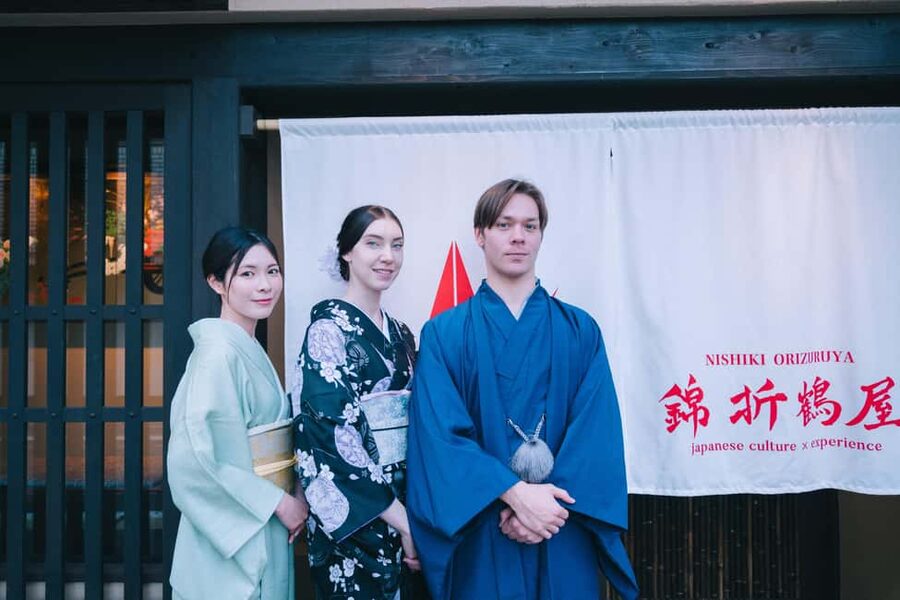
The visit begins at Gion Oritsuruya, at 572-7 Minamigawa in Gion-machi. This puts you in one of Kyoto’s best-known traditional districts, with narrow streets, old-style buildings, shrines, restaurants, and plenty of places for photographs nearby.
Your first task is choosing a kimono. With more than 200 designs, you get real choice rather than being handed a single standard outfit. That is part of the fun, but it can also make the opening minutes feel busy if you are trying to decide quickly. Staff members help with the selection and dressing, so you do not need to know anything about kimono beforehand.
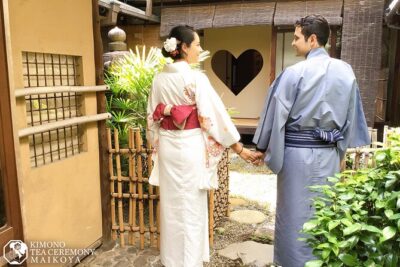
The dressing itself is not a quick costume change. A kimono is wrapped and secured carefully, and the layers create the proper shape. The attendants handle the technical work while you follow their instructions. Their efficient approach is one of the most praised parts of the visit, especially for anyone worried about looking awkward or making a mistake.
For women, simple hairstyling is included. This is a useful touch because a traditional outfit looks more complete with the hair arranged to match. The hairstyle is described as simple, so you should not expect a full salon treatment or an elaborate bridal arrangement.
The staff also take photographs. That matters because the dressing stage is one of the strongest photo opportunities, and it is not easy to take good pictures while you are being wrapped and adjusted. The experience is designed to make you feel comfortable, not self-conscious.
More Kimono Experiences in Kyoto
- Kimono Tea Ceremony at Kyoto Maikoya, NISHIKI
★ 5.0 · 911 reviews - Kyoto: Kimono Rental with Hairstyling and Accessories
★ 4.8 · 653 reviews - KYOTO Tea Ceremony with kimono near by Imamiya Jinjya Shrine
★ 5.0 · 343 reviews
The Tea Room and the Meaning of Matcha
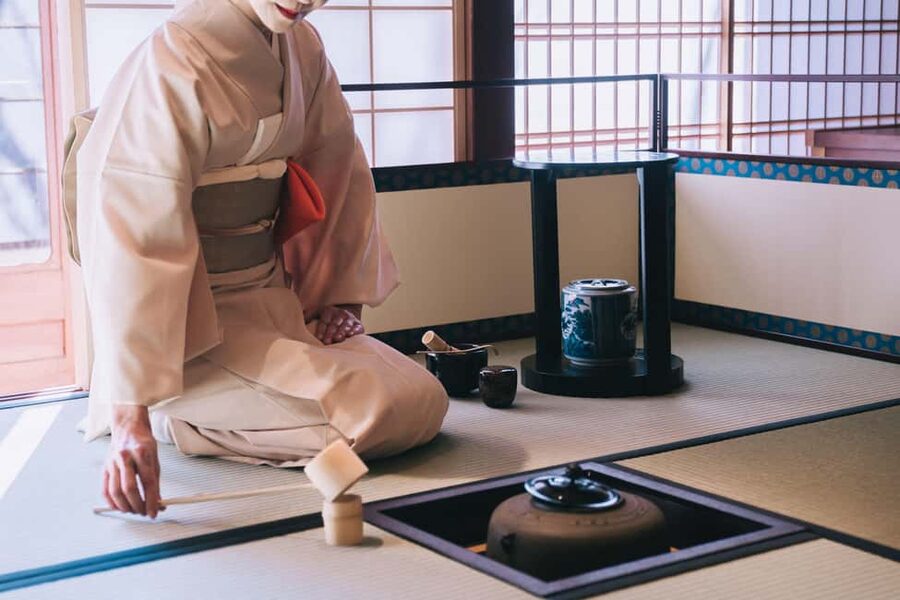
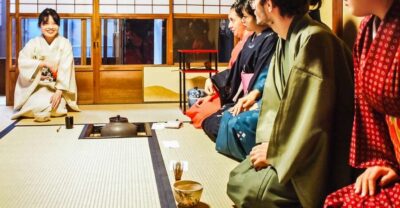
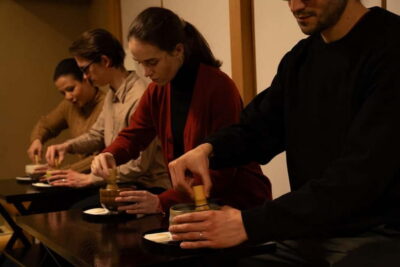
Once dressed, you move into a quiet tea room for an introduction to Japanese tea culture. An English-speaking instructor explains the main actions and the order of the ceremony, so you can take part without guessing when to bow, where to place your hands, or what to do with the bowl.
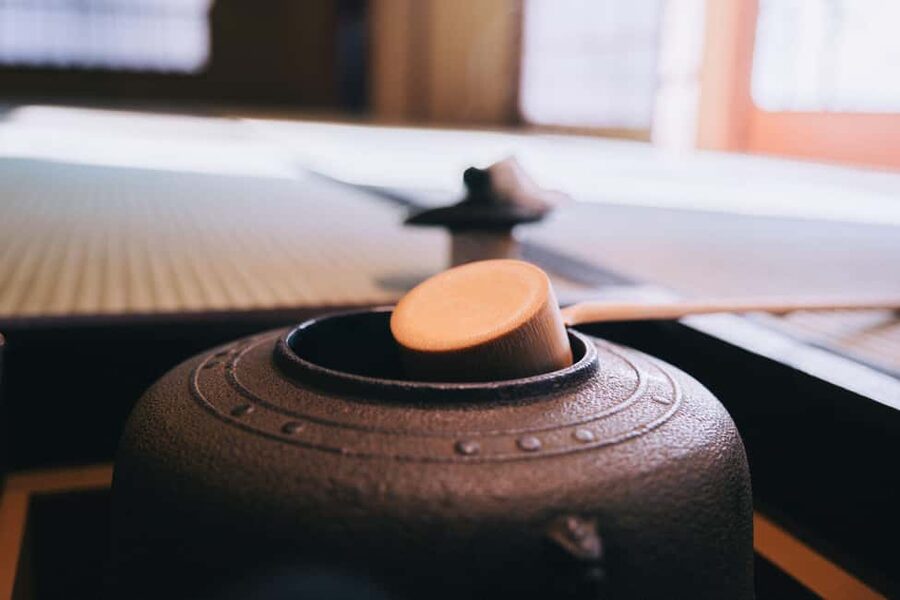
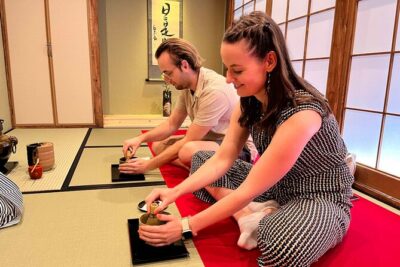
This is not a performance where you sit silently and watch from start to finish. You learn the basic process and then prepare your own matcha. The central tool is the chasen, a traditional bamboo whisk. You use it to mix powdered green tea with hot water until it becomes smooth and lightly foamy.
The lesson gives you a practical skill you can repeat at home. You also gain a better sense of why the ceremony values careful movement, attention, and hospitality. Small gestures have a purpose, and the instructor explains the details in plain English.
The ceremony has a peaceful rhythm. That can be a welcome change after Kyoto’s crowded streets and packed sightseeing schedule. It also means you should not rush it. The tea is prepared slowly, the instructor pauses for questions, and the setting rewards quiet attention rather than constant photographs.
You drink your matcha with wagashi, a Japanese sweet from a century-old confectionery. The sweet balances the tea’s bitter, grassy taste. For some people, this pairing will be the best part of the ceremony. For others, matcha may be an acquired taste, though making your own bowl gives you a better understanding of what you are drinking.
What the 90-Minute Schedule Feels Like
The standard kimono and tea ceremony takes about one hour and 30 minutes. That time includes choosing your clothing, getting dressed, hairstyling for women, the tea lesson, your own matcha preparation, and the sweet served with it.
The schedule is long enough to feel like a proper activity, but short enough to fit beside a morning or afternoon in Gion. If you book an early time, you may have much of the day left for sightseeing. If your booking allows you to retain the kimono until 5 p.m., the morning option becomes especially good value.
That extra wear time is important. Several people use the kimono for a walk around Gion, a short temple visit, and photographs after the ceremony. One nearby temple is described as about a 10-minute walk away. You should confirm the exact return arrangement when you arrive, but the practical benefit is clear: the kimono can become part of your day, not just part of the lesson.
Walking in a kimono feels different from walking in ordinary clothes. The outfit encourages a slower pace, and some people may find the fit restrictive. This is not a flaw in the activity, but it is worth keeping in mind if you plan to cover a lot of ground afterward. A short neighborhood walk makes more sense than a full day of long-distance sightseeing.
Cold weather can also affect your decision. A winter booking may make the option to keep the kimono on less appealing for some people, though one couple appreciated being able to decide how long to wear it. Plan your outdoor time around the weather rather than assuming you must remain dressed until the return deadline.
Adding Japanese Calligraphy for Two Hours
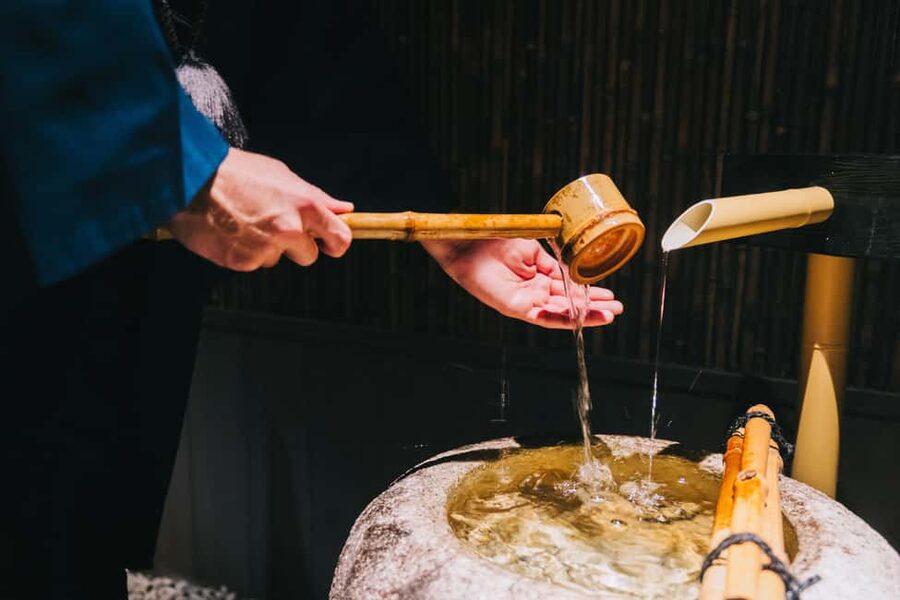
The optional Japanese calligraphy session extends the activity to about two hours. It includes the calligraphy set and adds a brush-writing lesson after the tea portion.
Calligraphy changes the feel of the experience. The tea ceremony is about controlled movements, preparation, and presentation. Brush writing is more hands-on and gives you something to practice at your own pace. It also creates a physical souvenir of the lesson, depending on what you write and what the instructor provides.
The calligraphy teacher has earned particular praise for patience and encouragement. That is helpful because brush writing can be harder than it looks. The ink, pressure, brush angle, and stroke order all take practice. You do not need artistic confidence to enjoy it, but you should expect a lesson rather than a quick craft activity.
If you are choosing between the two options, I would select calligraphy if you enjoy making things or want a more active finish. Families and couples may find it gives them something to laugh about and compare. If you mainly want the quiet ceremony and the kimono photographs, the 90-minute option is enough.
The calligraphy choice also makes sense for repeat visitors to Japan. If you have already seen Kyoto’s major temples, this offers a slower cultural activity with a skill to take home. It is also a good rainy-day plan because the important parts take place indoors.
More Tea Ceremonies in Kyoto
- Kyoto: Tea Ceremony in a Traditional Tea House in Kiyomizu
★ 4.9 · 3,519 reviews - Kyoto: Tea Ceremony Ju-An at Jotokuji Temple
★ 4.9 · 3,207 reviews - Kyoto: 45-Minute Tea Ceremony Lesson Experience
★ 4.3 · 2,378 reviews - Kyoto: Table-Style Tea Ceremony at a Kyo-Machiya
★ 4.9 · 1,211 reviews
Why the Small Group Matters
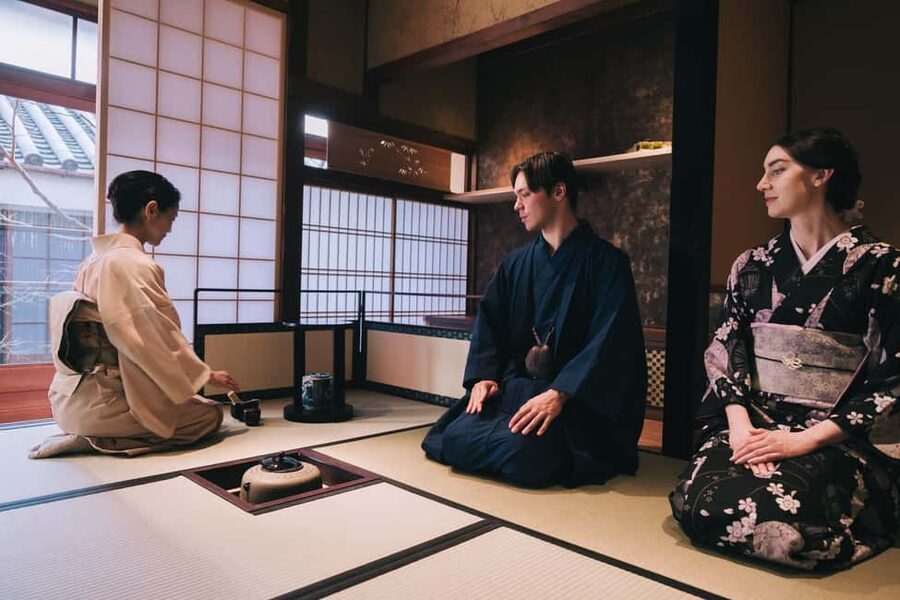
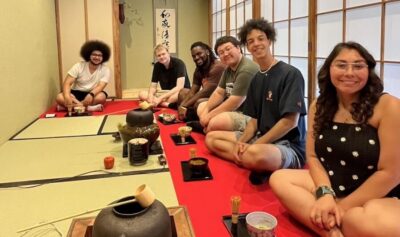
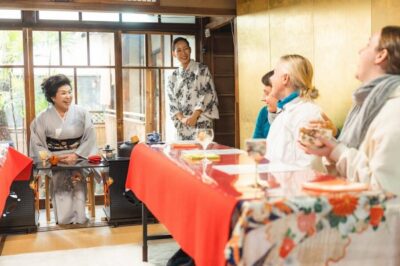
The maximum group size is 10 people, with an English-speaking instructor. Small groups are especially useful here because the activity involves dressing help, questions, and personal practice with the whisk.
A large class could make the tea ceremony feel like a demonstration. With fewer people, you have a better chance to hear the explanations and receive help as you prepare matcha. One booking even ended up as a private-feeling session with only one participant, though you should not count on that happening.
The staff’s manner is a major strength. Specific praise has gone to Juki, whose tea instruction was described as warm and informative. Other staff members help with dressing, photographs, directions, and local suggestions. Not every dressing attendant speaks much English, but the hands-on process is clear, and the overall team is described as kind and professional.
That friendliness helps with cultural etiquette. You are not expected to arrive knowing the rules. The instructor shows you what to do, explains why it matters, and gives you space to ask questions. This makes the activity a good first introduction to Japanese tea ceremony customs.
The Location in Gion

Orizuruya Gion is easy to reach on foot from central Kyoto. It is about a 10-minute walk from Hankyu Kyoto-Kawaramachi Station and about seven minutes from Keihan Gion-Shijo Station.
The location works well with a Gion sightseeing day. You can schedule the activity before visiting nearby shrines, walking the traditional streets, or stopping for a meal. Staff have also offered restaurant suggestions and directions to a bus stop, which is useful if you are still finding your way around Kyoto.
You pay for your own transportation to the meeting point. There is no hotel transfer listed, so allow extra time to locate the address and arrive without rushing. The shop is in Gion, where streets can be busy and navigation may take longer than the map estimate.
The nearby setting is another reason to consider keeping the kimono on after the ceremony. Gion gives you a fitting backdrop for photos, but remember that you are walking through a working neighborhood, not a theme park. Keep your pace polite, follow local signs, and avoid blocking narrow lanes for pictures.
Is $49 a Good Value?
At $49 per person, the price covers more than a cup of matcha and a short demonstration. It includes the kimono set rental, tea utensils, wagashi, matcha, instruction, taxes, and simple hairstyling for women.
The value becomes stronger if you use the kimono after the ceremony. A morning booking that lets you remain dressed until 5 p.m. can serve as both a cultural lesson and a limited kimono-rental experience. You get photographs, a neighborhood walk, and the ceremony in one package.
The calligraphy option may cost more than the basic price, since the listed price is for the experience generally and the calligraphy selection has a separate inclusion. Check the price for your chosen option before booking.
I would not choose this activity if you want a deep study of tea-school history or a private ceremony with extensive formal detail. The 90-minute format is made for short-term visitors. It gives you an approachable introduction, not professional training.
For most first-time Kyoto visitors, though, the price is fair. You receive clothing, hair styling, a guided cultural lesson, food, a practical tea skill, and possibly several hours of use in Gion. That is a fuller package than a basic photo session.
Who Will Enjoy This Most?
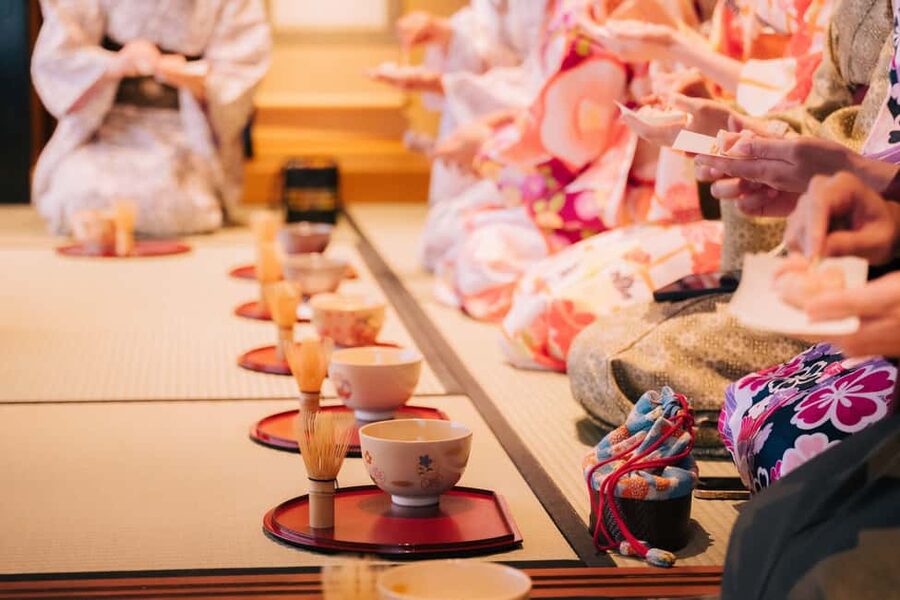
This suits couples, families, solo visitors, and anyone who wants a cultural activity with clear instruction. It has also worked well as a special gift, particularly for a partner who enjoys dressing up or trying something new.
Teenagers can enjoy it too. The kimono selection and photographs appeal to younger participants, while the calligraphy option adds a creative element. Children may need to be comfortable sitting quietly and following instructions, but the provided information does not set a minimum age.
I would also recommend it to anyone nervous about etiquette. The instructor handles the difficult part. You can ask questions, copy the movements, and take part without pretending to understand customs you have never seen before.
It may not suit someone who dislikes formal clothing, quiet activities, or guided participation. The kimono can feel snug, and the tea ceremony asks you to slow down. If you prefer fast sightseeing, the experience could feel too deliberate.
Useful Booking Advice for Your Kyoto Day
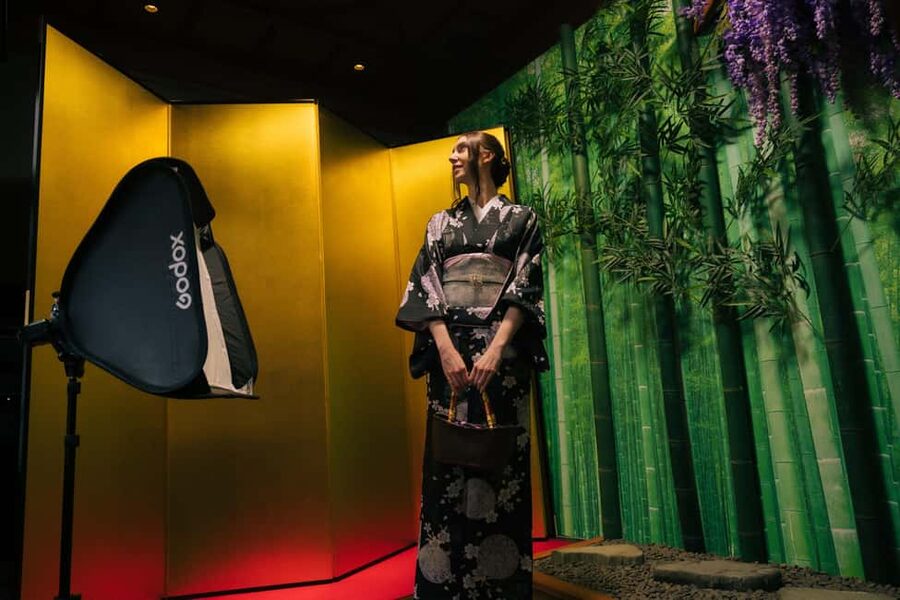
Book a morning slot if you want the best chance of using the kimono around Gion afterward. This leaves time before the 5 p.m. return point, based on the arrangements described by people who used the service.
Allow at least 90 minutes for the standard option and two hours for tea ceremony plus calligraphy. Do not schedule a train departure or another timed activity immediately afterward.
Choose clothing with the full experience in mind. You will be dressed by staff, sit for the ceremony, and possibly walk outside afterward. Comfortable footwear and a little patience will help, though the supplied details do not specify a required dress code.
The meeting point is reachable by train, but transportation is not included. You can cancel up to 24 hours before the activity for a full refund, and the reservation system allows you to reserve now and pay later. Those policies help if your Kyoto plans are still shifting.
Should You Book the Orizuruya Gion Tea Ceremony?
Yes, if you want a friendly, well-organized introduction to kimono, matcha, and Japanese customs in one short activity. The strongest reasons are the large kimono selection, careful dressing help, calm English instruction, and the chance to walk around Gion afterward in traditional clothing.
Choose the calligraphy option if you want more time and a creative lesson. Choose the standard 90-minute version if you mainly want the kimono and tea ceremony without filling half a day.
I would skip it only if you dislike dressing up or want a highly formal, specialist-level tea ceremony. For everyone else, this is a thoughtful use of $49, especially with the small group and possible extra kimono time. It gives you more than a photograph: you leave knowing how to whisk matcha and why the ceremony is performed with such care.
FAQ
Where is the Orizuruya Gion tea ceremony held?
It is held at Gion Oritsuruya, 572-7 Minamigawa, Gion-machi, Higashiyama-ku, Kyoto-shi, Kyoto.
How do I reach the meeting point?
The venue is about a 10-minute walk from Hankyu Kyoto-Kawaramachi Station and a seven-minute walk from Keihan Gion-Shijo Station.
How long does the experience last?
The kimono and tea ceremony lasts about one hour and 30 minutes. The option that includes Japanese calligraphy lasts about two hours.
Is kimono rental included?
Yes. The kimono set rental and tea ceremony utensil rental are included.
Is hairstyling included?
Simple hairstyling is included for women.
Is Japanese calligraphy included in every booking?
No. The Japanese calligraphy set and lesson are included only when you select the Japanese Calligraphy Experience option.
What is included with the tea ceremony?
The experience includes wagashi, matcha, kimono rental, tea utensils, simple hairstyling for women, all fees and taxes, and an English-speaking licensed guide.
More Geisha & Gion District Tours
- Kyoto Geisha Walking Tour: Gion District & Hidden Gems
★ 4.7 · 3,273 reviews - Kyoto: Gion Magical Night Walking Tour with Geisha Trivia
★ 4.9 · 2,393 reviews - Kyoto: Gion Geisha District Walking Tour – Stories of Geisha
★ 4.7 · 2,187 reviews - Best of Kyoto: Gion, Geisha, Pagodas & Cobblestones
★ 4.9 · 2,058 reviews
Just added around Kyoto
- Kyoto: Gion Night Walking Tour with Geisha Insight★ 5.0 · 39 reviews
- Kyoto: Private Customizable Day Trip by Car★ 5.0 · 38 reviews
- Kyoto: Full Day Bike Tour★ 4.9 · 39 reviews
- Private Japanese Calligraphy in Kyoto – Learn Shodō with a Master★ 5.0 · 39 reviews
- Kyoto: Gion Evening Walk with Hidden Gems, Geisha & Sake★ 5.0 · 41 reviews
- Experience a tea ceremony in an authentic tearoom, in Kyoto!★ 4.5 · 41 reviews
- Kyoto Private Photo Shoot & Tour by SnapKyoto★ 5.0 · 41 reviews
- The Way of Tea: Kyoto Crafts, Hidden Temples & Wabi-Sabi Walk★ 5.0 · 41 reviews
Tea Ceremony Experiences, compared.
Tea Ceremony in a Traditional Tea House in Kiyomizu
Read our review →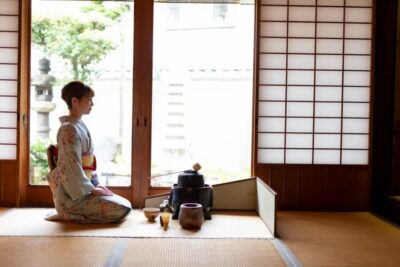
Browse the lists this tour appears in