
Reviewed · GEISHA & GION DISTRICT TOURS
Best of Kyoto: Gion, Geisha, Pagodas & Cobblestones
Kyoto glows after the day crowds fade. This two-hour evening walk through Gion and Higashiyama brings together lantern-lit lanes, shrines, a pagoda, and thoughtful insight into geisha culture. I especially like the quieter nighttime setting and the way the guides explain geiko and maiko customs with respect. The main drawback is simple: dark streets, cold weather, and a strict late-arrival policy can affect the experience.
At $24 per person, this is an easy-value introduction to Kyoto, especially on your first evening. Guides such as Karim, Kevin, Janelle, Ben, and Salomé have been praised for mixing useful facts with humor and relaxed conversation. You may see geiko or maiko in costume, but that should be treated as a fortunate extra, not a promise.
In This Review
- Key points at a glance
- Why this makes a smart first evening in Kyoto
- Starting near Yasaka Shrine
- Walking the sloped lanes of Ninenzaka
- Hōkan-ji Temple and the famous pagoda view
- A quiet visit to Yasui Kompira-Gu Shrine
- Entering Gion after dark
- The guides are the real reason to book
- What $24 really gets you
- Who will enjoy this evening walk most
- Practical tips for a smoother evening
- Should you book Best of Kyoto: Gion, Geisha, Pagodas & Cobblestones?
- FAQ
- How long does the tour last?
- How much does the experience cost?
- What places does the walking tour visit?
- Is the tour held at night?
- What languages are available?
- Can I book a private or small-group tour?
- Are food and drinks included?
- What happens if I cannot find the meeting point?
Key points at a glance
- Nighttime Gion feels calmer: Lanterns, wooden buildings, and quieter lanes create a more atmospheric walk than a daytime visit.
- Five classic Kyoto stops fit into two hours: You visit Yasaka Shrine, Ninenzaka, Hōkan-ji Temple, Yasui Kompira-Gu Shrine, and Gion.
- Geisha culture gets careful explanation: The walk covers the customs, training, and daily world of geiko and apprentice maiko.
- The guide makes the difference: Karim, Kevin, Ben, Janelle, Janiel, Salomé, and others have been praised for clear explanations, humor, and good pacing.
- You get useful evening advice: The guide can suggest places for a drink or bite after the walk.
- The price is modest for a guided introduction: At $24, you pay mainly for local context and orientation, not admission tickets or food.
Why this makes a smart first evening in Kyoto

Kyoto can feel confusing at first. Its major sights are spread across different districts, and the line between a shrine, temple, tea house, restaurant, and private residence is not always obvious. This walk gives you a clear first look at one of the city’s most famous areas without asking you to spend a full day on it.
I like the timing. Gion and Higashiyama are famous for their old wooden facades and stone lanes, but daytime can bring heavy foot traffic. Later in the evening, the streets can feel quieter and more reflective. You get more room to look up at the architecture instead of simply following the crowd.
The experience also works well if you want cultural context before exploring alone. A good guide can explain why people behave quietly near certain places, how to approach shrines, and why geiko and maiko should be treated as working professionals rather than photo props. Several guides have been praised for helping people avoid accidental disrespect.
The timing is not perfect for everyone. In winter, the walk can be genuinely cold. In darker stretches, you need to watch your footing on old paving. One person also noted that some parts feel quite dark at night. Wear shoes with a firm sole and bring a layer, even if the afternoon felt mild.
More geisha district walks in Kyoto:
- Kyoto Geisha Walking Tour: Gion District & Hidden Gems
★ 4.7 · 3,273 reviews - Kyoto: Gion Magical Night Walking Tour with Geisha Trivia
★ 4.9 · 2,393 reviews - Kyoto: Gion Geisha District Walking Tour – Stories of Geisha
★ 4.7 · 2,187 reviews
Starting near Yasaka Shrine
The meeting point has two possible starting options: Tsuruha Drug Yasaka Shrine Store, FamilyMart, or another stated Kyoto Gion location depending on the booking option. Check your confirmation carefully. If you cannot find the guide, the instructions say to call the supplied phone number, with WhatsApp recommended, at least ten minutes before the tour starts.
This detail matters. Gion has many similar-looking streets, and a late arrival may mean missing the group entirely. The experience does not offer a refund for arriving late or failing to locate the guide, so I would reach the area early and allow time to orient yourself.
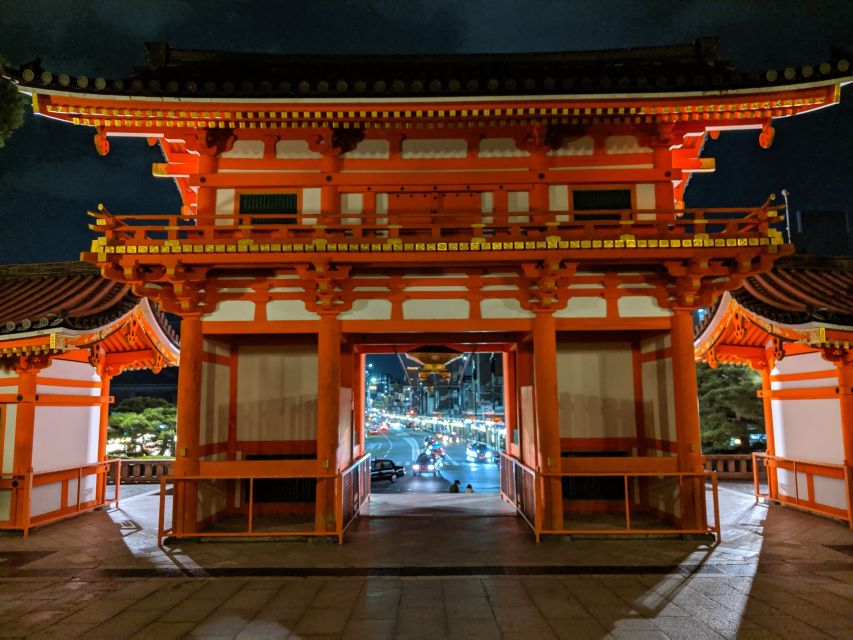
The tour begins around Yasaka Shrine, one of Kyoto’s key Shinto sites. Your guide spends about 20 minutes here, introducing the setting, customs, and religious traditions. This is a useful opening because it gives you a basic framework for understanding later stops.
Expect some explanation rather than a long formal lecture. The strongest guides appear to adjust their style to the group, answering questions and using stories to make the setting easier to understand. Ben has been praised for using images on a tablet, while guides such as Karim and Kevin have been noted for making complicated subjects easy to follow.
At night, the shrine has a different character from a daytime visit. Lantern light picks out the paths and buildings, and the atmosphere is more subdued. You should still remember that this is a religious place, not just a backdrop for photographs.
Walking the sloped lanes of Ninenzaka
From Yasaka Shrine, the route continues toward Ninenzaka, another 20-minute guided section. This is the part many people picture when they imagine old Kyoto: narrow streets, traditional wooden buildings, and stone or cobbled paving.
The appeal is visual, but the guide adds the real value. Rather than simply pointing out pretty buildings, you can ask about local customs, the district’s entertainment traditions, and the way old Kyoto has been preserved. The walk gives you enough background to recognize what you are seeing later when you return independently.
Ninenzaka is also a good place to pay attention to the pace. This is a walking tour, not a bus tour with quick photo stops. You move through historic streets on foot, with time to pause and hear explanations. Still, two hours is not enough for long shopping stops or extended visits inside every building.
The old paving can be uneven, especially in low light. If you have limited mobility or prefer smooth surfaces, keep this in mind before booking. The supplied details do not specify accessibility arrangements, so you should ask the provider directly if that is important for you.
Hōkan-ji Temple and the famous pagoda view
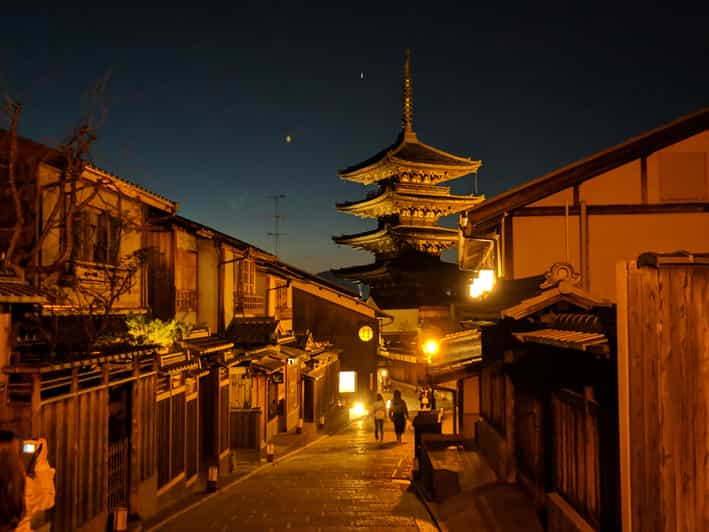
Hōkan-ji Temple receives about 20 minutes as a photo stop. Its pagoda is one of the most recognizable sights in this part of Kyoto, rising above the traditional streets of Higashiyama.
The nighttime setting makes this stop especially attractive. Lit buildings and the pagoda create the kind of scene that rewards a slower look. Your guide can point out good photography angles and help you understand how the temple fits into the surrounding district.
The phrase photo stop is worth taking seriously. This portion is not described as a full temple tour with an extended interior visit. You get time to see and photograph the exterior setting, then continue. If Hōkan-ji is a personal priority, return during daylight for a longer look if your schedule allows.
This is one reason the walk works best as an introduction. It shows you several important places and connects them by atmosphere and story. It does not replace a full temple day.
A few more Kyoto experiences worth weighing up
- PERFECT KYOTO 1-Day Bus Tour
★ 5.0 · 13,518 reviews - Kyoto: Fushimi Inari, Kinkakuji, Bamboo Grove 1 Day Bus Tour
★ 4.8 · 4,316 reviews - Kyoto: Tea Ceremony in a Traditional Tea House in Kiyomizu
★ 4.9 · 3,519 reviews - Kyoto: Tea Ceremony Ju-An at Jotokuji Temple
★ 4.9 · 3,207 reviews
A quiet visit to Yasui Kompira-Gu Shrine
The route then reaches Yasui Kompira-Gu Shrine for about 15 minutes. Compared with the headline sights of Gion, this stop can feel less familiar, which makes the guide’s explanation more useful.
A short visit here adds variety. You are not simply moving from one famous photo point to another. You see another religious site and learn more about the customs and beliefs woven into everyday Kyoto.
The walk’s strength is this steady change of mood. Yasaka Shrine feels important and ceremonial. Ninenzaka is scenic and architectural. Hōkan-ji offers the pagoda view. Yasui Kompira-Gu gives you another chance to observe local religious practice before the route returns to the entertainment district.
Fifteen minutes passes quickly, so listen closely and ask questions while you have the chance. The best guides on this experience have been praised for making room for questions without overwhelming the group.
Entering Gion after dark
The final 45 minutes are devoted to Gion, the historic entertainment district. This is the longest section of the walk, and rightly so. Gion is where the architecture, nightlife, performance traditions, and geisha culture come together.
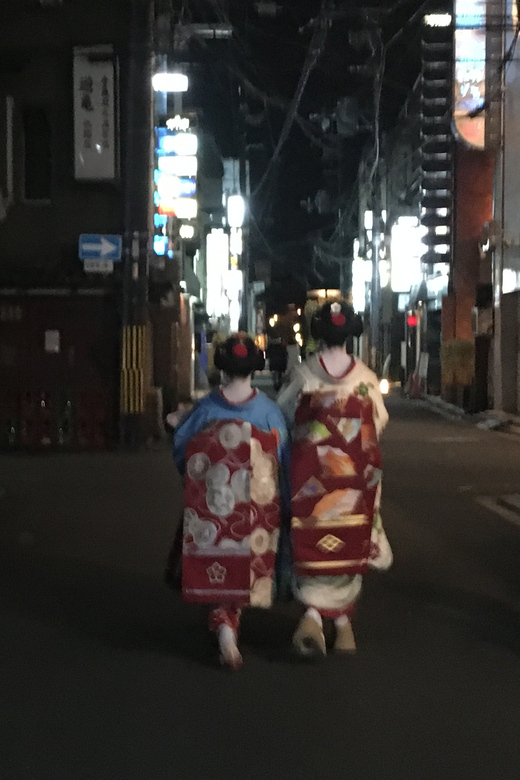
At night, wooden buildings and glowing lanterns give the lanes a more private feel. You may see people heading to restaurants or tea houses, and you might catch sight of a geiko or maiko in full costume. Several people were fortunate enough to see multiple women during their walk, including one group that saw around five.
Still, I would not book this experience only to see a geisha. Sightings depend on timing and chance, and the women are working. The better reason to come is to understand the district and the people who work within it. If you do see a geiko or maiko, keep your distance, avoid blocking the street, and follow the guide’s instructions about respectful behavior.
Your guide explains the difference between geiko and maiko, as well as the customs surrounding their work. The discussion can include the long training process and the skills expected of these highly trained performers. Several guides have been specifically praised for presenting this subject in a respectful, balanced way.
That care matters. Geisha culture is often reduced to costumes and mystery. A good explanation shows the discipline, education, performance skills, and professional life behind the appearance. Kevin, Karim, Ben, and Janiel have received especially warm praise for giving this subject attention without turning it into a cheap spectacle.
The guides are the real reason to book
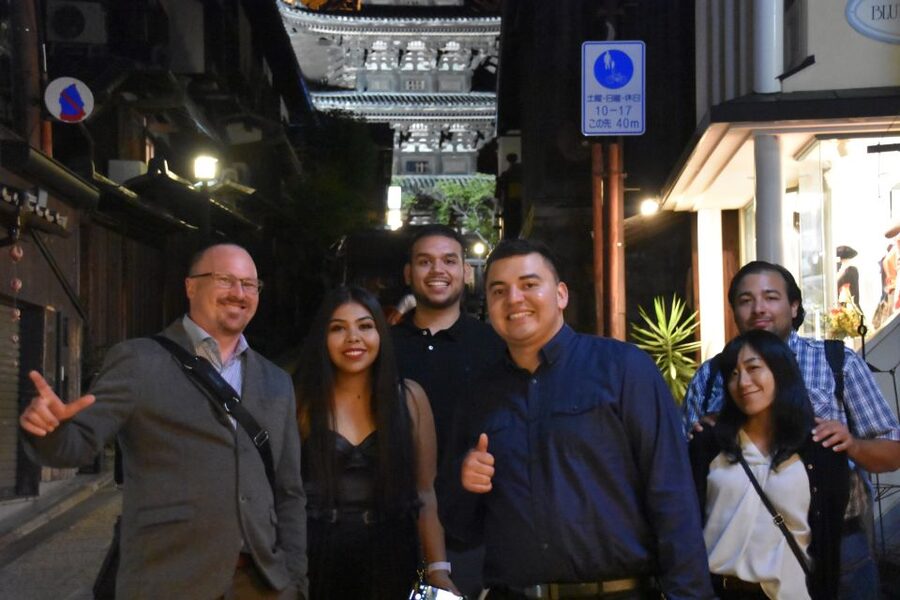
The route itself is excellent, but you can visit these districts without a guide. What you are paying for is interpretation, timing, and the chance to ask questions as you walk.
The guide names appearing often in the feedback include Karim, Kevin, Ben, Janelle, Janiel, Salomé, Hina, Diana, Amir, Masu, and others. This does not mean you can select a particular person unless the booking option says so. It does show a consistent pattern: guides are central to the quality of the experience.
Karim is repeatedly described as friendly, funny, prompt, and especially strong on Gion’s culture. Kevin is praised for answering questions patiently, pacing the walk well, and connecting Japanese life with visitors’ own cultures. Ben has used visual material to explain difficult historical points. Janelle and Janiel are praised for warmth, humor, and clear storytelling.
The best guide style here seems relaxed rather than theatrical. You get facts, anecdotes, and room for conversation. That suits Gion, where a quiet explanation often works better than a loud performance.
The group size can be private or small, depending on the option you choose. A small group can make a major difference because you can ask more questions and sometimes see a little more within the two-hour window. The experience is offered in English and French.
What $24 really gets you
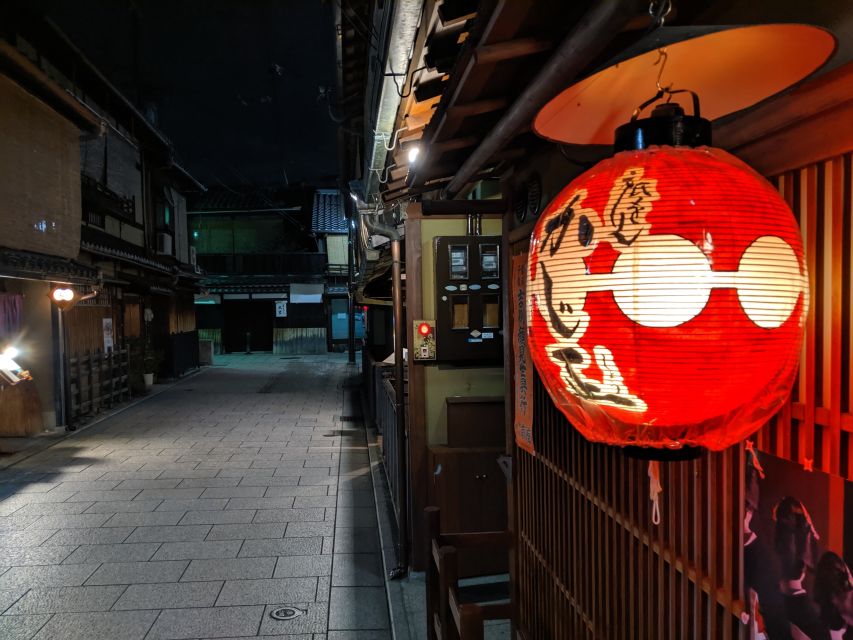
At $24 per person, the price is reasonable for a two-hour guided walk in one of Kyoto’s most popular districts. You are not paying for transport, meals, or admission tickets. You are paying for a local guide who connects five locations and explains what you would otherwise see only from the outside.
That distinction helps you judge the value. If you are comfortable reading about Kyoto and walking through Gion on your own, you can certainly spend less. But if this is your first visit, the guide can save you from missing the meaning behind the details.
The advice at the end is another useful benefit. Food and drinks are not included, but the guide can recommend a place for a drink or meal after the walk. That can be handy because choosing an evening spot in Gion without local help can be difficult, especially when you are unfamiliar with the side streets.
The tour is also flexible from a booking standpoint. You can reserve now and pay later, and cancellation is available for a full refund up to 24 hours before the start. Those terms help if your Kyoto schedule is still shifting.
Who will enjoy this evening walk most
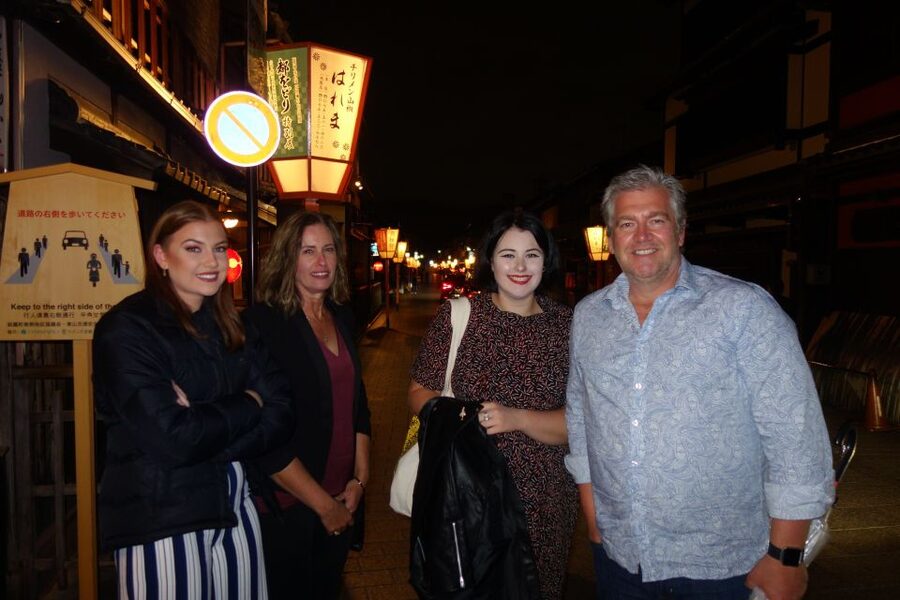
I would choose this for a first or second day in Kyoto, particularly if you want a gentle orientation rather than a packed sightseeing schedule. It gives you a working map of Gion and Higashiyama and helps you decide which places deserve a return visit.
It suits people interested in architecture, religion, local customs, photography, and geisha culture. It also works well for anyone who prefers conversation and questions over a large formal group lecture.
Families with older children may enjoy it, especially if the children can manage two hours of walking and are interested in Japanese culture. Couples and solo visitors who want an atmospheric evening should also find the format appealing.
I would think twice if you dislike walking on uneven streets, need bright lighting, or want extensive interior access to temples. This is an outdoor district walk with photo stops, not a museum visit or a full religious tour.
Practical tips for a smoother evening
Arrive early at the stated meeting point. The location may vary by booking option, and the instructions make clear that late arrivals are not refunded.
Bring a charged phone and save the guide’s number. If you have trouble finding the meeting point, call at least ten minutes before the start, and use WhatsApp if possible.
Wear comfortable shoes with reliable grip. Ninenzaka and other old streets can be uneven, and the nighttime light is not always strong.
Dress for the season. Winter feedback describes freezing conditions, while warmer months may feel more comfortable. The tour runs after dark, so bring what you need for the evening rather than relying on daytime temperatures.
Keep your camera ready, but do not make photography the whole point. The most valuable moments may be the explanations about shrine etiquette, Gion customs, or the working lives of geiko and maiko.
Finally, leave time afterward for a drink or meal. The guide’s recommendations may help you make better use of the evening, but food and drinks are your own expense.
Should you book Best of Kyoto: Gion, Geisha, Pagodas & Cobblestones?
I would book it if you want a clear, friendly introduction to Kyoto’s old eastern districts without spending a full day sightseeing. The combination of Yasaka Shrine, Ninenzaka, Hōkan-ji, Yasui Kompira-Gu, and Gion gives you a strong first look, while the nighttime setting keeps the experience calm and atmospheric.
The 4.9 rating from more than 2,000 ratings fits the strongest pattern here: excellent guide quality, respectful geisha explanations, useful food advice, and a relaxed pace. Just remember that seeing geiko or maiko is luck, not the main product.
At $24, this is a good buy for first-time visitors who value context. Skip it only if you already know Gion well, prefer exploring alone, or need a fully lit, level route. For most people starting a Kyoto stay, it is a practical way to get your bearings and see the city at its most evocative hour.
FAQ
How long does the tour last?
The walking tour lasts two hours.
How much does the experience cost?
The listed price is $24 per person.
What places does the walking tour visit?
The route includes Yasaka Shrine, Ninenzaka, Hōkan-ji Temple, Yasui Kompira-Gu Shrine, and the Gion district.
Is the tour held at night?
Yes. The experience is designed as an evening walk, when Gion and Higashiyama are often quieter and more atmospheric.
What languages are available?
Live guiding is available in English and French.
Can I book a private or small-group tour?
Yes. Private and small-group options are available, depending on the option you choose.
Are food and drinks included?
No. Food and drinks are not included, although the guide can offer recommendations for somewhere to eat or have a drink afterward.
What happens if I cannot find the meeting point?
Your guide’s phone number will be shared with you. If you have trouble locating the meeting point, call the guide at least ten minutes before the tour begins. Customers who arrive late or cannot find the guide are not refunded.
Just added around Kyoto
- Kyoto: Gion Night Walking Tour with Geisha Insight★ 5.0 · 39 reviews
- Kyoto: Private Customizable Day Trip by Car★ 5.0 · 38 reviews
- Kyoto: Full Day Bike Tour★ 4.9 · 39 reviews
- Private Japanese Calligraphy in Kyoto – Learn Shodō with a Master★ 5.0 · 39 reviews
- Experience a tea ceremony in an authentic tearoom, in Kyoto!★ 4.5 · 41 reviews
- Kyoto: Gion Evening Walk with Hidden Gems, Geisha & Sake★ 5.0 · 41 reviews
- Kyoto Private Photo Shoot & Tour by SnapKyoto★ 5.0 · 41 reviews
- The Way of Tea: Kyoto Crafts, Hidden Temples & Wabi-Sabi Walk★ 5.0 · 41 reviews
Geisha & Gion District Tours, compared.
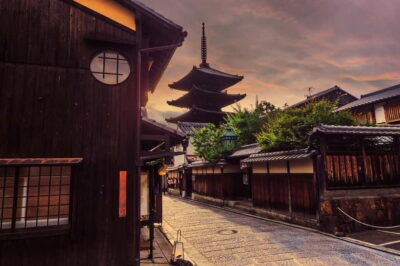
Kyoto Geisha Walking Tour: Gion District & Hidden Gems
Read our review →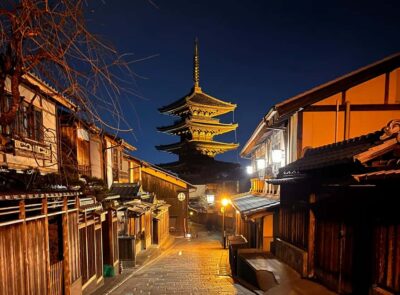
Gion Magical Night Walking Tour with Geisha Trivia
Read our review →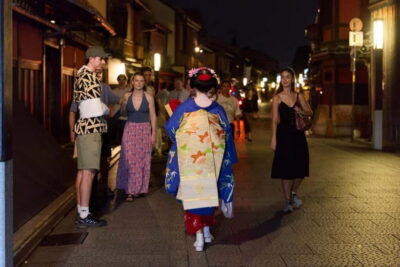
Gion Geisha District Walking Tour – Stories of Geisha
Read our review →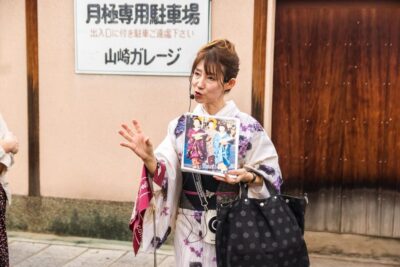
Kyoto Night Foodie Tour in Gion (9+ dishes + 6 Sake tastings)
Read our review →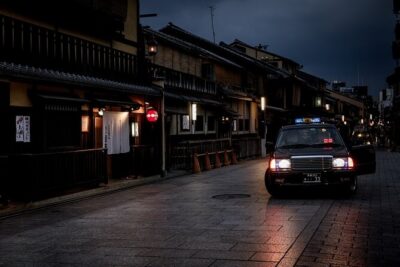
Kyoto Gion Geisha District Walking Tour – The Stories of Geisha
Read our review →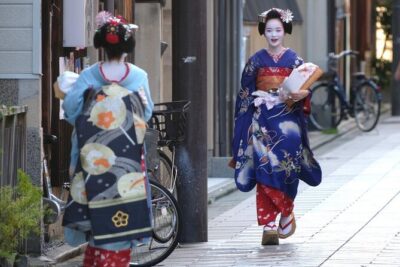
Kyoto Gion: 2-Hour Geisha Culture & History Walking Tour
Read our review →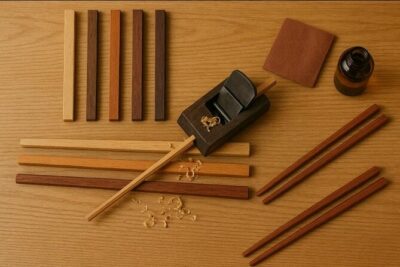
Chopsticks Making Workshop in Gion with Engraving Option
Read our review →Browse the lists this tour appears in