
Reviewed · GEISHA & GION DISTRICT TOURS
Kyoto Gion Geisha District Walking Tour – The Stories of Geisha
Kyoto’s lantern-lit streets tell complicated stories. This two-hour evening walk through Gion is appealing because it pairs the district’s famous geisha culture with landmarks such as Tatsumi Bridge, Hanamikoji Street, Minamiza theater, and Yasaka Shrine. I especially like the small maximum group of 15 and the way the tour takes place after the largest daytime crowds have gone. The main drawback is that the tour is mostly an introduction: one four-star assessment felt the route needed more content, so visitors seeking a longer or more specialized study may want something fuller.
I also like the price, $25 per person, which is fair for a guided look at one of Kyoto’s most confusing cultural subjects. Guides including Shin, Deborah, Ben, Melanie, Nami, Kenji, and Manny have been praised for clear explanations and friendly conversation. Bring a warm coat in winter, though. Several accounts describe the walk as chilly, and one noted that the route involves a fair amount of walking.
In This Review
- Key Points Before You Book
- Why an Evening Walk Works Better in Gion
- Starting Near Shijo at Ben’s Cookies
- Okuni’s Statue and the Kabuki Connection
- Minamiza Theater and Kyoto’s Stage Traditions
- Tatsumi Bridge and the Shinbashi Streets
- Hanamikoji Street and the Face of Gion
- Gion Corner and the Wider Cultural Picture
- Yasaka Shrine, the Finishing Point
- The Guides Are the Main Reason to Go
- Is $25 Good Value?
- Who Should Book This Gion Walk?
- Practical Details for a Comfortable Evening
- Should You Book the Stories of Geisha Tour?
- FAQ
- How long is the Kyoto Gion Geisha District Walking Tour?
- What is the price of the tour?
- How large is the tour group?
- Where does the tour start and end?
- Are entrance fees included?
- What happens if bad weather cancels the tour?
Key Points Before You Book
- After-dark Gion: See the district when lanterns and evening lights give its wooden streets a quieter, more atmospheric feel.
- A small group capped at 15: The limited size should make it easier to hear the guide and ask questions.
- More than a photo walk: The tour explains the difference between geisha, geiko, and maiko, along with the history of Kyoto’s entertainment districts.
- A useful first-night activity: The route offers an introduction to Gion, Pontocho, Kyoto’s history, and local customs in less than two hours.
- A walking route with free admission: The listed stops do not require separate entrance tickets, and all fees and taxes are included.
- Strong overall record: The experience carries a 4.8 rating from 1,441 reviews and is recommended by 96 percent of customers.
Why an Evening Walk Works Better in Gion
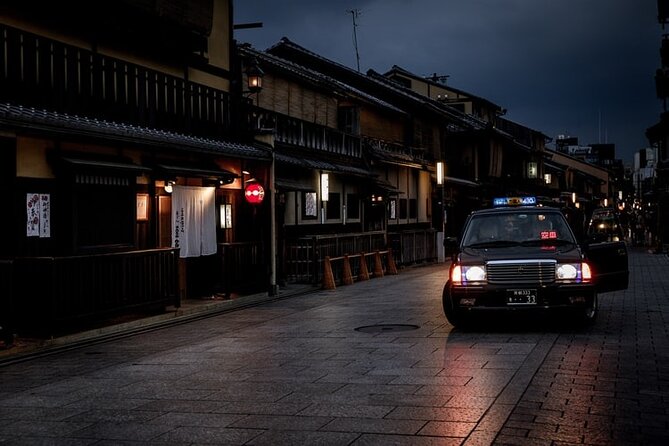
Gion can be hard to read in daylight. You see traditional wooden buildings, elegant restaurants, narrow lanes, and plenty of people carrying cameras, but the purpose of the district is not always clear. An evening tour gives the streets a more fitting setting and helps you understand what you are looking at.
The timing also matters for courtesy. The tour is designed to explore Gion after the biggest tourist crowds have left, while geiko and maiko may be making their way to appointments. That does not mean you are guaranteed to see one, and you should never treat a performer as a photo opportunity. The real value is learning how the district functions and why certain buildings and lanes matter.
The atmosphere is part of the experience. Lanterns and evening lighting make Gion look especially attractive, while the guide supplies the background that a casual walk cannot. Several guides have been praised for showing the significance of plain-looking buildings that you might otherwise pass without a second glance.
More Walking Tours in Kyoto
- Kyoto Geisha Walking Tour: Gion District & Hidden Gems
★ 4.7 · 3,273 reviews - Kyoto: Gion Magical Night Walking Tour with Geisha Trivia
★ 4.9 · 2,393 reviews - Kyoto: Gion Geisha District Walking Tour – Stories of Geisha
★ 4.7 · 2,187 reviews
Starting Near Shijo at Ben’s Cookies
The meeting point is Ben’s Cookies Kyoto at 89 Shinchō in the Shimogyo Ward. From there, the route heads toward the historic Gion area and finishes at Yasaka Shrine.
The starting point is near public transportation, which is helpful if you are fitting the walk between dinner and another evening plan. Your confirmation arrives at booking, so check the meeting instructions and allow enough time to find the exact storefront. A mobile ticket keeps the arrangement simple.
This is not a sightseeing bus or a seated lecture. You spend the roughly two hours on foot, stopping at several places while the guide explains their meaning. Wear shoes that are comfortable on city streets, and consider the season carefully. Winter accounts repeatedly point to the cold. A thick coat can make the difference between enjoying the stories and quietly counting the minutes until the end.
Okuni’s Statue and the Kabuki Connection
One early stop is the bronze statue of Izumo-no-Okuni, a legendary figure associated with the creation of kabuki theater. The statue is a useful doorway into Kyoto’s long connection with performance, entertainment, and the arts.
This part helps place geisha culture in a wider setting. Geiko and maiko are not simply decorative figures in traditional clothing. Their work belongs to a broader world of music, dance, conversation, ceremony, and professional training. The stop is brief, about 10 minutes, but it gives the rest of the walk a useful frame.
The statue itself is free to visit, and the short stop should suit anyone who likes history in manageable portions. If you already know a great deal about kabuki or Kyoto’s performing arts, you may wish the guide had more time here. For most first-time visitors, though, it is a sensible opening.
Minamiza Theater and Kyoto’s Stage Traditions
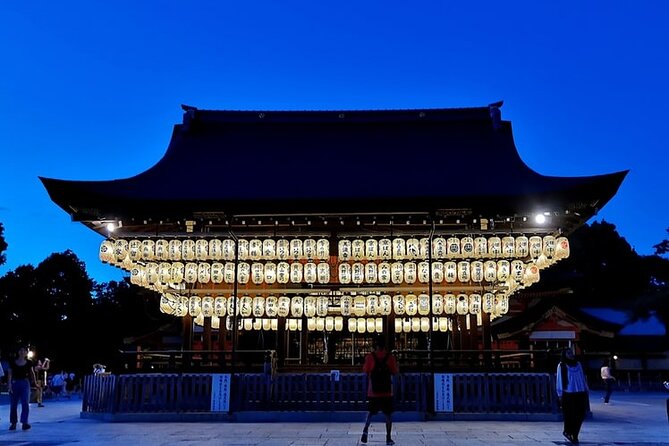
The route also passes Minamiza, Kyoto’s historic theater known for kabuki performances. Its presence reinforces the connection between Gion and Japan’s traditional stage arts.
Kabuki is known for elaborate costumes, dramatic storytelling, and stylized performance. The theater helps explain why Gion became associated with entertainment and why the district should be understood as a working cultural quarter, not just an old-fashioned neighborhood arranged for sightseeing.
The tour does not include a kabuki performance, so keep your expectations clear. You see the theater as part of the walking route rather than entering for a show. That is a limitation if you hoped for a performance, but it also keeps the cost at $25 and the schedule under two hours.
More geisha district walks in Kyoto:
- Best of Kyoto: Gion, Geisha, Pagodas & Cobblestones
★ 4.9 · 2,058 reviews - Night Walk in Gion: Kyoto’s Geisha District
★ 4.5 · 2,003 reviews - Kyoto Night Foodie Tour in Gion (9+ dishes + 6 Sake tastings)
★ 5.0 · 1,762 reviews - Kyoto Gion: 2-Hour Geisha Culture & History Walking Tour
★ 5.0 · 1,186 reviews
Tatsumi Bridge and the Shinbashi Streets
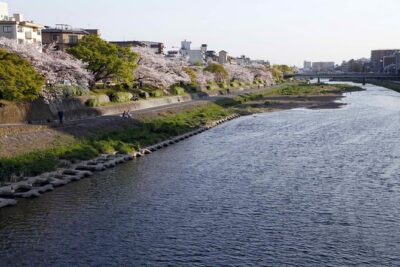
Tatsumi Bridge is one of the most appealing stops on the route. It sits in Gion Shinbashi, an area known for traditional streets, tea houses, and a strong connection to geisha culture.
This is the kind of place where an evening walk earns its keep. The bridge and surrounding streets offer the attractive Kyoto scenery most people picture before arriving, but the guide adds the practical context. You learn how the area relates to the flower towns, the traditional entertainment districts, and the people who work there.
One particularly useful theme from the tour is the hidden code of the flower towns. Ben was praised for explaining these less obvious rules and signals, the details that standard guidebooks may skim over. That sort of explanation can change how you look at a doorway, sign, or quiet lane.
The stop lasts about 10 minutes, though the full walk between points adds more time on your feet. Tatsumi Bridge is also a reminder to keep your behavior respectful. Gion is not a stage set. People live and work here, and some streets and businesses may not welcome photography.
Hanamikoji Street and the Face of Gion
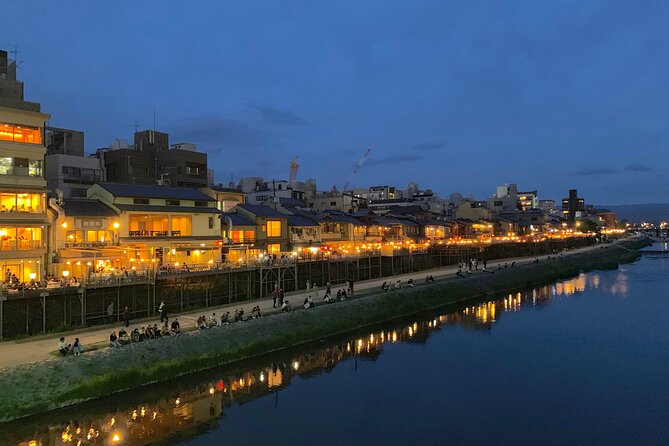
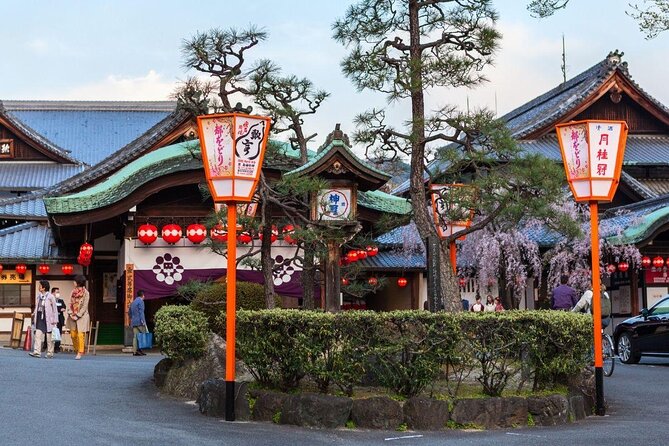
Hanamikoji Street is one of Gion’s best-known thoroughfares. Traditional machiya houses line the area, along with upscale restaurants and tea houses connected to Kyoto’s entertainment culture.
The street can be visually striking, but the guide’s explanations are more valuable than simply taking pictures. You get a clearer sense of the difference between a historic façade and an active business, and you learn why the district has such a strong identity.
This is also one of the places where the evening timing helps. The street may still have plenty of activity, but it is generally more atmospheric after the day’s main sightseeing rush. Do not assume that evening means empty. Gion remains popular, and the tour’s purpose is to help you move through it with more understanding, not to promise solitude.
The guide may discuss geisha, geiko, and maiko in terms of training, work, appearance, and social role. The reviews consistently praise this subject as a major strength. Manny, for example, was credited with explaining the evolution of these traditions clearly, while Nami was praised for covering the history of entertainment in Japan.
Gion Corner and the Wider Cultural Picture
Gion Corner is a cultural center and performance venue in the district. It presents a condensed look at traditional Japanese arts and culture, making it a natural reference point during a tour about Kyoto’s entertainment world.
The stop helps broaden the subject beyond geisha alone. You are reminded that Gion connects to several traditional arts and performance forms. That wider view prevents the tour from reducing the district to costumes and mystery.
The route does not include admission to a performance at Gion Corner. If you want to attend one, that would be a separate plan. Still, seeing the venue and learning where it fits into the neighborhood gives you a better sense of Gion as a place tied to living arts.
For first-time visitors, this context is important. The tour has been praised as more than a standard walking tour because it links local streets with the history of Japanese entertainment and Kyoto itself. That is likely to be the strongest reason to book.
Yasaka Shrine, the Finishing Point
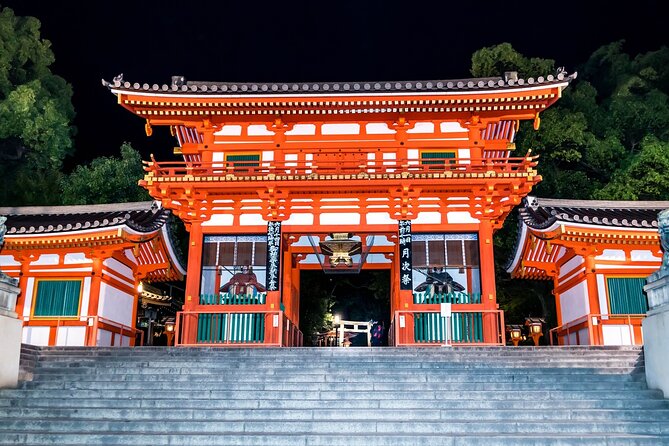
The walk ends at Yasaka Shrine, also known as Yasaka Jinja or Gion Shrine. It is one of Kyoto’s major Shinto shrines and is known for its festivals and prominent position beside the Gion district.
Ending here gives you a substantial landmark rather than leaving you in the middle of a lane. You can continue exploring afterward or use the shrine as a clear reference point for your next plan. The shrine is free to visit, and the tour includes all listed fees and taxes.
The final stop also brings together the themes of the evening. You have seen the connection between performance, neighborhood life, traditional buildings, and religious sites. That combination is one reason the route works well as an early Kyoto activity.
The itinerary lists roughly 10 minutes at each principal stop, but the walk itself is the main event. You are not spending long periods inside attractions. Instead, you are moving through the area while the guide interprets what is around you.
The Guides Are the Main Reason to Go
The quality of a walking tour depends heavily on the person leading it, and this experience has received repeated praise for its guides. Shin has been described as informative and happy to answer questions. Deborah earned praise for subject knowledge and a lively evening walk. Melanie was noted for being down-to-earth and well informed about both geisha life and Japan more broadly.
Ben appears several times in the feedback for his enthusiasm, detailed explanations, and ability to connect geisha history with local customs. Kenji has been praised for keeping the tour fun for families with teenagers, while Nami received strong marks for her friendly manner and explanations of entertainment history.
Manny was singled out for clear detail about geisha, geiko, and maiko. Tommy was appreciated for combining local history and cultural information with personal stories. These comments suggest that the experience is not built around one fixed personality or a single script. The guide you receive can shape the tone, but the consistent strength is the focus on explanation.
You should still keep expectations realistic. A guide can explain the district, but no short tour can cover every part of geisha culture, Kyoto’s social history, and present-day practice. One four-star assessment found the route informative but wished for more content. I see that as a fair caution: this is a strong introduction, not an advanced seminar.
Is $25 Good Value?
At $25, the tour offers solid value if you want orientation, cultural context, and an atmospheric evening walk. You are paying for a guide’s interpretation rather than entry to a major attraction, so the value depends on how much you want to understand the streets you are seeing.
The listed stops are free, and bottled water is not included. That is a minor point, but bring your own drink, especially in warmer weather. All fees and taxes are included, so the price is easy to understand.
The small group limit matters here. Fifteen people is not private, but it is far better than being lost in a large crowd. You should have a reasonable chance to hear the guide and ask questions, especially when the group pauses on a narrow street.
With a 4.8 rating from 1,441 reviews and a 96 percent recommendation rate, the experience has a strong record. Still, value is not automatic. If you dislike walking, cold weather, or short stops outside attractions, you may find the format less appealing.
Who Should Book This Gion Walk?
I would recommend it most strongly to first-time visitors who want an understandable introduction to Gion. It works especially well at the start of a Kyoto stay because the guide can help you get your bearings and point out places you may later revisit independently.
Families can also make good use of it. A multigenerational group with young adults enjoyed the format, and Kenji was praised for keeping teenage children interested. The combination of short stops, local stories, and a moving route is easier for many families than a long indoor lecture.
It also suits anyone curious about geisha culture but wary of shallow sightseeing. The best parts explain the working world behind the costumes, the history of the flower towns, and the difference between related terms. You will not simply be shown a photogenic street and sent on your way.
You may want a different activity if you expect to meet a geisha, enter a tea house, watch a performance, or receive a highly specialized academic account. None of those are promised. The tour offers an informed walk through the district and a look at its cultural setting.
Practical Details for a Comfortable Evening
The tour lasts about two hours and ends at Yasaka Shrine. It operates with a maximum of 15 participants, accepts mobile tickets, and is near public transportation. Most people can take part, and service animals are allowed.
Good weather is required. If poor weather causes cancellation, you are offered another date or a full refund. You can cancel for a full refund up to 24 hours before the local start time. Cancellations or changes within 24 hours are not refunded or accepted.
Plan your evening around the finish rather than rushing to another distant appointment. The route includes several stops and a fair amount of walking, and winter conditions can be cold. A warm coat, comfortable footwear, and your own water are sensible choices.
Should You Book the Stories of Geisha Tour?
Book it if you want a friendly, affordable introduction to Gion that explains what you are seeing. The evening setting, compact route, and strong guide feedback make it a smart choice for first-time visitors, families, and anyone interested in Kyoto’s traditional entertainment culture.
Skip it if you want an included performance, a private tour, or a long and highly detailed study. For most people, though, $25 buys more than a walk through attractive streets. It gives you a clearer way to read Gion, and that is exactly what a good city tour should do.
FAQ
How long is the Kyoto Gion Geisha District Walking Tour?
The tour lasts approximately two hours.
What is the price of the tour?
The price is $25 per person.
How large is the tour group?
The tour has a maximum of 15 participants.
Where does the tour start and end?
It starts at Ben’s Cookies Kyoto, 89 Shinchō, Shimogyo Ward, and ends at Yasaka Shrine, 625 Gionmachi Kitagawa, Higashiyama Ward.
Are entrance fees included?
All fees and taxes are included. The listed stops have free admission, but the tour does not include a bottled water.
What happens if bad weather cancels the tour?
Because good weather is required, a weather cancellation offers you either a different date or a full refund. You can also cancel at least 24 hours before the start time for a full refund.
Just added around Kyoto
- Kyoto: Private Customizable Day Trip by Car★ 5.0 · 38 reviews
- Kyoto: Gion Night Walking Tour with Geisha Insight★ 5.0 · 39 reviews
- Kyoto: Full Day Bike Tour★ 4.9 · 39 reviews
- Private Japanese Calligraphy in Kyoto – Learn Shodō with a Master★ 5.0 · 39 reviews
- Experience a tea ceremony in an authentic tearoom, in Kyoto!★ 4.5 · 41 reviews
- Kyoto: Gion Evening Walk with Hidden Gems, Geisha & Sake★ 5.0 · 41 reviews
- Kyoto Private Photo Shoot & Tour by SnapKyoto★ 5.0 · 41 reviews
- The Way of Tea: Kyoto Crafts, Hidden Temples & Wabi-Sabi Walk★ 5.0 · 41 reviews
Geisha & Gion District Tours, compared.
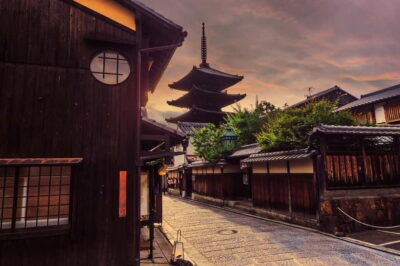
Kyoto Geisha Walking Tour: Gion District & Hidden Gems
Read our review →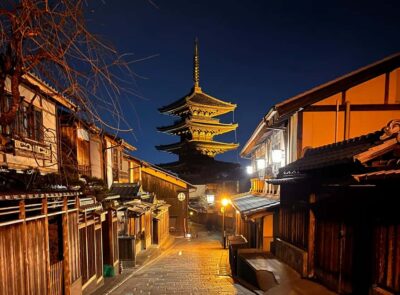
Gion Magical Night Walking Tour with Geisha Trivia
Read our review →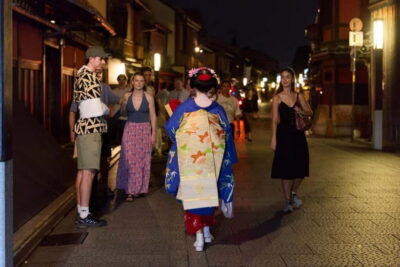
Gion Geisha District Walking Tour – Stories of Geisha
Read our review →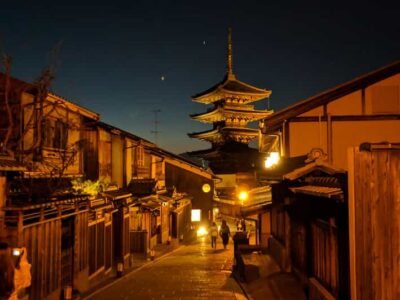
Best of Kyoto: Gion, Geisha, Pagodas & Cobblestones
Read our review →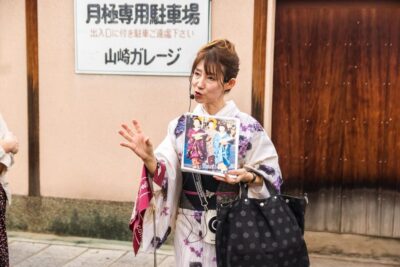
Kyoto Night Foodie Tour in Gion (9+ dishes + 6 Sake tastings)
Read our review →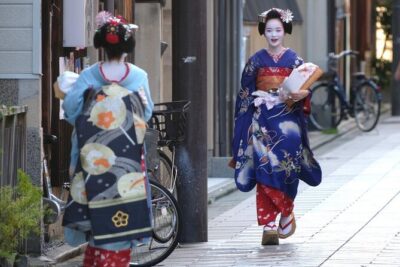
Kyoto Gion: 2-Hour Geisha Culture & History Walking Tour
Read our review →
Chopsticks Making Workshop in Gion with Engraving Option
Read our review →Browse the lists this tour appears in