
Reviewed · GEISHA & GION DISTRICT TOURS
Kyoto Geisha Walking Tour: Gion District & Hidden Gems
Gion changes after dark. This $25 walking tour gives you a lively introduction to Kyoto’s famous geisha quarter, with stories about Geiko and Maiko, traditional teahouses, old townhouses, temples, and side streets that are easy to miss on your own. I especially like the strong historical explanation and the generous restaurant, bar, shopping, and sightseeing advice offered at the end.
I also like the comfortable pace and the chance to see Gion at different times of day. Guides such as Michael, Anton, Yuri, and Ikuro have been praised for being warm, clear, and engaging, with Michael receiving especially frequent praise for his history lessons and practical tips. The main consideration is simple: seeing a Geiko or Maiko is possible, not promised, and the tour involves a fair amount of walking with no wheelchair access.
In This Review
- Key points before you book
- Starting beside Hotel Alza Kyoto
- Entering Gion’s teahouse district
- Geiko, Maiko, and the reality of a sighting
- Hõkan Ji Pagoda and Gion’s best photo corners
- Kennin-ji, Kyoto’s oldest Zen temple
- Chion In and a broader view of Kyoto
- Why the guide matters more than the route
- Evening lanterns, daylight, and timing
- The recommendations at the end are worth keeping
- Value, walking effort, and who should book
- Should you book the Kyoto Geisha Walking Tour?
- FAQ
- How much does the Kyoto Geisha Walking Tour cost?
- How long does the tour last?
- What language is the tour conducted in?
- Where is the meeting point?
- Will I definitely see a Geiko or Maiko?
- Is the tour suitable for wheelchair users?
- Can I cancel for a full refund?
Key points before you book
- Gion beyond the postcard streets: Walk through famous lanes, preserved machiya houses, teahouse areas, temple grounds, and quieter corners.
- Geisha culture explained properly: Learn the difference between Geiko and Maiko, how the district developed, and where this tradition fits in modern Kyoto.
- Several major sights in two hours: The route may include Hõkan Ji Pagoda, Kennin-ji Temple, and Chion In Temple, along with Gion’s smaller streets.
- Guides make the difference: Michael is often praised for his humor, historical knowledge, language skills, and useful recommendations. Other guides named in the feedback include Anton, Yuri, Ikuro, and Ron.
- Good value at $25: You receive two hours of guiding, cultural context, photo opportunities, and a useful list of places to eat and visit.
- Plan for the conditions: The tour is on foot, may be cold in winter, and later departures can have less daylight for photographs.
Starting beside Hotel Alza Kyoto
The meeting point is on the side street next to Hotel Alza Kyoto. Look for the red parasol or umbrellas with marble seats underneath. That detail matters because Gion has many narrow lanes and busy corners, so having a clear visual marker is helpful.
You should arrive ready to walk on cobblestones and ordinary city streets. The tour lasts two hours and is conducted in English by a live guide. Starting times vary, so check the available slot when booking.
The tour works especially well near the beginning of your Kyoto stay. You get a basic map in your head, learn how Gion functions, and receive suggestions for meals and sights that you can use later. One person described it as an excellent first look at the district, and that is a fair way to think about it. This is an orientation with stories and context, not a full-day examination of every temple and lane.
More Hidden Gem Tours in Kyoto
- Private Kyoto Tour with a Local, Highlights & Hidden Gems, Personalised
★ 5.0 · 1,543 reviews - Arashiyama Bamboo Forest & Hidden Gems Bike Tour (Early Bird)
★ 5.0 · 613 reviews - Kyoto: Hidden Gems E-Bike Tour with Local Japanese Guide
★ 4.9 · 189 reviews
Entering Gion’s teahouse district
Gion is best understood as a working neighborhood, not a historical stage set. Its narrow streets contain traditional teahouses, private entertainment venues, shops, homes, restaurants, and modern businesses. The tour helps explain why some buildings appear closed or mysterious and why certain places are not open for casual sightseeing.
The guide discusses the role of teahouses where Geiko and Maiko perform for private clients. These venues are exclusive, and you should not expect to enter or watch a performance during this walk. That limitation is part of the point: the tour explains a world that is usually kept private, rather than pretending that a street walk provides access to it.
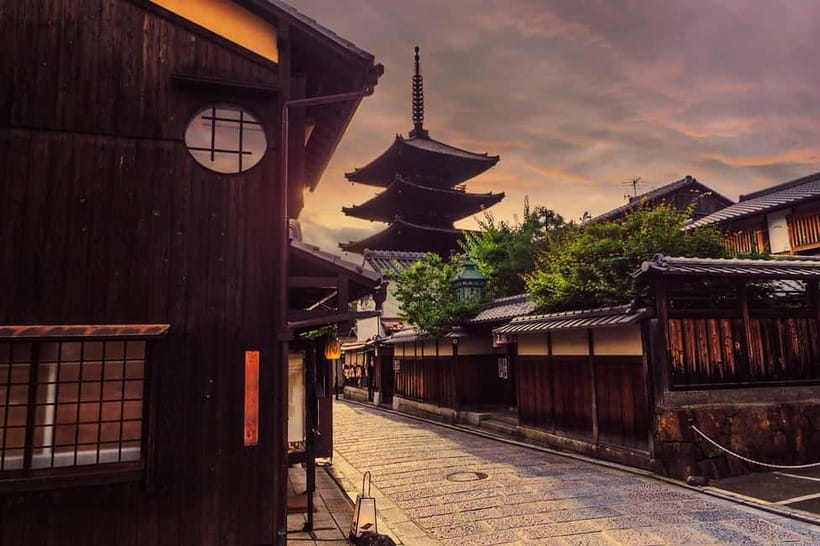
You will also pass beautifully preserved machiya townhouses. Their wooden fronts and narrow proportions give Gion much of its old Kyoto character. A guide can point out how the buildings fit the street and how the district’s architecture reflects the practical needs of traditional urban life.
This is where a good guide earns the $25 price. Without explanation, Gion can look like a string of attractive facades. With context, you begin to notice the difference between a historic townhouse, a tea establishment, a souvenir shop, and a private business.
Geiko, Maiko, and the reality of a sighting
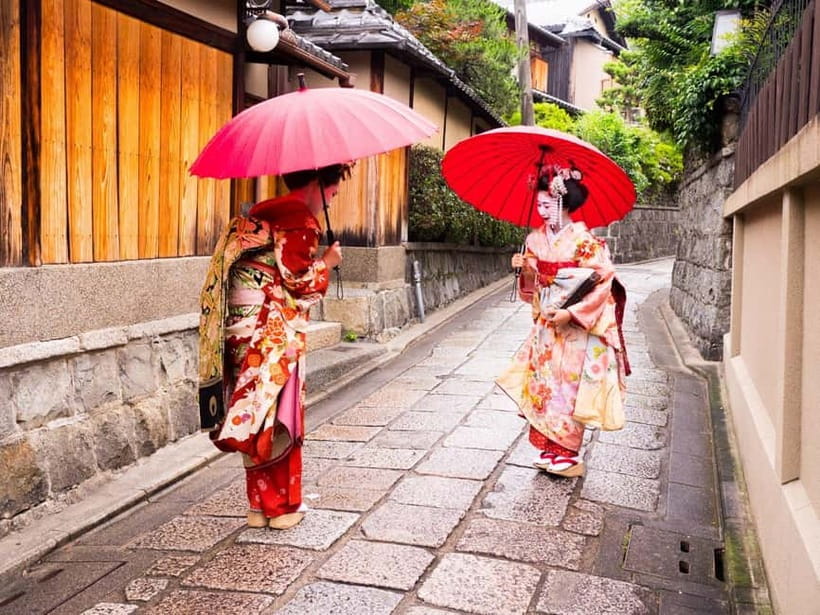
The tour offers an opportunity to see elegantly dressed Geiko and Maiko walking to appointments. That can be one of the most memorable moments of an evening in Kyoto, but it depends on timing and luck.
One person on the tour was fortunate enough to see a Geiko going about her day. Another specifically noted that no Geisha appeared, yet still considered the walk well worth taking because of the stories and historic places. That is the right expectation. Book this for a better understanding of geisha culture, with a possible sighting as a bonus.
Your guide also helps place the tradition in Kyoto’s wider culture. The word Geiko is commonly used in Kyoto, while Maiko refers to an apprentice. The supplied tour information promises discussion of the origins of the culture, its role in modern society, and the district where it developed. The value here is not simply spotting a kimono. It is learning to see the people and institutions behind the clothing.
This also calls for respectful behavior. If you see a Geiko or Maiko, keep a polite distance and follow the guide’s instructions. Gion is a living neighborhood, and the women you may see are going to work, not posing for a public show.
Hõkan Ji Pagoda and Gion’s best photo corners
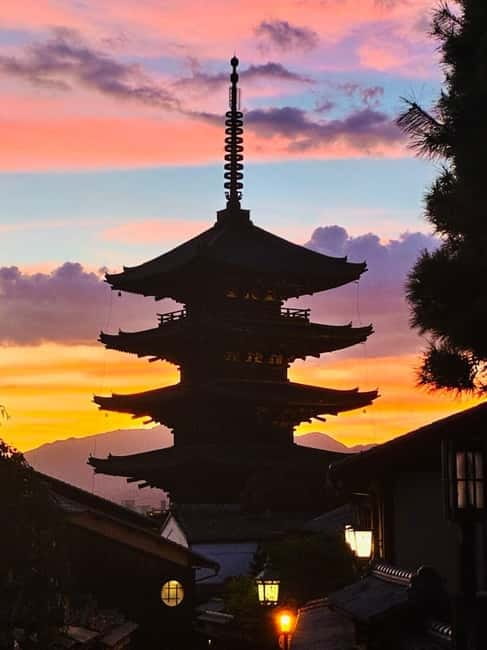
Hõkan Ji Pagoda, often called Yasaka-no-To, is one of the area’s most recognizable sights. Its tall wooden form gives the surrounding streets a strong visual focus, and it is a natural place for photographs.
The tour does not simply take you to a famous viewpoint and move on. It also includes less obvious photo locations along the route. Several comments praise the guide for showing spots that participants would not have found alone, including quieter areas with attractive views of the district.
That matters in Gion, where the best photograph is not always the most famous one. A side street, a wooden facade, a lantern, or a glimpse of the pagoda between buildings may tell you more about the neighborhood than a crowded main road.
Photography is part of the appeal, but the tour is not solely a photo walk. The guide links the buildings and views to local history, architecture, and daily life. You get more from the scenery because you understand what you are looking at.
More Walking Tours in Kyoto
- Kyoto: Gion Magical Night Walking Tour with Geisha Trivia
★ 4.9 · 2,393 reviews - Kyoto: Gion Geisha District Walking Tour – Stories of Geisha
★ 4.7 · 2,187 reviews - Night Walk in Gion: Kyoto’s Geisha District
★ 4.5 · 2,003 reviews - Kyoto Gion Geisha District Walking Tour – The Stories of Geisha
★ 5.0 · 1,441 reviews
Kennin-ji, Kyoto’s oldest Zen temple
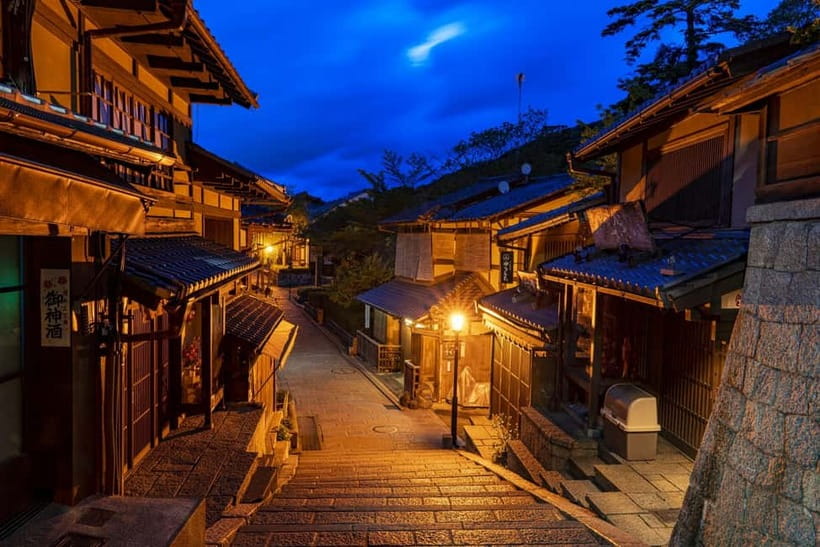
Kennin-ji Temple brings a different mood to the walk. The tour information identifies it as the oldest Zen temple in Kyoto, and its serene grounds offer a welcome change from Gion’s narrow commercial streets.
The important thing here is contrast. Gion can feel mysterious and theatrical, especially as lanterns begin to glow. Kennin-ji offers a quieter setting where the guide can explain the religious and artistic side of Kyoto.
Because the tour lasts only two hours, do not assume you will have the same amount of time as on a dedicated temple visit. The route is designed to introduce the temple and place it within the story of the district. If you want a long, unhurried look at temple buildings and grounds, plan a separate visit.
Still, the stop adds real value. You are not getting only geisha stories and souvenir streets. You are also seeing how religion, art, architecture, and entertainment have shaped this part of Kyoto.
Chion In and a broader view of Kyoto
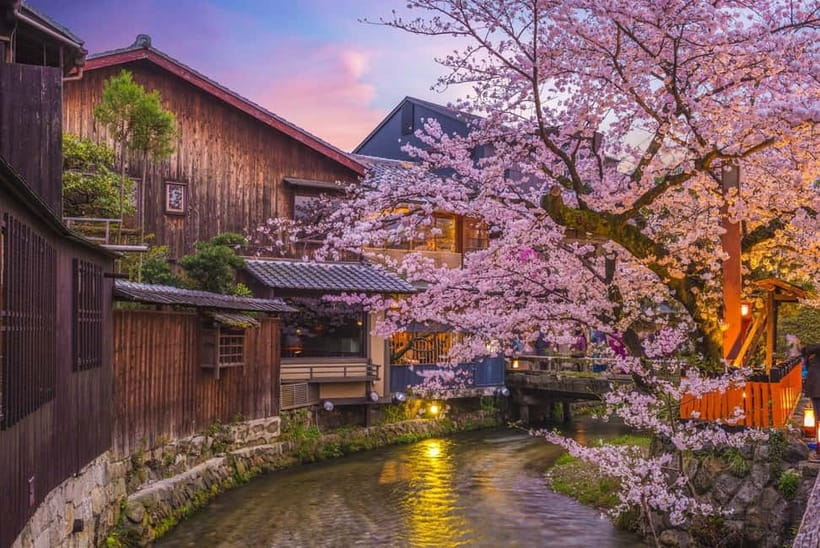
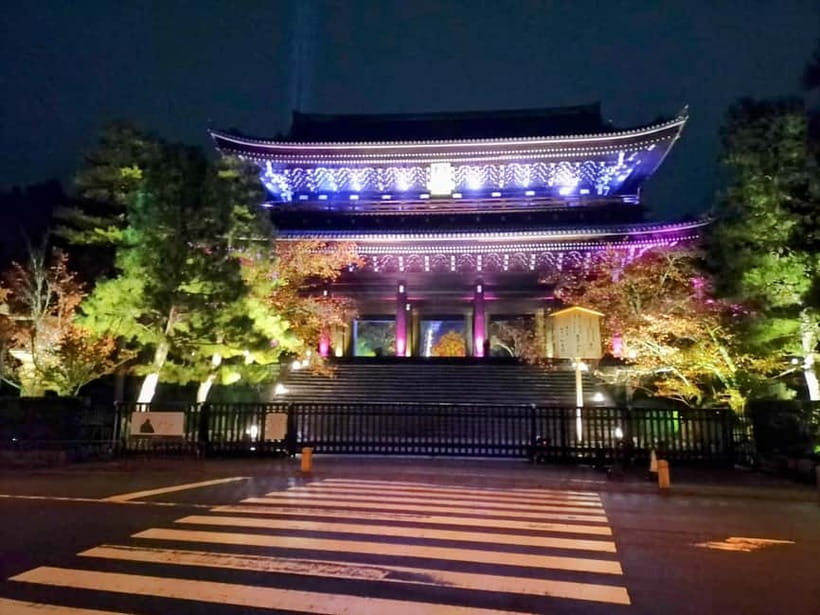
Chion In Temple is described as an often overlooked stop, with three designated national treasures within its extensive grounds. It gives the walk a wider reach beyond the core lanes of Gion.
This portion may appeal most to you if you like cultural context rather than a tightly focused theme. The guide can connect the temple grounds with Kyoto’s long religious tradition and explain why the city contains so many layers of historic importance.
The word often overlooked is useful here. Many first-time visitors concentrate on Gion’s tea houses and photogenic streets, then miss the larger temple spaces nearby. Including Chion In helps you see that the neighborhood is not just about evening entertainment or elegantly dressed women heading to appointments.
At the same time, the route covers a lot in a short period. You should regard the temple stops as an introduction. They will help you decide where to return, but they are not substitutes for a complete temple visit.
Why the guide matters more than the route
The route contains attractive places, but the strongest part of this experience is the guide’s explanation. Michael receives repeated praise for his passion, humor, clear communication, and broad knowledge of Kyoto’s history. He has been described as friendly with children, easy to ask questions of, and able to speak English, French, Japanese, and some Arabic.
Other named guides include Anton, Yuri, Ikuro, and Ron. Feedback about them is also highly positive, with particular praise for warmth, clear explanations, and an engaging manner. Your actual guide may vary, so the personality and emphasis of your walk may differ slightly.
Several people found the group small enough to feel personal. On at least two occasions, a booking had only one participant, effectively turning the outing into a private walk. You should not count on that happening, but a small group makes it easier to ask about food, temples, films, shopping, or anything else on your mind.
This flexibility seems to be one of the experience’s real strengths. One participant had the route adjusted slightly to suit personal interests. Another appreciated the guide’s willingness to answer many questions. If you enjoy conversation and explanation, this is likely to be more rewarding than a guide who simply recites facts at each stop.
Evening lanterns, daylight, and timing
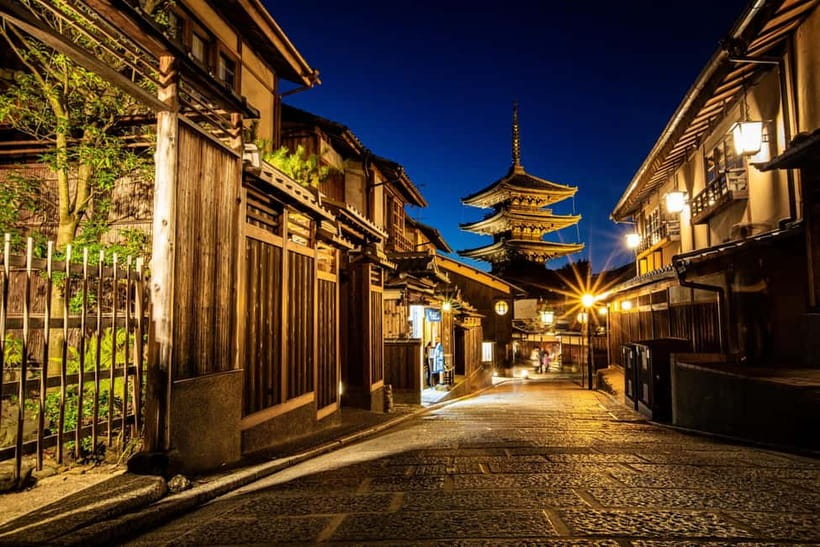
Gion takes on a different character as evening arrives. Lantern-lit streets create the atmosphere many people hope to find here, and a later departure can be especially appealing if your main goal is to see the district after dark.
There is a tradeoff. A 6 p.m. start was praised as quiet, with enough space to appreciate the surroundings and ask questions. A 3 p.m. start was considered good overall, but the participant advised against going later than that when daylight and photographs matter.
In practical terms, choose your time according to your priorities:
- Pick an earlier slot for clearer photographs and easier views of buildings.
- Pick an evening slot for lanterns and a more atmospheric walk.
- Bring warm clothing in winter. One participant found the conditions painfully cold and wished for a warm indoor stop.
The tour information does not promise a café break, so do not plan on warming up indoors during the walk. Eat beforehand if you are sensitive to cold, or leave room afterward for a meal.
The recommendations at the end are worth keeping
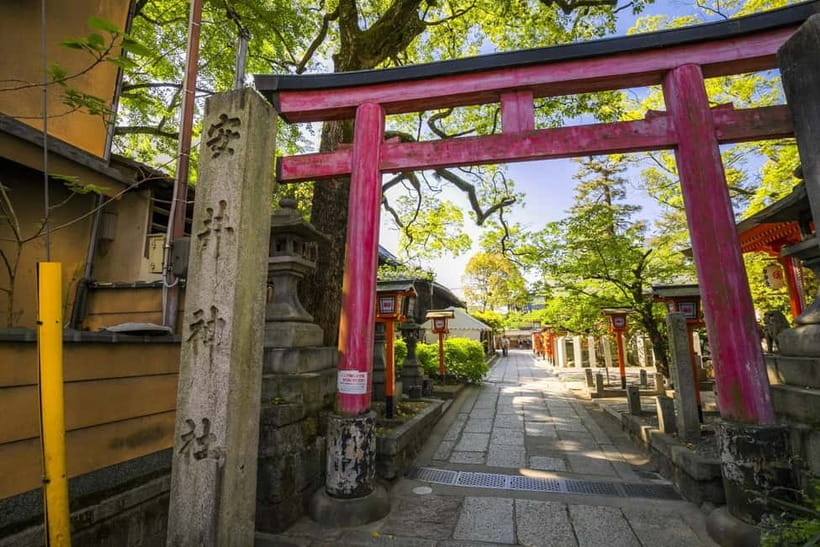
The guide offers a detailed list of personal recommendations for restaurants, bars, shops, and additional places to visit in Kyoto and elsewhere in Japan. This may sound like a small extra, but it can save you time and help you avoid choosing dinner by guesswork.
The advice is also one reason to take the tour early in your stay. Several people used the suggestions for food and other attractions after the walk. One person specifically recommended leaving time after the tour because the area offers places to eat, shop, make perfume, and try pottery.
I would book the walk before a planned dinner in Gion rather than after one. The route ends in a useful part of town, and the recommendations can point you toward a meal. You may also want to keep your evening open because the guide’s suggestions could change your plans.
Do not expect a printed travel guide or a formal food tour. The value comes from direct conversation and practical local pointers. Ask specific questions. If you want vegetarian food, a certain type of bar, family-friendly activities, or another Kyoto sight, this is the moment to speak up.
Value, walking effort, and who should book
At $25 per person, the tour offers good value if you want a cultural introduction rather than independent wandering. Two hours of guiding across Gion, temple areas, historic architecture, and geisha culture would be difficult to reproduce alone, especially if you lack background in English-language sources.
The price is particularly fair for first-time visitors. You get a district overview, explanations at major sights, photo locations, and a set of ideas for the rest of your trip. It can also prevent a common Kyoto problem: spending an hour looking at attractive streets without understanding what makes them significant.
The limits are clear. This is a walking experience, and it is not suitable for wheelchair users or people with mobility impairments. The route may involve uneven cobblestones, temple grounds, and a steady amount of walking. The exact distance is not provided, so wear comfortable shoes and avoid treating this as a casual stroll around one block.
I would recommend it most for:
- First-time Kyoto visitors who want orientation.
- People curious about Geiko and Maiko beyond costume photographs.
- History and architecture fans who enjoy explanations.
- Families with children who can manage the walking.
- Visitors who want restaurant and sightseeing advice from a local English-speaking guide.
- Photographers who want quieter angles on Gion.
I would be more cautious if your only goal is to guarantee a Geisha sighting, enter a teahouse, or spend a long time inside each temple. The tour cannot promise those things.
Should you book the Kyoto Geisha Walking Tour?
Book it if you want a friendly, affordable introduction to Gion with plenty of cultural explanation. The strongest reasons are the guides, the mix of famous sights and quieter lanes, and the useful recommendations you can apply for the rest of your stay.
Go with realistic expectations about Geiko and Maiko sightings. You may see one, but the tour’s real purpose is to explain the district and the traditions that shape it. Choose an early time for daylight or an evening slot for lantern-lit streets, dress for the weather, and leave room afterward for food and further exploring.
For $25, this is a sensible first step into Gion. It gives you enough context to make the rest of your Kyoto visit more meaningful without taking half a day from your itinerary.
FAQ
How much does the Kyoto Geisha Walking Tour cost?
The tour costs $25 per person.
How long does the tour last?
The walking tour lasts two hours.
What language is the tour conducted in?
The live guided tour is conducted in English.
Where is the meeting point?
Meet on the side street next to Hotel Alza Kyoto. Look for the red parasol or umbrellas with marble seats underneath.
Will I definitely see a Geiko or Maiko?
No. The tour provides an opportunity to spot Geiko and Maiko as they travel to appointments, but sightings are not guaranteed.
Is the tour suitable for wheelchair users?
No. The activity is not suitable for wheelchair users or people with mobility impairments.
Can I cancel for a full refund?
Yes. You can cancel up to 24 hours in advance for a full refund. You can also reserve now and pay later.
More Geisha & Gion District Tours
- Best of Kyoto: Gion, Geisha, Pagodas & Cobblestones
★ 4.9 · 2,058 reviews - Kyoto Night Foodie Tour in Gion (9+ dishes + 6 Sake tastings)
★ 5.0 · 1,762 reviews - Kyoto Gion: 2-Hour Geisha Culture & History Walking Tour
★ 5.0 · 1,186 reviews - Kyoto : Chopsticks Making Workshop in Gion with Engraving Option
★ 5.0 · 958 reviews
Just added around Kyoto
- Kyoto: Gion Night Walking Tour with Geisha Insight★ 5.0 · 39 reviews
- Kyoto: Private Customizable Day Trip by Car★ 5.0 · 38 reviews
- Kyoto: Full Day Bike Tour★ 4.9 · 39 reviews
- Private Japanese Calligraphy in Kyoto – Learn Shodō with a Master★ 5.0 · 39 reviews
- Experience a tea ceremony in an authentic tearoom, in Kyoto!★ 4.5 · 41 reviews
- Kyoto: Gion Evening Walk with Hidden Gems, Geisha & Sake★ 5.0 · 41 reviews
- Kyoto Private Photo Shoot & Tour by SnapKyoto★ 5.0 · 41 reviews
- The Way of Tea: Kyoto Crafts, Hidden Temples & Wabi-Sabi Walk★ 5.0 · 41 reviews
Geisha & Gion District Tours, compared.
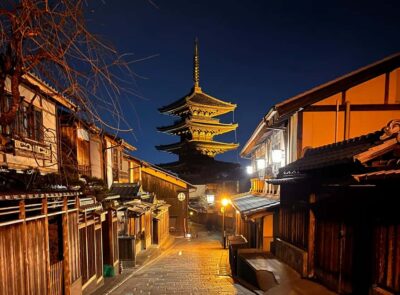
Gion Magical Night Walking Tour with Geisha Trivia
Read our review →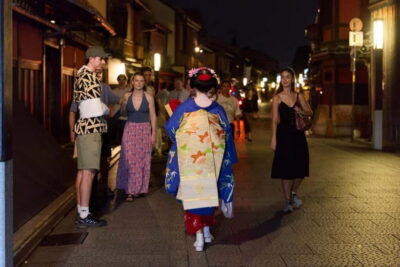
Gion Geisha District Walking Tour – Stories of Geisha
Read our review →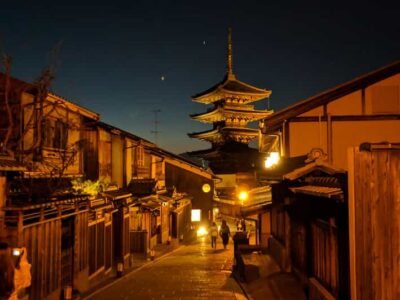
Best of Kyoto: Gion, Geisha, Pagodas & Cobblestones
Read our review →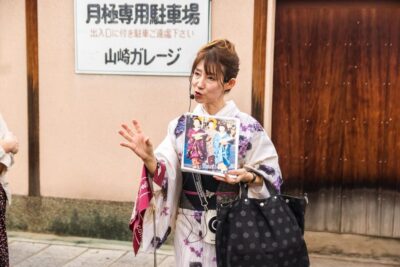

Kyoto Night Foodie Tour in Gion (9+ dishes + 6 Sake tastings)
Read our review →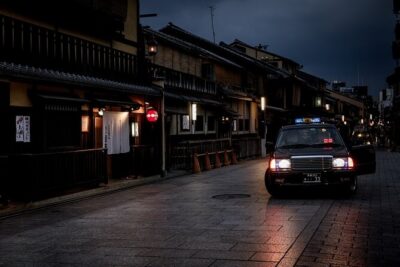
Kyoto Gion Geisha District Walking Tour – The Stories of Geisha
Read our review →
Kyoto Gion: 2-Hour Geisha Culture & History Walking Tour
Read our review →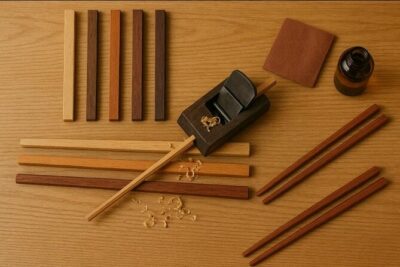
Chopsticks Making Workshop in Gion with Engraving Option
Read our review →Browse the lists this tour appears in