Reviewed · GEISHA & GION DISTRICT TOURS
Kyoto: Gion Evening Walk with Hidden Gems, Geisha & Sake
Kyoto looks different after dark. This 90-minute walk through Gion pairs lantern-lit streets with local stories, sake, and major sights that feel calmer once the daytime crowds thin out. I especially like the small group limit of 10 and the chance to ask a local guide about Geiko, Maiko, food, and Kyoto customs. The included cup of sake is another nice touch, though you should keep your voice low and your steps steady near homes and shrines.
I also like the route’s efficient mix of famous stops and quieter corners, from Hanamikoji Street to Yasui Kompira-gū Shrine and Ninenzaka. Guides such as Shumpei and Nick have earned praise for being warm, funny, and flexible, with Shumpei even handling questions that ranged from Kyoto history to anime. The main drawback is the tight 90-minute schedule: you see the key sights from outside and on foot, but you will not have time for long temple visits or a slow meal.
In This Review
- Key points at a glance
- Why Gion feels better after sunset
- Finding the meeting point at Shijo Kiyamachi
- Hanamikoji Street: Gion’s best-known traditional lane
- Yasui Kompira-gū Shrine and its unusual power stone
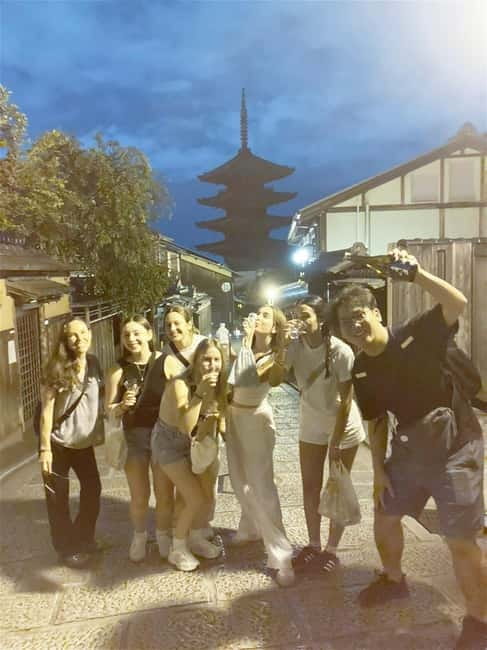
- Yasaka Pagoda at Hōkan-ji Temple
- Ninenzaka: cobblestones and old wooden houses
- Ending at Yasaka Shrine
- What the small group changes
- The sake stop and the value of the price
- The practical limits of a 90-minute route
- Who should book this Gion walk?
- Should you book it?
- FAQ
- How long is the Gion evening walk?
- What language is the tour conducted in?
- How large is the group?
- Where is the meeting point?
- Is sake included?
- Which places are included on the route?
- What should I bring, and are there restrictions?
Key points at a glance
- A night route through Gion: Walk Hanamikoji Street, Ninenzaka, Yasaka Pagoda, Yasui Kompira-gū Shrine, and Yasaka Shrine after dark.
- A genuinely small group: With no more than 10 people, the guide can answer questions and help with photos.
- Sake included: Enjoy a cup of local sake during the stroll, while keeping drinking moderate around sacred and residential areas.
- Strong guide-led experience: Shumpei and Nick are praised for friendly conversation, cultural explanations, and practical local advice.
- A useful first-night activity: The route gives you a quick orientation to Gion and ends near Yasaka Shrine, a good base for continuing your evening.
- Prompt timing matters: Meet at Shijo Kiyamachi before departure, since the group may leave on time even if someone is running late.
Why Gion feels better after sunset
Gion is famous for wooden tea houses, narrow lanes, lanterns, and the Geiko and Maiko traditions that still shape the district. During the day, the area can feel crowded and heavily photographed. At night, the mood changes. Light spills from doorways, the streets quiet down, and the architecture gets more room to speak for itself.
That does not mean you will have Gion entirely to yourself. The district remains popular, and some streets can still be busy. But an evening walk gives you a better chance to notice small details without stopping every few steps for a photograph.
The guide adds context that you would miss by wandering alone. You learn how Geiko and Maiko fit into Kyoto’s traditional entertainment culture, along with basic background on Shinto shrines and Buddhist temples. The explanations are intended to be plain and conversational rather than a long classroom talk, which suits a short walking tour.
I would treat this as an introduction, not a full study of geisha culture. The 90-minute format is enough to help you understand what you are seeing, but not enough to cover every custom, historical period, or social debate connected with Gion.
More Food Tours in Kyoto
- Kyoto Night Foodie Tour in Gion (9+ dishes + 6 Sake tastings)
★ 5.0 · 1,762 reviews - 3-Hour Kyoto Insider Sake Brewery Tour with Tastings & Pairings
★ 5.0 · 917 reviews - Arashiyama Bamboo, Temple, Monkeys, or Secret Sake Brewery
★ 4.8 · 886 reviews
Finding the meeting point at Shijo Kiyamachi
The tour begins at 90-3 Shinchō, in the Shijo Kiyamachi area. More specifically, you should look for the guide between McDonald’s and the Japanese restaurant Kikunoi Roan, a little south along Kiyamachi Street.
Your guide should be holding an Otatrip Guide sign. This is a busy part of Kyoto, so do not rely on spotting a group from a distance. I would arrive early, identify the nearby restaurants, and keep the meeting details open on your phone.
The tour starts promptly. One particularly useful warning is that other participants may already be waiting, so the guide might leave at the scheduled time. A late arrival can disrupt a small group more than it would a large bus tour.
From the start, expect walking rather than transportation. Wear shoes that are comfortable on paved streets and slopes. The tour is not suitable for people with back problems, and smoking is not allowed.
Hanamikoji Street: Gion’s best-known traditional lane
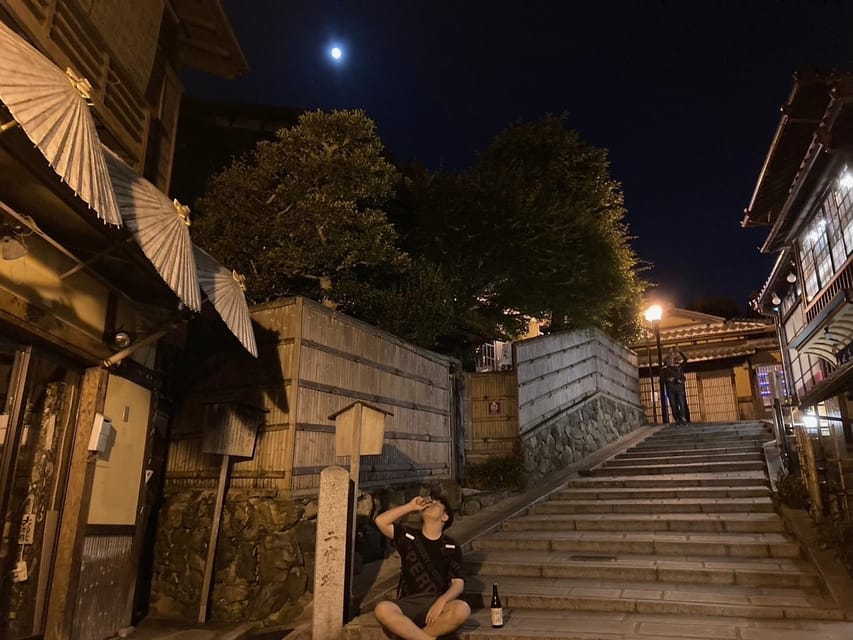
Hanamikoji Street is the first major part of the walk and one of the most recognizable places in Gion. Traditional wooden buildings and tea houses line the street, creating the setting many people picture when they think of old Kyoto.
Your guide can explain the role of the district and the difference between Geiko and Maiko. You may also hear about the etiquette needed around working performers. The best approach is simple: observe quietly, do not block narrow lanes, and do not treat people in traditional dress as if they were characters in a theme park.
The tour description allows time for a photo stop and guided visit in Gion, about 15 minutes. That is enough for orientation and pictures, but not enough to explore every side street. The short stop works well if this is your first evening in the district and you want a clear introduction before continuing.
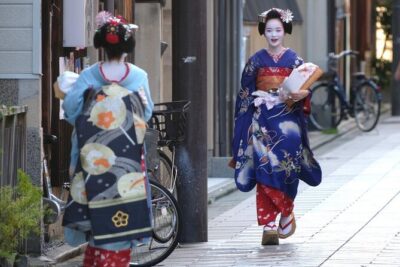
There is also a chance, not a guarantee, that you might see Geiko or Maiko moving through the area. One participant reported seeing two actual Geisha during the route, but you should not book this tour expecting a scheduled encounter. The district is a workplace, and respectful observation matters more than getting a photograph.
Yasui Kompira-gū Shrine and its unusual power stone
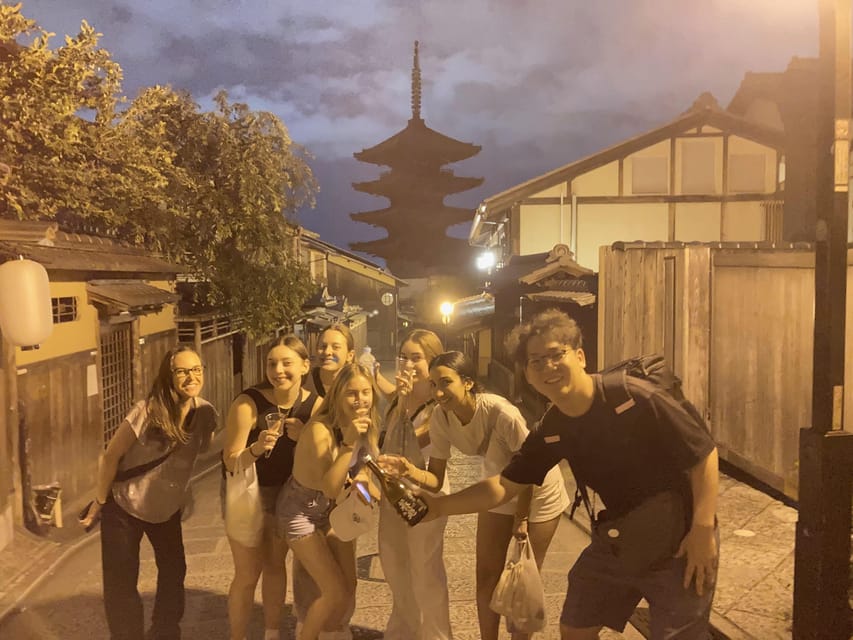
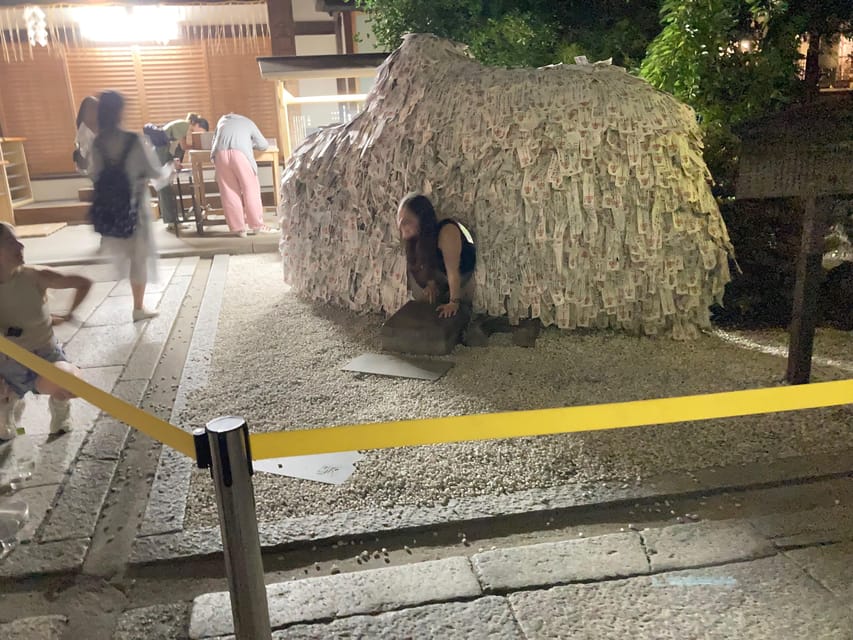
The next stop is Yasui Kompira-gū Shrine, scheduled for about 10 minutes. It is known for a distinctive power stone connected with cutting bad ties and building good ones.
That idea gives the guide a useful way to explain how Shinto practice can be personal and practical. People come with hopes about relationships, habits, and difficult parts of life. You get more from the visit if you listen to the meaning behind the ritual instead of viewing the stone as just another photo prop.
Ten minutes is a short stop, but it keeps the evening moving. The shrine may appeal to you more than a grand monument because its purpose is easy to understand and tied to everyday concerns. On the other hand, anyone hoping for a long spiritual visit should plan to return independently at another time.
Because this is a sacred place, keep your voice down and follow the guide’s lead. Night makes the shrine feel more private, but it does not remove the need for good manners.
More Hidden Gem Tours in Kyoto
- Kyoto Geisha Walking Tour: Gion District & Hidden Gems
★ 4.7 · 3,273 reviews - Private Kyoto Tour with a Local, Highlights & Hidden Gems, Personalised
★ 5.0 · 1,543 reviews - Arashiyama Bamboo Forest & Hidden Gems Bike Tour (Early Bird)
★ 5.0 · 613 reviews - Kyoto: Hidden Gems E-Bike Tour with Local Japanese Guide
★ 4.9 · 189 reviews
Yasaka Pagoda at Hōkan-ji Temple
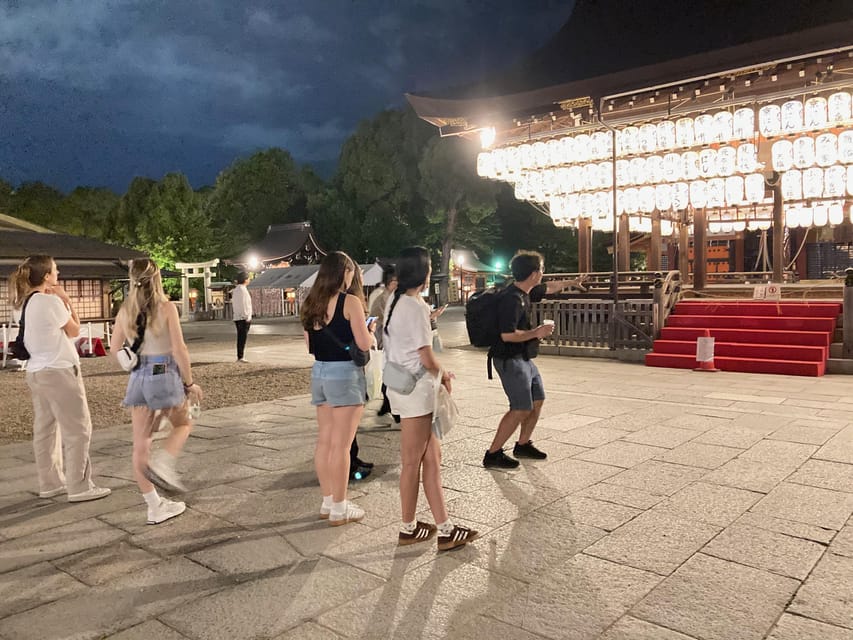
Hōkan-ji Temple, better known here for its Yasaka Pagoda, is one of the tour’s main visual rewards. The five-story pagoda is one of Kyoto’s most photographed landmarks, and after dark its lighting gives the structure a quiet, almost theatrical presence.
The planned stop lasts about 10 minutes. This is primarily a photo and explanation stop, so do not assume the tour includes extended access inside the temple or pagoda. The value lies in seeing the building in context, learning why it matters, and getting help with a photograph before moving on.
Photo assistance is included throughout the walk. That can be surprisingly useful in dim streets, where it is easy to produce a blurry image or place the pagoda awkwardly in the frame. You can ask the guide to help capture a picture at the main locations instead of spending the whole tour adjusting your phone.
The area around the pagoda is not a private set. Other people may be taking photographs, and the streets are still used by residents. Patience and quiet behavior will make the stop better for everyone.
Ninenzaka: cobblestones and old wooden houses
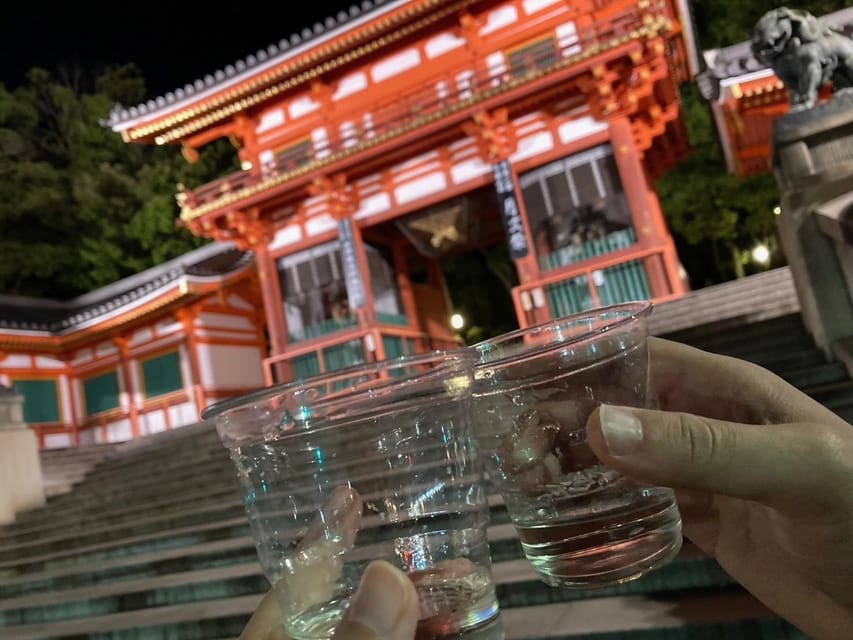
Ninenzaka is a sloping, cobbled street lined with traditional wooden townhouses. Its old-style appearance makes it one of the most atmospheric sections of the route, especially when evening light softens the storefronts and the crowd begins to thin.
The walk here lasts around 10 minutes, so you will get an introduction rather than a shopping session. If you want to browse shops, sample sweets, or study the architecture at length, return during the day and allow extra time.
The slope is manageable for many people, but uneven paving and nighttime visibility make sensible footwear important. This is one place where fashionable shoes can quickly become a bad travel decision.
I like this stop because it connects the polished image of Gion with a real neighborhood street pattern. You are not simply moving from one landmark to another. You are walking through a district where the buildings, lanes, businesses, homes, and religious sites sit close together.
Ending at Yasaka Shrine
The tour finishes at Yasaka Shrine, a major Shinto landmark associated with Gion and with more than 1,300 years of local religious life. It is a fitting ending because the shrine is both historically important and well placed for continuing your evening.
The route does not promise a long guided visit inside every part of the shrine grounds. Instead, you receive a final explanation and a practical end point. From there, you can decide if you want dinner, another drink, more time at the shrine, or a walk back toward the central Kyoto streets.
Ending here also gives the tour a sensible shape. You begin near Shijo Kiyamachi, pass through the older lanes of Gion, and finish at a landmark that is easy to recognize. For a first evening in Kyoto, that structure helps you get your bearings without spending half a day on a formal history tour.
What the small group changes

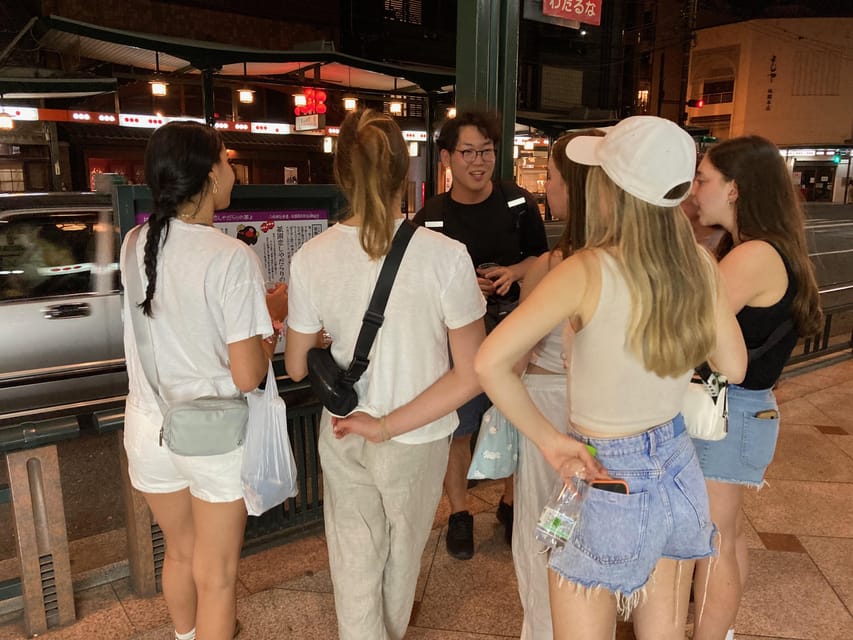
A maximum of 10 participants is one of the strongest reasons to choose this walk. A small group lets you hear the guide more easily in narrow streets and makes it practical to ask questions without holding up a large crowd.
The best part is the conversational style. You can ask where to eat next, what to see after the tour, or how Geiko and Maiko traditions work. One guide, Shumpei, was praised for answering questions that covered both historical subjects and anime, which tells you something about the informal tone.
You might also end up with fewer people than the stated limit. One booking became a private tour because the rest of the group had chosen an earlier time slot. That kind of situation cannot be promised, but the group size leaves room for a more personal experience when numbers are low.
Guides named in the feedback include Shumpei and Nick. Both were praised for friendliness, good organization, humor, and clear explanations. The guide is the heart of this experience, so your enjoyment may depend partly on the personality and communication style of the person leading your departure.
The sake stop and the value of the price
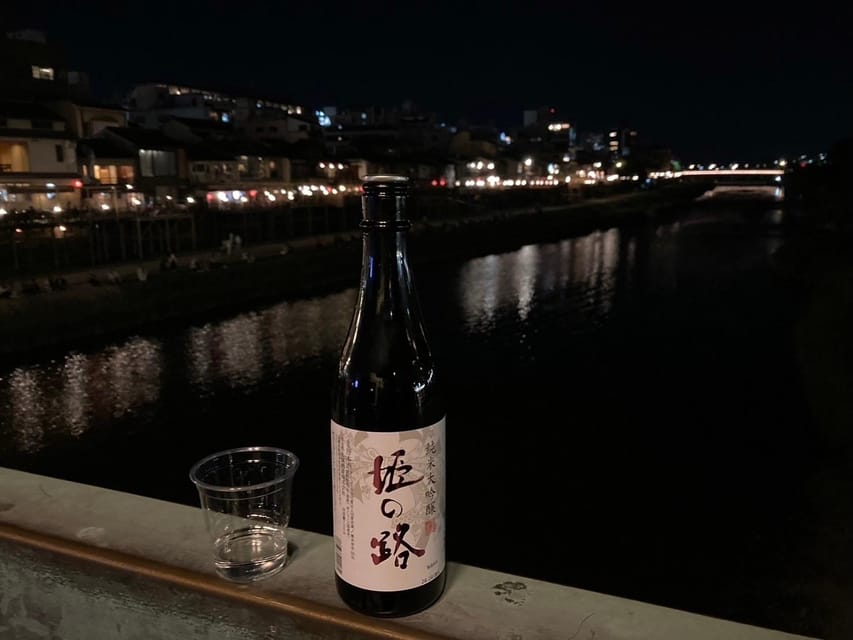
At $32 per person, this is a modestly priced way to spend an evening in one of Kyoto’s most expensive-feeling districts. You are paying for a 70 to 90-minute guided walk, local explanations, photo help, and a cup of sake.
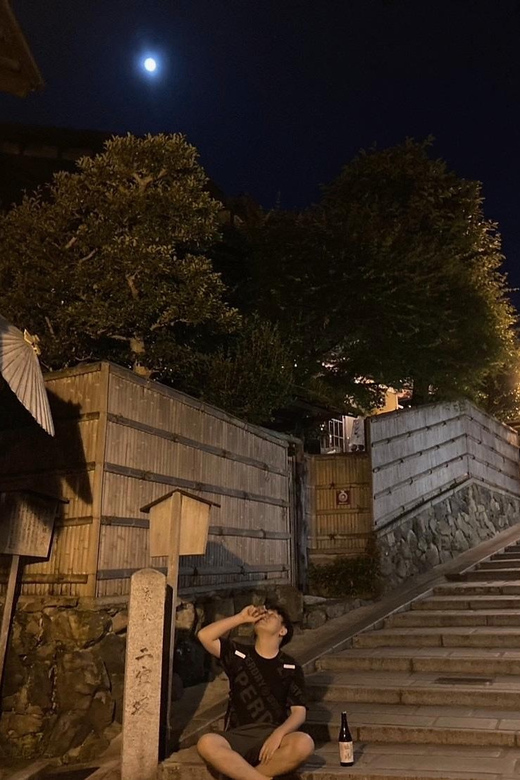
The sake is a small inclusion, not a tasting course. It adds a social note to the walk and gives the group an easy way to pause and talk. Several people singled out the quality or generous serving of the sake, but you should still drink responsibly, especially while walking on slopes and cobblestones.
The better measure of value is the route and the guide. You could walk through Gion without paying anything, but you would miss the local explanation and may not know how the shrines, temples, Geiko traditions, and residential streets relate to one another. If you already know Kyoto well, the tour may feel too basic. For a first visit, the combination is strong for the price.
The tour can also point you toward places to eat or continue your evening. One participant described feeling more comfortable entering local places after receiving guidance from the leader. That benefit depends on the conversation and does not mean food or restaurant entry is included, so plan your own dining budget.
The practical limits of a 90-minute route
The compact timing is both a strength and a limitation. You can see several essential Gion sights without giving up an entire evening, and a late departure may fit neatly after daytime sightseeing.
At the same time, each stop receives only about 10 to 15 minutes. You will not have much time for unplanned wandering, extended shrine rituals, shopping, or sitting down for a meal. Think of the walk as a guided introduction with a clear route, not a slow photography outing.
Rain does not necessarily ruin the atmosphere. One participant found that wet weather made the streets especially quiet and beautiful. Still, the tour remains outdoors, so bring suitable protection if rain is forecast. The supplied information specifically recommends comfortable shoes, and that advice matters in all weather.
You should also expect to keep moving through residential and sacred areas. The request to keep voices low is not a minor formality. Gion is a lived-in district, and respectful behavior helps protect the atmosphere that makes the walk appealing.
Who should book this Gion walk?
I would recommend it to you if you want:
- A short first look at Gion after dark
- A friendly English-speaking guide rather than a formal lecture
- A small group with room for questions
- A few landmark photographs without daytime crowds
- Basic cultural context for Geiko, Maiko, Shinto, and Buddhist sites
- A relaxed introduction that ends in a useful central location
You may want something else if you want to enter and study temples in depth, spend hours shopping, or receive a formal performance about geisha culture. The route is also not a good fit if back problems make a 70 to 90-minute walking tour uncomfortable.
Book with realistic expectations. You might see Geiko or Maiko, but no meeting is promised. You will receive sake, but this is not a bar crawl. You will see major landmarks, but the schedule leaves little room for extended exploration.
Cancellation is free up to 24 hours before the start for a full refund, and you can reserve now and pay later. Check the available start times carefully, then arrive early at Shijo Kiyamachi.
Should you book it?
Book this tour if you want Gion explained by a friendly local while the streets are quieter and more atmospheric. The strongest points are the small group, the relaxed conversation, the photo help, and the route’s good use of 90 minutes.
I would skip it only if you prefer to explore entirely alone or need substantial time at each shrine and temple. For most first-time visitors, $32 is a fair price for a well-shaped evening orientation, especially if you value practical advice and a guide who can make Kyoto feel less intimidating.
FAQ
How long is the Gion evening walk?
The tour lasts 90 minutes, with the walking portion listed as approximately 70 to 90 minutes.
What language is the tour conducted in?
The live tour guide speaks English.
How large is the group?
The tour is limited to 10 participants.
Where is the meeting point?
Meet at Shijo Kiyamachi, at 90-3 Shinchō. The guide waits between McDonald’s and Kikunoi Roan, a little south along Kiyamachi Street, holding an Otatrip Guide sign.
Is sake included?
Yes. One cup of local sake is included for you to enjoy during the walk.
Which places are included on the route?
The route includes Gion and Hanamikoji Street, Yasui Kompira-gū Shrine, Hōkan-ji Temple and Yasaka Pagoda, Ninenzaka, and Yasaka Shrine.
What should I bring, and are there restrictions?
Bring comfortable shoes. Smoking is not allowed, and the tour is not suitable for people with back problems.
More Walking Tours in Kyoto
- Kyoto: Gion Magical Night Walking Tour with Geisha Trivia
★ 4.9 · 2,393 reviews - Kyoto: Gion Geisha District Walking Tour – Stories of Geisha
★ 4.7 · 2,187 reviews - Night Walk in Gion: Kyoto’s Geisha District
★ 4.5 · 2,003 reviews - Kyoto Gion Geisha District Walking Tour – The Stories of Geisha
★ 5.0 · 1,441 reviews
More Sake Tastings in Kyoto
- Kyoto: Insider Sake Brewery Tour with Sake and Food Pairing
★ 5.0 · 704 reviews - Kyoto Sake Brewery & Tasting Walking Tour
★ 5.0 · 623 reviews - 1.5-Hour Kyoto Insider Sake Experience with 7 Tastings & Pairings
★ 5.0 · 297 reviews - Kyoto: Insider Sake Experience with 7 Tastings and Snacks
★ 5.0 · 266 reviews
Just added around Kyoto
- Kyoto: Gion Night Walking Tour with Geisha Insight★ 5.0 · 39 reviews
- Kyoto: Private Customizable Day Trip by Car★ 5.0 · 38 reviews
- Kyoto: Full Day Bike Tour★ 4.9 · 39 reviews
- Private Japanese Calligraphy in Kyoto – Learn Shodō with a Master★ 5.0 · 39 reviews
- Experience a tea ceremony in an authentic tearoom, in Kyoto!★ 4.5 · 41 reviews
- Kyoto Private Photo Shoot & Tour by SnapKyoto★ 5.0 · 41 reviews
- The Way of Tea: Kyoto Crafts, Hidden Temples & Wabi-Sabi Walk★ 5.0 · 41 reviews
- Bamboo Grove Temple and Garden Views Tour★ 5.0 · 41 reviews
Geisha & Gion District Tours, compared.
Kyoto Geisha Walking Tour: Gion District & Hidden Gems
Read our review →
Gion Magical Night Walking Tour with Geisha Trivia
Read our review →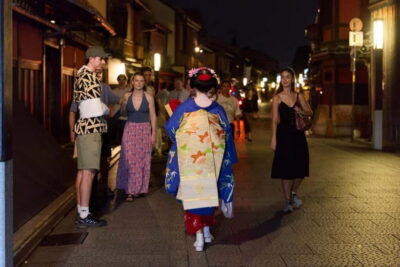
Gion Geisha District Walking Tour – Stories of Geisha
Read our review →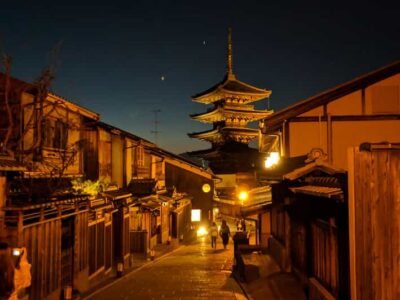
Best of Kyoto: Gion, Geisha, Pagodas & Cobblestones
Read our review →
Kyoto Night Foodie Tour in Gion (9+ dishes + 6 Sake tastings)
Read our review →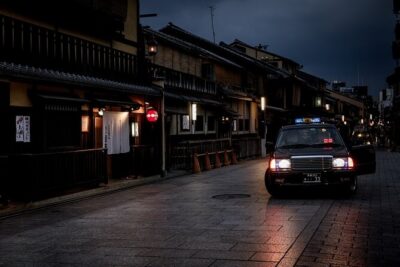
Kyoto Gion Geisha District Walking Tour – The Stories of Geisha
Read our review →