
Reviewed · SAKE TASTING
Kyoto: Insider Sake Experience with 7 Tastings and Snacks
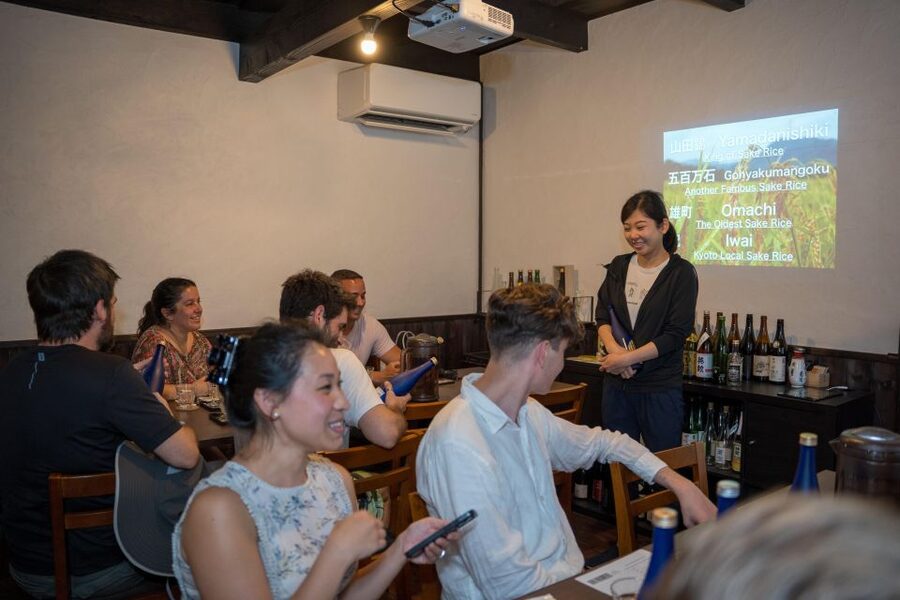
Sake makes more sense after one good lesson. This 90-minute Kyoto tasting turns a drink many visitors find confusing into something you can choose with confidence, using side-by-side pours, simple brewing explanations, and practical advice from an English-speaking sake specialist. I especially like the seven generous tastings and the way food pairings show how much a sake can change at the table. The dedicated tasting room also gives the session a calm, intimate feel.
I also like the useful bottle-reading practice. Instead of learning a pile of Japanese terms and forgetting them by dinner, you work out what to look for on a label or menu. The main consideration is that this is a tasting class, not a meal, and alcohol is served in several pours, so you should eat something beforehand and arrive ready to focus.
In This Review
- Quick takeaways
- Why this Kyoto sake class is useful
- Beginning with rice, water, and brewing
- Comparing seven sake pours side by side
- Learning to read a sake bottle
- Otsumami shows why food matters
- Hot, cold, and ordering with confidence
- The room, guide, and pace
- Is $66 a fair price?
- Who should book this experience?
- Timing and practical details
- Final verdict: book it if you want useful sake skills
- FAQ
- How long does the Kyoto sake experience last?
- How many sake tastings are included?
- Is the experience conducted in English?
- Can people under 20 drink sake during the experience?
- Can I join without a reservation?
- What happens if I arrive by car or bicycle?
Quick takeaways
- Seven sake styles in one sitting: Compare dry, crisp, sweet, fruity, and other styles rather than judging one bottle in isolation.
- Bottle-reading practice: Learn how to find useful information on sake labels and menus before ordering in Japan.
- Food changes the flavor: Taste sake first on its own, then with otsumami, or Japanese appetizers, to see which pairings suit you.
- Friendly English instruction: Guides such as Mayo, Kiyomi, Kotaro, Greg, Shogo, and Rieko are praised for clear explanations and good humor.
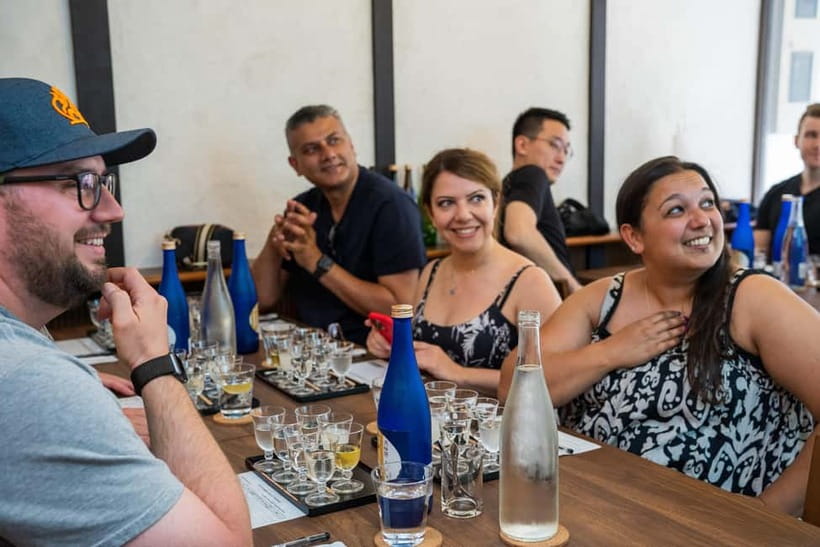
- Small, cozy setting: The dedicated tasting room feels personal and relaxed, with reports of groups as small as four.
- Good value at $66: The price covers instruction, sake, snacks, a tasting note, and a practical cheat sheet.
Why this Kyoto sake class is useful
Kyoto is an easy place to order sake badly. A restaurant menu may list several bottles with unfamiliar names, rice-polishing percentages, serving temperatures, and regional details. If you simply point at the most expensive label, you may get something perfectly good but entirely unlike what you enjoy.
This class tackles that problem directly. You do not just sip sake and hear that one is dry or another is fruity. You compare styles and learn what creates those differences. That turns the tasting into a tool for the rest of your trip.
I like that the lesson is designed for beginners, including people who are not sure they even like sake. Several participants who arrived with little experience found a style they enjoyed. That is a more useful result than being told which bottle is supposedly best.
The session takes place in English with a live guide. The exact instructor can vary, but the teaching style receives strong praise across the experience. Mayo is described as funny, clear, and enthusiastic. Kiyomi is praised for patience and warmth, while Kotaro is noted for making the class friendly and easy to follow. Greg, Shogo, and Rieko also receive praise for careful explanations and good interaction.
More Food Tours in Kyoto
- Kyoto Night Foodie Tour in Gion (9+ dishes + 6 Sake tastings)
★ 5.0 · 1,762 reviews - 3-Hour Kyoto Insider Sake Brewery Tour with Tastings & Pairings
★ 5.0 · 917 reviews - Arashiyama Bamboo, Temple, Monkeys, or Secret Sake Brewery
★ 4.8 · 886 reviews
Beginning with rice, water, and brewing
The first part gives you the basic sake lesson before the drinking begins in earnest. You learn how sake is made, what ingredients matter, and how brewing choices affect the final taste.
That order is important. You can understand the tasting better once you know what you are looking for. The class may also show examples of rice at different levels of polishing, helping you see that the grain itself changes before it reaches the bottle.
The explanations are aimed at ordinary drinkers, not aspiring brewers. You should come away with a working sense of how polishing, brewing methods, ingredients, and regional differences influence flavor and quality. You will not need to memorize every technical term to benefit.
This section also gives the experience some cultural context without turning it into a long lecture. Sake is not merely a strong drink to accompany sushi. It is a carefully made Japanese beverage with a broad range of aromas, textures, and serving choices.
The one limitation is time. Ninety minutes is enough for a useful introduction, but not enough for a full course in sake production. If you already know the basics, you may want an advanced option rather than this beginner session.
Comparing seven sake pours side by side
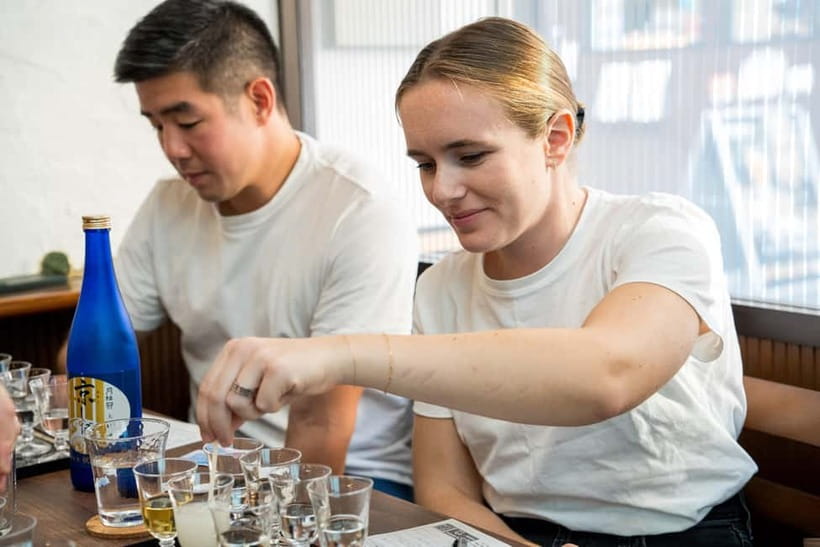
The heart of the class is the tasting flight. The advertised experience centers on seven tastings, and the portions are described as generous. The included details also refer to more than 10 types selected by a certified sake sommelier, so the precise lineup may vary by session. If the number of pours matters to you, check the current booking details before paying.
You taste different styles next to one another. The purpose is not to rush through seven glasses. It is to notice contrasts: dry against sweet, crisp against fuller, and straightforward against fruity or aromatic.
Side-by-side tasting is far more useful than trying one sake on Tuesday and another on Friday. Your palate can compare them while the differences are fresh. The tasting note helps you record what you like, rather than relying on a vague memory of the bottle with the nice label.
I appreciate the practical approach. The guide helps you identify your own preference instead of pushing a single style. By the end, you should have a better answer to questions such as: Do I prefer dry sake? Do I enjoy fruitier flavors? Do I want something to sip alone, or something that works best with food?
Some people dislike sake because their first glass was served too warm, too cold, or paired poorly. This flight gives you a fairer test. You get several styles and can decide for yourself.
Learning to read a sake bottle
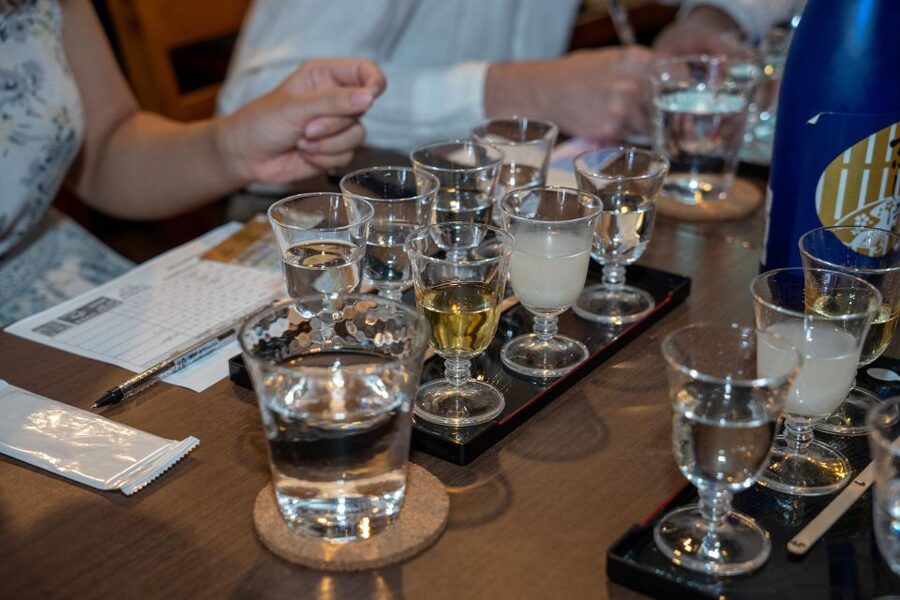
For many visitors, the bottle exercise is the most valuable part of the class. Sake labels can look decorative while hiding information that would help you choose. The guide shows you where to find the useful clues.
You practice locating key information on an actual bottle. The lesson is hands-on rather than purely verbal, which makes the process easier to remember when you are standing in a shop later.
The supplied cheat sheet gives you something to keep using after the class. I would put it in your day bag or photograph it before leaving. It can help when you face a restaurant menu with several choices and no English explanation.
This is also where the class earns its price. A tasting alone gives you an enjoyable hour or so. A tasting plus bottle-reading skills may save you from ordering at random for the rest of your visit.
You should not expect the cheat sheet to replace a full sake dictionary. Its value is speed and confidence. It gives you a starting point, which is exactly what a first lesson should do.
More Sake Tastings in Kyoto
- Kyoto: Insider Sake Brewery Tour with Sake and Food Pairing
★ 5.0 · 704 reviews - Kyoto Sake Brewery & Tasting Walking Tour
★ 5.0 · 623 reviews - 1.5-Hour Kyoto Insider Sake Experience with 7 Tastings & Pairings
★ 5.0 · 297 reviews - Private Tea Ceremony and Sake Tasting in Kyoto Samurai House
★ 5.0 · 163 reviews
Otsumami shows why food matters
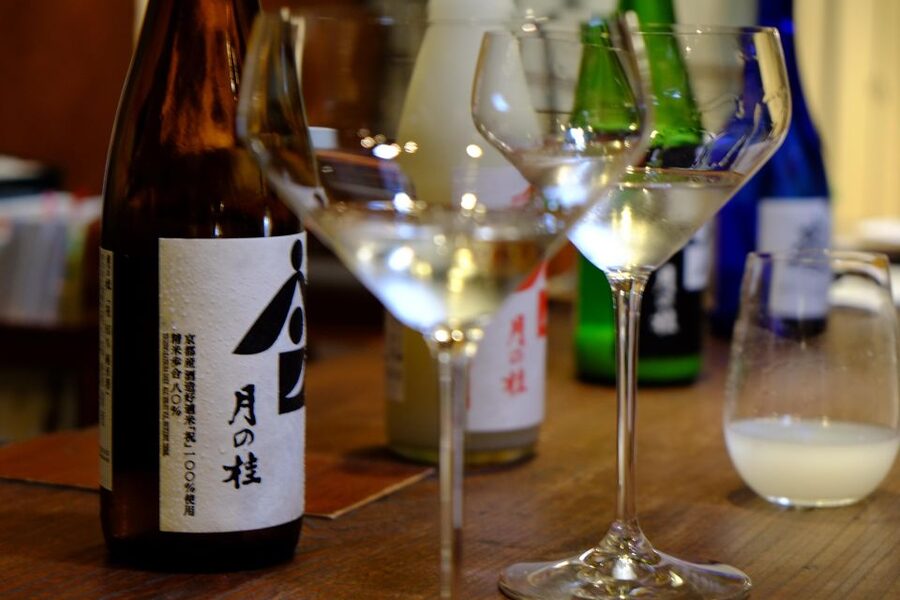
The food pairing is not a decorative extra. You first taste the sake without food, then try it with small Japanese appetizers called otsumami. The comparison shows how a drink can taste different at the table.
This is one of the strongest parts of the experience. A sake you do not particularly enjoy on its own may work much better with a savory snack. Another may seem pleasant by itself but less interesting with food. That small experiment teaches you more than a list of recommended pairings.
The snacks are tasting portions, not lunch. One previous participant specifically advised eating beforehand, and that is sensible. Alcohol can feel stronger on an empty stomach, especially when you are trying several pours in a short session.
Food preferences and allergies can be discussed with the guide at the site. Vegetarian substitutions have been accommodated successfully, and the vegetarian pairings were praised as satisfying. Still, tell the staff as soon as you arrive rather than assuming every preference will be covered automatically.
The exact dishes can vary, but the point remains the same: Japanese food and sake are meant to interact. The pairing section helps you think beyond sushi. You learn to ask what kind of sake suits the dish in front of you.
Hot, cold, and ordering with confidence
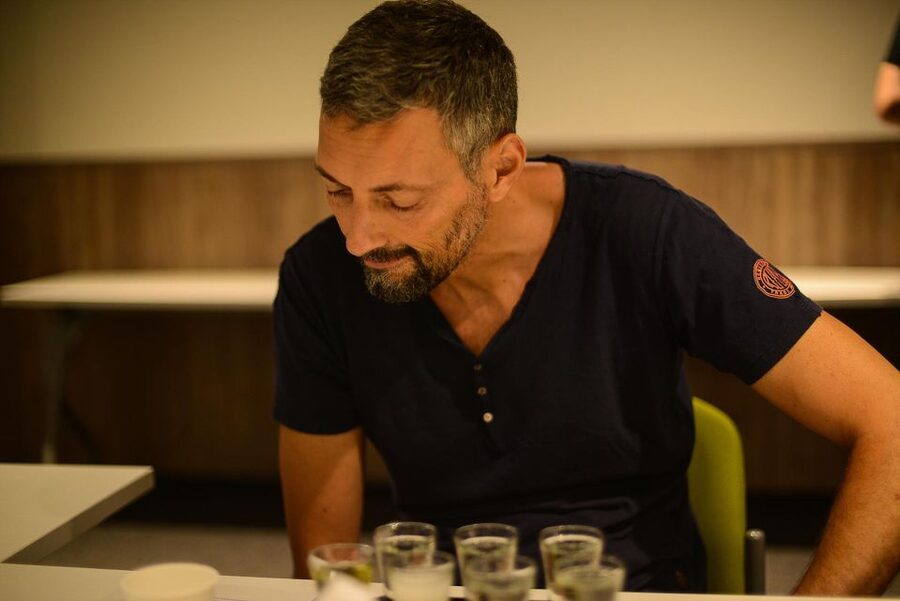
Many first-time drinkers assume sake is always served warm. This class explains when hot or cold service may suit different styles and how serving temperature affects enjoyment.
That advice is especially helpful in Japan, where the same broad category of drink can appear in different forms. A cold pour may emphasize one set of qualities, while warm service may make another feel softer or more approachable. The guide gives you practical ways to think about the choice.
You also learn how to order with more confidence. Rather than saying you want sake and hoping for the best, you can describe the style you prefer or ask which bottle matches your food.
The sushi advice is useful here. The class discusses which types can pair well with sushi, but the lesson is broader than one meal. You can apply the same thinking at izakaya restaurants, department-store food halls, or sake shops.
I would not treat the class as a promise that you will identify every label perfectly. Japanese sake terminology can still take time. But after 90 minutes, you should be less dependent on guesswork.
The room, guide, and pace
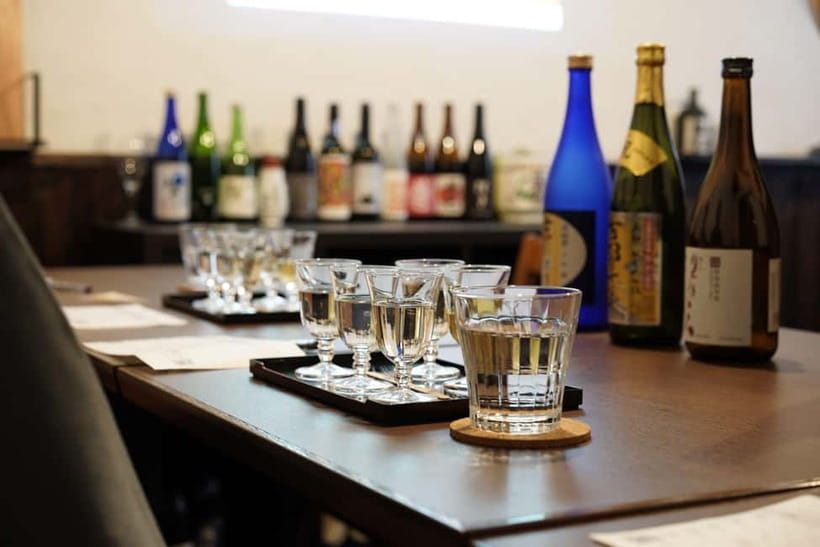
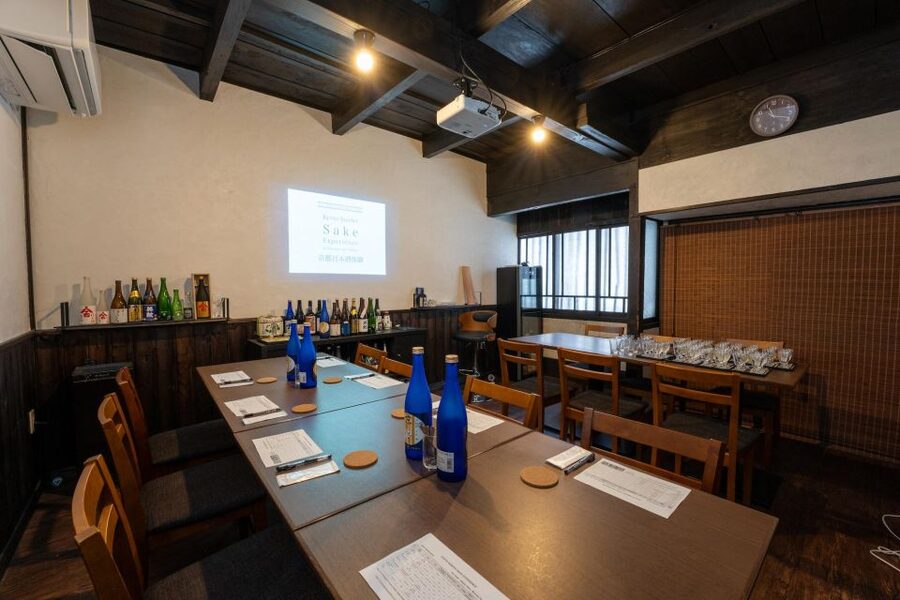
The tasting is held in a dedicated room rather than as a quick stand-up sample at a shop counter. That matters because you have space to listen, compare, ask questions, and take notes.
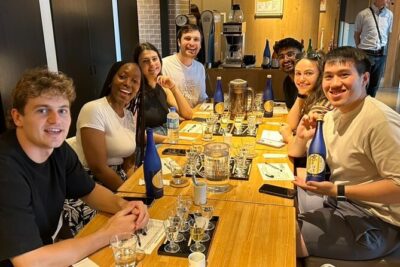
The atmosphere is described as warm, cozy, and intimate. One session had only four people, though group size is not specified as a fixed feature. You should expect the exact feel to depend on the booking, but the format is clearly meant to be personal rather than a large lecture.
The guides are a major part of the experience. Mayo is repeatedly praised for combining serious sake knowledge with humor. Kiyomi is noted for being patient and friendly. Kotaro is described as enthusiastic and easy to talk with, while Shogo receives praise for a well-structured presentation.
That range of guide feedback suggests a consistent teaching plan with room for personality. You can ask questions without needing to know anything in advance. If you are nervous about appearing inexperienced, this is the sort of setting that should put you at ease.
The pace also seems well judged. You receive background information first, then taste, then apply the lesson to food and labels. A 90-minute class can feel short, but the logical progression keeps it from becoming a blur of small glasses.
Is $66 a fair price?
At $66 per person, this is not the cheapest way to drink sake in Kyoto. You could order one or two glasses at a bar for much less.
The comparison changes when you count what is included: a certified sake expert, a flight of tastings, traditional snacks, bottle-reading instruction, a tasting note, and a cheat sheet. You are paying for guidance and a method, not just liquid.
I consider the price fair for a first-time sake drinker who wants to make better choices during the rest of a Japan trip. The information has use beyond the room, especially if you plan to visit restaurants or buy bottles later.
The value is weaker if you already know your favorite sake styles and regularly read Japanese labels. In that case, a casual tasting or a more advanced class may suit you better.
The food is also not a replacement for dinner. Plan this as an educational tasting before a meal, or as one part of an evening out. Do not arrive expecting a full plate.
Who should book this experience?
I would recommend it most strongly to:
- First-time sake drinkers
- People who enjoy Japanese food but feel lost when choosing sake
- Couples, friends, and adult family members who want a relaxed indoor activity
- Visitors who plan to buy sake during their Japan trip
- Anyone interested in food pairing and serving temperature
- Vegetarians who can notify the guide about suitable snacks
It is not recommended for children, pregnant women, or anyone under the stated drinking age. Japan’s legal drinking age is 20, and anyone under 20 receives only non-alcoholic drinks.
Non-drinkers still need a reservation, and unreserved children or companions cannot simply join the session. The experience is not suitable for children under three, and people arriving by car or bicycle will not be served alcohol for safety and legal reasons. Non-alcoholic drinks are available in that situation, but there is no refund if you cannot take part in the sake tasting.
Avoid strong fragrances. They can interfere with tasting, which is a small but important courtesy in a room built around aroma.
Timing and practical details
The experience lasts 90 minutes, with starting times available according to the date you choose. Arrive early and speak with the staff at the counter when you get there.
If you are more than 20 minutes late, the booking will be canceled. That rule is strict for a timed tasting, since late arrivals would disrupt the sequence and miss part of the lesson.
You arrange your own transportation to and from the venue. There is no hotel pickup or drop-off. Since the exact meeting point instructions matter, read them carefully before setting out and allow enough time to find the counter.
Free cancellation is available up to seven days in advance for a full refund. Closer cancellations do not receive that same guarantee, so book only once your Kyoto schedule is reasonably settled.
Final verdict: book it if you want useful sake skills
I would book this experience if sake menus make you hesitate or if you want more from Japanese dining than simply ordering whatever the server suggests. The strongest features are the clear guides, the broad tasting flight, the bottle-reading practice, and the food pairings that show flavor in action.
I would skip it if you are looking for a full meal, a brewery visit, or a long historical tour. This is a compact classroom tasting in Kyoto, not a day trip or a bar crawl.
For most beginners, $66 is a sensible trade for an enjoyable introduction and skills you can use immediately. Eat a light meal first, arrive on time, tell the guide about allergies or vegetarian needs, and keep the cheat sheet for your next restaurant. That is how this short experience pays off long after the last pour.
FAQ
How long does the Kyoto sake experience last?
The experience lasts 90 minutes. Starting times vary, so check availability for your chosen date.
How many sake tastings are included?
The experience is promoted with seven tastings, and past participants describe seven generous pours. The included information also refers to more than 10 types selected by a certified sake sommelier, so the exact selection may vary. Check the current details when booking if the number is important to you.
Is the experience conducted in English?
Yes. The activity includes a live English-speaking guide.
Can people under 20 drink sake during the experience?
No. Japan’s legal drinking age is 20. Customers under 20 are served non-alcoholic drinks only.
Can I join without a reservation?
No. Everyone who joins, including children and non-drinkers, must have a reservation.
What happens if I arrive by car or bicycle?
For safety and legal reasons, alcohol will not be served to anyone who arrives by car or bicycle. Non-alcoholic drinks are available, but no refund is provided if you cannot participate in the sake tasting.
More Drinking Tours
- Kyoto: Izakaya Bars Guided Walking Tour
★ 4.9 · 815 reviews - Kyoto Bar Hopping Night Tour
★ 5.0 · 613 reviews - Kyoto Local Bar Crawl in Kawaramachi Area
★ 5.0 · 378 reviews - Kyoto: Afternoon Japanese Izakaya Cooking Class
★ 4.9 · 241 reviews
Just added around Kyoto
- Kyoto: Gion Night Walking Tour with Geisha Insight★ 5.0 · 39 reviews
- Kyoto: Private Customizable Day Trip by Car★ 5.0 · 38 reviews
- Kyoto: Full Day Bike Tour★ 4.9 · 39 reviews
- Private Japanese Calligraphy in Kyoto – Learn Shodō with a Master★ 5.0 · 39 reviews
- Kyoto: Gion Evening Walk with Hidden Gems, Geisha & Sake★ 5.0 · 41 reviews
- Experience a tea ceremony in an authentic tearoom, in Kyoto!★ 4.5 · 41 reviews
- Kyoto Private Photo Shoot & Tour by SnapKyoto★ 5.0 · 41 reviews
- The Way of Tea: Kyoto Crafts, Hidden Temples & Wabi-Sabi Walk★ 5.0 · 41 reviews
Sake Tasting, compared.
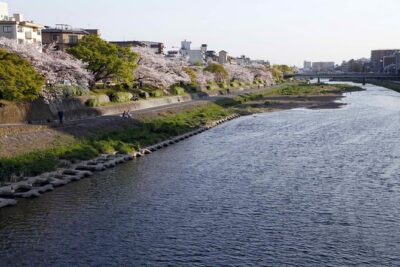
Kyoto Night Foodie Tour in Gion (9+ dishes + 6 Sake tastings)
Read our review →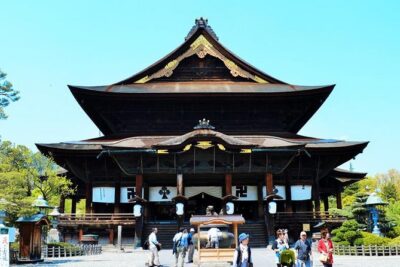
1-Day Snow Monkeys, Zenko-ji Temple & Sake in Nagano
Read our review →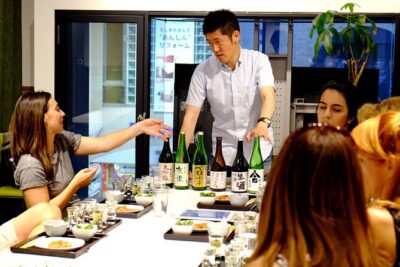
3-Hour Kyoto Insider Sake Brewery Tour with Tastings & Pairings
Read our review →
Arashiyama Bamboo, Temple, Monkeys, or Secret Sake Brewery
Read our review →

Insider Sake Brewery Tour with Sake and Food Pairing
Read our review →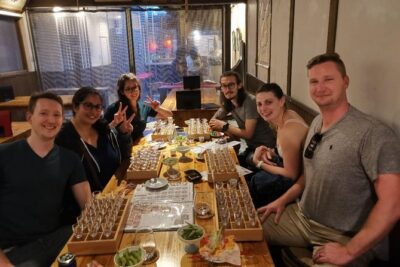
1.5-Hour Kyoto Insider Sake Experience with 7 Tastings & Pairings
Read our review →Browse the lists this tour appears in