Reviewed · TEA CEREMONY EXPERIENCES
Private Tea Ceremony and Sake Tasting in Kyoto Samurai House
Kyoto keeps one quiet door open. This private experience brings you into a 300-year-old samurai house only an eight-minute walk from Kyoto Station, where a tea master explains the ritual of matcha in a traditional tea room. I like the peaceful setting and the chance to ask questions without a large group pressing in. I also like that you can choose sake, Japanese whisky, or a hands-on matcha lesson. The main drawback is the short 50-minute schedule, especially if you want kimono dressing, photos, and drinks without feeling rushed.
This is not simply a cup of green tea with a quick explanation. You learn how matcha is received and prepared, then step into a family home connected to samurai heritage. Alcohol is only served to people over 20, and the optional kimono experience takes an extra 30 minutes and costs more, so check the exact plan before booking.
In This Review
- Key points to know before you book
- Entering a family samurai house near Kyoto Station
- The tea room and the way of matcha
- Whisk your own matcha after the ceremony
- Sake tasting and Japanese whisky options
- Kimono, haori, and katana photo time
- Why the private format matters
- Is 50 minutes enough?
- Who will enjoy this Kyoto experience most?
- How I judge the value at $99
- Practical details before arrival
- Should you book the Kyoto Samurai House tea ceremony?
- FAQ
- Where does the tea ceremony take place?
- How long does the experience last?
- Is the experience private?
- How far is the samurai house from Kyoto Station?
- What tea is served?
- Can I make my own matcha?
- What alcohol tasting choices are available?
- What is the minimum age for alcohol?
- Can I wear a kimono or samurai clothing?
- Can I take photographs?
- Is there a restroom at the house?
- Can one person book this experience?
- Is the activity refundable?
Key points to know before you book
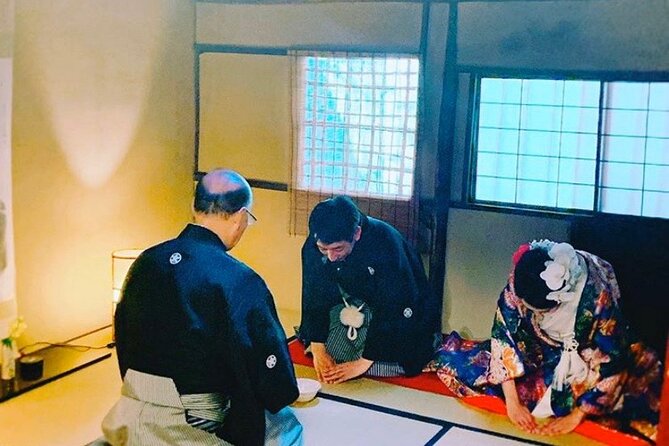
- A private visit inside a 300-year-old samurai house: Your party has the historic property to itself during the experience.
- Organic Uji matcha: The tea comes from Uji in Kyoto, one of Japan’s best-known tea-growing areas.
- Three tasting choices: Choose a matcha whisking lesson, five sake samples, or two Japanese whisky samples.
- Photo time with traditional clothing: Women can pose in a silk wedding kimono, while visitors can also wear samurai clothing and hold a katana for photos.
- Easy Kyoto Station access: The house is about an eight-minute walk from Kyoto Station.
- Important practical limits: At least two people are required, the old house has only one toilet, and the experience is not recommended for anyone over 120 kilograms.
Entering a family samurai house near Kyoto Station
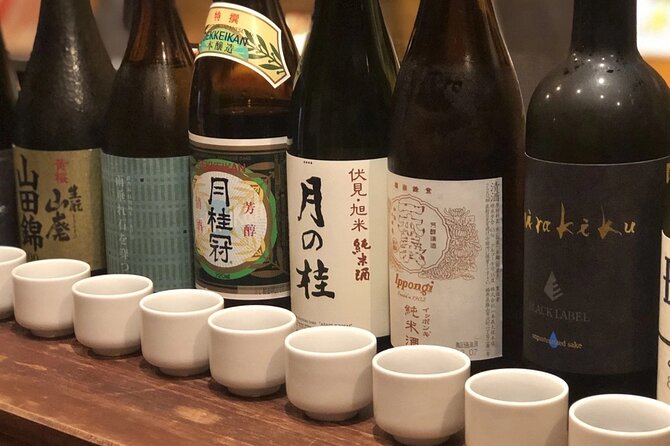
The location is one of this experience’s strongest practical features. Kyoto Station is a major transport hub, and the house at 384 Mongakucho in Shimogyo Ward is close enough to add before a train, after checking in, or between visits around central Kyoto.
Yet the setting feels separate from station traffic. You leave the transport center behind and enter an old residence that has remained with the same family for about three centuries. The house is associated with a samurai family, and that fact gives the tea ceremony a stronger sense of place than a modern hotel room or purpose-built cultural center.
I like experiences that connect an activity to the building around it. Here, the walls, rooms, and family setting help explain why Japanese tea culture values restraint, attention, and calm. You are not just watching someone whisk tea on a stage. You are sitting in a traditional home used for a carefully ordered ritual.
The property is old, so comfort is not quite the same as in a new attraction. There is only one old toilet, and you are specifically advised to use the restroom before arriving. That is a small point, but it matters when you are planning a tight Kyoto day.
More Food Tours in Kyoto
- Kyoto Night Foodie Tour in Gion (9+ dishes + 6 Sake tastings)
★ 5.0 · 1,762 reviews - 3-Hour Kyoto Insider Sake Brewery Tour with Tastings & Pairings
★ 5.0 · 917 reviews - Arashiyama Bamboo, Temple, Monkeys, or Secret Sake Brewery
★ 4.8 · 886 reviews
The tea room and the way of matcha
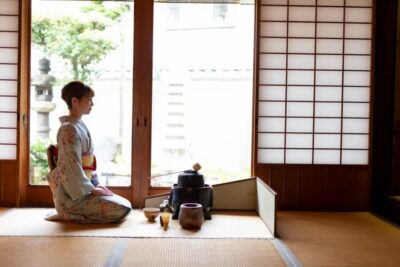
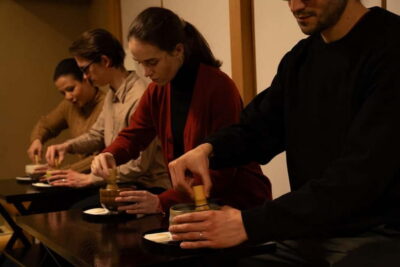
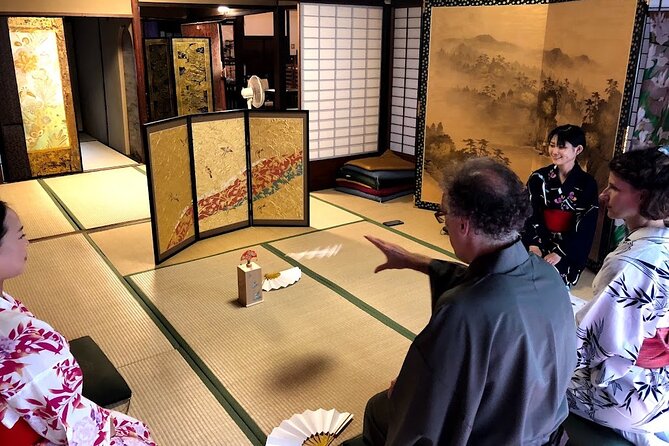
The central part of the experience takes place in a traditional tea room. The tea master explains the ceremony before performing it, giving you a clear sense of what each movement means and how to receive the tea properly.
This introduction is useful for first-time visitors. Japanese tea ceremony can appear slow or mysterious if you do not know what to watch for. Here, you learn the basic principles of Cha-Do, the way of tea, and see how the bowl, whisk, tea, and gestures fit together.
The matcha is high-grade organic tea sourced from Uji, locally in Kyoto. That detail matters because matcha is not just powdered green tea served in a souvenir cup. Its flavor, texture, and bitterness can vary widely, and better tea makes the tasting more worthwhile.
The ceremony is intended to be peaceful and meditative. I would not book it expecting a loud, fast cultural show. The pleasure comes from quiet attention, the formal preparation, and the contrast with Kyoto’s crowded sightseeing areas.
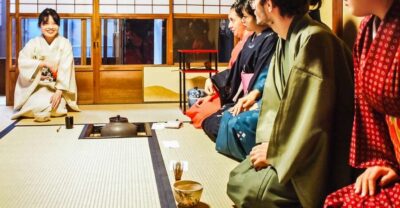
The private format helps here. Your party can ask questions and follow the ceremony at a more personal pace. Families and couples receive direct attention, and children can take part in the cultural lesson even if they cannot join the alcohol tasting later.
One point to keep in mind is the 50-minute length. The ceremony itself deserves time, but the visit may also include tea preparation, clothing, photos, and sake or whisky. If you want to savor every stage, the standard session may feel compact.
Whisk your own matcha after the ceremony
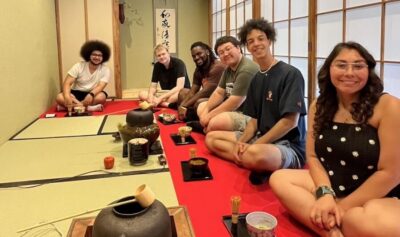
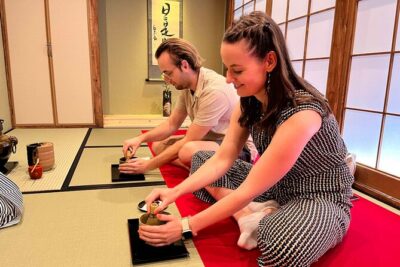
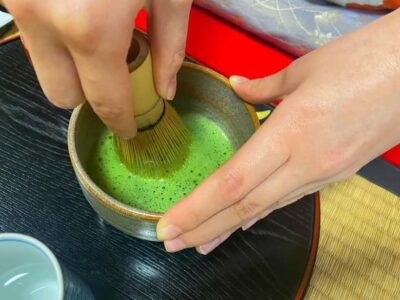
After the formal tea ceremony, you can choose a hands-on matcha lesson. Using a bamboo whisk, you prepare your own bowl of powdered green tea and learn how the whisking process changes the drink’s texture.
I like this option for anyone who wants more than a demonstration. Watching a tea master work is beautiful, but handling the whisk gives you a better sense of the skill involved. It also gives children and non-drinkers a natural way to take part in the full experience.
This is the required choice for anyone under the alcohol age limit. The information provided says alcohol is only served to people over 20, so younger participants receive the matcha whisking lesson after the ceremony.
The whisking lesson also suits people who prefer tea to alcohol. You leave with a clearer understanding of the ceremony and its tools, rather than treating the tea as a short opening act before the tasting.
Sake tasting and Japanese whisky options
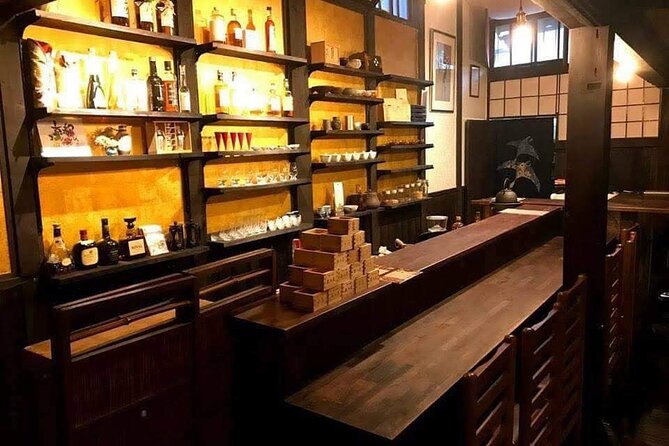
Adults can choose five sake samples or a Japanese whisky tasting with two samples. The sake portion includes explanations of the different flavors and types, with local spirits selected for tasting.
Five sake samples can make this part feel generous in a 50-minute visit, but you should still expect a tasting rather than a long evening at a bar. The purpose is to compare styles and learn how the drinks differ, not to drink large servings.
Some accounts of the experience also describe Japanese whisky being offered alongside the sake, including premium bottles. The formal options list two whisky samples, so you should confirm exactly what your selected booking includes. The key choice is between sake, whisky, and matcha, rather than expecting all three as standard.
I would choose sake if you want the strongest connection to Japanese food and local drink culture. Japanese whisky is the better pick if you already enjoy whisky or want to compare it with familiar styles from home.
Alcohol is limited to people over 20. If your group includes children or teenagers, they can still enjoy the ceremony, the photos, and matcha preparation, but the tasting selection will not apply to them.
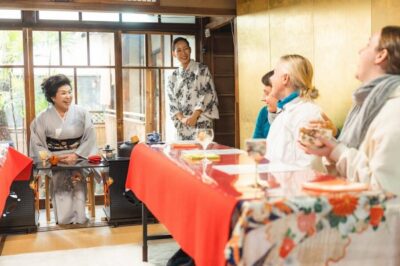
The hosts are frequently praised for making this part conversational and friendly. That matters because a tasting can become a list of names and measurements. Here, you have room to ask about flavor and production without being pushed through a large crowd.
More Sake Tastings in Kyoto
- Kyoto: Insider Sake Brewery Tour with Sake and Food Pairing
★ 5.0 · 704 reviews - Kyoto Sake Brewery & Tasting Walking Tour
★ 5.0 · 623 reviews - 1.5-Hour Kyoto Insider Sake Experience with 7 Tastings & Pairings
★ 5.0 · 297 reviews - Kyoto: Insider Sake Experience with 7 Tastings and Snacks
★ 5.0 · 266 reviews
Kimono, haori, and katana photo time
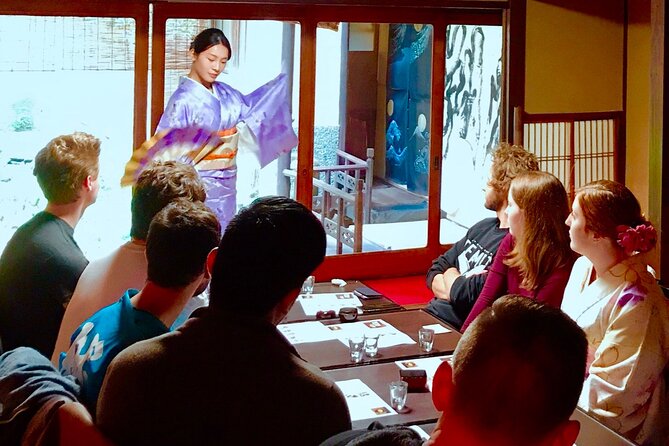
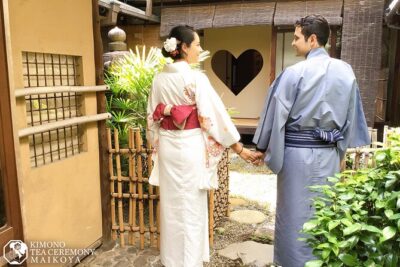
The photo session is one of the most popular extras. Women can wear an authentic silk wedding kimono, while visitors can pose in samurai clothing and hold a katana. The combination makes for memorable photos without requiring you to spend a full day dressed in formal clothing around Kyoto.
That short format is a real advantage. Traditional clothing is striking, but it can also be heavy, restrictive, and inconvenient for sightseeing. Here, you can enjoy the visual side of the costume in the historic setting, then return to ordinary clothes for the rest of your day.
The silk wedding kimono is for women only. Men and other participants can use samurai clothing or robes for the photo session. The information also refers to haori for men, giving families and couples a chance to create a group portrait with different traditional looks.
You may take your own photos during the visit. The hosts also help with posing and have taken photos for visitors, which is useful when everyone in your party wants to appear in the picture.
Kimono dressing during the tea ceremony is not part of the basic timing. It adds about 30 minutes and costs extra. It is also limited to one group at the house, while other time slots may offer an exclusive plan through the provider’s own website. If wearing the kimono throughout the ceremony is important to you, arrange that before arrival rather than assuming it is included.
The house also sells matcha chawan, or tea bowls, and authentic silk kimono. These purchases can turn the visit into a small cultural souvenir stop, though you should treat them as optional extras rather than part of the $99 experience.
Why the private format matters
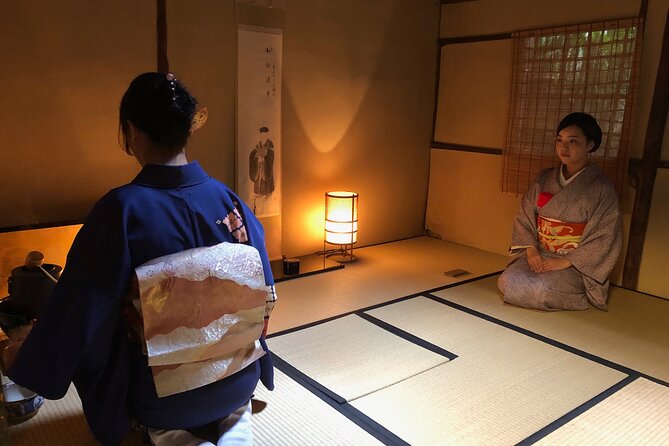
Private access changes the mood. In a large tea demonstration, you may see the movements but hesitate to interrupt with a question. With only your own party present, you can ask about the house, the samurai connection, the tea tools, or the meaning behind the ceremony.
The hosts are described as warm, welcoming, and fluent in English. Their family connection to the residence gives the visit a personal quality, and the tea master brings many years of study and practice to the ceremony.
I especially value the mix of formal and informal moments. The tea ceremony is quiet and structured. The costume photos are playful. The sake or whisky tasting is more relaxed. That balance makes the visit work for couples, families, and groups with different interests.
Families with children can make good use of the experience. Children can learn the tea process, whisk matcha, and pose with a samurai outfit or a sword. The hosts have also been accommodating with children, including boys aged eight and ten. A sword-shaped umbrella was even given to young participants on one occasion, though you should not assume gifts are part of every booking.
The main tradeoff is that private experiences often cost more than a group demonstration. At $99, the value depends on what you want from Kyoto. If you only want to taste matcha, cheaper options exist. If you value the historic house, personal teaching, photo session, and choice of tasting, the price is easier to justify.
Is 50 minutes enough?
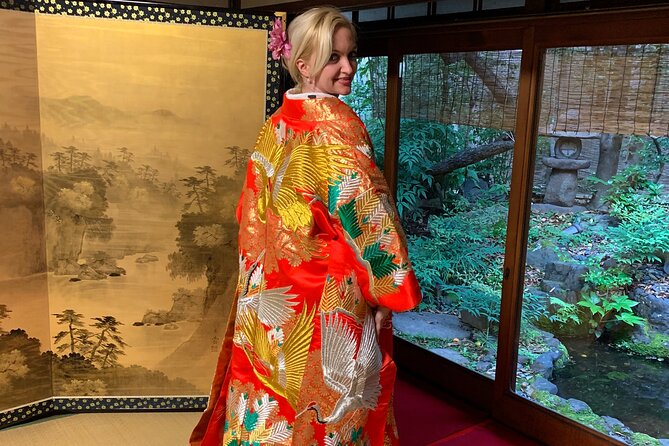
For the standard tea ceremony plus one follow-up choice, 50 minutes is workable. You can learn the basics, watch the ceremony, and either whisk tea or taste sake or whisky.
The schedule becomes tighter if you want every add-on. Kimono dressing adds 30 minutes and costs more. Photos also take time, especially if your group includes several people changing clothes or trying different poses.
I suggest deciding your priority before you arrive:
- Choose the tea ceremony and matcha lesson if you want the calmest and most traditional visit.
- Choose sake if tasting local Japanese alcohol matters most.
- Choose whisky if you prefer spirits and want a shorter comparison of Japanese bottles.
- Add the kimono option if photographs and clothing are central to your plans.
The experience ends back at the samurai house, so you do not need to arrange a separate return transfer. Its location near Kyoto Station makes it easy to continue to another part of the city.
Who will enjoy this Kyoto experience most?
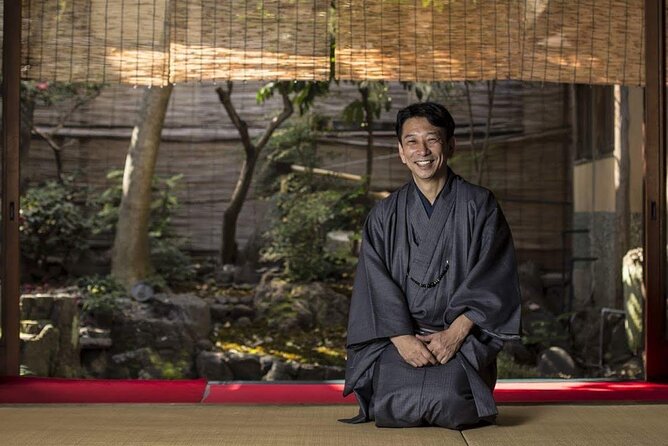
I would recommend this to couples seeking a quiet shared activity, especially those celebrating a wedding or anniversary. The kimono and samurai photos give the visit a keepsake quality, while the private setting allows time to talk with the hosts.
It also suits families who want a cultural activity that does not require a full day. Children can participate in the tea lesson and costume photos, while adults choose the tasting afterward.
This is a good choice for first-time visitors who want context, not just pictures. The hosts explain the process and answer questions in English, helping you understand the values behind the ritual.
It may be less suitable if you dislike sitting through formal demonstrations, have mobility or comfort concerns in an old residence, or want a long sake session. Anyone over 120 kilograms is specifically advised against booking, and the house’s single old toilet may be difficult for some visitors.
The minimum booking is two people. Solo visitors cannot reserve this activity under the stated conditions.
How I judge the value at $99
The price is reasonable when you use the experience as a compact cultural introduction rather than a simple tea tasting. You are paying for private access, instruction from a trained tea master, Uji matcha, time in an old family home, photo opportunities, and a choice of sake, whisky, or matcha preparation.
The value is strongest for two or more people who want personal attention. A private setting lets you ask questions and take photos without strangers in the frame. It also gives the visit a more intimate feel than a large scheduled ceremony.
The price is less convincing if you plan to skip the cultural explanation and only want a drink. In that case, a tea shop or sake bar may offer better value. You should also budget for any kimono upgrade or purchases from the house.
The experience has a five-star rating from 163 reviews and a 100 percent recommendation rate, with especially strong praise for the hosts, the historic home, the tea ceremony, and the private atmosphere. Those are the elements I would use to decide, not simply the rating itself.
Practical details before arrival
The meeting point is Kyoto Samurai House at 384 Mongakucho, Shimogyo Ward, Kyoto 600-8222. The activity returns to this same location.
A mobile ticket is available, and group discounts are listed. Confirmation is provided at booking. Since the experience requires at least two people, make sure your party meets that rule before paying.
The booking is non-refundable and cannot be changed for any reason. If the provider cancels because the minimum number is not met, you are offered another date or experience, or a full refund. Plan carefully, especially if your Kyoto schedule is tight.
Wear clothing that allows you to sit comfortably and change if you have selected a costume option. The property is an old residence, so do not expect the facilities of a modern attraction.
Should you book the Kyoto Samurai House tea ceremony?
Book it if you want a personal, compact encounter with Japanese tradition in a genuine family setting. The private tea room, organic Uji matcha, samurai-house setting, and friendly teaching give the experience more substance than a photo stop.
I would book the standard plan for a couple or family that wants tea plus one tasting choice. Add the kimono option only if you have extra time and are ready for the added cost. Use the restroom before you arrive, decide between matcha, sake, and whisky in advance, and remember that the ceremony is the main event.
Skip it if you want a long drinking session, a full-day historical tour, or a modern venue with easy facilities. For everyone else, this is a thoughtful way to slow down near Kyoto Station and see a side of the city that most temple visits do not provide.
FAQ
Where does the tea ceremony take place?
It takes place at Kyoto Samurai House, 384 Mongakucho, Shimogyo Ward, Kyoto 600-8222, Japan.
How long does the experience last?
The standard experience lasts approximately 50 minutes.
Is the experience private?
Yes. Only your own party participates in the private activity.
How far is the samurai house from Kyoto Station?
The house is approximately an eight-minute walk from Kyoto Station.
What tea is served?
The experience serves high-grade organic matcha sourced locally from Uji in Kyoto.
Can I make my own matcha?
Yes. You can choose a matcha whisking lesson using a bamboo whisk after the tea ceremony.
What alcohol tasting choices are available?
You can choose a sake tasting with five samples or a Japanese whisky tasting with two samples.
What is the minimum age for alcohol?
Alcohol is served only to people over 20. Participants under 20 receive a matcha whisking lesson instead.
Can I wear a kimono or samurai clothing?
Yes. Women can wear an authentic silk wedding kimono, and participants can pose in samurai clothing with a katana. Wearing a kimono during the tea ceremony adds 30 minutes and costs extra.
Can I take photographs?
Yes. You are welcome to take photos during the visit, including photos in the kimono and samurai clothing.
Is there a restroom at the house?
Yes, but the 300-year-old residence has only one old toilet. It is recommended that you use the restroom before arriving.
Can one person book this experience?
No. The reservation requires a minimum of two people.
Is the activity refundable?
No. It is non-refundable and cannot be changed for any reason. If the provider cancels because the minimum number of participants is not met, you are offered another date or experience, or a full refund.
More Tea Ceremonies in Kyoto
- Kyoto: Tea Ceremony in a Traditional Tea House in Kiyomizu
★ 4.9 · 3,519 reviews - Kyoto: Tea Ceremony Ju-An at Jotokuji Temple
★ 4.9 · 3,207 reviews - Kyoto: 45-Minute Tea Ceremony Lesson Experience
★ 4.3 · 2,378 reviews - Kyoto: Table-Style Tea Ceremony at a Kyo-Machiya
★ 4.9 · 1,211 reviews
More Samurai & Ninja Experiences in Kyoto
- Kyoto Samurai Experience
★ 5.0 · 1,294 reviews - Kyoto: Kendo and Samurai Experience with Uniform and Gear
★ 4.9 · 815 reviews - Kyoto: Samurai Sword Class by Experts in Traditional Arts
★ 4.9 · 657 reviews - Skip the lines Basic Ticket at SAMURAI NINJA MUSEUM KYOTO
★ 4.5 · 632 reviews
Just added around Kyoto
- Kyoto: Private Customizable Day Trip by Car★ 5.0 · 38 reviews
- Kyoto: Gion Night Walking Tour with Geisha Insight★ 5.0 · 39 reviews
- Kyoto: Full Day Bike Tour★ 4.9 · 39 reviews
- Private Japanese Calligraphy in Kyoto – Learn Shodō with a Master★ 5.0 · 39 reviews
- Kyoto: Gion Evening Walk with Hidden Gems, Geisha & Sake★ 5.0 · 41 reviews
- Experience a tea ceremony in an authentic tearoom, in Kyoto!★ 4.5 · 41 reviews
- Kyoto Private Photo Shoot & Tour by SnapKyoto★ 5.0 · 41 reviews
- The Way of Tea: Kyoto Crafts, Hidden Temples & Wabi-Sabi Walk★ 5.0 · 41 reviews
Tea Ceremony Experiences, compared.
Tea Ceremony in a Traditional Tea House in Kiyomizu
Read our review →