
Reviewed · SAMURAI & NINJA EXPERIENCES
Kyoto: Kendo and Samurai Experience with Uniform and Gear
Step into Kyoto’s warrior past. This two-hour workshop combines sword practice, samurai customs, and kendo training inside a traditional Japanese house more than 120 years old. At $103 per person, it costs more than a museum visit, but you get instruction, uniform, footwear, protective equipment, photos, and a genuinely active cultural experience.
I especially like the historic dojo setting and the chance to do more than pose with a sword. You learn grips, posture, footwork, strikes, and blocks, then may take part in a light sparring session with safe foam or bamboo swords. The other big plus is Taka, an English-speaking instructor whose humor, patience, and long experience make the class welcoming.
The main drawback is practical: the dojo sits in a residential area reached by a winding path, and it can be chilly inside during colder months. One person also found the room somewhat dusty and worn. Arrive early, allow extra time from the station, and wear a warm base layer and thick socks in winter.
In This Review
- Key Details Before You Book
- Entering the Old Kyoto House
- Suiting Up in Uniform and Armor
- Learning Samurai Etiquette and Kendo Basics
- Handling the Sword in a Safe Setting
- The Photo Session in Samurai Dress
- Why the Cultural Context Matters
- The Two-Hour Schedule and Pace
- Is $103 a Fair Price?
- Who Will Enjoy This Most
- Practical Tips for a Better Visit
- Should You Book the Kyoto Samurai Experience?
- FAQ
- How long does the Kyoto kendo and samurai experience last?
- How much does the experience cost?
- Is instruction provided in English?
- Are the uniform and equipment included?
- Do I need previous kendo or sword experience?
- Are children allowed to participate?
- Does the activity include cutting tatami mats?
- Can I cancel the booking?
Key Details Before You Book
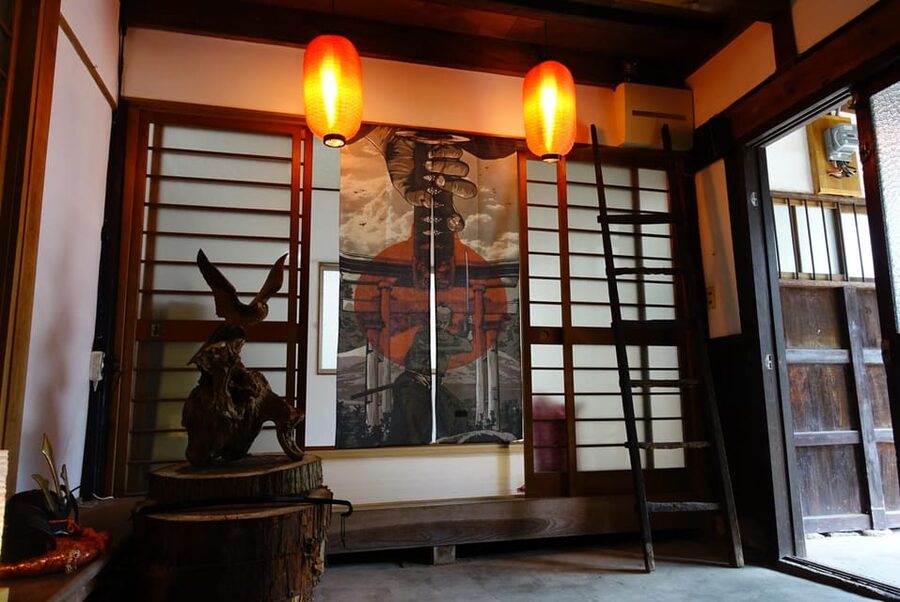
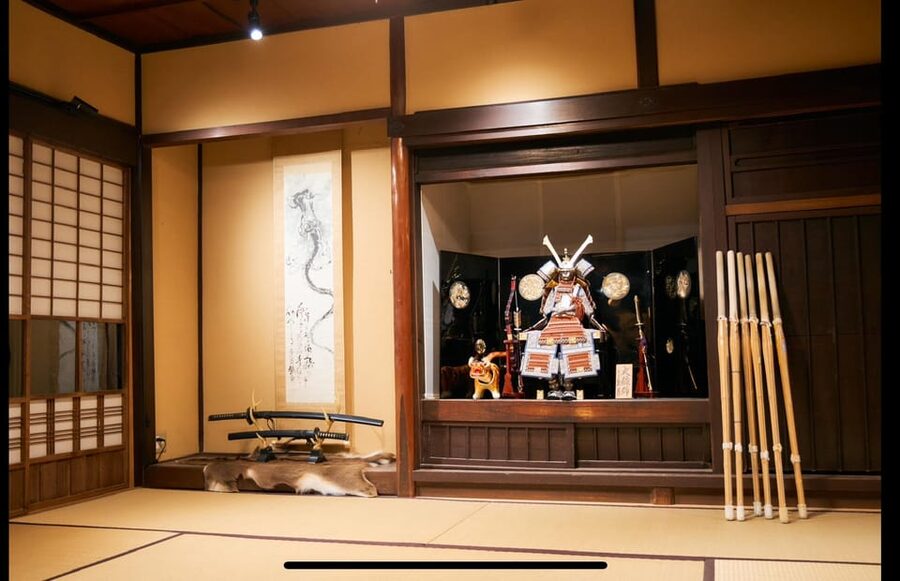
- A 120-year-old Kyoto machiya: You practice inside an old Japanese house with a large gate, not in a modern activity center.
- Real participation, not just costume photos: You learn basic kendo movements, sword handling, etiquette, and sometimes spar with other participants.
- Taka leads the class in English: His friendly style, clear explanations, and strong kendo background receive the highest praise.
- All main gear is supplied: Uniform, footwear, swords, and training equipment are included in the $103 price.
- Photos and videos are part of the memory: Your instructor helps record you in samurai attire during the session.
- Plan for a cool, slightly out-of-the-way location: The old dojo atmosphere comes with less polished rooms and a longer journey from the station.
Entering the Old Kyoto House
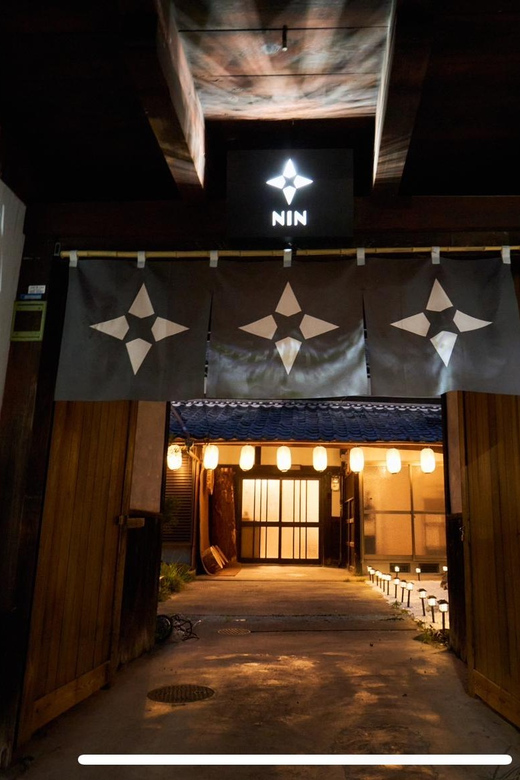
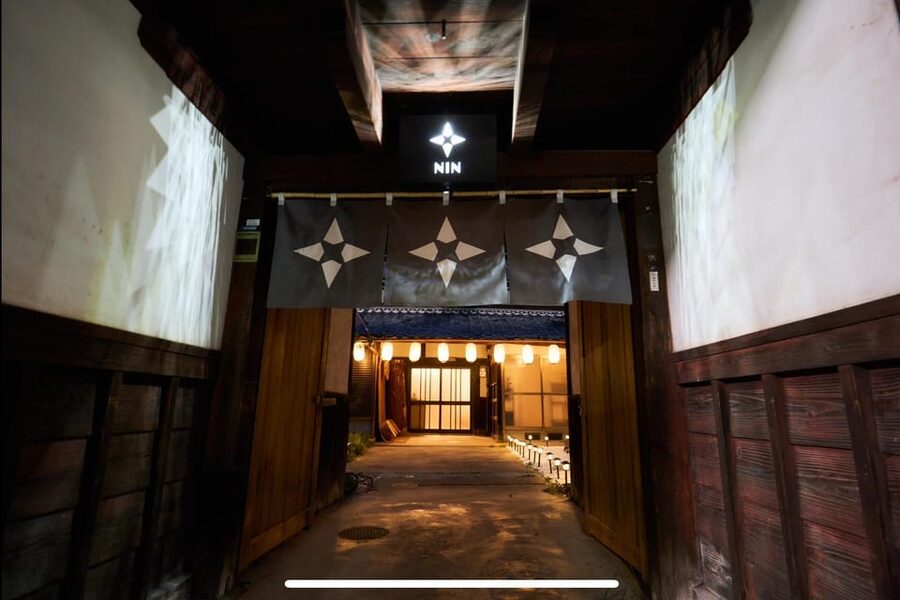
The meeting point is easy to recognize once you arrive: look for an old Japanese house with a large gate. The setting matters. You are not walking into a bright studio built yesterday to resemble a dojo. The age of the building gives the first few minutes a sense of place, even before the practice begins.
The house sits in a residential part of Kyoto along a winding route. That can make the final approach slower than expected, especially if you are relying on a train and walking from the station. A taxi from the station is a sensible choice if you are carrying luggage, traveling with children, or running close to the start time.
Give yourself plenty of time. One participant noted that late arrivals disrupted the lesson, which is easy to understand in a small, hands-on class. Once everyone is dressed and holding equipment, stopping to repeat the opening instructions affects the whole group.
The building’s age is part of its appeal, but keep your expectations realistic. This is an old training space, not a polished luxury venue. You might notice worn surfaces or a little dust. The trade is atmosphere: traditional architecture, an actual dojo feel, and a setting that makes the activity feel connected to Kyoto rather than dropped into any city.
More Samurai & Ninja Experiences in Kyoto
- Kyoto Samurai Experience
★ 5.0 · 1,294 reviews - Kyoto: Samurai Sword Class by Experts in Traditional Arts
★ 4.9 · 657 reviews - Skip the lines Basic Ticket at SAMURAI NINJA MUSEUM KYOTO
★ 4.5 · 632 reviews
Suiting Up in Uniform and Armor
The transformation begins with the clothing. Uniform rental, shoe rental, and equipment rental are included, so you do not need to prepare a costume or bring a sword. Changing into training clothes is not just a photo opportunity. It helps you understand how much ceremony and care go into the practice.
The instructor shows you how to put on the clothing and gear. That is useful because the outfit is not simply something you throw over your regular clothes. You learn the correct order and handling, then get a chance to understand what the pieces are for.
The session may include different types of training swords and protective gear. Safe bamboo or foam swords are used for practice and sparring, while replica blades may be handled under careful instruction. The activity is designed for beginners, so you do not need previous kendo experience.
This part works especially well for families and first-time visitors who want a physical cultural activity but do not want to commit to a formal martial arts course. The instructor takes care with beginners and encourages participation without making anyone feel foolish. One family specifically appreciated the extra patience shown toward a child who needed additional help.
Children under seven cannot take part. For older children, the real question is comfort and attention span. The lesson includes instruction, history, dressing, repeated practice, and possibly a final contest, so a child needs to be willing to listen as well as swing a sword.
Learning Samurai Etiquette and Kendo Basics
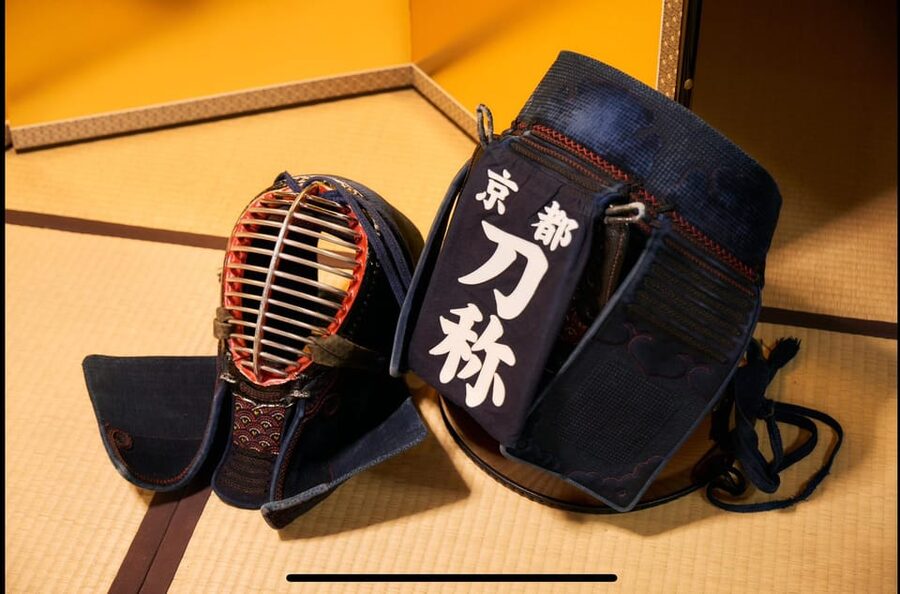
Before anyone starts flailing a sword around, the instructor explains safety and etiquette. That opening is important. Kendo is not simply theatrical sword fighting, and the workshop does not treat it as a prop-based photo session.
You learn the proper grip, stance, posture, and movement. The instructor demonstrates first, then gives you time to copy the basics. Expect corrections and repetition rather than a long lecture. The class is paced so you receive cultural background without sitting still for two hours.
Taka is the instructor most often mentioned by name, and his teaching style is central to the experience. He speaks English very well, explains clearly, and uses humor to keep the room relaxed. He is also described as patient, approachable, and attentive, which matters when you are trying to remember several unfamiliar movements at once.
The best part is the balance between information and action. You hear about samurai customs, the role of the warrior class in Japanese history, and the connection between samurai traditions and modern kendo. Then you put the ideas into practice through movement, posture, and respectful handling of the sword.
That makes the session more valuable than a standard costume activity. You are not expected to become a kendo expert in two hours. Instead, you leave with a basic sense of the discipline behind the art, including the importance of control, respect, and presence.
Handling the Sword in a Safe Setting

The sword work is the main reason most people book this experience. You learn how to hold and move the sword, then practice basic techniques such as strikes, blocks, and footwork. The instructor guides the process closely and keeps safety at the center.
Several descriptions of the activity refer to bamboo swords, foam swords, and other safe training equipment. That means you can enjoy the physical side without treating the session as live blade practice. The point is controlled movement, not force.
Some participants expect to cut tatami mats with a katana. That is not part of the current experience, and slicing tatami is illegal. If that is your main goal, this is not the right activity. You can learn how a sword is handled and practice kendo techniques, but do not book it expecting a dramatic cutting demonstration.
This limitation is actually useful to know before paying. The workshop focuses on technique, etiquette, and participation. You get to use a sword in a controlled way, but the activity avoids presenting dangerous blade work as entertainment.
The final practice can include partner work with kendo swords or foam katanas. Depending on the session, you may take part in a small battle, sparring lesson, or friendly competition. This is often the most playful part of the class, especially after everyone has learned the same basic movements.
You should still listen carefully and follow the instructor’s rules. The activity is friendly and beginner-focused, but swords require attention. Alcohol and drugs are not allowed, and that rule is entirely sensible for a hands-on martial arts class.
A completely different kind of day out in Kyoto:
- PERFECT KYOTO 1-Day Bus Tour
★ 5.0 · 13,518 reviews - Kyoto: Fushimi Inari, Kinkakuji, Bamboo Grove 1 Day Bus Tour
★ 4.8 · 4,316 reviews - Kyoto: Tea Ceremony in a Traditional Tea House in Kiyomizu
★ 4.9 · 3,519 reviews - Kyoto Geisha Walking Tour: Gion District & Hidden Gems
★ 4.7 · 3,273 reviews
The Photo Session in Samurai Dress
The photo and video session gives you time to enjoy the visual side of the experience. Once you are dressed and holding the equipment correctly, the instructor helps record images and short videos for you to take away.
This is not a separate professional photo shoot with a long list of staged poses. It is woven into the lesson. That keeps it from feeling like a costume rental with a few rushed snapshots at the end.
The old house and dojo provide a more convincing backdrop than a generic studio. If you visit during cold weather, you might even practice outside in the courtyard. Snow falling in the courtyard can create a memorable scene, though the temperature is another reason to bring warm layers.
The photos are a good bonus for couples, families, and solo visitors. If you are traveling alone, the instructor can still help document the experience. If you are visiting with friends, the final sparring and group images give you something more natural than a line of people staring at the camera.
Why the Cultural Context Matters
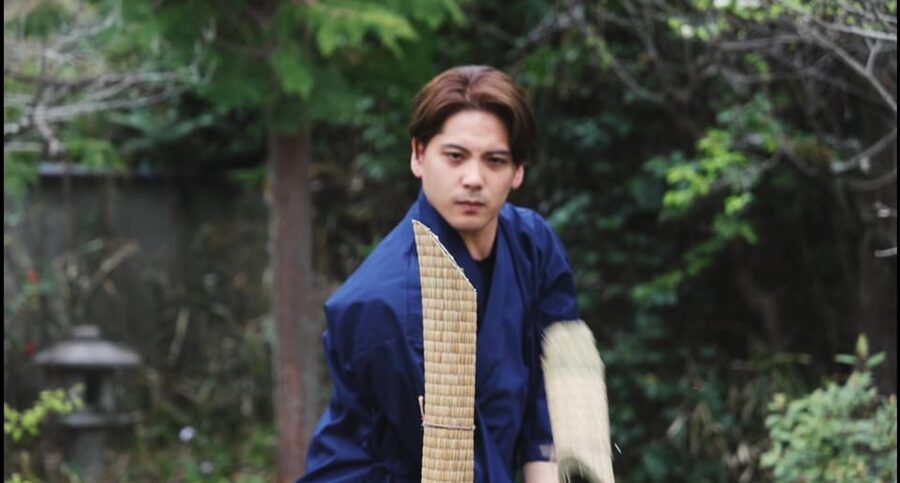
Samurai imagery is everywhere in Japan tourism, but much of it reduces the subject to armor, swords, and movie poses. This workshop gives those objects some context. You learn about samurai life, the place of the warrior class in Japanese history, and the development of kendo.
The owner of the studio is said to have a family line connected to ancient samurai. That detail adds interest, though you should treat the activity as an introduction rather than a formal historical course. The cultural explanations are designed to support the practical lesson, not replace a museum or academic tour.
I like this mix because it gives you a better way to read other parts of Japan. After learning about posture, etiquette, and the relationship between discipline and movement, you may notice similar ideas in martial arts demonstrations, temple customs, and traditional arts.
The instructor also welcomes questions. If you already have a strong interest in samurai culture, you will have room to ask about history and technique. If you are new to the subject, the explanations remain accessible and do not assume specialist knowledge.
The Two-Hour Schedule and Pace
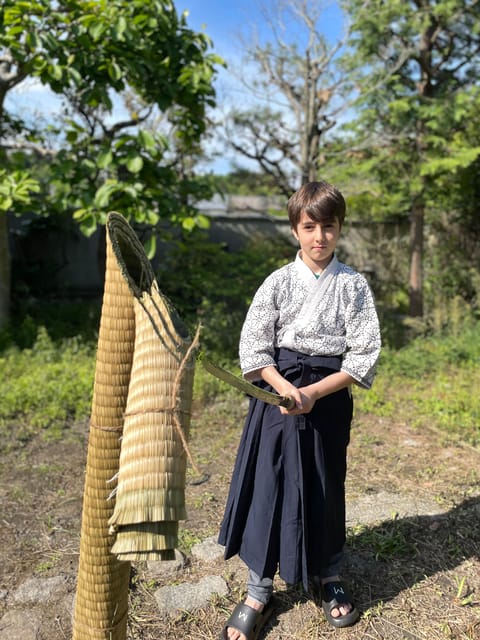
The advertised duration is two hours, which is enough time for a full beginner workshop without taking over your day. The session generally follows this rhythm:
- Arrival at the old house and changing into the uniform
- Safety briefing and an introduction to samurai culture
- Instruction in grip, stance, posture, and basic sword movements
- Practice with bamboo, foam, or other safe training swords
- Partner work, sparring, or a friendly competition
- Photos and videos in uniform
- Final cultural notes, reflection, and return of the equipment
The exact balance can vary. Some groups spend more time on history, while others enjoy longer practice or a more energetic final contest. The class is active, but it is not an intense athletic workout.
You should be prepared to stand, move, and repeat techniques. The uniform and gear add to the physical feel of the session, and the dojo may be cold in winter. A warm base layer and thick socks are useful during colder months, particularly if part of the training takes place outdoors.
The small-group feel described by participants is another advantage. A class that is too large would make it hard for the instructor to correct posture or help with equipment. Here, the teaching is personal enough that beginners can ask questions and receive help.
Is $103 a Fair Price?
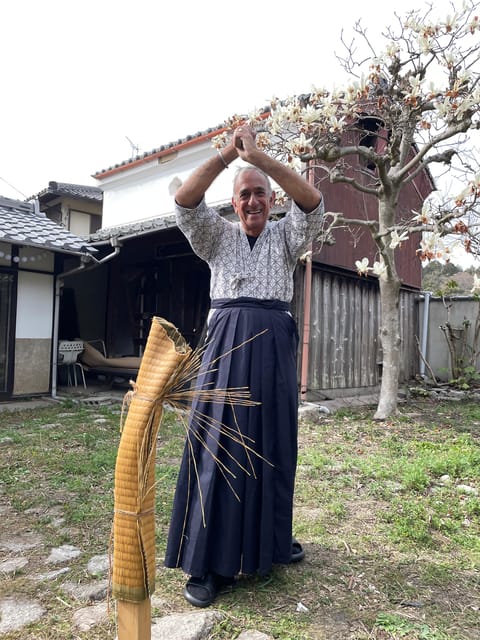
At $103 per person, this is not a bargain basement Kyoto activity. It is also more than a simple dress-up photo session, since the price includes instruction, uniform, footwear, training gear, and the practical lesson.
The value depends on what you want from your day. If you want a quick photograph in a samurai costume, you can probably find cheaper options. If you want a guided cultural activity that combines historical explanation, sword practice, a traditional building, and recorded memories, the price is easier to justify.
The instructor is the biggest part of the value. A poorly led sword activity would be little more than a costume change and a few awkward movements. Taka’s English, patience, humor, and long kendo experience help turn the equipment into a real lesson.
You also save the trouble of arranging clothing and gear yourself. Everything needed for the activity is supplied, apart from any replica sword you may wish to buy separately. A replica sword is not included in the price and is available as an optional purchase.
The rating of 4.9 from 815 reviews suggests very strong satisfaction, but I would still match the activity to your expectations. It is excellent for cultural participation and beginner instruction. It is not a live-blade cutting class, a full samurai reenactment, or an advanced kendo course.
Who Will Enjoy This Most
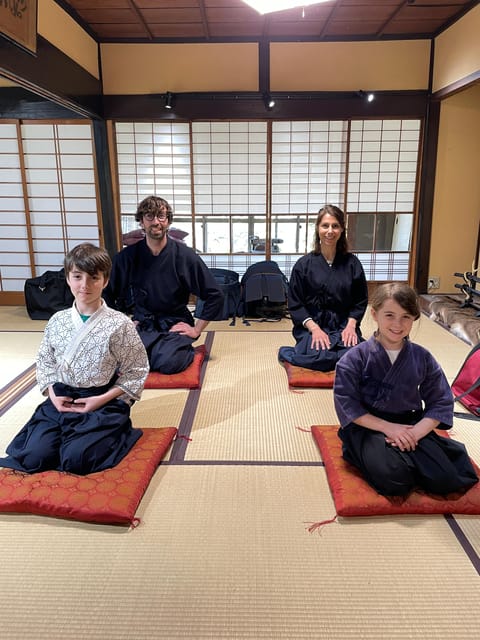
I would recommend this experience to:
- First-time visitors who want something beyond temples and gardens
- Families with children aged seven and older
- Couples and friends looking for memorable photos
- Solo visitors who enjoy small-group activities
- People curious about Japanese martial arts and customs
- Anyone who wants an active cultural lesson in English
You do not need to be fit, experienced, or familiar with kendo. Curiosity and a willingness to follow directions matter more than athletic ability.
It may not suit you if you dislike wearing uniforms, standing for extended periods, or taking part in partner practice. It is also a poor match if your main aim is cutting tatami or using a sharp katana.
Practical Tips for a Better Visit
Book a start time that gives you plenty of room to reach the old house. The residential route can take longer than expected, and arriving late may interrupt the opening lesson.
Wear light clothing underneath the uniform. In winter, add a warm base layer and thick socks because the dojo can be chilly. The courtyard may also be used for practice.
Keep your expectations clear about the swords. You will learn safe handling and basic movements with training equipment, but the activity does not include tatami cutting. Replica swords are not included, though they may be purchased separately.
Ask questions during the cultural section. The instructor has extensive experience and can add detail for people who are especially interested in samurai history or kendo.
The activity has free cancellation up to 24 hours before the start time, and you can reserve now and pay later. Those terms are useful if your Kyoto schedule is still shifting, but the meeting point and travel time still deserve attention.
Should You Book the Kyoto Samurai Experience?
Book it if you want to take part rather than watch. The old machiya, English instruction, complete gear, practical sword work, and friendly sparring make this a lively two-hour addition to a Kyoto itinerary.
I would give it a pass only if you expect sharp-sword demonstrations, tatami cutting, or a polished modern studio. For everyone else, especially families, solo visitors, and people already fascinated by Japanese culture, $103 buys a personal lesson with a strong sense of place. Allow extra travel time, dress warmly in winter, and arrive ready to listen before you swing.
FAQ
How long does the Kyoto kendo and samurai experience last?
The experience lasts approximately two hours.
How much does the experience cost?
The listed price is $103 per person.
Is instruction provided in English?
Yes. The instructor language is English, and Taka is described as speaking English extremely well.
Are the uniform and equipment included?
Yes. Uniform rental, shoe rental, equipment rental, and gear rental are included.
Do I need previous kendo or sword experience?
No prior experience is required. The instructor teaches basic handling, posture, movements, and safety.
Are children allowed to participate?
Children under seven are not allowed to take part.
Does the activity include cutting tatami mats?
No. Tatami cutting is not included. The session uses safe training swords, including bamboo or foam swords, for practice and sparring.
Can I cancel the booking?
Yes. You can cancel up to 24 hours in advance for a full refund. The activity also offers a reserve-now, pay-later option.
More Martial Arts Experiences
- Kyoto: Japanese Archery Workshop with Experienced Instructor
★ 4.9 · 132 reviews - Kyoto 2 Hours Genuine Kendo / Samurai Experience In Japan
★ 5.0 · 57 reviews - Kendo and samurai experience in Kyoto
★ 4.5 · 47 reviews - Tokyo: Samurai Sword & Archery Class from Samurai Descendant
★ 5.0 · 603 reviews
Just added around Kyoto
- Kyoto: Private Customizable Day Trip by Car★ 5.0 · 38 reviews
- Kyoto: Gion Night Walking Tour with Geisha Insight★ 5.0 · 39 reviews
- Kyoto: Full Day Bike Tour★ 4.9 · 39 reviews
- Private Japanese Calligraphy in Kyoto – Learn Shodō with a Master★ 5.0 · 39 reviews
- Kyoto: Gion Evening Walk with Hidden Gems, Geisha & Sake★ 5.0 · 41 reviews
- Experience a tea ceremony in an authentic tearoom, in Kyoto!★ 4.5 · 41 reviews
- Kyoto Private Photo Shoot & Tour by SnapKyoto★ 5.0 · 41 reviews
- The Way of Tea: Kyoto Crafts, Hidden Temples & Wabi-Sabi Walk★ 5.0 · 41 reviews
Samurai & Ninja Experiences, compared.
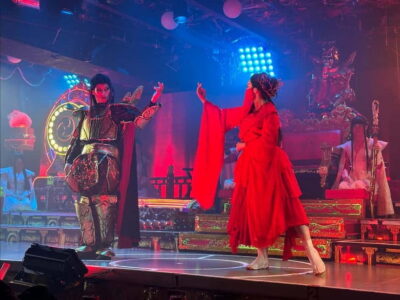
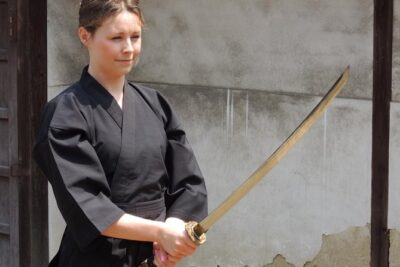
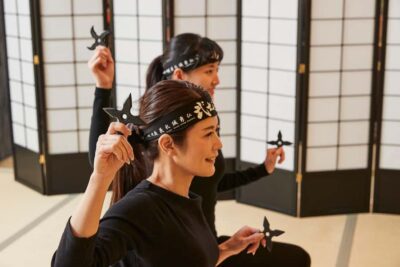
Samurai Ninja Museum Guided tour and Experience
Read our review →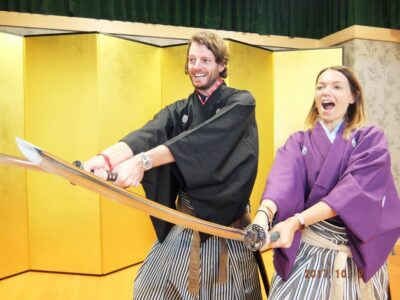
Samurai Sword Class by Experts in Traditional Arts
Read our review →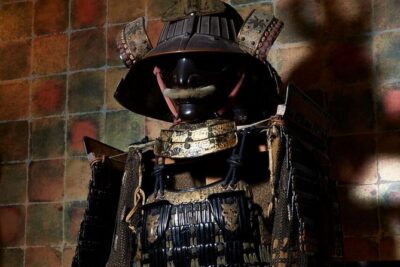
Skip the lines Basic Ticket at SAMURAI NINJA MUSEUM KYOTO
Read our review →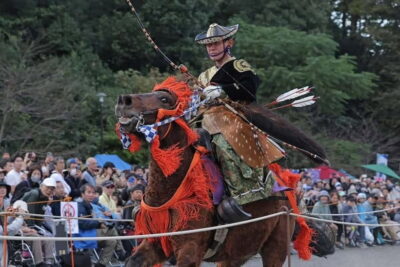
Samurai Sword & Archery Class from Samurai Descendant
Read our review →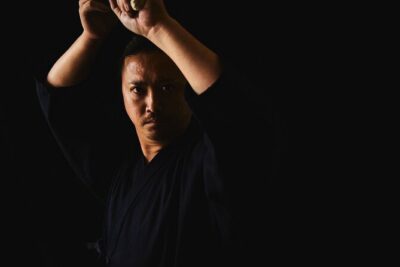
Ninja 1-hour Hands-on Lesson by Japanese master in Kyoto -Entry
Read our review →Browse the lists this tour appears in