
Reviewed · SAMURAI & NINJA EXPERIENCES
Samurai Training Experience KENDO in Osaka
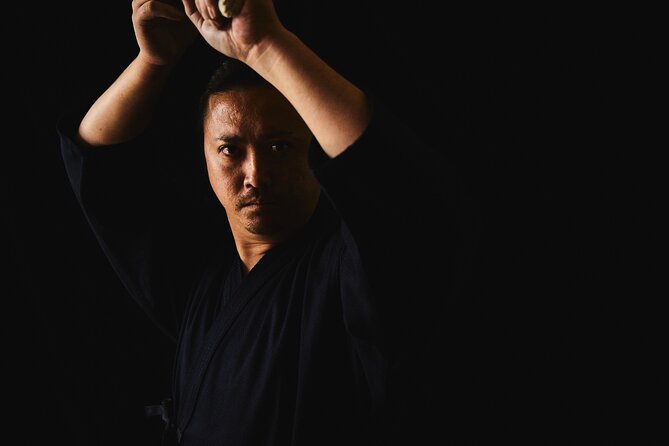
Put on armor, then meet Osaka’s samurai spirit. This two-hour Kendo lesson gives you far more than a costume photo: you enter a working dojo, learn basic form with a bamboo sword, and practice under the careful eye of a professional instructor. I especially like the small groups of up to 12 people and the fact that the dojo also displays samurai artifacts, so the cultural lesson is tied to a real setting.
I also like the practical finish. You receive digital photos and videos, and the facility has changing rooms, showers, heating, and air conditioning. The main consideration is the price, about $131.32 per person. That is a serious charge for a two-hour activity, though the personal instruction, equipment, match practice, and media package make it better value than a simple dress-up session.
In This Review
- Key points before you book
- Entering the dojo in northern Osaka
- A short introduction to samurai and Kendo
- Changing into uniform and armor
- Learning stance, footwork, and basic strikes
- The match-style finale
- Photos, videos, snacks, and the practical finish
- Is $131.32 good value?
- Who will enjoy this Kendo class most?
- Helpful planning details for Osaka
- My verdict on Samurai Training Experience Kendo in Osaka
- FAQ
- Where does the Kendo experience take place?
- How long does the experience last?
- What is the price?
- Is the activity suitable for complete beginners?
- Is the instruction available in English?
- What equipment will I use?
- Can I take part in a Kendo match?
- Are photos and videos included?
- Can young children participate?
- What happens if I need to cancel?
Key points before you book
- You train inside a real Osaka dojo: The space also functions as a museum, with samurai artifacts and memorabilia on display.
- You learn more than how to swing a sword: The lesson covers Kendo basics, samurai culture, Bushidō, stance, footwork, strikes, and match etiquette.
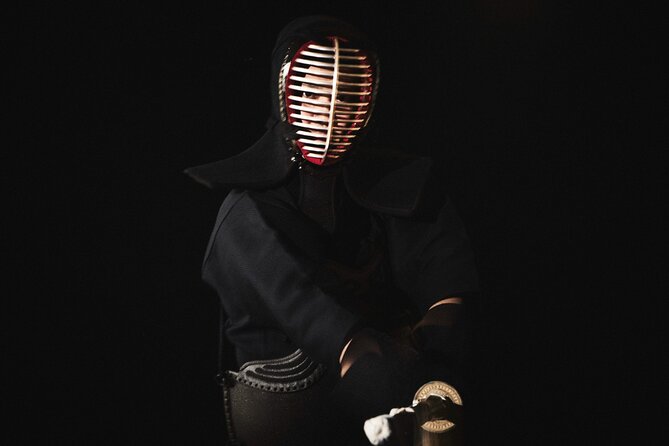
- You wear proper Kendo gear: The program includes an authentic uniform, protective armor, and a bamboo sword called a shinai.
- Toshi and his assistants keep the lesson friendly: English instruction is available, with an assistant helping explain the history and techniques.
- The final sparring session is the highlight: You can practice against another participant and may challenge the instructor under safe, guided conditions.
- You receive photos and videos afterward: These are sent digitally, with some participants receiving them within 24 hours.
Entering the dojo in northern Osaka
The meeting point is at 1-chōme-18-2 Honjōhigashi in Kita Ward, Osaka. The location is near public transportation, and the activity begins and ends at the same place, which keeps the day simple. You do not need to arrange a separate return transfer or figure out where the session finishes.
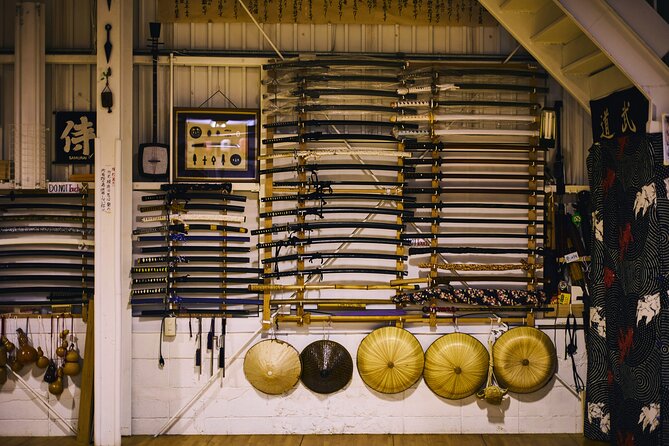
The dojo is more than a plain practice room. Samurai objects and memorabilia are displayed around the space, giving you something to look at before and during the lesson. That setting matters because Kendo can otherwise feel like a modern sports class with unusual equipment. Here, the uniforms, armor, bows, and artifacts help connect the physical practice to Japanese martial traditions.
The room is described as clean and well maintained. Air conditioning and heating are available, an important detail when you are wearing several layers of equipment. Changing rooms and showers are also provided, which makes this a more comfortable choice than a casual activity held in a borrowed studio.
You should arrive ready to follow dojo manners. Kendo is not simply a sword-themed game. The lesson includes proper conduct, respect, and controlled movement, and the instructors expect you to listen before you begin striking. That structure is part of what makes the session feel like a cultural exchange rather than a photo opportunity.
More Samurai & Ninja Experiences in Osaka
- OSAKA NIGHT FUSION Japanese Taiko Kabuki Samurai Dance Show
★ 4.8 · 155 reviews - Osaka: Samurai Training Experience KENDO in Osaka
★ 5.0 · 111 reviews - Osaka: A Modern Samurai, Kabuki, Taiko, & Dance Show
★ 4.5 · 66 reviews
A short introduction to samurai and Kendo
The lesson starts with an explanation of samurai culture, Bushidō, and the development of Kendo. You will not become an expert in two hours, but this opening gives the activity a useful frame. You learn why the equipment matters and why attention, posture, and discipline are treated as seriously as the strikes themselves.
Toshi leads the practical instruction, supported by an English-speaking assistant. The teaching style is aimed at beginners, so you do not need prior martial arts experience. Questions are welcome, and the pace can be adjusted depending on your comfort and ability.
This history section is relatively brief, which is the right choice for the format. The purpose is to prepare you for practice, not to turn the session into a lecture. If you have a strong academic interest in samurai history, you will need a separate museum visit or history tour. If you simply want enough context to understand what you are doing, the introduction should fit the bill.
The instructors also help separate Kendo from the popular image of samurai sword fighting. You are working with a shinai, not a sharp blade, and the activity is governed by rules and manners. That distinction makes the lesson safer and more meaningful.
Changing into uniform and armor
After the introduction, you change into Kendo clothing and protective equipment. Wearing the uniform is one of the most memorable parts of the experience, especially for children and families. The clothing changes your posture and makes the lesson feel official, even before you pick up the shinai.
The armor adds weight and heat, so expect the physical side to build gradually. You may find that simple footwork feels less simple once you are dressed for practice. The dojo has air conditioning, heating, changing rooms, and showers, which helps take the edge off before and after training.
The equipment is also where the price begins to make more sense. You are not merely handed a plastic prop for a photograph. You are fitted with proper Kendo attire and protective armor, then taught how to move in it. That said, $131.32 remains expensive for a short introductory class, particularly if you are booking for a large family.
For children aged three to five, the focus is limited to wearing the uniform and armor and taking photos safely. That is an important restriction. Very young children should not be expected to complete the same physical lesson as older children and adults.
Learning stance, footwork, and basic strikes
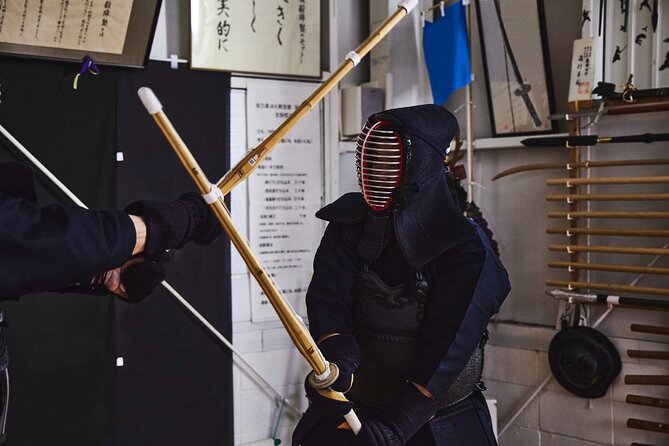
The technical lesson starts slowly. You learn how to hold the shinai, position your body, and move with control. The instruction includes basic Kendo techniques and foundational strikes, with combinations and counters introduced as you become comfortable.
The class can be fairly relaxed or more physical, depending on your preference. That flexibility is helpful for mixed groups. A parent may want a gentle cultural activity, while a teenager or martial arts enthusiast may want a stronger workout. The instructor can adjust the session rather than forcing everyone into the same pace.
Do not confuse beginner-friendly with effortless. The lesson may involve repeated strikes, movement, and footwork, and some people find it more tiring than expected. The armor and concentration add to the challenge. You will likely spend much of the class thinking about several instructions at once: stance, distance, timing, and proper movement.
The teaching approach is encouraging without making the activity silly. Toshi and his assistants are warm and patient, but the practice still has a professional feel. That balance is a major strength for first-time participants who want real instruction but may feel awkward at the start.
You will also learn manners associated with Kendo. Bowing, preparation, and controlled behavior are treated as part of the art, not as decoration. These details help you understand that Kendo is a discipline with a mental side, not just a collection of sword movements.
A completely different kind of day out in Osaka:
- Osaka Go Karting Tour with Funny Costume
★ 5.0 · 2,658 reviews - Osaka Castle: Museum and Tower Entry Ticket
★ 4.5 · 2,380 reviews - Osaka: Shinsekai Food Tour with 13-15 Dishes at 5 Eateries
★ 4.8 · 2,204 reviews - Osaka Food Tour: 13 Dishes at 5 Local Eateries
★ 5.0 · 2,149 reviews
The match-style finale
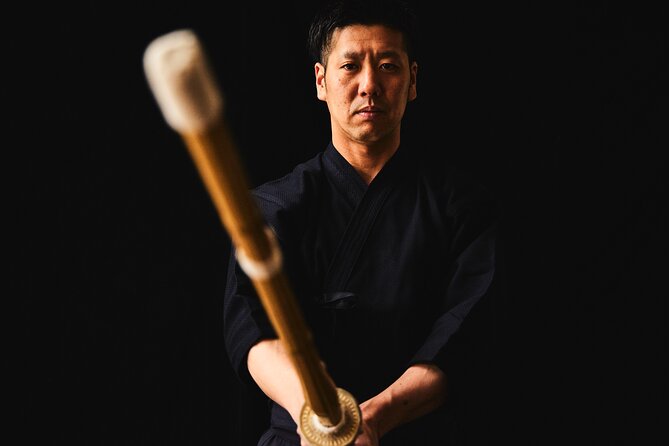
The last part of the session brings the techniques together in a controlled sparring exercise. Depending on your group, you may face another participant in a match-style practice. Families and friends can battle one another after learning the basic movements, which often becomes the most exciting part of the class.
The instructors guide the matches and keep them safe. You are not simply turned loose with armor and bamboo swords. You learn how to duel properly, and the pace can be adapted to your level. If you are nervous about hitting someone or being hit, tell the instructors. The format is designed for beginners, and the class can be relaxed.
Some participants also choose to challenge Toshi. This is optional, but it gives you a quick lesson in how much skill lies behind the simple-looking movements. A full-speed match with an experienced instructor can be surprisingly fast, so do not mistake the friendly atmosphere for a lack of ability.
For many families, the final match gives children a clear goal. They have learned the rules and techniques, then get to use them in a supervised contest. For adults, it adds a little healthy embarrassment and plenty of laughs, especially when the instructor moves faster than expected.
This portion is also where the activity becomes more physical. If you want only a costume photograph, this may feel like more effort than necessary. If you want a hands-on cultural activity, it is exactly the point.
Photos, videos, snacks, and the practical finish
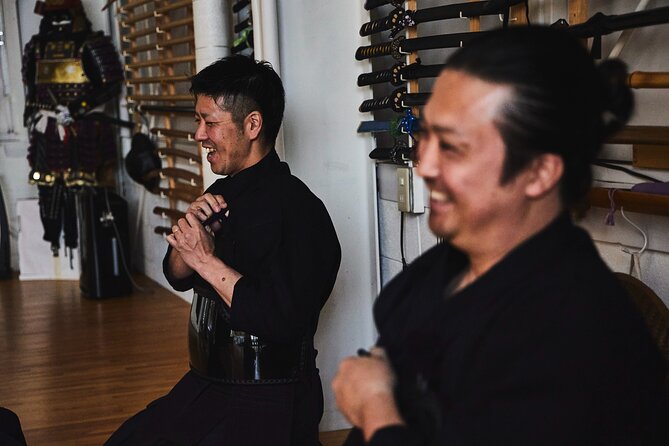
Photos and videos are included, giving you a record of the lesson without requiring a friend to stand on the sidelines with a phone. The instructors take pictures during the practice and sparring, and the digital files are sent afterward. Some participants received their photos and videos within 24 hours.
That is a worthwhile extra at this price. You are likely to be too busy learning footwork to document the experience yourself, and the best images will come during the armor and match sections. You should still treat the media as a bonus rather than the main reason to book. The value comes from the instruction and setting first.
Water is available during the session, and the hosts have also provided Japanese snacks and drinks afterward. Those small touches help the experience feel personal rather than rushed. You may also receive recommendations for places to visit during the rest of your Osaka stay, though that is a friendly extra rather than a guaranteed part of the formal program.
The facility’s showers and changing rooms are useful after the match. Kendo armor can make the session warm, and a quick change before returning to the city is welcome. Since the activity returns to the meeting point, you can plan it between other Osaka activities without arranging a complicated transfer.
Is $131.32 good value?
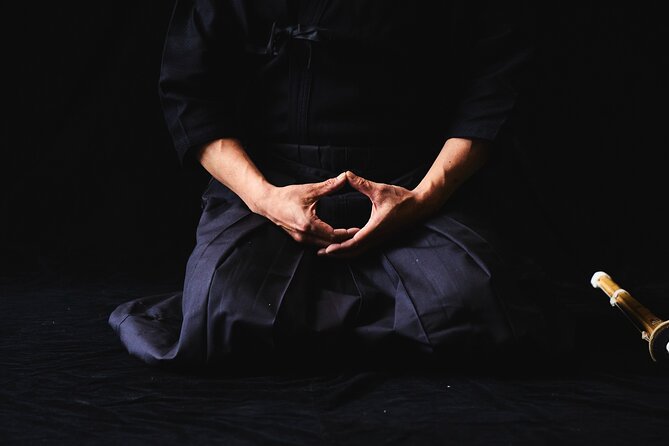
At $131.32 per person, this is not a budget attraction. Osaka offers many inexpensive cultural sights, and a standard museum visit costs much less. You should book this experience because you want to take part, not simply watch.
The price covers approximately two hours of instruction, use of the uniform and armor, professional guidance, a history and culture introduction, practice with a shinai, match-style training, and digital photos and videos. The class size is capped at 12, and solo participants may receive one-on-one instruction if no one else has booked that time.
That small-group setup is the strongest value point. A large class would make it hard for a beginner to receive corrections, especially when learning footwork and timing. Here, the instructor can watch what you are doing and adjust the pace.
Families should calculate the total cost carefully. A group of four will spend more than $525 before transport, so this may be a special-occasion activity rather than an everyday outing. It can work well for a birthday, a martial arts fan, or a family looking for one memorable experience during a Japan trip.
The 100 percent recommendation rate and 5.0 rating from 515 reviews suggest very strong satisfaction, but the format still has limits. You will learn the basics, not reach an advanced rank. The session is best understood as a well-run introduction to Kendo with real equipment and personal attention.
Who will enjoy this Kendo class most?
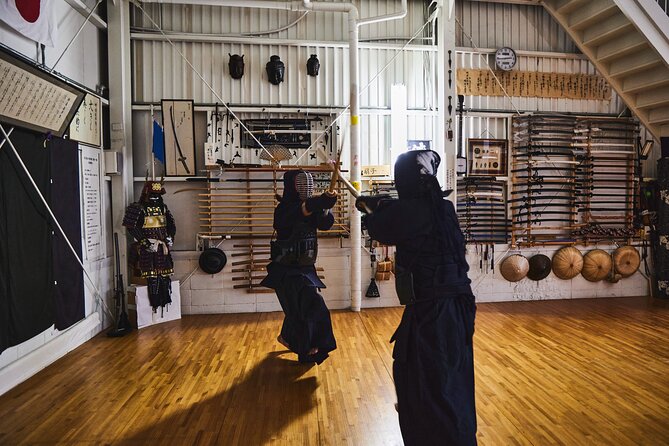
I would recommend it most strongly to:
- First-time visitors who want a hands-on Japanese cultural activity
- Families with children old enough to follow instructions
- Martial arts fans and history buffs
- Couples or friends who enjoy friendly competition
- Solo participants who value personal instruction
- Anyone who wants photos that show more than a standard costume rental
You do not need previous Kendo experience. Most participants can take part, and the activity is conducted in English. Service animals are allowed, and the dojo is near public transportation.
The activity may be less suitable if you dislike physical exercise, wearing protective gear, or close practice with another person. It is also not the right choice for parents expecting a full training session for preschool children. For ages three to five, the program centers on dressing safely and taking pictures.
Helpful planning details for Osaka
The mobile ticket makes entry straightforward, and booking confirmation is provided at the time of booking. Because the activity starts and ends at the same address, leave enough time to reach Honjōhigashi without arriving breathless and late.
Wear clothing that is easy to change out of. The supplied uniform and armor form the main outfit for the lesson, so your own clothes should be practical rather than formal. Since the class may be physical, plan your Osaka day so you are not rushing straight into a demanding meal reservation or another timed activity.
Free cancellation is available if you cancel at least 24 hours before the local start time. Cancellations or changes made later are not refunded or accepted. That deadline matters when you are coordinating a packed Japan itinerary.
The maximum group size is 12, but the session can feel much more personal when fewer people book. If you are a solo visitor, you may end up with individual instruction. For families, the instructors can adapt the intensity so younger and older participants are not treated exactly alike.
My verdict on Samurai Training Experience Kendo in Osaka
You should book this Kendo experience if you want to practice, not pose. The real dojo, samurai displays, proper armor, English guidance, and supervised sparring create a far more memorable activity than a quick costume rental.
I especially value the patient instruction from Toshi and his assistants, the clean facilities, and the digital photos and videos. The class gives you cultural context, physical activity, and a clear finale in one compact session.
The price is the main hurdle, and two hours is not enough for serious Kendo training. Still, for a special family activity, a birthday treat, or a martial arts experience you will talk about after returning home, the cost can be justified. If your Osaka schedule has room for only one hands-on cultural activity, this is a strong choice.
FAQ
Where does the Kendo experience take place?
It takes place at 1-chōme-18-2 Honjōhigashi, Kita Ward, Osaka, 531-0074, Japan. The dojo is near public transportation.
How long does the experience last?
The session lasts approximately two hours.
What is the price?
The listed price is $131.32 per person.
Is the activity suitable for complete beginners?
Yes. No prior Kendo experience is required, and the lesson is designed for beginners.
Is the instruction available in English?
Yes. The experience is conducted in English, with an English-speaking assistant helping with explanations.
What equipment will I use?
You will wear a Kendo uniform and protective armor and practice with a bamboo sword called a shinai.
Can I take part in a Kendo match?
Yes. After learning basic techniques, you can take part in a supervised, match-style Kendo session.
Are photos and videos included?
Yes. Digital photos and videos of the experience are provided as a souvenir.
Can young children participate?
Children aged three to five focus on wearing the uniform and armor and taking photos safely. Most other participants can take part in the activity.
What happens if I need to cancel?
You can receive a full refund if you cancel at least 24 hours before the experience start time. Cancellations or changes made less than 24 hours in advance are not accepted or refunded.
More Martial Arts Experiences
- Osaka 2-Hour Genuine Kendo / Samurai Experience In Japan
★ 5.0 · 65 reviews - Kyoto: Kendo and Samurai Experience with Uniform and Gear
★ 4.9 · 815 reviews - Tokyo: Samurai Sword & Archery Class from Samurai Descendant
★ 5.0 · 603 reviews - Japanesel Archery Experience HIROSHIMA CASTLE SHARAKU
★ 5.0 · 387 reviews
Just added around Osaka
- Osaka Food Tour with 10 Classic Japanese Tastings & Drinks★ 5.0 · 38 reviews
- Osaka: Highlights & Hidden Gems Private Walking Tour★ 4.7 · 38 reviews
- Kyoto private tour (Shore excursion available from Osaka or Kobe port)★ 5.0 · 39 reviews
- Osaka Private Day Trip – Enjoy Your First-Time Visit to Osaka!★ 5.0 · 39 reviews
- Kyoto & Nara & Uji: Full Day Sightseeing Tour from Osaka or Kyoto★ 4.5 · 39 reviews
- Authentic SUSHI Course Cooking Class★ 5.0 · 39 reviews
- Osaka: Mind & Spirit Balance Temple Reiki Healing★ 5.0 · 41 reviews
- Osaka Afternoon Walking Tour with Osaka River Cruise★ 3.5 · 42 reviews
Samurai & Ninja Experiences, compared.
Samurai Ninja Museum Guided tour and Experience
Read our review →
Kendo and Samurai Experience with Uniform and Gear
Read our review →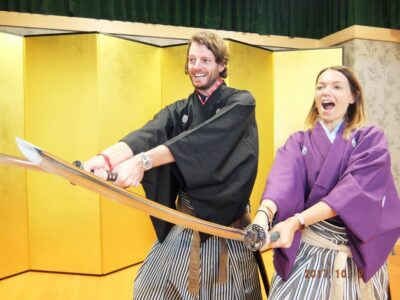
Samurai Sword Class by Experts in Traditional Arts
Read our review →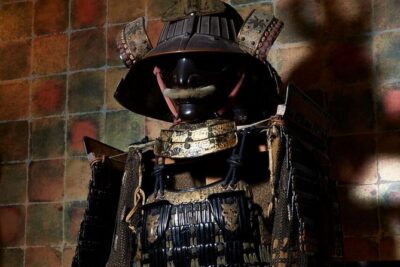
Skip the lines Basic Ticket at SAMURAI NINJA MUSEUM KYOTO
Read our review →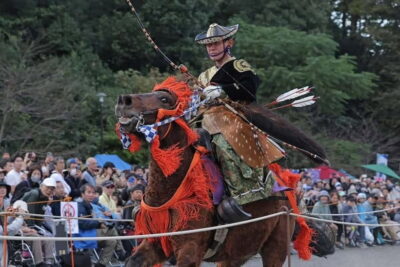
Samurai Sword & Archery Class from Samurai Descendant
Read our review →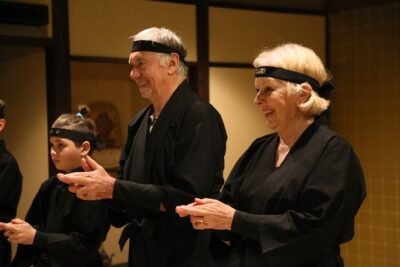
Ninja 1-hour Hands-on Lesson by Japanese master in Kyoto -Entry
Read our review →Browse the lists this tour appears in