
Reviewed · SAMURAI & NINJA EXPERIENCES
Osaka: Samurai Training Experience KENDO in Osaka
Put on the armor and find your inner warrior. This two-hour Osaka Kendo session gives you a real dojo setting, patient English-speaking instruction, and the rare chance to practice in full protective gear. I especially like the hands-on training and the thoughtful way instructors Toshi and Kumiko explain etiquette, history, and technique. The main consideration is physical effort: the armor, footwork, shouting, and sparring can leave you sweaty and tired.
At $127 per person, this is not a cheap photo stop, but it offers far more than a costume session. You learn basic strikes, blocks, counters, and match rules, then use them in practice bouts. People wanting only a gentle cultural activity should know that the final combat section can feel surprisingly intense, even though beginners are carefully guided.
In This Review
- Key points to know before booking
- Entering an Osaka dojo for a different kind of cultural lesson
- The first lesson: respect before striking
- Changing into Dōgi and Hakama
- Learning the Shinai, stance, and footwork
- From paired drills to match-style combat
- Samurai photographs inside the dojo
- Is the $127 price fair?
- Who will enjoy this most?
- Practical advice for a smoother session
- How this compares with a typical Samurai photo session
- Should you book the Osaka Kendo experience?
- FAQ
- How long does the Osaka Kendo experience last?
- How much does the Kendo experience cost?
- Do I need previous Kendo experience?
- What language is used during the class?
- What equipment will I wear?
- Will I get to spar?
- Can children participate?
- Can older people participate?
- What should I bring?
- Can I cancel for a refund?
Key points to know before booking
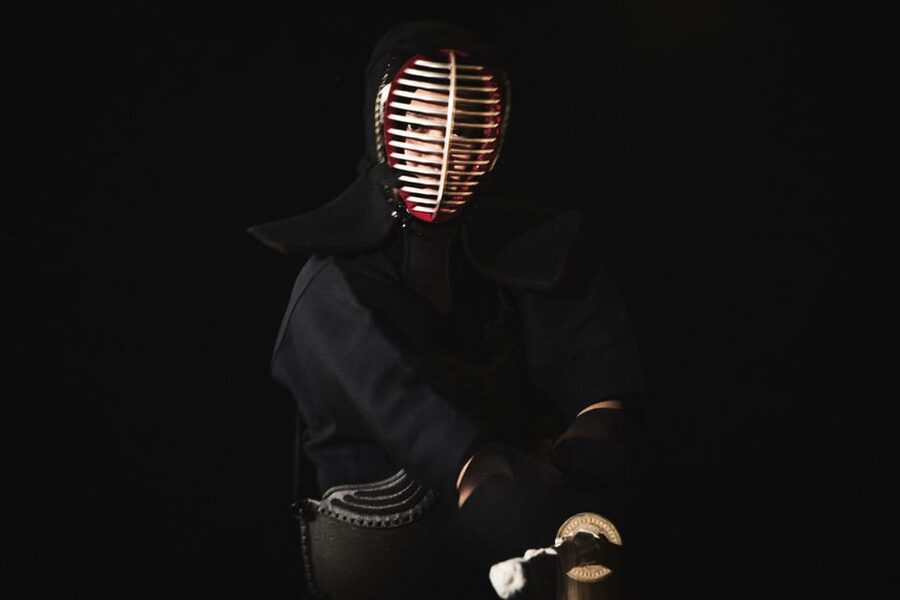
- Full Kendo equipment: Wear a Dōgi, Hakama, and protective Bōgu armor with Men, Kote, Dō, and Tare.
- Real dojo setting: Train inside an Osaka City facility used for Samurai and Kendo practice, rather than a staged museum display.
- Beginner-friendly teaching: Toshi and his assistants explain posture, footwork, etiquette, strikes, defense, and safety in English and Japanese.
- A proper activity, not just dressing up: The class includes paired practice and match-style combat based on Kendo rules.
- Useful family note: Children aged 3 to 5 mainly dress up and take photos, while children under 2 cannot participate.
- Bring water: You may work up a sweat, especially once the armor and sparring begin.
Entering an Osaka dojo for a different kind of cultural lesson
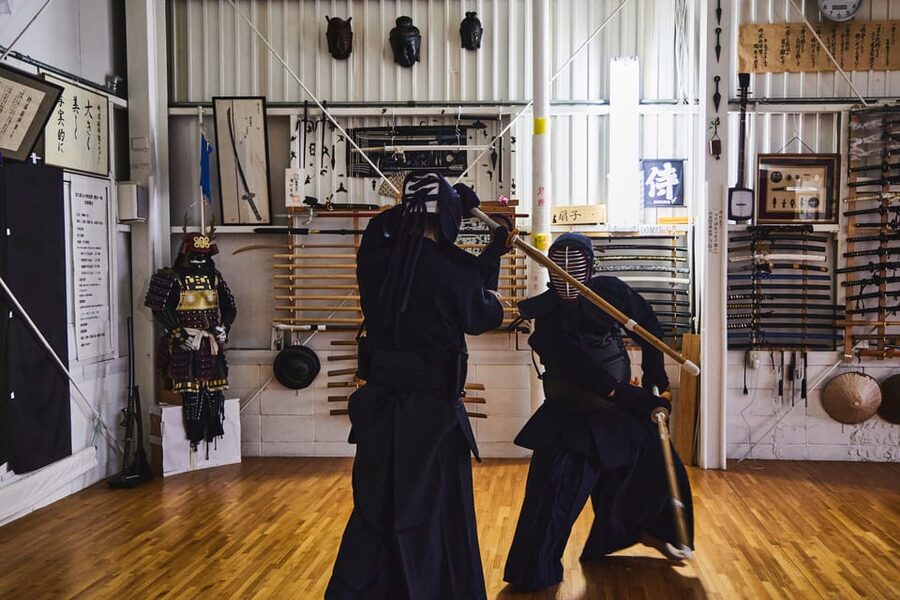
Osaka offers plenty of food tours, observation decks, and castle visits. This experience gives you something less passive. You enter a genuine dojo, bow into a martial arts setting, learn the rules of respectful conduct, and then use a bamboo sword under supervision.
That setting matters. Kendo is not presented as a stage fight or a Samurai-themed photo booth. The class introduces Reiho, the etiquette and manners that support Japanese martial arts, along with the ideas of Bushidō, discipline, focus, self-control, and sincerity.
The instructors also explain how Samurai traditions connect with Kendo. You do not need prior knowledge of Japanese history or martial arts to follow the lesson. The teaching is designed to start at the beginning, with clear demonstrations and repeated explanations when needed.
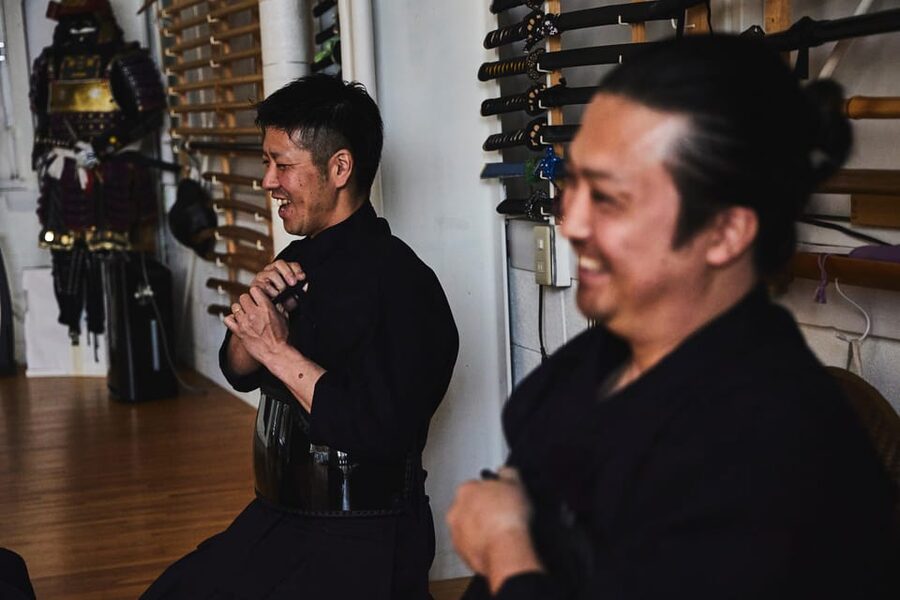
Toshi is the main instructor, and the experience also includes support from Kumiko and other assistants. English is used throughout, with Japanese also available. Several participants have praised the instructors for being patient, friendly, humorous, and willing to adjust the pace to the group.
That flexibility is useful. A family with children, two adults who have never tried martial arts, and a person with previous Kendo experience will not all need the same amount of help. The teaching can be adapted to the ability of the people in front of the instructor.
More Samurai & Ninja Experiences in Osaka
- Samurai Training Experience KENDO in Osaka
★ 5.0 · 515 reviews - OSAKA NIGHT FUSION Japanese Taiko Kabuki Samurai Dance Show
★ 4.8 · 155 reviews - Osaka: A Modern Samurai, Kabuki, Taiko, & Dance Show
★ 4.5 · 66 reviews
The first lesson: respect before striking
The class begins with an introduction to Kendo and Samurai culture. This is more than a quick speech before the action starts. You learn why etiquette matters and why a Kendo match depends on control, spirit, and proper conduct rather than simply hitting as hard as possible.
You may learn the basic terminology, the purpose of the equipment, and the rules that shape the practice. The instructors also explain how Kendo emphasizes posture, timing, concentration, and respect for your partner.
For many people, this short lesson is one of the most valuable parts. It gives meaning to the bowing, the commands, the protective armor, and the formal movements that follow. Without it, the activity could feel like swinging a bamboo sword at a target. With it, you begin to understand the discipline behind the sport.
The historical section is kept accessible. You do not need to prepare by reading about Japanese martial arts before arriving. If you enjoy Samurai films, Japanese culture, or anime, the introduction adds useful context without requiring specialist knowledge.
Changing into Dōgi and Hakama
You then change into traditional Kendo clothing. The outfit includes the Dōgi and Hakama, followed by protective armor known as Bōgu.
The equipment includes:
- Men, the helmet and face protection
- Kote, the protective gloves
- Dō, the chest and torso guard
- Tare, the waist and upper-leg protection
- Shinai, the bamboo sword used for Kendo practice
Putting on the full set is part of the appeal. It changes the feeling of the activity from a simple demonstration into a physical lesson. You see how much equipment a practitioner manages and why movement requires control.
The staff help with fitting the clothing and armor. This is especially helpful for first-time participants, since the layers and fastenings can be unfamiliar. When booking, provide your height, weight, and gender so the team can prepare a better fit.
The armor is protective, but it does not make the session effortless. It adds weight and warmth, while the Hakama and Kendo footwork demand attention. Wear comfortable clothing underneath and bring a drink. Alcohol and drugs are not allowed.
Learning the Shinai, stance, and footwork
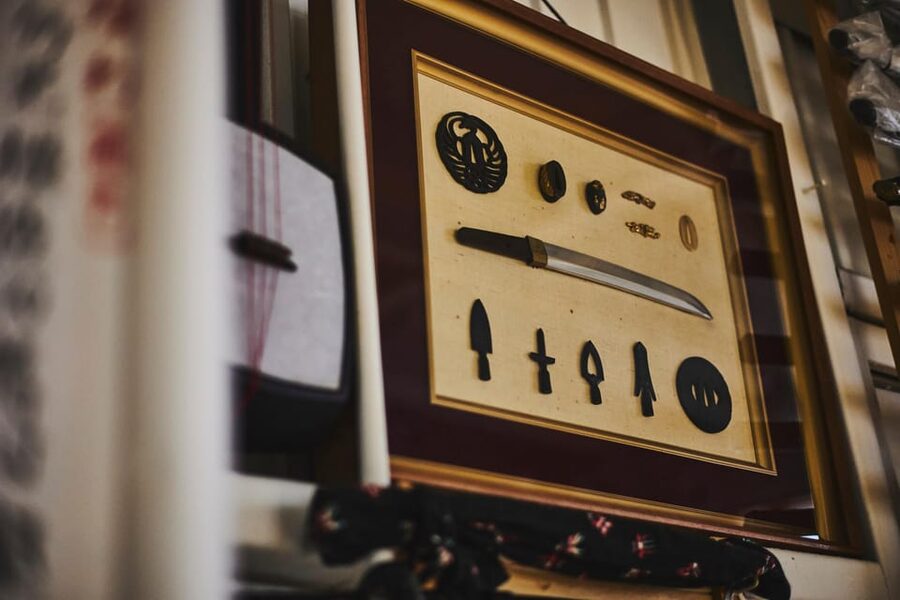
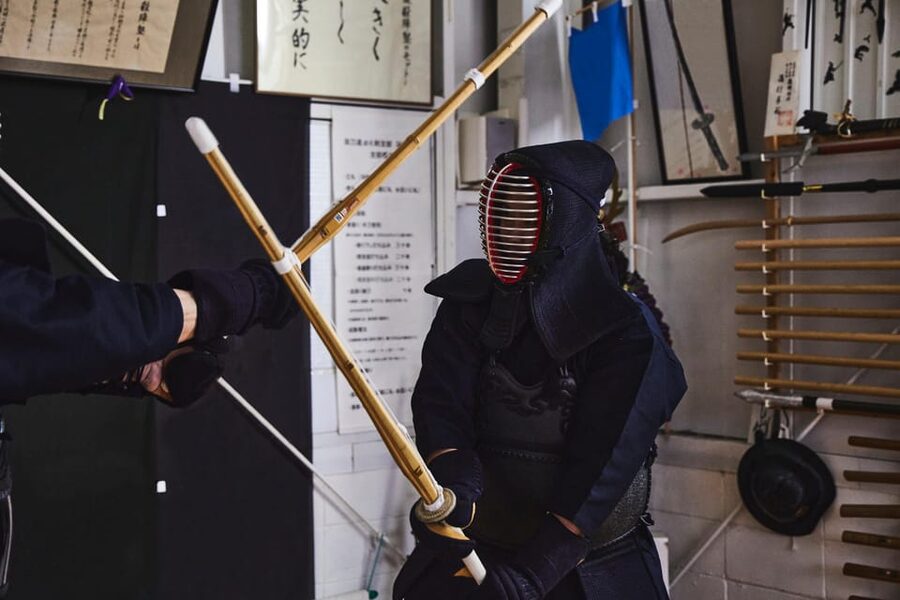
Once dressed, you learn how to hold the Shinai and stand correctly. The first movements are basic, but they are not throwaway exercises. Kendo depends heavily on balance, distance, timing, and controlled footwork.
The instructor demonstrates the correct position, then guides you through practice. You may work on how to move forward, how to maintain your stance, and how to coordinate your feet with the sword.
The class builds one step at a time. First comes the basic position. Then you add movement, calls, and striking actions. The instructors explain the four basic attack areas and introduce defensive movements, blocks, and counters.
This gradual pace is a major strength for beginners. You do not need to arrive athletic or coordinated. The instructors repeat demonstrations and give corrections without making the session feel like a test.
The shouting is part of the experience. Kendo uses strong vocal calls, and you may find yourself yelling more than expected. It can feel awkward for a moment, but it quickly becomes part of the rhythm and energy of the class.
People with martial arts experience may find the early section familiar. Still, the chance to wear full Bōgu and practice with an experienced Kendo instructor gives experienced participants something more substantial than a basic tourist demonstration.
A completely different kind of day out in Osaka:
- Osaka Go Karting Tour with Funny Costume
★ 5.0 · 2,658 reviews - Osaka Castle: Museum and Tower Entry Ticket
★ 4.5 · 2,380 reviews - Osaka: Shinsekai Food Tour with 13-15 Dishes at 5 Eateries
★ 4.8 · 2,204 reviews - Osaka Food Tour: 13 Dishes at 5 Local Eateries
★ 5.0 · 2,149 reviews
From paired drills to match-style combat
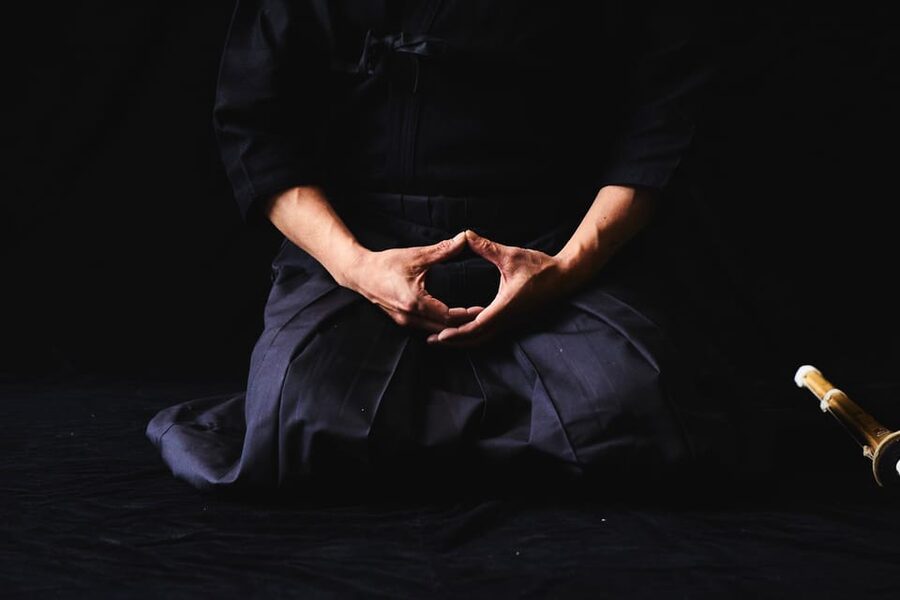
After the basic training, you practice with a partner. This is where the movements begin to make sense. You see how distance affects an attack, how timing matters, and why a technically correct strike requires more than force.
The final section includes match-style combat. You may spar with another participant, and some sessions include the chance to face Toshi or another instructor. The bouts follow real Kendo rules and are supervised, with safety and respectful conduct kept at the center.
Do not expect a free-for-all. This is controlled practice, not a theatrical sword fight. The purpose is to use your new skills, test your focus, and experience the pressure of a match.
The combat portion can be intense. Some people describe it as a strong workout, with tired feet and legs later in the day. That is useful to know if you are looking for a quiet cultural stop between meals and shopping.
At the same time, the class is not reserved for fit athletes. The instructors let you work at your own capacity. Beginners can learn the movements without needing to win, and experienced participants can enjoy a more challenging exchange.
If you are booking with a partner or friend, it can help to attend together. One participant noted that practicing with someone at a similar level makes the match section especially enjoyable. Group sizes can vary, and solo bookings may sometimes receive very close attention from the instructor and assistants.
Samurai photographs inside the dojo
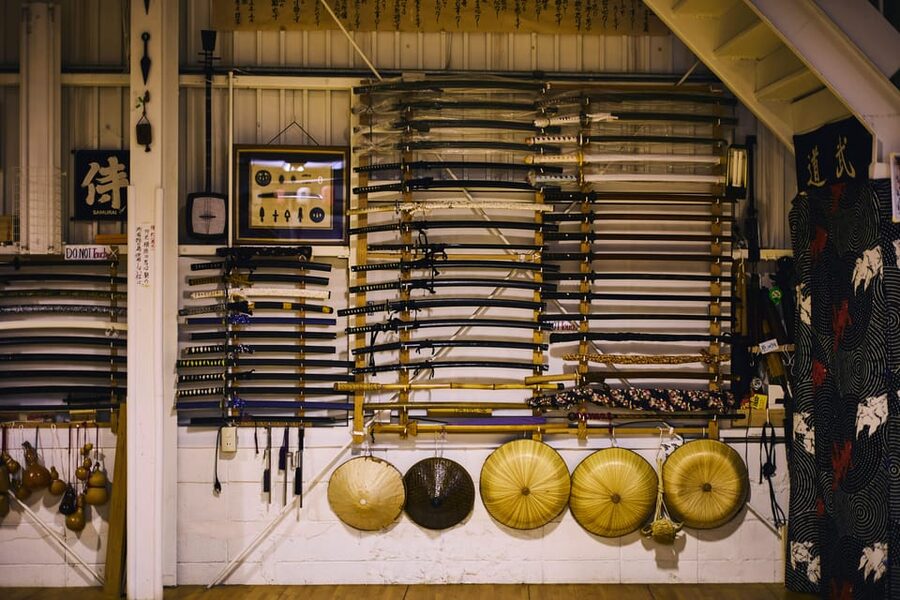
The photo session is built into the experience rather than added as an afterthought. You can pose in the clothing and armor, hold Samurai items, and take action-style photographs inside the dojo.
This is a good balance. You get the fun visual memory that many people want from a Samurai activity, but you earn it through a lesson in Kendo first. The photos show you in the full outfit, rather than simply wearing a decorative robe for a quick snapshot.
The staff help with the outfit and photographs. Some sessions include posed images and movement shots during practice. If you are traveling with family, this gives younger children a way to take part even when they are too young for the full training.
For children aged 3 to 5, the programme mainly consists of wearing the uniform, trying on armor, and taking photos. They do not receive the same combat experience as adults. Children under 2 cannot try Kendo.
Is the $127 price fair?
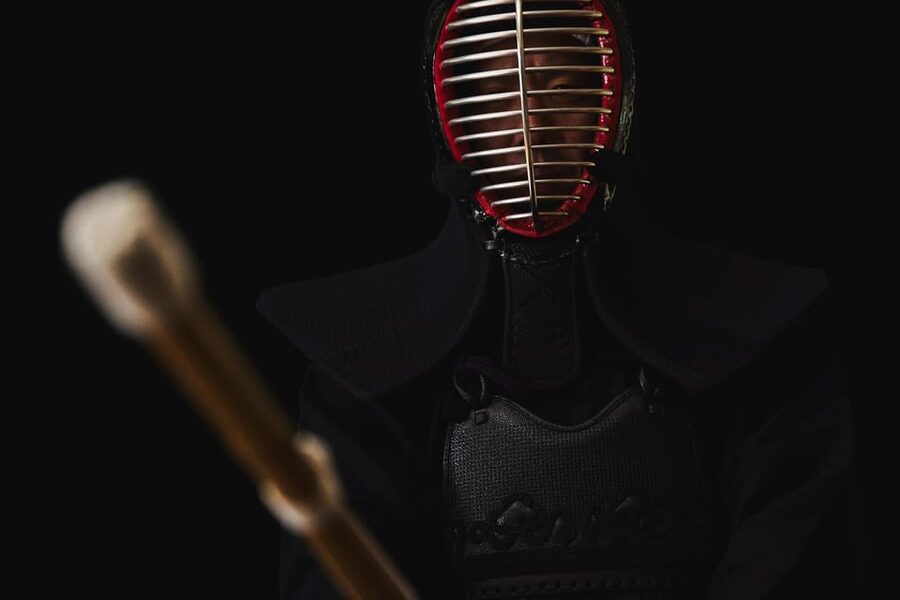
At $127 per person, the price sits well above a standard museum admission or short cultural demonstration. The value depends on how much participation you want.
You receive a two-hour lesson, instruction from an experienced practitioner, traditional clothing, full protective armor, Shinai practice, paired drills, match-style combat, a history lesson, and Samurai photographs. You are paying for staff time, equipment, fitting assistance, a real training space, and direct attention.
The value improves when the class is small. Some participants have had semi-private or nearly private sessions, including one person who attended alone and received extended attention from the instructor and assistants. Group size is not specified in advance, so you should not book assuming a private class, but a small group can make the price feel more reasonable.
Families should also consider the total experience rather than only the listed duration. One family was asked to arrive 30 minutes early so changing clothes would not reduce the class time, and received water and snacks afterward. This may not happen in every session, so treat it as a helpful possibility rather than a guaranteed extra.
The price is easiest to justify if you want an active cultural experience and a memorable activity that is difficult to replicate on your own. It is less suitable if your main goal is inexpensive sightseeing or a short photo opportunity.
Who will enjoy this most?
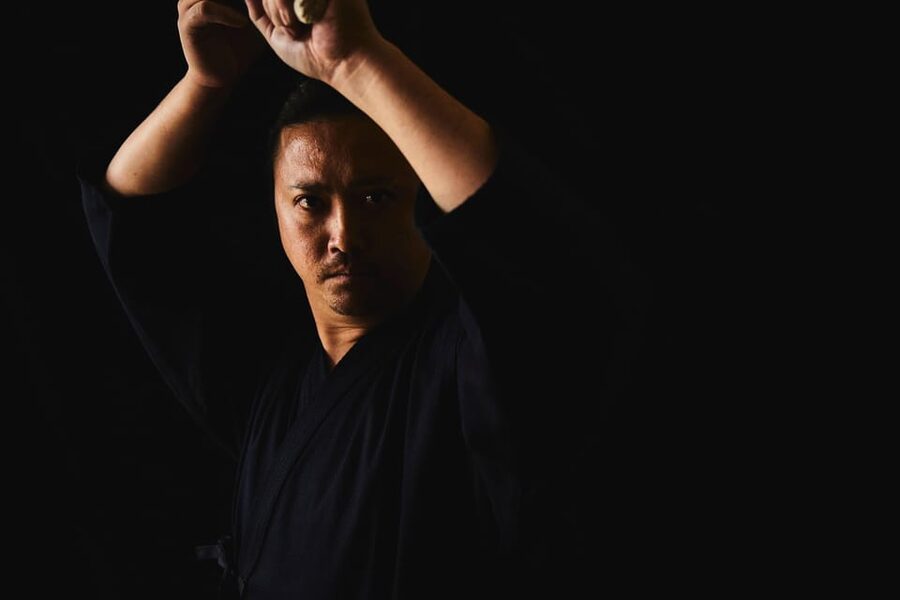
I would recommend this experience to people who want to do something active in Osaka and leave with a better understanding of Japanese martial traditions.
It is particularly well suited to:
- First-time martial arts participants
- Samurai and anime culture fans
- Adults and older children who enjoy hands-on activities
- Couples, families, and small groups
- People with existing Kendo or martial arts experience
- Visitors who want photos with genuine training equipment
- Anyone looking for a physical break from temples, shopping, and food stops
You do not need to be sporty. The instruction starts at a beginner level, and the protective gear allows you to take part in controlled combat. Still, you should be comfortable moving, shouting, wearing warm armor, and practicing for two hours.
People over 75 cannot try Kendo and may only view the activity. Children under 2 cannot participate. For ages 3 to 5, expect a dress-up and photo session rather than the adult lesson.
The dojo is wheelchair accessible, which is helpful, although the actual physical activities still depend on each person’s ability. If you have concerns about movement or equipment, contact the provider before booking.
Practical advice for a smoother session
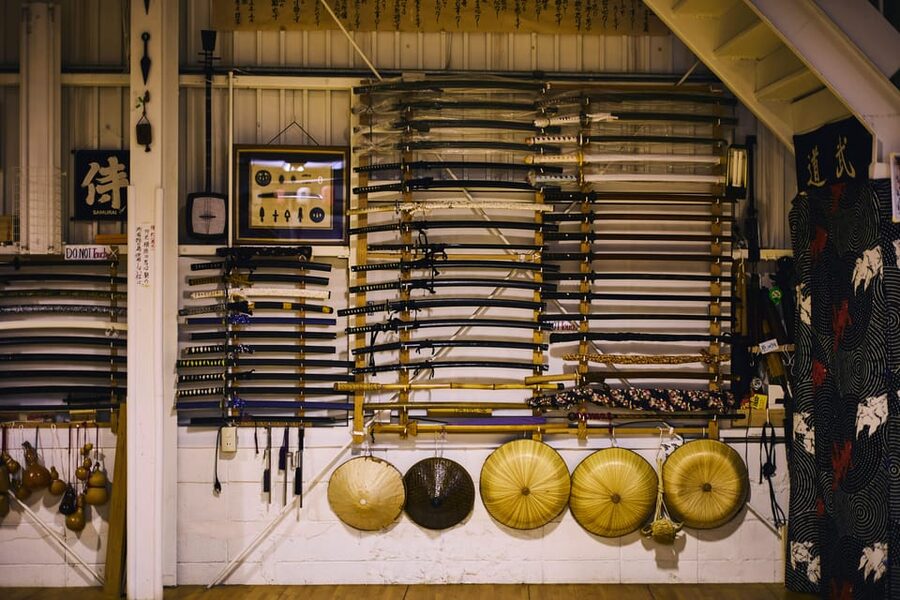
Provide your height, weight, and gender when you reserve. This helps the staff prepare clothing and armor that fit safely and comfortably.
Bring water or another nonalcoholic drink. The equipment can feel warm, and the practice includes footwork, repeated strikes, vocal calls, and sparring.
Arrive ready to follow dojo etiquette. You will likely be asked to listen closely, follow instructions, and treat the equipment and other participants with care. That respectful attitude is part of the lesson, not a side rule.
Allow time for changing. The formal activity lasts two hours, but changing into and out of the clothing can take additional time. Some groups are asked to arrive 30 minutes early.
Use the meeting point map carefully before setting out: Osaka Kendo meeting point. The experience is in Osaka City, but the supplied information does not identify a nearby station or neighborhood, so check your route before the day.
The cancellation policy is generous enough for normal trip planning. You can cancel up to two days in advance for a full refund.
How this compares with a typical Samurai photo session
A standard costume photo session gives you the image quickly. This Kendo activity takes more time and effort, but it also gives the photograph a story.
You learn the etiquette, handle the Shinai, practice basic attacks and defenses, put on protective armor, and then appear in the photos as someone who has actually taken part in a Kendo lesson. That difference matters if you want a cultural experience rather than a costume souvenir.
The activity also avoids pretending that Kendo is simply historical swordplay. The class explains the modern practice, its rules, and the values attached to it. The result is playful, but it still asks you to concentrate and behave with respect.
The tradeoff is clear: you give up some comfort and convenience for a more active session. If you dislike physical effort or do not want to wear a full set of armor, a shorter photo-based experience may suit you better.
Should you book the Osaka Kendo experience?
I would book this if you want one Osaka activity that combines culture, exercise, instruction, and photographs. The teaching from Toshi, Kumiko, and the supporting staff receives especially strong praise for its patience, humor, clear English, and personal attention.
The best reason to go is the balance. You learn about Samurai traditions, bow and practice etiquette, wear authentic Kendo clothing and armor, work through real techniques, and finish with supervised combat. It feels far more substantial than a quick themed attraction.
Think twice if you need a low-cost activity, have limited mobility, or want to avoid sweating and physical contact. Also check the age rules carefully, since younger children receive a much shorter photo-focused version.
For most active visitors, the $127 cost is justified by the amount of equipment, instruction, and direct participation. If you want to understand Kendo by actually stepping onto the dojo floor, this is one of Osaka’s most memorable choices.
FAQ
How long does the Osaka Kendo experience last?
The scheduled experience lasts two hours. Changing clothes may require extra time, and some groups are asked to arrive 30 minutes early.
How much does the Kendo experience cost?
The listed price is $127 per person.
Do I need previous Kendo experience?
No. The programme is mainly designed for beginners and first-time participants. People with previous Kendo or martial arts experience are also welcome.
What language is used during the class?
Instruction is available in English and Japanese. The English-speaking instructors explain the techniques, rules, and cultural background.
What equipment will I wear?
You wear a Kendo Dōgi and Hakama, full protective Bōgu armor including Men, Kote, Dō, and Tare, plus a Shinai bamboo sword.
Will I get to spar?
Yes. After learning basic movements and practicing with a partner, you take part in a match-style combat session following Kendo rules.
Can children participate?
Children under 2 cannot try Kendo. Children aged 3 to 5 mainly wear the uniform and armor and take photos, so they do not receive the same adult experience.
Can older people participate?
People over 75 cannot try Kendo and may only view the activity.
What should I bring?
Bring drinks, particularly water, since the session can involve physical effort and sweating.
Can I cancel for a refund?
You can cancel up to two days in advance for a full refund.
More Martial Arts Experiences
- Osaka 2-Hour Genuine Kendo / Samurai Experience In Japan
★ 5.0 · 65 reviews - Kyoto: Kendo and Samurai Experience with Uniform and Gear
★ 4.9 · 815 reviews - Tokyo: Samurai Sword & Archery Class from Samurai Descendant
★ 5.0 · 603 reviews - Japanesel Archery Experience HIROSHIMA CASTLE SHARAKU
★ 5.0 · 387 reviews
Just added around Osaka
- Osaka Food Tour with 10 Classic Japanese Tastings & Drinks★ 5.0 · 38 reviews
- Osaka: Highlights & Hidden Gems Private Walking Tour★ 4.7 · 38 reviews
- Kyoto private tour (Shore excursion available from Osaka or Kobe port)★ 5.0 · 39 reviews
- Osaka Private Day Trip – Enjoy Your First-Time Visit to Osaka!★ 5.0 · 39 reviews
- Kyoto & Nara & Uji: Full Day Sightseeing Tour from Osaka or Kyoto★ 4.5 · 39 reviews
- Authentic SUSHI Course Cooking Class★ 5.0 · 39 reviews
- Osaka: Mind & Spirit Balance Temple Reiki Healing★ 5.0 · 41 reviews
- Osaka Afternoon Walking Tour with Osaka River Cruise★ 3.5 · 42 reviews
Samurai & Ninja Experiences, compared.
Samurai Ninja Museum Guided tour and Experience
Read our review →
Kendo and Samurai Experience with Uniform and Gear
Read our review →
Samurai Sword Class by Experts in Traditional Arts
Read our review →
Skip the lines Basic Ticket at SAMURAI NINJA MUSEUM KYOTO
Read our review →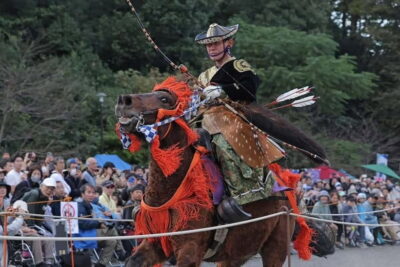
Samurai Sword & Archery Class from Samurai Descendant
Read our review →
Browse the lists this tour appears in