
Reviewed · SAMURAI & NINJA EXPERIENCES
Tokyo: Samurai Ninja Museum Guided tour and Experience
History gets hands-on here. Tokyo’s Samurai Ninja Museum combines a guided look at Japanese armor, helmets, swords, and ninja tools with shuriken throwing and a samurai dress-up session. I like the way the tour makes a complicated subject easy to follow, and I like that children, teens, and adults can all take part instead of simply walking past display cases. The English-speaking guides, including Nami, Kenny, Shin, Megan, and Nao, are repeatedly praised for their humor and clear explanations.
The main caution is group size. Bookings through GetYourGuide are limited to 15 people, but the museum accepts reservations from other booking sites, so your full group may be larger. That can make the hands-on parts feel a little busy, although guides have generally kept groups involved and moving.
In This Review
- Key points to know before you go
- Entering the museum: a quick route into Japan’s past
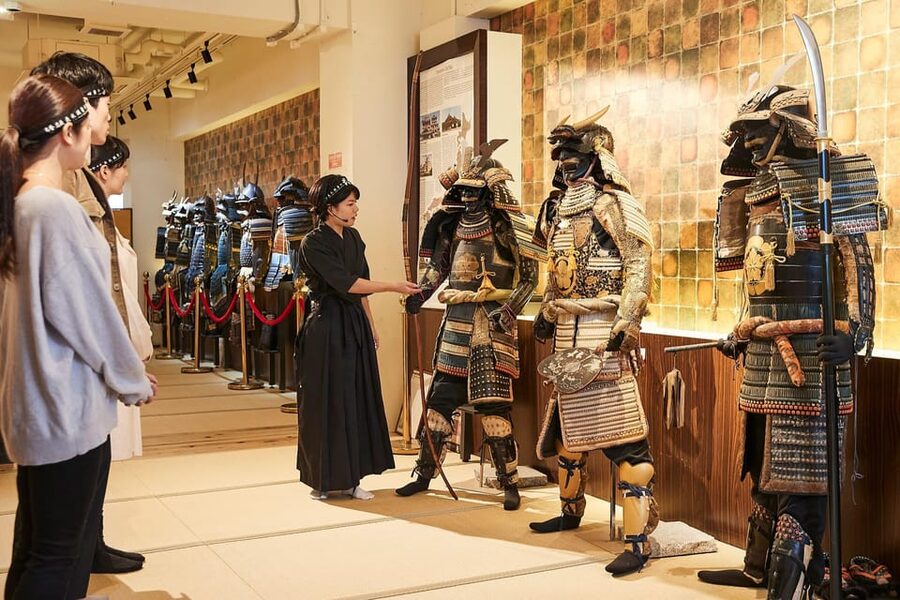
- Samurai armor, helmets, and swords up close
- The guided tour: history with a sense of humor
- Samurai dress-up with a real helmet and metal sword
- Shuriken throwing: the tour’s most playful moment
- What the history section gives you
- A good choice for families and first-time visitors
- How the $27 price measures up
- Group size, language, and practical expectations
- Should you book the Samurai Ninja Museum tour?
- FAQ
- Where is the Samurai Ninja Museum experience located?
- How much does the experience cost?
- How long does the tour take?
- Is the guided tour offered in English?
- What is included in the ticket?
- Can I throw ninja stars?
- Can I dress up as a samurai?
- How many people can be reserved through GetYourGuide?
- Can I cancel the booking?
Key points to know before you go
- The tour lasts about an hour, giving you a compact introduction without taking up half a day in Tokyo.
- You handle a metal samurai sword and wear a real helmet, making the costume session more than a simple photo opportunity.
- Shuriken throwing is the liveliest activity, especially for children and teenagers.
- English-speaking guides carry the experience, with Kenny, Nami, Shin, Megan, Nao, and others praised for humor and clear teaching.
- The museum covers both samurai and ninja life, including equipment, historical roles, myths, and major events.
- The $27 price is fair for an interactive museum visit, particularly if you want a family activity with a guide rather than a self-guided display.
Entering the museum: a quick route into Japan’s past
The experience begins with entry to the Samurai Ninja Museum in Tokyo. Its setting in a popular shopping area makes it useful as a short stop between other activities, and the location is described as easy to reach by train or taxi. You can fit it into a busy sightseeing day without committing to a long excursion.
The museum focuses on the people, tools, and traditions behind two famous figures in Japanese culture. The samurai are presented through their armor, helmets, swords, and place in Japanese society. The ninja section explores their role and the mystery that has surrounded them through stories, films, and popular culture.
I appreciate that the tour does not treat the subject as pure fantasy. The guide helps separate familiar movie images from historical reality. One part of the appeal is learning where popular ideas about samurai and ninja match the past, and where they have been exaggerated.
You are not simply left to read labels and guess what matters. The guide leads the group through the displays, adding context about the equipment and the people who used it. That matters because armor and weapons can look impressive while telling you very little on their own.
More Museum Visits in Tokyo
- Tokyo: teamLab Planets TOKYO Digital Art Museum Entry Ticket
★ 4.6 · 9,779 reviews - Ninja Experience (Family Friendly) at Samurai Ninja Museum TOKYO
★ 5.0 · 441 reviews - Tokyo Studio Ghibli Museum and Ghibli Film Appreciation Tour
★ 4.5 · 421 reviews
Samurai armor, helmets, and swords up close
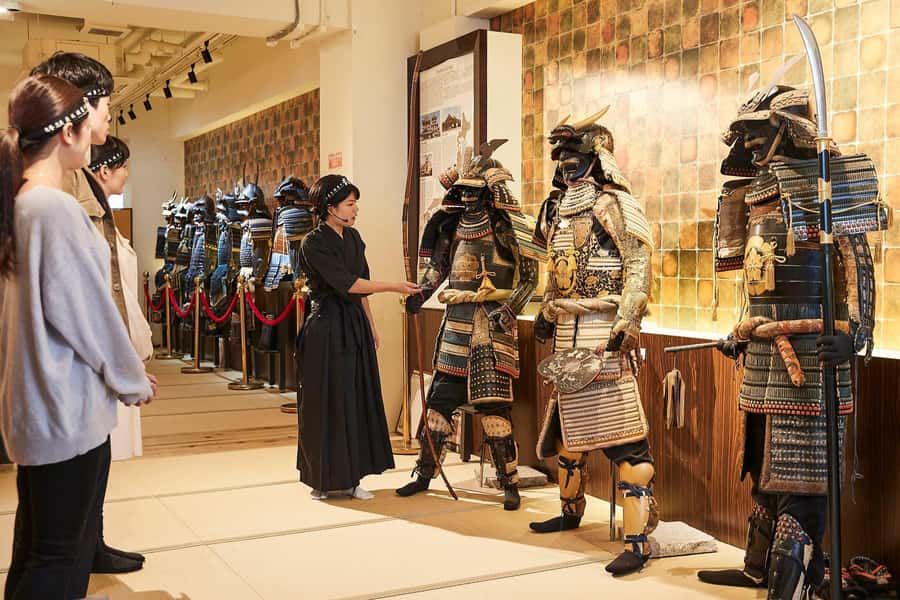
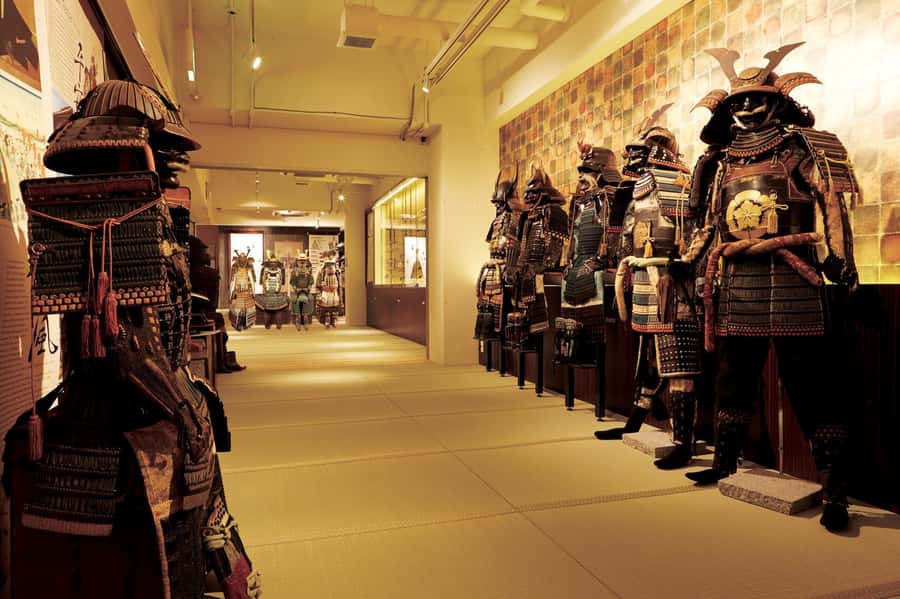
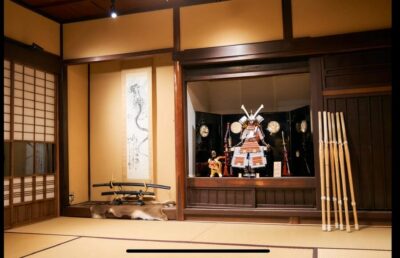
The museum’s most visual section is its display of samurai armor, helmets, and swords. These objects provide an immediate sense of how much status, protection, and ceremony were tied to the samurai way of life.
The helmets are especially useful for showing the difference between a plain piece of protective gear and something designed to signal identity. The tour gives you a chance to look at the forms and decorations while hearing how samurai equipment fit into the wider culture.
The swords are another major draw. You will see impressive examples during the museum portion, then later have the chance to hold a metal samurai sword during the dress-up activity. That physical moment helps connect the object in the display case with the weight and presence of the real thing.
Do not expect a full military museum covering every period of Japanese warfare. This is a compact cultural experience, designed to introduce the subject in an accessible way. If you already know a great deal about samurai history, you may find the explanations introductory. For most visitors, though, the format is clear and enjoyable.
The guided tour: history with a sense of humor
The guide is the heart of this experience. The strongest feedback consistently focuses on guides who make the information entertaining without losing the educational side.
Kenny is praised for his personality, comedy, and ability to explain the subject in a way that kept both adults and children interested. Nami is described as enthusiastic and informative, while Shin is praised for detailed explanations. Megan is noted for leading a fun tour of about an hour, and Nao is remembered for making the presentation interactive and funny.
Guide names can change, but the pattern is clear: this activity works best when the person leading it brings energy to the room. You should expect a spoken tour in English, not a silent museum visit with an audio guide.
The pacing is one of the best features. The tour is long enough to cover samurai weapons, armor, major events, ninja roles, and common myths, but short enough to hold a child’s attention. Several families found the balance right for younger children, teens, and adults in the same group.
I would especially recommend this format if you do not normally seek out history museums. The information is broken into manageable pieces, and the guide uses humor and questions to keep the group involved. You get useful background without sitting through a formal lecture.
Samurai dress-up with a real helmet and metal sword
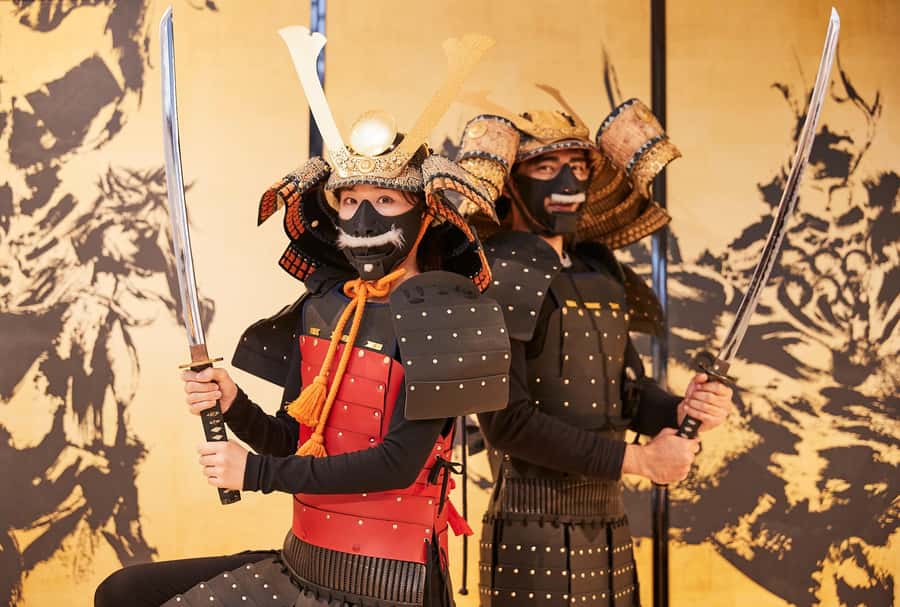
The samurai experience follows the museum explanation and gives you a chance to put on samurai clothing. You can also wear a real samurai helmet and hold a metal samurai sword.
This is where the visit becomes personal. The armor in the cases may be the main historical attraction, but putting on the clothing gives you a better sense of the costume’s weight, shape, and visual impact. It also creates the sort of family photographs that children remember long after the dates and names have faded.
The activity is not only for children. Adults repeatedly enjoyed dressing up, and one participant described it as a favorite part of a Japan trip. If you are traveling with a family, you can expect the costume session to give younger visitors a clear reason to stay engaged during the history portion.
There is a practical point here: the museum includes a real helmet and metal sword, rather than offering only a theatrical photo prop. You should follow the staff’s instructions and handle the sword carefully. The activity is supervised as part of the experience, so it is not a free-form weapons session.
More Samurai & Ninja Experiences in Tokyo
- Tokyo: Samurai Restaurant Show Ticket with 2 Drinks
★ 4.5 · 1,307 reviews - Tokyo: Samurai Sword & Archery Class from Samurai Descendant
★ 5.0 · 603 reviews - Best Samurai Experience in Tokyo
★ 5.0 · 458 reviews - Tokyo: Samurai Entertainment Night Show in Kanda Shrine
★ 4.6 · 417 reviews
Shuriken throwing: the tour’s most playful moment
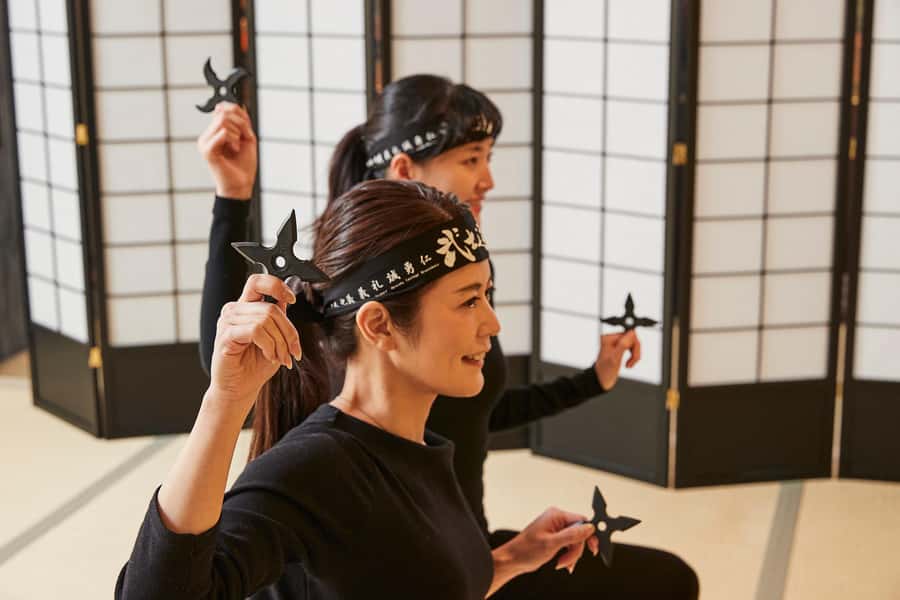
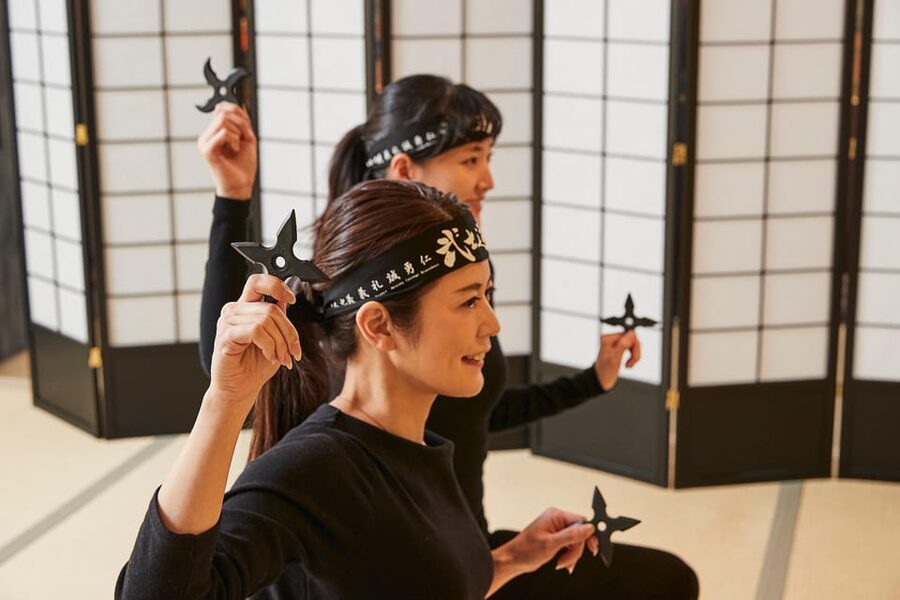
After the historical material and samurai costume session, you get to practice throwing ninja stars, also called shuriken. A guide shows you what to do, then you try your accuracy.
This is usually the high point for children and teens, but adults enjoy it too. The activity adds movement after the museum section and gives everyone a simple challenge. You do not need prior skill, and the point is participation rather than serious martial arts training.
One especially fun detail is that the activity can include a contest, with the winner receiving a star to keep. The exact format may depend on the session, so you should treat that as a possible bonus rather than a guaranteed prize for every group.
The shuriken activity also helps explain why the tour works as a family outing. A child who has lost interest in armor can look forward to the throwing practice, while an adult can focus on the historical explanation. The experience shifts between looking, listening, dressing up, and doing.
Do not book this expecting a long ninja lesson. It is a short, supervised practice session within a museum tour. That limitation is also part of the appeal: you get the fun of trying the activity without giving up a large part of your day.
What the history section gives you
The tour covers more than costumes and famous weapons. You learn about the role of samurai and ninja in Japan’s past, along with major events and changes that shaped their place in society.
The guide also discusses what happened after the samurai period ended. That wider time frame is useful because it prevents the subject from becoming a frozen picture of warriors in armor. You get at least a basic sense of how the samurai fit into a changing Japan.
The ninja material is likely to appeal to visitors who grew up with films and television. The museum acknowledges the mystery around ninja while explaining their historical role. That balance is important. You can enjoy the legends while also hearing which popular ideas need correcting.
I would not treat this as a substitute for a specialist history course. It is an introductory tour, delivered in a lively setting, with a strong visual and interactive element. Its value comes from making you curious and giving you a foundation for understanding other Japanese castles, museums, and historical sites.
A good choice for families and first-time visitors
This experience is particularly well suited to families. Children can take part in the costume session and shuriken practice, while adults receive enough historical context to make the visit worthwhile. Families with younger children, teenagers, and adults all found the structure manageable.
It also works well for a first visit to Tokyo. You get a compact introduction to two subjects that many people associate with Japan, and you do not need to devote an entire day to it. If your itinerary is full of temples, shopping, food stops, and city views, this provides a different kind of activity.
History fans should also enjoy it, especially if your interest began with samurai films or Japanese popular culture. You may want more detail than the tour provides, but the displays and explanations offer a useful starting point.
The experience is less suitable if you want a quiet, self-paced museum. The guided format means you move with the group and follow the guide’s timing. A larger group can also reduce the feeling of having the exhibits to yourself.
How the $27 price measures up
At $27 per person, this is a reasonable price for a short guided activity that includes museum entry, an English-speaking guide, samurai dress-up, helmet use, a metal sword, and shuriken practice.
The value is strongest when you use all parts of the experience. A basic museum ticket might cost less, but it would not provide the same level of explanation or the hands-on activities. A family can also get several useful photographs and a shared activity without paying for a full-day attraction.
The one-hour length makes the price easier to judge. You are paying for a compact experience, not an all-day museum visit. If you want an extensive collection or a long historical lecture, the price may not satisfy you. If you want a focused activity that fits neatly into a Tokyo schedule, it makes more sense.
The option to reserve now and pay later can help if your plans are still changing. You can also cancel up to 24 hours in advance for a full refund, which gives you some flexibility when arranging a busy itinerary.
Group size, language, and practical expectations
The tour is offered in English. Clear English matters here because the museum’s value depends heavily on the guide’s explanations, and the available feedback is especially positive about the guides’ communication and humor.
GetYourGuide reservations can include a maximum of 15 people, but the museum also accepts bookings through other sites. As a result, the total group may be larger than 15. If you prefer a quieter visit, book a time when your schedule allows some flexibility, and be ready for a shared experience rather than a private tour.
The total visit is generally described as about an hour. That makes it easy to pair with nearby shopping or other Tokyo plans. The museum’s location in a shopping area is another practical advantage, since you can continue sightseeing before or after the tour without arranging separate transportation across the city.
Wear something that allows you to change into the samurai outfit comfortably. The supplied information does not specify a dress code, so you do not need to plan around special clothing. Just remember that the costume and sword activities are the main photo moments, and it helps to have your camera ready.
Should you book the Samurai Ninja Museum tour?
I would book this if you want an easy, entertaining introduction to samurai and ninja culture, especially with children or teenagers. The strongest reasons are the lively English-speaking guides, the well-paced one-hour format, the real helmet and metal sword, and the chance to throw shuriken.
I would hesitate only if you want a large, detailed museum collection or a private, slow-paced visit. This is a guided activity with a playful edge, and a larger group is possible.
For $27, it offers more than a quick photo stop. You get historical explanation, authentic-looking equipment, costume photos, and a hands-on activity in one compact visit. If samurai films, Japanese history, or family-friendly Tokyo activities are on your list, this is a sensible addition.
FAQ
Where is the Samurai Ninja Museum experience located?
It is located in Tokyo, on Honshu, Japan. The museum is in a shopping area described as easy to access by train or taxi.
How much does the experience cost?
The listed price is $27 per person.
How long does the tour take?
The tour is generally described as lasting about one hour.
Is the guided tour offered in English?
Yes. Entry includes a guided tour with an English-speaking guide.
What is included in the ticket?
The experience includes museum entry, the guided tour, ninja star throwing, and the samurai activity with dress-up clothing, a real samurai helmet, and a metal samurai sword.
Can I throw ninja stars?
Yes. You can take part in a supervised ninja star throwing, or shuriken, activity.
Can I dress up as a samurai?
Yes. The samurai experience lets you dress up, wear a real samurai helmet, and hold a metal samurai sword.
How many people can be reserved through GetYourGuide?
A maximum of 15 people can be reserved through GetYourGuide. The museum accepts bookings from other sites, so more participants may be present in the overall experience.
Can I cancel the booking?
Yes. You can cancel up to 24 hours in advance for a full refund. You can also reserve and pay later, which keeps your plans flexible.
Just added around Tokyo
- Tokyo 6hr Instagram Highlights Private Tour with Licensed Guide★ 5.0 · 38 reviews
- Tokyo Small Group Tour with Guide★ 4.5 · 38 reviews
- Tokyo Sumo Experience with Live Show & Audience Challenge★ 5.0 · 38 reviews
- Japanese Food Cooking Class in Asakusa, Tokyo★ 5.0 · 39 reviews
- Very popular in Harajuku♡Animal petting zoo★ 4.6 · 39 reviews
- Ramen Making from Scratch with Tokyo Mom(Vegan Option Available)★ 5.0 · 39 reviews
- Tokyo JDM Night: 600hp C63s AMG Edition 1 (Private)★ 4.9 · 39 reviews
- Tokyo: Kimono Rental inside Shinjuku Gyoen National Garden★ 4.9 · 39 reviews
Samurai & Ninja Experiences, compared.
Kendo and Samurai Experience with Uniform and Gear
Read our review →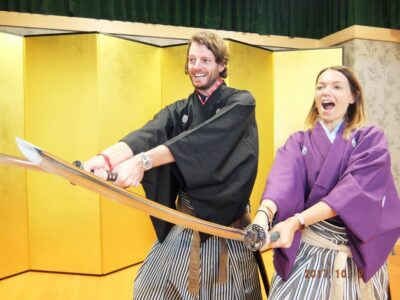
Samurai Sword Class by Experts in Traditional Arts
Read our review →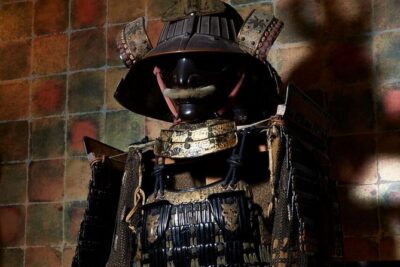
Skip the lines Basic Ticket at SAMURAI NINJA MUSEUM KYOTO
Read our review →
Samurai Sword & Archery Class from Samurai Descendant
Read our review →
Ninja 1-hour Hands-on Lesson by Japanese master in Kyoto -Entry
Read our review →Browse the lists this tour appears in