Reviewed · GUIDED
Tokyo Small Group Tour with Guide
Tokyo rewards curiosity, but its size can make a first day feel like a puzzle. This seven-to-eight-hour small-group tour gives you a clear route through the city, from the Imperial Palace and Asakusa to Harajuku, Meiji Jingu, and Shibuya Crossing. I like the way it combines major sights with a guide who explains Japanese customs, history, and daily life. I also like the group cap of 15, which should feel more personal than a big coach outing.
The main consideration is simple: this is a serious walking day. One participant reported more than 20,000 steps, and the tour description warns you to bring comfortable shoes. The $99 price is fair if you want someone else to handle the route and add meaning to the sights, but it is less appealing if you prefer slow visits or already know Tokyo well.
In This Review
- Key points at a glance
- Why this route works for a first day in Tokyo
- Starting at Wadakura Fountain Park
- The Imperial Palace and Edo Castle remains
- Three hours in Asakusa, with Senso-ji at the center
- Harajuku and the city’s youthful side
- Meiji Jingu, a quieter Shinto pause
- Finishing at Shibuya Crossing
- What the $99 price really buys you
- The walking challenge is real
- Who will get the most from this tour
- Should you book the Tokyo Small Group Tour?
- FAQ
- How long does the Tokyo Small Group Tour with Guide last?
- Where does the tour begin?
- Where does the tour end?
- What places are included?
- How many people can join the tour?
- Are admission tickets included?
- How much walking should I expect?
- Can I cancel for a full refund?
Key points at a glance
- Five major Tokyo stops: See the Imperial Palace, Asakusa, Harajuku, Shibuya Crossing, and Meiji Jingu in one day.
- A useful first-day route: The tour links old Tokyo, imperial landmarks, youth culture, and modern city life.
- Small group of up to 15: The size allows a more direct connection with guides such as Mary, Coral, Daniel, Suzana, and Tomas.
- Expect more than 20,000 steps: The schedule covers a lot of ground, so comfortable walking shoes are essential.
- Ends at Shibuya Station: You finish near one of Tokyo’s best-known districts, with easy access to the famous crossing.
- Free cancellation up to 24 hours ahead: Poor weather may bring a date change or full refund.
Why this route works for a first day in Tokyo
Tokyo is not one compact sightseeing center. Its most important places are spread across different districts, each with its own mood and story. This tour makes that variety the point. You move from the quiet grounds of the Imperial Palace to the temple lanes of Asakusa, then into Harajuku, Meiji Jingu, and the electric Shibuya Crossing.
I like this progression because it gives you a quick reading of the city. You see imperial Tokyo, old Buddhist Tokyo, modern youth culture, Shinto tradition, and commercial Tokyo in one day. You will not become an expert in seven hours, but you will gain a useful map in your head.
The guide is central to the experience. Names praised in the feedback include Mary, Coral, Daniel, Suzana, and Tomas. The strongest comments focus on guides who explained Japanese culture and customs in plain terms, answered questions, and added local context instead of simply pointing out buildings.
The small-group limit matters here. Fifteen people is still enough for a lively group, but it is far easier to hear a guide and ask a question than it would be on a large bus tour. Group size can vary below that maximum, but you should book this knowing that the full group is possible.
A few more Tokyo experiences worth weighing up
- Mt Fuji and Hakone 1-Day Bus Tour Return by Bullet Train
★ 5.0 · 26,383 reviews - 1-Day Tokyo Bus Tour
★ 5.0 · 14,250 reviews - Tokyo: TOKYO SKYTREE® Admission ticket
★ 4.5 · 11,192 reviews
Starting at Wadakura Fountain Park
The tour begins at 9:00 a.m. outside Starbucks Coffee at Kokyo Gaien Wadakura Fountain Park, 3-1 Kōkyogaien, Chiyoda City. This is a practical starting point near the Imperial Palace area, but you should allow time to reach it and confirm the exact meeting instructions after booking.
Starting here puts you close to the first major stop. It also lets the guide take over the day’s navigation from the beginning, which is one of the tour’s main advantages. Tokyo’s rail system is excellent, but changing lines, finding exits, and judging walking times can eat up a surprising amount of energy.
Bring water, comfortable shoes, and enough room in your day for stops that may take longer than planned. The published timing adds up to roughly seven and a half hours, and the walking is not a minor part of the outing.
The Imperial Palace and Edo Castle remains
The first stop is the East Gardens of the Imperial Palace, with about an hour set aside. Admission is free, and the gardens include the remains of Edo Castle, linking present-day Tokyo with the city’s earlier political center.
The appeal here is contrast. Tokyo is famous for towers, trains, signs, and crowds, yet the palace grounds offer open space and a calmer beginning. The old castle remains also give the guide something solid to explain. You are not just looking at greenery. You are standing in a place tied to the rulers who shaped Japan’s political past.
The tour also includes views of Nijubashi Bridge, one of the best-known palace-area photo spots. The bridge is attractive, but do not expect a long private visit. This is an orientation stop, not a detailed palace tour, and the Imperial Palace interior is not part of the experience described here.
I would pay attention to the guide’s explanation at this point. Without context, the palace grounds can feel like a pleasant walk with limited detail. With a good guide, the castle remains and bridge become an introduction to how Tokyo grew from a fortified city into Japan’s modern capital.
Three hours in Asakusa, with Senso-ji at the center
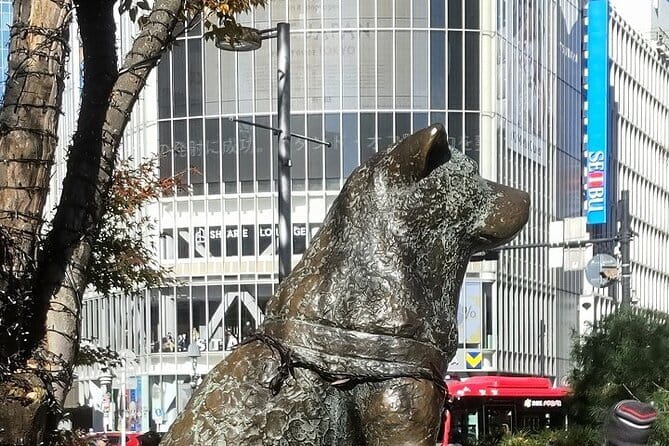
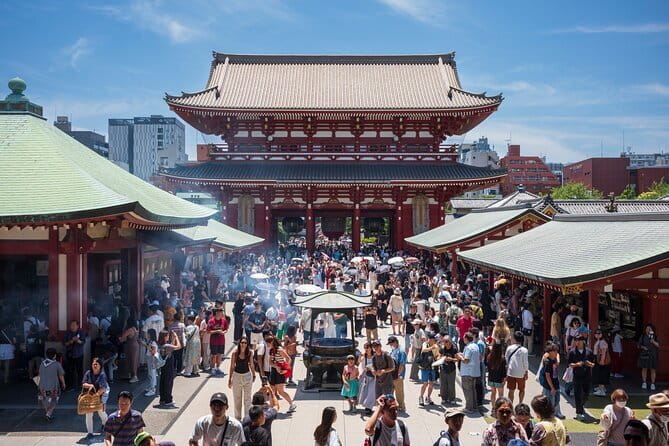
Asakusa receives the longest visit, about three hours. That is a wise choice. The district gives you more to look at, more street life, and more cultural background than can be covered in a quick photo stop.
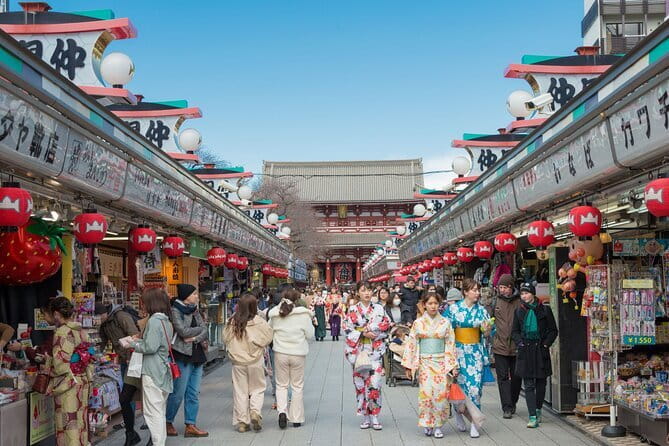
You walk along Nakamise-dori, the lively approach to Senso-ji Temple. The street is lined with shops and leads toward Tokyo’s oldest Buddhist site. It is one of the most recognizable approaches to a temple in Japan, and it can feel busy, colorful, and highly commercial.
That commercial side is worth understanding. Nakamise-dori is not simply a quiet path to a sacred building. It is a place where shopping, food, souvenirs, worship, and sightseeing all meet. A guide can help you make sense of temple customs and explain what you are seeing, which is especially useful if this is your first visit to Japan.
Senso-ji is the day’s main chance to see a major Buddhist temple up close. The large grounds and strong visual details make it a rewarding stop for first-time visitors. Three hours gives you time to walk through the district rather than rush in, take one photograph, and leave.
The tradeoff is pace. A guided group must keep moving, and Asakusa has enough shops and side streets to fill an entire day if you let it. If you want long shopping stops, a private temple visit, or plenty of time for food, you may feel hurried. If you want a clear introduction to the district, the scheduled time is useful.
A completely different kind of day out in Tokyo:
- Tokyo: teamLab Planets TOKYO Digital Art Museum Entry Ticket
★ 4.6 · 9,779 reviews - Mt Fuji & Hakone Cruise, Drum Show Bullet Train 1 Day from Tokyo
★ 4.0 · 7,413 reviews - Tokyo: Sumo Show Experience with Chicken Hot Pot and a Photo
★ 4.8 · 6,678 reviews - Tokyo: Shinjuku Food Tour (13 Dishes at 4 Local Eateries)
★ 5.0 · 6,603 reviews
Harajuku and the city’s youthful side
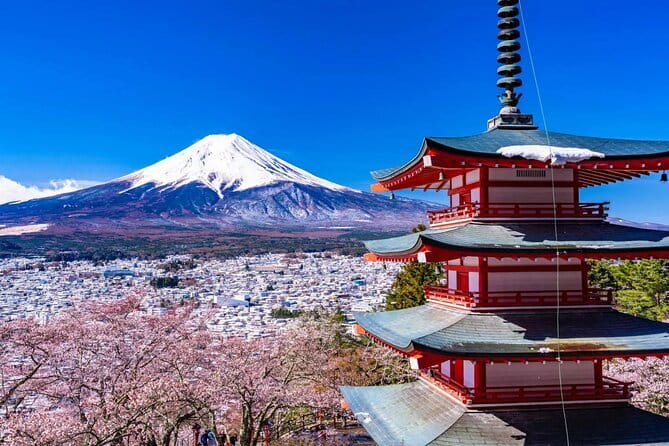
The tour spends about 90 minutes around Harajuku Station. This is where Tokyo’s younger, more colorful side enters the picture. The district is known for fashion, street culture, and an energetic feel that differs sharply from the palace grounds and Asakusa’s temple setting.
The tour does not promise a specific shopping route or a particular attraction in Harajuku, so keep your expectations broad. You will see the district and receive guidance from the tour leader, but this is not a specialist fashion tour.
I like having Harajuku in the middle of the day because it breaks up the temple and palace visits. Tokyo can otherwise seem too focused on monuments. Here, you get a look at the city as a place where people shop, meet, and express personal style.
Ninety minutes is enough for an introduction and some photographs. It is not enough for a full shopping session, so make a note of places you want to revisit later. The tour’s value is in showing you where Harajuku fits into Tokyo, not in giving you a complete survey of every street.
Meiji Jingu, a quieter Shinto pause
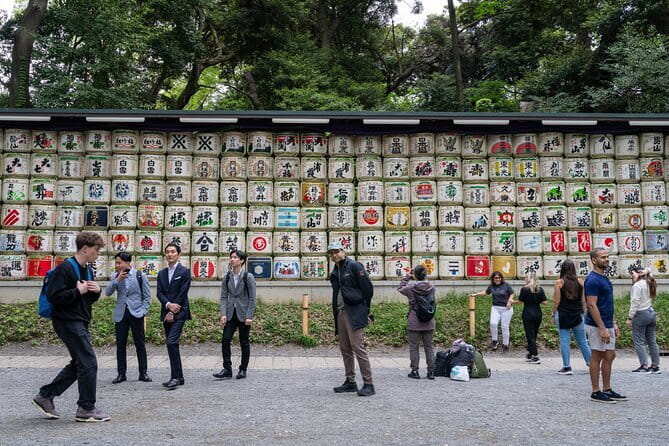
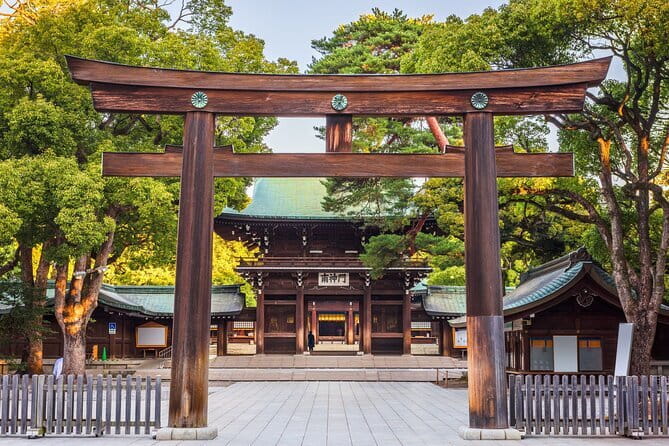
Meiji Jingu receives about 90 minutes and is described as Tokyo’s most famous Shinto shrine. Its place in this tour is important because it gives you a second religious tradition after Senso-ji.
The visit is not just another temple stop. Meiji Jingu represents Shinto practice, while Senso-ji represents Buddhism. A guide can explain the difference between the two and help you understand customs, beliefs, and respectful behavior. This cultural explanation was one of the most praised parts of the guiding on this experience.
The shrine also changes the rhythm of the day. After the commercial streets of Harajuku, Meiji Jingu offers a more reflective setting. You can focus on the approach, the shrine buildings, and the rituals rather than the noise of a shopping district.
The tour does not include a special ceremony or private access, so the visit is best understood as a guided introduction. Keep your questions ready. Guides such as Mary were praised for explaining Japanese customs and giving broader insight into Japanese people and culture. That kind of conversation can make this stop far more useful than simply walking through the grounds alone.
Finishing at Shibuya Crossing

The final stop is Shibuya Crossing, with about 30 minutes scheduled. The tour ends at Shibuya Station after you watch the crossing in action.
This is the most familiar modern image on the route. Large pedestrian movements, bright signs, and the surrounding commercial district create a fitting final scene after a day that began near the palace. You get the old and new sides of Tokyo without needing to plan separate visits.
Thirty minutes is enough for orientation and photographs, but it is not a full exploration of Shibuya. The guide will not be able to cover every department store, viewpoint, side street, or restaurant in the area. The benefit is that you finish in a district where you can continue on your own if you still have energy.
Ending at Shibuya Station is also practical. You are not returned to the starting point, so you avoid retracing the route. At the same time, you need to plan your evening from Shibuya rather than from the Imperial Palace area.
What the $99 price really buys you
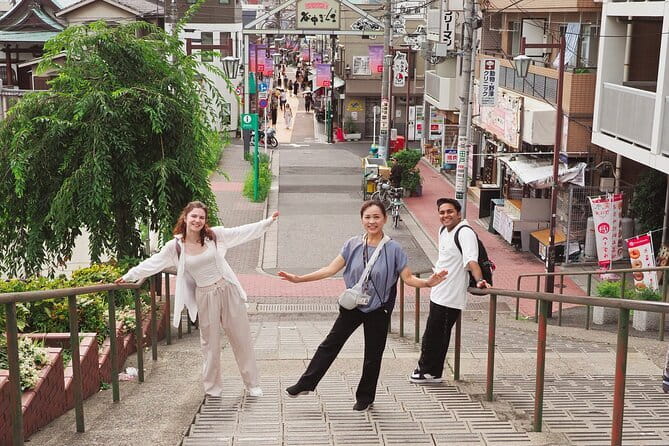
At $99 per person, the tour is not a bargain walking tour in the narrowest sense. The main stops do not charge an admission fee, and you could reach them independently using Tokyo’s public transportation system.
The value comes from the route, the explanations, and the time saved. You are paying to have the day organized, to avoid figuring out connections between far-flung districts, and to hear cultural context as you go. For a first day in Tokyo, that can be worth more than the price of several small transport mistakes and missed turns.
The tour also covers a lot. Seeing the Imperial Palace area, Asakusa, Harajuku, Meiji Jingu, and Shibuya independently would require planning and a good sense of timing. A guide keeps the day moving and helps you focus on the places themselves.
Still, you should not buy this as a slow, luxurious sightseeing day. All listed admissions are free, and the experience is built around walking rather than included transport or special entry. If you are comfortable navigating Tokyo, prefer long meals, or want to linger at each shrine, spending $99 on a guide may not be the best use of your budget.
The walking challenge is real
The most important practical warning is your fitness level. The tour description calls for moderate physical fitness and considerable walking. Tomas was specifically praised while one participant noted more than 20,000 steps, which gives you a useful sense of the day’s demands.
That distance may vary with the group and route, but you should prepare for a full day on your feet. Wear shoes you already trust. Avoid treating this as a day for new footwear, heavy bags, or a packed schedule afterward.
The walking is also part of the reward. You experience Tokyo at street level, moving through different districts rather than viewing the city from behind a bus window. Just know that the pace may feel tiring, especially in hot, wet, or crowded conditions.
The tour requires good weather. If poor weather causes cancellation, you are offered another date or a full refund. You can cancel for a full refund up to 24 hours before the 9:00 a.m. start time. Changes or cancellations inside that window are not accepted for a refund.
Who will get the most from this tour
I would choose this tour if you are visiting Tokyo for the first time and want a strong overview before exploring alone. It is also a good match if you enjoy asking questions, want help with cultural etiquette, or feel uneasy about connecting several distant districts in one day.
The route suits couples, friends, and solo visitors who like a social small-group setting. The guides receive especially warm praise for clear explanations and friendly service. Daniel was singled out for making the day fun while covering a large part of Tokyo, and Coral was praised for an engaging approach to history and culture.
I would hesitate if you have limited mobility, dislike long walks, or want an unhurried temple and shopping experience. The schedule is ambitious. It gives you breadth, not deep time at every stop.
Should you book the Tokyo Small Group Tour?
Book it if you want one organized day that explains Tokyo as well as shows it. The route is smart, the group size is manageable, and the guide adds value at places that can otherwise feel confusing or merely photogenic.
Skip it if you already know Tokyo, want to visit each district at your own speed, or cannot comfortably handle a day that may exceed 20,000 steps. For most first-time visitors who want a reliable introduction, $99 is a reasonable price for the navigation, cultural context, and wide range of sights.
FAQ
How long does the Tokyo Small Group Tour with Guide last?
The experience lasts approximately seven to eight hours. The scheduled start time is 9:00 a.m.
Where does the tour begin?
It begins at Starbucks Coffee at Kokyo Gaien Wadakura Fountain Park, 3-1 Kōkyogaien, Chiyoda City, Tokyo 100-0002, Japan.
Where does the tour end?
The tour ends at Shibuya Station, 2 Chome-24, Shibuya, Tokyo 150-0002, Japan, after visiting Shibuya Crossing.
What places are included?
The route includes the East Gardens of the Imperial Palace and Edo Castle ruins, Asakusa and Senso-ji Temple, Harajuku, Shibuya Crossing, and Meiji Jingu Shrine.
How many people can join the tour?
The maximum group size is 15 people.
Are admission tickets included?
The listed stops have free admission. The included service is a hand-picked expert tour guide.
How much walking should I expect?
The tour involves considerable walking and requires moderate physical fitness. Comfortable walking shoes are strongly recommended. One account of the experience recorded more than 20,000 steps.
Can I cancel for a full refund?
Yes. You can cancel at least 24 hours before the experience start time for a full refund. If poor weather cancels the tour, you are offered another date or a full refund.
Just added around Tokyo
- Tokyo 6hr Instagram Highlights Private Tour with Licensed Guide★ 5.0 · 38 reviews
- Tokyo Sumo Experience with Live Show & Audience Challenge★ 5.0 · 38 reviews
- Very popular in Harajuku♡Animal petting zoo★ 4.6 · 39 reviews
- Japanese Food Cooking Class in Asakusa, Tokyo★ 5.0 · 39 reviews
- Ramen Making from Scratch with Tokyo Mom(Vegan Option Available)★ 5.0 · 39 reviews
- Tokyo: Kimono Rental inside Shinjuku Gyoen National Garden★ 4.9 · 39 reviews
- Tokyo JDM Night: 600hp C63s AMG Edition 1 (Private)★ 4.9 · 39 reviews
- Asakusa: 3.5-hour Big-picture History Walk★ 4.7 · 39 reviews
Guided, compared.
Tokyo 6hr Private Tour with Government-Licensed Guide
Read our review →
Shinjuku Local Bar and Izakaya Guided Walking Tour
Read our review →
Private City Highlights Tour with Local Guide
Read our review →
Kyoto Early Morning Tour with English-Speaking Guide
Read our review →
Tokyo 4hr Private Tour with Government-Licensed Guide
Read our review →
Kyoto 6hr Private Tour with Government-Licensed Guide
Read our review →