
Reviewed · MUSEUMS
Tokyo: teamLab Planets TOKYO Digital Art Museum Entry Ticket
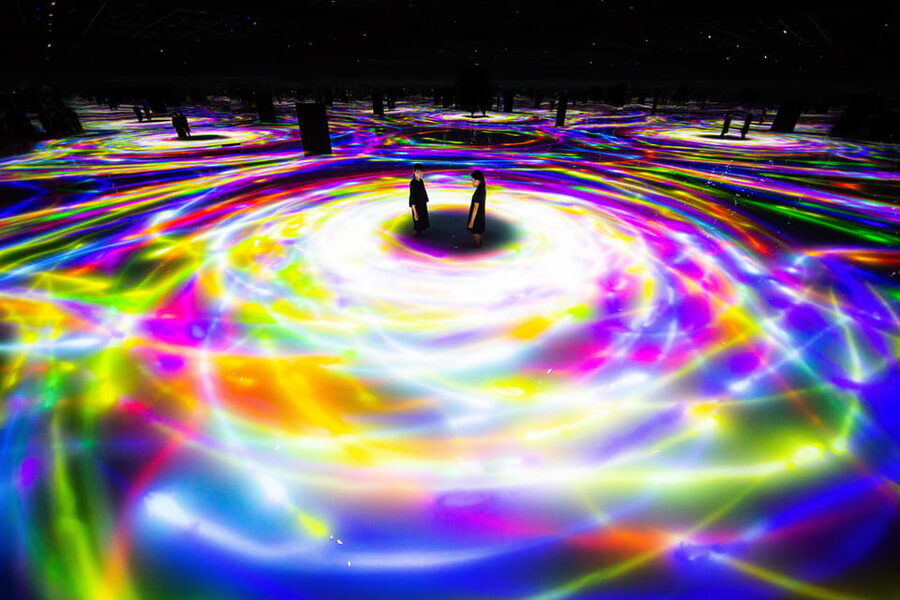
Tokyo art gets physical here. At teamLab Planets TOKYO, you walk barefoot through water, light, sound, flowers, and shifting digital images rather than simply looking at art from a safe distance. I love how your movement changes what you see, and I also like that the experience works for families, teenagers, couples, and people who normally skip museums. The main catch is that some rooms involve water, reflective floors, darkness, or intense light, so this is not a comfortable outing for everyone.
The ticket costs about $25 per person, which I consider fair if you give the museum at least two hours and take your time. The exhibition covers more than 10,000 square meters, but the flow of people is managed carefully. You still need to book ahead, arrive at the correct time, and accept that this is a ticketed attraction rather than a quiet gallery visit.
In This Review
- Key points to know before you book
- Why teamLab Planets feels different from a normal museum
- The opening rooms: leave your shoes and your usual museum habits behind
- The Water Gallery: the most talked-about part of the visit
- Falling flowers and Flower Universe: slow down and look upward
- The garden and orchid rooms: beauty with a little movement
- How the route works, and why timing matters
- The practical value of a $25 ticket
- Who should skip teamLab Planets
- What to bring and what to wear
- Should you book teamLab Planets TOKYO?
- FAQ
- How much does entry to teamLab Planets TOKYO cost?
- Is the ticket valid for a full day?
- Can I buy a ticket on the same day?
- What do I need to show when I arrive?
- Do I need to bring the official voucher?
- Do I have to walk through water?
- Are children allowed inside?
- Is teamLab Planets suitable for wheelchair users or people with epilepsy?
Key points to know before you book
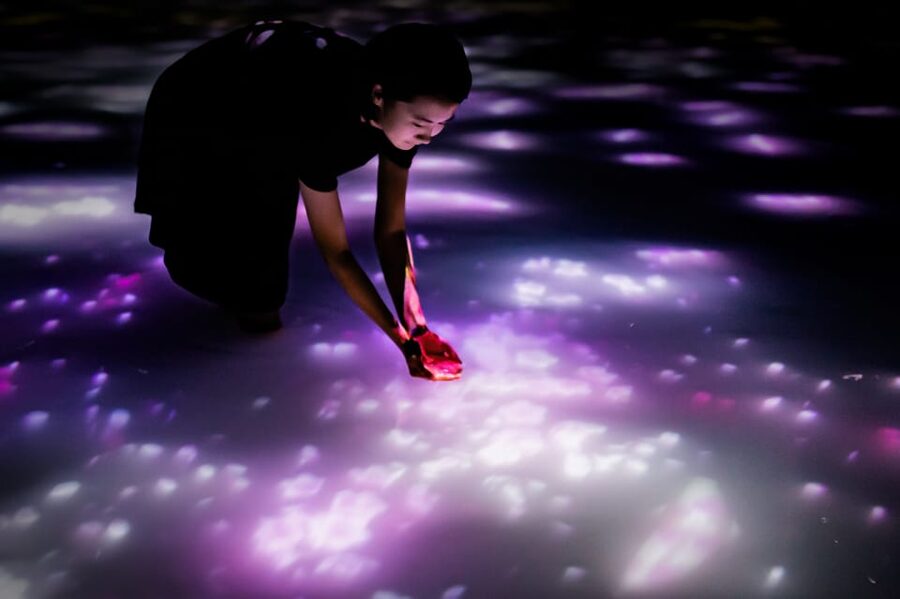
- Bare feet are part of the experience: You remove your shoes before entering, and some rooms use water that can reach your knees.
- Your body affects the artwork: Digital flowers, fish, lights, and other images respond to where you walk and how you move.
- The Water Gallery is a major highlight: The water rooms combine physical sensation with changing digital projections.
- Wear practical trousers: Choose pants that roll above the knee, or be ready to use the clothing option provided for the water areas.
- Reserve your time in advance: Same-day admission cannot be purchased, and late arrival can mean losing your ticket.
- Plan for roughly two hours: The ticket is valid for one day, but the actual visit depends on your pace and how long you spend in each room.
Why teamLab Planets feels different from a normal museum
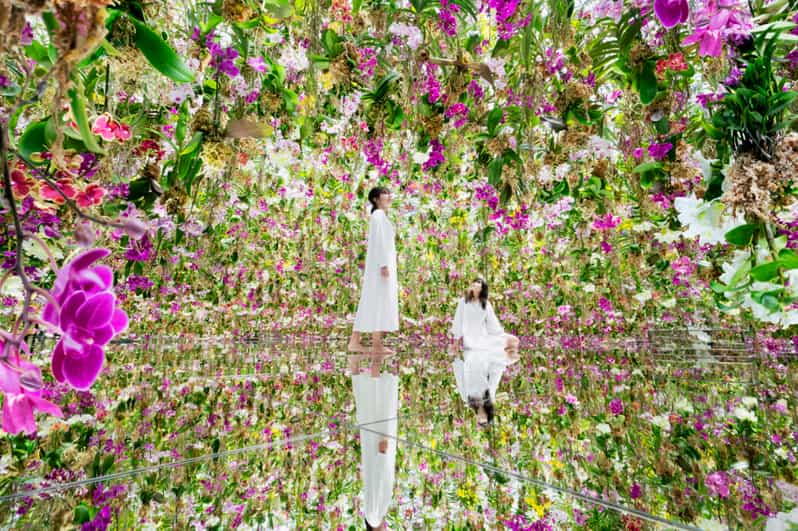
Many digital art shows put you in front of a large screen. teamLab Planets asks you to become part of the picture. You walk into the projection, sit or lie down in some spaces, and watch the artwork shift around your body.
That idea sounds simple, but it changes your behavior. Instead of marching from label to label, you slow down. You watch a projected flower break apart when you approach it. You notice reflections, sound, water, and the movement of other people. I found this more playful than a traditional museum, but it can also become surprisingly thoughtful.
The five senses are involved in different ways. Your eyes get the strongest workout, with intense color, moving images, mirrors, and changing light. Your feet feel water and different floor surfaces. Sound fills several rooms, while the pace of the visit encourages you to pause and observe rather than rush.
You should not expect detailed explanations beside every work. The point is less about learning the biography of an artist and more about noticing how your body changes the scene. If you like art that asks you to participate, this is a strong choice. If you want quiet rooms and long written explanations, you may find it less satisfying.
More Museum Visits in Tokyo
- Tokyo: Samurai Ninja Museum Guided tour and Experience
★ 4.6 · 1,010 reviews - Ninja Experience (Family Friendly) at Samurai Ninja Museum TOKYO
★ 5.0 · 441 reviews - Tokyo Studio Ghibli Museum and Ghibli Film Appreciation Tour
★ 4.5 · 421 reviews
The opening rooms: leave your shoes and your usual museum habits behind
The visit begins with practical preparation. You enter barefoot, place small belongings in lockers, and follow the route into the exhibition. Lockers are available for small items, which is useful because carrying a bag through water and reflective rooms would quickly become annoying.
The barefoot rule matters more than it may sound. You are not just removing shoes for comfort. Water forms part of the art, and some floors reflect the projections around you. Wear trousers that roll easily above the knee. A long skirt, stiff jeans, or anything you cannot lift comfortably will make the wet sections harder.
The first rooms set the tone. You are moving through an environment where the walls, floor, and ceiling can seem to connect. The artwork does not stay in one frame, and your view changes as you walk. This is also where you begin to notice that the museum is not designed for a quick photo stop.
Take a moment to get used to the dark and the changing light. If you move too fast, you may see the room but miss the way the image responds to your position. I recommend putting your phone away for the first few minutes. You can take pictures later, but the best part is often the sensation of being present inside the work.
The Water Gallery: the most talked-about part of the visit
The water rooms are the signature feature. You walk through shallow water while projections move across the surface and surrounding walls. Water levels can rise to about knee height, so the right clothing is essential.
This section is more than a clever photo opportunity. The water changes your balance and pace. You cannot stride through it as casually as a dry gallery, and that physical change makes the projected images feel more immediate. Digital fish and other moving forms can appear around you, creating a strange meeting point between a real material and computer-generated images.
I would allow extra time here. The Water Gallery is frequently described as the high point of the visit, and I understand why. It combines touch, sound, movement, and light in a way that a screen at home cannot copy.
The water can also be a drawback. If you dislike wet feet, have difficulty standing or walking, or simply do not want to manage rolled-up trousers, this part may feel like work rather than art. Staff can provide short pants according to the information supplied, but arriving in suitable clothing is still the easiest plan.
Keep your footing in mind and follow the staff’s directions. The route is designed to control movement through the rooms, and you may need to wait briefly while the next area clears. That organization helps prevent the exhibition from feeling chaotic, even when many people have booked the same time.
Falling flowers and Flower Universe: slow down and look upward
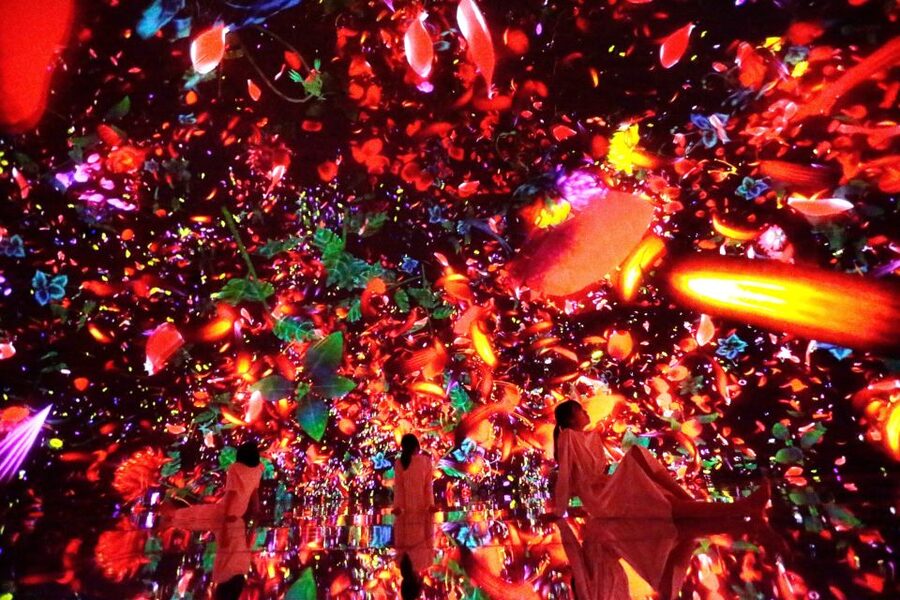
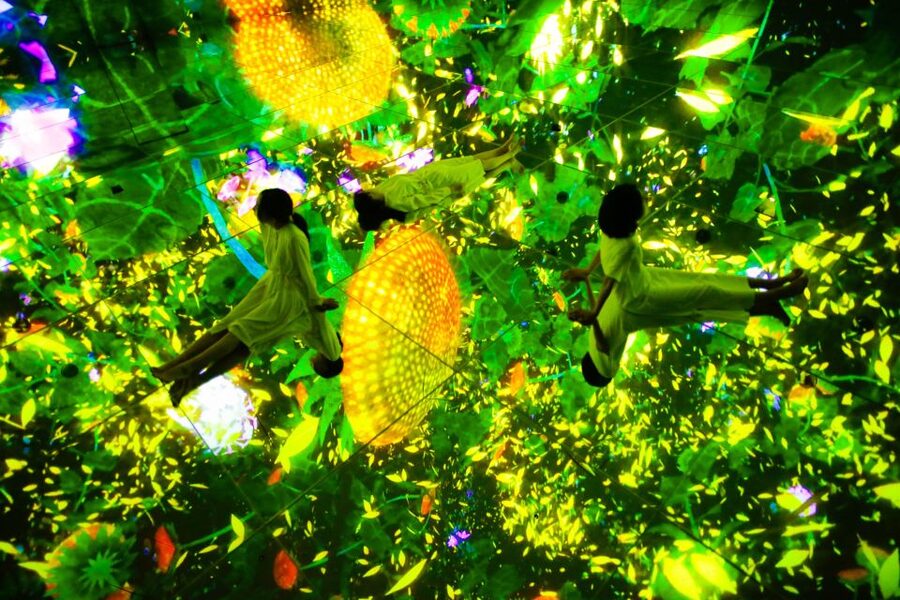
The flower installations are among the most memorable sections. Digital blooms appear to fall, grow, shift, or gather around you. In one room, you can lie down and watch what feels like a huge field of flowers moving toward your face.
This is where the exhibition becomes calm rather than merely flashy. The falling flowers reward stillness. If you stand in the middle and stare for a few seconds, the room can feel much larger than it really is. If you keep walking while taking pictures, you may miss the main effect.
The Flower Universe section also shows how teamLab uses repetition. A single flower is not the point. It is the changing mass of flowers, combined with sound and reflections, that creates the feeling of being surrounded.
You may want to visit this area twice, once without your phone and once with it. That is not always possible, since the route moves forward and entry times are controlled, but it is worth resisting the urge to photograph everything immediately. Several people have found themselves wishing for a second visit after realizing how much there was to notice.
A completely different kind of day out in Tokyo:
- Mt Fuji and Hakone 1-Day Bus Tour Return by Bullet Train
★ 5.0 · 26,383 reviews - 1-Day Tokyo Bus Tour
★ 5.0 · 14,250 reviews - Tokyo: TOKYO SKYTREE® Admission ticket
★ 4.5 · 11,192 reviews - Mt Fuji & Hakone Cruise, Drum Show Bullet Train 1 Day from Tokyo
★ 4.0 · 7,413 reviews
The garden and orchid rooms: beauty with a little movement
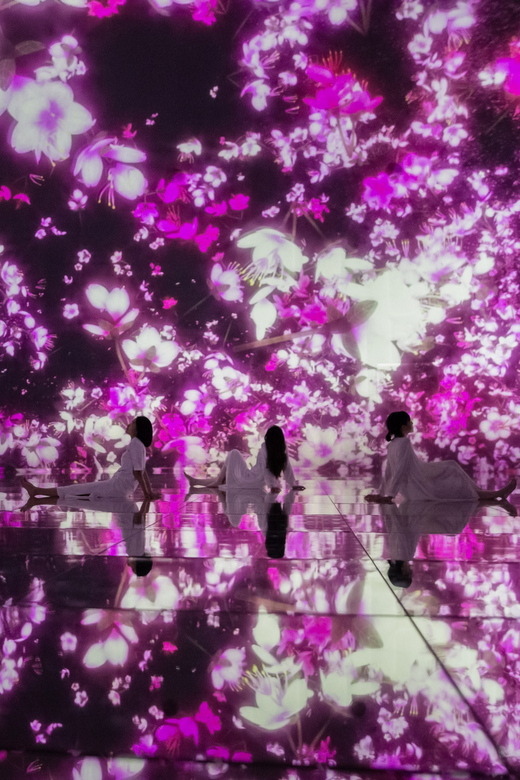
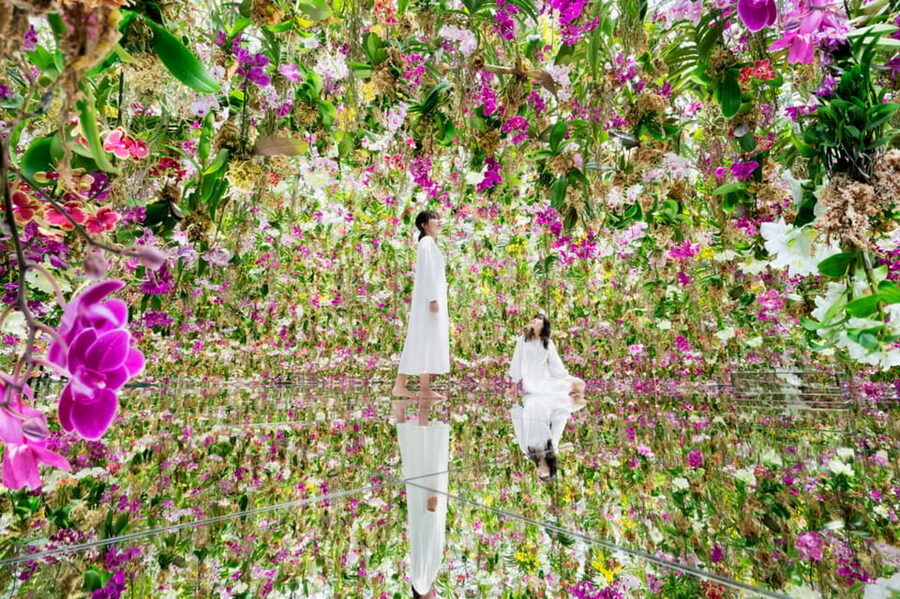
The garden areas bring a different mood. Orchids and other flower imagery create a softer setting than the water rooms, but the installation still changes as you move through it. The flowers appear to respond to your presence, making your position part of the composition.
I especially like this kind of room for visitors who are less interested in loud spectacle. The garden offers time to watch small changes. It also makes a good contrast with the water sections, which demand more attention to where you place your feet.
The orchid room is a frequent favorite, and it is easy to see why. The flowers feel delicate, but the technology gives them a strange life of their own. You may find yourself waiting for the right arrangement of light and petals before moving on.
Some sections use mirrors or reflective materials on the floor. That can create beautiful effects, but it also affects what you wear. Choose clothing you are comfortable seeing reflected from different angles. The museum’s practical clothing advice is not just a minor note. It can shape how relaxed you feel throughout the visit.
How the route works, and why timing matters
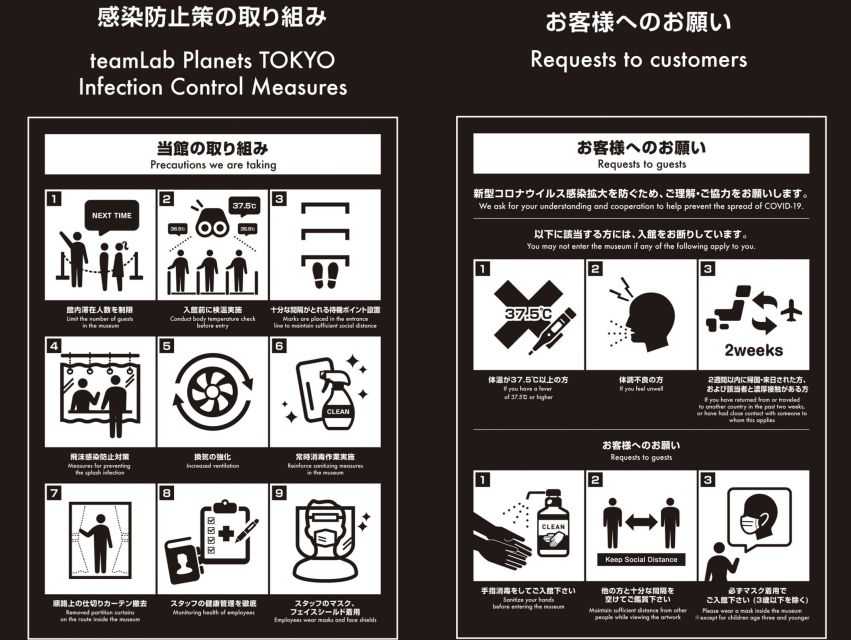
Your ticket has a selected entry time. You can enter only during the first 30 minutes after that time, and there are no refunds for arriving late. Build in enough time to find the meeting point, especially since the exact meeting information can vary by booking option.
Do not assume you can decide to go at the last minute. Same-day ticket purchases are not available, and the activity is non-refundable. In plain terms, book only after checking your Tokyo schedule carefully.
The museum is open for a one-day ticket period, but your selected starting time controls admission. Once inside, expect a series of connected rooms rather than a guided tour with a fixed script. You set your own pace, although the staff direct the flow when needed.
A morning or early time slot may suit you if you want a less hectic visit. Busy periods can make some rooms feel more active, particularly when many people are taking pictures. Staff do a good job managing the movement, but this is still a popular attraction, not a private art appointment.
Directions inside are mostly easy to follow, though the route can feel unclear in places. Pay attention to staff and do not assume every room has an obvious exit. If you are visiting with children, keep track of them closely in dark rooms and around water.
The practical value of a $25 ticket
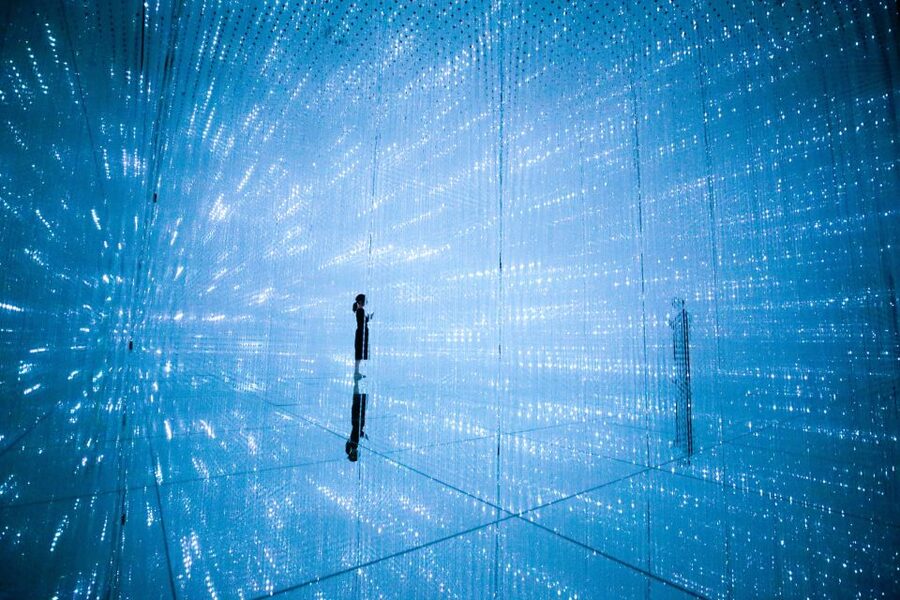
At roughly $25, this is not a cheap museum stop, but it offers more than a quick display of digital images. You are paying for a large, changing environment that uses physical space, water, sound, light, mirrors, and your own movement.
I think the price works best when you treat teamLab Planets as a main Tokyo activity rather than something to squeeze between two train stops. Give yourself about two hours, and you will have time to watch the rooms instead of rushing through them.
The value is also high for families. Teenagers may find the interactive design more inviting than a standard art museum, and adults often discover that the experience is not just for children. A family with teenagers can enjoy the rooms together without needing to agree on a favorite painter or historical period.
Solo visitors can enjoy it too, though a few activities may feel slightly awkward alone. Some rooms naturally encourage you to lie down, pause, or pose, and you may feel more self-conscious without a companion. Couples and small groups may find it easier to share the visual surprises.
The ticket includes admission only. Transportation is not included, so you need to arrange your own route to the museum. Food, drinks, and smoking are not permitted inside. You may find a cafe nearby or associated with the site, but I would not make refreshments a central part of your plan.
Who should skip teamLab Planets
This is not a suitable choice for everyone. People with epilepsy, heart problems, or strong light sensitivity should avoid it. Some areas are not accessible by wheelchair, and the experience is not recommended for wheelchair users.
The water and uneven sensory conditions can be difficult for anyone with limited mobility. If you need a fully dry, bright, predictable route, choose another museum.
Children younger than 13 must be accompanied by an adult. Unaccompanied minors are not allowed. The attraction also does not permit intoxicated visitors, which is sensible given the water, darkness, and moving crowds.
For everyone else, think about your tolerance for shared spaces. The staff control the flow well, but some visitors can be noisy, and that can weaken the quiet mood in the slower rooms. Visit at a less busy time if atmosphere matters to you.
What to bring and what to wear

Bring your passport or another ID card. Staff may ask for proof of age or school affiliation, so do not leave identification in your hotel room.
Wear trousers that roll above the knee. Quick-drying clothing is a sensible choice, though no special equipment is listed as required. You enter barefoot, and small personal items can go into lockers.
Keep your phone protected and easy to store. You will probably want photographs, especially in the flower and garden rooms, but do not let photography dictate the entire visit. Some rooms are far more impressive when you watch the movement with your own eyes.
Check your voucher before leaving for the attraction. An official voucher is emailed to you and must be used for entry. Since the activity is non-refundable, confirm the date, time, and destination before setting out. There are two teamLab locations in Tokyo, so check the name carefully and do not rely on memory alone.
Should you book teamLab Planets TOKYO?
I would book it if you want participatory art, memorable photographs, and a break from ordinary sightseeing. The water rooms, falling flowers, orchids, and responsive projections give you several different moods rather than one long screen show. The experience is especially good for families with teenagers, couples, and adults who enjoy trying something unusual.
I would hesitate if you dislike barefoot spaces, bright lights, water, or crowds. I would also skip it if mobility, epilepsy, heart problems, or light sensitivity are concerns.
For most suitable visitors, the $25 price is good value. Book a time that fits your day, arrive early enough to find the entrance, wear roll-up trousers, and leave your schedule open for at least two hours. The less you rush, the more teamLab Planets becomes an art experience rather than a checklist attraction.
FAQ
How much does entry to teamLab Planets TOKYO cost?
The listed price is about $25 per person. The ticket includes entrance to the exhibition, but transportation is not included.
Is the ticket valid for a full day?
The activity is valid for one day, but you must enter during the first 30 minutes after your selected entry time.
Can I buy a ticket on the same day?
No. Same-day admission tickets cannot be purchased, so you need to arrange your ticket in advance.
What do I need to show when I arrive?
Bring your passport or another ID card. Staff may ask for identification to confirm your age or school affiliation.
Do I need to bring the official voucher?
Yes. An official voucher is emailed to you, and you must use it to enter the facility.
Do I have to walk through water?
Some areas include water, and the level can rise to about knee height. Wear trousers that roll above your knees. Short pants may also be available at the venue.
Are children allowed inside?
Children younger than 13 must be accompanied by an adult. Unaccompanied minors are not permitted.
Is teamLab Planets suitable for wheelchair users or people with epilepsy?
No. Some areas are not accessible by wheelchair, and the experience is not suitable for wheelchair users or people with epilepsy. It is also not recommended for people with light sensitivity or heart problems.
Just added around Tokyo
- Tokyo 6hr Instagram Highlights Private Tour with Licensed Guide★ 5.0 · 38 reviews
- Tokyo Small Group Tour with Guide★ 4.5 · 38 reviews
- Tokyo Sumo Experience with Live Show & Audience Challenge★ 5.0 · 38 reviews
- Japanese Food Cooking Class in Asakusa, Tokyo★ 5.0 · 39 reviews
- Very popular in Harajuku♡Animal petting zoo★ 4.6 · 39 reviews
- Ramen Making from Scratch with Tokyo Mom(Vegan Option Available)★ 5.0 · 39 reviews
- Tokyo JDM Night: 600hp C63s AMG Edition 1 (Private)★ 4.9 · 39 reviews
- Tokyo: Kimono Rental inside Shinjuku Gyoen National Garden★ 4.9 · 39 reviews
Museums, compared.
Samurai Ninja Museum Guided tour and Experience
Read our review →
Tea Museum Tickets and Matcha Grinding Experience
Read our review →
Skip the lines Basic Ticket at SAMURAI NINJA MUSEUM KYOTO
Read our review →
Ninja Experience (Family Friendly) at Samurai Ninja Museum TOKYO
Read our review →
Tokyo Studio Ghibli Museum and Ghibli Film Appreciation Tour
Read our review →
Geiko Maiko Dance of Kyoto & Visits of Gion Museum
Read our review →
Tokyo Sword Experience – includes Museum Ticket/Ninja Experience
Read our review →Browse the lists this tour appears in