
Reviewed · RAMEN & NOODLE TOURS
Ramen Making from Scratch with Tokyo Mom(Vegan Option Available)
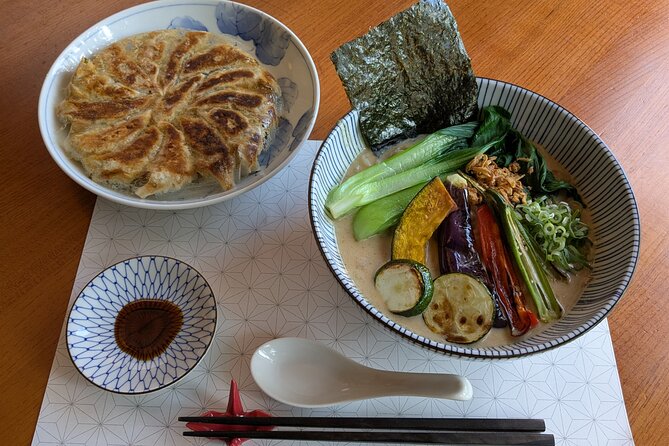
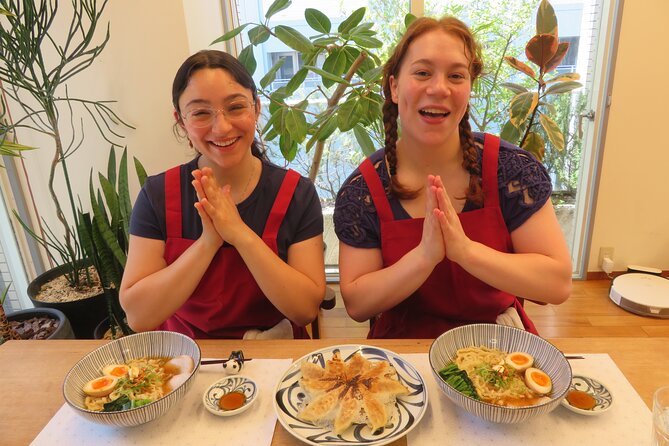
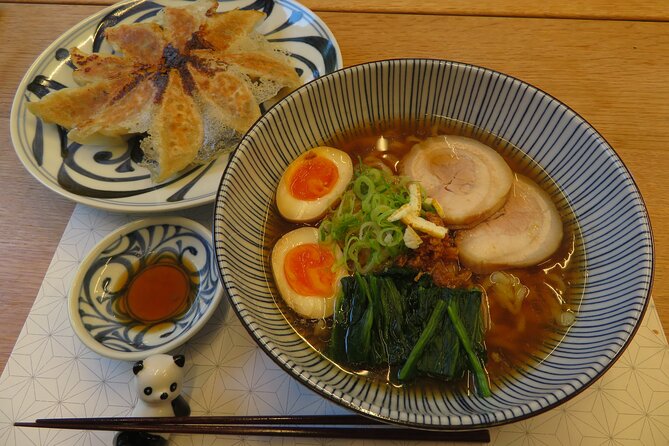
Ramen tastes better when you make the noodles. This friendly Tokyo cooking class puts you beside Aki, a Japanese mother and former backpacker who teaches ramen and gyoza in her home kitchen near Shinjuku Gyoenmae Station. I like the small group size of six and the fact that you work with fresh ingredients instead of MSG or artificial flavorings. You knead, cut, season, fold, and cook, rather than simply watching a demonstration.
I also like the warm family feel. Aki and her assistant Kanna have been praised for their patience, clear English, and ability to make children feel comfortable. The main consideration is dietary planning: vegan, vegetarian, halal, and allergy requests may be possible, but you need to mention them when booking, and not every request can be guaranteed. The standard broth uses chicken and pork.
In This Review
- Key points at a glance
- A home kitchen five minutes from Shinjuku Gyoenmae
- Kneading ramen dough from scratch
- Building broth with Japanese umami
- Folding gyoza beside your ramen
- Why Aki’s teaching style matters
- The value of a $120 cooking class
- Fitting the class into a Shinjuku day
- Vegan, vegetarian, halal, and allergy planning
- What to bring and what you take home
- Who will enjoy this most
- Booking, cancellation, and final practical advice
- Should you book Tokyo Mom’s ramen class?
- FAQ
- How long does the ramen and gyoza class last?
- Where does the class meet?
- What food will I make?
- Is a vegan option available?
- Does the standard ramen contain meat?
- What is included in the price?
Key points at a glance
- Make noodles by hand: Knead the dough and cut the ramen noodles yourself, even using a knife.
- Cook ramen and gyoza: This is a full meal-making session, not just a short tasting.
- Learn natural umami: Use ingredients such as kombu, katsuobushi, and shiitake mushrooms to build flavor.
- Stay near Shinjuku: The kitchen is about a five-minute walk from Shinjuku Gyoenmae Station.
- Enjoy a personal class: The maximum group size is six, so Aki can give practical help at the counter.
- Take the lesson home: A digital PDF recipe sheet helps you repeat the dishes after your trip.
A home kitchen five minutes from Shinjuku Gyoenmae
The class takes place on the top floor of a kitchen near Shinjuku Gyoenmae Station. It is described as a bright, spacious room with natural light and a gentle breeze, a pleasant change from the tight quarters of many central Tokyo cooking spaces.
You meet directly at Bridal Unison, 1-chome-24-7 Shinjuku, in Shinjuku City. Transportation is not included, so you need to make your own way there. The useful part is the location: after class, you can walk to Shinjuku Gyoen Park or continue toward Shinjuku’s shops, restaurants, and entertainment areas.
I would allow a little extra time to find the building, especially if you are carrying luggage or arriving after a long train ride. The meeting information gives a specific address, but this is not a hotel pickup activity. You go to the kitchen on your own and finish at the same place.
More Ramen Tours in Tokyo
- Eat and Drink Like a Local: Tokyo Ueno Food Tour-Taverns&Ramen
★ 5.0 · 957 reviews - Ramen & Gyoza Cooking Class in Tokyo with Local Supermarket Visit
★ 5.0 · 823 reviews - Tokyo: Ramen Tasting Tour with 6 Mini Bowls of Ramen
★ 4.9 · 432 reviews
Kneading ramen dough from scratch
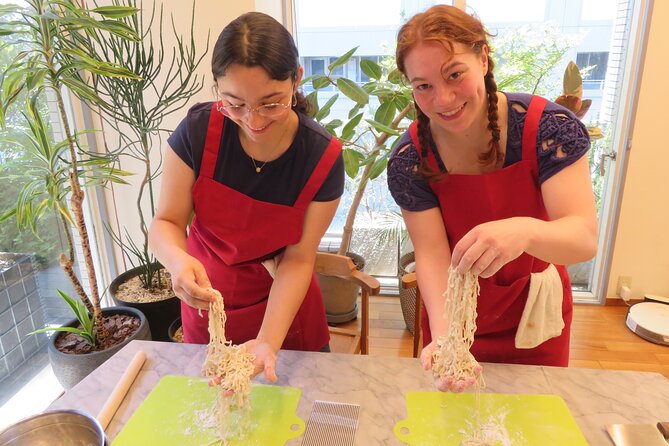
The class begins with the part many people do not see when ordering ramen: making the noodles. Aki guides you through the dough, texture, and cutting process. The work is hands-on, so you get a better sense of how noodle thickness affects the final bowl.
This is not the kind of class where every noodle comes out identical. That is part of its charm. You may cut some noodles thinner than others, and that small variation makes the meal feel handmade. One participant was especially proud of thin, even noodle-cutting, while another appreciated that the class improved their ability to prepare ramen at home.
The lesson is useful because ramen noodles can seem mysterious when served in a restaurant. Here, you learn that texture begins before the noodles meet the broth. The instruction is practical rather than showy, and the finished meal gives you an immediate reward for the work.
Families should find this part manageable, though younger children may need help with kneading and cutting. Aki has been praised for her patience with children, including a family who joined just before heading to the airport. Still, sharp tools and hot cooking equipment mean adults should stay involved.
Building broth with Japanese umami
The broth is the heart of the session. You learn how to balance flavor with natural ingredients, including kombu kelp, katsuobushi bonito flakes, and shiitake mushrooms. These ingredients bring savory depth without relying on MSG or artificial flavorings.
The standard preparation uses chicken and pork for a full, satisfying broth. That matters if you want to understand the flavor of a traditional meat-based ramen, but it also creates the class’s main limitation. A vegan or vegetarian version needs to be requested ahead of time, and the host notes that some dietary needs may not be possible to accommodate.
A family with different food preferences was able to have one meat ramen and one vegetarian ramen, which suggests that Aki can adjust the meal in some cases. You should still treat this as a request, not an automatic guarantee. Put allergies and dietary rules in your booking message, then confirm them if the issue is serious.
The value here is not only the final bowl. Aki explains how ingredients work together, giving you a method you can use in your own kitchen. You learn to think about savory flavor as a balance of ingredients, not as a packet of instant seasoning.
Folding gyoza beside your ramen
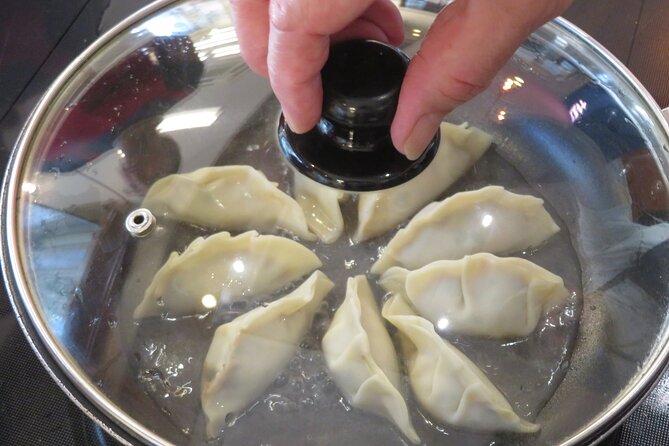
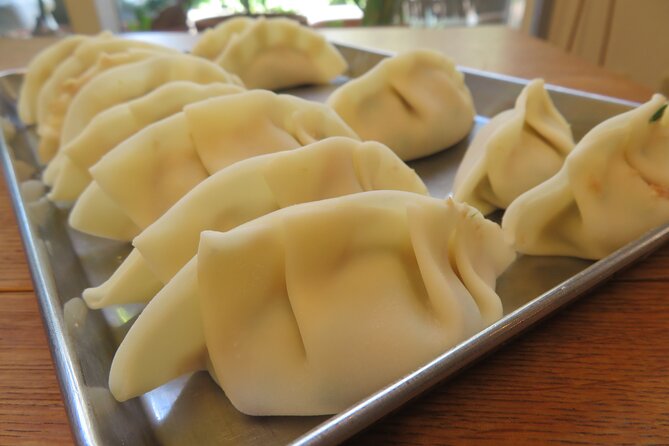
The gyoza portion adds a second skill and keeps the class from becoming only a noodle lesson. You prepare the filling, assemble the dumplings, and cook them as part of the meal.
Gyoza rewards patience. The wrappers must be filled without overloading them, and the edges need to be sealed properly. Aki walks you through the steps, making this suitable for beginners who have never folded dumplings before.
The combination works well. Ramen teaches dough, noodles, and broth. Gyoza adds shaping and filling. You get two dishes that are familiar in Japan but useful to recreate at home, especially if you want a meal that feels more special than a quick bowl of noodles.
The class is designed around making and eating your food, so expect the cooking to take most of the two to two-and-a-half-hour session. This is not a rushed stop between sightseeing attractions. Give yourself enough time to enjoy the meal and ask questions.
A completely different kind of day out in Tokyo:
- Mt Fuji and Hakone 1-Day Bus Tour Return by Bullet Train
★ 5.0 · 26,383 reviews - 1-Day Tokyo Bus Tour
★ 5.0 · 14,250 reviews - Tokyo: TOKYO SKYTREE® Admission ticket
★ 4.5 · 11,192 reviews - Tokyo: teamLab Planets TOKYO Digital Art Museum Entry Ticket
★ 4.6 · 9,779 reviews
Why Aki’s teaching style matters
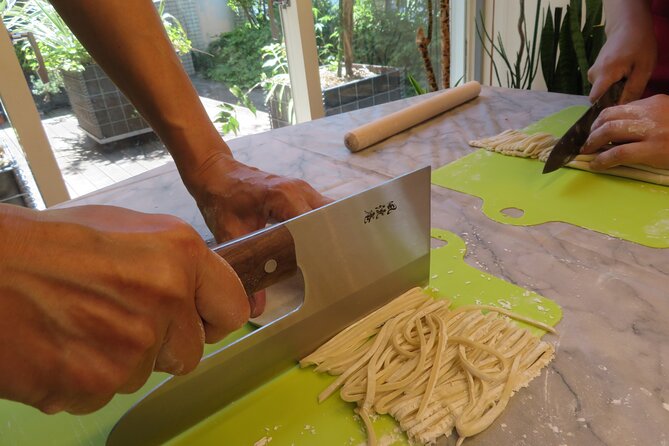
Aki presents herself as a Tokyo mom, and that description fits the tone promised by the class. The focus is on cooking together in a relaxed setting, not on a formal culinary performance.
English instruction is included, and the praise for Aki centers on patience, kindness, and clear explanations. Kanna also helps host the class. That personal approach is especially useful when a group includes children, different cooking abilities, or people who feel unsure in a kitchen.
I like the fact that the class keeps the group to a maximum of six. A small class gives you a better chance to receive help with noodle cutting, broth seasoning, or gyoza folding. It also makes the cooking feel more like a shared meal than a large workshop.
The family atmosphere may not suit someone seeking an advanced professional cooking course. You are there to learn useful home techniques and enjoy time with your hosts. The tone is relaxed and welcoming, not strict or competition-focused.
The value of a $120 cooking class
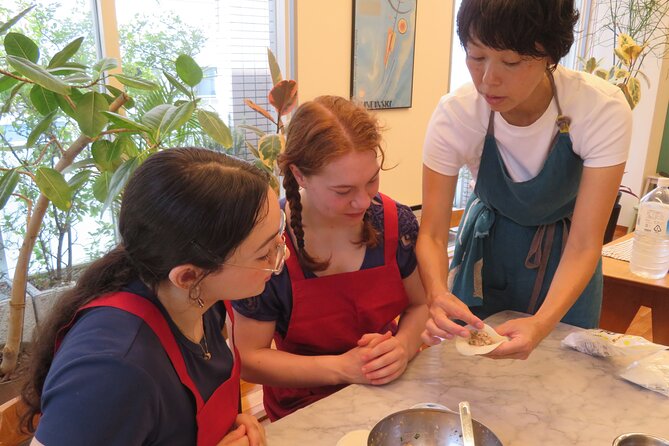
At $120 per person, this is not the cheapest ramen meal in Tokyo. You can eat ramen for far less at a station shop or neighborhood restaurant. The price makes more sense when you count the ingredients, the full hands-on instruction, the gyoza, kitchen tools, apron rental, English-speaking host, and digital recipe sheet.
You are paying for participation rather than just food. You make the noodles and broth, learn how to use Japanese umami ingredients, and leave with recipes you can try at home. For someone who wants a lasting activity, that is stronger value than another restaurant meal.
The class also fills about two and a half hours, which gives it weight in your sightseeing schedule. It works well on a rainy day, when an outdoor plan may be less appealing. It can also be a good final Tokyo activity because the session is close to Shinjuku and does not require a long trip across the city.
I would not book it if your main goal is simply to eat excellent ramen at the lowest price. I would consider it worthwhile if you enjoy food, want contact with a local host, or would like a skill you can take home.
Fitting the class into a Shinjuku day
The location makes planning simple. You could visit Shinjuku Gyoen Park before class, then walk to the kitchen. Or you could schedule the cooking session first and spend the afternoon in Shinjuku afterward.
Because the activity ends back at the meeting point, you do not need to arrange a return transfer. You should still plan your onward route, since private transportation is not included. The class is near public transportation, but the host does not collect you from your hotel.
The timing also matters for families. A 2 to 2.5-hour activity is long enough to feel worthwhile but short enough to fit into a day of sightseeing. One family even joined on the last day of a Japan trip before going to the airport. I would copy that plan only if your flight schedule leaves a generous buffer. Cooking times can be predictable, but airport days are not the place for a tight connection.
Vegan, vegetarian, halal, and allergy planning
The title notes a vegan option, but the details call for care. The usual ramen broth uses chicken and pork, and the class may also use bonito flakes, which are made from fish. Kombu and shiitake mushrooms help create plant-based umami, but you need to request the appropriate ingredients in advance.
If you are vegan, vegetarian, halal, or managing an allergy, state exactly what you cannot eat when booking. Do not assume that removing meat from the standard recipe is enough. Aki will try to adjust the ingredients, but the host clearly warns that every request may not be possible.
This is one area where the class is flexible but not fully specialized. It can suit mixed families, since different versions have been prepared for different dietary needs. For a severe allergy or strict religious diet, get confirmation before committing to the booking.
What to bring and what you take home
The kitchen provides the ingredients, tools, and apron rental. You do not need to pack cooking equipment. Wear comfortable clothing that you do not mind wearing in a kitchen, though no special outfit is listed as required.
The most useful takeaway is the digital PDF recipe sheet. You can use it to repeat the ramen and gyoza after returning home, though ingredients may need to be adapted to what is available locally.
You also take away a better feel for noodle texture, broth balance, and dumpling assembly. Those are practical skills. Even if your first noodle cuts are uneven, you will understand more about the work behind a bowl of ramen.
Who will enjoy this most
I would recommend this class to:
- Families looking for a shared activity in Tokyo
- Couples who prefer cooking to another restaurant meal
- First-time cooks who want clear, guided instruction
- Food lovers interested in Japanese umami
- Visitors with a rainy afternoon near Shinjuku
- Anyone who wants a recipe they can repeat at home
It is less suitable for someone who dislikes hands-on work, needs a guaranteed specialized diet, or wants an advanced chef-led course. The session is friendly and practical, but it still involves kneading, cutting, folding, seasoning, and waiting for food to cook.
The maximum of six people is a real advantage for beginners. You are not lost in a crowd, and Aki can help when your dough or dumplings need correction.
Booking, cancellation, and final practical advice
The price is $120 per person, and the activity has a mobile ticket. Confirmation is normally sent at booking, though reservations made within two days of the date may take up to 48 hours and depend on availability.
You can cancel for a full refund up to 24 hours before the start time. Cancellations or changes made inside that window are not refunded or accepted. I would book early if you need a dietary adjustment, since the host needs time to plan ingredients.
Should you book Tokyo Mom’s ramen class?
Book it if you want more than a bowl of noodles. Aki’s class gives you a warm local welcome, a small group, two Japanese dishes, and useful techniques that do not end when your Tokyo trip does. The strongest reasons to choose it are the personal teaching, the natural broth ingredients, and the chance to make noodles by hand.
Skip it if you want a quick, inexpensive meal or need a diet that cannot be confirmed in advance. For everyone else, the $120 price is fair for a two-and-a-half-hour cooking session near Shinjuku, especially when you value the lesson as much as the lunch.
FAQ
How long does the ramen and gyoza class last?
The session lasts approximately two to two and a half hours.
Where does the class meet?
You meet at Bridal Unison, 1-chome-24-7 Shinjuku, Shinjuku City, Tokyo 160-0022, Japan. The kitchen is about a five-minute walk from Shinjuku Gyoenmae Station.
What food will I make?
You will make ramen from scratch, including the noodles and broth, as well as handmade gyoza.
Is a vegan option available?
A vegan option may be available if requested when booking. Vegetarian, halal, and allergy needs should also be stated in advance, but not every request can be accommodated.
Does the standard ramen contain meat?
Yes. The standard broth uses chicken and pork. It may also include Japanese umami ingredients such as katsuobushi, kombu, and shiitake mushrooms.
What is included in the price?
The price includes all ramen and gyoza ingredients, use of kitchen tools, apron rental, a digital PDF recipe sheet, and an English-speaking Japanese host. Private transportation is not included.
More Vegan & Vegetarian
- Vegan Friendly Sushi & Okonomiyaki Shibuya Night Foodie Tour
★ 5.0 · 124 reviews - Ramen & Dumpling Cooking in Tokyo with Chef/Vegan possible
★ 5.0 · 107 reviews - Vegan/Vegetarian Ramen and Gyoza by Bentoya cooking
★ 5.0 · 59 reviews
Just added around Tokyo
- Tokyo 6hr Instagram Highlights Private Tour with Licensed Guide★ 5.0 · 38 reviews
- Tokyo Small Group Tour with Guide★ 4.5 · 38 reviews
- Tokyo Sumo Experience with Live Show & Audience Challenge★ 5.0 · 38 reviews
- Japanese Food Cooking Class in Asakusa, Tokyo★ 5.0 · 39 reviews
- Very popular in Harajuku♡Animal petting zoo★ 4.6 · 39 reviews
- Tokyo JDM Night: 600hp C63s AMG Edition 1 (Private)★ 4.9 · 39 reviews
- Tokyo: Kimono Rental inside Shinjuku Gyoen National Garden★ 4.9 · 39 reviews
- Asakusa: 3.5-hour Big-picture History Walk★ 4.7 · 39 reviews
Ramen & Noodle Tours, compared.
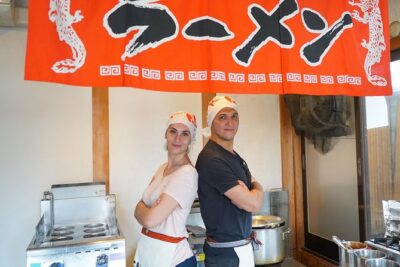
Ramen Cooking Class at Ramen Factory in Kyoto
Read our review →
Eat and Drink Like a Local: Tokyo Ueno Food Tour-Taverns&Ramen
Read our review →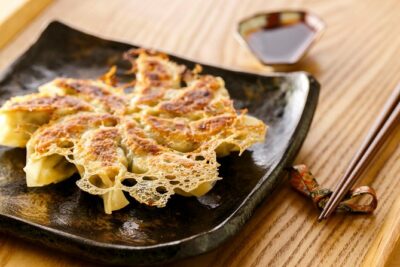
Ramen & Gyoza Cooking Class in Tokyo with Local Supermarket Visit
Read our review →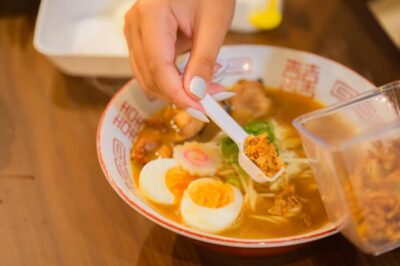
Ramen Cooking Class at a Ramen Factory with Souvenir
Read our review →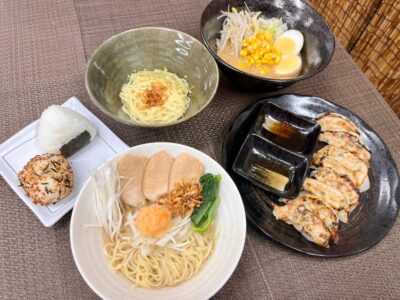
Five Must-See Highlights Walking Tour & Ramen Lunch
Read our review →
Browse the lists this tour appears in