
Reviewed · RAMEN & NOODLE TOURS
Vegan/Vegetarian Ramen and Gyoza by Bentoya cooking
Good ramen starts before the noodles. This small-group class in Komae, Tokyo, gives you a practical way to learn vegan and vegetarian Japanese cooking, beginning with a local supermarket visit and continuing in a home kitchen. You make ramen soup from scratch, prepare gyoza, and sit down to eat what you cooked.
I like the clear focus on food that can be difficult to find in Japan. Traditional dashi often contains bonito flakes, so a dish that looks vegetarian may not be. I also like the personal scale: the class accepts no more than six people, and hosts such as Kaori offer help with cutting, seasoning, presentation, and questions about daily life in Japan.
The main consideration is the price, $75 per person, for about two and a half hours. That is more than a casual meal, but it includes instruction, ingredients, a supermarket introduction, and lunch. You should also allow time to reach Komae, outside central Tokyo, rather than treating this as a quick activity near the major sightseeing districts.
In This Review
- Key points at a glance
- Why this class matters for vegetarians in Japan
- Meeting at Komae Station
- The supermarket introduction
- Building ramen soup from scratch
- Folding gyoza and learning kitchen technique
- Cooking with Kaori and the small-group setting
- Sitting down to eat your own lunch
- Is $75 a fair price?
- Who should book this experience?
- Timing, booking, and cancellation advice
- Should you book BentoYa Cooking?
- FAQ
- Where does the cooking class meet?
- Where does the activity finish?
- How long does the experience last?
- What time does the class take place?
- What food do you make?
- Does the experience include a supermarket visit?
- How many people can join the class?
- Can I cancel for a refund?
Key points at a glance
- Start at Komae Station: Meet at 1 Chome-7 Motoizumi in Komae, Tokyo, then finish back at the same meeting point.
- Shop before you cook: The supermarket visit helps you identify Japanese ingredients and spot fish-based dashi.
- Make soup from scratch: This is not simply a noodle assembly class. You learn the base of the ramen as well as the toppings.
- Prepare two dishes: The menu centers on vegan or vegetarian ramen and Japanese gyoza.
- Small class size: A maximum of six people makes it easier to ask questions and get hands-on guidance.
- Useful for home cooks: Detailed instruction files help you repeat the recipes after returning home.
Why this class matters for vegetarians in Japan
Japan is an easy country to admire at the dinner table, but vegetarian eating can require care. Broths, sauces, and seasonings may contain fish even when a dish has no obvious meat. Dashi, the basic soup stock used in many Japanese dishes, is often made with bonito flakes.
That makes this class more useful than a standard cooking lesson. You are not only learning how to fold dumplings or boil noodles. You are learning how to build a Japanese meal while avoiding ingredients that do not fit a vegan or vegetarian diet.
The supermarket stop is a smart part of the experience. You can see ordinary Japanese ingredients in their original setting, ask what they are used for, and get a better sense of what to look for on future shopping trips. For anyone who has stood in a Japanese grocery aisle trying to identify stock powders, sauces, or noodles, this short introduction could save plenty of guesswork.
The activity is also suited to people who want more than a restaurant meal. Eating vegan ramen in Tokyo is one thing. Knowing how to make a similar bowl at home gives the experience a longer life.
More Cooking Classes in Tokyo
- Ramen & Gyoza Cooking Class in Tokyo with Local Supermarket Visit
★ 5.0 · 823 reviews - Tokyo: Easy Ramen Cooking Experience in Kabukicho, Shinjuku
★ 4.6 · 321 reviews - Ramen and Sushi Cooking Class with Sake Pairing Set in Tokyo
★ 5.0 · 291 reviews
Meeting at Komae Station
The class begins at Komae Station, at 1 Chome-7 Motoizumi, Komae, Tokyo 201-0013. Komae is in Tokyo Prefecture, but it is not one of the central areas most people associate with a first visit to the city. Check your route before booking and give yourself enough time to arrive calmly.
The meeting point is near public transportation, which helps. The class returns to the same location at the end, so you do not need to work out a second pickup point or find your way from an unfamiliar neighborhood after lunch.
The stated session runs from 10:00 a.m. to 1:00 p.m. and lasts about two and a half hours. The schedule leaves the afternoon open for another activity. It also means you should not plan a timed museum reservation or major train journey too tightly afterward, since cooking classes can run a little longer when questions and conversation flow well.
A mobile ticket is provided, which keeps the arrival process simple. Confirmation is sent within 48 hours, subject to availability. The class is often booked about 27 days in advance, so I would not leave this until the final few days of a Tokyo stay.
The supermarket introduction
The supermarket visit gives the class a useful local beginning. Instead of receiving a pile of premeasured ingredients with no context, you get an introduction to the basic products used in Japanese cooking.
The purpose is not sightseeing. It is practical. You can learn how Japanese ingredients are sold, which items work for vegan cooking, and how to avoid fish stock. That matters most if you plan to cook Japanese food after your trip.
The host can explain ingredients before you start chopping. That order makes sense. Once you know what each item does, the cooking steps become easier to follow, and the final bowl has more meaning than a dish assembled from mystery packets.
The supplied information does not promise a long market tour or a particular supermarket, so I would treat this as a short food-shopping lesson rather than a full culinary tour. Its value comes from the explanations, not from the store itself.
Building ramen soup from scratch
The ramen portion is the heart of the class. You learn to make the soup from scratch, rather than relying only on prepared broth. For a vegan or vegetarian cook, this is especially important because soup is where hidden fish ingredients often enter the meal.
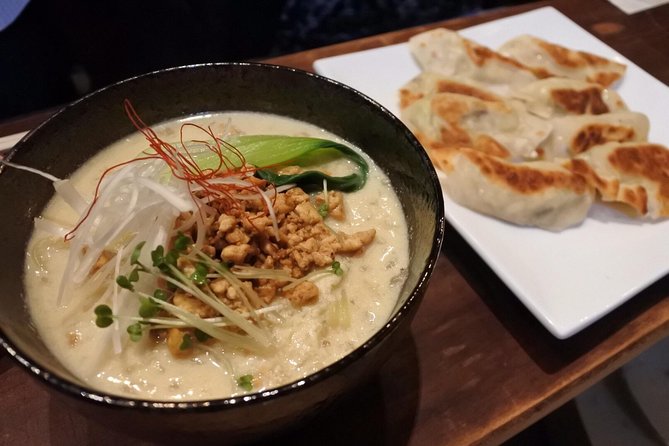
The exact ramen style may vary by session. One participant specifically described making tantanmen ramen, while the main description simply identifies the dish as vegan or vegetarian ramen. Tantanmen usually brings a fuller, seasoned flavor, which helps explain why this class can produce a satisfying bowl without meat or fish.
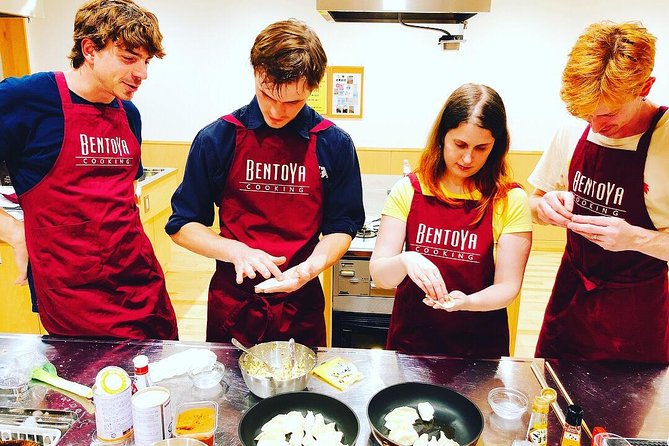
You should expect to work through the parts that make ramen taste complete: soup, noodles, and toppings. The class is not presented as a demonstration where you sit and watch. You take part in preparing the food and receive instruction on cutting, cooking, seasoning, and presentation.
That hands-on format is one of the strongest reasons to book. If you only want to eat ramen, Tokyo has countless options. If you want to understand how the bowl comes together, this lesson offers something restaurants cannot.
More Ramen Tours in Tokyo
- Eat and Drink Like a Local: Tokyo Ueno Food Tour-Taverns&Ramen
★ 5.0 · 957 reviews - Tokyo: Ramen Tasting Tour with 6 Mini Bowls of Ramen
★ 4.9 · 432 reviews - Professional Ramen & Gyoza with Ramen Chef in a restaurant!
★ 5.0 · 223 reviews - Shibuya: Ramen Dojo Tokyo | Make All 3 (Tonkotsu/Shoyu/Miso)
★ 5.0 · 214 reviews
Folding gyoza and learning kitchen technique
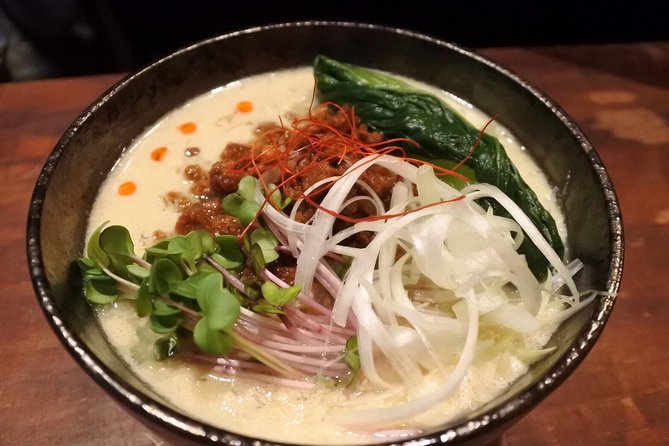
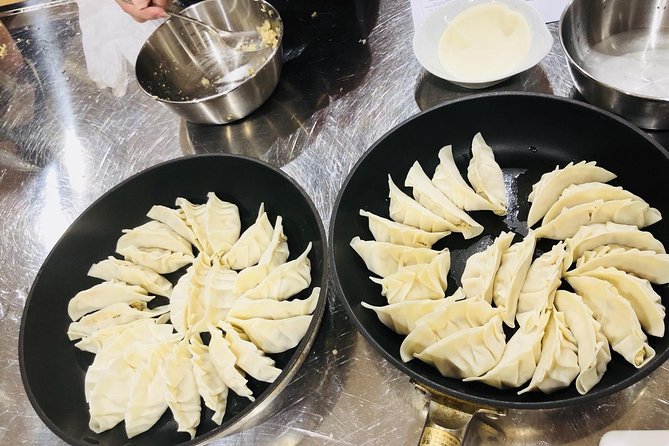
Gyoza adds a second skill set to the morning. The dumpling filling uses minced stuffing, and the class teaches you how to prepare and shape the dumplings before cooking them.
Gyoza can look simple until you try to make neat, even dumplings. The class gives you a chance to practice under supervision rather than struggle with the folds alone at home. The food also works well for mixed groups because the task is social, practical, and easy to share at the table.
The instruction goes beyond the recipe itself. Specific praise has centered on cutting methods, seasoning, presentation, and basic cooking technique. Those small skills are the part most likely to transfer to other dishes.
You should not expect a professional culinary qualification from a two-and-a-half-hour lesson. You will, however, get a friendly introduction to methods you can repeat. One useful feature is the detailed instruction material provided afterward, which makes it easier to recreate the ramen and gyoza once you are back in your own kitchen.
Cooking with Kaori and the small-group setting
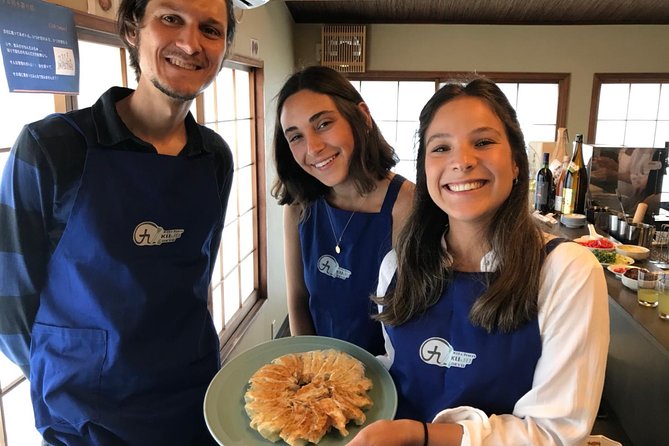
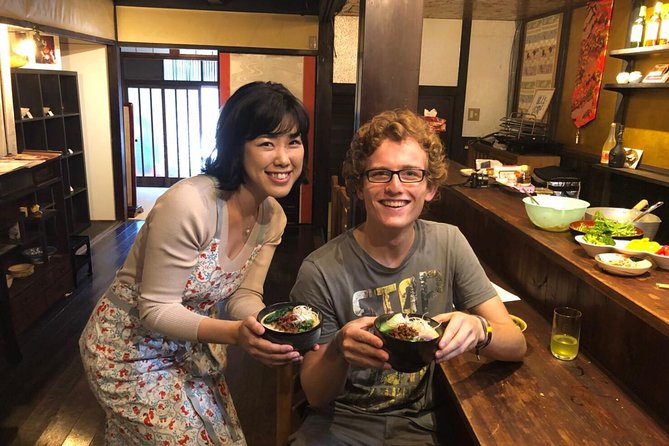
Kaori is the host most closely associated with this experience. She has been described as friendly, welcoming, well organized, and comfortable speaking English. The class takes place in a home kitchen, which gives the morning a personal feel that a large commercial school would not provide.
The small maximum of six people matters. In a large class, a teacher may demonstrate a recipe while you watch from the back. Here, you have a better chance to ask about ingredients, get help with preparation, and talk about Japanese food and everyday life.
The personal conversation is part of the value. People have used the time to ask questions about Japan, food, and the host’s life. That exchange gives the class a local character without turning it into a formal lecture.
The provider is BentoYa Cooking, Japanese Vegan/Vegetarian Cooking School. The class may involve more than one instructor on some dates. One account describes cooking with Kaori and Miwa, while another names Rina as the host. If having a particular instructor matters to you, confirm that before booking rather than assuming every session has the same teacher.
English support is a strong point. The available comments repeatedly describe the host’s English as very good, which should help you follow cooking instructions and ask detailed questions.
Sitting down to eat your own lunch
After the preparation, you eat the ramen and gyoza you have made. This is not just a snack at the end. It is the payoff for the work and a chance to judge the balance of the soup, the texture of the noodles, and the seasoning of the dumplings.
The food has received the highest marks for taste. The class is especially appealing if you have worried that vegetarian ramen will feel like a compromise. A well-made broth, good seasoning, and satisfying toppings can carry the meal without meat or fish.
Presentation also receives attention, so the final lunch should teach you how Japanese food is arranged as well as cooked. That is useful when you want to serve the recipes to family or friends at home.
The meal portion is included in the experience, but the amount of food is not specified. I would think of it as a prepared lunch, not a full-day feast. If you have a large appetite, do not assume the class replaces every other meal.
Is $75 a fair price?
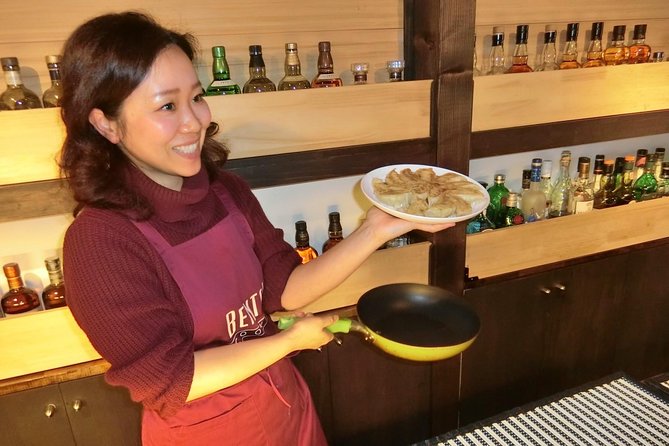
At $75 per person, this cooking class costs more than buying a bowl of ramen and a plate of gyoza. That comparison is not quite fair, since you are paying for instruction, ingredients, a local supermarket visit, a meal, and time with a host.
The value is strongest for people who will use what they learn. The instruction files sent afterward can help you make the dishes again, so the cost is spread across more than one lunch. If you return home and cook the recipes successfully, the class becomes a practical souvenir rather than a one-time meal.
The price is less appealing if you only want a quick taste of vegan ramen or have little interest in cooking. In that case, a restaurant meal will be cheaper and faster.
The class earns its price through the personal guidance and dietary focus. Vegan ramen can be hard to locate in Japan, and learning how to create the soup yourself addresses a real problem. It is also a good choice for a birthday gift, since the activity includes food, conversation, and a useful skill.
Who should book this experience?
I would recommend it most strongly to:
- Vegans and vegetarians who want to understand Japanese ingredients
- Couples, families, and small groups who enjoy hands-on food activities
- Home cooks who want recipes they can repeat
- People curious about dashi, ramen broth, and Japanese seasoning
- Visitors who prefer meeting a local host to attending a large group class
- Anyone looking for a slower morning outside central Tokyo
It can also work well for families. A 13-year-old participant was included in one session, and the cooking offered an active way to take part rather than simply sit through a food talk.
You may want to skip it if your Tokyo schedule is packed with central sightseeing and you do not want to spend time reaching Komae. It is also not the best fit for someone seeking advanced chef training, since the class is designed as a friendly, accessible introduction.
Timing, booking, and cancellation advice
The class operates Monday through Sunday from 10:00 a.m. to 1:00 p.m., with the activity itself lasting approximately two hours and 30 minutes. The maximum group size is six, which helps explain why dates can fill ahead of time.
Free cancellation is available if you cancel at least 24 hours before the start time. Cancellations made less than 24 hours before the class are not refunded, and late changes are not accepted. The cut-off uses local Tokyo time.
The activity also requires good weather. If poor weather causes a cancellation, you are offered another date or a full refund. That condition is worth noting even though much of the cooking takes place indoors.
Should you book BentoYa Cooking?
Book it if you want to understand how vegan Japanese food works, not just find something meat-free to eat. The supermarket introduction, from-scratch soup, gyoza practice, small group, and take-home instructions give the morning real use beyond the meal itself.
I would be comfortable recommending it to vegetarians, vegans, families, and curious home cooks. The main tradeoffs are the $75 price and the trip to Komae. If those fit your plans, this is a warm, practical cooking experience with food you can make again after Japan.
FAQ
Where does the cooking class meet?
It meets at Komae Station, at 1 Chome-7 Motoizumi, Komae, Tokyo 201-0013, Japan.
Where does the activity finish?
The class ends back at the meeting point.
How long does the experience last?
The experience lasts approximately two hours and 30 minutes.
What time does the class take place?
The listed schedule is Monday through Sunday from 10:00 a.m. to 1:00 p.m.
What food do you make?
You make vegan or vegetarian ramen and gyoza. The ramen soup is prepared from scratch.
Does the experience include a supermarket visit?
Yes. The host can show you a local supermarket and introduce basic Japanese ingredients.
How many people can join the class?
The maximum group size is six people.
Can I cancel for a refund?
Yes. You can receive a full refund if you cancel at least 24 hours before the experience starts. Cancellations made less than 24 hours before the start time are not refunded.
More Vegan & Vegetarian
- Vegan Friendly Sushi & Okonomiyaki Shibuya Night Foodie Tour
★ 5.0 · 124 reviews - Ramen & Dumpling Cooking in Tokyo with Chef/Vegan possible
★ 5.0 · 107 reviews - Ramen Making from Scratch with Tokyo Mom(Vegan Option Available)
★ 5.0 · 39 reviews
Just added around Tokyo
- Tokyo 6hr Instagram Highlights Private Tour with Licensed Guide★ 5.0 · 38 reviews
- Tokyo Small Group Tour with Guide★ 4.5 · 38 reviews
- Tokyo Sumo Experience with Live Show & Audience Challenge★ 5.0 · 38 reviews
- Japanese Food Cooking Class in Asakusa, Tokyo★ 5.0 · 39 reviews
- Very popular in Harajuku♡Animal petting zoo★ 4.6 · 39 reviews
- Ramen Making from Scratch with Tokyo Mom(Vegan Option Available)★ 5.0 · 39 reviews
- Tokyo JDM Night: 600hp C63s AMG Edition 1 (Private)★ 4.9 · 39 reviews
- Tokyo: Kimono Rental inside Shinjuku Gyoen National Garden★ 4.9 · 39 reviews
Ramen & Noodle Tours, compared.
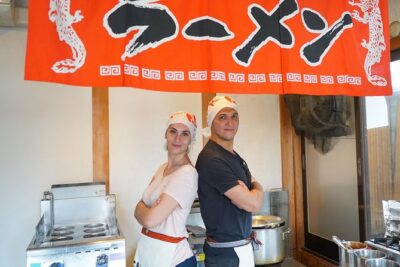
Ramen Cooking Class at Ramen Factory in Kyoto
Read our review →
Eat and Drink Like a Local: Tokyo Ueno Food Tour-Taverns&Ramen
Read our review →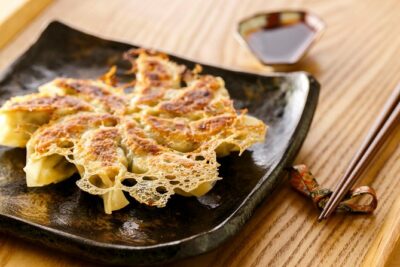
Ramen & Gyoza Cooking Class in Tokyo with Local Supermarket Visit
Read our review →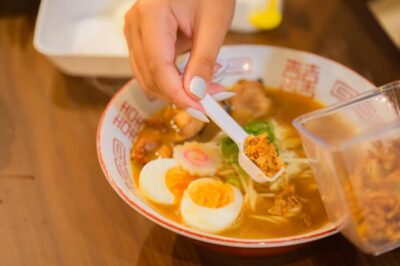
Ramen Cooking Class at a Ramen Factory with Souvenir
Read our review →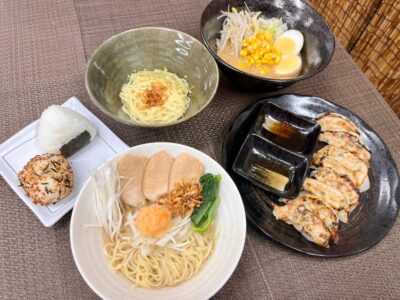
Five Must-See Highlights Walking Tour & Ramen Lunch
Read our review →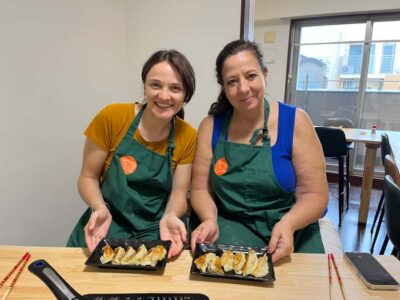
Browse the lists this tour appears in