
Reviewed · RAMEN & NOODLE TOURS
Ramen & Dumpling Cooking in Tokyo with Chef/Vegan possible
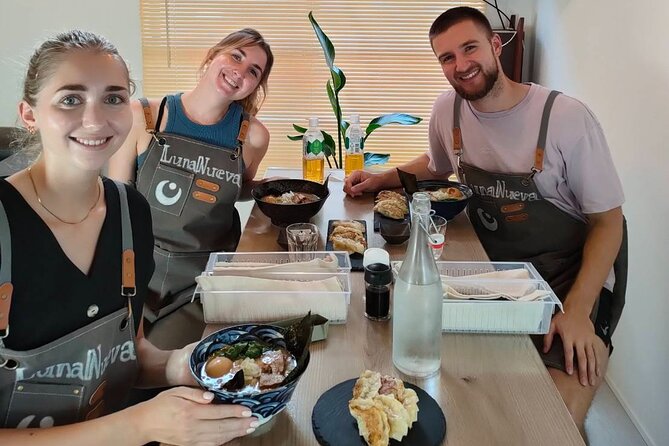
Come hungry, leave with a new skill. This two-hour class near Ekoda Station gives you a hands-on lesson in ramen, fresh noodles, toppings, and gyoza with chef Yoshi and host Amo. I like the small group limit of 12, which allows for personal cooking advice, and I like that you eat a full meal at the end rather than simply watching a demonstration. The main consideration is the price, about $102.41 per person, which is a serious spend for two hours.
The setting also takes you away from Tokyo’s famous tourist districts and into a quieter residential part of Nerima City. That makes the class feel more personal, but it also means you need to allow time for the train ride and be ready to meet at the correct station entrance. The experience has a 5 out of 5 rating from 107 ratings, with 100 percent recommending it.
In This Review
- Key Points Before You Book
- Why This Class Feels Different From a Ramen Restaurant
- Getting to the Ekoda Meeting Point
- Entering a Clean, Welcoming Tokyo Home
- Preparing Broth, Meat, and Ramen Components
- Making Fresh Noodles and Folding Gyoza
- Building Your Own Ramen Bowl
- What You Learn From Yoshi and Amo
- Group Size, Families, and the Pace of the Lesson
- Is $102.41 a Fair Price?
- Practical Details for a Smooth Visit
- Who Should Book This Ramen Class?
- Should You Book Ramen and Dumpling Cooking in Tokyo?
- FAQ
- Where does the ramen and dumpling class begin?
- Where does the experience end?
- How long does the cooking class last?
- What foods do you make?
- Are morning and noon start times available?
- How many people can join the class?
- Can the class accommodate vegetarian or vegan diets?
- What is the cancellation policy?
Key Points Before You Book
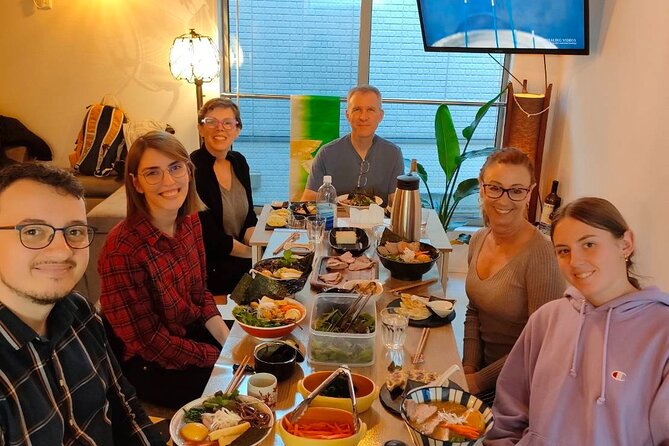
- Cook in a real Tokyo home: The class takes place in a clean, comfortable apartment rather than a formal cooking school.
- Make more than instant ramen: You prepare fresh noodles, broth elements, seasoned eggs, toppings, and handmade gyoza.
- Learn from Yoshi and Amo: Yoshi leads the cooking, while Amo helps create a warm, conversational atmosphere.
- Small groups matter: The maximum group size is 12, and past sessions have sometimes been much smaller.
- Suitable for families: Children and teenagers have taken part, with hands-on jobs and customizable ramen bowls.
- Vegetarian and vegan needs may be possible: The hosts have accommodated vegetarian and no-fish diets, but you should confirm your exact needs before booking.
Why This Class Feels Different From a Ramen Restaurant
Tokyo makes it easy to eat excellent ramen. You can find a bowl in nearly every neighborhood. What you cannot get from a quick restaurant meal is a clear look at how the noodles, broth, seasoning, toppings, and presentation fit together.
This class gives you that working knowledge. You do not simply sit at a counter and watch Yoshi cook. You take part in the process, receive corrections, and build a bowl yourself. That difference matters if you enjoy food and want to recreate part of your Japan trip at home.
Yoshi brings professional cooking experience and restaurant stories to the lesson. The instruction focuses on useful technique rather than a long lecture. You learn by doing, with Yoshi and Amo nearby to guide each stage.
I also like the tone. The class is described as relaxed, funny, and social. One session even ended with a little hip-hop lesson, which tells you something about the hosts: this is meant to be a friendly cultural exchange, not a stiff culinary exam.
More Cooking Classes in Tokyo
- Ramen & Gyoza Cooking Class in Tokyo with Local Supermarket Visit
★ 5.0 · 823 reviews - Tokyo: Easy Ramen Cooking Experience in Kabukicho, Shinjuku
★ 4.6 · 321 reviews - Ramen and Sushi Cooking Class with Sake Pairing Set in Tokyo
★ 5.0 · 291 reviews
Getting to the Ekoda Meeting Point
The starting point is Ekoda Station at 1 Chome-78 Asahigaoka, Nerima City, Tokyo. The activity ends back at the same meeting point.
Ekoda is outside the main tourist core, so the ride there becomes part of the experience. You get a look at a more residential side of Tokyo, away from the large shopping streets and landmark crowds. Several people have described the train journey as easy, but you should still allow enough time to find the meeting point.
Amo may meet you at the station and walk with you to the home. This is particularly useful because a residential address can be harder to spot than a restaurant sign. Keep your phone available, and pay attention to the exact station instructions sent after booking.
The class offers morning and noon start times. A morning session works well if you want to spend the rest of the day exploring Tokyo. The noon option may suit you better if you prefer a slower start or want a substantial meal in the middle of your sightseeing day.
Entering a Clean, Welcoming Tokyo Home
The class takes place in the hosts’ apartment. That setting is one of its strongest features, because you get a glimpse of everyday Tokyo life rather than entering a room designed only for tourists.
The home has been described as spotless and well prepared for cooking. You should expect a cozy space rather than a large commercial kitchen. That can make the class feel more intimate, though a group of 12 would naturally feel busier than a session with only a few people.
Amo helps everyone settle in and keeps the conversation moving. Yoshi handles much of the technical cooking instruction. Their partnership is a key part of the experience. You get practical teaching from one host and an easy social rhythm from the other.
The atmosphere suits families, couples, and small groups of friends. Parents have joined with children around 12 and 13, and families with two kids have taken part together. The work is divided into manageable steps, so younger cooks can contribute without needing advanced kitchen skills.
Preparing Broth, Meat, and Ramen Components
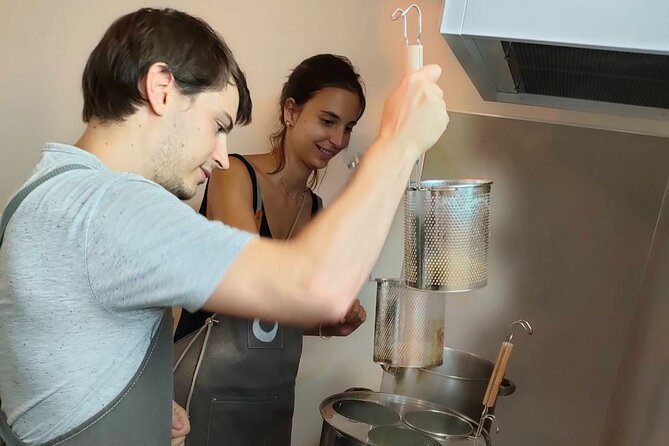
Ramen looks simple in a bowl, but the preparation behind it can take time. Yoshi explains that some broth and meat preparation is done before the class because those stages are too time-consuming to complete within two hours.
That is worth understanding before you arrive. You will learn how the broth process works, but you may not personally prepare every element from start to finish. The tradeoff is a better class rhythm and a meal you can actually eat during the scheduled session.
You also work with Japanese ingredients and learn how they contribute to the finished dish. The lesson connects individual components to the final bowl, so you can see why seasoning, noodles, broth, and toppings need to work together.
This is especially useful at home. Restaurant ramen can seem impossible to copy because the finished bowl arrives fully assembled. Here, the process is broken into practical parts, and you receive tips that can help you repeat the dish in your own kitchen.
More Ramen Tours in Tokyo
- Eat and Drink Like a Local: Tokyo Ueno Food Tour-Taverns&Ramen
★ 5.0 · 957 reviews - Tokyo: Ramen Tasting Tour with 6 Mini Bowls of Ramen
★ 4.9 · 432 reviews - Professional Ramen & Gyoza with Ramen Chef in a restaurant!
★ 5.0 · 223 reviews - Shibuya: Ramen Dojo Tokyo | Make All 3 (Tonkotsu/Shoyu/Miso)
★ 5.0 · 214 reviews
Making Fresh Noodles and Folding Gyoza
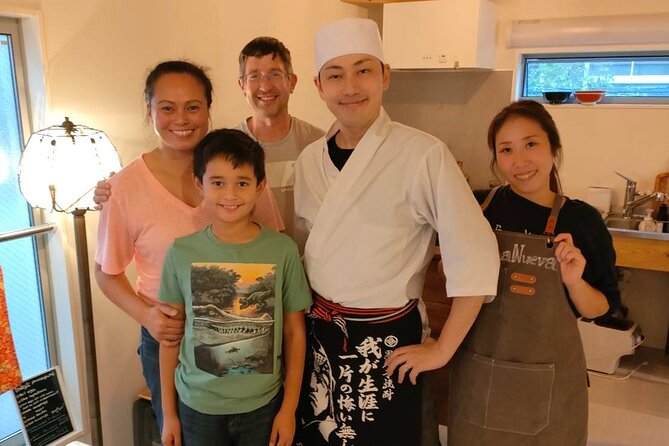
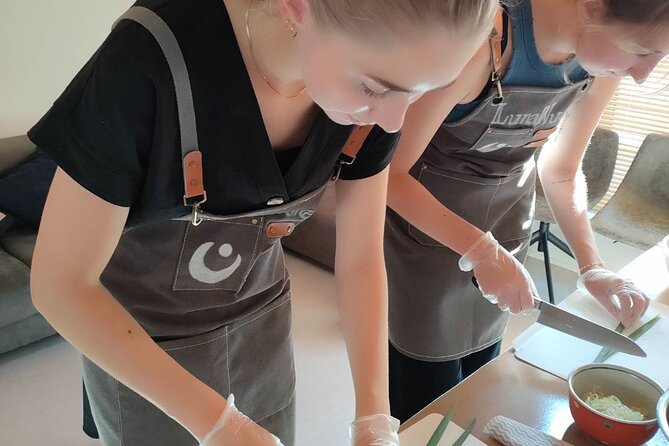
Fresh noodle making is one of the most hands-on parts of the class. You get to work with the dough and see how ramen noodles differ from the dried noodles found in a packet. Several people have singled out noodle preparation as a favorite part.
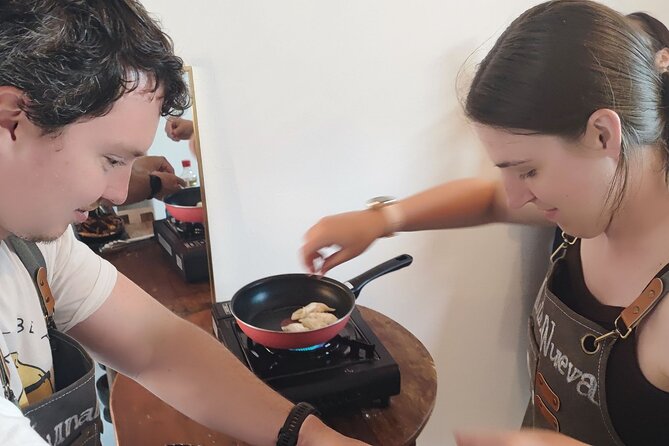
The gyoza session adds a different kind of kitchen skill. You prepare the filling, work with the wrappers, and practice folding the dumplings. Do not worry if your first few dumplings look uneven. That is part of the fun, and the hosts can show you how to improve your technique.
Gyoza is also a good activity for children. It gives everyone a clear task, and family members can work side by side. The class keeps the mood light while still offering useful instruction.
You should come hungry. The meal is generous enough that people have specifically advised arriving with an appetite. You are not making a tiny sample portion for a photograph. You finish with ramen and dumplings, along with the toppings and extras prepared during the session.
Building Your Own Ramen Bowl
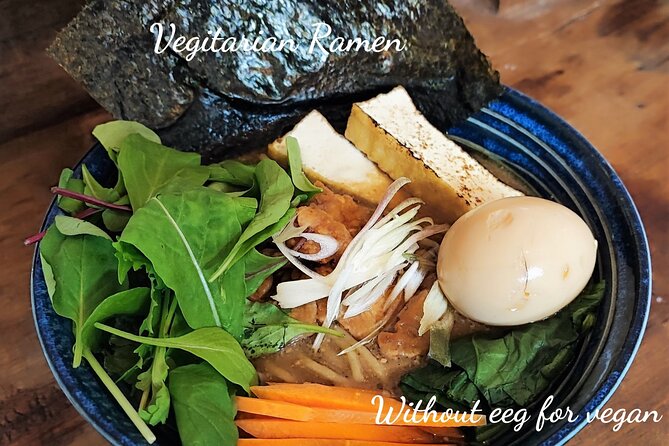
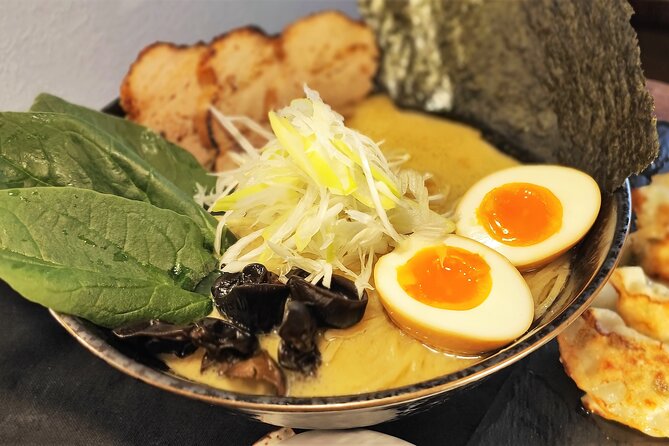
The final stage is assembling the ramen. You plate the noodles, soup, seasoned egg, and colorful toppings to create your own bowl.
That personal assembly is more valuable than it may sound. You can see how presentation changes the appearance of the dish, then adjust the toppings to suit your taste. One family found this helpful because a picky teenager could customize his bowl.
Seasoned eggs and colorful toppings give the lesson a bit of visual appeal, but they also show how ramen can be varied. You learn that a bowl is not only about the noodles and broth. Texture, color, seasoning, and portion all matter.
Then you sit down and eat what you made. The food receives the strongest praise in the experience, especially the broth and the finished ramen. People have called it the best ramen of their Japan trip, though taste is personal and restaurant styles vary across Tokyo.
The meal also includes the handmade gyoza. This makes the class feel like both a lesson and a substantial dining experience. For some people, that helps justify the price.
What You Learn From Yoshi and Amo
Yoshi’s role is practical and technical. He explains the cooking methods, broth process, noodles, and assembly. He also shares tips that go beyond the dishes made in class, including advice about food and things to do in Tokyo.
Amo adds warmth and helps the group communicate. The hosts have been praised for being patient, welcoming, and easy to talk with. That matters when you are cooking in a small home setting, where the social side can be just as important as the recipe.
The class is taught in English, and people with food restrictions have praised the hosts for preparing alternatives in advance. One session included vegetarian options and no fish or seafood. The experience description also says vegan preparation is possible.
Still, you should treat dietary accommodation as something to confirm before booking. Ramen broth often contains animal products or seafood, and the exact replacement ingredients are not listed. Send your requirements clearly and early rather than assuming every type of vegan or vegetarian diet will be handled automatically.
Group Size, Families, and the Pace of the Lesson
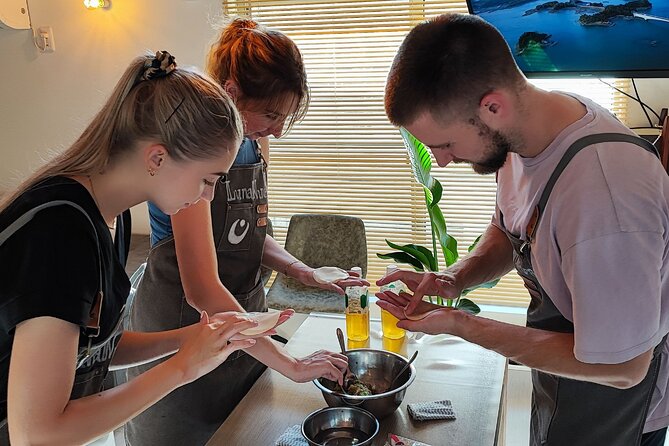
The official maximum is 12 people. That is small compared with a large demonstration class, but the actual feel depends on how many people book your time slot.
Some sessions have had only a few participants, while others included two groups of three. A smaller group means more direct feedback and more time to ask questions. A fuller class may feel more social, but you could have less individual attention at certain moments.
The two-hour duration is efficient. You cover several dishes and eat a complete meal without giving up half a day of sightseeing. The pace may feel quick if you want a slow, highly detailed lesson on every broth stage, especially since some components are prepared in advance.
For families, the format works well because it combines food, teamwork, and culture. Children can fold dumplings, make noodles, add toppings, and help assemble bowls. I would book it for families who enjoy participation, not for children who want to sit back and be entertained.
Couples also fit the class nicely. You can split tasks, compare your dumpling folds, and share the meal afterward. Solo visitors may find the group setting an easy way to meet people, though the home environment means you should be comfortable with a friendly, conversational class.
Is $102.41 a Fair Price?
At $102.41 per person, this is not a cheap meal. You can eat ramen in Tokyo for far less, and a standard restaurant visit will take less time.
The value comes from the combination of instruction, hands-on practice, a full meal, cultural conversation, and access to the hosts’ recipes and techniques. You are paying for the personal setting and the chance to ask questions while cooking, not only for a bowl of noodles.
I think the price makes more sense if you are a serious food fan, a family looking for one memorable activity, or someone who wants to cook ramen and gyoza at home. It is harder to justify if you mainly want to try inexpensive local food or have a very tight budget.
The recipe follow-up deserves a small note. Recipes are intended to be shared, and many people have used them at home. One person had trouble receiving the recipe afterward through the booking platform, and the hosts explained that it had been sent through the platform’s message system. Save any recipe message when you receive it, and contact the hosts promptly if it does not arrive.
Practical Details for a Smooth Visit
Your booking confirmation is sent within 48 hours, subject to availability. The activity has a mobile ticket, so keep the booking information accessible on your phone.
Free cancellation is available up to 24 hours before the start time for a full refund. Changes or cancellations made less than 24 hours before the local start time are not accepted for a refund.
Public transportation is nearby, and the class begins and ends at Ekoda Station. Wear comfortable clothing suitable for cooking, and avoid arriving after a long meal. The class includes plenty of food, so arriving hungry is one of the few universally useful tips for the day.
Because the location is a private home, follow the meeting instructions carefully. The station meeting arrangement is helpful, but you should not expect a large tour sign or a storefront that is easy to spot from the street.
Who Should Book This Ramen Class?
I would choose this experience for:
- Families with children or teenagers who enjoy hands-on activities
- Couples who want a personal food experience
- Food lovers interested in broth, noodles, and dumpling technique
- Visitors who want to see a quieter residential side of Tokyo
- People hoping to recreate ramen and gyoza at home
- Vegetarians or visitors avoiding fish who confirm their needs in advance
I would think twice if you have limited mobility around a home kitchen, dislike group cooking, or want a fully restaurant-style meal with no preparation. The class is active, social, and practical. That is its appeal, but it is not the right fit for everyone.
Should You Book Ramen and Dumpling Cooking in Tokyo?
Yes, if you want more than another restaurant meal. The combination of fresh noodles, gyoza folding, seasoned eggs, toppings, broth instruction, and a home setting gives you a useful look at Japanese cooking.
I especially like the hosts’ personal approach. Yoshi and Amo make room for questions, family participation, and conversation about Tokyo. The class also earns strong marks for flavor, with the broth and finished ramen receiving particular praise.
Book it if the $102.41 price fits your budget and you value learning as much as eating. Confirm vegan or vegetarian needs before you go, save the recipe message afterward, and plan your train route to Ekoda carefully. For many visitors, this can become one of the most memorable meals of a Tokyo stay because you do not just eat the food, you help make it.
FAQ
Where does the ramen and dumpling class begin?
The class begins at Ekoda Station, at 1 Chome-78 Asahigaoka, Nerima City, Tokyo 176-0005, Japan.
Where does the experience end?
The activity ends back at the meeting point at Ekoda Station.
How long does the cooking class last?
The class lasts approximately two hours.
What foods do you make?
You make ramen and gyoza, along with fresh noodles, seasoned eggs, colorful toppings, and the soup and noodle components used to assemble the final ramen bowl.
Are morning and noon start times available?
Yes. You can choose between a morning class and a noon class.
How many people can join the class?
The maximum group size is 12 people.
Can the class accommodate vegetarian or vegan diets?
Vegan preparation is listed as possible, and vegetarian and no-fish options have been accommodated. You should confirm your specific dietary requirements before booking.
What is the cancellation policy?
You can cancel up to 24 hours before the experience for a full refund. Cancellations or changes made less than 24 hours before the local start time are not accepted for a refund.
More Vegan & Vegetarian
- Vegan Friendly Sushi & Okonomiyaki Shibuya Night Foodie Tour
★ 5.0 · 124 reviews - Vegan/Vegetarian Ramen and Gyoza by Bentoya cooking
★ 5.0 · 59 reviews - Ramen Making from Scratch with Tokyo Mom(Vegan Option Available)
★ 5.0 · 39 reviews
Just added around Tokyo
- Tokyo 6hr Instagram Highlights Private Tour with Licensed Guide★ 5.0 · 38 reviews
- Tokyo Small Group Tour with Guide★ 4.5 · 38 reviews
- Tokyo Sumo Experience with Live Show & Audience Challenge★ 5.0 · 38 reviews
- Japanese Food Cooking Class in Asakusa, Tokyo★ 5.0 · 39 reviews
- Very popular in Harajuku♡Animal petting zoo★ 4.6 · 39 reviews
- Ramen Making from Scratch with Tokyo Mom(Vegan Option Available)★ 5.0 · 39 reviews
- Tokyo JDM Night: 600hp C63s AMG Edition 1 (Private)★ 4.9 · 39 reviews
- Tokyo: Kimono Rental inside Shinjuku Gyoen National Garden★ 4.9 · 39 reviews
Ramen & Noodle Tours, compared.
Ramen Cooking Class at Ramen Factory in Kyoto
Read our review →
Eat and Drink Like a Local: Tokyo Ueno Food Tour-Taverns&Ramen
Read our review →
Ramen & Gyoza Cooking Class in Tokyo with Local Supermarket Visit
Read our review →
Ramen Cooking Class at a Ramen Factory with Souvenir
Read our review →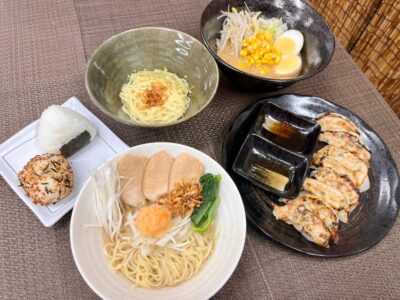
Five Must-See Highlights Walking Tour & Ramen Lunch
Read our review →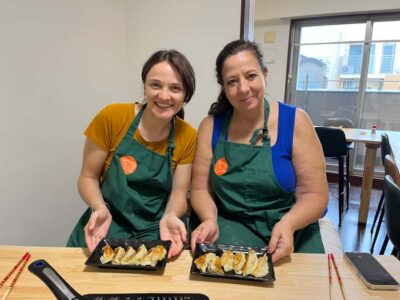
Browse the lists this tour appears in