Reviewed · RAMEN & NOODLE TOURS
Ramen and Sushi Cooking Class with Sake Pairing Set in Tokyo
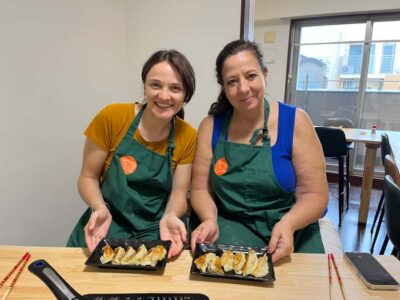
Tokyo tastes better when you make lunch. This three-hour class in Tsukishima gives you hands-on practice with sushi, ramen, and sake in a group capped at eight people. I like the small class size, which allows close help from the instructor, and I like the cultural stories, cooking tips, and light quiz woven into the food lesson. The main consideration is that the sushi is more hands-on than the ramen, so you should not expect to prepare every part of the noodle dish from the first step.
At $79.59 per person, the experience is a fair buy if you want more than a restaurant meal. All ingredients, the meal, and drinks are included, and you finish by eating what you made. The class is relaxed and social, but it is still a cooking lesson, so it suits curious food lovers better than anyone looking for a quiet tasting session.
In This Review
- Key points to know before booking
- Arriving at the Tsukishima cooking studio
- A warm welcome from a small teaching team
- Making sushi, one careful step at a time
- Preparing ramen broth and building your bowl
- Sake pairing with sushi and ramen
- What the three hours feel like
- The cultural side is more than decoration
- Is $79.59 a good value?
- Who should book this cooking class?
- Booking, cancellation, and practical details
- Should you book the ramen and sushi class?
- FAQ
- How long does the cooking class last?
- Where does the class begin and end?
- What food will I prepare?
- Is sake included?
- Is food included after the cooking lesson?
- How large is the class?
- Is the class taught in English?
- Is hotel transportation provided?
- Can I cancel for a full refund?
Key points to know before booking
- Small groups make a real difference: The class accepts a maximum of eight people, giving you a better chance to get close instruction than in a large demonstration.
- Sushi provides the most hands-on practice: You shape and assemble your own sushi with step-by-step help.
- Ramen focuses on broth and customization: You learn how savory broth comes together, while some of the preparation is less hands-on.
- Sake is served with the food: Drinks are included, with selections chosen to work with the dishes.
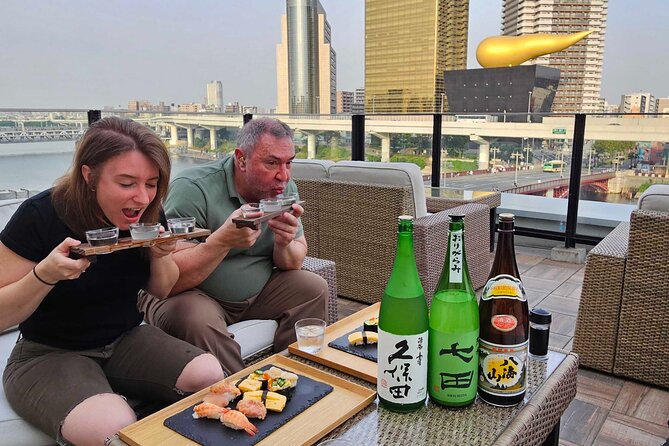
- The setting may include river views: Several class participants praised the view from the Tsukishima location.
- The food is your lunch: You eat the sushi and ramen you prepare, and the portions are filling enough that you should not plan a second major meal immediately afterward.
Arriving at the Tsukishima cooking studio
The meeting point is HAUS Tsukishima at 2-chome 13-5, Tsukuda, Chuo City, Tokyo 104-0051. The activity starts and ends at this same location, so you do not need to arrange a transfer between the class and another part of Tokyo.
That simple setup matters. Tokyo can eat up time when you cross town, and a cooking class is easier to enjoy when you are not watching the clock for a distant finish point. The location is near public transportation, though the supplied details do not name a specific station or give walking directions. I would check the exact map pin before leaving your hotel.
The setting has been praised for its comfortable feel and river outlook. That gives the class a pleasant sense of place without turning it into a sightseeing tour. You are here to cook, but a view over the water makes the three-hour session feel less like a practical lesson in a windowless kitchen.
The class accepts mobile tickets, and confirmation is provided when you book. Hotel pickup and drop-off are not included, so plan to reach Tsukishima on your own.
More Cooking Classes in Tokyo
- Ramen & Gyoza Cooking Class in Tokyo with Local Supermarket Visit
★ 5.0 · 823 reviews - Tokyo: Easy Ramen Cooking Experience in Kabukicho, Shinjuku
★ 4.6 · 321 reviews - Tokyo: Wagyu and 7 Japanese Dishes Cooking Class
★ 4.9 · 273 reviews
A warm welcome from a small teaching team
The teaching style is one of the strongest reasons to choose this class. The instructors are described as friendly, polite, and encouraging, with several names appearing in the experience: Sato, Ryushi, Alex, Taka, and Kaori. The exact teaching team may vary by session, but the pattern is clear: you can expect a warm welcome rather than a formal culinary-school atmosphere.
That tone is useful if you have never made sushi before. You do not need to arrive with knife skills or restaurant experience. The class is designed to help you follow each step, ask questions, and correct small mistakes before they become dinner-sized disasters.
The small group limit of eight is especially valuable here. A cooking lesson loses much of its point when you can barely see the demonstration. With fewer people around the work area, your instructor has a better chance to watch your technique and offer individual guidance.
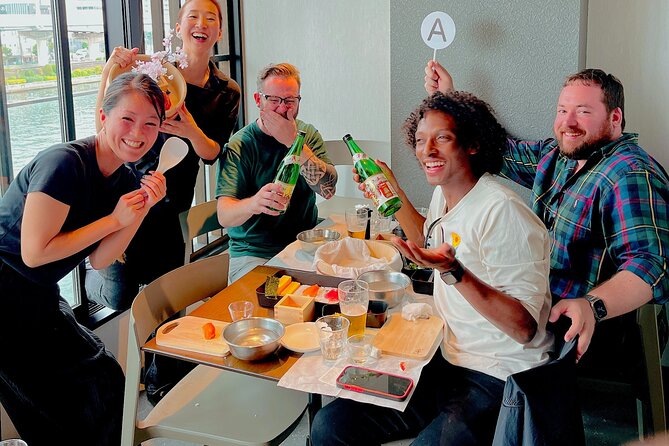
The atmosphere also appears to be social. The teachers use conversation, humor, and even a quiz about sushi and ramen facts to keep the lesson moving. If you prefer a silent, highly technical workshop, this may feel a little informal. For most visitors, that relaxed approach makes it easier to learn.
Making sushi, one careful step at a time
Sushi is the most active part of the class. You work with the ingredients provided and assemble the pieces under close instruction. The lesson is meant to show you the practical tricks that are easy to miss in an online video, such as how to handle the rice, control the shape, and build a neat final piece.
That practical help is the difference between watching someone make sushi and making it yourself. You get immediate correction instead of wondering why your roll keeps falling apart. The instruction also gives you techniques you can try at home, which adds value beyond the meal you eat in Tokyo.
The class uses high-quality ingredients, according to the experience details and participant accounts. That matters because good raw materials make a simple dish more rewarding, but it also means the class is not only about cheap home cooking. You are learning how care with ingredients affects the finished plate.
You eat the sushi you make. This gives the lesson a clear payoff and lets you judge your own work. Do not worry if your pieces look less tidy than the instructor’s. The point is not to produce a chef’s display case. The point is to understand the method and enjoy the result.
One useful detail is the close attention available even when the group is not tiny. A group of five, for example, leaves plenty of room for personal guidance. At the maximum of eight, the class should still feel more personal than a large food workshop, though your exact experience will depend on the number booked for your date.
Preparing ramen broth and building your bowl
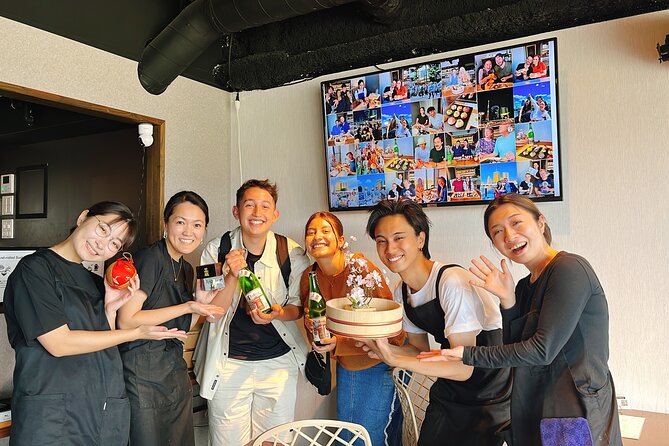
The ramen portion covers savory broth made from scratch, which gives you a look at the base that carries the whole dish. Ramen can appear simple in a bowl, but the broth controls much of its character. Learning how it is built helps you understand why restaurant ramen tastes different from a quick packet at home.
This section is less hands-on than the sushi work. Some of the broth preparation is handled as part of the lesson, while you have more room to customize the finished bowl. That is not a flaw, but it is worth knowing before you book. If you want three hours of constant chopping, stirring, and cooking, the class may feel uneven.
The customization is still useful. You can see how toppings and finishing choices change the bowl without needing to prepare every stock component yourself. Pork belly has been praised as part of the ramen, and it adds a rich, satisfying bite to the meal.
The ramen also helps break up the sushi work. Sushi requires careful shaping and attention to detail, while ramen feels more forgiving. You can enjoy the process, learn the principles behind the broth, and then sit down to a hot bowl rather than spending the entire class on delicate assembly.
More Food Tours in Tokyo
- Tokyo: Shinjuku Food Tour (13 Dishes at 4 Local Eateries)
★ 5.0 · 6,603 reviews - Tokyo Tsukiji Fish Market Food and Culture Walking Tour
★ 5.0 · 3,184 reviews - Tokyo: Shinjuku Food Tour (15 Dishes and 4 Eateries)
★ 4.9 · 2,033 reviews - Best of Shinjuku: Izakaya Food Tour (4 Stops, 14+ Tastings)
★ 5.0 · 1,863 reviews
Sake pairing with sushi and ramen
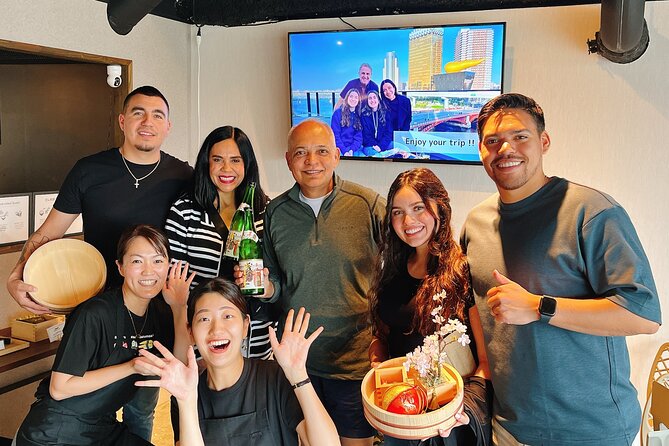
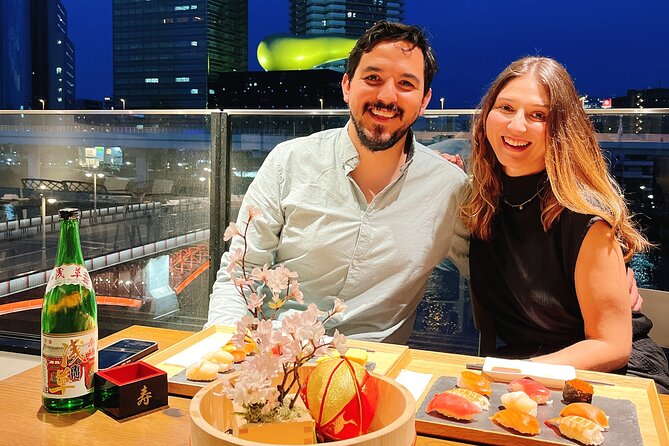
The sake set is not a separate tasting event. It is part of the meal and is intended to pair with the sushi and ramen. All drinks are included, so you do not need to budget separately for the pours.
This is a nice touch for anyone who wants cultural context with the food. Sake is not one single flavor or style, and pairing it with different dishes gives the drink a purpose beyond simply having alcohol on the table. The exact sake choices are not specified, so you should not book expecting a named producer or a formal tasting flight.
The experience has been praised for smooth, high-quality sake choices. Still, alcohol is part of the package, so this class may be less suitable if you do not drink. The supplied details do not explain whether nonalcoholic alternatives are available. If that matters to you, ask the operator before booking.
Because drinks are included, the price makes more sense for visitors who will take part in the sake pairing. If you do not drink, much of the value still comes from the food and instruction, but you may want to compare the cost with a sushi-only cooking class.
What the three hours feel like
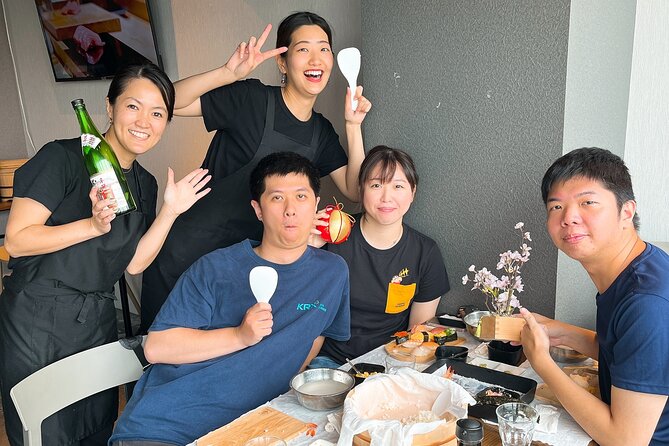
The class follows a straightforward rhythm:
- You meet the instructors and settle into the small cooking space.
- You receive background on sushi, ramen, and Japanese food culture.
- You prepare sushi with hands-on guidance.
- You learn how the ramen broth is made and customize your bowl.
- You pair the food with selected sake.
- You eat the finished dishes at the meeting point.
The exact order may vary, and no detailed minute-by-minute schedule is provided. That is probably a good thing. Cooking classes need room for questions, different skill levels, and the occasional rice-related mishap.
Three hours is long enough to learn several techniques without taking over your entire day. You can schedule it between sightseeing plans, but leave some breathing room around the start and end. The class finishes back at HAUS Tsukishima, and no hotel transport is included.
The meal is also substantial. You make sushi and ramen rather than preparing a single small sample. The pork belly ramen and included drinks make this closer to a full lunch or dinner experience than a quick snack activity.
The cultural side is more than decoration
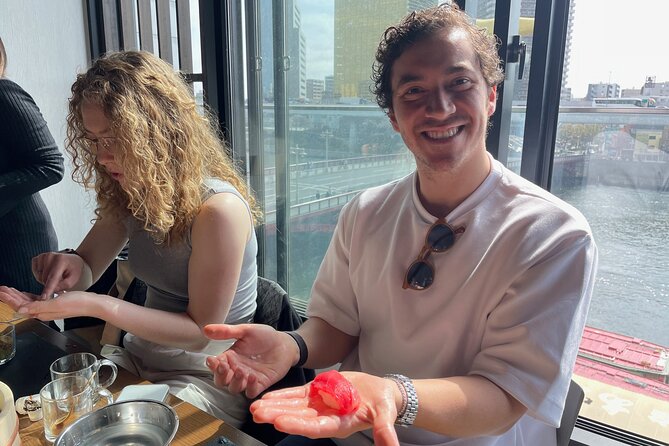
The class includes stories about the dishes and insights into Japanese culinary culture. That gives context to the cooking instead of reducing sushi and ramen to recipes alone.
The quiz about sushi and ramen history and facts is a small but useful feature. It keeps the cultural material lively and helps you remember details without sitting through a long lecture. You may leave with a better idea of how these foods fit into Japanese eating traditions, along with techniques to try at home.
I particularly like this balance of food and explanation. A cooking class should teach you something you cannot get simply by ordering dinner. Here, you learn methods, hear the reasoning behind the dishes, and share the meal with the people who taught you.
The cultural material does not appear to be a formal academic course. If you want detailed history, regional comparisons, or a specialist sake seminar, choose a more focused program. This class aims for an accessible introduction with plenty of cooking and conversation.
Is $79.59 a good value?
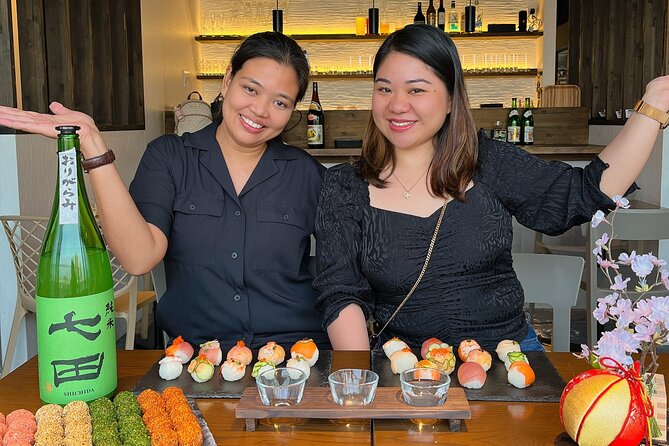
At $79.59 per person, the cost is reasonable for a three-hour activity that includes instruction, ingredients, the meal, and drinks. You are paying for more than food. The small group, teacher attention, cultural explanation, and chance to make your own lunch all form part of the package.
The value is strongest for couples, families, and solo visitors who want a social activity with a practical result. It is also a good choice if you have already eaten plenty of sushi in Tokyo and want to understand how it is prepared.
The price is less compelling if you mainly want to eat excellent ramen and sushi. Tokyo offers many ways to dine for less than the class fee, and this is not a restaurant substitute. You are paying for time, instruction, and participation.
The sake inclusion also affects the calculation. Drinkers receive a fuller package, while nondrinkers should confirm what alternatives are available. Since all drinks are listed as included, you will not face a surprise beverage charge during the class.
Who should book this cooking class?
I would recommend it to you if you:
- Want a guided introduction to sushi making
- Enjoy hands-on food activities
- Like small groups and personal instruction
- Want ramen and sushi in one session
- Appreciate sake with a meal
- Need an English-speaking instructor
- Prefer a relaxed class with conversation and humor
- Want to learn techniques you can use at home
It is also a strong rainy-day or hot-afternoon plan. You get a structured indoor activity, a meal, and a cultural lesson without spending the whole day moving between sights.
You may want to skip it if you dislike alcohol, want a strictly private class, or expect to prepare every part of the ramen from scratch. The group is small but not necessarily private, and the ramen portion is more about broth understanding and customization than constant hands-on work.
The class is suitable for a wide range of food interests, but the provided details do not specify age rules, dietary substitutions, or allergy arrangements. If you have dietary restrictions, ask before booking rather than assuming the standard ingredients can be changed.
Booking, cancellation, and practical details
The activity lasts about three hours, begins and ends at the Tsukishima meeting point, and has a maximum of eight participants. Service animals are allowed, and the location is near public transportation.
You receive confirmation at booking, and the mobile ticket makes entry simple. You will need to arrange your own route to HAUS Tsukishima, since hotel pickup and drop-off are not included.
Cancellation is free up to 24 hours before the start time for a full refund. Within 24 hours, cancellations and changes are not accepted for a refund. The cut-off follows Tokyo local time, so check the time carefully if you are changing plans from another time zone.
Should you book the ramen and sushi class?
Book it if you want to cook, eat, and learn in equal measure. The strongest features are the maximum-eight group, friendly instruction, hands-on sushi work, included sake, and a meal that feels substantial.
I would choose this over a standard food tour if you want a skill to take home. I would choose a restaurant meal instead if your only goal is tasting polished sushi and ramen. For most visitors who enjoy food and want an easy social activity in Tokyo, $79.59 is a sensible price for three hours of cooking, cultural context, and dinner you helped create.
FAQ
How long does the cooking class last?
The class lasts approximately three hours.
Where does the class begin and end?
It begins and ends at HAUS Tsukishima, Japan, 104-0051 Tokyo, Chuo City, Tsukuda, 2-chome 13-5.
What food will I prepare?
You will prepare sushi and learn how to make savory ramen broth from scratch. The ramen can also be customized.
Is sake included?
Yes. All drinks are included, and the sake is selected to complement the dishes.
Is food included after the cooking lesson?
Yes. The ingredients and the meal are included, so you eat the sushi and ramen prepared during the class.
How large is the class?
The maximum group size is eight travelers.
Is the class taught in English?
Yes. An English-speaking instructor is included.
Is hotel transportation provided?
No. Hotel pickup and drop-off are not included. You must travel to and from the Tsukishima meeting point yourself.
Can I cancel for a full refund?
Yes. You can cancel at least 24 hours before the experience start time for a full refund. Cancellations within 24 hours are not refunded.
More Sake Tastings in Tokyo
- Sake Tasting Masterclass in Shinjuku (8+ Varieties with a Pro)
★ 5.0 · 271 reviews - Sake Omakase in Tokyo: Guided Tasting by Certified Sommeliers
★ 5.0 · 239 reviews - Tasting All Types of Sake with Sommelier
★ 5.0 · 151 reviews - Wagyu & Sake Pairing in Shinjuku – Steak, Shabu-Shabu & More
★ 5.0 · 112 reviews
More Ramen Tours in Tokyo
- Eat and Drink Like a Local: Tokyo Ueno Food Tour-Taverns&Ramen
★ 5.0 · 957 reviews - Tokyo: Ramen Tasting Tour with 6 Mini Bowls of Ramen
★ 4.9 · 432 reviews - Professional Ramen & Gyoza with Ramen Chef in a restaurant!
★ 5.0 · 223 reviews - Shibuya: Ramen Dojo Tokyo | Make All 3 (Tonkotsu/Shoyu/Miso)
★ 5.0 · 214 reviews
Just added around Tokyo
- Tokyo 6hr Instagram Highlights Private Tour with Licensed Guide★ 5.0 · 38 reviews
- Tokyo Small Group Tour with Guide★ 4.5 · 38 reviews
- Tokyo Sumo Experience with Live Show & Audience Challenge★ 5.0 · 38 reviews
- Japanese Food Cooking Class in Asakusa, Tokyo★ 5.0 · 39 reviews
- Very popular in Harajuku♡Animal petting zoo★ 4.6 · 39 reviews
- Ramen Making from Scratch with Tokyo Mom(Vegan Option Available)★ 5.0 · 39 reviews
- Tokyo JDM Night: 600hp C63s AMG Edition 1 (Private)★ 4.9 · 39 reviews
- Tokyo: Kimono Rental inside Shinjuku Gyoen National Garden★ 4.9 · 39 reviews
Ramen & Noodle Tours, compared.
Ramen Cooking Class at Ramen Factory in Kyoto
Read our review →
Eat and Drink Like a Local: Tokyo Ueno Food Tour-Taverns&Ramen
Read our review →
Ramen & Gyoza Cooking Class in Tokyo with Local Supermarket Visit
Read our review →
Ramen Cooking Class at a Ramen Factory with Souvenir
Read our review →
Five Must-See Highlights Walking Tour & Ramen Lunch
Read our review →