
Reviewed · SAKE TASTING
Sake Omakase in Tokyo: Guided Tasting by Certified Sommeliers
Sake gets clearer with the right guide. This two-hour tasting in central Tokyo combines seven Japan-exclusive sakes with four themed courses, small food pairings, and explanations from certified, English-speaking sommeliers. I especially like the very small group, limited to six people, and the clever tasting themes, from rice comparisons to serving sake at five temperatures. The main thing to consider is that this is an alcohol-focused experience, so it will not suit anyone with an alcohol allergy or anyone hoping for a full meal.
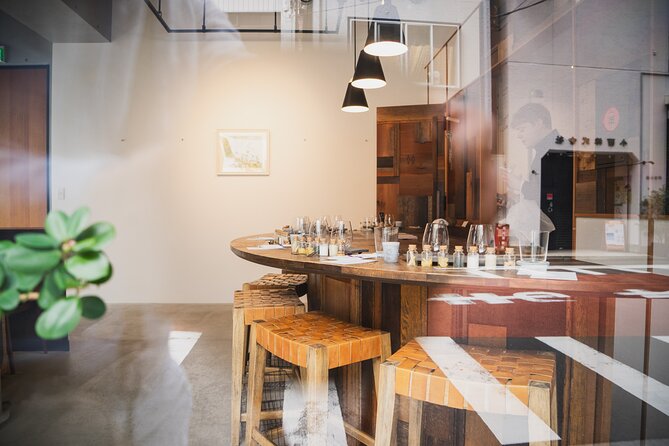
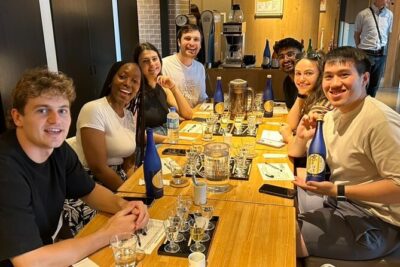
I also like the setting: a designer tasting room built around a reclaimed Showa-era wood table, which gives the session more character than a quick bar tasting. Guides such as Eric, Aaron, Frank, and Phillip have been praised for making the subject easy and relaxed, but the free-flow sake means you should eat something beforehand and pace yourself.
In This Review
- Key points to know before booking
- Why this sake tasting is more useful than a simple flight
- Arriving at Linden House in Kanda Ogawamachi
- Course one: Begin with Japan-exclusive sake
- Course two: Compare rice and brewing style
- Course three: Taste sake at five temperatures
- Course four: Infusions and the effect of the glass
- What the $79.52 price really includes
- Who will enjoy this Tokyo experience most
- The small-group atmosphere is the real advantage
- Should you book Sake Omakase in Tokyo?
- FAQ
- How long does the sake tasting last?
- How many sakes are included?
- What food is served with the sake?
- Where does the experience begin and end?
- How large is the group?
- What languages are supported?
- Can I cancel for a refund?
Key points to know before booking
- Seven sakes, four courses: You taste seven selected Japanese sakes in a planned progression, with refills included.
- Themes make the lesson practical: Rice varieties, five serving temperatures, spice and herb infusions, and drinking vessels show how sake changes in the glass.
- A true small-group format: The maximum group size is six, giving you room to ask questions and compare impressions.
- Food is part of the teaching: Pickles, cheeses, cured meats, and dessert help show which flavors work well with different sakes.
- English, Japanese, and Chinese support: The certified sommeliers can guide you in all three languages.
- Central Tokyo meeting point: You meet at Linden House, 1-9-9 Kanda Ogawamachi, Chiyoda City, near public transportation.
Why this sake tasting is more useful than a simple flight
A standard sake flight gives you several glasses and perhaps a few notes. This session aims to show why each sake tastes different and how your own preferences develop. That distinction matters if you have tried sake before but still find labels, grades, rice names, and serving advice confusing.
The four-course structure gives the two hours a clear rhythm. Instead of placing seven glasses in front of you at once, the sommeliers serve the drinks in stages and connect each group to a particular idea. You can taste, ask questions, eat a small bite, and then compare what changed.
I like this format because it gives you something useful to take into the rest of your Japan trip. You may leave knowing that you prefer a fragrant sake, a fuller style, a chilled pour, or something served warm. You also get a better sense of what to order when a restaurant menu offers little English explanation.
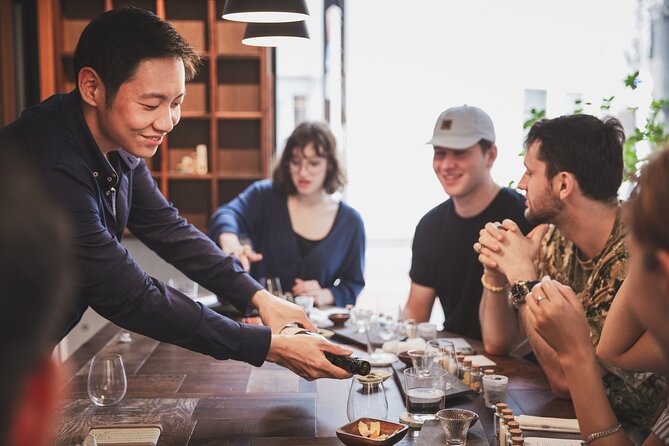
The session is not presented as a formal lecture. The strongest descriptions of the experience point to an easygoing, friendly teaching style. Eric has been praised for explaining the seven sake choices carefully without making the group feel rushed, while Aaron, Frank, and Phillip have been singled out for making people feel comfortable.
That tone is important. Sake can seem technical at first, but the session appears designed for both beginners and people who already have a favorite bottle. If you have only tried sake once, you can ask basic questions without feeling out of place. If you already know a few styles, you can use the tasting to work out what you actually enjoy.
More Food Tours in Tokyo
- Tokyo: Shinjuku Food Tour (13 Dishes at 4 Local Eateries)
★ 5.0 · 6,603 reviews - Tokyo Tsukiji Fish Market Food and Culture Walking Tour
★ 5.0 · 3,184 reviews - Tokyo: Shinjuku Food Tour (15 Dishes and 4 Eateries)
★ 4.9 · 2,033 reviews
Arriving at Linden House in Kanda Ogawamachi
The experience begins at Linden House, at 1-9-9 Kanda Ogawamachi in Chiyoda City. It ends at the same location, and transportation to and from the tasting is not included. The meeting point is near public transportation, so check the address and allow enough time to arrive before the start.
The central location makes this a practical addition to a day in Tokyo. You do not need to arrange a hotel transfer, and the return to the meeting point keeps the end of the evening simple. Still, the booking information does not include hotel pickup, so you are responsible for getting there and planning your way back.
The room itself is part of the appeal. It has been designed around a large table made from reclaimed wood from a Showa-era building. That detail gives the session a sense of place without turning it into a stiff luxury performance. You are there to taste and talk, not simply admire a room.
The maximum group size is six. I consider this one of the most important details in the entire experience. With a group that small, you have a realistic chance to ask about a particular aroma, request another explanation, or tell the sommelier what you usually drink. In a large class, those small questions often disappear.
Course one: Begin with Japan-exclusive sake
The tasting includes seven sakes available exclusively in Japan. The precise labels can vary, so you should not book expecting a fixed bottle list. What is consistent is the focus on comparing different expressions of sake rather than sampling seven near-identical pours.
The first course helps set the vocabulary for the rest of the session. You may be asked to notice aroma, sweetness, acidity, texture, and finish. Even if you do not immediately detect every difference, the guided approach gives you a way to describe what you are tasting.
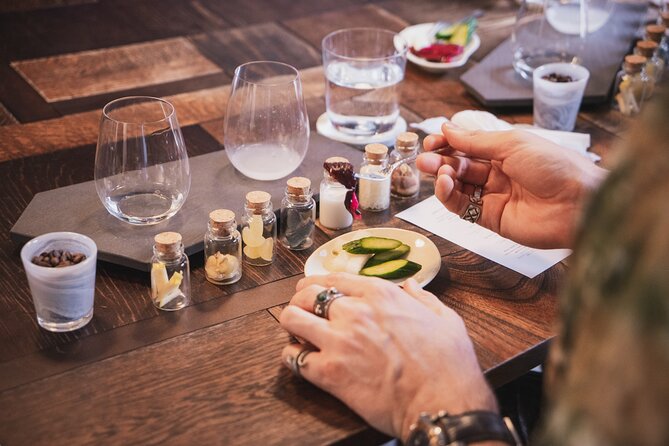
Small bites are served with the courses. The food includes items such as pickles, cheeses, cured meats, and dessert. These are not meant to replace dinner, but they help you see how sake behaves beside salty, creamy, savory, or sweet flavors.
That pairing work is one of the experience’s strongest features. Sake is often treated as a drink that belongs only with Japanese food, yet the pairings here can show how flexible it is. A cheese or cured meat may bring out a different side of a sake than a pickle does. You are not just drinking. You are testing combinations you can remember later.
The included refills are another major part of the value. You are not limited to one small pour of each selection. Free-flow service lets you return to a sake after eating or after tasting another style, which makes comparisons more reliable. It also means you need to manage your pace.
Course two: Compare rice and brewing style
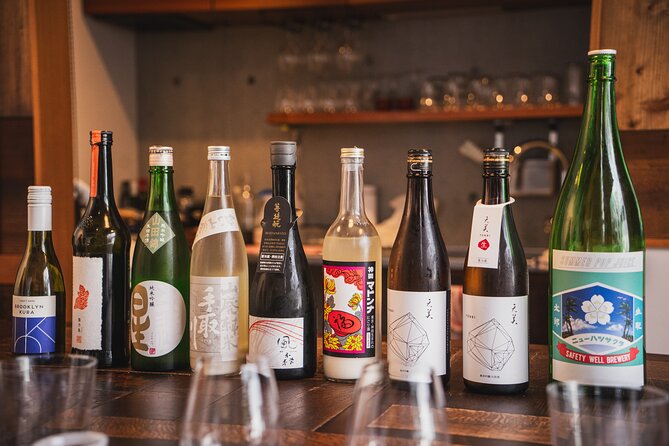
One theme focuses on rice comparison. Rice is not merely a background ingredient in sake. The type of rice, how it is polished, and how it is handled during brewing all affect the final drink.
The sommelier’s job here is to connect those brewing choices to something you can actually taste. You might notice differences in fragrance, body, dryness, or a clean finish. You do not need technical training to benefit from this section, because the point is to link production methods with your own palate.
This is where I expect beginners to get the most from the experience. Sake terminology can be difficult when you encounter it alone on a bottle label. Tasting two examples side by side, with someone explaining the reason for the contrast, is much easier than memorizing definitions.
It can also help experienced drinkers answer a more personal question: why do I like the sake I already like? One of the most useful outcomes of the session is learning how to identify your own preferences rather than simply accepting a recommendation.
The small food course keeps the lesson from becoming too serious. You can compare the drinks, take notes mentally, and use the snacks to see which sake holds up best with food. The setting is refined, but the mood is intended to be fun rather than formal.
More Sake Tastings in Tokyo
- Ramen and Sushi Cooking Class with Sake Pairing Set in Tokyo
★ 5.0 · 291 reviews - Sake Tasting Masterclass in Shinjuku (8+ Varieties with a Pro)
★ 5.0 · 271 reviews - Tasting All Types of Sake with Sommelier
★ 5.0 · 151 reviews - Wagyu & Sake Pairing in Shinjuku – Steak, Shabu-Shabu & More
★ 5.0 · 112 reviews
Course three: Taste sake at five temperatures
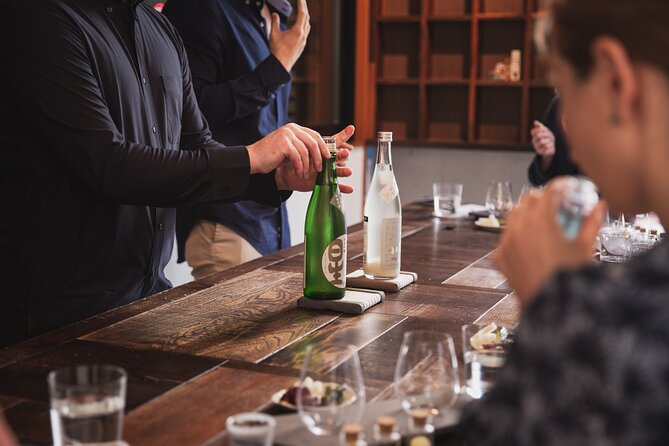
The temperature section is particularly valuable because serving temperature can change sake in striking ways. The same style may show more aroma when chilled, more body at room temperature, or a softer impression when warmed.
The experience explores sake at five different temperatures. That is a generous range for a two-hour tasting, and it gives you a chance to see why a restaurant or sake bar might recommend a particular serving style.
You may find that your favorite pour is not the one you expected. A sake that seems sharp when cold might become rounder at a warmer temperature. Another may lose the freshness you enjoy if it is served too warm. The lesson is practical: if you dislike a sake once, it may be worth trying it another way before writing it off.
This portion also helps explain why sake service is not as simple as asking for it hot or cold. Temperature is a tool, not a fixed category. The sommeliers guide the comparison so you can focus on the effect rather than guess at the cause.
For me, this is the kind of detail that makes the $79.52 price easier to understand. You are receiving not only seven drinks, but also repeated comparisons that would be hard to arrange on your own. Buying random bottles and testing five temperatures at home would cost time, money, and plenty of sake.
Course four: Infusions and the effect of the glass
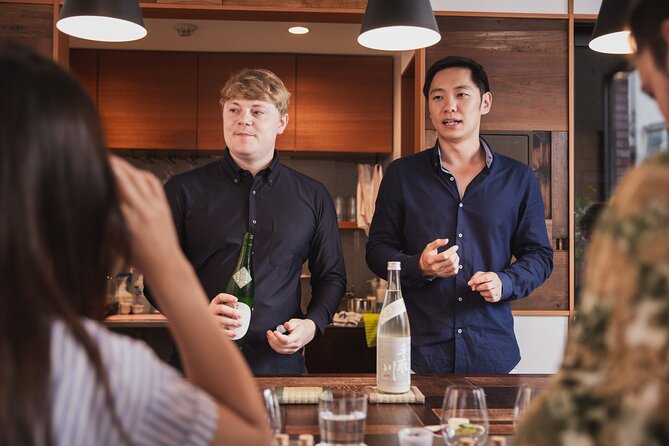
The remaining themes explore spice and herb infusions, along with the influence of drinking vessels on taste. These are playful ideas, but they also make a serious point: the way sake is served affects what you notice.
Herbs and spices can bring out aroma, sweetness, or a sharper edge. They may also show how easily a subtle sake can be covered by a strong addition. This is useful if you like experimenting with cocktails or food pairings, though you should not expect every infusion to suit every palate.
The vessel comparison is just as practical. Shape, opening, and material can change how aroma reaches your nose and how the drink feels in your mouth. You may not leave with a preferred cup or glass, but you will understand why presentation is part of sake service.
These final comparisons keep the tasting from feeling like a long list of samples. Each course gives you a new way to think about the drink. By the end, you have looked at ingredients, temperature, pairings, and service, all within one compact session.
Dessert is included among the small bites. That gives the final course a gentle finish, while also showing how sake interacts with sweetness. Again, this is a tasting menu rather than dinner, so plan to eat beforehand if you need a substantial meal.
What the $79.52 price really includes
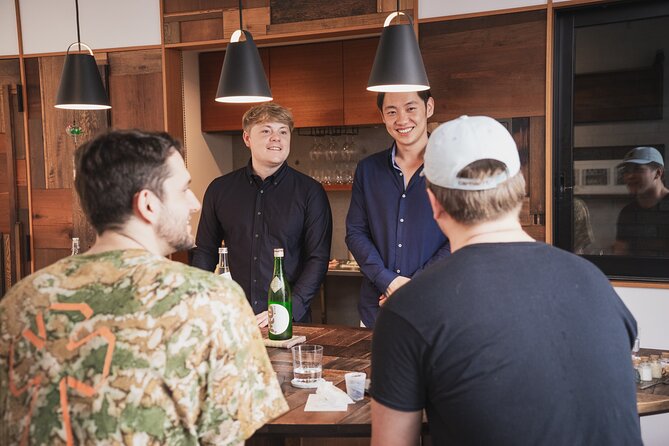
At $79.52 per person, this is not the cheapest way to drink sake in Tokyo. You could order a few pours at a bar for less, especially if your only goal is to sample alcohol.
The comparison changes when you count what is included: seven selected sakes, unlimited refills, four themed courses, small food pairings, a private-feeling room, and a certified sommelier leading the discussion. The group limit of six also gives the experience a level of personal attention that a casual bar may not provide.
I see the price as fair for someone who wants an organized lesson and a broad tasting in one sitting. It is particularly good value for a first-time sake drinker who might otherwise spend money on bottles without knowing what to look for.
The free-flow format cuts both ways. It adds value, but it also creates the risk of drinking more than planned. Eat before you arrive, drink water when possible, and remember that a two-hour session can pass quickly when seven styles and refills are involved. The included food is helpful, but it is described as small bites, not a full meal.
Who will enjoy this Tokyo experience most
This tasting suits you best if you want to understand sake rather than simply consume it. It works for first-timers, couples, solo visitors, and small groups who enjoy asking questions and comparing impressions.
It is also a good choice if you already have a sake favorite but cannot explain why. The rice comparison, temperature tests, and vessel changes can help you identify the qualities you prefer and guide future purchases.
The multilingual format is useful for international visitors. English, Japanese, and Chinese are supported, with native English-speaking sommeliers leading the session. The hosts have more than 2,500 tasting experiences behind them, according to the tour information, so the focus is on active instruction rather than a scripted talk.
You may want to skip it if you do not drink alcohol, have an alcohol allergy, or want a full Japanese dinner. The small bites enhance the tasting, but they are not a substitute for a meal. You should also think about your schedule after the session, since the seven-sake progression and refills are designed to be enjoyed over the full two hours.
Most people can participate, and the activity is near public transportation. Mobile tickets are accepted, and confirmation is provided at booking. Free cancellation is available up to 24 hours before the start time for a full refund. Cancellations or changes made within 24 hours are not accepted, and the experience can be canceled if its minimum group size is not reached.
The small-group atmosphere is the real advantage
The best part of a six-person tasting is not just comfort. It changes how much you can learn. You are more likely to ask what a particular smell means, admit that you prefer a sweeter style, or request another look at a label.
The hosts have been praised for being friendly, passionate, and easy to follow. That matters because sake education can quickly become overly technical. Here, the strongest impression is of a session where the explanations remain respectful and clear, while the group still has plenty of room for fun.
You may also meet people with different levels of sake experience. One person might be tasting sake for the first time, while another already knows several brewing styles. That mix can make the comparisons more interesting, especially when everyone notices something different in the same glass.
The table-centered design supports that social feeling. You are not being sent from one stop to another across Tokyo. You sit together, taste together, and return to the same meeting point at the end. For an evening activity, that simplicity is welcome.
Should you book Sake Omakase in Tokyo?
I would book this if you want a focused, friendly introduction to sake with enough variety to make the lessons stick. The seven Japan-exclusive selections, four themed courses, unlimited refills, and food pairings give you more than a basic flight, while the six-person limit keeps the session personal.
Book it especially if you are curious but inexperienced, or if you want to figure out why certain sakes suit your palate. The $79.52 price is easiest to justify when you treat the session as both a tasting and a lesson.
I would pass if you need a full dinner, avoid alcohol, or prefer to explore Tokyo independently at your own pace. For everyone else, this is a thoughtful way to spend two hours in central Tokyo, with practical knowledge you can use at restaurants and sake shops for the rest of your trip.
FAQ
How long does the sake tasting last?
The experience lasts approximately two hours.
How many sakes are included?
Seven sommelier-selected, Japan-exclusive sakes are included, served across four themed courses with unlimited refills.
What food is served with the sake?
Small bites are provided with each course. These include pickles, cheeses, cured meats, and dessert.
Where does the experience begin and end?
It begins and ends at Linden House, 1-9-9 Kanda Ogawamachi, Chiyoda City, Tokyo 101-0052, Japan.
How large is the group?
The activity has a maximum of six participants.
What languages are supported?
The sommeliers provide guidance in English, Japanese, and Chinese. The English-speaking hosts are native English speakers.
Can I cancel for a refund?
Yes. You can cancel at least 24 hours before the experience start time for a full refund. Cancellations or changes made less than 24 hours before the start time are not accepted.
More Drinking Tours
- Tokyo Bar Hopping Tour in Shinjuku (All-You-Can-Drink + Dinner)
★ 5.0 · 3,587 reviews - Best of Shinjuku: Izakaya Food Tour (4 Stops, 14+ Tastings)
★ 5.0 · 1,863 reviews - Tokyo: Shinjuku Local Bar and Izakaya Guided Walking Tour
★ 4.9 · 1,794 reviews - Shibuya Meltdown Nightlife Tour: All-You-Can-Drink Bar Hopping
★ 5.0 · 1,058 reviews
Just added around Tokyo
- Tokyo 6hr Instagram Highlights Private Tour with Licensed Guide★ 5.0 · 38 reviews
- Tokyo Small Group Tour with Guide★ 4.5 · 38 reviews
- Tokyo Sumo Experience with Live Show & Audience Challenge★ 5.0 · 38 reviews
- Japanese Food Cooking Class in Asakusa, Tokyo★ 5.0 · 39 reviews
- Very popular in Harajuku♡Animal petting zoo★ 4.6 · 39 reviews
- Ramen Making from Scratch with Tokyo Mom(Vegan Option Available)★ 5.0 · 39 reviews
- Tokyo JDM Night: 600hp C63s AMG Edition 1 (Private)★ 4.9 · 39 reviews
- Tokyo: Kimono Rental inside Shinjuku Gyoen National Garden★ 4.9 · 39 reviews
Sake Tasting, compared.
Kyoto Night Foodie Tour in Gion (9+ dishes + 6 Sake tastings)
Read our review →
1-Day Snow Monkeys, Zenko-ji Temple & Sake in Nagano
Read our review →
3-Hour Kyoto Insider Sake Brewery Tour with Tastings & Pairings
Read our review →
Arashiyama Bamboo, Temple, Monkeys, or Secret Sake Brewery
Read our review →

Insider Sake Brewery Tour with Sake and Food Pairing
Read our review →
1.5-Hour Kyoto Insider Sake Experience with 7 Tastings & Pairings
Read our review →Browse the lists this tour appears in