
Reviewed · FISH MARKET TOURS
Tokyo Tsukiji Fish Market Food and Culture Walking Tour
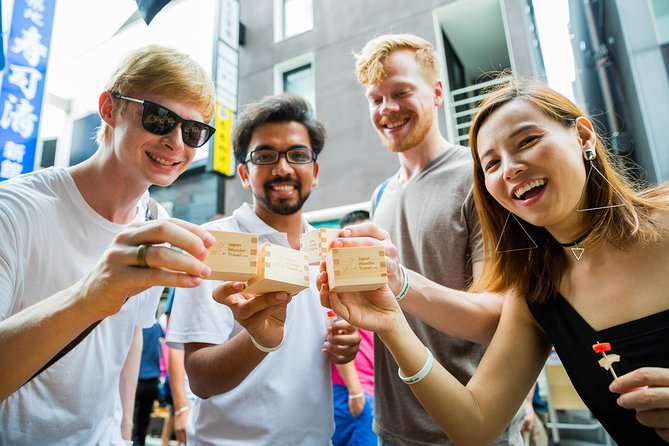
Come hungry, but not too hungry. This three-hour walk through Tokyo’s outer Tsukiji Market gives you a useful introduction to Japanese food culture, from dashi soup and green tea to sushi, Wagyu beef, fish cakes, and seasonal fruit. I like the way a local guide helps you handle the crowded lanes, and I like that the tour adds cultural background instead of simply pointing at food stalls.
The biggest consideration is the tour’s name and wording. Tsukiji’s main wholesale fish market moved to Toyosu, so this experience visits the outer market and Tsukiji Uogashi area, not the original wholesale floor. Food choices also vary by day, and the tour cannot handle vegetarian, halal, gluten-free, or allergy-related requests.
In This Review
- Five things to know before you book
- Starting beside Tsukiji Hongwan-ji Temple
- Tsukiji Jogai Market: the best part of the walk
- Old Tsukiji Market and the pleasure of trying unfamiliar food
- Kitchen tools, fish stalls, and the Uogashi stop
- Finishing with sushi or a seafood bowl
- What the $99.49 price really buys
- The guides make or break the experience
- Who should book this Tsukiji tour?
- Final verdict: a useful first taste of Tsukiji
- FAQ
- Where does the Tsukiji food tour meet?
- How long does the tour last?
- What food is included?
- Is the final meal sushi or a seafood bowl?
- Is the wholesale fish market included?
- Does the tour operate every day?
- Can the tour accommodate dietary restrictions?
Five things to know before you book
- Meet at Tsukiji Hongwan-ji Temple: The group gathers at the main gate, not the back of the temple.
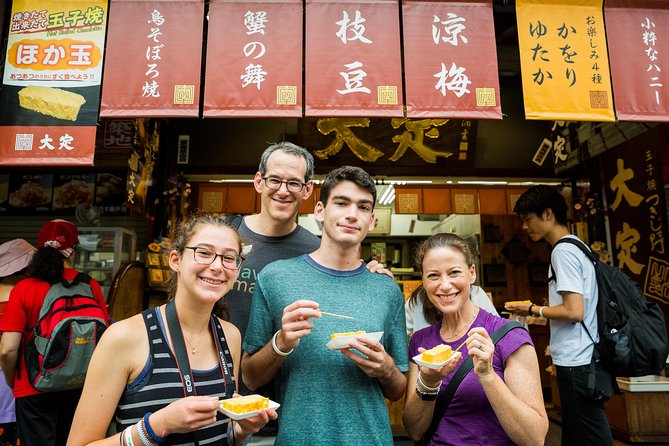
- Expect several tastings: Possible samples include Wagyu beef, tuna, fish cakes, Japanese omelette, fruit, dashi, green tea, sushi, or a seafood bowl.
- The final meal changes: Depending on the day and time, you receive sushi or a seafood bowl.
- The market is not open every day: Tsukiji Uogashi is closed on Wednesdays, Sundays, holidays, and other market closure days.
- Small groups help: The maximum is 20 people, though some departures have been much smaller.
- The pace is on foot: Wear walking shoes and arrive early because the guide leaves exactly at the start time.
Starting beside Tsukiji Hongwan-ji Temple
Your meeting point is the main gate of Tsukiji Hongwan-ji Temple at 3-chōme-15-1 Tsukiji, Chuo City. This is a practical place to meet because it is near public transportation and easy to identify, but pay close attention to the directions. Google Maps may lead you to the back side of the temple.
The group does not wait for late arrivals. If you arrive after the start, the tour cannot be extended, and same-day late arrivals are not refunded. I would aim to be at the main gate 10 to 15 minutes early. That gives you time to find the correct side of the temple and settle in before the group heads into the market.
The temple itself adds a pleasant opening note. A few tour groups have enjoyed hearing about its unusual architecture before turning toward the food stalls. The contrast works well: a quiet religious site first, then the noise, movement, smells, and close-packed shops of Tsukiji.
More Food Tours in Tokyo
- Tokyo: Shinjuku Food Tour (13 Dishes at 4 Local Eateries)
★ 5.0 · 6,603 reviews - Tokyo: Shinjuku Food Tour (15 Dishes and 4 Eateries)
★ 4.9 · 2,033 reviews - Best of Shinjuku: Izakaya Food Tour (4 Stops, 14+ Tastings)
★ 5.0 · 1,863 reviews
Tsukiji Jogai Market: the best part of the walk
The first major section lasts about 90 minutes and takes you through Tsukiji Jogai Market, the outer market district. This is where the tour earns its keep. The lanes can feel confusing at first, with seafood sellers, prepared-food counters, kitchen shops, and small restaurants packed close together.
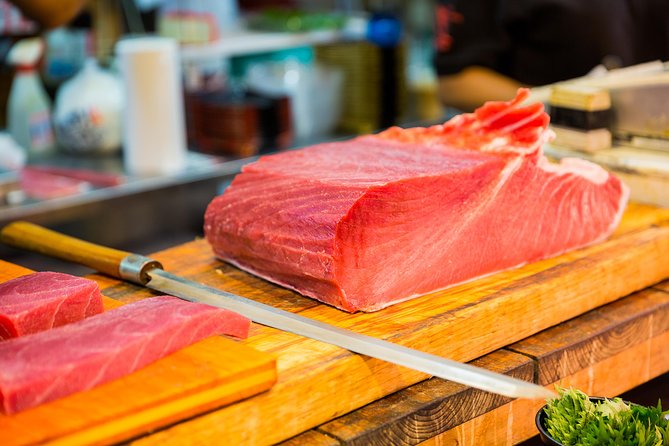
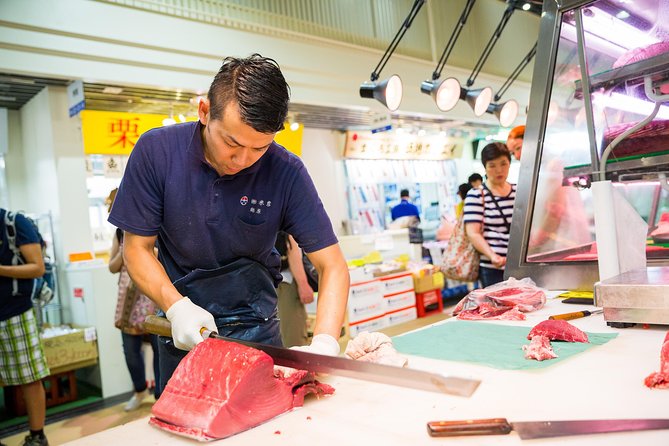
Your guide explains why Tsukiji remains important to local shoppers and why leading chefs still come here for high-quality ingredients. You may see neatly arranged boxes of sea urchin, tanks holding pufferfish, or workers cutting large Bluefin tuna. These are quick market scenes, but they help explain the care and skill behind Japanese seafood.
The tastings begin as you walk. Dashi soup and green tea offer a gentle start, then the food becomes more substantial. Possible samples include tuna, fish cakes, Japanese omelette, seasonal fruit, and a Wagyu beef skewer. Some departures have also included seaweed, tempura, squid, eel sushi, or other items available that day.
Do not expect a formal meal at every stop. This is a moving food walk, with small portions eaten along the way. One important practical tip is to avoid arriving ravenous. The tour includes lunch and snacks, but the amount of food can feel modest if you expect a full restaurant meal plus a long list of tastings.
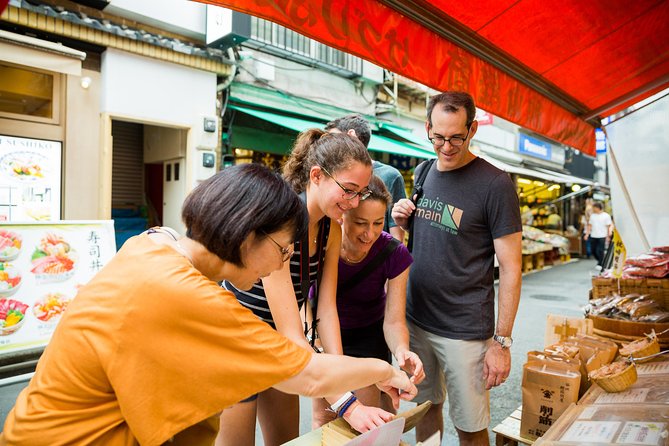
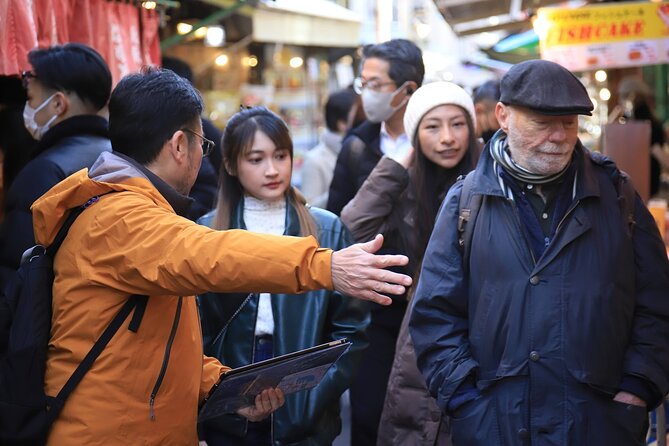
The guide makes a major difference here. A good guide can explain what you are eating, point out shops you would likely miss, and help you move through the crowds without blocking the narrow walkways. Guides praised for their warm manner include Kiyo, Naz, Miky, Kayoko, Joy, Mieko, Shoko, Sean, Take, Masa, Nick, Yuko, and others. That range also tells you something important: the quality depends partly on the individual guide assigned to your group.
Old Tsukiji Market and the pleasure of trying unfamiliar food
A shorter, approximately 30-minute section continues the food walk through the old Tsukiji Market area. This part is less about seeing one grand attraction and more about learning how the market works as a collection of specialist shops.
You may pause at counters selling prepared foods, seasonings, seafood, and cooking ingredients. A guide can explain how certain foods are used at home, not just how they taste at the stall. Shoko, for example, helped participants choose items to take home and explained how she uses various ingredients and spices in her own cooking.
That practical advice is one of the tour’s strongest features. Japanese food shops can be hard to read if you do not speak Japanese, and packaging does not always tell you how to use an unfamiliar ingredient. If you want to buy something, a small group may allow time for questions and shopping, although the tour remains primarily a walking and tasting experience.
Some food stops are especially memorable because you see preparation up close. One departure included a demonstration of fish being prepared, followed by a chance to make sushi. Another ended with sashimi served at Moritaya, a restaurant recommended by the guide. These details are not guaranteed on every departure, but they show the kind of local food connection that can make this more than a basic market stroll.
Kitchen tools, fish stalls, and the Uogashi stop
The route may include a stop at a kitchen-tool shop if you need cooking equipment. This is a useful addition for anyone interested in Japanese knives, utensils, or market-style cooking supplies, though the available time and exact shop depend on the day and group.
The next scheduled section is Tsukiji Uogashi, a small wholesale market area where you can see a wide range of fresh fish. It is planned as a 30-minute stop. This is not the old wholesale market that once made Tsukiji famous around the world. That operation moved to Toyosu, and you should adjust your expectations before booking.
For many people, this distinction matters. If your main goal is to see the original tuna auction or a working wholesale hall, this is not the right experience. If you want to understand the outer market, sample food, and see fish sellers up close, the Uogashi stop still adds useful context.
There is also a scheduling issue. Uogashi is closed on Wednesdays, Sundays, holidays, and other market closure days. On those days, some listed samples, including Japanese omelette, fish cake, and fruit, cannot be served because the relevant shops are shut. The tour may still operate, but the route and food selection will change.
More Market Tours in Tokyo
- Tokyo: Tsukiji Fish Market Food and Walking tour
★ 5.0 · 1,724 reviews - Tokyo: Tsukiji Fish Market Guided Walking Tour
★ 4.9 · 1,397 reviews - Tsukiji Fish Market Guided Tour and Sushi Making with Pro Chef
★ 5.0 · 775 reviews - Tokyo: Tsukiji Fish Market Food and Culture Walking Tour
★ 4.7 · 757 reviews
Finishing with sushi or a seafood bowl
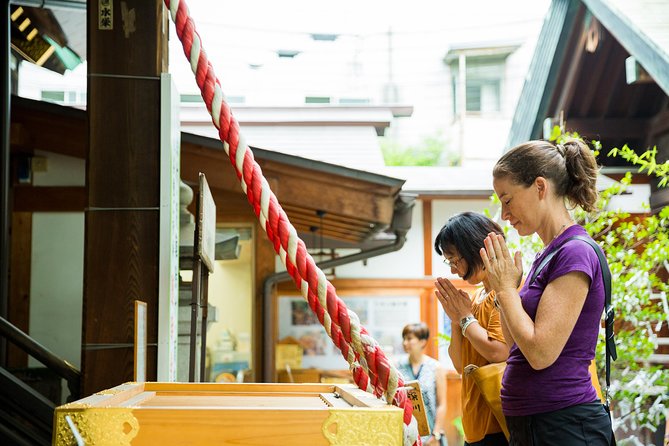
The final 30 minutes bring you to a fish-market restaurant for sushi or a seafood bowl. The exact choice depends on the day and time, so do not book expecting one fixed menu.
This ending gives the tour a proper meal after the smaller samples. You may receive sushi with several types of fish or a bowl topped with seafood. Some food-focused participants have especially enjoyed tuna, eel, squid, and sashimi. One guide also arranged a sea bass preparation demonstration and sushi-making opportunity, though that is not promised as part of every tour.
The restaurant stop is also where expectations need care. Most experiences appear to finish on a satisfying note, but the quality and feel of the final venue may vary. One participant found the restaurant too tourist-oriented and felt there was little choice. That is a fair warning if you prefer choosing your own restaurant and ordering exactly what you want.
The tour ends back at the original meeting point. Since there is no hotel pickup or drop-off, you must make your own way to and from Tsukiji. Transportation costs, extra drinks, personal purchases, and food beyond the included offerings are not covered.
What the $99.49 price really buys
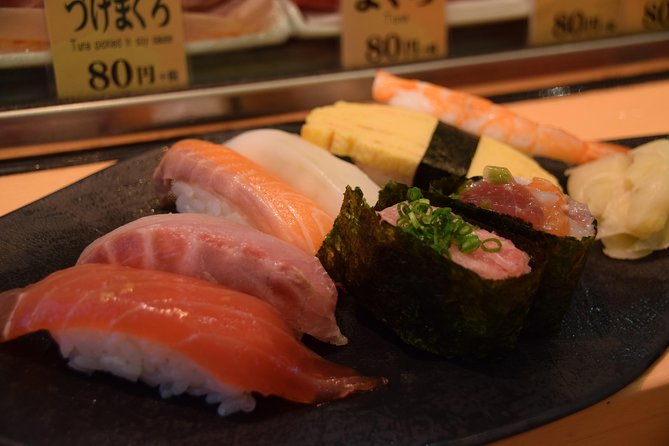
At $99.49 per person, this is not the cheapest way to eat at Tsukiji. You can wander through the outer market on your own, buy snacks, and choose a restaurant for less money. The real purchase here is guidance, translation help, food access, and a route that turns a confusing area into a three-hour lesson in Japanese eating habits.
I think the price makes better sense for a first visit than for a repeat visitor who already knows Tsukiji. A guide can introduce stalls you might pass without noticing, explain ingredients, and help you understand the difference between a quick market snack and a more formal meal. The value also improves when your group is small, since you can hear the guide and ask about food or shopping.
The maximum group size is 20, but some groups have been as small as four people, and a few departures have effectively become private tours outside the busiest season. A smaller group is far easier to manage in the narrow lanes. It can also create more room for shopping or a short detour, though you should not count on an individual itinerary.
If you only want a large quantity of food, the price may disappoint you. One portion of the tour is observation and explanation, not nonstop eating. I would treat the tastings as a guided sampler, with the final sushi or seafood bowl serving as the main meal.
The guides make or break the experience
The strongest part of this tour is the human element. Excellent guides add local history, explain customs, answer questions clearly, and keep the group moving through difficult crowds. Masa has been praised for a patient, calm manner and good humor. Nick linked food tastings with nearby city landmarks and finished at a highly regarded sashimi restaurant. Shoko offered cooking advice and helped with purchases.
Other guides have been singled out for friendliness and care. Yuko looked after the group attentively, while Joy made an effort to respond to a participant practicing basic Japanese. Mike even continued to an additional shop after the formal tour had ended. These small acts can turn a standard outing into a personal experience.
Still, guide quality is not perfectly uniform. Some departures have felt slow, with long waits and a guide who seemed inexperienced or short on energy. Another participant found the explanations difficult to follow. If you want a fast-moving, polished food tour every time, this uncertainty is worth considering.
The best advice is to stay open to the group dynamic and ask questions early. A guide who sees that you are curious about ingredients, cooking, or local customs can often make the experience more rewarding.
Who should book this Tsukiji tour?
I would recommend it most strongly to first-time visitors to Tokyo who enjoy seafood and want help making sense of a famous market. It also suits people who like trying unfamiliar foods, want cultural explanation with their meal, or feel uneasy navigating crowded Japanese shopping streets alone.
The tour can work well for older family members who are comfortable walking at a moderate pace. Mieko was praised for adjusting her pace to an elderly father, but the experience still involves several hours on foot. Comfortable shoes are essential.
You should skip it if you cannot eat fish. The operator does not accommodate vegetarian, halal, gluten-free, or allergy-related requests. The tour also does not suit anyone expecting the Toyosu wholesale market or the former Tsukiji auction facilities.
The minimum drinking age is 20. Participants under 20 are offered another drink instead.
Final verdict: a useful first taste of Tsukiji
I would book this tour if I wanted an easy, food-centered introduction to Tsukiji and did not yet know where to begin. The combination of market scenes, Japanese snacks, a final sushi or seafood bowl, temple architecture, and guide commentary gives you more than you would likely get from wandering without preparation.
I would not book it for the wholesale market alone, for strict dietary needs, or if you want complete freedom over every restaurant and purchase. Go early, wear good shoes, expect samples rather than an all-day feast, and confirm that your date does not fall on a market closure day.
With a strong guide and a small group, the $99.49 fee can be fair value. It is less a meal deal than a guided introduction to one of Tokyo’s most rewarding food districts.
FAQ
Where does the Tsukiji food tour meet?
Meet at the main gate of Tsukiji Hongwan-ji Temple, at 3-chōme-15-1 Tsukiji, Chuo City, Tokyo. Do not go to the back side of the temple, since map directions may point there.
How long does the tour last?
The tour lasts approximately three hours and ends back at the original meeting point.
What food is included?
The tour includes lunch and snacks. Possible offerings include dashi soup, green tea, Wagyu beef skewers, tuna, fish cakes, Japanese omelette, seasonal fruit, sushi, and a seafood bowl. The exact selection can change.
Is the final meal sushi or a seafood bowl?
It depends on the day and time. The tour provides either sushi or a seafood bowl.
Is the wholesale fish market included?
The tour visits the outer Tsukiji Market and Tsukiji Uogashi. The original wholesale market moved to Toyosu, so this experience does not visit the former wholesale fish-market floor.
Does the tour operate every day?
Tsukiji Uogashi is closed on Wednesdays, Sundays, holidays, and other market closure days. On those dates, some shops and listed tastings may not be available.
Can the tour accommodate dietary restrictions?
No. Vegetarian, halal, gluten-free, and allergy-related requests cannot be accommodated. You also cannot join if you do not eat fish.
More Fish Market Tours in Tokyo
- Tokyo Sushi Making Class in Tsukiji with Professional Chef
★ 5.0 · 1,177 reviews - Tsukiji Fish Market: Street Food & Culture Walking Tour
★ 5.0 · 669 reviews - Tsukiji Fish Market Small-Group Food Walking Tour
★ 5.0 · 621 reviews - Tokyo: Tsukiji Fish Market Sushi Making Class with Pro Chef
★ 4.9 · 506 reviews
More Walking Tours in Tokyo
- Tokyo: Imperial Palace and Shogun Historical Walking Tour
★ 5.0 · 2,251 reviews - Tokyo: Shinjuku Local Bar and Izakaya Guided Walking Tour
★ 4.9 · 1,794 reviews - Tokyo: Asakusa Walking Tour with Sensoji Temple Visit
★ 4.8 · 1,583 reviews - Tokyo Castle & Imperial PalaceーShogun Walking Tour
★ 4.7 · 1,068 reviews
Just added around Tokyo
- Tokyo 6hr Instagram Highlights Private Tour with Licensed Guide★ 5.0 · 38 reviews
- Tokyo Small Group Tour with Guide★ 4.5 · 38 reviews
- Tokyo Sumo Experience with Live Show & Audience Challenge★ 5.0 · 38 reviews
- Japanese Food Cooking Class in Asakusa, Tokyo★ 5.0 · 39 reviews
- Very popular in Harajuku♡Animal petting zoo★ 4.6 · 39 reviews
- Ramen Making from Scratch with Tokyo Mom(Vegan Option Available)★ 5.0 · 39 reviews
- Tokyo JDM Night: 600hp C63s AMG Edition 1 (Private)★ 4.9 · 39 reviews
- Tokyo: Kimono Rental inside Shinjuku Gyoen National Garden★ 4.9 · 39 reviews
Fish Market Tours, compared.

Tokyo Sushi Making Class in Tsukiji with Professional Chef
Read our review →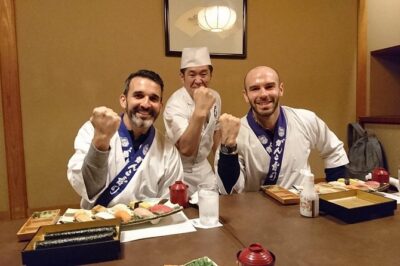
Tsukiji Fish Market Guided Tour and Sushi Making with Pro Chef
Read our review →
Tsukiji Fish Market Food and Culture Walking Tour
Read our review →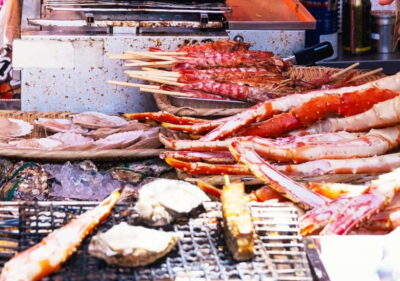
Tsukiji Fish Market: Street Food & Culture Walking Tour
Read our review →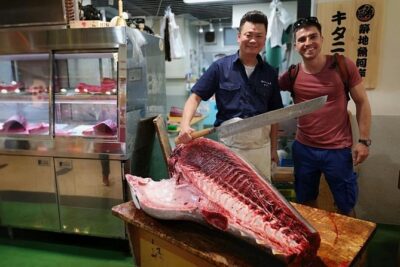
Tsukiji Fish Market Small-Group Food Walking Tour
Read our review →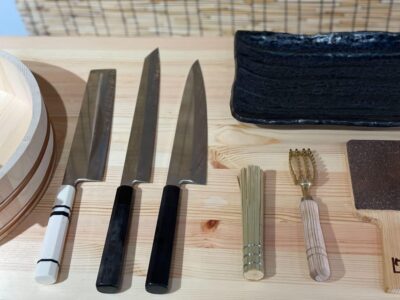
Tsukiji Fish Market Sushi Making Class with Pro Chef
Read our review →Browse the lists this tour appears in