
Reviewed · FISH MARKET TOURS
Tsukiji Fish Market: Street Food & Culture Walking Tour
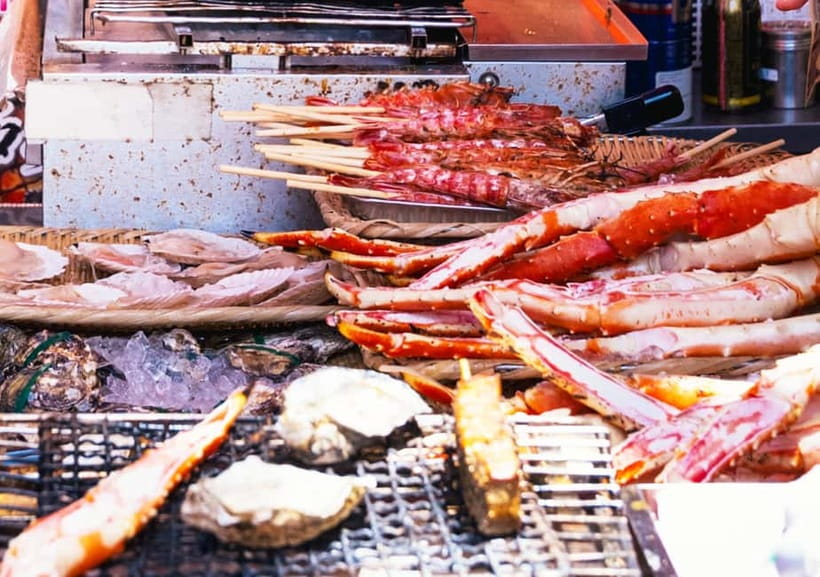
Tokyo wakes up hungry. At Tsukiji, fish, fruit, knives, grills, and eager diners all share the same narrow lanes, making this two-hour walking tour a lively introduction to Japanese food culture. A local guide leads you through Tsukiji Jogai Market, explains ingredients and customs, and takes you to a fish-cutting demonstration followed by a seafood bowl.
I like the way the tour combines food with context rather than treating the market as a simple snack stop. I also like the fish-cutting show, which gives you a close look at a traditional skill that is easy to miss when wandering alone. The main drawback is crowd control: with up to 30 people, the group may feel less personal than the small-group description suggests, and a few visitors have found the pacing uneven.
The tour costs $33.16 per person, with meals listed separately. That price can be fair if your guide, such as George or Tomo, is active, clear, and good at choosing food stops. It is less attractive if you only want to stroll the market, since Tsukiji is free to enter and some people found the temple visit and food sampling too limited for the cost.
In This Review
- Key points to know before you book
- Starting at Tsukiji Hongwanji Temple
- Walking through Tsukiji Jogai Market for 45 minutes
- Watching a whole fish become a meal
- Seeing the professional side of Tsukiji
- How much history and culture will you get?
- Group size, access, and the pace of the morning
- Is $33.16 good value?
- Who should book the Tsukiji market walk?
- Should you book this Tsukiji experience?
- FAQ
- How long does the Tsukiji Fish Market tour last?
- Where does the tour start and finish?
- Is food included in the price?
- Is the tour wheelchair and stroller accessible?
- How many people can join the tour?
- What happens during the fish-cutting demonstration?
- Can I cancel for a full refund?
Key points to know before you book
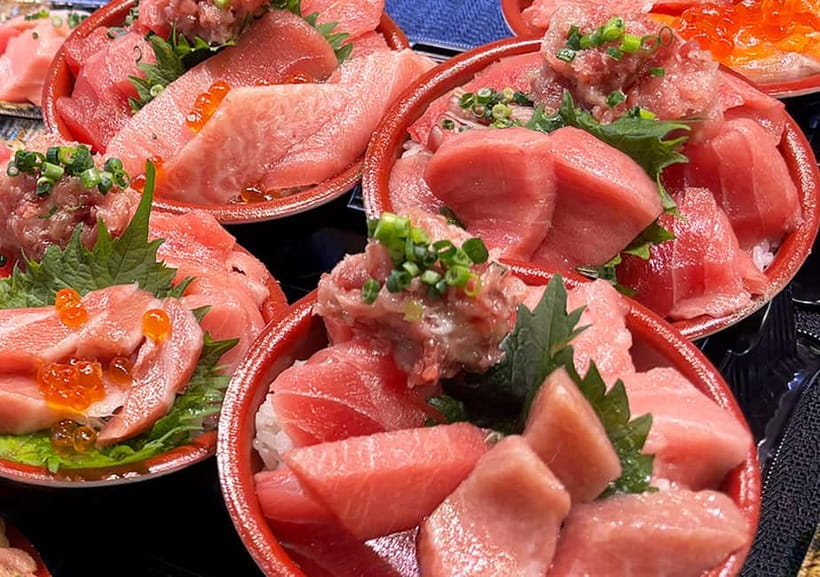
- The fish-cutting demonstration is the tour’s clearest cultural highlight, pairing traditional knife work with a fresh seafood bowl.
- Tsukiji Jogai Market is the main stage, with food stalls, ingredients, and small shops packed into a compact area.
- The advertised small-group format can include as many as 30 people, so ask yourself how much personal attention you need.
- Food is not included in the tour price, despite the strong focus on eating, so budget extra for anything you choose at the stalls.
- Tsukiji Hongwanji Temple adds a short religious and historical stop, though it may feel less useful if your main interest is food.
- The tour begins and ends at Tsukiji Hongwanji Temple, near public transportation, and is wheelchair and stroller accessible.
Starting at Tsukiji Hongwanji Temple
The meeting point is the main hall of Tsukiji Hongwanji Temple at 3-chome-15-1 Tsukiji. Starting here gives the tour a clear landmark and keeps you from trying to locate a tiny stall in the middle of the market.
The temple stop comes either at the beginning or as part of the route, with about 15 minutes set aside for it. Your guide explains Buddhism, Japanese culture, and the character of the temple. This is a useful introduction if you want more than a food crawl, though it is brief and should not be mistaken for a full temple tour.
I find the pairing sensible. Tsukiji is not only about eating. It also reflects the older rhythm of neighborhood commerce, religious life, and daily cooking. Still, if your only goal is seafood, this portion may feel like time taken away from the stalls.
The starting point is also practical for visitors using public transportation. Since the activity returns to the same meeting point, you do not need to plan a complicated pickup or figure out where to meet after the final stop.
More Food Tours in Tokyo
- Tokyo: Shinjuku Food Tour (13 Dishes at 4 Local Eateries)
★ 5.0 · 6,603 reviews - Tokyo Tsukiji Fish Market Food and Culture Walking Tour
★ 5.0 · 3,184 reviews - Tokyo: Shinjuku Food Tour (15 Dishes and 4 Eateries)
★ 4.9 · 2,033 reviews
Walking through Tsukiji Jogai Market for 45 minutes
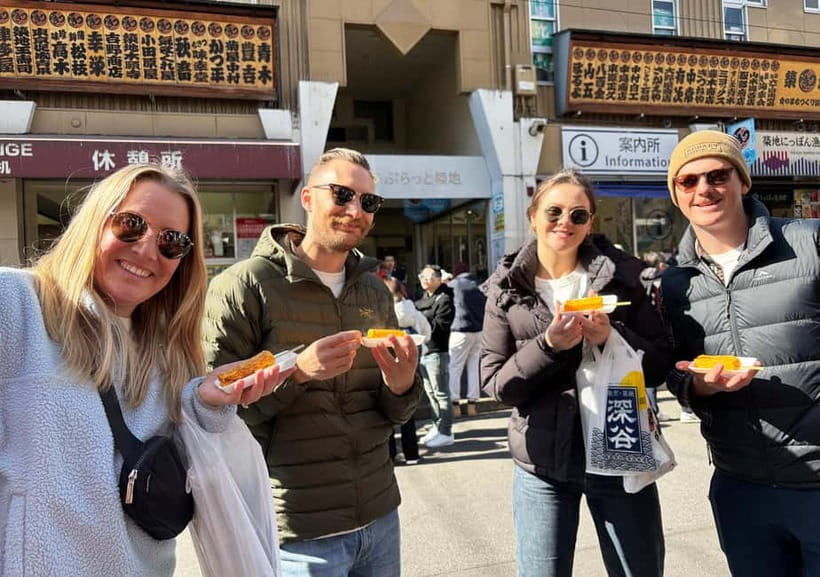
The outer market, known as Tsukiji Jogai Market, is where most of the tour’s energy comes from. The route gives you about 45 minutes to explore Japanese food culture with a local guide. Expect a close look at food stalls and ingredients, along with suggestions about what is worth trying.
This is where a guide can add real value. You may see an unfamiliar ingredient and have no idea how it is used, stored, or eaten. A good guide can explain the food in plain terms and help you avoid ordering blindly. The focus is not just on seafood. The tour description emphasizes Japanese cooking and ingredients, so the experience is meant to connect market goods with the meals they become.
The food itself is not included. That detail matters. The $33.16 covers the guided walk and the listed fish-cutting activity, but anything you buy from stalls comes from your own wallet. Bring room in your budget if you want to taste several items rather than simply watch the market at work.
I would also keep your expectations realistic. This is a public market, not a private tasting room. Narrow passages, shoppers, vendors, and other tour groups can make it hard to stay together. One reported problem was a guide not always waiting for the whole group, especially in heavy crowds near New Year. Stay close, listen for meeting instructions, and do not assume the guide can see you at every turn.
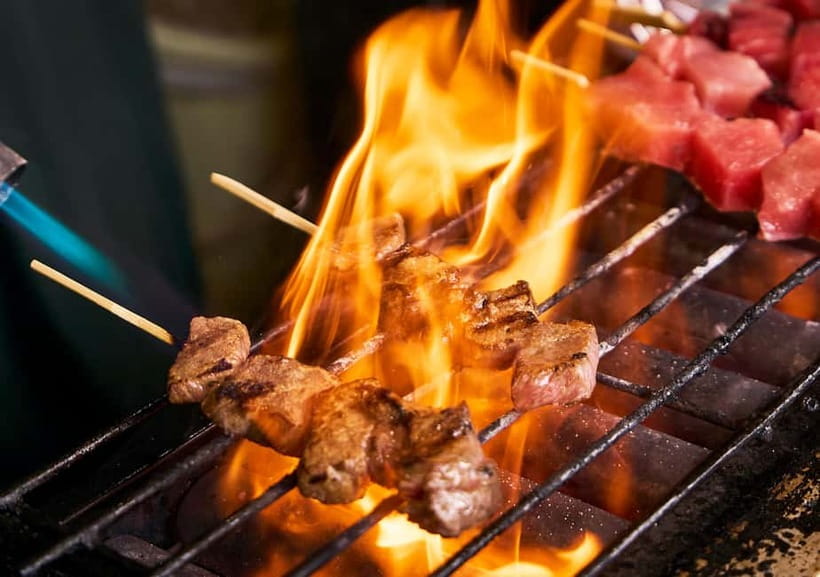
The market portion works best for people who enjoy sensory detail: the smell of grilled food, the sight of carefully arranged ingredients, and the quick exchange between seller and customer. If you prefer a quiet, slow explanation at every stall, the pace may test your patience.
Watching a whole fish become a meal
The 30-minute fish-cutting show is the most distinctive part of the experience. A skilled chef fillets a whole fish using traditional techniques, then you receive a fresh seafood bowl afterward. This connects the performance to the food on your plate, which gives the demonstration a practical point.
I like this format because it shows the labor behind Japanese seafood. A finished bowl can look simple, but the cutting requires control, precision, and knowledge of how to use the fish well. Even a short demonstration can help you see food preparation as a craft rather than a backstage chore.
The show is also a welcome change from simply moving between stalls. Market walks can become a blur of bites and photographs. Here, you have one focused activity with a clear beginning and end.
The seafood bowl is included as part of this fish-cutting stop, but the wider tour says meals are not included. Read that as a distinction between the scheduled bowl and any extra food you choose to purchase during the walk. If you have dietary restrictions, confirm what the bowl contains before booking, since no special menu information is provided.
The quality of this section depends heavily on presentation. A guide who explains the technique and answers questions will make the show memorable. A guide who speaks too softly or lets the group spread out can weaken it. Crowds and background noise have made it difficult for at least one participant to hear the guide, so standing near the demonstration and guide is wise.
Seeing the professional side of Tsukiji
The route then spends about 30 minutes at Tsukiji Fish Market, where professional traders operate. This is an important distinction from the outer market. Jogai Market is designed for public browsing and eating, while this portion gives you a look at the working market atmosphere.
The value here is not a formal attraction with a queue and a polished display. It is the chance to see a place where food commerce continues as part of Tokyo’s daily life. Your guide can explain what you are seeing and provide background about the city and its food customs.
At the same time, you should expect a working environment, not a staged show. The area can be busy, and traders are there to work. Keep your hands, bags, and cameras under control, and follow the guide’s directions.
The 30-minute time limit is sensible. Long enough to get a feel for the place, short enough to keep the tour moving. Yet this is another section where group size matters. A party of up to 30 can block a lane or make it difficult for everyone to hear. If you want an intimate market study, a private guide or a quieter independent visit may suit you better.
More Market Tours in Tokyo
- Tokyo: Tsukiji Fish Market Food and Walking tour
★ 5.0 · 1,724 reviews - Tokyo: Tsukiji Fish Market Guided Walking Tour
★ 4.9 · 1,397 reviews - Tsukiji Fish Market Guided Tour and Sushi Making with Pro Chef
★ 5.0 · 775 reviews - Tokyo: Tsukiji Fish Market Food and Culture Walking Tour
★ 4.7 · 757 reviews
How much history and culture will you get?
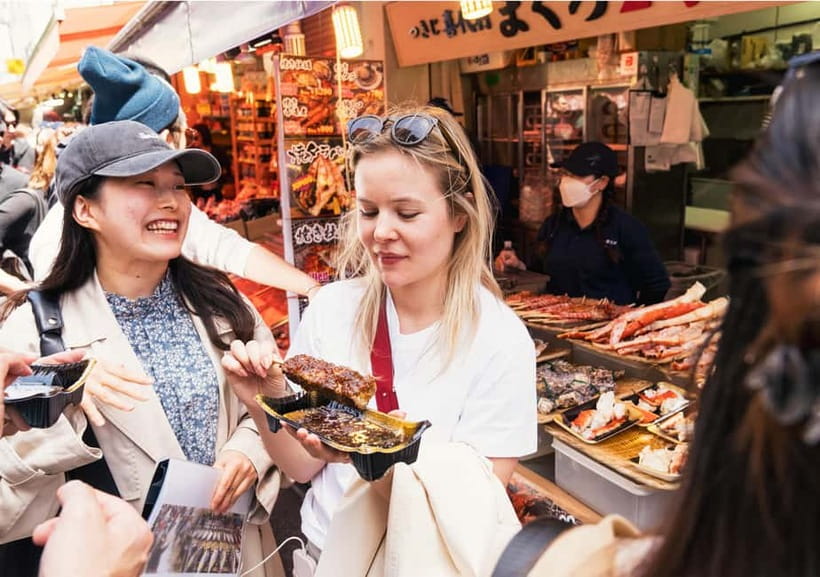
The tour promises more than food tasting. Guides explain Japanese culture, cooking, ingredients, and the history of Tokyo. In the best version of this experience, those details help you understand why Tsukiji matters rather than simply telling you where to buy lunch.
The strongest guide reports describe clear explanations of history and culture, with Tomo praised for giving useful background while leading the food stops. George is also specifically associated with finding good places to try the foods people hoped to sample. Those names suggest that guide quality can shape the morning more than the fixed route does.
But the experience is not consistently scholarly. One assessment found a lot of waiting, limited historical explanation, and more emphasis on encouraging food purchases than teaching. Another found the temple added little. That tells you exactly what to expect: this is primarily a guided market walk with cultural commentary, not a serious lecture on Tokyo’s past or Japanese Buddhism.
You will get the most from the tour if you ask questions. Ask how an ingredient is prepared, why a particular cutting method matters, or how Tsukiji changed over time. A short tour cannot cover everything, but a responsive guide can turn brief stops into useful lessons.
Group size, access, and the pace of the morning
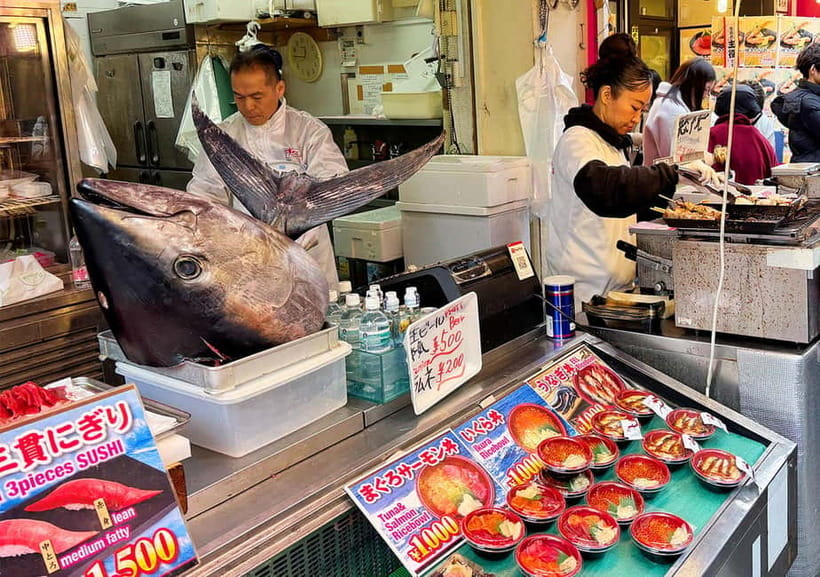
The activity is described as a small-group tour, but the maximum is 30 people. That is manageable in a spacious setting, yet Tsukiji’s tight lanes can make 30 feel like a crowd. The difference between a group of eight and a group of 25 is significant when the guide is explaining something beside a busy stall.
The tour is wheelchair and stroller accessible, and most people can participate. That is a real plus for families and visitors who need step-free access. Still, accessibility in a crowded market can involve practical challenges, including narrow routes and difficulty keeping the group together. The provided information does not promise a private route or special assistance, so contact the provider if you have specific mobility needs.
The duration is about two hours. That makes this easy to fit into a Tokyo morning, especially if you want another activity afterward. The schedule is divided into 45 minutes at the outer market, 30 minutes for the fish-cutting show and seafood bowl, 30 minutes at the working market, and 15 minutes at the temple.
That timetable leaves little room for delays. Waiting around has been a concern for some participants, while others felt the tour moved too quickly in crowded conditions. Wear comfortable shoes, keep your belongings compact, and stay close to the guide. Those small choices make a busy market walk much easier.
The tour requires good weather. If poor weather causes cancellation, you can take another date or receive a full refund. You can also cancel for a full refund up to 24 hours before the start time, but changes or cancellations inside that window are not accepted.
Is $33.16 good value?
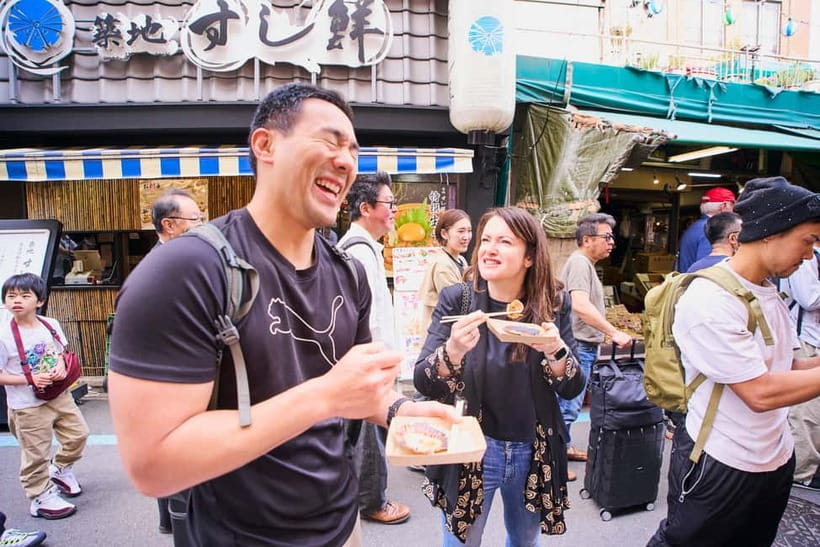
At $33.16, the price is not excessive for a guided introduction to one of Tokyo’s best-known food districts. You are paying for a local escort, explanations about ingredients and culture, access to the fish-cutting show, and the scheduled seafood bowl. The cost makes more sense if you are new to Tokyo or unsure how to approach the market.
The calculation changes if you already know Tsukiji well. Entry to the market itself is free, and you can walk between stalls without paying a guide. Food purchases are extra on this tour, so an independent visit may cost less if you only want to browse and choose one meal.
I would judge the value by your travel style. You are likely to appreciate the fee if you want help choosing food, enjoy having a set route, and value a cultural explanation while you eat. You may not think it is worthwhile if you dislike group pacing, want a detailed history lesson, or prefer to make every food choice yourself.
The 99 percent recommendation rate and 5.0 rating from 669 submitted assessments show strong overall approval, but the lower scores point to real risks: quiet guides, long waits, missed stalls, sun exposure, and a hectic group. No walking tour can remove the market’s crowds, but the guide should manage them well.
Who should book the Tsukiji market walk?
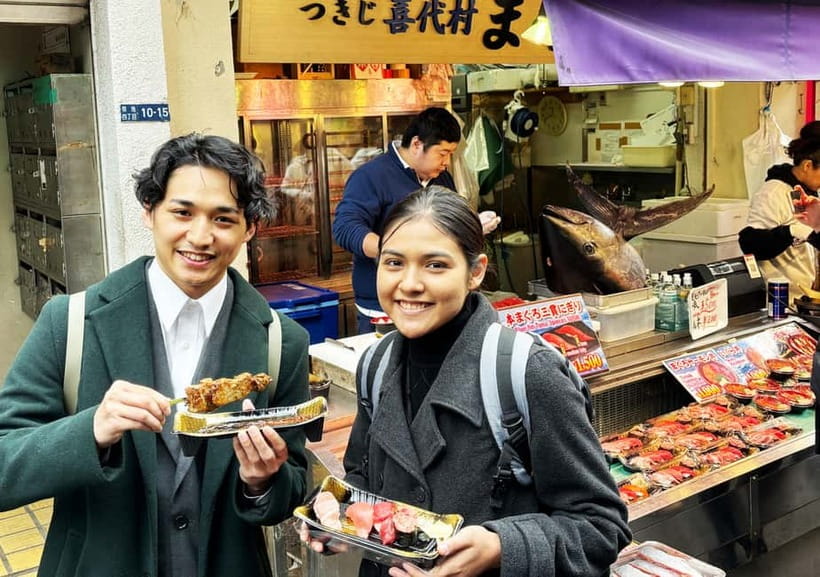
I would recommend this tour to first-time visitors who want a quick orientation to Tsukiji without planning every stop. It also suits food-curious families, people who enjoy demonstrations, and anyone who wants a local guide to explain ingredients that may be unfamiliar.
It is a good fit if you want a compact activity before sightseeing elsewhere in Tokyo. The return to the starting point helps with planning, and the two-hour length will not consume your day.
I would hesitate if you are sensitive to sun, noise, or crowded spaces. One participant specifically felt that sun exposure was not handled well, so tell the provider about any needs before the tour and remain willing to speak up during the walk. I would also think twice if you want a large amount of temple or city history, since the cultural explanations may be brief.
Should you book this Tsukiji experience?
Book it if you want guided food discovery, a fish-cutting show, and a useful first look at Tsukiji in two hours. The best guides appear to make the difference, with George praised for smart food choices and Tomo for clear explanations of culture and history.
Skip it if your plan is simply to wander, snack, and keep costs low. You can enter the market for free, and the tour does not include all meals. The fair verdict is this: the route is worthwhile when the guide adds good explanations and keeps the group together, but the experience is not so exclusive that every visitor needs it.
FAQ
How long does the Tsukiji Fish Market tour last?
The tour lasts approximately two hours. The planned stops include 45 minutes at Tsukiji Jogai Market, 30 minutes for the fish-cutting show and seafood bowl, 30 minutes at Tsukiji Fish Market, and 15 minutes at Tsukiji Hongwanji Temple.
Where does the tour start and finish?
It starts at the main hall of Tsukiji Hongwanji Temple, 3-chome-15-1 Tsukiji, Chuo City, Tokyo 104-0045, Japan. The activity ends back at the meeting point.
Is food included in the price?
Meals are listed as not included. The fish-cutting stop includes a fresh seafood bowl, but food purchased at market stalls is not covered by the tour price.
Is the tour wheelchair and stroller accessible?
Yes. The activity is described as wheelchair and stroller accessible, and most people can participate.
How many people can join the tour?
The maximum group size is 30 travelers. It is described as a small-group tour, but the group may still feel sizable in Tsukiji’s crowded lanes.
What happens during the fish-cutting demonstration?
A skilled chef fillets a whole fish using traditional techniques. Afterward, you enjoy a fresh seafood bowl and learn more about Japanese food preparation.
Can I cancel for a full refund?
Yes. You can cancel at least 24 hours before the experience starts for a full refund. Cancellations or changes made less than 24 hours before the start time are not accepted, and poor-weather cancellations offer either another date or a full refund.
More Fish Market Tours in Tokyo
- Tokyo Sushi Making Class in Tsukiji with Professional Chef
★ 5.0 · 1,177 reviews - Tsukiji Fish Market Small-Group Food Walking Tour
★ 5.0 · 621 reviews - Tokyo: Tsukiji Fish Market Sushi Making Class with Pro Chef
★ 4.9 · 506 reviews - Tokyo Food Tour Taste Fresh Delights at Tsukiji Market
★ 5.0 · 429 reviews
More Walking Tours in Tokyo
- Tokyo: Imperial Palace and Shogun Historical Walking Tour
★ 5.0 · 2,251 reviews - Tokyo: Shinjuku Local Bar and Izakaya Guided Walking Tour
★ 4.9 · 1,794 reviews - Tokyo: Asakusa Walking Tour with Sensoji Temple Visit
★ 4.8 · 1,583 reviews - Tokyo Castle & Imperial PalaceーShogun Walking Tour
★ 4.7 · 1,068 reviews
Just added around Tokyo
- Tokyo 6hr Instagram Highlights Private Tour with Licensed Guide★ 5.0 · 38 reviews
- Tokyo Small Group Tour with Guide★ 4.5 · 38 reviews
- Tokyo Sumo Experience with Live Show & Audience Challenge★ 5.0 · 38 reviews
- Japanese Food Cooking Class in Asakusa, Tokyo★ 5.0 · 39 reviews
- Very popular in Harajuku♡Animal petting zoo★ 4.6 · 39 reviews
- Ramen Making from Scratch with Tokyo Mom(Vegan Option Available)★ 5.0 · 39 reviews
- Tokyo JDM Night: 600hp C63s AMG Edition 1 (Private)★ 4.9 · 39 reviews
- Tokyo: Kimono Rental inside Shinjuku Gyoen National Garden★ 4.9 · 39 reviews
Fish Market Tours, compared.
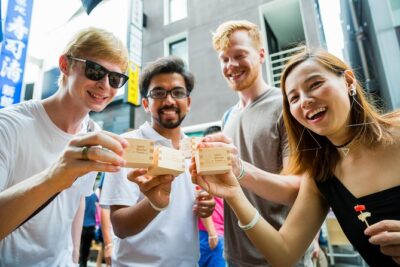
Tokyo Tsukiji Fish Market Food and Culture Walking Tour
Read our review →
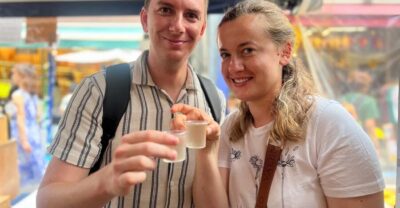

Tokyo Sushi Making Class in Tsukiji with Professional Chef
Read our review →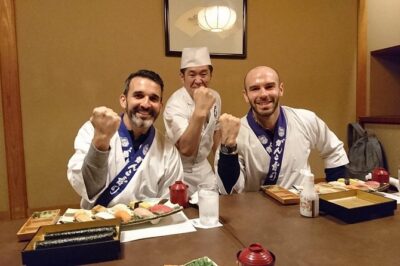
Tsukiji Fish Market Guided Tour and Sushi Making with Pro Chef
Read our review →Tsukiji Fish Market Food and Culture Walking Tour
Read our review →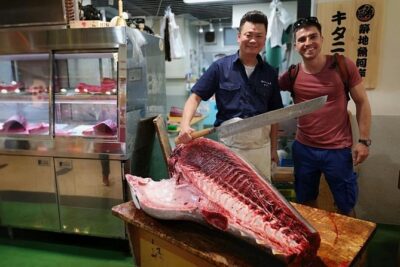
Tsukiji Fish Market Small-Group Food Walking Tour
Read our review →
Tsukiji Fish Market Sushi Making Class with Pro Chef
Read our review →Browse the lists this tour appears in