
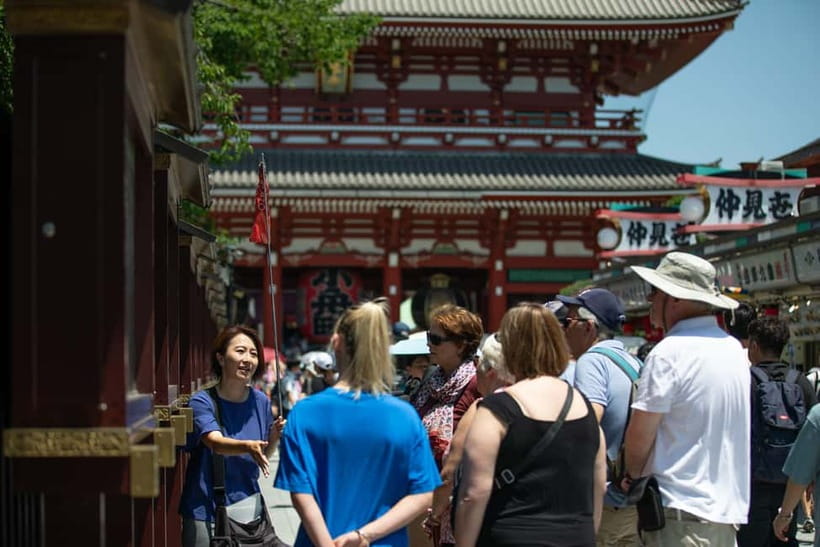
Reviewed · TEMPLE & SHRINE TOURS
Tokyo: Asakusa Walking Tour with Sensoji Temple Visit
Tokyo gets old-fashioned here. I like the way this two-hour Asakusa walk links famous sights with useful cultural explanation, and I like the chance to see both Buddhist and Shinto traditions in one compact outing. The main drawback is its fixed pace: you get a solid introduction, but not much time for shopping, eating, or quiet temple wandering.
Starting at Kaminarimon Gate, you follow a route through Nakamise Street, Sensōji Temple, Asakusa Shrine, Hoppy Street, and Shin-Nakamise Shopping Street before finishing at Azuma Bridge. At $22 per person, this is especially good value if you are new to Tokyo, though repeat visitors may find parts of the route familiar.
In This Review
- Key points about the Asakusa walking tour
- Why Asakusa makes a good first Tokyo walk
- Meeting at Kaminarimon, the Thunder Gate
- Walking Nakamise Street toward Sensōji
- Sensōji Temple and the incense ritual
- Asakusa Shrine and the meeting of two traditions
- Hoppy Street, food talk, and local atmosphere
- Shin-Nakamise and the final walk to Azuma Bridge
- What the $22 price really buys you
- Guide quality and group experience
- Timing, comfort, and what to bring
- Who should book this Asakusa walk?
- Should you book the Sensōji Temple walking tour?
- FAQ
- How much does the Asakusa walking tour cost?
- How long does the tour last?
- Where does the tour start?
- Where does the tour finish?
- Is the tour conducted in English?
- Is the tour wheelchair accessible?
Key points about the Asakusa walking tour
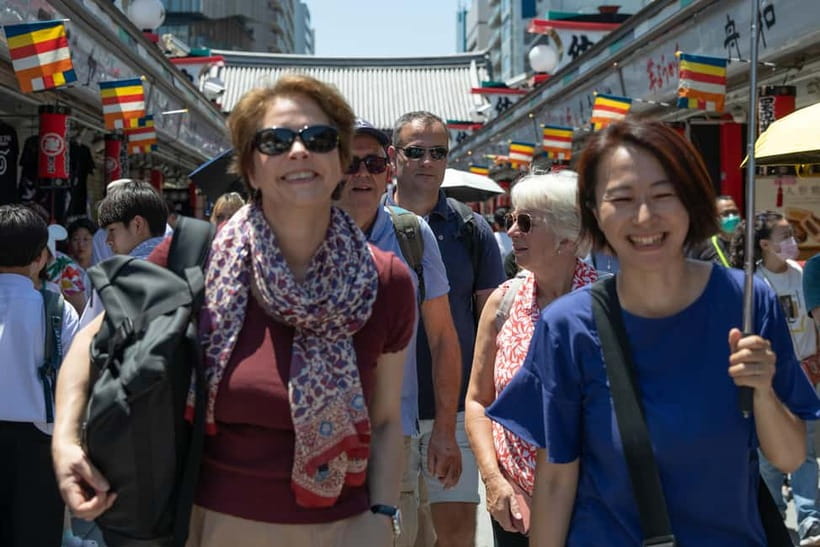
- Kaminarimon Gate sets the scene: Meet beside the giant Thunder Gate, one of Tokyo’s most recognizable entrances.
- Sensōji gets the proper attention: You have time for a guided visit, photos, temple details, incense rituals, and free exploration.
- Two faiths appear on one walk: The route includes both Sensōji Temple and nearby Asakusa Shrine.
- Local food advice adds value: Guides such as Aya, Keiko, and Glenda regularly point out places to eat after the tour.
- The tour stays affordable: At $22, you pay for a live English guide without committing to a long or costly excursion.
- The route ends well: Azuma Bridge gives you a clear finishing point near the river and leaves you free for lunch or more sightseeing.
Why Asakusa makes a good first Tokyo walk
Tokyo can feel enormous at first. Asakusa gives you a manageable starting point, with a clear trail through old religious sites, shopping lanes, food streets, and modern city views.
The district is best known for Sensōji, Tokyo’s oldest-established temple, but the area is more than one impressive building. You also see the busy approach to the temple, small traditional shops, neighborhood streets, and the close relationship between Buddhist and Shinto practice.
I particularly like the way this tour gives you context before you explore alone. A temple visit can otherwise become a quick photo stop. With a guide explaining the symbols, customs, and stories, the buildings have more meaning.
The tour has earned a 4.8 rating from 1,583 bookings, and the strongest praise is consistent: guides are friendly, clear in English, patient with questions, and generous with restaurant tips. Names that come up repeatedly include Aya, Keiko, Hiroko, Glenda, Loc, Miyu, and Polina.
More Temple & Shrine Tours in Tokyo
- Tokyo: Meiji Shrine, Asakusa, Skytree Bus Tour and Cruise
★ 4.7 · 1,986 reviews - Nikko: Kegon Falls, Lake Chuzenji & Toshogu Temple
★ 4.6 · 1,577 reviews - Tokyo: Nikko Toshogu Shrine and Kegon Waterfall Tour
★ 4.5 · 1,266 reviews
Meeting at Kaminarimon, the Thunder Gate
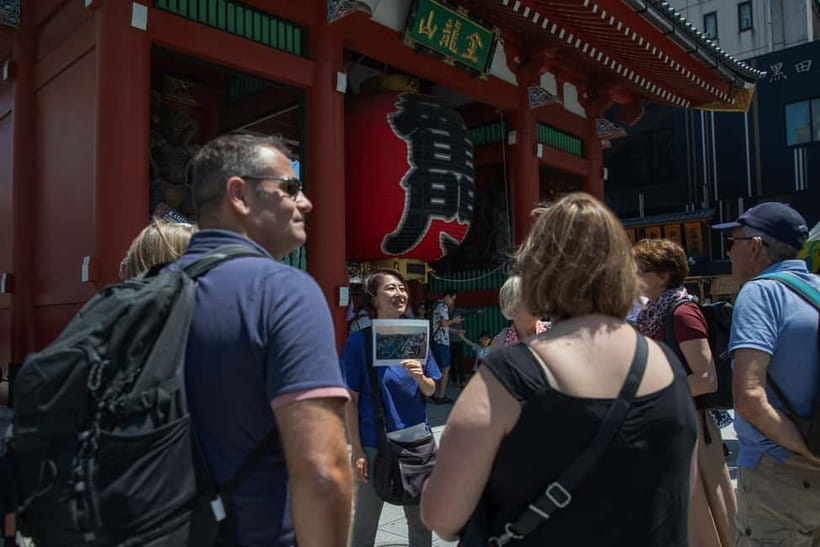
Your meeting point is the left side of Kaminarimon Gate, near Tokiwado Kaminari-okoshi Honpo. The guide holds a sign for the tour, so the large gate gives you a useful landmark in a crowded part of Tokyo.
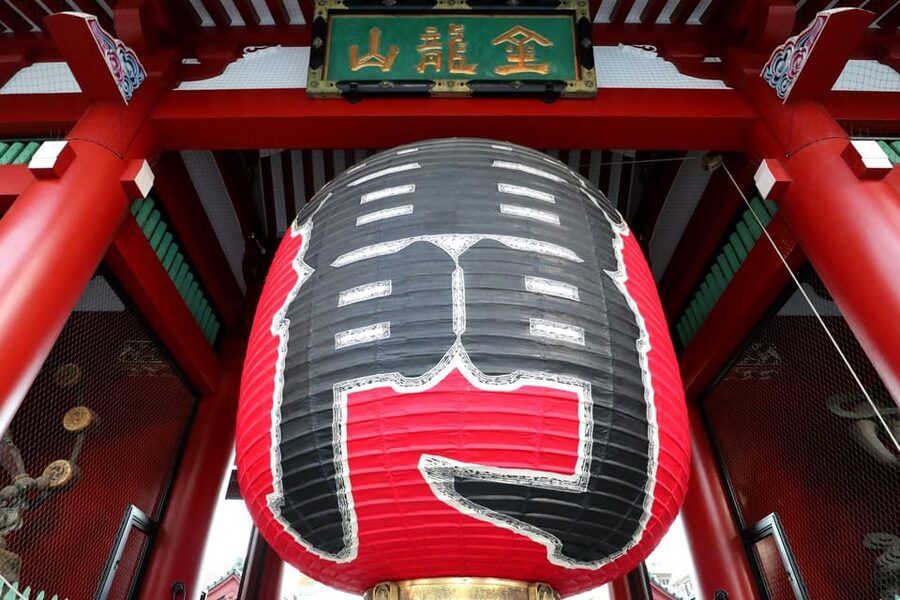
Kaminarimon means Thunder Gate. Its huge lantern and imposing guardian figures make it an excellent place to begin, both visually and historically. The guide spends about 10 minutes here, enough time to explain the entrance and help the group gather before moving toward the temple.
Arrive early. The instructions are clear that the guide cannot wait long for late arrivals, and this matters in Asakusa, where crowds can make a short crossing take longer than expected.
The area is easy to photograph, but do not stop only for the obvious front-facing shot. Look up at the gate details, then look down the long approach toward Sensōji. That view explains how the gate, shopping street, and temple work together as one ceremonial route.
Walking Nakamise Street toward Sensōji
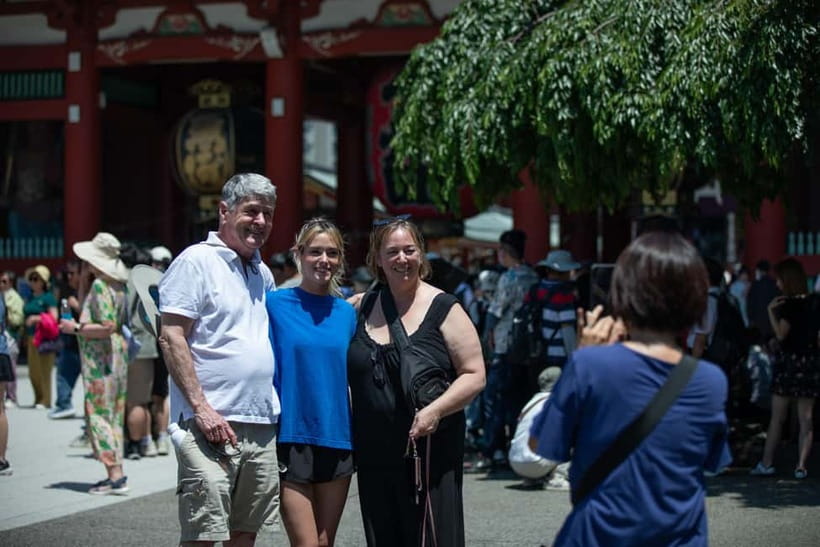
From Kaminarimon, the group walks down Nakamise Shopping Street for about 15 minutes. This is one of Japan’s oldest shopping centers, and the route is lined with traditional crafts, souvenirs, snacks, and small shops.
Nakamise is part of the experience, not just a passageway. It shows how commerce grew around a major temple. You may see items that are useful as gifts, along with foods and crafts tied to Japanese tradition.
The trade-off is crowding. This is a busy public street, so you should not expect a slow browse through every shop during the guided portion. The guide’s job here is to explain what you are seeing and keep the group together.
I would treat this stretch as an orientation walk. Listen for recommendations, note the shops or foods you want to revisit, and save serious shopping for after the tour. The route later finishes close to places to eat, so there is no need to pack every purchase into these 15 minutes.
Sensōji Temple and the incense ritual
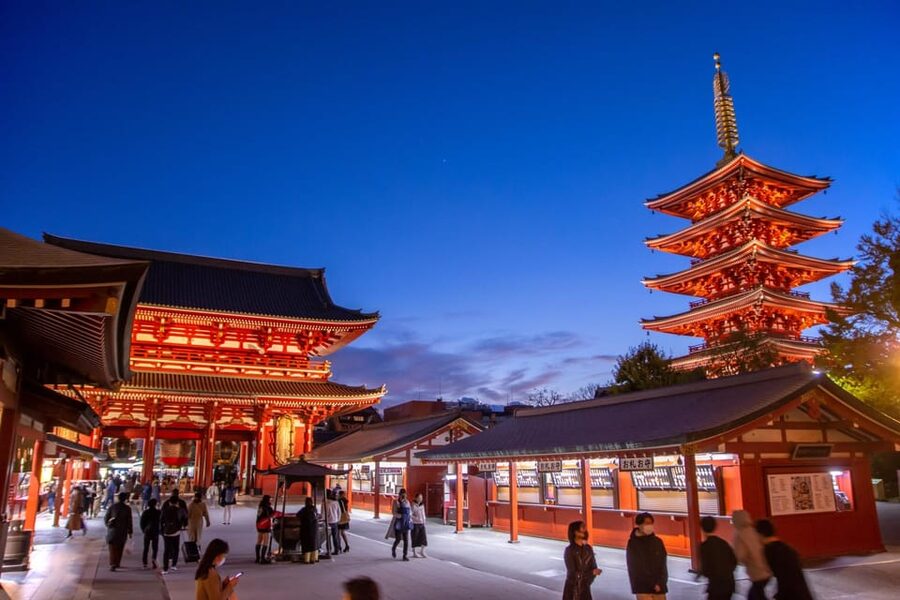
Sensōji receives the longest portion of the tour, with around 30 minutes for a visit, photos, guided explanation, and free time. That balance is important. You get background from the guide, then a little room to look around at your own pace.
Sensōji is Tokyo’s oldest Buddhist sanctuary, and the temple’s scale makes a stronger impression once you understand its place in Asakusa. The guide explains architectural details, religious customs, and stories connected with the temple, rather than leaving you to guess what each feature means.
One useful part of the visit is the incense ritual. Your guide can explain how to approach it and what it means, allowing you to take part respectfully instead of copying the nearest person without context.
You should also allow time for photographs, but remember that this is an active religious site, not just a landmark. Keep your voice low around worshippers and follow the guide’s instructions about where to stand.
The time here can feel short if you want to explore every corner. That is the central limitation of a two-hour tour. Still, the visit is long enough to give first-time visitors a firm grasp of the temple and enough free time to decide what deserves a return visit.
Aya receives especially strong praise for explaining Sensōji’s architecture, customs, history, and miracle stories. Other guides, including Hiroko and Keiko, are praised for answering many questions and adjusting their pace so the whole group can follow.
More Walking Tours in Tokyo
- Tokyo Tsukiji Fish Market Food and Culture Walking Tour
★ 5.0 · 3,184 reviews - Tokyo: Imperial Palace and Shogun Historical Walking Tour
★ 5.0 · 2,251 reviews - Tokyo: Shinjuku Local Bar and Izakaya Guided Walking Tour
★ 4.9 · 1,794 reviews - Tokyo: Tsukiji Fish Market Food and Walking tour
★ 5.0 · 1,724 reviews
Asakusa Shrine and the meeting of two traditions
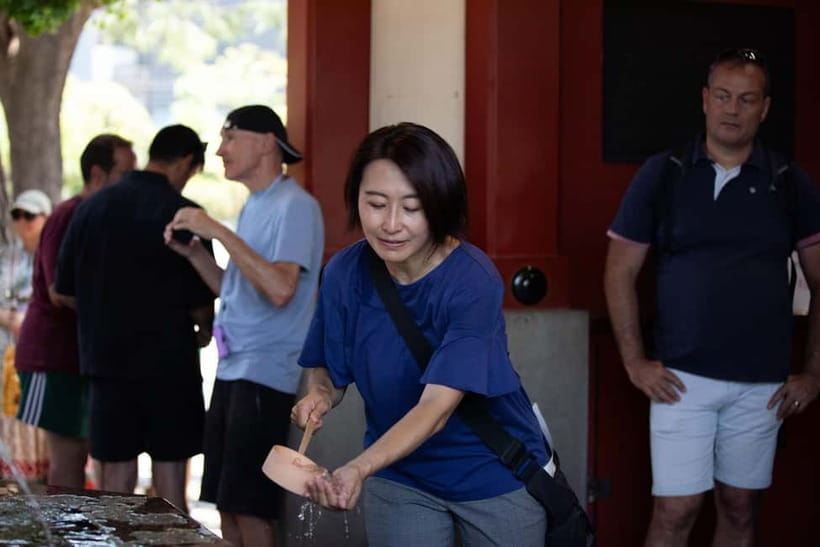
The next stop is Asakusa Shrine, with about 20 minutes for a visit, photos, and explanation. This adds an important layer to the walk because you see a Shinto shrine after visiting a Buddhist temple.
For many first-time visitors, the difference between a temple and a shrine is not obvious. Having both explained side by side is one of the tour’s best features. You can ask questions about customs, entrances, worship, and the role each site plays in Japanese religious life.
This stop also helps break up the grand scale of Sensōji. The shrine offers another setting and another set of visual details, while the guide connects it to the wider story of Asakusa.
Lara from Australia specifically praised learning about both Buddhist and Shinto traditions during the walk. That comparison is useful well beyond Asakusa, since you will see temples and shrines throughout Japan.
Hoppy Street, food talk, and local atmosphere
The route then reaches Hoppy Street for around 10 minutes. This short visit shifts the mood from temple grounds to casual food and drink culture.
The tour does not include a meal, so do not book it expecting a tasting experience. Instead, Hoppy Street gives you a look at one of Asakusa’s food-focused areas and a chance to ask the guide what to try later.
Several guides are praised for practical food advice. Keiko, Aya, Glenda, and Rio all receive specific credit for suggesting restaurants or places to eat after the walk. That can be genuinely useful, especially if your tour ends around lunchtime and you do not yet know which streets are worth exploring.
The short stop is a sampler rather than a full food tour. If food is your main reason for visiting Asakusa, you may want to return after the tour with more time and an appetite.
Shin-Nakamise and the final walk to Azuma Bridge
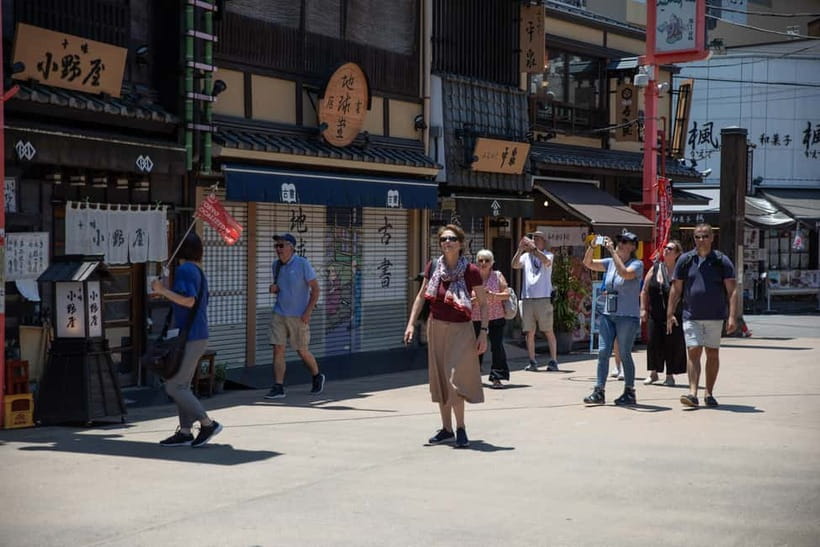
The final shopping stop is Shin-Nakamise Shopping Street, where the group spends about 10 minutes. This gives you another look at Asakusa’s commercial side, away from the direct temple approach.
The contrast between Nakamise and Shin-Nakamise helps you understand that Asakusa is not a single preserved shrine district. It is also a working shopping and dining area, with streets that serve both local life and sightseeing.
The tour finishes at Azuma Bridge. Ending there is practical because you are not returned to the starting point and left wondering which way to go next. You can continue with riverside views, return toward the temple area, or stop for lunch nearby.
The final location also gives the tour a clear sense of movement. You begin at the dramatic temple gate and finish away from the main entrance, having crossed several different parts of Asakusa.
What the $22 price really buys you
At $22 per person, the tour is not selling exclusive access or a long private experience. It is selling structure, explanation, and a reliable two-hour introduction.
You can walk through Asakusa for free, of course. The value comes from knowing what you are looking at and avoiding the common problem of seeing a famous temple without understanding its symbols or customs.
The price works best for:
- A first visit to Tokyo
- Solo visitors who want company and orientation
- Families who benefit from a guide keeping children engaged
- People interested in Japanese religion and history
- Anyone who wants restaurant suggestions before lunch
- Visitors with only a short amount of time in Asakusa
The tour may offer less value if you already know the district well or prefer to linger. Thirty minutes at Sensōji and brief stops elsewhere give you a useful framework, but you will need to return on your own for a slower look.
The included English-speaking guide is the key part of the price. There are no extra attractions or meals included, so judge the experience by the quality of the explanation and the route. Based on the repeated praise for patient, engaging guides, that is where the tour earns its fee.
Guide quality and group experience
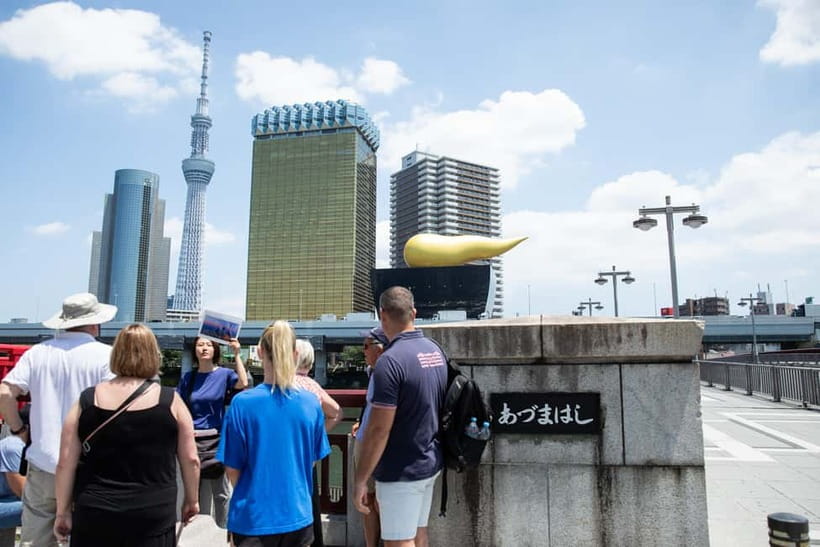
Guide quality appears to be the biggest strength. Paulina is praised for making the information interesting, while Hikoro and Hiroko receive credit for clear explanations, patience, and a warm manner.
Keiko is singled out for keeping everyone within earshot, watching the group’s pace, answering many questions, and connecting well with children and a fourteen-year-old. That is useful information for families, since a temple-focused walk can otherwise lose younger attention.
Aya is repeatedly described as friendly, entertaining, and well informed. She also appears to go beyond the basic route at times by showing extra Asakusa landmarks and offering places to eat. Rio brought extra charts and information, which may help if you learn better through visual material.
Guide assignments can vary, so you should not book on the assumption that one particular person will lead your walk. Still, the range of praise suggests a strong guiding team rather than one isolated success.
The walk is also wheelchair accessible. The supplied details do not explain the exact surface conditions or how every stop is handled, so you may want to confirm any specific mobility needs when booking.
Timing, comfort, and what to bring
The tour lasts two hours, with starting times available according to the selected date. That length is a good compromise for a first look at Asakusa. It is long enough to cover the major sights without taking an entire morning or afternoon.
Wear comfortable walking shoes. The route includes several streets, shopping areas, temple grounds, and public spaces, and you will spend the full two hours on foot.
Bring water and keep your camera ready, especially at Kaminarimon, Sensōji, Asakusa Shrine, and Azuma Bridge. If you plan to eat after the tour, hold back some time at the end rather than rushing away from the group.
The route can be busy. Stay close enough to hear the guide, particularly on Nakamise and Shin-Nakamise. A small group is easier to manage in crowded streets, and one participant specifically found a small group helpful in Asakusa’s busy setting.
Free cancellation is available up to 24 hours before the start, and you can reserve now while paying later. Those terms help if your Tokyo schedule is still shifting.
Who should book this Asakusa walk?
I would choose this tour early in a Tokyo visit. It gives you cultural basics, a sense of direction, and several ideas for what to do after the guide leaves.
Families should consider it because guides have made a point of engaging children and teenagers. The route also changes scenery often enough to keep the walk from becoming one long temple lecture.
It suits curious first-time visitors more than dedicated photographers or independent history buffs. You get explanation and movement, not long silent periods for composition or detailed study.
Food-focused visitors can also benefit, as long as they understand that meals are not included. The food advice may be the most practical extra, especially if you finish near lunchtime and want a local recommendation instead of choosing at random.
Should you book the Sensōji Temple walking tour?
Book it if you want a friendly, affordable introduction to Asakusa with clear English explanations. The combination of Kaminarimon, Nakamise, Sensōji, Asakusa Shrine, Hoppy Street, and Shin-Nakamise gives you a lot in two hours, and the Buddhist and Shinto comparison adds real value.
Skip it if you already know Asakusa well or want to set your own pace. For everyone else, $22 is a modest price for a guided first look, especially when the guide can explain temple customs and suggest where to eat afterward.
FAQ
How much does the Asakusa walking tour cost?
The tour costs $22 per person.
How long does the tour last?
The walking tour lasts two hours.
Where does the tour start?
It starts in front of Kaminarimon Gate, on the left side near Tokiwado Kaminari-okoshi Honpo. The guide holds a sign for the tour.
Where does the tour finish?
The tour finishes at Azuma Bridge.
Is the tour conducted in English?
Yes. The live guide speaks English, and English is the listed tour language.
Is the tour wheelchair accessible?
Yes, the activity is listed as wheelchair accessible. The supplied details do not provide further information about specific access arrangements at each stop.
Just added around Tokyo
- Tokyo 6hr Instagram Highlights Private Tour with Licensed Guide★ 5.0 · 38 reviews
- Tokyo Small Group Tour with Guide★ 4.5 · 38 reviews
- Tokyo Sumo Experience with Live Show & Audience Challenge★ 5.0 · 38 reviews
- Japanese Food Cooking Class in Asakusa, Tokyo★ 5.0 · 39 reviews
- Very popular in Harajuku♡Animal petting zoo★ 4.6 · 39 reviews
- Ramen Making from Scratch with Tokyo Mom(Vegan Option Available)★ 5.0 · 39 reviews
- Tokyo: Kimono Rental inside Shinjuku Gyoen National Garden★ 4.9 · 39 reviews
- Tokyo JDM Night: 600hp C63s AMG Edition 1 (Private)★ 4.9 · 39 reviews
Temple & Shrine Tours, compared.
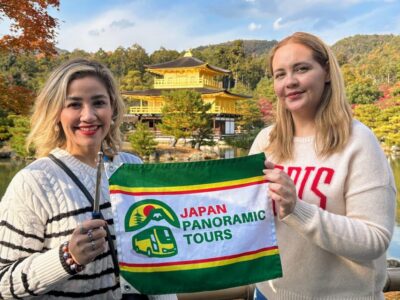
Fushimi Inari, Kinkakuji, Bamboo Grove 1 Day Bus Tour
Read our review →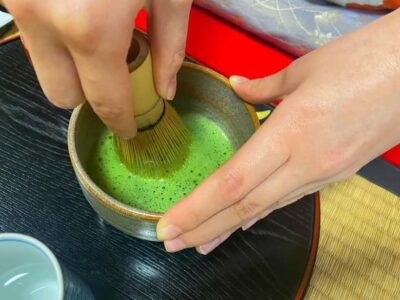
Tea Ceremony in a Traditional Tea House in Kiyomizu
Read our review →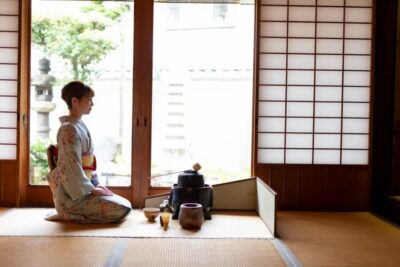
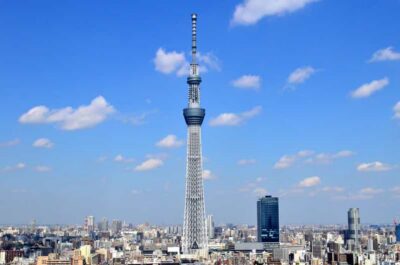
Meiji Shrine, Asakusa, Skytree Bus Tour and Cruise
Read our review →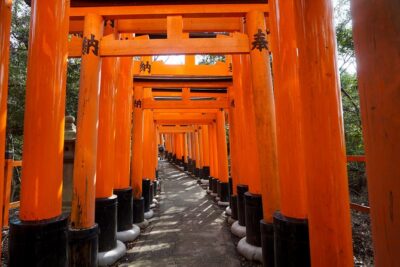
Fushimi Inari Hidden Hiking Tour (Private Option Available)
Read our review →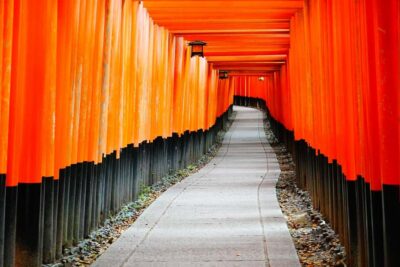
Osaka/Kyoto:Kinkakuji,Arashiyama,FushimiInariShrine,NaraPark
Read our review →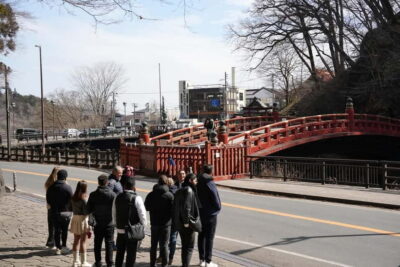
Nikko: Kegon Falls, Lake Chuzenji & Toshogu Temple
Read our review →
Kamakura & Enoshima Day Trip including Temple Tickets
Read our review →Browse the lists this tour appears in