
Reviewed · HISTORICAL TOURS
Tokyo: Imperial Palace and Shogun Historical Walking Tour
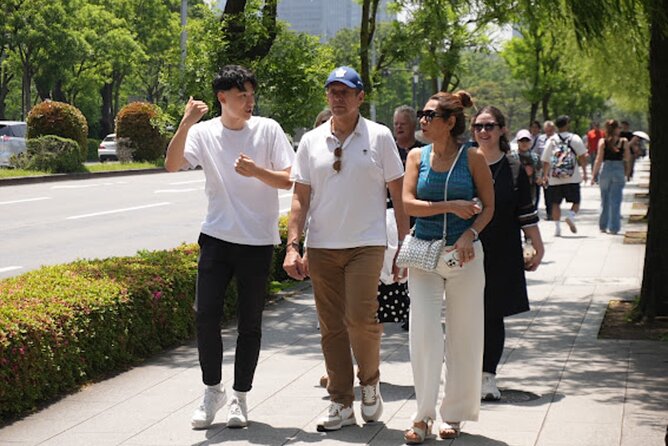
History gets easier on foot. This two-hour Tokyo walk takes you through the Imperial Palace East Gardens, the former grounds of Edo Castle, and the remains of the castle keep. I like the personal scale of a group capped at 15 people, and I like that a guide turns quiet stones, gates, ponds, and gardens into a readable story about shoguns, emperors, and modern Japan. The main consideration is guide consistency: most guides receive glowing praise, but a few visitors found the commentary too long or the historical detail too thin.
At $22 per person, this is a sensible buy if you want more than a pleasant garden stroll. The East Gardens can be visited without paying an admission fee, so you are paying for explanation, navigation, and the chance to ask questions. Guides such as Jim, Miguel, Tony, Izzy, Aya, and Lasse have been praised for making the setting come alive, though the tour does require steady walking, slopes, and attention to meeting-point instructions.
In This Review
- Key points at a glance
- What this Imperial Palace walk actually covers
- Starting at Kokyo Gaien Wadakura Fountain Park
- Passing the gates and castle walls
- Standing on the Edo Castle keep foundation
- Finding calm in Ninomaru Garden
- How much history will you hear?
- Walking effort, pace, and group size
- Is $22 a fair price?
- Who will enjoy this tour most?
- Booking advice and cancellation terms
- Final verdict: should you book it?
- FAQ
- How long does the Tokyo Imperial Palace walking tour last?
- What area does the tour visit?
- Is admission to the East Gardens included?
- Where does the tour start?
- Where does the tour finish?
- How many people can join the tour?
- Is the tour suitable for most people?
- Is public transportation available near the meeting point?
- Can I cancel for a full refund?
Key points at a glance
- The castle keep foundation is the historical centerpiece: You stand where Edo Castle’s enormous keep once rose, with the stones doing much of the storytelling.
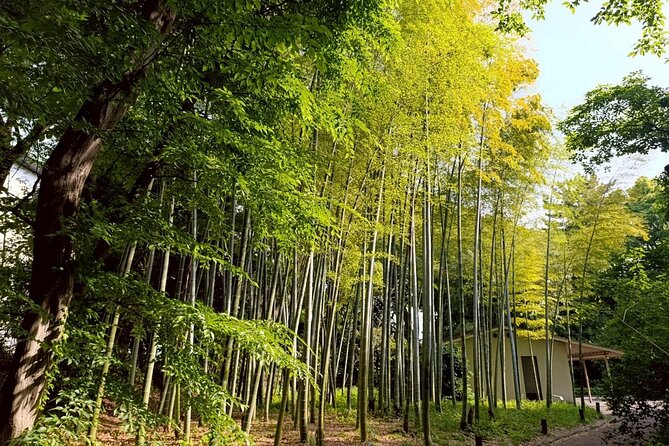
- Ninomaru Garden softens the military story: Ponds and seasonal flowers show the careful design of the Edo period.
- Small groups make questions easier: The maximum group size is 15, a useful limit in a large public garden.
- The guide is the real value: Jim, Miguel, Tony, and several other guides have been praised for linking the grounds to Japanese culture and modern Tokyo.
- Plan for a real walk: The route includes gates, walls, gardens, and slopes, not just a short photo stop.
- Meeting-point care matters: The tour begins at the Starbucks Coffee in Kokyo Gaien Wadakura Fountain Park and ends there, so arrive early and confirm the location.
What this Imperial Palace walk actually covers
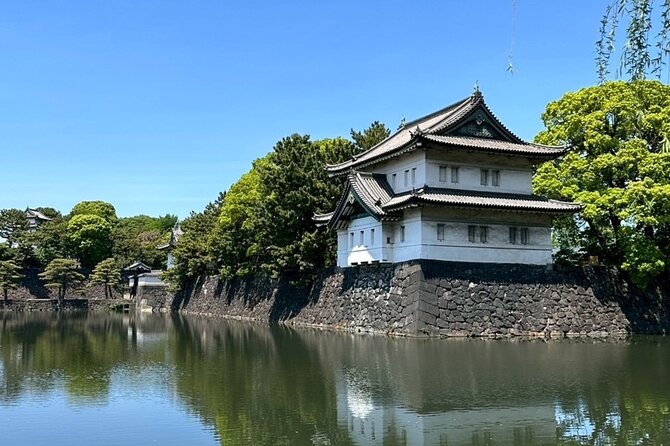
This is not a tour inside the private residence of Japan’s imperial family. It focuses on the East Gardens of the Imperial Palace, a public area connected to the former Edo Castle grounds.
That distinction matters. You will not get a room-by-room palace visit. Instead, you get an outdoor history lesson told through stone walls, gates, foundations, garden design, and the shape of the old castle site. For me, that is the strength of the experience. Tokyo can feel modern and immense, yet here the city’s political past is under your feet.
The walk lasts about two hours, with the main garden and Edo Castle section listed at roughly 90 minutes. The extra time likely allows for meeting, moving between points, and the guide’s explanations. Do not treat this as a quick photo stop. The guide may pause for a while at major points, especially if the group has questions.
The tone is relaxed rather than formal. Several guides have been praised for being friendly, patient, and easy to follow. Jim is often singled out for combining Japanese history with modern customs and practical advice for visitors. Miguel has been praised for explaining both historical events and present-day Tokyo. Tony is noted for careful pacing and for making sure the group stayed together.
More History Tours in Tokyo
- Tokyo: Imperial Palace Japanese History Walking Tour
★ 4.9 · 987 reviews - Yanaka Walking Tour: Historic and Traditional District of Tokyo
★ 5.0 · 530 reviews - Tokyo: Shinjuku Historical Walking Tour & Secret Backstreets
★ 5.0 · 530 reviews
Starting at Kokyo Gaien Wadakura Fountain Park
The meeting point is Starbucks Coffee at Kokyo Gaien Wadakura Fountain Park, 3-1 Kōkyogaien, Chiyoda City, Tokyo 100-0002.
This is near public transportation, but central Tokyo can make even a simple meeting point feel less simple. I would arrive early, locate the Starbucks, and have the mobile ticket ready before the scheduled start. One unhappy experience involved a group missing the departure after communication about a changed location went badly. The guide later helped, but the group reached the palace late and found that it was closing before every site could be seen.
That is an avoidable problem. Give yourself extra time, check the exact meeting instructions, and do not assume the nearest station exit will put you beside the café. The tour returns to the same meeting point, which makes the end easy to manage. You will not need to arrange a one-way transfer afterward.
Because the group maximum is 15, the start should feel more personal than a large coach tour. You can hear the guide more easily, ask questions, and stay connected as the group moves through the grounds.
Passing the gates and castle walls
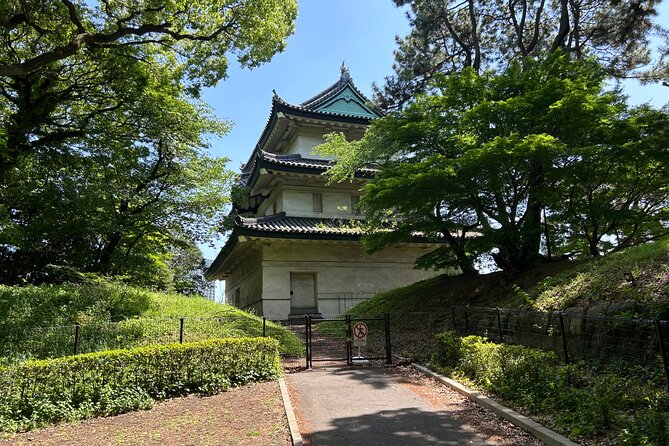
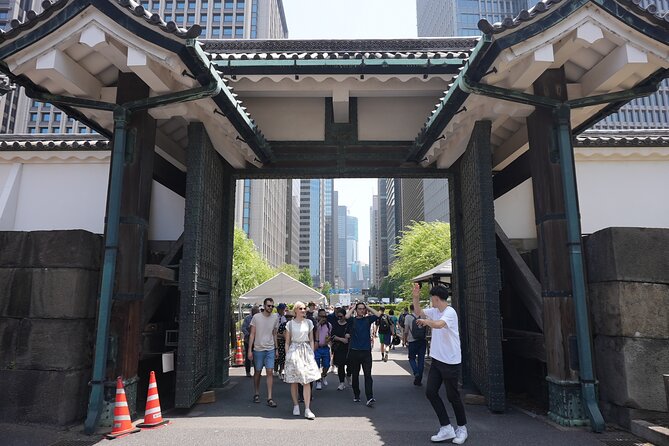
The first part of the walk sets the physical scene. You pass through imposing stone gates and along sections of castle wall that hint at the power once concentrated here.
Edo Castle was the center of the shogunate, and the grounds tell that story without needing modern displays at every turn. The stones are the exhibit. Their size, placement, and defensive purpose help you picture a fortified seat of government rather than just another attractive Tokyo park.
This is where a guide earns the $22 fee. On your own, you might notice the walls and take photographs. With a good guide, you can connect them to the shoguns, feudal lords, the emperor, and the transition from the Edo period into modern Japan.
Jim has been praised for explaining architecture, politics, and Japanese culture as one connected story. Other guides, including Lasse and Izzy, have received strong praise for making the past easy to follow. The best commentary appears to combine facts with small details, legends, and explanations of how Japanese society changed.
Still, expect some variation. One person wanted more background before entering the historical area. Another felt the guide repeated points and spent too long at individual stops. If you prefer a brisk walk with short explanations, this may feel slow. If you like a class outdoors, you will probably appreciate the extra context.
Standing on the Edo Castle keep foundation
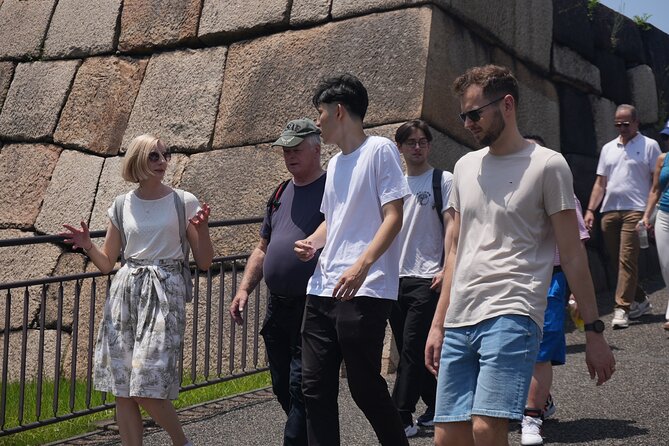
The old castle keep foundation is the clearest single stop on the route. You stand on the base of what was once the castle’s central tower and look across grounds that now feel calm and open.
That contrast is the point. The site no longer looks like a battlefield or a shogun’s headquarters. It is peaceful, green, and orderly. The guide helps you imagine the scale and authority of the structure that once occupied the foundation.
Several guides have made this stop especially effective by explaining the Edo period, the shogunate, and the relationship between military rulers and the imperial family. Tony has been praised for giving a broad account of the castle grounds and their importance. A guide with a strong command of the subject can make a foundation more memorable than a complete building, because you must use your imagination.
You should also prepare for a history-heavy experience. One person advised knowing a little about Japan’s royal family, the country’s opening to the Western world, and basic Japanese history before arriving. You do not need to study a textbook, but a quick read about the shogunate and the Meiji period will help you keep the names and changes in power straight.
The foundation may be the place where the tour feels most like a traditional guided lesson. That is useful, but it can also be the point where a long explanation tests your attention. Ask questions if you want the story tied to something you have already seen in Tokyo.
More Walking Tours in Tokyo
- Tokyo Tsukiji Fish Market Food and Culture Walking Tour
★ 5.0 · 3,184 reviews - Tokyo: Shinjuku Local Bar and Izakaya Guided Walking Tour
★ 4.9 · 1,794 reviews - Tokyo: Tsukiji Fish Market Food and Walking tour
★ 5.0 · 1,724 reviews - Tokyo: Asakusa Walking Tour with Sensoji Temple Visit
★ 4.8 · 1,583 reviews
Finding calm in Ninomaru Garden
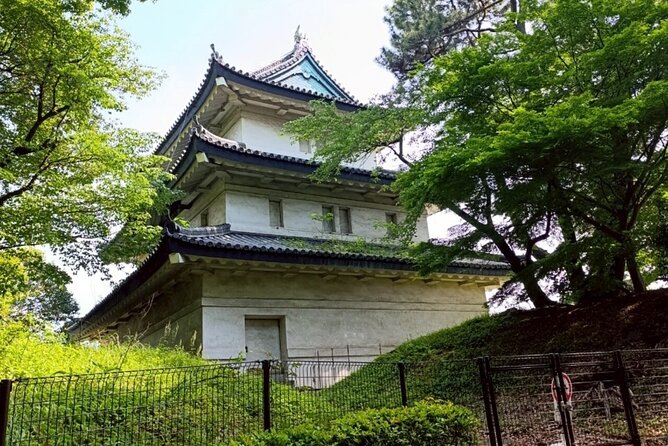
Ninomaru Garden changes the mood. After the hard military lines of the gates and walls, you move into a garden with ponds and seasonal flowers.
The garden reflects the refined side of the Edo period. Its beauty is not separate from the history. It shows how power was expressed through careful design, controlled views, water, plants, and quiet spaces, not only through fortifications.
This part suits visitors who want a gentler Tokyo experience. You get greenery without leaving the center of the city, and the pace tends to feel easier than a packed sightseeing street. The gardens can be enjoyed without a guide, but the commentary explains why details matter and how the setting relates to the people who used it.
Aya’s commentary, based on her tour work around Tokyo, has been praised for explaining meaning and ritual in a way that feels personal rather than mechanical. Her approach to Japanese culture and temple customs shows the kind of connection a good guide can create, although the experience described here centers on the Imperial Palace East Gardens.
You will want time for photographs, but this is not a free-roaming garden visit. Stay with the group and expect the guide to lead you onward. A peaceful pond can become a long stop if the group is discussing garden design, imperial history, or seasonal traditions.
How much history will you hear?
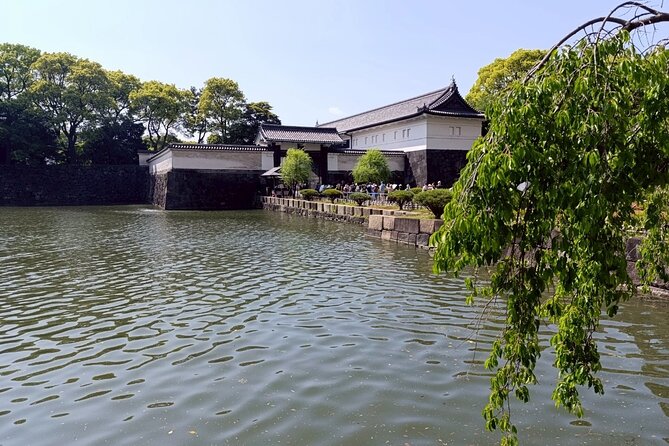
The answer depends partly on your guide, but the tour is designed for explanation rather than silent sightseeing.
You may hear about:
- The Edo period and the shogunate
- Edo Castle and its former keep
- Samurai authority and feudal lords
- The emperor and the imperial family
- The change that brought Japan into closer contact with the Western world
- Japanese architecture, garden design, legends, and customs
- Modern Tokyo and how visitors can behave respectfully
The strongest guides connect these subjects instead of presenting isolated dates. Jim has been praised for bringing together architecture, politics, and culture. Miguel is noted for sharing historical facts, modern Tokyo insights, and patient answers. Tony has been praised for explaining the palace, the castle grounds, and their wider meaning.
The less successful version is still a walk through attractive grounds, but it may feel less satisfying if you want solid historical detail. One person found the guide too inexperienced and said the supervising guide seemed better suited to lead. That makes the guide a genuine variable, not a minor footnote.
The overall rating is five out of five from 2,251 reviews, with 99 percent recommending the experience. Those numbers suggest that guide quality is usually a strength, but they do not remove the normal risk of getting a less polished presentation on a particular departure.
Walking effort, pace, and group size
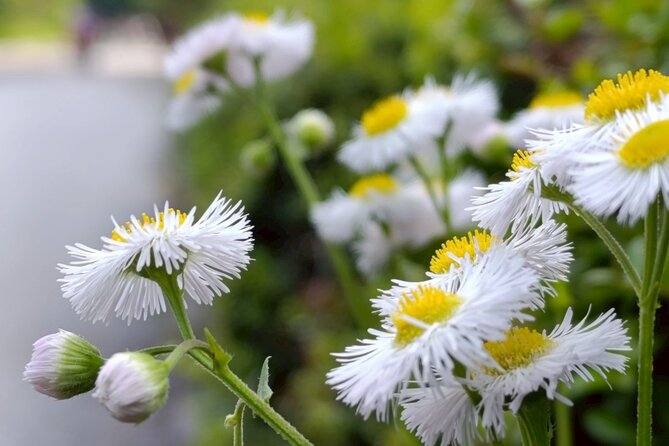
The tour is listed at about two hours, but you should dress and plan for walking. The route includes gates, walls, the castle foundation, gardens, and slopes. One guide specifically warned that the tour involves a lot of walking and some inclines.
Most people can participate, according to the tour information. Still, comfort depends on your own pace and the weather. Wear shoes you can walk in for two hours and bring water if the day is warm. The route is outdoors, so conditions can affect how enjoyable the garden portion feels.
The maximum of 15 people is a good middle ground. A very small private tour can feel expensive, while a large group often means standing at the back and missing half the explanation. Here, you should be able to hear the guide and ask a question without stopping the entire tour.
A small group also helps the guide manage gates and narrow areas. Tony has been praised for checking that everyone was together before moving. That is a basic habit, but it matters in a public garden where the guide can disappear around a wall in seconds.
The pace seems easy rather than rushed, though some stops may run long. If you want a quick overview before lunch, tell the guide early that you prefer concise explanations, or simply accept that the tour is built around storytelling.
Is $22 a fair price?
Yes, if you want context.
The East Gardens are free to visit, so you should not book this expecting an admission ticket worth $22. The value comes from having someone explain what you are seeing and answer questions as the route unfolds.
I would compare the price with the cost of spending two hours wandering without knowing which stones, gates, or garden features matter. If Japanese history is new to you, the guide can give you a useful framework for the rest of your Tokyo visit. You may start recognizing the difference between imperial, shogunal, and modern references elsewhere in the city.
The price is also modest for a small group. You are not paying for transportation, meals, or a private guide, but you are getting a focused walking experience with a group limit of 15.
If you already know Edo-period history well and prefer exploring at your own speed, the fee may not feel necessary. You can visit the gardens independently. I would spend the money if you want an introduction, have limited time, or enjoy learning through place rather than reading signs.
Who will enjoy this tour most?
This is a strong choice for a first visit to Tokyo, especially if you want a calm start away from crowded shopping districts. The walk gives you a basic framework for Japanese political history and helps explain why the Imperial Palace area matters.
It also suits repeat visitors who saw the gardens before but felt they missed the meaning. The setting is easy to appreciate visually, yet much of its importance is not obvious without explanation.
Families with older children may find the castle foundation and samurai-era stories more engaging than a formal museum. The two-hour length is manageable, although younger children may lose interest during long historical stops.
History fans should choose a departure led by a strong guide if possible. Jim, Miguel, Tony, Izzy, Lasse, Aya, and Michi have all been praised in connection with clear, friendly, or engaging tours. You may not be able to select a particular guide, so book this for the overall format rather than a guaranteed personality.
This is less suitable if you dislike guided groups, want complete freedom to linger, or have difficulty with slopes and sustained walking. It is also not the right choice if you expect to enter private palace rooms.
Booking advice and cancellation terms
The mobile ticket keeps the booking simple, and confirmation is provided when you book. The activity has free cancellation if you cancel at least 24 hours before the start time.
Cancellations made less than 24 hours before the start are not refunded, and changes inside that window are not accepted. Cutoff times use Tokyo local time, so check the clock carefully if you are changing plans from another time zone.
I would book an early slot in your Tokyo schedule if possible. That gives you a useful historical base for later sightseeing, and it leaves room to recover if the meeting point takes longer to find than expected. If you prefer to understand a city after seeing it, the tour also works near the end of a stay, when you can connect the guide’s explanations to places you have already visited.
Final verdict: should you book it?
Book this tour if you want the Imperial Palace East Gardens to mean more than a pleasant collection of lawns, ponds, and old stones. The $22 price is fair for a small-group walk, strong guide commentary, and a clear introduction to Edo Castle, the shogunate, the emperor, and Japan’s changing political story.
I would be prepared for a history lesson, some slopes, and the possibility that your guide’s style may be more detailed or less polished than expected. Arrive early at the Starbucks in Wadakura Fountain Park, keep the mobile ticket ready, and wear comfortable shoes.
Skip it if you prefer to explore independently or want access to palace interiors. Choose it if you want an affordable, relaxed way to put Tokyo’s royal and shogunal past into place.
FAQ
How long does the Tokyo Imperial Palace walking tour last?
The experience lasts approximately two hours. The main East Gardens and Edo Castle section is listed as about one hour and 30 minutes.
What area does the tour visit?
The tour visits the Imperial Palace East Gardens and the former grounds of Edo Castle, including castle gates, wall remains, the old keep foundation, and Ninomaru Garden.
Is admission to the East Gardens included?
The tour includes admission for the guided visit. The gardens can also be visited free of charge when exploring independently.
Where does the tour start?
It starts at Starbucks Coffee in Kokyo Gaien Wadakura Fountain Park, 3-1 Kōkyogaien, Chiyoda City, Tokyo 100-0002, Japan.
Where does the tour finish?
The activity ends back at the meeting point.
How many people can join the tour?
The group has a maximum of 15 travelers.
Is the tour suitable for most people?
The tour information says most people can participate. It is a walking tour with some slopes, so you should be comfortable walking outdoors for about two hours.
Is public transportation available near the meeting point?
Yes. The meeting point is near public transportation.
Can I cancel for a full refund?
Yes, if you cancel at least 24 hours before the experience start time. Cancellations made less than 24 hours in advance are not refunded, and changes within that period are not accepted.
Just added around Tokyo
- Tokyo 6hr Instagram Highlights Private Tour with Licensed Guide★ 5.0 · 38 reviews
- Tokyo Small Group Tour with Guide★ 4.5 · 38 reviews
- Tokyo Sumo Experience with Live Show & Audience Challenge★ 5.0 · 38 reviews
- Japanese Food Cooking Class in Asakusa, Tokyo★ 5.0 · 39 reviews
- Very popular in Harajuku♡Animal petting zoo★ 4.6 · 39 reviews
- Ramen Making from Scratch with Tokyo Mom(Vegan Option Available)★ 5.0 · 39 reviews
- Tokyo JDM Night: 600hp C63s AMG Edition 1 (Private)★ 4.9 · 39 reviews
- Tokyo: Kimono Rental inside Shinjuku Gyoen National Garden★ 4.9 · 39 reviews
Historical Tours, compared.
World Heritage Shirakawa-go and Experience Tours from Kanazawa
Read our review →
World Heritage Kyoto & Nara Uji Authentic Matcha Experience
Read our review →
Kyoto Gion: 2-Hour Geisha Culture & History Walking Tour
Read our review →
World Heritage Shirakawa-go Morning Guided Tour
Read our review →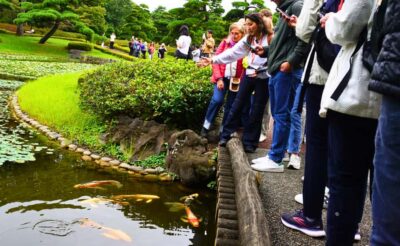
Hiroshima Historical Walking Tour – Why A-Bomb was Dropped
Read our review →
Hiroshima Peace (Heiwa) Walking Tour at World Heritage Sites
Read our review →
Yanaka Walking Tour: Historic and Traditional District of Tokyo
Read our review →Browse the lists this tour appears in