
Reviewed · HISTORICAL TOURS
Hiroshima Peace (Heiwa) Walking Tour at World Heritage Sites
Hiroshima asks you to slow down. This five-hour walk links the Peace Memorial Museum, memorials, Atomic Bomb Dome, and Orizuru Tower with a local guide who can explain what signs alone cannot. I like the human focus on Hiroshima’s recovery, and I like that the small group is limited to eight people. The main drawback is that the museum can become so crowded that the central exhibit may take more than an hour to enter.
I also like the contrast between the solemn park and the modern view from Orizuru Tower. Guides such as Yuji, Kaori, Hiro, Etsuko, Yasue, and Tommy have been praised for clear explanations, personal stories, patience, and a gentle manner. You should still prepare for graphic museum displays, a fair amount of walking, and limited food choices if you have allergies or strict dietary needs.
In This Review
- Key points to know before booking
- Why this Hiroshima walk works so well
- Starting near Kamiyacho and entering Peace Memorial Park
- The Peace Memorial Museum: allow time and emotional space
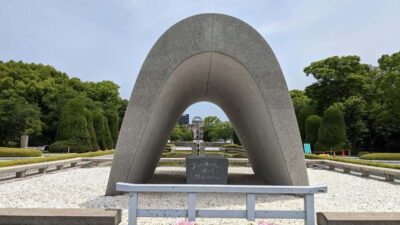
- The Cenotaph and Children’s Peace Monument
- The Aogiri tree and Hiroshima’s message of survival
- The Atomic Bomb Dome at 8:15
- Orizuru Tower and the view over modern Hiroshima
- Guides who make the difference
- Is $94.84 a fair price?
- Weather, food, and practical planning
- Who should book this Hiroshima tour?
- FAQ
- How long does the Hiroshima Peace Walking Tour last?
- What sites are included?
- Is lunch included?
- How many people can join the tour?
- Is the tour suitable for someone with mobility issues?
- Can the tour provide gluten-free or allergy-free meals?
- What happens if I need to cancel?
Key points to know before booking
- The museum is the emotional center: You get about an hour inside the Hiroshima Peace Memorial Museum, with time to learn about the bombing and the city’s recovery.
- The group is capped at eight: This makes it easier to ask questions and stay close to your guide in crowded public spaces.
- The walk connects major symbols: You see the Cenotaph, Children’s Peace Monument, Aogiri tree, and Atomic Bomb Dome, not just the museum.
- Orizuru Tower changes the view: The observatory lets you look across present-day Hiroshima after spending time with its painful past.
- Lunch is included: The meal adds practical value, though gluten-free meals cannot be arranged and allergy-free dining is not guaranteed.
- Plan for Hiroshima weather: Summer can reach 40°C, while winter temperatures may fall to minus 5°C, so water, a hat, and suitable clothing matter.
Why this Hiroshima walk works so well
Hiroshima Peace Memorial Park can be hard to take in on your own. The monuments are spread across a broad riverside area, and each one carries meaning that is easy to miss if you simply walk from one photo stop to the next.
This tour gives you a human guide through the subject. The best guides do not treat the atomic bombing as a list of dates. They explain the suffering, the personal losses, and the way Hiroshima rebuilt daily life after August 6, 1945. Several guides have also shared details about ordinary Japanese life, which helps place the tragedy within the wider story of the city.
That balance matters. You will hear about destruction, but the tour is not presented as a museum of misery. Its focus also includes resilience, remembrance, and the wish that nuclear weapons will not be used again.
The small-group format helps here. With no more than eight people, your guide can watch the pace, answer questions, and give the subject the quiet attention it deserves. If you prefer to wander silently and read every panel by yourself, the group structure may feel restrictive. If you want help making sense of the place, it is a strong fit.
More History Tours in Hiroshima
- Hiroshima Historical Walking Tour – Why A-Bomb was Dropped
★ 4.8 · 893 reviews - Miyajima Half-day Trip Historical Walking Tour
★ 5.0 · 284 reviews - Hiroshima: History of Hiroshima Group Walking Tour
★ 4.8 · 266 reviews
Starting near Kamiyacho and entering Peace Memorial Park
The meeting point is MontbellJapan in Hiroshima’s Naka Ward, near public transportation. From there, the walk moves toward Peace Memorial Park, where your guide begins to place the memorials and museum in context.
The park itself deserves more than a quick pass-through. Your guide introduces the purpose of the site before you enter the museum, helping you understand why the monuments are arranged as they are and how remembrance shapes modern Hiroshima.
The first park visit is listed at about 10 minutes, followed by the main museum visit. That opening stop is brief, but it gives you a chance to get oriented before the most difficult part of the day.
Wear comfortable shoes. This is an easy walk for most people, but the tour is not recommended if you have mobility issues. A private tour is suggested for anyone who has trouble walking, and that is sensible advice. You will be on your feet across several stops, outdoors and indoors.
The Peace Memorial Museum: allow time and emotional space
The Hiroshima Peace Memorial Museum receives about an hour of the tour. It is the place where the general story becomes personal through objects, photographs, accounts, and displays about the bombing’s effects.
Some exhibits contain graphic images that may disturb young children. If that is a concern, tell your guide before or during the visit. The guide can help you judge which material may be difficult, though the museum remains a serious and often emotional experience.
The strongest part of having a guide here is the added context. A good guide can explain what you are seeing, answer questions about the bombing, and connect the museum’s evidence to the lives of Hiroshima residents. Guides including Etsuko and Hiro have been praised for sharing personal fates and local perspectives with warmth and care.
Do not assume you will move through the museum at a fixed speed. Crowds can change the experience. At busy times, the main exhibit may require more than an hour to access, which can create a real problem for a five-hour tour. If the museum’s principal display is your top reason for booking, check the likely crowd conditions and understand that the schedule may not allow a long wait.
That is the clearest weakness of this experience. The tour can explain the museum well, but it cannot control admission lines or public crowd levels.
The Cenotaph and Children’s Peace Monument
After the museum, the tour continues to memorials within the park. The Cenotaph for the Atomic Bomb Victims receives about five minutes, while the Children’s Peace Monument takes about 10 minutes.
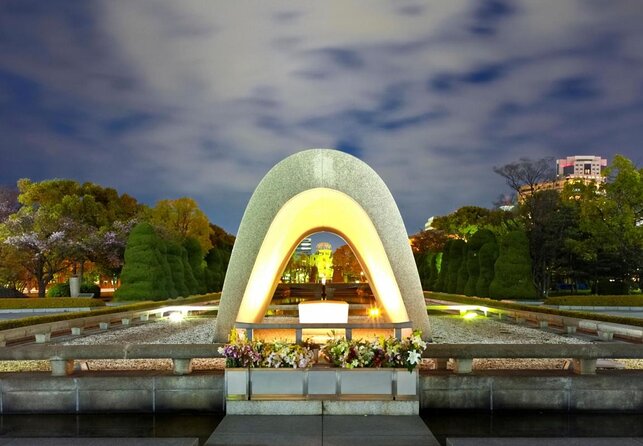
These are short stops, but the guide’s explanation gives them weight. The Cenotaph is a central place of remembrance for those killed by the bombing. The Children’s Peace Monument is linked with the hope for peace and the memory of children affected by the attack and its aftermath.
This is where a local guide can help you notice more than the monument’s shape. Guides explain the meaning behind the design, the rituals of remembrance, and the importance of paper cranes in Hiroshima’s peace message. One particularly thoughtful guide even gave a hand-written card with a paper crane at the end of a tour, a small gesture that captures the personal tone many people value here.
Do not rush these moments simply because the listed times are short. The park is meant to be approached with attention, not checked off like a sightseeing circuit.
More Walking Tours in Hiroshima
- Hiroshima City 4hr Private Walking Tour with Licensed Guide
★ 5.0 · 437 reviews - Hiroshima Walking Tour Why A Bomb was dropped to Hiroshima
★ 5.0 · 347 reviews - Hiroshima: Food and Culture Guided Walking Tour with Dinner
★ 4.9 · 212 reviews - Hiroshima: Peace Walking Tour of World Heritage Sites
★ 4.9 · 190 reviews
The Aogiri tree and Hiroshima’s message of survival
The Aogiri tree is another important symbol on the route. It survived the atomic bombing and continued to grow, making it a powerful reminder of life after destruction.
The supplied schedule gives the tree less detail than the other stops, but the overview includes it as part of the walk between the park and Atomic Bomb Dome. Your guide’s explanation helps connect the tree to the larger theme of survival rather than leaving it as an isolated botanical curiosity.
This is one of the tour’s useful qualities. You are not only shown the most famous landmark. You also encounter smaller places and symbols that help explain how Hiroshima remembers the past in its public spaces.
The Atomic Bomb Dome at 8:15

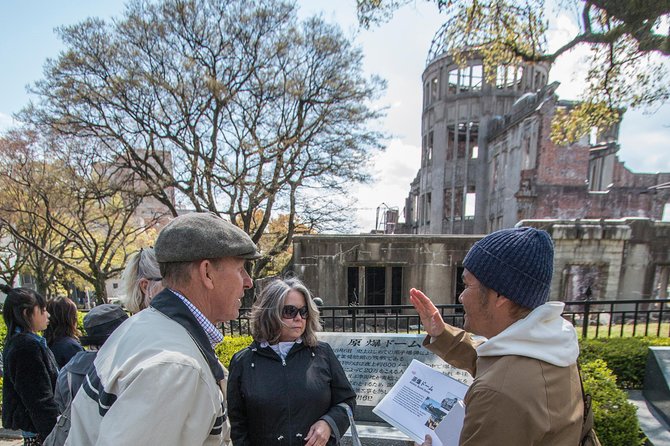
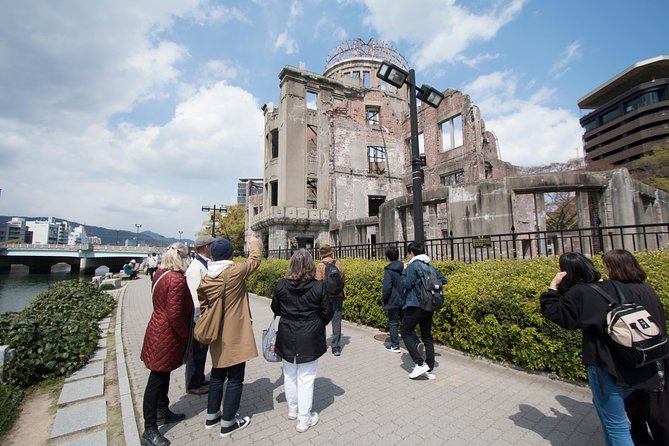
The Atomic Bomb Dome is one of Hiroshima’s most recognizable sights. It is also one of the most difficult because the remaining structure makes the force of the bombing visible in a way that photographs cannot fully convey.
The building is associated with the moment the bomb exploded at 8:15 on August 6, 1945. Your guide explains what the structure represents and why it has been preserved as a warning and peace symbol.
The stop lasts about 15 minutes. That is enough for an explanation and time to look closely, but it is not a long photography session. The best approach is to listen first, then take your pictures respectfully.
The Dome is across the water from parts of the park, and the walk between the memorials gives you a chance to process what you have seen. The tour does not pretend that one visit can make the subject easy. Instead, it gives you a clear route and a person who can help you handle the questions that naturally arise.
Orizuru Tower and the view over modern Hiroshima
The final major stop is Hiroshima Orizuru Tower. Entrance is included, and the observatory offers a broad view of the city.
This change of perspective is one of the tour’s smartest choices. After the museum and memorials, you look out over a living, rebuilt Hiroshima. The view does not erase the past. It shows what came after it.
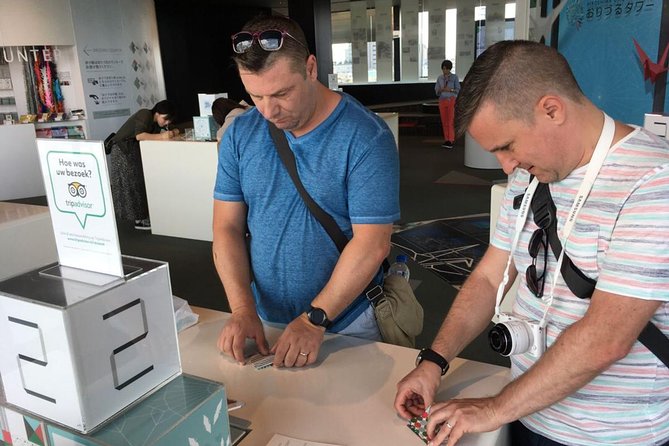
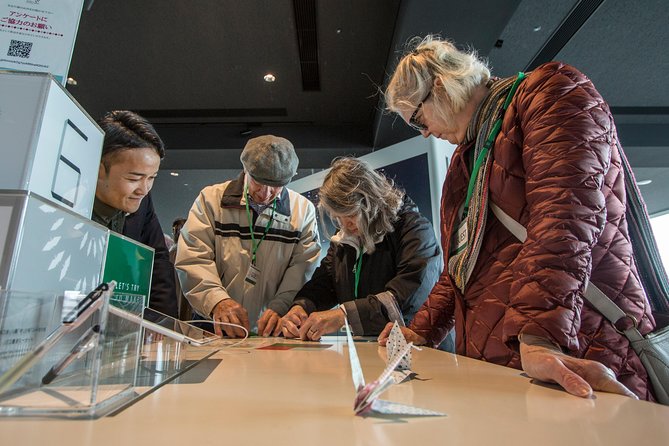
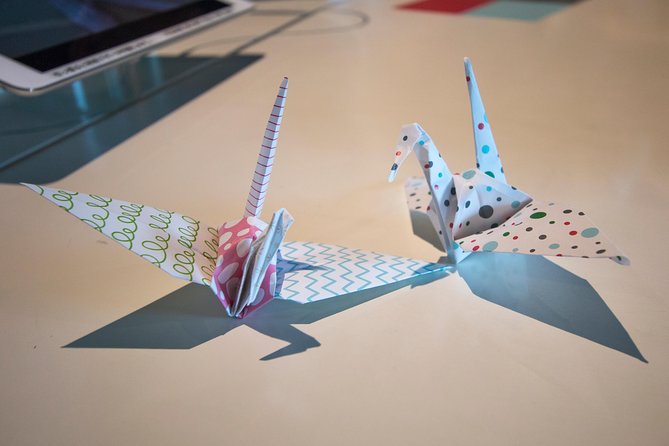
The tower is also connected with the paper crane, or orizuru, a familiar peace symbol in Hiroshima. Some tour experiences include making origami cranes at a scenic point, though the supplied schedule specifically confirms the tower visit and lunch rather than promising a separate craft session every time. Ask your guide if this is part of your day.
Lunch is included and is described as taking place at or near the top of Orizuru Tower. Other details describe the tour ending near the lunch restaurant, so you should expect the final portion of the experience to finish in the Orizuru Tower area rather than at the original meeting point.
The meal is a useful part of the package. You do not need to pay for your guide’s food or drinks, and the lunch gives you time to sit down after several hours of walking and reflection. Extra food and drinks are available for purchase.
Dietary planning is the weak point. Gluten-free requests cannot be accommodated. Allergy-free meals cannot be guaranteed because food is prepared in kitchens outside the tour company’s control, and substitutions may not be possible at every stop. Vegetarian choices are limited in Japan, although one vegetarian participant found two vegan choices on a particular tour. Contact the provider at least one day ahead, but do not count on a full custom menu.
Guides who make the difference
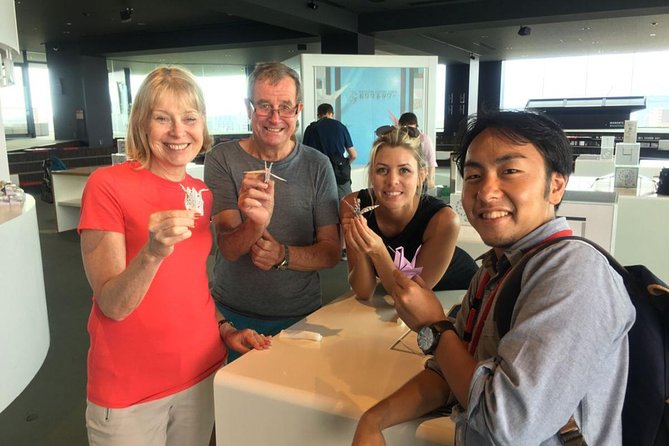
The company assigns a certified MagicalTrip guide, and the guide is the main reason this tour earns such strong praise.
Yuji is repeatedly singled out for his warmth, historical detail, and ability to explain both Hiroshima and Japanese culture. Kaori is praised for keeping groups moving smoothly and anticipating questions. Hiro brings a local connection and a strong sense of purpose to the subject.
Etsuko has been praised for linking each stop with human stories and for showing genuine care toward the group. Yasue is noted for patience and careful answers. Tommy is described as friendly, passionate, and able to make the five hours pass quickly. Other guides, including Kinnei, Kaz, Mariko, Mizu, Yuri, and Angela, have also received strong personal praise.
You cannot choose a particular guide based on the information provided, so treat these names as examples of the level of service you may receive, not a guarantee. The common thread is clear: the guides are valued for empathy, local perspective, and the ability to explain difficult facts without turning the tour into a lecture.
The included tour photos are another small benefit. Several guides have been praised for taking good pictures, which saves you from having to ask strangers while keeping your attention on the experience.
Is $94.84 a fair price?
At $94.84 per person, this is not the cheapest way to walk through Hiroshima. It includes the Peace Memorial Museum entrance, Orizuru Tower entrance, lunch, a certified guide, and tour photos.
The value depends on how much help you want. If you plan to visit only the park and Atomic Bomb Dome, you can do that independently for less. The price makes more sense if you want a structured five-hour route, historical explanation, a small group, and someone else handling the meal and timing.
The group limit of eight is important. A large coach tour would be cheaper per person, but it would be harder to ask questions and easier to lose the emotional thread of the day. This tour is also useful if Hiroshima is one stop in a busy Japan itinerary and you want to cover the major peace sites without spending time planning the route yourself.
Group discounts may reduce the cost for several people. Free cancellation is available up to 24 hours before the start time for a full refund. Changes or cancellations made later are not accepted for a refund, and bad weather may lead to a new date or full refund.
Weather, food, and practical planning
Hiroshima summers are hot and humid, with temperatures that can reach 40°C. Bring water, wear a hat, and expect outdoor walking to feel tiring in the middle of the day.
Winter can fall to minus 5°C, so do not treat the park as a mild-weather stroll. Dress for the forecast and remember that you will move between outdoor monuments and indoor museum spaces.
The tour is near public transportation, and most people can participate. It is not recommended for people with mobility issues because the route involves walking between several sites. Ask about a private tour if you need a slower pace or more control over breaks.
The museum may be upsetting for young children. Families should decide in advance how much graphic material their children can handle and tell the guide about any concerns.
The tour ends near Chishaku-in Temple, with the stated endpoint near Orizuru Tower and the lunch restaurant. Plan your afternoon from that area rather than expecting to return to the meeting point.
Who should book this Hiroshima tour?
I would recommend this experience if you want more than a quick photograph at the Atomic Bomb Dome. It suits first-time visitors who want a clear route, families with older children, couples, and anyone who prefers learning through conversation rather than reading every historical panel alone.
It is especially helpful if you feel unsure how to approach Hiroshima. A good guide sets a respectful tone, explains the symbols, and gives you room to reflect. The strongest praise centers on emotional care as much as factual detail, and that is exactly what this subject requires.
I would hesitate if you need a gluten-free meal, have serious allergies, require extensive vegetarian choices, or cannot walk comfortably for several hours. I would also reconsider if you want unlimited museum time, since crowds can interfere with the main exhibit.
For most people, the tour is worth booking. You get the important sites, a small group, lunch, and a local voice to connect the pieces. Just arrive prepared for a serious day, check the weather, wear good shoes, and allow yourself time afterward to think.
FAQ
How long does the Hiroshima Peace Walking Tour last?
The tour lasts approximately five hours.
What sites are included?
The route includes Hiroshima Peace Memorial Park, the Hiroshima Peace Memorial Museum, the Cenotaph for the Atomic Bomb Victims, the Children’s Peace Monument, the Aogiri tree, the Atomic Bomb Dome, and Hiroshima Orizuru Tower.
Is lunch included?
Yes. Lunch is included, and the tour finishes near the lunch restaurant in the Orizuru Tower area. Additional food and drinks can be purchased.
How many people can join the tour?
The tour has a maximum of eight travelers.
Is the tour suitable for someone with mobility issues?
No. The tour is not recommended for individuals with mobility issues because it involves walking between multiple sites. A private tour is recommended if you have difficulty walking.
Can the tour provide gluten-free or allergy-free meals?
Gluten-free requests cannot be accommodated. Allergy-free meals and all dietary substitutions cannot be guaranteed, though you should provide dietary requests or allergy information at least one day before the tour.
What happens if I need to cancel?
You can cancel at least 24 hours before the start time for a full refund. Cancellations or changes made less than 24 hours before the start time are not accepted for a refund. If poor weather cancels the activity, you will be offered another date or a full refund.
Just added around Hiroshima
- Hiroshima & Miyajima: Private Full-Day Tour with a Local Guide★ 5.0 · 39 reviews
- Hiroshima and Miyajima 1 Day Walking Tour★ 5.0 · 43 reviews
- Hiroshima History Tour : A-Bomb Dome, Peace Memorial & City★ 5.0 · 43 reviews
- The Journey of Hiroshima from Tragedy to Peace★ 4.8 · 44 reviews
- Cultural Activities :Kimono, tea ceremony, Calligraphy and Amulet★ 5.0 · 44 reviews
- Miyajima: Private Rickshaw Tour to Itsukushima Shrine★ 4.9 · 45 reviews
- Hiroshima Private Tour: Best Highlights in a Day★ 5.0 · 49 reviews
- Hiroshima & Miyajima All-Inclusive Tour w/Licensed guide Pancho★ 5.0 · 54 reviews
Historical Tours, compared.
World Heritage Shirakawa-go and Experience Tours from Kanazawa
Read our review →
Imperial Palace and Shogun Historical Walking Tour
Read our review →
World Heritage Kyoto & Nara Uji Authentic Matcha Experience
Read our review →
Kyoto Gion: 2-Hour Geisha Culture & History Walking Tour
Read our review →
World Heritage Shirakawa-go Morning Guided Tour
Read our review →
Hiroshima Historical Walking Tour – Why A-Bomb was Dropped
Read our review →
Yanaka Walking Tour: Historic and Traditional District of Tokyo
Read our review →Browse the lists this tour appears in