
Reviewed · CITY TOURS
Hiroshima City 4hr Private Walking Tour with Licensed Guide
Hiroshima asks serious questions. This private four-hour walk gives you room to ask them, while a local guide connects the Peace Memorial Museum and A-Bomb Dome area with Hiroshima Castle and Shukkeien Garden. I like the personal pace and the chance to speak with guides such as Yuko, Sei, Mari, and Tomoyo about both wartime history and daily life in Japan. The main catch is time: you will usually see about two major sites, not every listed stop in depth.
I also like the simple meeting plan. Your guide can meet you on foot at a hotel or train station within the designated Hiroshima area, with morning and afternoon starts available. Just remember that this is a walking tour, entrance fees and transport are extra, and the four hours can pass quickly, especially if you want a careful museum visit.
In This Review
- Key points to know before you book
- Why a private Hiroshima walk makes sense
- Meeting your guide near your hotel or station
- Peace Memorial Museum and the Peace Park
- Hiroshima Castle and the city before the bombing
- Shukkeien Garden after a difficult morning
- What the guides add to the day
- Walking, weather, lunch, and extra costs
- Who will get the most from this tour
- Should you book this Hiroshima tour?
- FAQ
- How long is the Hiroshima walking tour?
- Is the tour private?
- Where does pickup take place?
- Are entrance fees included?
- Which sights are included in the route?
- Can I choose a morning or afternoon start?
Key points to know before you book
- The Peace Memorial Museum gives the tour its emotional weight: Allow time to process the exhibits rather than rushing through them.
- A private guide changes the experience: You can ask about the bombing, reconstruction, Japanese culture, or practical travel questions without keeping up with a large group.
- Two major sights is the realistic target: The advertised route includes the museum, Hiroshima Castle, and Shukkeien Garden, but fitting all three fully into four hours can be difficult.
- Shukkeien offers a needed change of mood: Its ponds, bridges, and garden views provide a quiet counterpoint to the Peace Park.
- Local guides add personal perspective: Guides including Mari, Yuko, Sei, Kahori, and Tomoyo have been praised for clear English, warmth, and thoughtful explanations.
- Plan for outdoor walking: Heat, rain, queues, and long stretches outside can affect your pace, so comfortable shoes and water matter.
Why a private Hiroshima walk makes sense
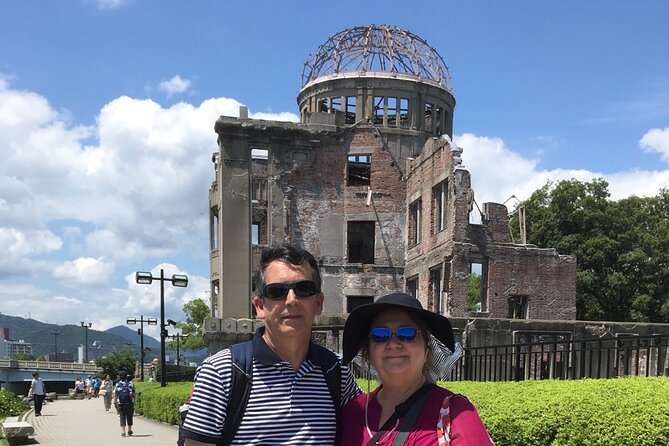
Hiroshima is easy to visit on your own, but it is not always easy to understand on your own. Memorials are spread across a broad park, important buildings can be easy to miss, and the museum presents painful material that benefits from context.
A private guide gives you something a map cannot: conversation. You can ask why a memorial is placed where it is, how Hiroshima rebuilt after the bombing, or what life in the city is like today. Guides also adjust their explanations to your interests. A history enthusiast can ask for more detail, while a family with children can keep the discussion clear and manageable.
The private format is especially useful for families and small groups. Nobody outside your party sets the pace. A guide can pause when someone needs shade, food, water, or a slower walk. Minori, for example, was praised for adapting the route for a toddler and for communicating carefully before the tour. That sort of flexibility is hard to get on a large scheduled outing.
At $122.70 per person, this is not the cheapest way to see Hiroshima. The value depends on your group size and priorities. For one or two people, the price pays for direct attention and local interpretation. For a larger private group, the cost may feel more reasonable, though you still need to budget for admissions, lunch, and transport.
More Walking Tours in Hiroshima
- Hiroshima Historical Walking Tour – Why A-Bomb was Dropped
★ 4.8 · 893 reviews - Hiroshima Peace (Heiwa) Walking Tour at World Heritage Sites
★ 5.0 · 872 reviews - Hiroshima Walking Tour Why A Bomb was dropped to Hiroshima
★ 5.0 · 347 reviews
Meeting your guide near your hotel or station
The standard arrangement is a walking pickup from a hotel or train station within the designated Hiroshima area. Confirmation is provided when you book, and you can select a morning or afternoon start. That makes it practical for a short Hiroshima stay, a rail stop, or a day when you want to fit another activity around the tour.
The pickup wording matters. This is not a private car tour. You meet the guide on foot, then walk or use public transportation as needed, with transport costs paid separately. Several successful outings began at a cruise port, but port pickups may require special arrangements, a taxi, or public transport. Do not assume a vehicle is included. Confirm the meeting point and port plan before your day begins.
Communication before the tour can be one of its strengths. Yuko contacted one family several days in advance, checked the meeting location, and asked what they wanted to cover. That is useful in Hiroshima, where a clear start saves time and reduces the chance of wandering around looking for the correct station exit.
Peace Memorial Museum and the Peace Park
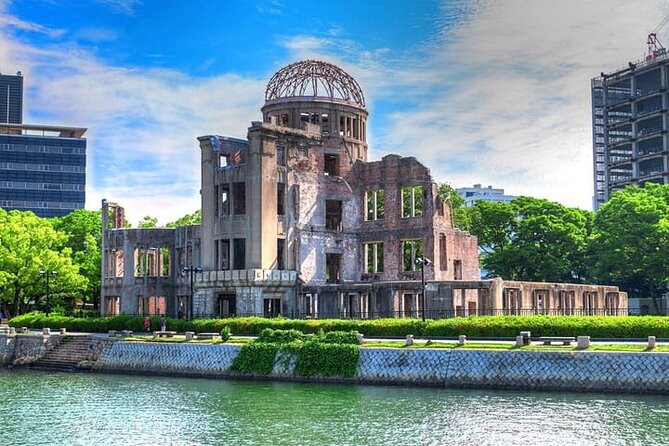
The Peace Memorial Museum is the emotional center of this experience. You get about an hour here, with admission not included in the tour price. The museum presents the human cost of the atomic bombing and the long effects on Hiroshima, so this is not a light sightseeing stop.
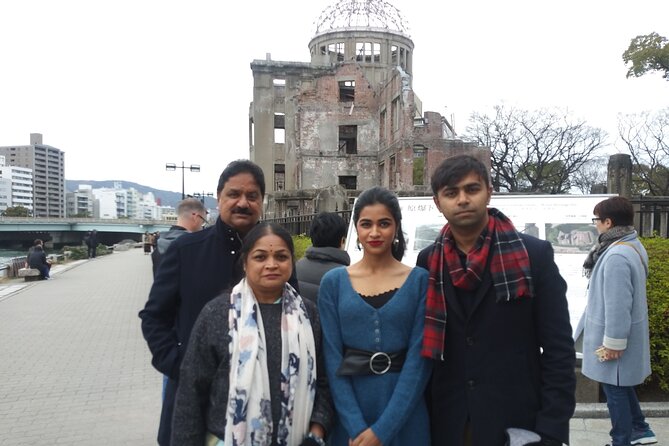
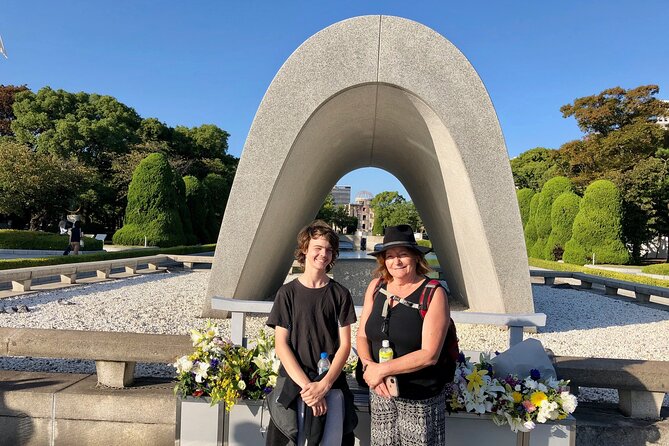
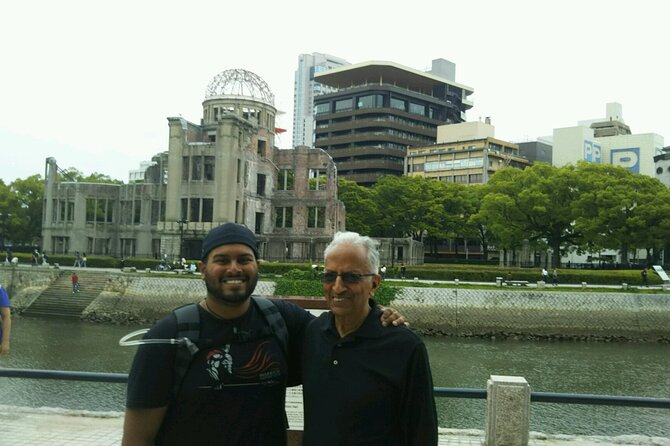
I recommend visiting with patience. The exhibits can be painful, and you may want a quiet pause afterward. A guide can explain the surrounding memorials before or after the museum, helping you connect the displays with the city outside. Guides have also explained the A-Bomb Dome, the Peace Flame area, the Children’s Peace Monument, and other parts of the Peace Memorial Park, depending on the route and available time.
The park itself covers a large area, more than 120,000 square meters. It is not simply a museum forecourt. You walk between monuments, riverside paths, and open spaces while learning how Hiroshima remembers August 6, 1945, and how the city presents its message of peace today.
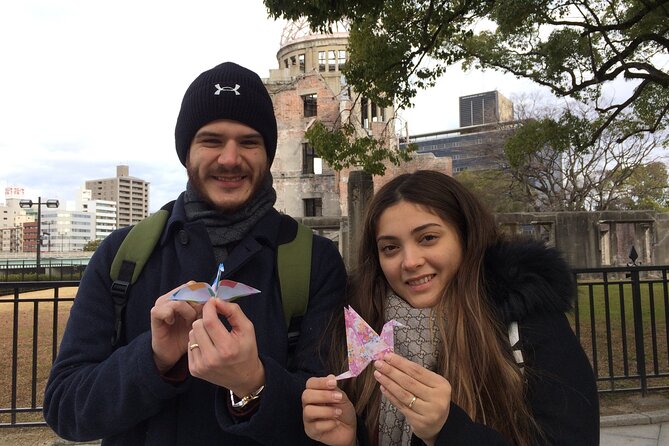
The strongest guides handle this subject with care rather than turning it into a lecture. Yuko was praised for making a difficult day feel thoughtful and ending on a more hopeful note, including time spent folding origami cranes. Other guides have shared family connections to the bombing and its aftermath. Those personal links can make the past feel closer, but they also require sensitivity. This is a place for questions, listening, and respect.
One practical point: a full museum visit plus the main memorials can easily use most of the four-hour tour. If the museum is your priority, tell your guide at the start. You may need to choose it over the castle or garden.
Hiroshima Castle and the city before the bombing
Hiroshima Castle gives you a different view of the city. Also called Carp Castle, it is a castle built on flat ground in the center of town, not on a hilltop. Its five-story main keep offers a visual reminder that Hiroshima was more than the site of a wartime tragedy.
A guide can place the castle in the story of Hiroshima before 1945, then explain its destruction and later rebuilding. That before, during, and after structure is one of the tour’s best features. You begin to see Hiroshima as a living city with centuries of political, military, and cultural history, not only as a memorial destination.
The castle stop is generally allotted about an hour, and admission is not included. The grounds can be as useful as the keep itself, especially if you want photographs, open space, and a break from the museum’s enclosed rooms.
Still, timing is important. Reaching the castle from the Peace Park takes time, and a proper visit may leave little room for Shukkeien Garden. The tour provider has adjusted its description to make the two-site average clearer. If you want the museum and castle, say so when you meet your guide. If you want all three places, expect shorter visits or a brisker pace.
More licensed guide tours in Hiroshima:
- Hiroshima / Miyajima Full-day Private Tour with Government Licensed Guide
★ 5.0 · 1,298 reviews - Hiroshima & Miyajima: Full-Day Private Tour & Licensed Guide
★ 4.8 · 252 reviews - Miyajima Half-day Private Tour with Government Licensed Guide
★ 5.0 · 184 reviews - Hiroshima & Miyajima All-Inclusive Tour w/Licensed guide Pancho
★ 5.0 · 54 reviews
Shukkeien Garden after a difficult morning
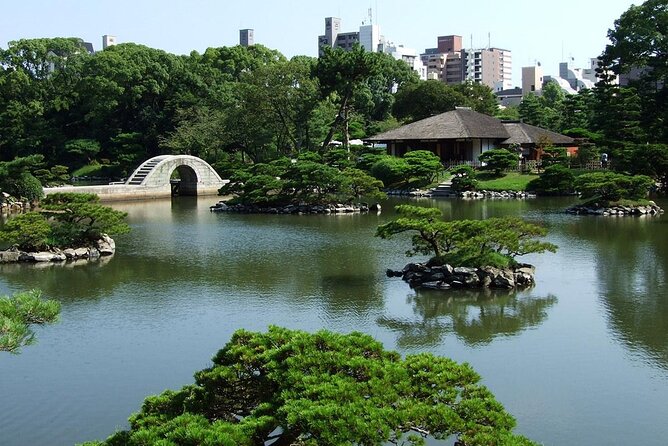
Shukkeien is the tour’s quietest stop. This historic Japanese garden uses ponds, bridges, small hills, and carefully arranged views to create a changing scene as you walk. It is listed among Japan’s Top 100 Historical Parks and is a National Scenic Spot.
The garden also carries a connection to Hiroshima’s wartime story. It witnessed the bombing and became part of the city’s memory, even as it offers shade and calm today. That contrast makes it more than a pretty garden stop. After the museum, a slow walk around the ponds can give you time to collect your thoughts.
Families may find the garden easier than the museum. One guide and family stopped to look at turtles, while another taught visitors to fold paper cranes. These small moments show what a private guide can add: you are not simply moving from one landmark to the next, you are sharing observations and conversations.
Admission is extra, and the visit is usually planned for about an hour. The garden is a strong choice if you want culture, photography, and a gentler pace. It is less suitable if your main goal is to cover every memorial and museum room.
What the guides add to the day
The most praised part of this tour is the guide. The agency uses licensed, English-speaking local guides, and the individual style can vary. Yuko has been praised for preparation, clear communication, and an upbeat approach. Sei has helped families use public transport, buy tram tickets, wait in a museum queue, and find shade in hot weather.
Mari has shared family connections to Hiroshima and linked the city’s history with local food and personal stories. Kahori has taken time to explain lesser-known places, including a school building that survived the bombing and later served as a relief center. Tomoyo has combined discussion of the war with samurai history, Japanese culture, and surviving A-bombed buildings.
These examples also show why you should tell the guide what you want. You can ask for more family history, more architecture, more World War II context, or more everyday Japanese life. The guide can also suggest places to eat and offer practical advice for the rest of your Japan trip.
English ability appears strong overall, but communication styles differ. One family found that follow-up questions sometimes needed extra explanation. That is a normal possibility on any multilingual tour, and the private setting gives you time to clarify without embarrassment.
Walking, weather, lunch, and extra costs
The tour lasts about four hours and takes place mainly outdoors. You should wear comfortable shoes and check the forecast. Heat can be intense, and rain can change the feel of the garden and memorial park. A guide may adjust the pace or pause in shade, but you are still responsible for preparing for the weather.
Transportation fees are not included. The walking route may use public transport, especially if you start at a cruise port or need to connect separate parts of the city. Bring money for trams, taxis, or other rides if your guide recommends them.
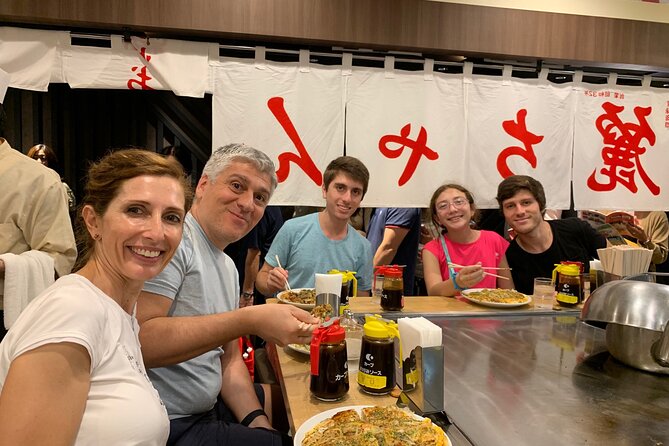
Lunch is also extra. Some guides have taken families to local restaurants for Hiroshima-style okonomiyaki, a useful way to add food and conversation to the day. That stop is not guaranteed, and it takes time from sightseeing, so request it early if local lunch matters to you.
Entrance fees are separate too. The Peace Memorial Museum, Hiroshima Castle, and Shukkeien Garden each require you to check the current admission arrangements. The listed tour price covers the licensed guide, not a private vehicle, meals, personal spending, or general transportation.
Free cancellation is available up to 24 hours before the start time for a full refund. Date changes must be made at least two days before the tour and may lead to a different guide or no availability.
Who will get the most from this tour
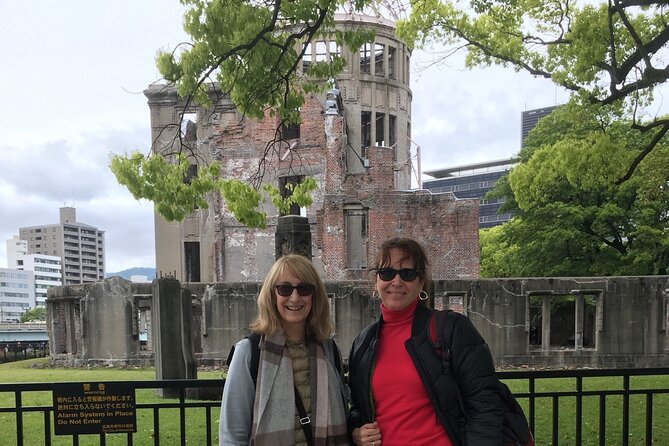
I would choose this tour if you want Hiroshima’s history explained in human terms. It suits first-time visitors, families, cruise passengers, history students, and anyone who wants to ask more questions than a standard group tour allows.
It is also a good fit if you are unsure how to organize a short visit. Your guide can help you choose between the museum, castle, and garden, then point you toward food or other places for the rest of your stay.
I would hesitate if you prefer complete independence or dislike fixed time limits. You can visit these locations yourself, and the $122.70 price is a large premium for guidance. I would also be cautious if your plan requires all three stops in detail. The realistic average is two sites, especially when you include walking, transport, and conversation.
Should you book this Hiroshima tour?
Book it if you want a personal, thoughtful introduction to Hiroshima and are willing to let the guide shape the pace. The strongest reasons are the private format, the local voices, and the balance between the Peace Memorial Museum, Hiroshima Castle, and Shukkeien Garden.
Before booking, decide which two places matter most. Tell your guide if the museum is essential, if you want a castle visit, or if you need a slower family pace. Ask about the meeting point if you are arriving by cruise ship, and budget separately for admissions, transport, and lunch.
For a first visit, I think the price is justified when personal context matters more than checking off landmarks. This is not a speed tour. It is a serious walk through a city that remembers, rebuilds, and keeps living.
FAQ
How long is the Hiroshima walking tour?
The tour lasts approximately four hours.
Is the tour private?
Yes. Only your group participates, and you cannot combine multiple tour groups.
Where does pickup take place?
Pickup is offered on foot from your hotel or train station within the designated Hiroshima area. This is not a private vehicle tour.
Are entrance fees included?
No. Entrance fees, transportation, lunch, and personal expenses are not included in the price.
Which sights are included in the route?
The route can include the Hiroshima Peace Memorial Museum, Hiroshima Castle, and Shukkeien Garden. You can expect to see about two sites on average during the four-hour tour.
Can I choose a morning or afternoon start?
Yes. Morning and afternoon start-time options are available.
Just added around Hiroshima
- Hiroshima & Miyajima: Private Full-Day Tour with a Local Guide★ 5.0 · 39 reviews
- Hiroshima and Miyajima 1 Day Walking Tour★ 5.0 · 43 reviews
- Hiroshima History Tour : A-Bomb Dome, Peace Memorial & City★ 5.0 · 43 reviews
- The Journey of Hiroshima from Tragedy to Peace★ 4.8 · 44 reviews
- Cultural Activities :Kimono, tea ceremony, Calligraphy and Amulet★ 5.0 · 44 reviews
- Miyajima: Private Rickshaw Tour to Itsukushima Shrine★ 4.9 · 45 reviews
- Hiroshima Private Tour: Best Highlights in a Day★ 5.0 · 49 reviews
- Hiroshima & Miyajima All-Inclusive Tour w/Licensed guide Pancho★ 5.0 · 54 reviews
City Tours, compared.

Private City Highlights Tour with Local Guide
Read our review →
Asakusa, Skytree & Akhihabara Go-Kart City Experience
Read our review →

Private Haneda Airport (HND) to Central Tokyo City Transfer
Read our review →
3-hour Guided E-Bike Tour of the City’s Hidden Gems
Read our review →
3-Hour Bike/E-Bike Tour of the City’s Highlights
Read our review →Browse the lists this tour appears in