
Reviewed · HISTORICAL TOURS
Hiroshima History Tour : A-Bomb Dome, Peace Memorial & City
Hiroshima speaks softly, but its message lasts. This private walking tour brings the city’s past into focus through the Peace Memorial Museum and A-Bomb Dome, then adds local streets, Hiroshima Castle, and Shukkei-en Garden. The strongest feature is the guide’s personal connection to Hiroshima. Some guides are second-generation atomic bomb survivors, and Masa, one of the most frequently requested guides, shares her family’s experience with great care.
I like the private format and the freedom to set the pace. You are not being moved around with a large group or rushed from one stop to the next. I also like the mix of serious history and everyday Hiroshima, including food tips, Japanese culture, and local advice. The main consideration is walking time. Even the three-hour version covers a lot, and adding the castle and garden can make the afternoon tiring for older visitors or anyone dealing with heat or rain.
The tour costs $103 per person, with museum and garden admission included. That is not the cheapest way to see Hiroshima, but it is fair value if you want personal attention, help understanding difficult history, and a flexible route. Public transport or taxi costs extra, so budget for that if your group chooses to ride between sites.
In This Review
- Key points to know before booking
- Why a private Hiroshima guide changes the experience
- Starting in central Hiroshima
- The Peace Memorial Museum: allow time for difficult facts
- Peace Memorial Park and the A-Bomb Dome
- Local streets and the Hiroshima you see today
- Hiroshima Castle adds a different chapter
- Shukkei-en Garden is the quiet finish
- Three hours or four hours?
- Is $103 per person good value?
- Who should book this Hiroshima tour?
- Should you book it?
- FAQ
- How long does the Hiroshima history tour last?
- Is the Peace Memorial Museum included?
- Can I visit Shukkei-en Garden on this tour?
- Is this a private tour?
- Are transportation costs included?
- What languages are available, and is the tour wheelchair accessible?
Key points to know before booking
- Family connections shape the conversation: Some Hiroshima-born guides are second-generation atomic bomb survivors, while others have relatives affected by the bombing.
- A private group keeps the pace flexible: Your guide can adjust the route for your interests, energy level, weather, and questions.
- The tour covers more than the Peace Park: The route can include the museum, memorial sites, A-Bomb Dome, Hiroshima Castle, local streets, and Shukkei-en Garden.
- Shukkei-en is worth protecting time for: The garden is given about one hour and provides a quieter counterpoint to the memorial sites.
- Transportation is not included: Pick-up is on foot, while tram, bus, and taxi fares are paid by your group.
- Masa receives especially warm praise: Her English, patience, family story, food advice, and ability to help with practical details make her a particularly appealing guide if she is available.
Why a private Hiroshima guide changes the experience
Hiroshima’s memorial sites are easy to reach but not always easy to understand. Plaques, maps, dates, and museum displays give you the facts. A good local guide helps you connect those facts to the city as it exists today.
That is the value of this experience. Your guide is not simply reciting a standard script. The tour is built around family memory, local knowledge, and conversation. Some guides have a direct family connection as second-generation survivors. Others were born and raised in Hiroshima or have relatives affected by the atomic bombing.
That distinction matters. The experience is not presented as a formal lecture. You can ask questions, pause when you need to, and discuss how Hiroshima remembers the bombing while building a normal modern city. Several parts of the route also move beyond the memorial grounds, helping you see Hiroshima as a living place rather than only a symbol of wartime destruction.
The private setup suits couples, families, solo visitors, and cruise passengers especially well. A group of four can move at a different pace from a family with children or a pair of older visitors. The guide can spend more time on a subject that matters to you, or keep moving if the museum becomes emotionally heavy.
Masa is the guide most often singled out in the available feedback. She speaks English well, answers questions patiently, and gives useful help before and after the tour. She has even helped visitors with taxi directions back to their port and offered food recommendations. If you are booking partly for her personal perspective, ask whether she is available rather than assuming every departure includes her.
More History Tours in Hiroshima
- Hiroshima Historical Walking Tour – Why A-Bomb was Dropped
★ 4.8 · 893 reviews - Hiroshima Peace (Heiwa) Walking Tour at World Heritage Sites
★ 5.0 · 872 reviews - Miyajima Half-day Trip Historical Walking Tour
★ 5.0 · 284 reviews
Starting in central Hiroshima
Pick-up is arranged on foot from a wide range of central locations. Options include Hiroshima Station, Hiroshima Orizuru Tower, Hotel Granvia Hiroshima, Sheraton Grand Hiroshima Hotel, Hilton Hiroshima, RIHGA Royal Hotel Hiroshima, the Peace Memorial Museum, and several other hotels in the city center.
If your hotel or Airbnb is not listed, you can provide its location in advance. Pick-up may be arranged if you are staying in central Hiroshima City. Cruise ship passengers should share their port details before the tour, which is useful if you are working with a limited shore excursion window.
The meeting point affects the route. Starting near the Peace Memorial Park makes it easier to give the museum and memorial sites plenty of time. Starting near Hiroshima Station may require walking or public transport to the main historic area. Your guide decides the most sensible order based on your starting point and preferences.
The tour may use public transport or a taxi if you want. Those fares are not included, so ask about the likely route before setting out. If you prefer to walk, the guide can adapt when practical, but the full route includes enough distance to make comfortable shoes essential.
The Peace Memorial Museum: allow time for difficult facts
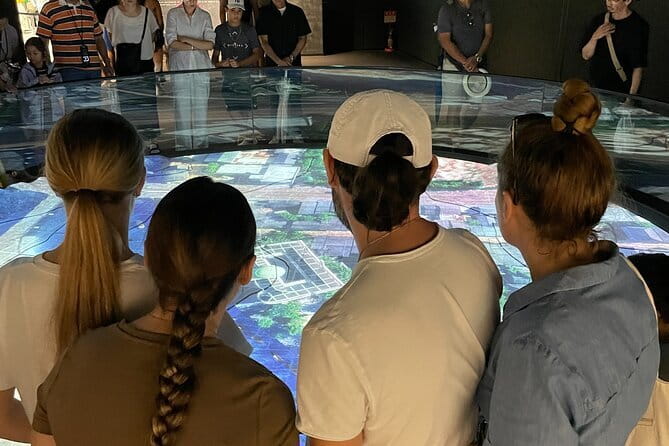
The Hiroshima Peace Memorial Museum is the emotional center of the tour. A guided visit is planned for about one hour, and admission is included. The museum presents the bombing, its human cost, and its long-term effects through documents, personal belongings, photographs, and other displays.
One hour gives you a clear introduction, but it is not enough to absorb every room at a slow pace. The museum contains a great deal to see, and you may prefer spending most of your three-hour tour here. If the museum is your main reason for coming to Hiroshima, tell your guide before the tour so the rest of the route can be adjusted.
This is also where a personal guide can help most. The material can feel stark and overwhelming, especially when you are reading individual stories rather than broad military history. A guide with family ties to Hiroshima can explain how memories have been carried through generations without turning the visit into a theatrical performance.
The tone is serious, but the experience is not designed to leave you with only sorrow. The wider message concerns peace, responsibility, memory, and the future. You can ask about Hiroshima today, Japanese perspectives on the bombing, and how local families have passed down their experiences.
The museum closes for renewal from February 16 through February 21. Check your date carefully if the museum is central to your plans. The rest of the city route may still be possible, but the included museum visit will not be available during that closure.
Peace Memorial Park and the A-Bomb Dome
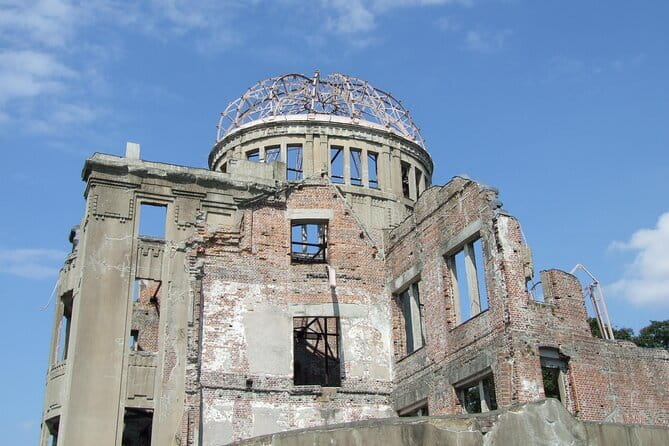
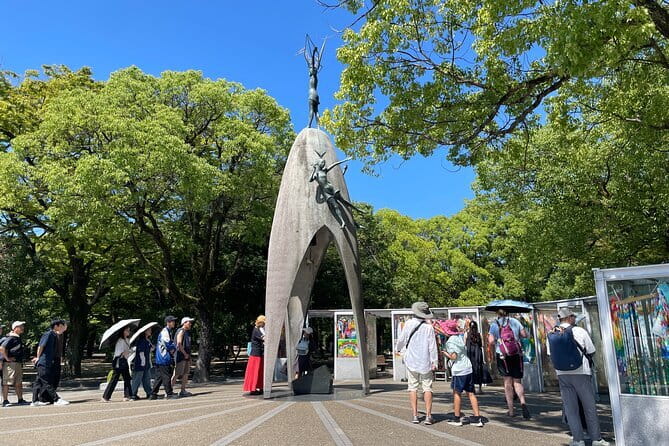
After the museum, the tour continues through Peace Memorial Park. The planned guided portion here is about 15 minutes, with time for photographs and reflection. You will see memorial spaces connected to the bombing and the city’s message of peace.
The short scheduled time does not mean the park is unimportant. It gives your guide a chance to explain the relationship between the museum, memorials, and the riverfront setting. You may also want to pause independently, especially if a particular memorial or name catches your attention.
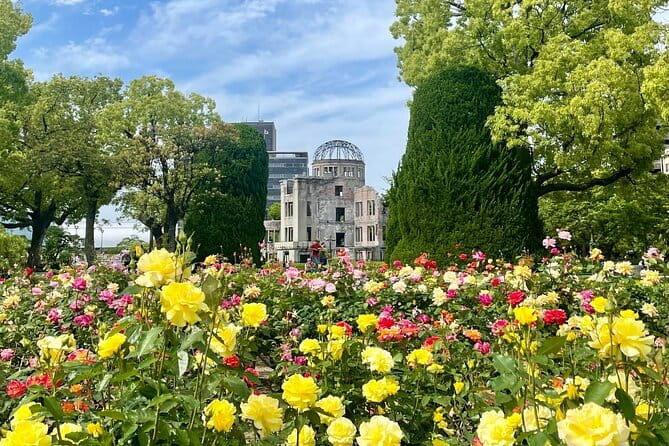
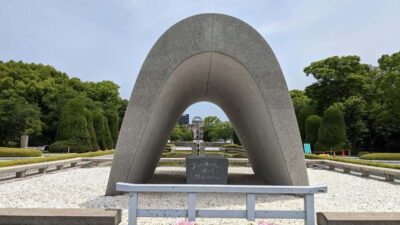
The A-Bomb Dome is the best-known structure in Hiroshima’s memorial district. Its remains offer a powerful visual connection to August 6, 1945. Your guide explains its significance and helps place it within the wider story of the bombing and the rebuilding of Hiroshima.
Photography is included in the tour, with image data provided afterward. That is a useful extra, though the photographs should not distract from the place itself. The Dome is one of those locations where a short explanation can change what you notice: the preserved ruin is not simply an old building, but a carefully maintained reminder of what happened and what the city chose to remember.
The route also includes additional memorial and local stops. The exact order and length depend on your interests, departure point, and available time. Families may want to ask for more explanation at the child-focused memorial sites, while history-minded visitors may prefer extra time around the park and museum.
A completely different kind of day out in Hiroshima:
- Peaceful Hiroshima & Miyajima UNESCO 1 Day Bus Tour
★ 5.0 · 5,309 reviews - Hiroshima: Hiroshima and Miyajima UNESCO Sites 1-Day Tour
★ 4.9 · 2,330 reviews - Hiroshima / Miyajima Full-day Private Tour with Government Licensed Guide
★ 5.0 · 1,298 reviews - Hiroshima in a Nutshell: Morning Bike Adventure
★ 5.0 · 524 reviews
Local streets and the Hiroshima you see today
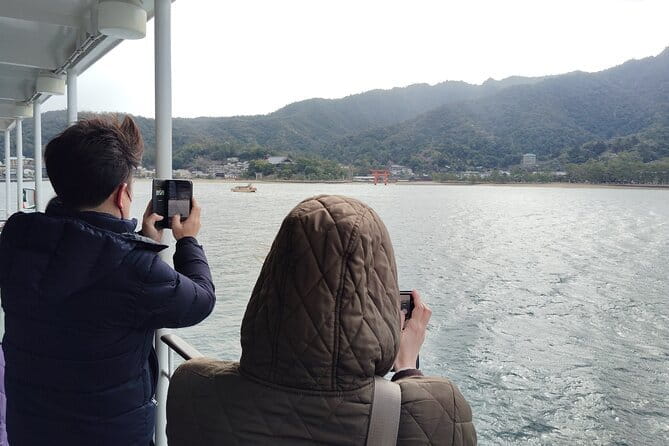
A strong part of the tour is the move from memorial sites into ordinary city life. Hiroshima is not presented only through war history. You also get conversation about regional culture, Japanese customs, food, and the practical details of living in the city.
This is where the private format earns its keep. You can ask for restaurant suggestions, talk about Japanese history beyond the bombing, or ask your guide about the city’s recovery and modern identity. Masa has been especially helpful with food recommendations and side facts about Japanese culture and writing.
The local portion also gives the tour breathing room. After the museum and park, a walk through city streets helps you see residents going about daily life. That contrast is important. Hiroshima’s memorial message is part of the city, but it is not the whole city.
Do not expect a long food tour or a dedicated shopping itinerary. Food advice is an added benefit, not a listed tasting activity. You will need to pay for your own drinks and meals.
Hiroshima Castle adds a different chapter
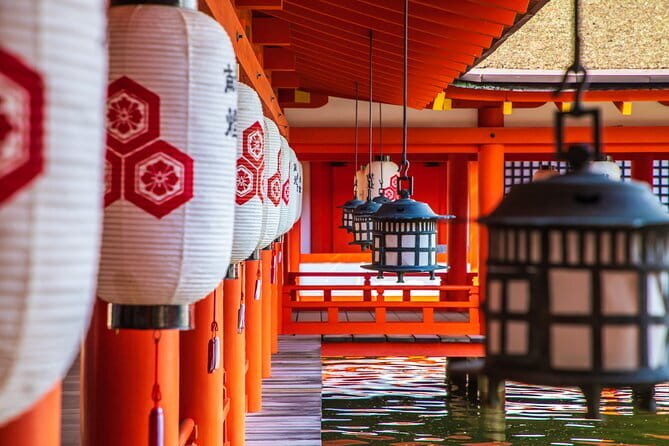
Hiroshima Castle provides a useful change of subject. The castle stop includes a visit, guided explanation, and time for photographs. It broadens the tour from twentieth-century history to the city’s older political and cultural past.
The castle is especially useful if you are trying to understand Hiroshima as more than the site of the atomic bombing. Its inclusion gives the afternoon a wider historical frame. You move from memorial history to the city’s earlier identity, then onward to one of its best-known gardens.
The stop may be shorter than the museum and garden, particularly on the three-hour schedule. If the Peace Memorial Museum takes longer than planned, the castle could receive only a brief visit. Tell your guide which stops matter most. A private tour is most useful when you make those choices clearly.
Walking between sections is part of the experience. One listed walk is about 10 minutes, but the full distance is greater because several sights are linked on foot. If you have mobility concerns, mention them before starting. The tour is wheelchair accessible, and the route can be adjusted, but transport and site conditions still need to be discussed with the guide.
Shukkei-en Garden is the quiet finish
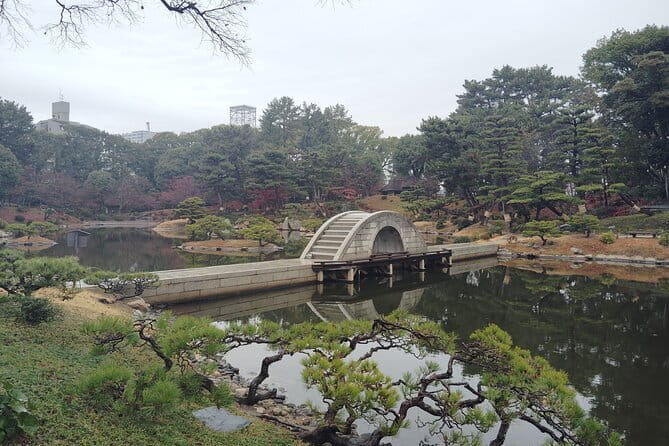
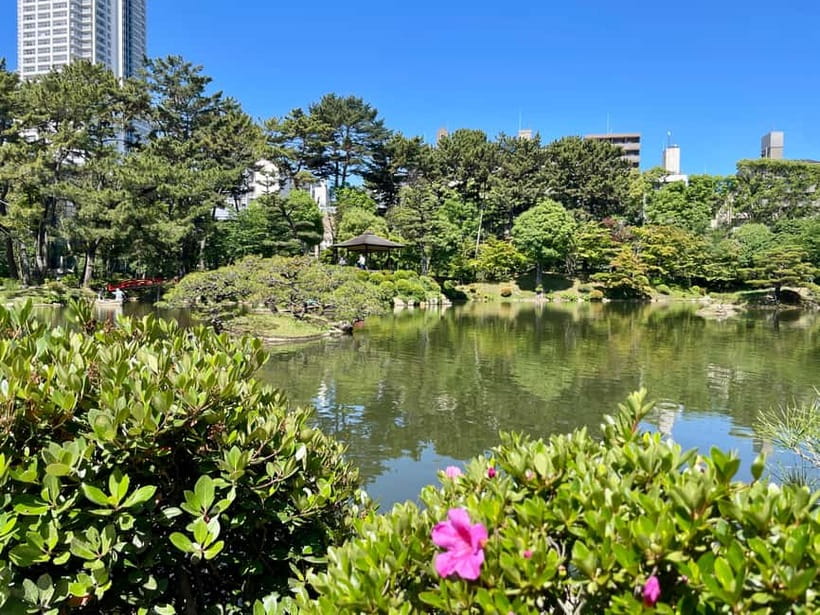
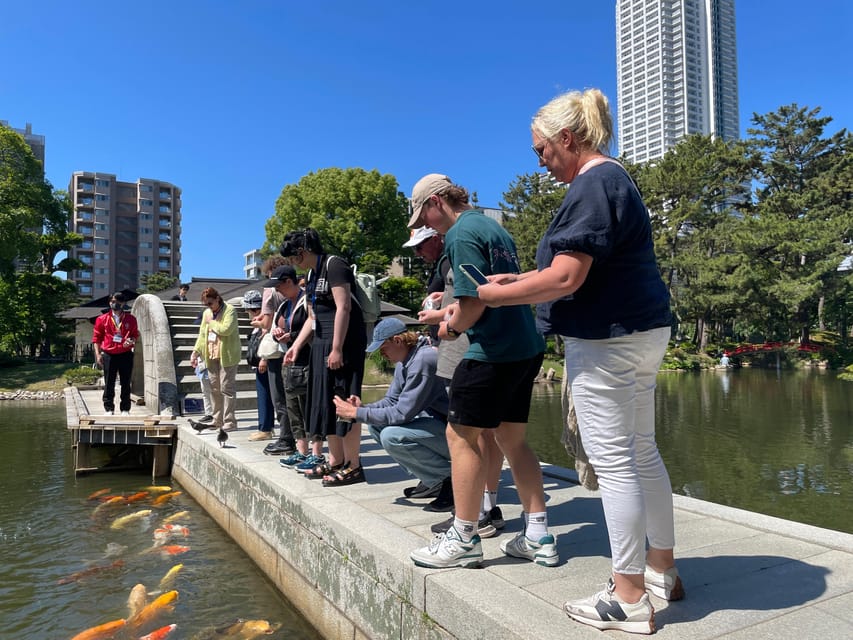
Shukkei-en Garden is the tour’s most peaceful stop. About one hour is set aside for a visit, a break, and photographs. Admission is included.
The garden offers a sharp change in mood after the museum and memorial district. Instead of confronting the past through exhibits and ruins, you have time to slow down and look at a traditional Japanese garden. The setting gives you space to talk with your guide or simply take a quiet break.
I would protect this stop rather than treat it as optional scenery. One visitor who had already seen several Japanese cities considered the garden a highlight, and that makes sense. Shukkei-en helps complete the picture of Hiroshima as a city with beauty, culture, and ordinary pleasures alongside its painful history.
The garden can also make the tour more suitable for families and mixed-age groups. Children may find the museum demanding, while the garden gives them a place to reset. Older visitors can enjoy a slower hour, though the total walking involved still deserves attention.
Three hours or four hours?
The experience is advertised as lasting three to four hours. That small difference matters because the route has several substantial stops.
A three-hour version works best if the Peace Memorial Museum and A-Bomb Dome are your priorities. You can still see the park and possibly the castle, but you should not expect a leisurely visit everywhere. The museum alone can absorb most of the available time.
A four-hour version gives you a better chance of including the museum, Peace Memorial Park, A-Bomb Dome, Hiroshima Castle, and Shukkei-en Garden. Even then, the pace can be active, particularly if you walk between areas.
Before booking, decide what you want from the tour:
- Choose the shorter approach if you want a focused memorial visit.
- Choose the longer approach if you want the city, castle, and garden included.
- Tell your guide if your group includes seniors, children, or anyone who needs regular breaks.
- Ask about the route if rain, heat, or transport costs are concerns.
A rainy afternoon does not automatically ruin the experience. Masa has adjusted routes for wet weather and older visitors, but flexibility works best when you communicate your needs in advance.
Is $103 per person good value?
At $103 per person, this is a premium walking tour rather than a budget introduction. The price includes a Hiroshima-born guide, Peace Memorial Museum admission, Shukkei-en Garden admission, walking pick-up, and photography with data provided afterward.
You also pay for privacy. A large group tour may cost less, but it cannot easily stop for one family’s questions or slow down for older relatives. Here, the guide’s attention is focused only on your group, which gives the experience a more personal rhythm.
The value is strongest for first-time visitors who want context rather than a checklist. It is also strong for cruise passengers, who need an efficient route and help managing the return journey. A guide can provide practical assistance, such as a Japanese taxi card, that may save stress later.
The value is weaker if you prefer to explore alone, read every museum display at your own speed, or spend the entire day at one site. You will also need to add transport fares, food, and drinks. Ask yourself if personal guidance and family perspective are worth the extra cost. For many people, that is the main reason to book.
The activity allows cancellation up to 24 hours before the start for a full refund, and you can reserve now and pay later. It is available in English or Japanese, is wheelchair accessible, and is designed for a private group.
Who should book this Hiroshima tour?
I would recommend it to first-time visitors who want a thoughtful introduction without joining a bus group. It suits couples, families, solo visitors, and cruise passengers who value a flexible plan.
It is particularly appropriate if you want to discuss the atomic bombing with sensitivity and ask questions that a standard audio guide cannot answer. A second-generation survivor perspective can make the subject more personal, though you should remember that guide availability is not guaranteed unless confirmed.
Families should tell the guide the ages and needs of everyone in the group. The tour can suit children, but the museum’s subject matter is serious. The private format lets you shorten or soften the experience if needed.
Older visitors should plan carefully. The tour can be adapted, but it still involves walking, standing, and possibly public transport. A four-hour route with every major stop may be ambitious in hot, wet, or tiring conditions.
Should you book it?
Book this tour if you want Hiroshima explained by someone connected to the city, not just pointed out on a map. The combination of personal family stories, the Peace Memorial Museum, A-Bomb Dome, Hiroshima Castle, and Shukkei-en Garden gives you both the painful history and the living city.
I would book it for a first visit, especially if Masa is available. Her patience, English, practical help, food suggestions, and family connection add real value. I would also reserve the four-hour option if the garden and castle matter to you.
Skip it if you want a low-cost, self-guided museum visit or prefer complete control over your time. Otherwise, $103 is a reasonable price for a private, flexible introduction to one of Japan’s most important cities.
FAQ
How long does the Hiroshima history tour last?
The tour lasts three to four hours. The exact duration and route depend on your starting point, interests, and pace.
Is the Peace Memorial Museum included?
Yes. Entry to the Hiroshima Peace Memorial Museum is included, with about one hour planned for a guided visit.
Can I visit Shukkei-en Garden on this tour?
Yes. Entry to Shukkei-en Garden is included, and about one hour is planned for a visit, break, and photographs.
Is this a private tour?
Yes. The tour is for your group only, with no other guests joining.
Are transportation costs included?
No. Walking pick-up is included, but tram, bus, and taxi fares are paid by your group. The tour may use public transportation or a taxi depending on your departure point and preferences.
What languages are available, and is the tour wheelchair accessible?
The tour is available in English and Japanese and is listed as wheelchair accessible. You should share mobility needs and preferred route details in advance so the guide can plan appropriately.
Just added around Hiroshima
- Hiroshima & Miyajima: Private Full-Day Tour with a Local Guide★ 5.0 · 39 reviews
- Hiroshima and Miyajima 1 Day Walking Tour★ 5.0 · 43 reviews
- The Journey of Hiroshima from Tragedy to Peace★ 4.8 · 44 reviews
- Cultural Activities :Kimono, tea ceremony, Calligraphy and Amulet★ 5.0 · 44 reviews
- Miyajima: Private Rickshaw Tour to Itsukushima Shrine★ 4.9 · 45 reviews
- Hiroshima Private Tour: Best Highlights in a Day★ 5.0 · 49 reviews
- Hiroshima & Miyajima All-Inclusive Tour w/Licensed guide Pancho★ 5.0 · 54 reviews
- Hiroshima: Morning Hiking Tour with Open-air Tea Ceremony★ 4.8 · 58 reviews
Historical Tours, compared.
World Heritage Shirakawa-go and Experience Tours from Kanazawa
Read our review →
Imperial Palace and Shogun Historical Walking Tour
Read our review →
World Heritage Kyoto & Nara Uji Authentic Matcha Experience
Read our review →
Kyoto Gion: 2-Hour Geisha Culture & History Walking Tour
Read our review →
World Heritage Shirakawa-go Morning Guided Tour
Read our review →
Hiroshima Historical Walking Tour – Why A-Bomb was Dropped
Read our review →
Hiroshima Peace (Heiwa) Walking Tour at World Heritage Sites
Read our review →Browse the lists this tour appears in