
Reviewed · HIROSHIMA TOURS
The Journey of Hiroshima from Tragedy to Peace
Some places ask you to slow down. Hiroshima Peace Memorial Park does exactly that, and this $30 walking tour gives the setting a clear human story rather than leaving you to read monuments on your own. I like the route’s careful mix of major landmarks and lesser-known memorials, and I like that the guide has a degree in Peace Studies. The main drawback is that this is an emotionally heavy experience, and the walking tour is not suitable for people with mobility impairments.
I also appreciate the gentle pace described by past participants, with time for questions, photographs, and discussion. Guides named Ali, Wajid, and Zunera received especially warm praise for their clear explanations and personal approach. The Hiroshima Peace Memorial Museum is not included, so you will need to pay separately if you want to add that essential indoor visit.
In This Review
- Key points at a glance
- Why a guided walk helps in Hiroshima
- Beginning at the Gates of Peace
- Mother and Baby in Storm, love after destruction
- Dr. Marcel Junod and Norman Cousins
- The Peace Cenotaph and its eternal flame
- The National Peace Memorial Hall and personal stories
- The Rest House and a survival story
- Children’s Monument and Sadako Sasaki
- The Korean Monument and a broader memory
- Ringing the Peace Bell
- The Atomic Bomb Dome, Hiroshima’s most recognizable reminder
- Ending at the hypocenter
- What the $30 price really covers
- Who should book this Peace Walk
- Should you book it?
- FAQ
- Where does the Hiroshima peace walking tour begin?
- Where does the tour end?
- Is the Atomic Bomb Dome included?
- Is the Hiroshima Peace Memorial Museum included?
- What language is the tour conducted in?
- Is the tour suitable for people with mobility impairments?
- Can I cancel for a full refund?
Key points at a glance
- The route begins at the Gates of Peace: Meet your English-speaking guide in front of the Italian restaurant Mario before entering the memorial park.
- The Atomic Bomb Dome comes near the end: Its preserved shell gives the tour a strong visual focus and links the park to Hiroshima’s wartime destruction.
- You visit more than the famous sights: The route includes the Mother and Baby in Storm, Korean Monument, Peace Bell, Dr. Marcel Junod Memorial, and Norman Cousins Peace Memorial.
- The Peace Cenotaph carries a lasting promise: Its eternal flame will remain lit until the world’s last nuclear weapon is eliminated.
- The hypocenter provides a quiet ending: The tour finishes at the point directly below the atomic blast, rather than ending at a busy attraction.
- The price is reasonable for guided context: At $30 per person, you are paying for interpretation, direction, and access to stories that are easy to miss alone.
Why a guided walk helps in Hiroshima
Hiroshima Peace Memorial Park is easy to reach, but its meaning is not always easy to absorb without context. A visitor walking alone may recognize the Atomic Bomb Dome and Children’s Monument, yet miss why particular people are honored and how the city’s postwar message developed.
This tour gives you a connected route through the park. You learn about Hiroshima before the bombing, the destruction of August 6, 1945, and the years of recovery that followed. That before-and-after framework matters because Hiroshima was not simply a target on a map. It was a functioning city with residents, workers, families, hospitals, schools, and international connections.
The guide’s Peace Studies background should be useful here. The strongest praise for Ali, Wajid, and Zunera centers on clear explanations, thoughtful answers, and a strong grasp of the subject. I would choose a guided visit over a quick photo stop because the monuments become far more meaningful when you understand the people and ideas behind them.
This is also a group walking tour, so the experience has a social element. You can ask questions as the route unfolds, but you should not expect a private, silent visit. The pace appears comfortable rather than rushed, which helps with a subject that deserves attention.
A few more Hiroshima experiences worth weighing up
- Peaceful Hiroshima & Miyajima UNESCO 1 Day Bus Tour
★ 5.0 · 5,309 reviews - Hiroshima: Hiroshima and Miyajima UNESCO Sites 1-Day Tour
★ 4.9 · 2,330 reviews - Hiroshima / Miyajima Full-day Private Tour with Government Licensed Guide
★ 5.0 · 1,298 reviews
Beginning at the Gates of Peace
The meeting point is the Gates of Peace, in front of the Italian restaurant Mario. This gives you a precise place to find the guide, which is helpful in a park filled with monuments, paths, and open areas.
The Gates of Peace set the tone before the main landmarks appear. You are not beginning with a standard sightseeing introduction. You are preparing to walk through a memorial site where nearly every stop asks you to think about loss, survival, responsibility, and peace.
If you are visiting Hiroshima in warm weather, ask about the available start time when booking. One participant particularly valued a 4:30 pm departure because it avoided the worst afternoon heat. That timing may not apply to every date, but a later start could make the walk more comfortable.
Mother and Baby in Storm, love after destruction
The first listed stop is the Mother and Baby in Storm statue. It presents an image of protection and compassion, bringing the story down to a personal level.
This is a useful early stop because it helps you approach the bombing through the lives of ordinary people. Hiroshima’s story includes military decisions and international politics, but the memorial park repeatedly returns to parents, children, doctors, patients, and families. The statue gives that human focus a physical form.
I would expect the guide to spend time explaining how love and care appeared in the years after the bombing. That makes the statue more than a symbolic photograph. It becomes an introduction to the city’s effort to remember suffering while promoting peace.
Dr. Marcel Junod and Norman Cousins
The Dr. Marcel Junod Memorial honors a Swiss physician who became a humanitarian figure after the bombing. His memorial reminds you that Hiroshima’s story was also connected to people who came from outside Japan to help the wounded and document the scale of the disaster.
The Norman Cousins Peace Memorial takes the route in another direction. Cousins was an American author and peace activist who supported nuclear disarmament. His inclusion shows that the park’s message is not limited to Japanese remembrance. It also asks what people in other countries can do with the lessons of Hiroshima.
These two stops are valuable because they widen the story. You see medical aid, international concern, and the continuing debate over nuclear weapons. The route is not simply a sequence of ruins. It explores the people who responded to the bombing and those who later worked to prevent another one.
A completely different kind of day out in Hiroshima:
- Hiroshima Historical Walking Tour – Why A-Bomb was Dropped
★ 4.8 · 893 reviews - Hiroshima Peace (Heiwa) Walking Tour at World Heritage Sites
★ 5.0 · 872 reviews - Hiroshima in a Nutshell: Morning Bike Adventure
★ 5.0 · 524 reviews - Hiroshima City 4hr Private Walking Tour with Licensed Guide
★ 5.0 · 437 reviews
The Peace Cenotaph and its eternal flame
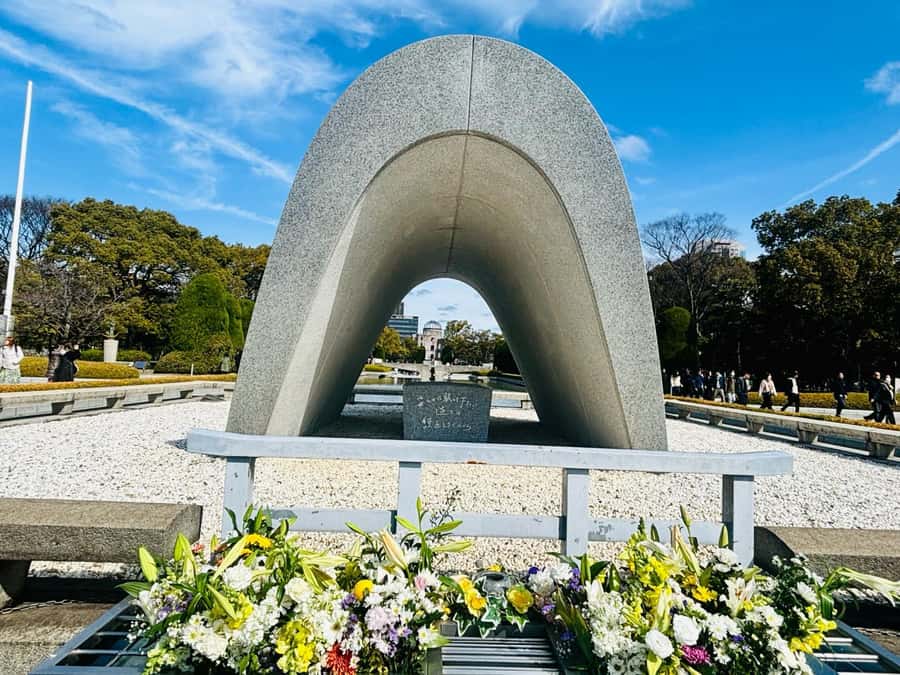
The Peace Cenotaph is one of the park’s central memorials. Its curved stone form shelters a list containing the names of atomic bomb victims, while the eternal flame carries a promise that it will remain lit until the last nuclear weapon has been eliminated.
This is one of the tour’s most important pauses. The design is restrained, but the idea behind it is immense. The cenotaph honors the dead while directing attention toward the future. You are encouraged to think about remembrance as an active responsibility, not simply a look back at history.
A guide can also help you understand how the park’s monuments work together. The Peace Cenotaph, Flame of Peace, Children’s Monument, and Atomic Bomb Dome are not isolated sights. Together, they form a memorial route built around grief, hope, and nuclear disarmament.
Expect a reflective moment here rather than a quick stop for photographs. That is a strength of the tour, though anyone seeking a fast sightseeing circuit may find the pace more serious than expected.
The National Peace Memorial Hall and personal stories
The Hiroshima National Peace Memorial Hall for the Atomic Bomb Victims provides a different kind of remembrance. It holds an extensive archive and focuses on the people who died, including details about their lives before the bombing.
That focus is important. Large numbers can make a catastrophe difficult to understand. Personal records, names, and stories restore individuality to people who might otherwise be reduced to statistics.
The hall offers valuable material for anyone who wants more than the broad outline of the event. Since the walking tour is conducted in English, the guide can help you place the memorial within the larger story of Hiroshima. The hall also gives you a sense of the city before the explosion, which balances the park’s many reminders of destruction.
The experience is still primarily outdoors and on foot. If you want extended time with the archive or a full museum-style visit, allow separate time for it rather than expecting this tour to cover every exhibit.
The Rest House and a survival story
At the Hiroshima Peace Park Rest House, you hear about a resident who survived while only 170 meters from the hypocenter. That detail gives the bombing a startling sense of physical scale.
The story is especially effective because it links a specific building and person to the blast. Instead of hearing only about distance in abstract terms, you learn about someone who was close enough to the center of destruction to make survival seem almost impossible.
The Rest House stop also brings the story toward recovery. Hiroshima was not frozen on August 6. People endured, rebuilt, and continued living with the effects of the bombing. That tension between terrible loss and human survival runs through the entire walk.
The exact amount of time spent at each stop may vary with the group and guide. The positive feedback about the pace suggests you should have room for questions without feeling pushed from monument to monument.
Children’s Monument and Sadako Sasaki
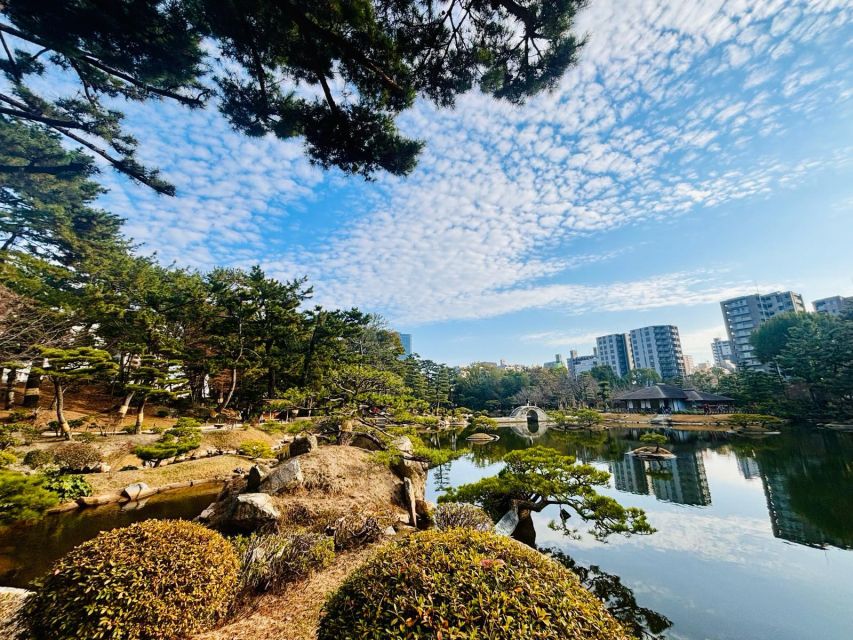
The Children’s Monument is dedicated to Sadako Sasaki and other children affected by the atomic bomb. Colorful paper cranes surround the monument, creating one of the park’s most recognizable symbols of peace.
Sadako’s story gives the monument a strong emotional focus, but the memorial also honors many children whose lives were changed or cut short. The paper cranes express a wish for healing and for a future without nuclear weapons.
This stop often connects with younger visitors because it offers a clear story of a child rather than a discussion limited to military history. Families with teenagers or young adults may find it especially useful, though the subject remains painful and should not be treated as a light sightseeing stop.
The guide can explain why paper cranes became linked with Hiroshima’s peace message. You will also have a chance to look carefully at the memorial and its surroundings instead of passing by it on the way to the Dome.
The Korean Monument and a broader memory
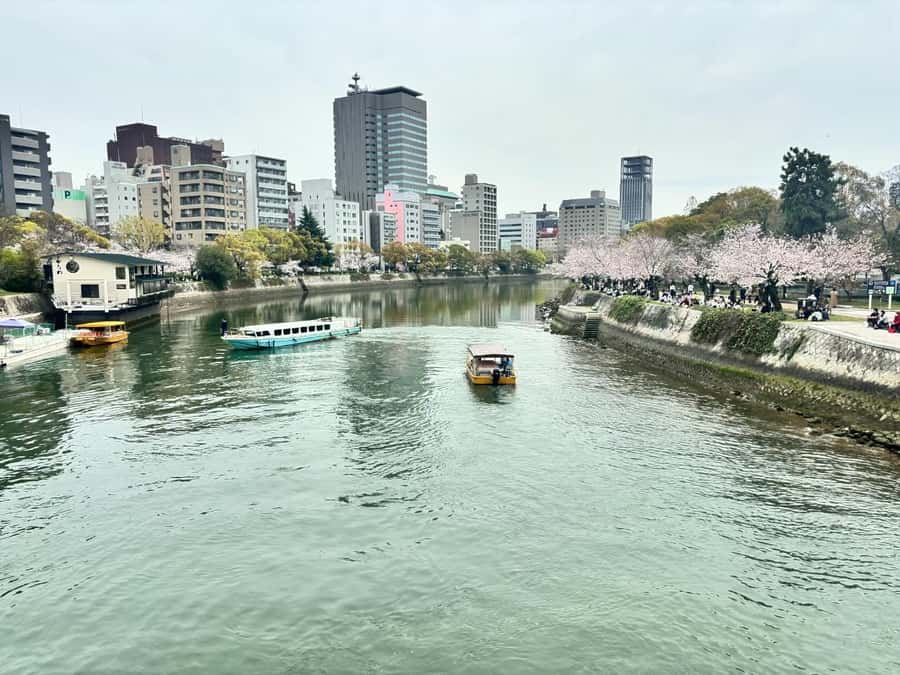
The Korean Monument honors Korean victims of the bombing. Its presence is essential because the people affected by Hiroshima were not all Japanese.
This stop adds an important layer to the park’s story. Korea was under Japanese rule during the Second World War, and Koreans were among those living and working in Hiroshima when the bomb fell. Remembering them makes the memorial message broader and more honest.
I value this part of the route because it encourages you to think about war beyond national borders. Hiroshima’s tragedy belongs to the people who suffered there, but its lessons also concern how nations treat one another, how history is remembered, and why reconciliation matters.
A guide who answers questions well can make this brief stop particularly useful. The feedback about Ali’s and Wajid’s willingness to explain details suggests that this is the kind of tour where discussion adds real value.
Ringing the Peace Bell
The Peace Bell invites you to ring it in remembrance. The sound gives visitors a simple way to take part in the park’s call for peace.
This is a more active moment than looking at a monument or listening to an explanation. You are asked to create a sound that carries through the park, turning remembrance into a shared action.
The bell may be meaningful for adults and children alike, although the tone of the visit remains solemn. I would treat it as a brief pause for reflection rather than a casual photo opportunity.
The Atomic Bomb Dome, Hiroshima’s most recognizable reminder
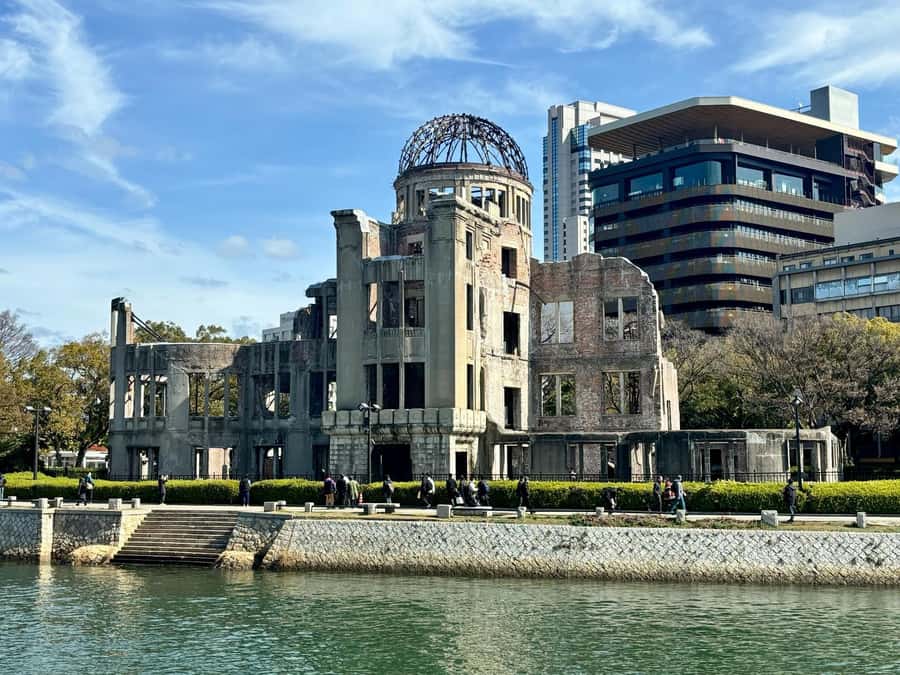
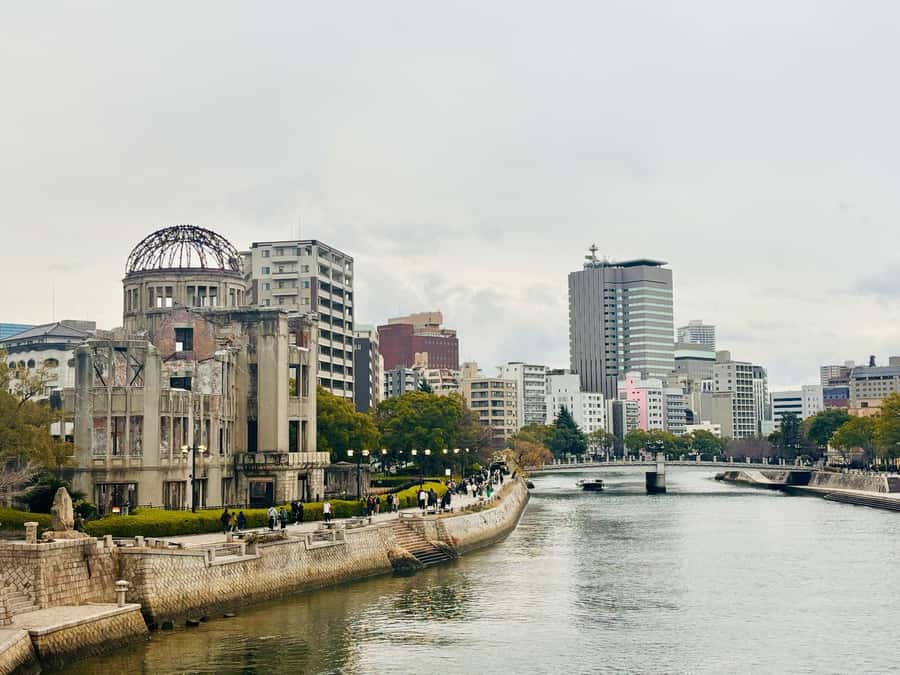
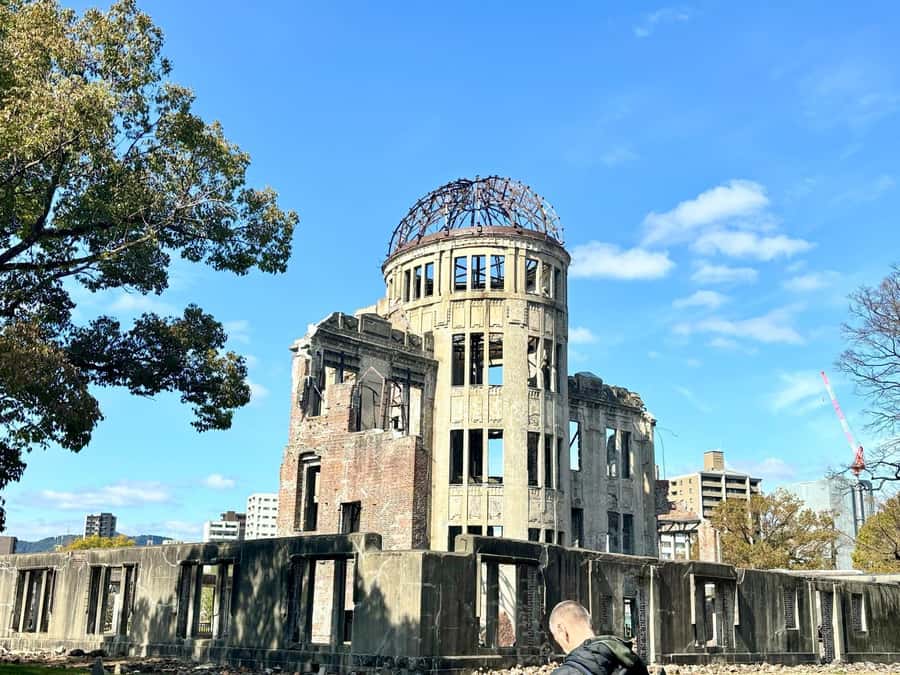
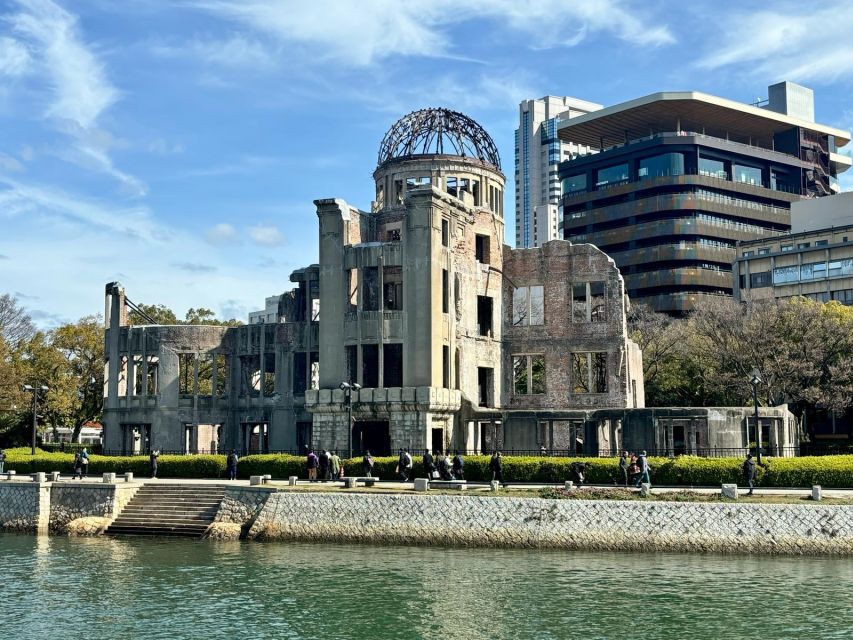
The Atomic Bomb Dome is the tour’s most famous sight and a UNESCO World Heritage Site. Its damaged structure survived near the hypocenter, making it one of the clearest physical reminders of the blast.
You will likely have seen photographs of the Dome before arriving. Seeing it in the park is different because the guide can explain what the building was, why it survived when so much around it disappeared, and how it became a symbol of Hiroshima’s peace campaign.
The Dome is powerful partly because it does not need decoration. The exposed structure carries the weight of the event. It also raises difficult questions about preservation. You are looking at a ruin kept in place so future generations can confront what happened.
Because it is iconic, this can be the busiest and most photograph-heavy part of the route. The guide helps keep the visit focused on meaning rather than reducing the building to a backdrop.
Ending at the hypocenter
The walk finishes at the hypocenter, the point directly beneath the explosion. Ending here gives the route a clear physical and emotional direction.
Many memorial walks finish at the most recognizable landmark. This one continues beyond the Atomic Bomb Dome to the precise center of the blast. That final stop encourages quiet thought about distance, scale, and the people who were present at that exact point.
The ending is not designed to entertain you. It asks you to pause and connect the monuments, names, survival stories, and peace messages you have encountered along the way.
The activity ends back at the original meeting point. That makes the route easier to manage for the rest of your day, though you should still plan enough time for the full walk and discussion since no tour duration is provided.
What the $30 price really covers
At $30 per person, this is fairly priced for a guided historical walk through one of Japan’s most important memorial sites. You are not paying for an expensive attraction ticket. You are paying for a route, interpretation, questions, and context.
The value is strongest if you would otherwise move quickly between the Dome, Cenotaph, Children’s Monument, and Peace Bell without understanding their connections. The guide’s Peace Studies background and the positive feedback about Ali, Wajid, and Zunera add to the case for booking.
Food is not included, and entrance to the Hiroshima Peace Memorial Museum is also excluded. That keeps the basic price down, but you should budget separately if you want to visit the museum. The park itself, the Atomic Bomb Dome, the National Peace Memorial Hall, the Children’s Monuments, and Flame of Peace are included in the tour experience.
The tour can also be a useful first visit before exploring independently. After hearing the central story, you may find it easier to choose which memorials or indoor displays deserve extra time.
Who should book this Peace Walk
I would recommend this experience to first-time visitors who want a clear introduction to Hiroshima’s wartime history and peace message. It also suits families with older children, couples, and solo visitors who prefer asking questions rather than reading every explanation alone.
The tour is a particularly good match for you if:
- You want historical context at each memorial.
- You prefer a moderate walking pace with discussion.
- You are interested in peace studies, humanitarian work, or nuclear disarmament.
- You want to see more than the Atomic Bomb Dome.
- You are comfortable with a serious and emotional subject.
I would be more cautious if you have limited mobility, since the activity is specifically not suitable for people with mobility impairments. You should also know that this is not a food tour, museum tour, or casual city walk. Its purpose is remembrance and education.
English is the listed tour language. If you want to visit the museum, plan that as a separate part of your Hiroshima schedule because admission is not included.
Should you book it?
Book this tour if you want Hiroshima Peace Memorial Park to make sense as a connected story rather than a collection of famous sights. The strongest reasons are the wide range of memorials, the final stop at the hypocenter, and guides who have been praised for clear explanations, thoughtful answers, and a comfortable pace.
Skip it if you prefer to explore the park completely alone, need an accessible route, or want a quick visit focused only on photographs. For most first-time visitors, though, the $30 cost is a sensible investment in context. Hiroshima deserves more than a hurried look at the Dome, and this walk gives you a respectful way to begin.
FAQ
Where does the Hiroshima peace walking tour begin?
Meet your English-speaking guide at the Gates of Peace, in front of the Italian restaurant Mario.
Where does the tour end?
The activity ends back at the original meeting point.
Is the Atomic Bomb Dome included?
Yes. The route includes the Atomic Bomb Dome, a UNESCO World Heritage Site.
Is the Hiroshima Peace Memorial Museum included?
No. Entrance to the museum is not included in the $30 tour price.
What language is the tour conducted in?
The listed tour language is English.
Is the tour suitable for people with mobility impairments?
No. The activity is not suitable for people with mobility impairments.
Can I cancel for a full refund?
Yes. You can cancel up to 24 hours in advance for a full refund.
Just added around Hiroshima
- Hiroshima & Miyajima: Private Full-Day Tour with a Local Guide★ 5.0 · 39 reviews
- Hiroshima and Miyajima 1 Day Walking Tour★ 5.0 · 43 reviews
- Hiroshima History Tour : A-Bomb Dome, Peace Memorial & City★ 5.0 · 43 reviews
- Cultural Activities :Kimono, tea ceremony, Calligraphy and Amulet★ 5.0 · 44 reviews
- Miyajima: Private Rickshaw Tour to Itsukushima Shrine★ 4.9 · 45 reviews
- Hiroshima Private Tour: Best Highlights in a Day★ 5.0 · 49 reviews
- Hiroshima & Miyajima All-Inclusive Tour w/Licensed guide Pancho★ 5.0 · 54 reviews
- Hiroshima: Morning Hiking Tour with Open-air Tea Ceremony★ 4.8 · 58 reviews
Hiroshima Tours, compared.
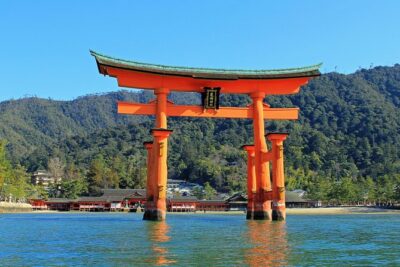
Peaceful Hiroshima & Miyajima UNESCO 1 Day Bus Tour
Read our review →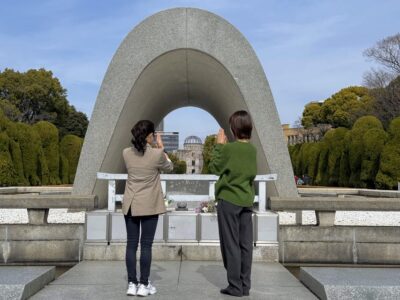
Hiroshima and Miyajima UNESCO Sites 1-Day Tour
Read our review →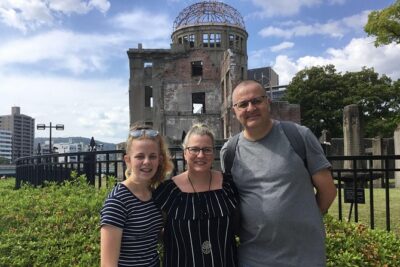
Hiroshima / Miyajima Full-day Private Tour with Government Licensed Guide
Read our review →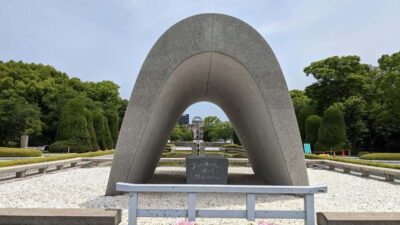
Hiroshima Historical Walking Tour – Why A-Bomb was Dropped
Read our review →
Hiroshima Peace (Heiwa) Walking Tour at World Heritage Sites
Read our review →
Hiroshima in a Nutshell: Morning Bike Adventure
Read our review →
Hiroshima City 4hr Private Walking Tour with Licensed Guide
Read our review →
Browse the lists this tour appears in