
Reviewed · MIYAJIMA ISLAND TOURS
Hiroshima / Miyajima Full-day Private Tour with Government Licensed Guide
Two very different places fill one powerful day. This private Hiroshima and Miyajima tour pairs the Peace Memorial Park and A-Bomb Dome with Miyajima’s shrine, deer, pagoda views, and island scenery. I like the freedom to choose three or four stops, and I like having a licensed local guide such as Sei, Yuji, Minori, or Lisa explain what you are seeing.
The main trade-off is simple: eight hours is a tight schedule for two major destinations. You also pay separately for trains, trams, ferries, meals, admission fees, and Miyajima’s ¥100 visitor tax. Still, the private format can save you from wasted time, especially when crowds or public transport make Hiroshima harder to manage alone.
In This Review
- Five things to know before you book
- Why this private format works in Hiroshima
- The Peace Memorial Park and Museum, about 90 minutes
- Hiroshima Castle, about 90 minutes
- Shukkeien Garden, about 90 minutes
- The journey to Miyajima by local transport
- Itsukushima Shrine and Miyajima, about two hours
- Tenshinkaku and the view over Miyajima
- Food, art, and personal choices
- The guides make the biggest difference
- Who should book this Hiroshima day tour?
- What you pay, and what you still need to budget
- Should you book it?
- FAQ
- How long is the tour?
- Is the tour private?
- What is included in the price?
- Are transportation and entrance fees included?
- Can the itinerary be customized?
- Is pickup available?
Five things to know before you book
- The day combines Hiroshima and Miyajima: You can cover the city’s memorial sites and the island’s major cultural sights in one outing.
- You choose three or four locations: The possible stops include the Peace Memorial Museum, Hiroshima Castle, Shukkeien Garden, Itsukushima Shrine, and Tenshinkaku.
- Public transport is part of the experience: Expect walking, local trains or trams, and a ferry rather than a private vehicle.
- The guides add personal context: Sei has shared family connections to Hiroshima, while guides such as Emmy and Minori have been praised for thoughtful planning and local insight.
- Crowd control matters: Lisa has arranged advance tickets and timed the Miyajima visit around high tide, useful touches when your day is limited.
Why this private format works in Hiroshima
Hiroshima is easy to reach, but not always easy to understand. The memorial sites cover a large area, and the meaning of each monument is not always clear from a quick look. A guide helps connect the Peace Bell, Children’s Peace Monument, A-Bomb Dome, museum exhibits, and the city’s recovery into one understandable story.
You meet your guide in Hiroshima and travel on foot and by public transportation. Pickup is offered on foot, not by private car, so confirm the meeting point carefully. This arrangement is particularly useful if you arrive by train or cruise ship. Guides have met people at a cruise pier and Hiroshima Station, but the exact meeting place depends on your booking.
I like the private setup for families and small groups. You can ask questions without holding up a larger party, slow down at a difficult exhibit, or shorten a stop if the subject becomes too heavy. The guides also adjust for different interests. One group focused on art, another wanted local food, and others needed an easier route for a member with limited mobility.
The published price is about $202.29 per person. That is not a bargain if you only want a quick walk through the park. It becomes more reasonable when you value a full day of personal guidance, help with local transport, itinerary planning, and the chance to fit both Hiroshima and Miyajima into one visit.
More Miyajima island trips:
- Peaceful Hiroshima & Miyajima UNESCO 1 Day Bus Tour
★ 5.0 · 5,309 reviews - Hiroshima: Hiroshima and Miyajima UNESCO Sites 1-Day Tour
★ 4.9 · 2,330 reviews - From Hiroshima: Hiroshima & Miyajima 1 Day Tour with Lunch
★ 4.7 · 395 reviews
The Peace Memorial Park and Museum, about 90 minutes
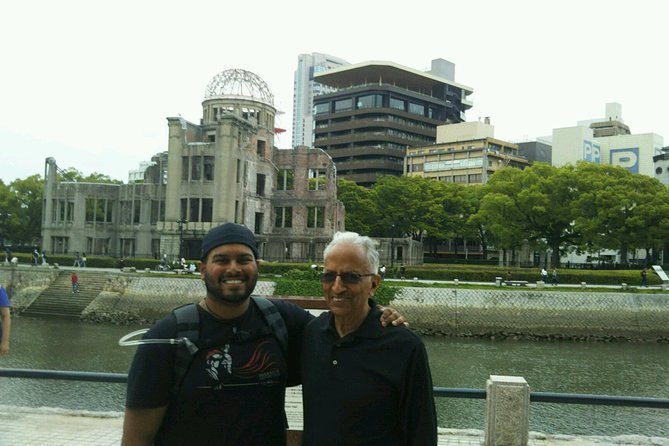
Most people begin with Hiroshima’s central memorial area. Peace Memorial Park occupies more than 120,000 square meters on an island between rivers, and it gives you room to pause between the city’s busiest streets and the museum’s difficult displays.
The Hiroshima Peace Memorial Museum is the emotional center of the day. Admission is not included, and the museum can become extremely crowded. One person found that the lines and limited time reduced the time available inside, so you should tell your guide if the museum is your top priority.
A good guide does more than point out monuments. Sei has been praised for explaining the events leading up to the bombing and its effects afterward, sometimes using a moving film to provide extra context. Another guide, Nob, has shared personal family connections to Hiroshima’s postwar experience. These personal details can make the history feel immediate without turning the visit into a performance.
The subject is painful. You may see personal belongings, photographs, and accounts of suffering. I recommend beginning early if possible, not because the park is better in the morning by some fixed rule, but because crowd levels can affect how much time and quiet you have.
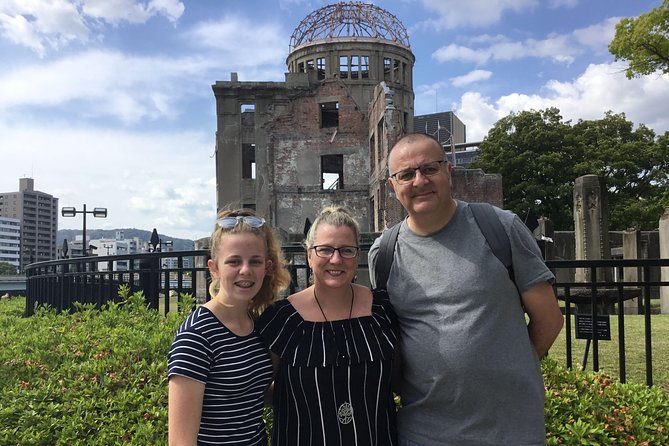
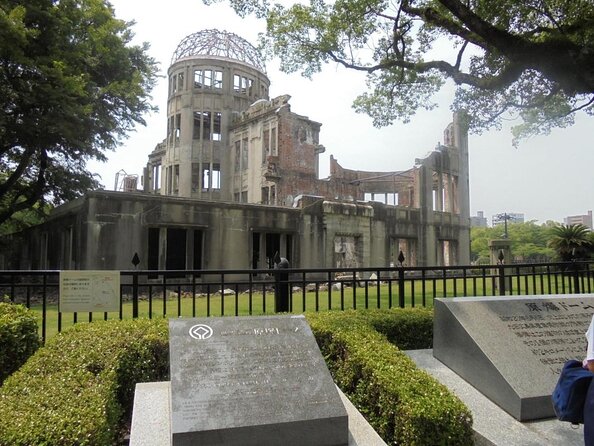
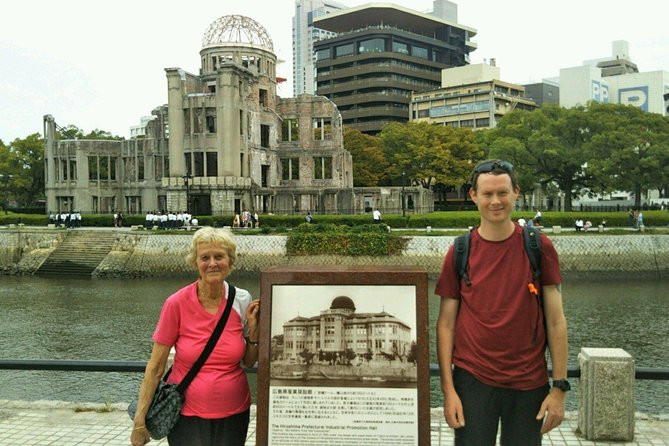
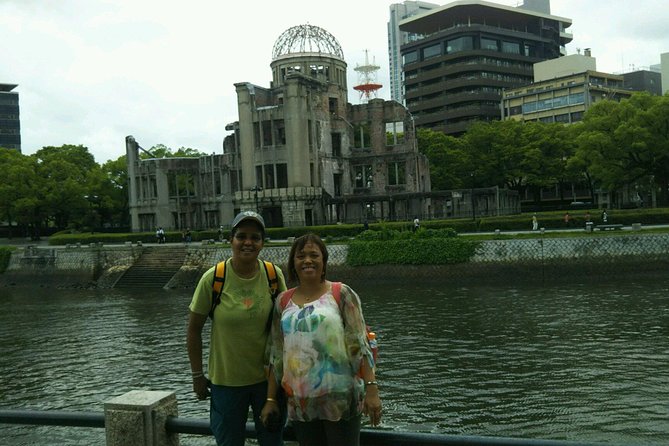
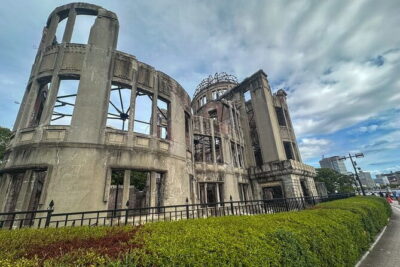
The park also presents Hiroshima as a living city, not only a memorial. The A-Bomb Dome, preserved in its damaged condition, is one of the clearest reminders of the destruction. Nearby monuments and the Children’s Peace Monument focus on remembrance and peace. Several guides teach visitors to fold an origami crane, then help place it near the monument.
Give this stop your full attention. If you also want Miyajima, you may need to limit the museum time or choose fewer city sights later.
Hiroshima Castle, about 90 minutes
Hiroshima Castle offers a useful change of mood and subject. Also called Carp Castle, it is a five-story castle in the middle of the city, built on flat ground rather than on a hilltop. That setting helps you understand how the castle served as an urban center.
Admission is not included. The stop may appeal most if you want Japanese architecture and samurai-era history alongside the modern memorial sites. It also gives your guide a chance to explain Hiroshima before 1945, so the city becomes more than the story of the atomic bombing.
The drawback is time. Hiroshima Castle, Shukkeien Garden, and the Peace Memorial Museum each have enough material for a separate visit. Trying to see all three before heading to Miyajima can leave you rushing through each one.
If your main goal is the memorial museum and Itsukushima Shrine, I would treat the castle as optional. If you have already visited the museum, or if you prefer architecture to extended museum time, it can be a smart choice.
Shukkeien Garden, about 90 minutes
Shukkeien is a traditional Japanese garden and a National Scenic Spot. It is also designated among Japan’s Top 100 Historical Parks. The garden provides a quiet counterpoint to the memorial park and castle, with paths, water, bridges, and carefully arranged views.
This stop works well for anyone who needs a slower hour during a serious day. It also suits photographers and garden fans. The guide can explain how the garden’s design creates changing views as you walk, instead of presenting one large scene all at once.
Admission is extra. As with the castle, the question is not if Shukkeien is worth seeing. It is whether you want to spend 90 minutes here when Miyajima requires several hours of travel and sightseeing.
For a first visit, I would choose Shukkeien if gardens matter to you. It is less essential if your priority is understanding Hiroshima’s wartime history or seeing the famous torii gate at the best possible tide.
More licensed guide tours in Hiroshima:
- Hiroshima City 4hr Private Walking Tour with Licensed Guide
★ 5.0 · 437 reviews - Hiroshima & Miyajima: Full-Day Private Tour & Licensed Guide
★ 4.8 · 252 reviews - Miyajima Half-day Private Tour with Government Licensed Guide
★ 5.0 · 184 reviews - Hiroshima & Miyajima All-Inclusive Tour w/Licensed guide Pancho
★ 5.0 · 54 reviews
The journey to Miyajima by local transport
Getting to Miyajima is part of the day, not a hidden inconvenience. You may use a tram or train followed by a ferry, with your guide handling the route and keeping the group together. Transportation costs are not included, and the ferry is also extra.
This public transport arrangement has two benefits. First, it keeps the tour connected to ordinary life in Hiroshima. Second, a guide can help you avoid confusion when you are watching the clock. One group praised its guide for using trams, trains, and the ferry in a well-planned sequence.
The same setup has a clear limit: you will walk and change vehicles. There is no private car waiting at each stop. Wear comfortable shoes, keep your belongings light, and mention mobility concerns before the day begins. A guide has adjusted routes for a person with mobility challenges, but the tour remains a walking experience.
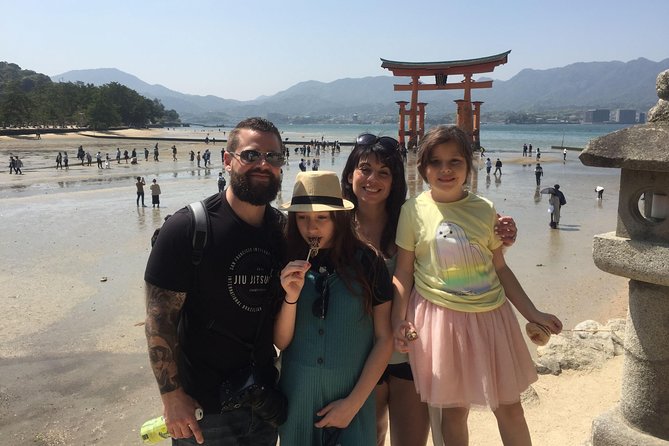
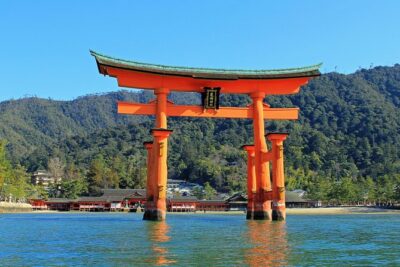
Your guide may also plan around the tide. Miyajima’s great torii is most famous when high water makes it appear to float. Lisa has checked the tide in advance and built the schedule around that view. This is one of the tour’s most useful advantages, since a poorly timed visit can make the scene look quite different.
Itsukushima Shrine and Miyajima, about two hours
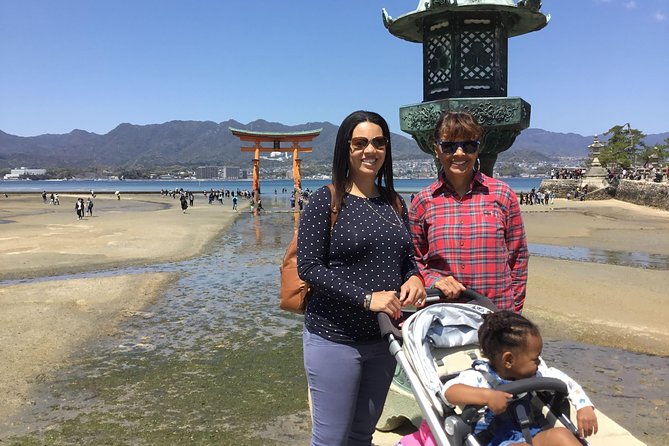
Miyajima is a small island less than an hour from Hiroshima, though the full journey depends on your starting point and connections. Itsukushima Shrine is the main cultural draw, with buildings set beside the water and the famous torii gate offshore.
Admission is not included. You also pay the Miyajima visitor tax of ¥100 per person in cash. Bring small Japanese currency because this charge is cash only.
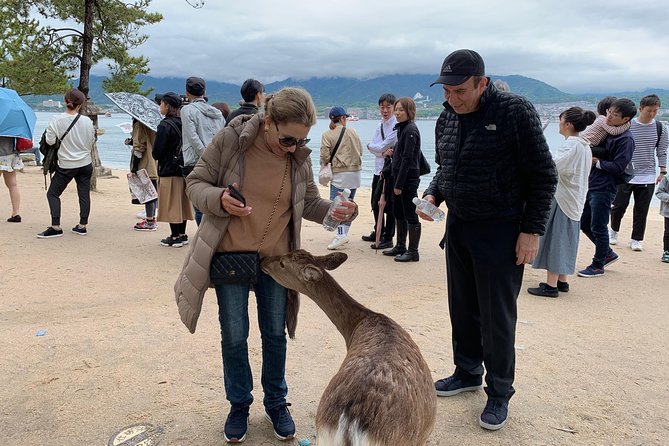
The island offers a welcome change after the museum. You can look at shrine buildings, five-story pagoda views, and the Seto Inland Sea, while deer wander through public areas. Guides can explain the religious meaning of the shrine and point out details you might miss while taking photographs.
Do not expect a quiet island at every hour. Miyajima is one of Japan’s best-known day trips, and the shrine, ferry, and main streets can be crowded. Advance planning helps. One guide obtained tickets ahead of time for busy sights and arranged lunch at a local restaurant, while another ordered meal selections in advance.
The two-hour estimate may feel short. You need time for transport, the shrine, photographs, food, and perhaps a little independent wandering. If Miyajima is your main reason for booking, ask to give the island more time and cut Hiroshima Castle or Shukkeien.
Tenshinkaku and the view over Miyajima
Tenshinkaku is an old Japanese house on a hillside, now presented as a single-story house café. From here, you can see Toyokuni Shrine, the five-story pagoda, and the Seto Inland Sea together.
The listed visit lasts about 90 minutes, though the exact use of that time depends on your group. It can be a pleasant place to pause, take photographs, and enjoy the island from above. It also adds a less formal side of Miyajima beyond the shrine grounds.
The hill location means this is not the easiest stop for every group. Since the tour already involves walking and transport, tell your guide what pace works for you. You may prefer Tenshinkaku to the castle or garden, but you probably should not try to fit every listed stop into one day.
Food, art, and personal choices
Lunch is not included, and the tour does not promise a set restaurant. That is useful because you can choose according to your needs, but it also means you should discuss food preferences before departure.
Guides have taken groups to local restaurants for authentic Japanese dishes, including Hiroshima-style okonomiyaki. Emmy researched a vegan restaurant in advance, then helped the couple fit dinner into a day trip from Osaka. Megumi arranged meal selections ahead of time. These examples show where a private guide can earn the fee: not through luxury transport, but through small planning decisions that prevent a hungry group from losing an hour.
You can also shape the day around interests outside the standard five stops. An art-focused group visited Hiroshima’s art museum, saw works by Monet, Renoir, Degas, Van Gogh, Gauguin, Matisse, Picasso, Chagall, and others, and explored public art projects. Another group visited Orizuru Tower for a high view of the A-Bomb Dome and learned to fold paper cranes.
Those additions are possible only if you trade away something else. The tour promises three or four chosen sites, not every attraction in Hiroshima and Miyajima.
The guides make the biggest difference
The strongest part of this experience is the guide. The agency uses several licensed English-speaking guides, so you may be paired with Sei, Yuji, Minori, Emmy, Lisa, Naomi, Mari, Nob, or another available guide.
Across the day, you can expect help with route planning, historical explanation, restaurant choices, tide timing, and keeping the schedule on track. Sei has received praise for his clear English, local family background, and ability to engage both adults and children. Minori has been praised for patience, photo locations, and thoughtful explanations. Lisa’s advance planning is especially valuable for people visiting during a busy period.
Quality can vary slightly from one individual guide to another, as it does with any agency using a team. When booking, request a guide whose strengths fit your group. Families may want someone comfortable with children. History-focused visitors may prefer a guide with local family connections. Food-focused groups should ask for help with restaurant planning.
The overall rating is 4.9 from 1,298 ratings, with 99 percent recommending the experience. That is a very strong record, but the practical details still matter more than the number: this is a long walking day with extra costs and a fixed eight-hour limit.
Who should book this Hiroshima day tour?
I would choose this tour if you have only one day and want both Hiroshima and Miyajima without managing every connection yourself. It is also a good fit for families, cruise passengers, first-time visitors, and small groups with different interests.
The private format suits you if you want to ask sensitive questions, change the pace, or replace a standard stop with art, food, or another approved sight. It can also help if one person in your party has mobility concerns, though you should remember that the tour is still on foot.
I would not book it if you want a slow museum visit, a full climb on Miyajima, or a relaxed island afternoon. In that case, spend a full day in Hiroshima and return to Miyajima separately, or stay overnight on the island.
What you pay, and what you still need to budget
At approximately $202.29 per person, the tour covers a licensed local English-speaking guide and a private, customizable day. It does not cover public transport, ferry fare, entrance fees, lunch, personal spending, or the ¥100 Miyajima visitor tax.
The value comes from time and judgment. A guide can help you avoid a wrong train, organize a route around high tide, find a suitable meal, and explain what the museum and shrines mean. If your party is large, group discounts may improve the price, but separate tour groups cannot be combined.
Free cancellation is available up to 24 hours before the start time. Changes or cancellations within 24 hours are not accepted for a refund.
Should you book it?
Book this Hiroshima and Miyajima tour if you want a serious, well-organized first visit and accept the extra transport and admission costs. Ask in advance for the guide style you prefer, protect enough time for the Peace Memorial Museum, and decide which three or four stops matter most.
For many people, the best version is Peace Memorial Park, the museum, Itsukushima Shrine, and one flexible choice such as Shukkeien or Tenshinkaku. That combination gives you Hiroshima’s difficult story, Miyajima’s beauty, and enough room to breathe.
FAQ
How long is the tour?
The tour lasts approximately eight hours. Reservations made before November 6, 2024 may still have the former seven-hour duration.
Is the tour private?
Yes. Only your group participates, and the tour does not combine multiple groups.
What is included in the price?
A licensed local English-speaking guide and a customizable walking tour covering three or four selected sites are included.
Are transportation and entrance fees included?
No. Public transportation, the ferry, attraction admission, lunch, and personal expenses are paid separately. The Miyajima visitor tax is also separate and costs ¥100 per person in cash.
Can the itinerary be customized?
Yes. You can select three or four sites from the available options, which include the Peace Memorial Museum, Hiroshima Castle, Shukkeien Garden, Itsukushima Shrine, and Tenshinkaku. Other interests may be possible if the schedule allows.
Is pickup available?
Pickup is offered on foot in Hiroshima. There is no private vehicle, and the tour uses walking and public transportation.
Just added around Hiroshima
- Hiroshima & Miyajima: Private Full-Day Tour with a Local Guide★ 5.0 · 39 reviews
- Hiroshima and Miyajima 1 Day Walking Tour★ 5.0 · 43 reviews
- Hiroshima History Tour : A-Bomb Dome, Peace Memorial & City★ 5.0 · 43 reviews
- The Journey of Hiroshima from Tragedy to Peace★ 4.8 · 44 reviews
- Cultural Activities :Kimono, tea ceremony, Calligraphy and Amulet★ 5.0 · 44 reviews
- Miyajima: Private Rickshaw Tour to Itsukushima Shrine★ 4.9 · 45 reviews
- Hiroshima Private Tour: Best Highlights in a Day★ 5.0 · 49 reviews
- Hiroshima & Miyajima All-Inclusive Tour w/Licensed guide Pancho★ 5.0 · 54 reviews
Miyajima Island Tours, compared.
Peaceful Hiroshima & Miyajima UNESCO 1 Day Bus Tour
Read our review →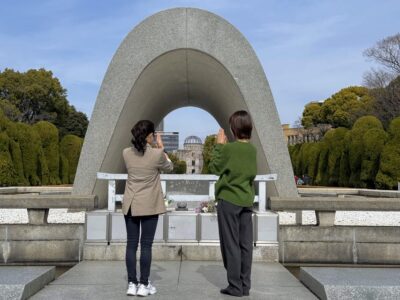
Hiroshima and Miyajima UNESCO Sites 1-Day Tour
Read our review →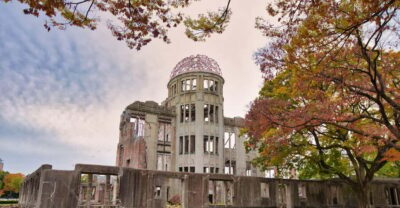
Osaka/Kyoto: Hiroshima Miyajima Bus Tour & Shinkansen Ticket
Read our review →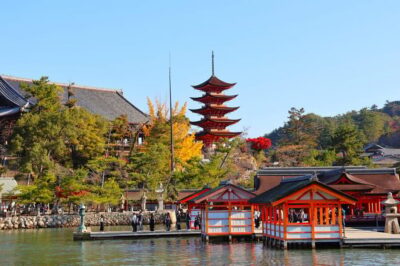
Hiroshima and Miyajima Day Trip with Itsukushima Shrine & Ferry
Read our review →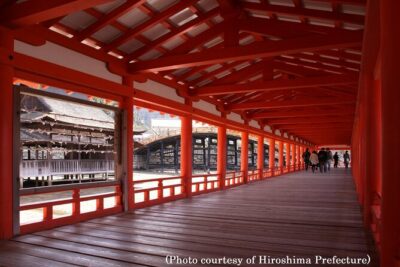
Full Day Hiroshima and Miyajima Bus Tour from Hiroshima
Read our review →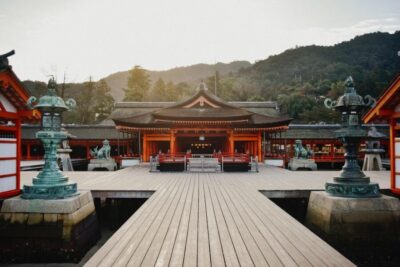
Miyajima Peace Memorial Icons of Peace and Beauty
Read our review →
Miyajima Half-day Trip Historical Walking Tour
Read our review →Browse the lists this tour appears in