
Reviewed · MIYAJIMA ISLAND TOURS
From Hiroshima: Hiroshima & Miyajima 1 Day Tour with Lunch
A solemn morning, a beautiful afternoon. This $116 Hiroshima and Miyajima tour joins Hiroshima’s most important peace sites with a ferry ride to Miyajima, making it a strong one-day introduction to the region. I like the careful mix of guided history and independent time, and I like that the price covers the bus, museum, shrine, ferry, and lunch. The main tradeoff is time: the Peace Memorial Museum and Miyajima each receive about an hour, which can feel short.
The day is led in English by a live guide, with earphones so you can hear commentary even when the group spreads out. Guides such as Joe, Hiro, Azusa, Takane, Miyuki, and Chikako have been praised for clear explanations, humor, and personal stories. Still, this is a shared group tour with a fixed schedule, and the bus will not wait for late arrivals.
In This Review
- Key points at a glance
- Why this Hiroshima day tour works well
- Meeting at Hiroshima Station at 9:45
- The A-Bomb Dome and Hiroshima Peace Memorial Park
- One hour inside the Peace Memorial Museum
- Hiroshima-style okonomiyaki at lunch
- Crossing Hiroshima Bay to Miyajima
- Itsukushima Shrine and the floating torii gate
- One hour of free time on Miyajima
- The guides make the fixed schedule work
- Walking, pace, and practical limits
- Who should book this Hiroshima tour?
- Should you book it?
- FAQ
- Where does the tour meet?
- What happens if I arrive late?
- Is lunch included?
- Can I request a special meal?
- Is the ferry to Miyajima included?
- How much walking is involved?
Key points at a glance
- Two very different sides of Hiroshima: Spend the morning with the city’s peace memorials, then shift to Miyajima’s shrine, shops, and bay views.
- A-Bomb Dome and Peace Memorial Museum included: Both entry fees are covered, so you do not need to arrange tickets separately.
- Hiroshima-style okonomiyaki for lunch: Choose the regular version, a no-pork option with eggs, or a no-pork, no-fish-powder, no-egg version if arranged ahead.
- Ferry travel is part of the experience: The return ferry to Miyajima is included, with each crossing taking about 10 minutes.
- Comfortable transport matters: The air-conditioned bus handles much of the day’s movement, a real help during Hiroshima’s hot summer months.
- A useful first look, not an exhaustive visit: The schedule covers the essentials well, but you may want extra time later for the museum or Miyajima.
Why this Hiroshima day tour works well
Hiroshima and Miyajima are close enough to combine, but they offer very different experiences. Hiroshima asks you to slow down and think about war, loss, and peace. Miyajima brings a lighter rhythm, with water, shrine architecture, island streets, and time to browse.
This tour links both places without making you plan buses, ferry tickets, museum entry, and lunch on your own. At $116 per person, the value is strongest if you want an organized day and would otherwise pay separately for transportation, admission, and food. You also gain an English-speaking guide who can explain what you are seeing rather than leaving you to piece together the story from signs.
The 4.7 rating from 395 reviews reflects the tour’s strongest quality: it is well organized. The bus, ferry, lunch, and return to Hiroshima Station all fit into an eight-hour day. That structure is useful if you have only one full day in Hiroshima or if you are making a short stop between train journeys.
The cost is less attractive if you prefer to move slowly, spend hours in museums, or linger on Miyajima. This is a survey course in Hiroshima, not a leisurely two-day visit.
More Miyajima island trips:
- Peaceful Hiroshima & Miyajima UNESCO 1 Day Bus Tour
★ 5.0 · 5,309 reviews - Hiroshima: Hiroshima and Miyajima UNESCO Sites 1-Day Tour
★ 4.9 · 2,330 reviews - Hiroshima / Miyajima Full-day Private Tour with Government Licensed Guide
★ 5.0 · 1,298 reviews
Meeting at Hiroshima Station at 9:45
The meeting point is on the second floor of Hiroshima Station, at the Shinkansen gate, North Gate, near gate 2. The meeting time is 9:45 a.m., with departure at 10:00 a.m. Look for the guide holding an HIS signboard.
Give yourself extra time to find the correct station level. The bus departure is firm, so arriving at the station at 9:59 is not a sensible plan. The tour returns to the same bus loading area, which is convenient if you are staying near the station or continuing by train.
The operator can store luggage in the bus compartment during the day. That helps if you are changing hotels, though you should keep essential items, medication, and valuables with you.
Once aboard, the air-conditioned coach first passes Hiroshima Castle. This is a scenic drive rather than a castle visit, so do not expect time to enter. It is a useful first glimpse of the city before the day turns toward its central subject.
The A-Bomb Dome and Hiroshima Peace Memorial Park
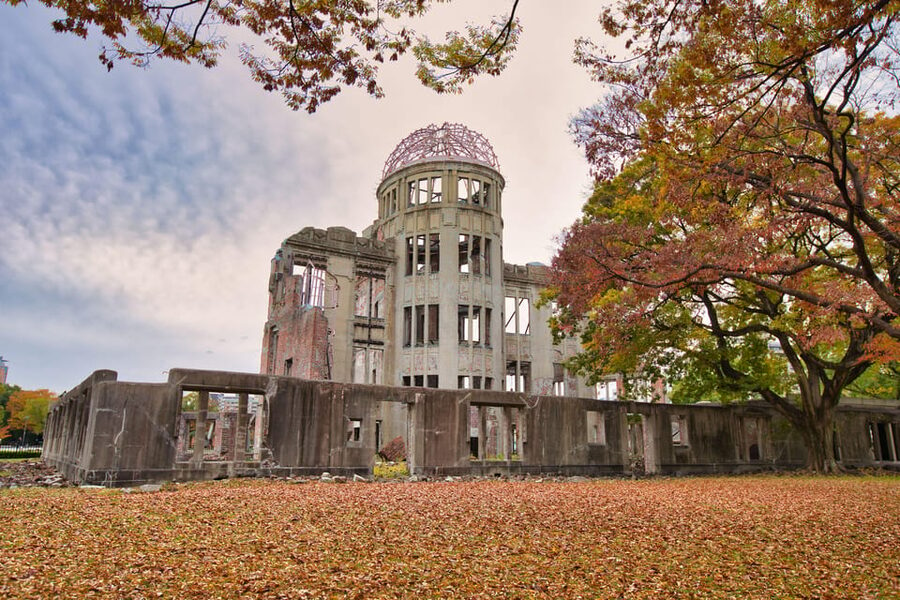
The first major stop is the A-Bomb Dome, with about 30 minutes for the visit. The ruined building is one of Hiroshima’s most recognizable memorials. Its exposed frame and damaged walls are difficult to look at casually, and that is precisely why the stop matters.
Your guide provides historical context and explains the building’s connection to the atomic blast. The live commentary adds meaning to what might otherwise be a brief photo stop. You will also have time to look at the structure yourself and take in its position beside the river.
The surrounding Peace Memorial Park gives the morning a wider frame. This is not simply a collection of monuments. It is a place built around remembrance and the call for peace, with memorials and spaces dedicated to those affected by the bombing.
The schedule is tightly managed here. Some people will find 30 minutes at the dome enough, especially with the guide’s explanation. If you want to read every plaque, stop at each memorial, or sit quietly for a while, you may wish you had more time.
That is the recurring compromise of this tour. It brings you to the right places and gives them meaning, but it cannot offer the unhurried pace of a private visit.
One hour inside the Peace Memorial Museum
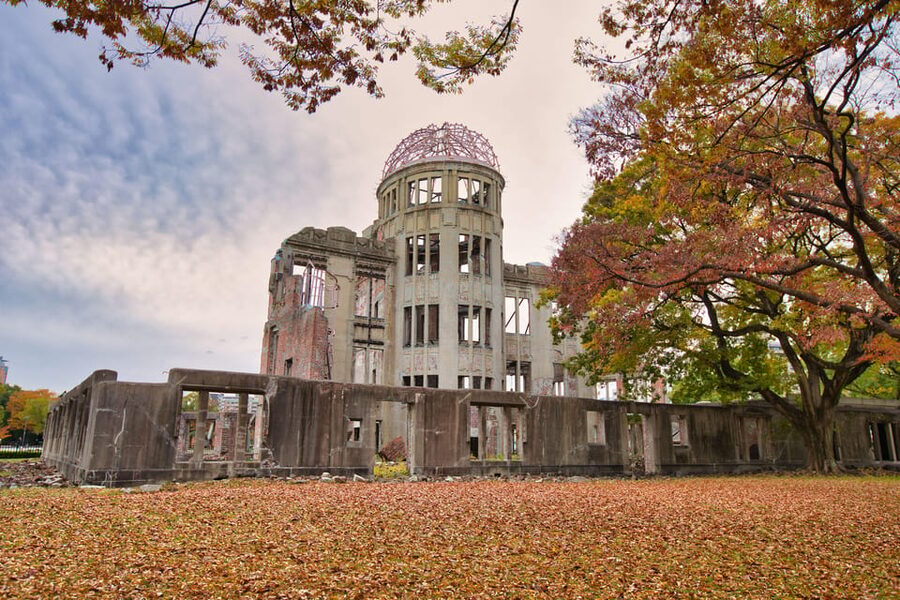
The Hiroshima Peace Memorial Museum is the emotional center of the day. Entry is included, and the planned visit lasts about one hour.
Expect a serious, often painful account of the atomic bombing and its effects on individuals, families, and the city. The museum is not a quick sightseeing attraction. You will need attention and emotional energy, particularly when viewing personal belongings and accounts of the victims.
The guide’s explanation before or around the visit helps you understand the museum’s purpose. Several guides have been praised for adding local knowledge and personal family connections. Miyuki, who was born and raised in Hiroshima, shared her family story during one tour, giving the historical material a more personal weight.
One hour lets you see the main displays, but it is not enough for every label and exhibit. The museum can also be busy, especially during school visits and crowded periods. If you read carefully, you may leave wishing for another hour.
I would treat this tour as your introduction to the museum. If the visit affects you strongly, return later on your own for more time. The alternative is better than skipping it, but the timetable does not allow a long reflective pause in every part of the park.
If the museum is closed, the tour substitutes the Hiroshima National Peace Memorial Hall for the Atomic Bomb Victims. The listed closure dates are December 30 to 31 and February 16 to 21.
A few more Hiroshima experiences worth weighing up
- 3 Departures: Hiroshima & Miyajima Trip with Indian Lunch
★ 4.8 · 65 reviews - Bike Tour Exploring North Kyoto plus Lunch
★ 5.0 · 1,087 reviews - Tokyo: Mt.Fuji & Lake Kawaguchiko 1-Day Bus Tour w/Optional Lunch
★ 4.5 · 839 reviews - Osaka/Kyoto: Arashiyama, Nara & Fushimi Inari Shrine w/Lunch
★ 4.4 · 754 reviews
Hiroshima-style okonomiyaki at lunch
Lunch follows in a local restaurant and lasts about 45 minutes. You receive Hiroshima-style okonomiyaki, a layered Japanese savory pancake made with pork, cabbage, bean sprouts, fish powder, noodles, and eggs.
This is different from the simpler image many people have of a pancake. The noodles make it filling, and watching it prepared adds to the meal. Several people have praised the lunch as one of the best food stops on a Japan tour, while others found it basic or wished that water and refills were included.
The regular option contains pork, fish powder, and eggs. Dietary choices are available, but you must request them when booking:
- Regular okonomiyaki
- No pork, with eggs
- No pork, no fish powder, and no eggs
Vegetarian arrangements have been made successfully, but menu changes cannot be handled on the day. If you have allergies or dietary restrictions, provide the details in advance and check the dish when it arrives. Drinks are not included, and you should not bring your own food or drinks into the restaurant.
The lunch is valuable because it gives you a local specialty without another decision during a busy day. It is not designed as a long food tour, so think of it as a tasty regional meal rather than a culinary event.
Crossing Hiroshima Bay to Miyajima
After lunch, the bus takes you toward the ferry, with about 30 minutes of road travel followed by a 10-minute crossing. The ferry ride breaks up the coach time and gives the afternoon a clear change of mood.
Miyajima is an island in Hiroshima Bay, reached here by a return ferry ticket included in the tour price. The crossing is short, but it is an important part of the route. You move from the city’s memorial spaces to an island known for Shinto worship and its water-framed shrine.
The ferry schedule adds another fixed point to the day. Stay aware of where and when the group is meeting. The guide will manage the timing, but you should not wander off assuming you can simply catch any later boat.
Itsukushima Shrine and the floating torii gate
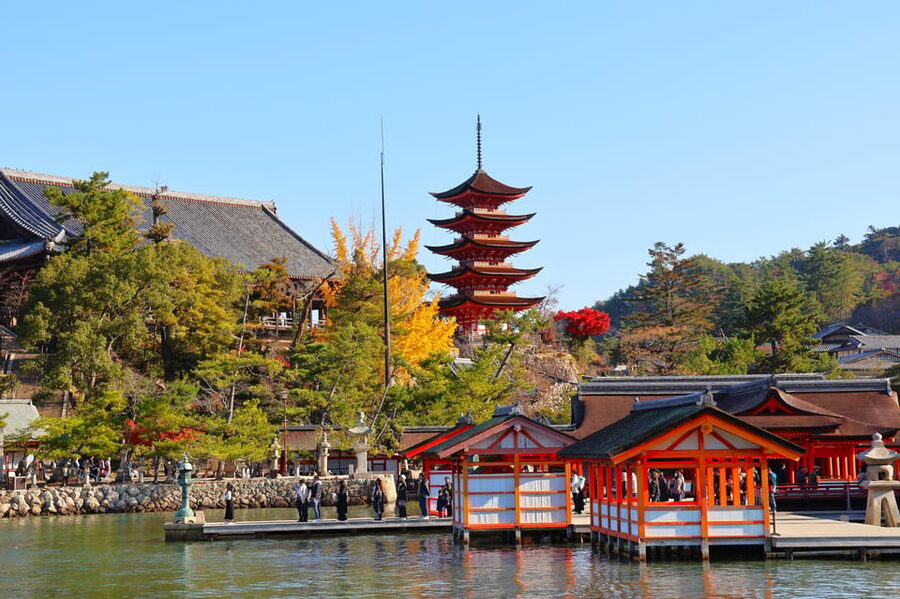
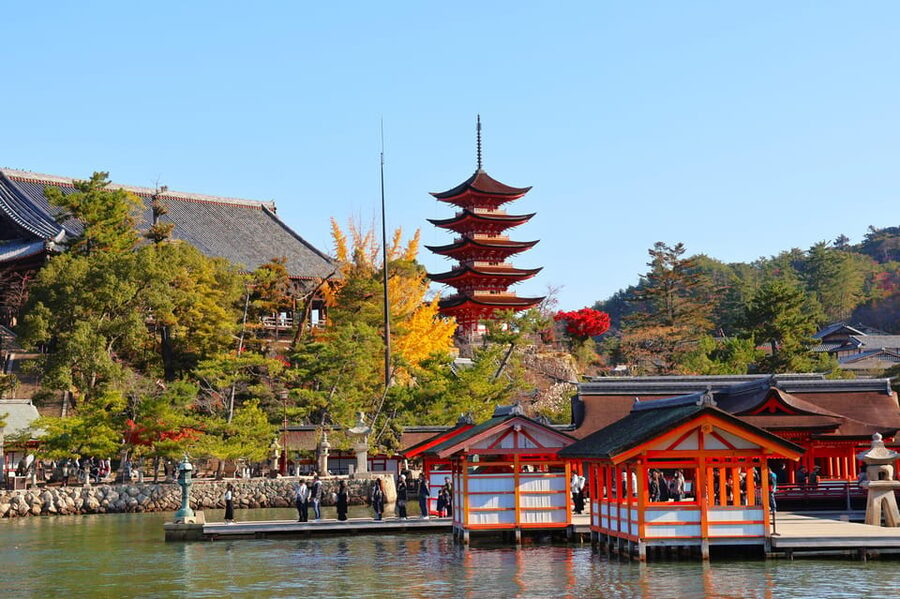
The main Miyajima visit begins with Itsukushima Shrine, a UNESCO World Heritage Site. The guided sightseeing portion lasts about one hour, including the shrine and its famous red torii gate.
The gate appears to float in the sea, especially when the tide covers its base. That changing relationship with the water is a major part of the view, so the scene can look different depending on the day’s tide and conditions. The shrine’s red corridors and waterfront setting make this one of Japan’s most memorable cultural sights.
Entry to Itsukushima Shrine is included. The guide helps you understand the site’s Shinto role and points out details you might otherwise miss while moving through the complex.
The visit is also affected by crowds and weather. Miyajima can be busy, and rain can change how long you want to linger outdoors. Even so, the shrine is the afternoon highlight for many people, and the ferry ride makes the approach feel special rather than routine.
One hour of free time on Miyajima
After the guided shrine visit, you receive about one hour of free time. Use it carefully.
You might browse the island’s shops, seek out local snacks, take photographs of the shrine area, or simply enjoy the water views. The free period gives you breathing room after the structured morning, and it lets you choose what interests you most.
The limitation is obvious: one hour passes quickly on Miyajima. Some people want two or two and a half hours to see more shrines, sample unusual foods, and explore beyond the main approach to Itsukushima Shrine. This tour does not provide that kind of island day.
I suggest deciding in advance what matters most. If you want food, shop browsing, and photographs, keep an eye on the clock. If you hope to visit additional shrines or explore a larger part of the island, you will probably need a separate Miyajima visit.
The return ferry takes about 10 minutes. From there, the bus ride back to Hiroshima Station is scheduled at roughly 50 minutes. The planned arrival is after the eight-hour touring period, so anyone continuing by Shinkansen should book a departure after 6:30 p.m., as advised by the operator.
The guides make the fixed schedule work
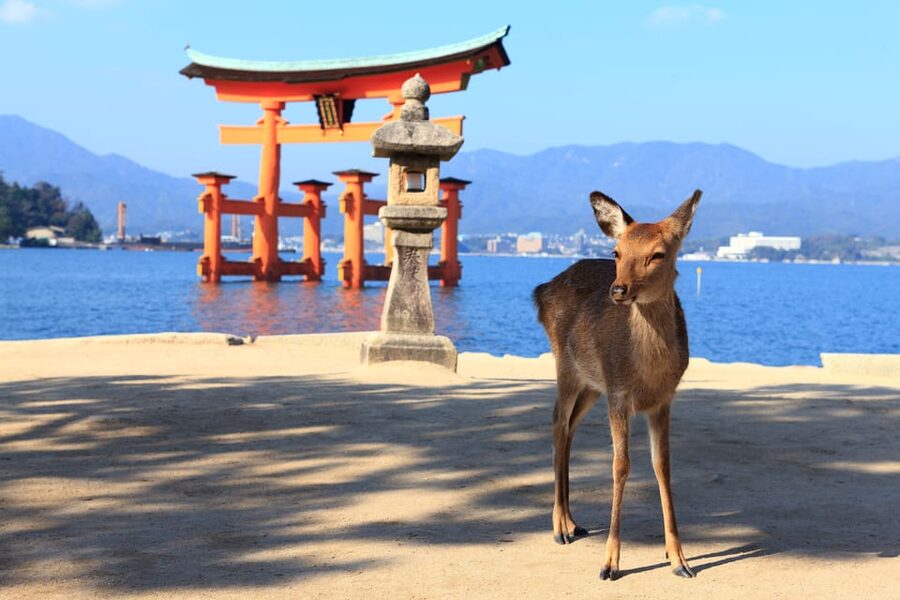
The tour’s guides receive its strongest praise. Joe is described as warm, engaging, and especially good at making people feel included. Hiro has been praised for combining local knowledge, humor, and practical explanations, even in rainy weather. Azusa, Tom, Takane, Sachi, Chikako, and Miyuki are also noted for clear English and careful organization.
The exact guide will vary, so you should not book expecting one particular person. What matters is the format: a live guide speaks throughout the day, and earphone guides help you follow the commentary while walking.
Handle the earphones carefully and return them at the end. Loss or damage can result in a replacement charge of up to 18,000 yen, a steep cost for a small piece of equipment.
The guides also help with the emotional balance of the morning. Hiroshima’s memorial sites require respect and attention, but the day does not remain heavy from beginning to end. The afternoon on Miyajima gives you room to reset without treating the morning lightly.
Walking, pace, and practical limits
This is an active day. You walk through the memorial area and museum, move between bus and ferry points, tour the shrine, and spend free time on Miyajima. The experience is not suitable for wheelchair users, and anyone with trouble walking is advised not to book.
The air-conditioned bus is a major benefit in summer. A July tour can be hot, and the coach reduces the amount of time spent walking between distant stops. In colder months, bring layers. One December visitor specifically advised gloves and a thick coat.
The tour is shared with other people, so the pace is collective. That keeps the cost below a private tour and makes transportation simple, but it also means you cannot extend a museum visit or wait indefinitely for the perfect shrine photograph.
Free cancellation is available up to 24 hours before departure for a full refund, and you can reserve now and pay later. Those terms help if your Hiroshima plans are still shifting, but the more important planning detail is the firm 10:00 a.m. departure and the recommended 6:30 p.m. buffer for Shinkansen travel.
Who should book this Hiroshima tour?
I would choose this tour if you have one full day in Hiroshima and want to cover both the city and Miyajima without arranging several separate tickets. It suits first-time visitors, solo travelers who prefer a guide, and anyone who values clear transport and a planned lunch.
It is also a good match for visitors who want historical explanation rather than a simple sightseeing loop. The guides add context at the A-Bomb Dome, Peace Memorial Museum, and Itsukushima Shrine, and the earphones make it easier to listen while walking.
I would not choose it if your priority is slow reflection at the museum or extended exploration on Miyajima. In that case, split the two destinations across separate days. You will pay more in time and possibly transport, but you will gain the freedom to linger.
Should you book it?
Book this day tour if you want Hiroshima’s essential memorial sites, a proper museum visit, a local okonomiyaki lunch, and Miyajima’s shrine and torii gate in one well-managed day. At $116, the included admission, ferry, bus, guide, and meal make it fair value for a packed itinerary.
Skip it only if the fixed schedule bothers you. The Peace Memorial Museum deserves more than an hour, and Miyajima can easily absorb a longer afternoon. For everyone else, this is a thoughtful and practical first look at two places that belong together on a Hiroshima visit.
FAQ
Where does the tour meet?
The meeting point is at Hiroshima Station’s Shinkansen gate on the second floor, at the North Gate near gate 2. Meet at 9:45 a.m. for the 10:00 a.m. departure.
What happens if I arrive late?
The bus leaves on schedule and will not wait for late arrivals. Allow extra time to find the correct station level and meeting area.
Is lunch included?
Yes. The tour includes Hiroshima-style okonomiyaki with pork, cabbage, bean sprouts, fish powder, noodles, and eggs. Drinks are not included.
Can I request a special meal?
Yes, but you must request it when booking. The available choices include no pork with eggs, or no pork, no fish powder, and no eggs. Menu changes cannot be made on the day.
Is the ferry to Miyajima included?
Yes. A return ferry ticket to Miyajima Island is included in the tour price. Each listed ferry journey takes about 10 minutes.
How much walking is involved?
The tour involves a lot of walking around the memorial sites, museum, ferry areas, Itsukushima Shrine, and Miyajima. It is not suitable for wheelchair users, and people with walking difficulties are advised not to book.
Just added around Hiroshima
- Hiroshima & Miyajima: Private Full-Day Tour with a Local Guide★ 5.0 · 39 reviews
- Hiroshima and Miyajima 1 Day Walking Tour★ 5.0 · 43 reviews
- Hiroshima History Tour : A-Bomb Dome, Peace Memorial & City★ 5.0 · 43 reviews
- The Journey of Hiroshima from Tragedy to Peace★ 4.8 · 44 reviews
- Cultural Activities :Kimono, tea ceremony, Calligraphy and Amulet★ 5.0 · 44 reviews
- Miyajima: Private Rickshaw Tour to Itsukushima Shrine★ 4.9 · 45 reviews
- Hiroshima Private Tour: Best Highlights in a Day★ 5.0 · 49 reviews
- Hiroshima & Miyajima All-Inclusive Tour w/Licensed guide Pancho★ 5.0 · 54 reviews
Miyajima Island Tours, compared.
Peaceful Hiroshima & Miyajima UNESCO 1 Day Bus Tour
Read our review →
Hiroshima and Miyajima UNESCO Sites 1-Day Tour
Read our review →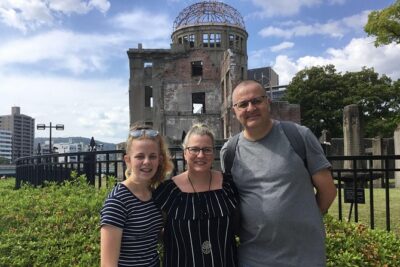
Hiroshima / Miyajima Full-day Private Tour with Government Licensed Guide
Read our review →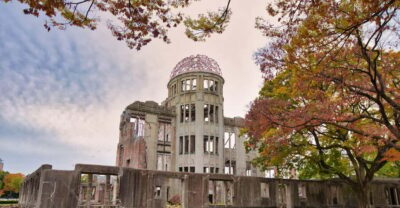
Osaka/Kyoto: Hiroshima Miyajima Bus Tour & Shinkansen Ticket
Read our review →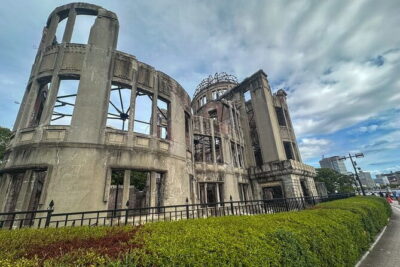
Hiroshima and Miyajima Day Trip with Itsukushima Shrine & Ferry
Read our review →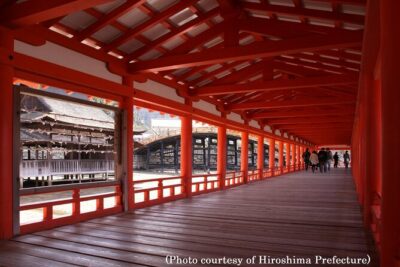
Full Day Hiroshima and Miyajima Bus Tour from Hiroshima
Read our review →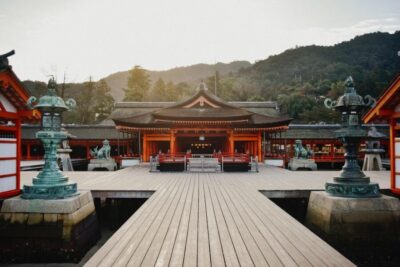
Miyajima Peace Memorial Icons of Peace and Beauty
Read our review →
Miyajima Half-day Trip Historical Walking Tour
Read our review →Browse the lists this tour appears in