
Reviewed · MIYAJIMA ISLAND TOURS
Peaceful Hiroshima & Miyajima UNESCO 1 Day Bus Tour
Two very different sides of Japan meet here. This eight-hour tour pairs Hiroshima’s moving atomic-bomb memorials with Miyajima’s sea shrine, temple, deer, and local food. I like the included museum and shrine admissions, and I like that round-trip ferry tickets and air-conditioned transport remove much of the day’s planning. The main drawback is pace: with up to 45 people and several major stops, you will see a lot, but you will not have endless time at any one place.
The tour begins at 10 a.m. near Hiroshima Station and returns to the same meeting point. Guides such as Rino, Marin, Momiji, and Mo have earned especially warm praise for clear explanations, friendly energy, good organization, and keeping the group together. Still, the Peace Memorial Museum can become crowded, and Miyajima requires a fair amount of walking, so this is best for you if you want a well-managed overview rather than a slow, private exploration.
In This Review
- Key points at a glance
- Starting near Hiroshima Station at 10 a.m.
- Hiroshima Castle and the city’s earlier past
- The Atomic Bomb Dome in 15 minutes
- Peace Memorial Park and the difficult museum visit
- Crossing the water to Miyajima
- Lunch and local food on Miyajima
- Itsukushima Shrine and the floating torii
- Daishoin Temple’s small details
- What the guides add to the day
- Is $129.25 good value?
- Who should book this Hiroshima day tour?
- FAQ
- How long is the Hiroshima and Miyajima tour?
- Where does the tour begin?
- Are entrance fees included?
- Is the ferry included?
- Is lunch included?
- Is a vegetarian meal available?
- Can I take a Shinkansen after the tour?
- Should you book it?
Key points at a glance
- The morning is devoted to Hiroshima’s peace sites, including the Atomic Bomb Dome, Peace Memorial Park, and Peace Memorial Museum.
- Miyajima supplies a striking change of mood, with a ferry ride, Itsukushima Shrine, the famous red torii, and Daishoin Temple.
- The $129.25 price includes major admissions, the bus, English-speaking guide, audio guidance, and ferry tickets.
- Okonomiyaki lunch is optional, with a vegetarian choice available, but severe allergy sufferers should skip the provided meal.
- The group may reach 45 people, so expect structure, meeting times, and some crowd management.
- The order can change, and you should not book a Shinkansen departing before 6:30 p.m.
Starting near Hiroshima Station at 10 a.m.
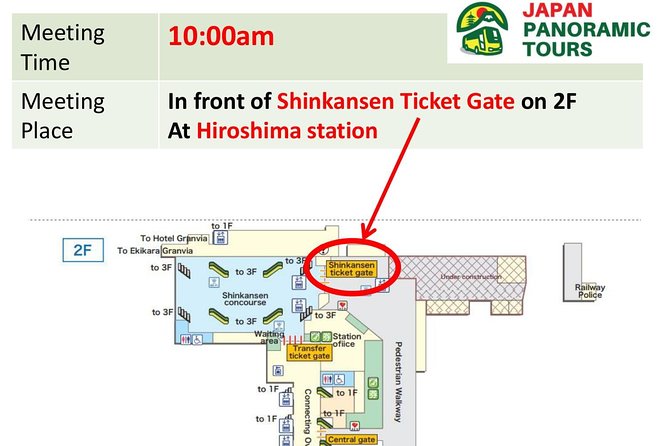
The meeting point is at Currency ExchangeJapan in the Minami Ward area, close to public transportation. There is no hotel pickup, so you need to reach the starting point on your own and arrive early. This matters because late arrivals cannot join the tour partway through, and missed departures are not rescheduled or refunded.
The day uses an air-conditioned coach, which is a real help in hot, rainy, or chilly weather. The bus also offers free Wi-Fi and multilingual audio guidance in English, French, Spanish, Italian, German, Portuguese, and Ukrainian. Your English-speaking guide remains the key source of information, while the audio system helps fill the quiet stretches between sights.
The group size can reach 45 people. That is not the same as a small walking tour, but a bus lets you cover Hiroshima and Miyajima in one day without working out separate rail, ferry, and admission plans. The tradeoff is simple: you gain convenience and coverage, but lose some flexibility.
More Miyajima island trips:
- Hiroshima: Hiroshima and Miyajima UNESCO Sites 1-Day Tour
★ 4.9 · 2,330 reviews - Hiroshima / Miyajima Full-day Private Tour with Government Licensed Guide
★ 5.0 · 1,298 reviews - From Hiroshima: Hiroshima & Miyajima 1 Day Tour with Lunch
★ 4.7 · 395 reviews
Hiroshima Castle and the city’s earlier past
The schedule includes a brief look at Hiroshima Castle, a structure first built in 1589. The supplied description notes that you see the main building rather than the smaller defensive houses, since the city is peaceful today and those defensive features are no longer in use.
This is a short historical introduction before the more serious memorial sites. Do not expect a long castle visit or a full exploration of the grounds. The castle portion is useful as a quick reminder that Hiroshima’s story began long before 1945, but the day’s main focus is the Peace Memorial area and Miyajima.
Because traffic, weather, and site operations can change the order, the castle may not appear at the same point every day. Your guide may adjust the sequence to avoid the worst crowding.
The Atomic Bomb Dome in 15 minutes
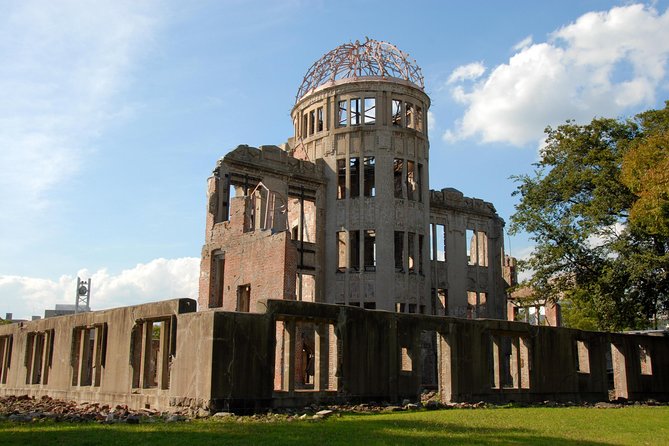
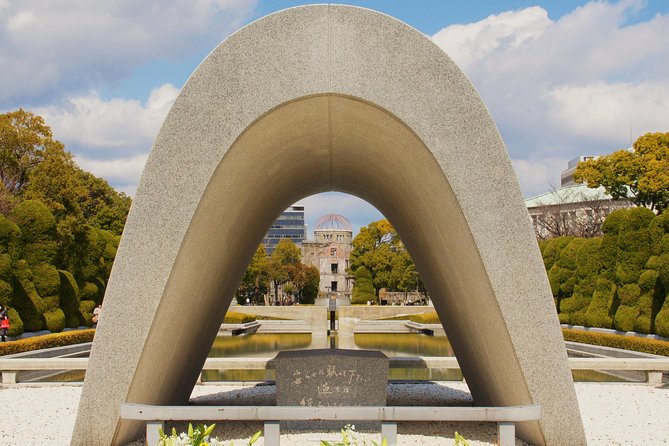
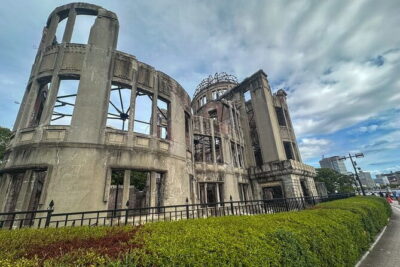
The Atomic Bomb Dome is one of Hiroshima’s most recognizable sights, but it is not simply a photo stop. The preserved ruin was once the Hiroshima Prefectural Industrial Promotion Hall and stood near the center of the atomic blast on August 6, 1945.
You have about 15 minutes here. That is enough to view the remains, listen to an introduction from your guide, and consider the building’s stark contrast with the modern city around it. You will not have time for a detailed architectural study or a long visit to every nearby memorial.
The power of the Dome comes from its physical presence. It is damaged, exposed, and quiet, with the river and city continuing around it. A guide is valuable here because a few clear facts can give meaning to what might otherwise seem like a distant ruin.
Peace Memorial Park and the difficult museum visit
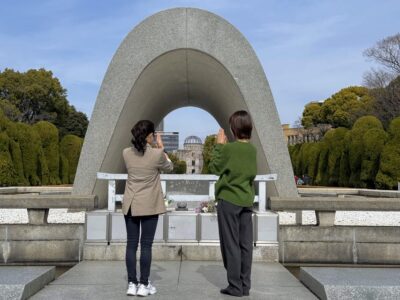
The Peace Memorial Park receives about 35 minutes, followed by roughly one hour inside the Hiroshima Peace Memorial Museum. The park contains monuments dedicated to the people killed by the bombing, along with the Atomic Bomb Dome and other sites connected to remembrance.
The park is open and reflective, while the museum is more intense. Its displays include personal accounts, photographs, and artifacts showing the human effects of the bombing. You should expect this part of the day to be sobering. Several guides praised by name, including Rino and Marin, are noted for handling the subject with care and allowing people to process it in their own way.
Crowding is the main concern. The museum can have a one-way flow with large numbers of people, making it hard to stop where you want or turn around. If enclosed crowds make you anxious, keep that in mind before booking. Outdoor memorials may feel easier, but the museum is the place where the human cost becomes most direct.
The one-hour visit is enough to see important exhibits, though not enough for every display in a careful, unhurried way. I would avoid treating this as a quick checklist stop. Give yourself emotional space, listen to the guide’s framing, and accept that you may leave feeling quiet rather than entertained.
The museum is scheduled to close for exhibit replacement from February 16 through 21, 2026. During those dates, the tour visits the Hiroshima National Peace Memorial Hall for the Atomic Bomb Victims instead. The change does not bring a refund, so check your travel dates if the museum is a central reason for booking.
More bus tours:
- Full Day Hiroshima and Miyajima Bus Tour from Hiroshima
★ 4.5 · 371 reviews - Hiroshima and Miyajima 1 Day Bus Tour
★ 4.5 · 145 reviews - Mt Fuji and Hakone 1-Day Bus Tour Return by Bullet Train
★ 5.0 · 26,383 reviews - 1-Day Tokyo Bus Tour
★ 5.0 · 14,250 reviews
Crossing the water to Miyajima
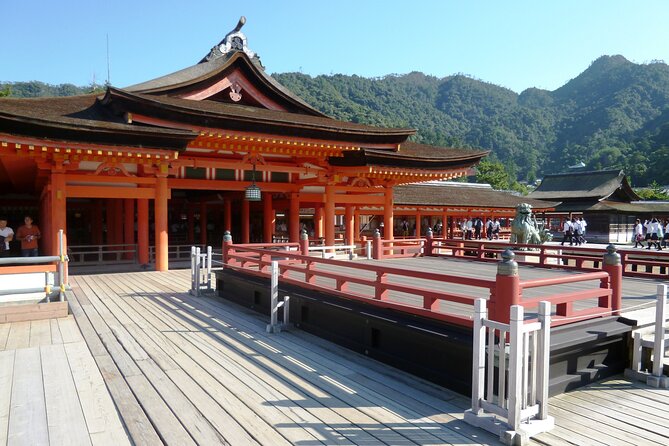
The JR Nishinihon Miyajima Ferry takes about 20 minutes each way, and the round trip is included. The crossing gives the day a welcome change of rhythm after the memorial sites. You move from Hiroshima’s urban history toward an island known for religious buildings, sea views, food, and deer.
The ferry is also one of the tour’s practical strengths. You do not need to purchase tickets separately or work out the ferry connection yourself. Your guide coordinates the group, which is useful when a full coachload must move through the port and onto the island.
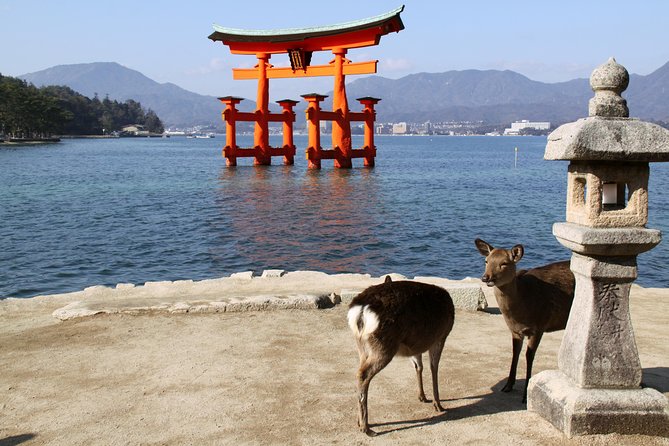
Miyajima is not only a scenic backdrop. Its religious importance shapes the visit, especially at Itsukushima Shrine, which was built on the sea because the island was regarded as sacred. The setting explains why the shrine’s famous torii gate appears to float in the water under the right conditions.
Lunch and local food on Miyajima
If you select the lunch option, the meal is Hiroshima-style okonomiyaki on Miyajima, with about 50 minutes allocated for the island portion that includes food. Hiroshima okonomiyaki differs from the Osaka style because the ingredients are layered rather than mixed together. It is a filling local specialty and gives you a taste of the region without needing to choose a restaurant on your own.
The lunch option is convenient, but it also uses time that you could spend sampling other island food. One useful approach is to choose the included meal if you value a fixed schedule and a regional dish. Choose without lunch if you would rather browse independently or try small snacks around Miyajima.
A vegetarian lunch is available with no pork or seafood, but it does include eggs and gluten. The operator does not provide an allergy-free meal. If you have a severe allergy, select the no-lunch option and bring your own food. Food and drinks are otherwise not included.
Itsukushima Shrine and the floating torii
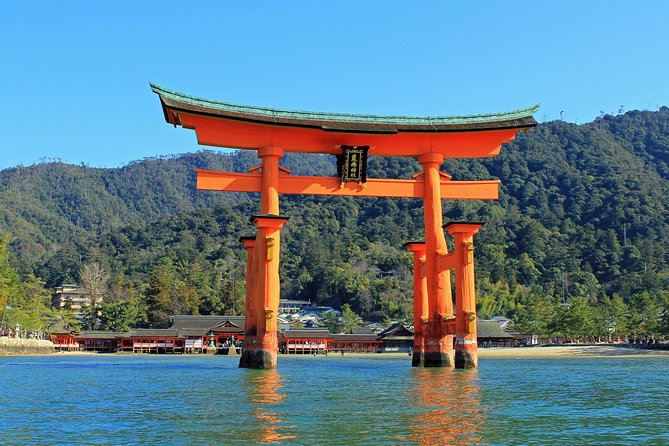
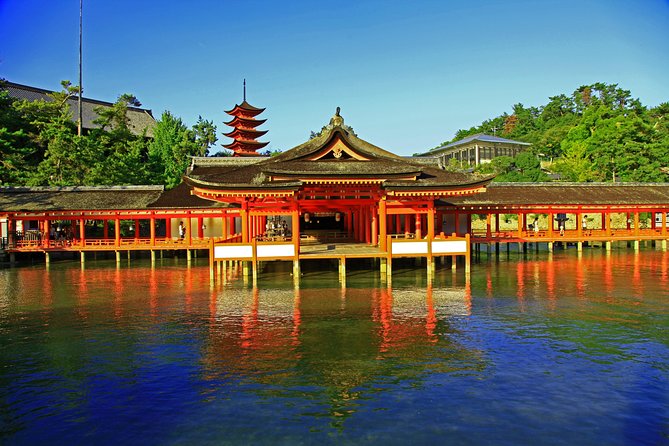
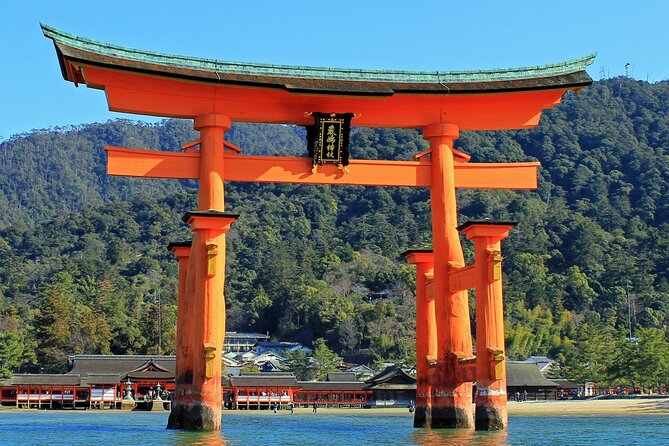
Itsukushima Shrine receives about 50 minutes. The original shrine dates to 593, while much of the present construction was rebuilt in 1168 by Taira no Kiyomori. Its design places the shrine over the water, giving it a distinctive appearance that changes with tide, light, and weather.
The red torii gate is the visual star, but the shrine buildings deserve your attention too. The walkways, halls, and sea-facing layout show how the site’s religious role depends on the island’s sacred status. Your guide can explain how the buildings fit together, which makes the visit more meaningful than a quick gate photograph.
The schedule is fairly tight. You have enough time for the main shrine area and photographs, but you may not have room for a long wait at every viewpoint. Crowds can also make movement slow. Keep close to your guide and note the meeting time before wandering toward shops or side paths.
Daishoin Temple’s small details
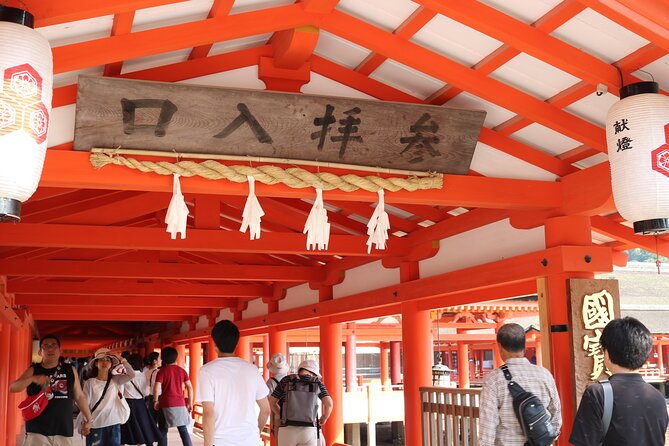
Daishoin Temple receives around 30 minutes and offers a quieter kind of visual interest. The grounds include Jizo guardian figures dressed in bright colors, Buddha statues, and rows of lanterns. These details reward slow looking, even during a short visit.
For many people, Daishoin provides a useful counterpoint to Itsukushima Shrine. The shrine is famous and open to the sea, while the temple feels more intimate and full of small objects to notice. You may find the temple especially appealing if you prefer details, religious art, and atmospheric corners over one major landmark.
Walking is part of this section of the day. The distance from the ferry area through Miyajima’s attractions can be tiring, especially after the Peace Memorial sites. A moderate level of physical fitness is recommended, and comfortable shoes are a smart choice.
Miyajima’s deer add a playful note, though they can be pushy around food and paper. Keep an eye on snacks, maps, and anything you are carrying. The deer are part of the island experience, but they are not always as gentle as their appearance suggests.
What the guides add to the day
The guide can make or break a packed sightseeing day, and this tour’s strongest praise centers on the staff. Rino is repeatedly described as attentive, warm, organized, and good at keeping the pace comfortable. Marin is praised for enthusiasm, humor, useful local suggestions, and making families with teenagers feel included. Momiji is noted for strong historical explanations, personal attention, and even taking good photos. Mo has been praised for going beyond the basic commentary and teaching a few Japanese words.
These details matter because the tour covers places with very different emotional tones. A good guide must treat the Peace Memorial Museum with respect, then help you shift toward the beauty and energy of Miyajima without making either part feel trivial. The best guides on this tour appear to do that with friendliness and restraint.
The multilingual audio guidance is a helpful backup, but it is not a replacement for asking your guide questions. If you want detail, speak up during the bus rides or while the group is gathered at a site. In a large group, personal interaction takes a little initiative.
Is $129.25 good value?
At $129.25 per person, this is not the cheapest way to see Hiroshima and Miyajima. But the cost includes the air-conditioned coach, English-speaking guide, audio system, Peace Memorial Museum admission, Miyajima Island admission, Itsukushima Shrine admission, and return ferry tickets. Lunch is included only when you select that option.
The value is strongest for a first visit or a short stay. You get the city’s key wartime memorials and Miyajima’s most important sights without coordinating several transport links. You also gain local explanation at places where context matters.
The price is less attractive if you are comfortable using public transportation, prefer long visits at museums, or want to set your own pace. A self-guided day gives you more freedom to linger at the Peace Memorial Museum, browse Miyajima’s shops, or add other sites. This tour charges for time saved and planning removed.
Who should book this Hiroshima day tour?
I would choose this tour if you have only one day in the area, want both Hiroshima and Miyajima, or dislike managing a complicated schedule. It also suits families and older visitors who appreciate a bus between major locations, though the walking and full-day length still require reasonable stamina.
It works well for first-time visitors who want a clear introduction before returning later for deeper exploration. The guides’ energy also makes it a good fit for families with teenagers, according to the specific praise for Marin’s friendly and engaging approach.
I would hesitate if you dislike fixed meeting times, large groups, or emotionally heavy museums. The Peace Memorial Museum can be crowded, and the schedule leaves limited room for spontaneous detours. If you want a quiet, slow visit to Miyajima, book a separate island day instead.
Plan your evening carefully. The tour ends back at the meeting point, but the finish time can shift with traffic, weather, and ferry operations. If you need a Shinkansen, buy the ticket after the tour or schedule a departure after 6:30 p.m.
Cancellation is free if you cancel at least 24 hours before the start time. Changes or cancellations inside that window are not accepted for a refund.
FAQ
How long is the Hiroshima and Miyajima tour?
The tour lasts approximately eight hours and starts at 10 a.m. It returns to the original meeting point in Hiroshima.
Where does the tour begin?
It begins at Currency ExchangeJapan in Hiroshima’s Minami Ward, at 2 Matsubaracho, near public transportation. Hotel pickup and drop-off are not included.
Are entrance fees included?
Yes. Admission to the Hiroshima Peace Memorial Museum, Miyajima Island, and Itsukushima Shrine is included.
Is the ferry included?
Yes. Round-trip ferry transportation on the JR Nishinihon Miyajima Ferry is included.
Is lunch included?
Lunch is included only if you select the lunch option. The meal is Hiroshima-style okonomiyaki on Miyajima. Food and drinks are not included with the no-lunch option.
Is a vegetarian meal available?
Yes. The vegetarian meal contains no pork or seafood, but it does include eggs and gluten. An allergy-free meal is not available.
Can I take a Shinkansen after the tour?
Yes, but you should purchase the ticket after the tour or book a departure after 6:30 p.m. The schedule can change because of traffic, weather, and ferry operations.
Should you book it?
Book this tour if you want Hiroshima’s essential memorial sites and Miyajima in one organized day. The included transport and admissions make the $129.25 cost reasonable for a short visit, and guides such as Rino, Marin, Momiji, and Mo add warmth and useful context.
Skip it if you need a private pace, dislike crowds, or want a long museum visit. For most first-time visitors with limited time, though, this is a strong practical choice. It gives you a serious look at Hiroshima, a beautiful ferry crossing, and Miyajima’s shrine and temple in one carefully packed day.
Just added around Hiroshima
- Hiroshima & Miyajima: Private Full-Day Tour with a Local Guide★ 5.0 · 39 reviews
- Hiroshima and Miyajima 1 Day Walking Tour★ 5.0 · 43 reviews
- Hiroshima History Tour : A-Bomb Dome, Peace Memorial & City★ 5.0 · 43 reviews
- The Journey of Hiroshima from Tragedy to Peace★ 4.8 · 44 reviews
- Cultural Activities :Kimono, tea ceremony, Calligraphy and Amulet★ 5.0 · 44 reviews
- Miyajima: Private Rickshaw Tour to Itsukushima Shrine★ 4.9 · 45 reviews
- Hiroshima Private Tour: Best Highlights in a Day★ 5.0 · 49 reviews
- Hiroshima & Miyajima All-Inclusive Tour w/Licensed guide Pancho★ 5.0 · 54 reviews
Miyajima Island Tours, compared.
Hiroshima and Miyajima UNESCO Sites 1-Day Tour
Read our review →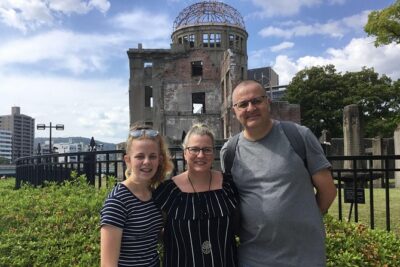
Hiroshima / Miyajima Full-day Private Tour with Government Licensed Guide
Read our review →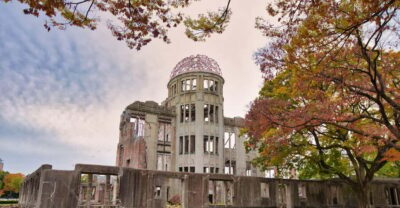
Osaka/Kyoto: Hiroshima Miyajima Bus Tour & Shinkansen Ticket
Read our review →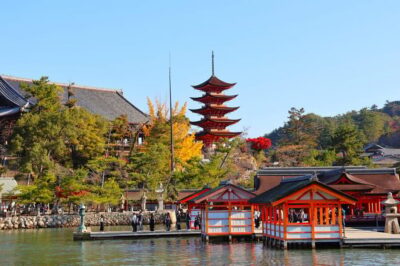
Hiroshima and Miyajima Day Trip with Itsukushima Shrine & Ferry
Read our review →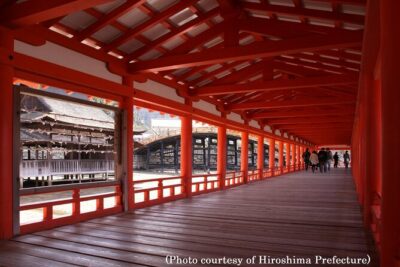
Full Day Hiroshima and Miyajima Bus Tour from Hiroshima
Read our review →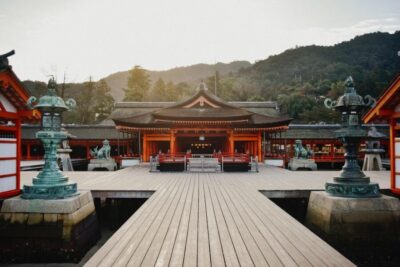
Miyajima Peace Memorial Icons of Peace and Beauty
Read our review →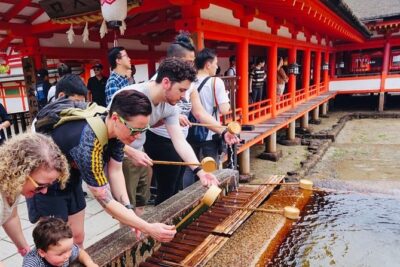
Miyajima Half-day Trip Historical Walking Tour
Read our review →Browse the lists this tour appears in