
Reviewed · MIYAJIMA ISLAND TOURS
Hiroshima: Miyajima Peace Memorial Icons of Peace and Beauty
Two sides of Hiroshima meet here. This eight-hour tour pairs the quiet sorrow of Peace Memorial Park with the beauty of Miyajima Island, creating a day that feels both serious and uplifting. I especially like the careful transport planning and the chance to visit Itsukushima Shrine without having to work out every tram, ferry, and entrance ticket yourself.
I also like the human touch provided by guides such as Ken and Minori, who explain difficult history with patience and make time for questions. The main drawback is the pace: with the Peace Memorial Museum, ferry rides, shrine visits, lunch, and free time all packed into one day, you may want longer at the museum or on Miyajima.
In This Review
- Key points to know before booking
- Why this Hiroshima and Miyajima combination works
- Meeting at Motoyasubashi near the Peace Memorial Park
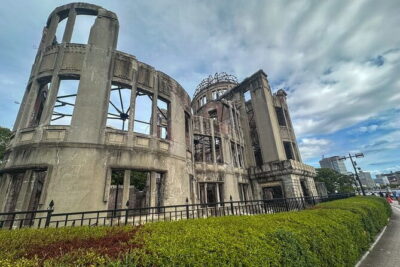
- Peace Memorial Park, the Atomic Bomb Dome, and the weight of the morning
- One hour inside the Hiroshima Peace Memorial Museum
- Public transport and the ferry to Miyajima
- Itsukushima Shrine and the floating torii setting
- Senjokaku Pavilion and Tenshinkaku’s traditional details
- Lunch, Momiji Manju, and Miyajima’s shop streets
- Walking, hills, crowds, and the real pace of the day
- Guide quality is the main reason to book
- Who will get the most from this $163 tour?
- Should you book Hiroshima: Miyajima Peace Memorial Icons of Peace and Beauty?
- FAQ
- How long does the Hiroshima and Miyajima tour last?
- What is the meeting point?
- Where does the tour finish?
- Are tram and ferry fares included?
- Are entrance fees included?
- Is lunch included?
- Which languages are available?
- Is this a private tour?
- What should I bring?
- What happens if only one person books?
Key points to know before booking
- The morning is emotionally powerful: Peace Memorial Park, the Atomic Bomb Dome, and the museum require quiet attention and can be difficult to absorb.
- The ferry ride changes the mood: The trip to Miyajima gives you a pleasant break between Hiroshima’s memorial sites and the island’s shrines, shops, and hills.
- Guide quality is a major strength: Ken is praised for clear English, local insight, crowd management, food advice, and thoughtful help with transport.
- You get a broad Hiroshima introduction: The day covers the city’s central memorial sites and Miyajima’s main cultural sights in one well-organized route.
- Lunch is not included: You have about 45 minutes to eat on Miyajima, with local choices such as Momiji Manju and eel dishes available.
- Expect plenty of walking: Comfortable shoes are essential, and the schedule may be tiring if you have mobility concerns.
Why this Hiroshima and Miyajima combination works
Hiroshima is not a place I would reduce to one subject. The city carries the memory of the atomic bombing, but it is also a living Japanese city with food, faith, art, water, and busy everyday streets. This tour makes that contrast its central idea.
Your morning begins with remembrance. The afternoon moves to Miyajima, where a shrine appears to float above the Seto Inland Sea and deer, shops, tea houses, and wooded hills create a gentler setting. The shift does not erase the morning. Instead, it gives you space to think about the tour’s larger message: peace is not only an idea recorded on a monument, but something people try to build through culture, community, and daily life.
At $163 per person, this is not a bargain-priced walking tour. Still, the fee includes the guide, tram and ferry fares, entrance fees to the Peace Memorial Museum area and Itsukushima Shrine, and the convenience of having someone coordinate the day. For a first visit, that can be good value, especially if you have limited time in Hiroshima or do not want to manage Japanese public transport on a tightly timed schedule.
You should know what you are paying for. Lunch is extra, and the tour does not give you a private vehicle. You still use public transport, walk between sights, and travel by ferry with other passengers. The value comes from the guide’s explanations and organization, not from luxury transport.
More Miyajima island trips:
- Peaceful Hiroshima & Miyajima UNESCO 1 Day Bus Tour
★ 5.0 · 5,309 reviews - Hiroshima: Hiroshima and Miyajima UNESCO Sites 1-Day Tour
★ 4.9 · 2,330 reviews - Hiroshima / Miyajima Full-day Private Tour with Government Licensed Guide
★ 5.0 · 1,298 reviews
Meeting at Motoyasubashi near the Peace Memorial Park
The meeting point is the 7-Eleven directly outside Hiroshima Peace Memorial Park, identified as the 7-Eleven Hiroshima Motoyasubashi East Store. This is a practical starting point because you begin close to the first memorial sites rather than spending the opening part of the day crossing the city.
Your guide meets you there and leads the group through the park. Small groups or private arrangements are available, which matters in a place where you may want to ask personal questions or pause without feeling lost in a large crowd.
The tour ends at Hiroshima Station. That is useful if you are catching a train afterward, though you should still leave some flexibility around your departure time. One guide, Ken, has helped travelers reach trains on time, but public transport and ferry schedules can never be treated as perfectly predictable.
Peace Memorial Park, the Atomic Bomb Dome, and the weight of the morning
The first section takes you through Hiroshima Peace Memorial Park, with roughly 30 minutes of guided sightseeing before the Atomic Bomb Dome and museum visits. The park’s greenery and open paths create a calm setting, but the calm is not casual. Every monument asks you to connect the present city with the events of August 6, 1945.
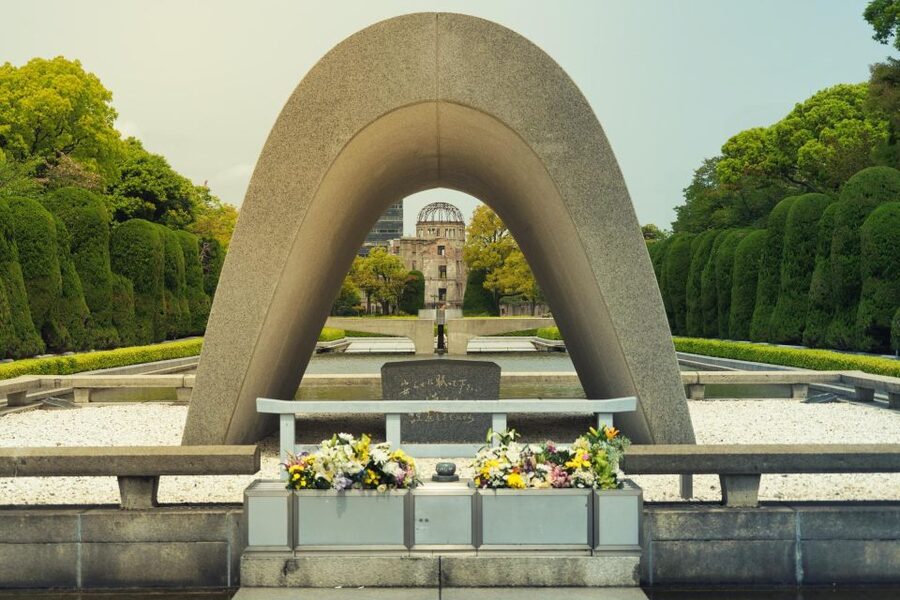
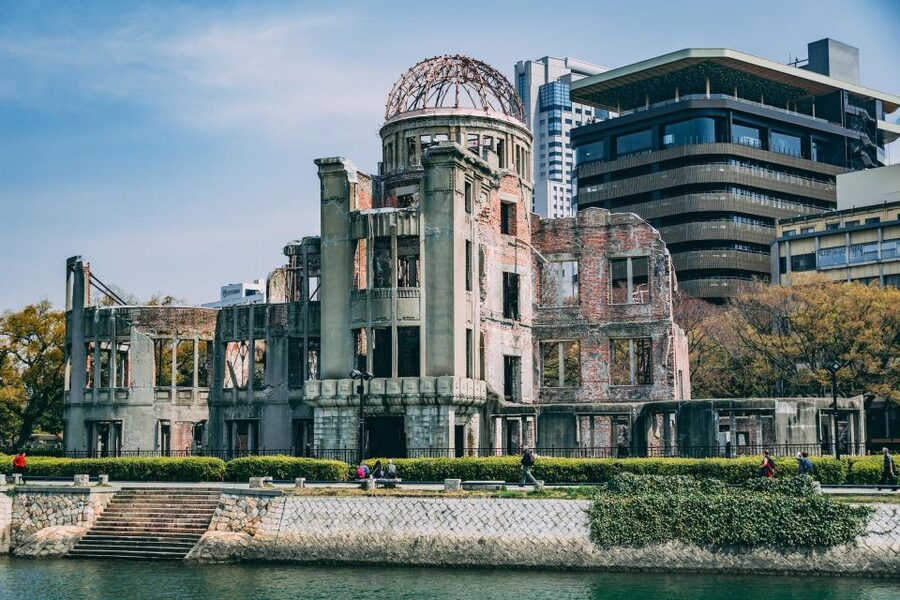
The Atomic Bomb Dome is the most recognizable structure here. Its damaged frame remains close to the hypocenter and is now a UNESCO World Heritage Site. Your guide helps place the building in context rather than leaving you to take a quick photograph and move on.
Nearby, the Cenotaph for the A-bomb Victims records the names of those who died. Paper cranes around the site express a continuing wish for peace, while the Flame of Peace burns as a call for a world without nuclear weapons. These are not simply photo stops. You will get more from them if you slow down, listen, and allow the setting to remain quiet for a moment.
The guide’s role is especially important here. Several people praised Ken for explaining different perspectives on the bombing and for answering questions in clear English. That does not make the subject easy, but it can help you understand the historical choices and human consequences without reducing the story to a few dates.
Some guides also share personal connections. One account describes hearing from Ken that his grandmother saw the mushroom cloud. Details like this can make the past feel less remote, though a good guide must handle such stories with care. This tour appears to give that difficult material the seriousness it deserves.
One hour inside the Hiroshima Peace Memorial Museum
The museum receives about one hour of guided sightseeing. Its exhibits describe the atomic bombing of Hiroshima and Nagasaki through objects, photographs, personal accounts, and displays about the aftermath. The museum can be confronting, and you should not expect a light or easy visit.
I consider this the part of the tour where the fixed schedule matters most. One hour gives you a meaningful introduction, but it may not be enough if you want to read every display closely. One visitor felt the museum portion was rushed, particularly during a busy season. If the museum is your main reason for coming to Hiroshima, you may prefer to return independently for a longer visit.
For a first introduction, though, the guided format is useful. You can ask what a display means, understand the order of events, and avoid spending your limited time trying to work out the museum’s layout. The guide can also help you move through the material while keeping the day on schedule.
The tour does not treat the museum as a quick box to tick. Its position at the center of the morning gives the memorial sites time to settle before you move on to Miyajima.
A few more Hiroshima experiences worth weighing up
- Hiroshima Historical Walking Tour – Why A-Bomb was Dropped
★ 4.8 · 893 reviews - Hiroshima Peace (Heiwa) Walking Tour at World Heritage Sites
★ 5.0 · 872 reviews - Hiroshima in a Nutshell: Morning Bike Adventure
★ 5.0 · 524 reviews - Hiroshima City 4hr Private Walking Tour with Licensed Guide
★ 5.0 · 437 reviews
Public transport and the ferry to Miyajima
The route uses public transportation, including a tram and ferry. Fares are included, so you do not need to buy each ticket separately or calculate the cost of every transfer. Your guide handles the practical side, and several people valued the fact that Ken collected tickets and kept the group moving.
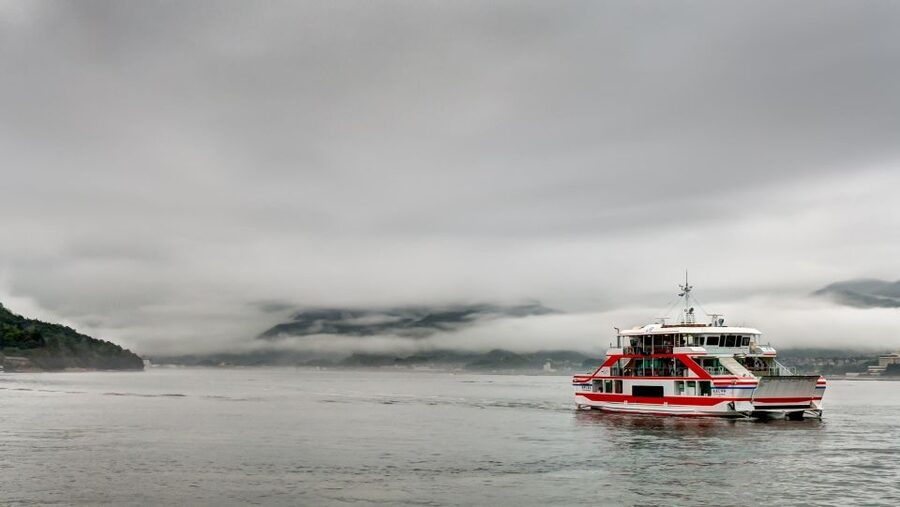
The ferry ride is listed as about an hour in the itinerary. Since ferry timing can include boarding and the wider transfer period, think of it as a substantial part of the day rather than a quick hop. Bring water, wear comfortable shoes, and keep anything you need easy to reach.
This is one of the tour’s pleasant surprises. After a serious morning, the water crossing gives you a change of pace. You see Hiroshima from a different angle, and the arrival at Miyajima feels like entering another chapter rather than simply adding another attraction.
The public transport format also keeps the experience grounded in ordinary Japanese travel. You are not sealed inside a tour bus. You learn how the city connects its central districts with the island, while your guide removes much of the stress of navigating it.
Itsukushima Shrine and the floating torii setting
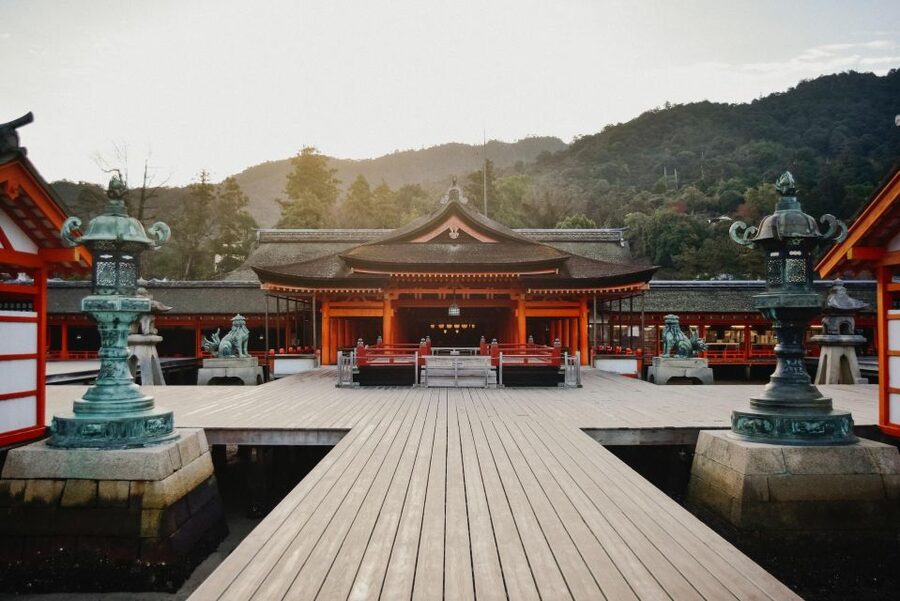
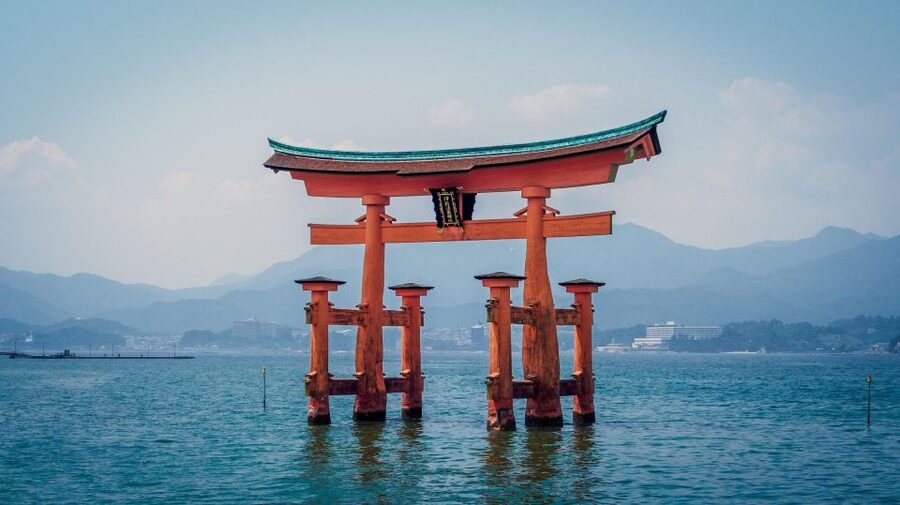
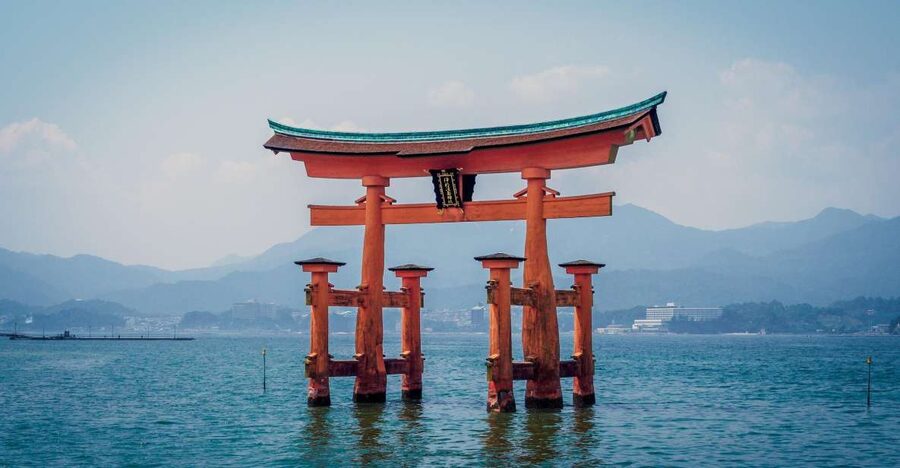
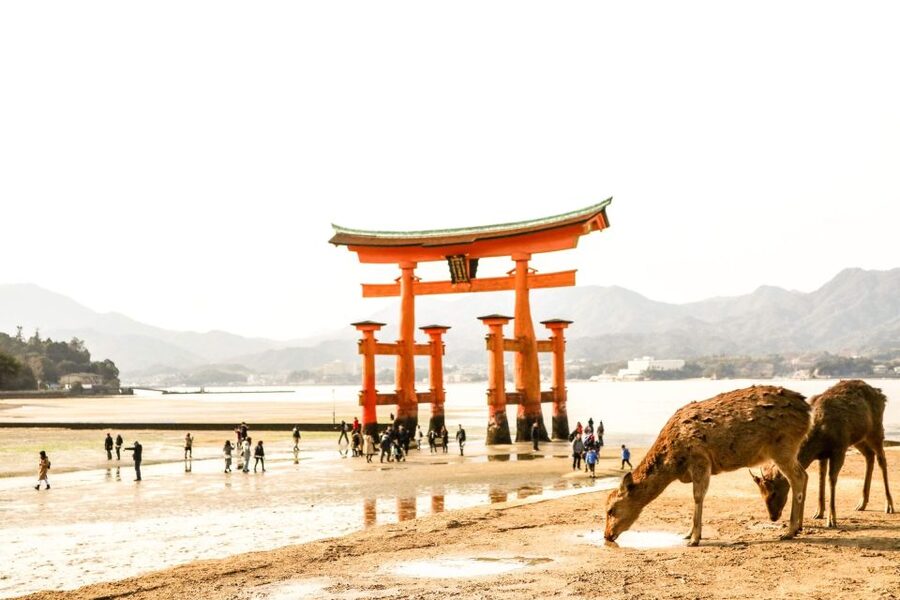
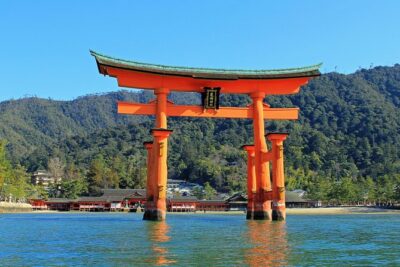
Itsukushima Shrine is the main reason many people visit Miyajima. Built along the edge of the Seto Inland Sea, the Shinto shrine is famous for its red structures and the impression that they float during high tide.
The shrine visit lasts about 45 minutes. Your guide explains the religious purpose and architectural design, helping you see it as more than a scenic backdrop. The careful wooden construction, open corridors, and relationship with the sea give the site its special character.
Tide matters here. At high tide, the shrine appears to hover above the water. At lower tide, the view changes, and you may see more of the shoreline and the supports beneath the structures. The experience is not identical at every hour, so you should treat the shrine as a place that changes with the water rather than expect one fixed postcard view.
Crowds can build around the shrine, especially during busy periods. The strongest comments about the guides focus on avoiding unnecessary queues and collecting tickets ahead of time. That is practical help you will notice immediately at a popular site.
Senjokaku Pavilion and Tenshinkaku’s traditional details
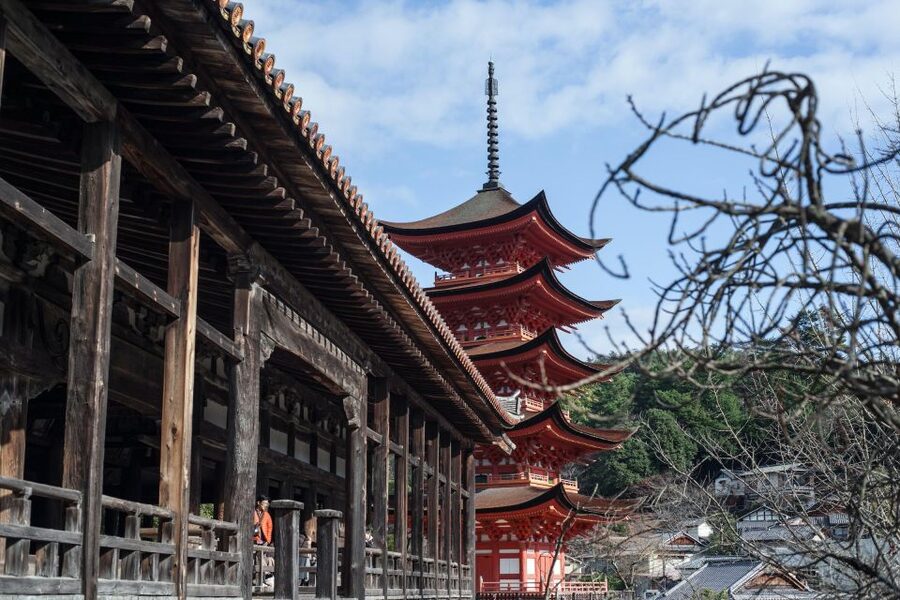
The itinerary includes about 45 minutes at Senjokaku Pavilion, also called the Hall of a Thousand Tatami Mats. The broad wooden pavilion offers a quieter counterpoint to Itsukushima Shrine, with traditional tatami interiors and a more open, peaceful feel.
The supplied description also refers to Tenshinkaku, the Pavilion of Heavenly Spirits. Because the itinerary specifically names Senjokaku, you should confirm the exact stops with your guide on the day. Either way, this part of Miyajima focuses on traditional Japanese architecture, wooden workmanship, and the island’s religious setting.
Do not expect a packed museum-style visit here. The appeal is the atmosphere, the proportions of the building, and the chance to look at details you might miss while hurrying between major attractions. This is also a good place to rest briefly before lunch and the walking portion of the afternoon.
Lunch, Momiji Manju, and Miyajima’s shop streets
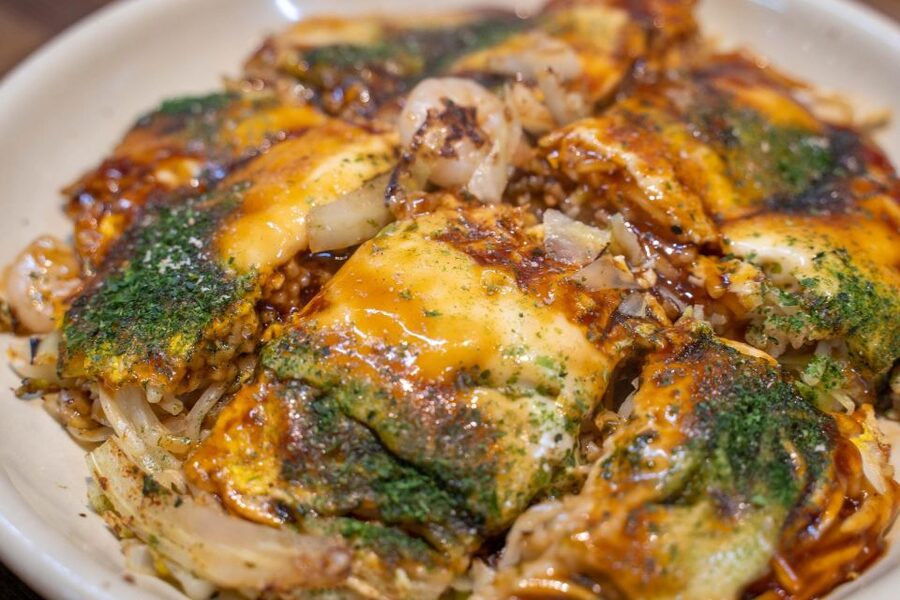
Lunch lasts about 45 minutes and is not included in the price. Your guide can recommend places and help with local choices, which is useful if you have dietary needs. One group received help finding a vegan option, and another enjoyed eel, a typical dish associated with the area.
Miyajima’s food is part of the experience, not just a pause between sights. Look for Momiji Manju, a maple-leaf-shaped cake filled with sweet or savory ingredients. It is easy to sample as you walk and makes a simple souvenir, too.
After lunch, you have about an hour of guided walking followed by another hour of free time. The streets near the shrine are lined with food stalls, tea houses, small boutiques, and shops selling handicrafts. This is where the tour becomes less formal.
You can browse handmade goods, stop for tea, sample snacks, or simply watch the island’s daily rhythm. Some guides point out small details such as local stamp stations, which is a thoughtful touch if you collect travel stamps. Ken has also helped people find restaurants for later in their trip, so ask for recommendations before the day ends.
Walking, hills, crowds, and the real pace of the day
The itinerary includes time to explore the nature and hills behind the shrine. The schedule does not promise a major mountain hike, but you should expect uneven ground, stairs, and plenty of walking around the shrine, pavilion, streets, and transport connections.
One visitor specifically noted that people with mobility issues may struggle. The route can still be manageable, but this is not a sit-down sightseeing day. Comfortable shoes are listed as essential, and I would add that you should prepare for changing weather, particularly because you spend time outdoors and on the ferry.
The free hour is valuable, but it is not unlimited. You may need to choose between shopping, a tea house, more photographs, and a longer look at the waterfront. If independent wandering is your top priority, the schedule may feel tight. If you prefer a clear route with enough personal time to explore, the balance works well.
The return ferry and public transport bring you back toward central Hiroshima, finishing at Hiroshima Station. The end point makes the tour useful for a day visit, though I would avoid booking a train with no time cushion.
Guide quality is the main reason to book
The most consistent praise goes to the guides, particularly Ken, also called Kensuke. His strengths are specific: clear English, punctuality, detailed explanations, fast communication before the tour, help with tickets, crowd awareness, food recommendations, and attention to each person in the group.
He also appears to take photographs for participants, and a professional photo option is available with guide-photographers who document both the memorial sites and Miyajima. The exact photo package is not specified, so ask about its cost and what you receive before adding it.
Minori and Alex have also been praised for kindness, respectful explanations, and careful attention to the group. The guide quality may vary by departure, but the overall rating of 4.9 from 361 reviews suggests a strong record.
What you should not expect is a silent, independent day. The guide talks throughout the historic sites and manages the schedule. That is ideal if you want context and reassurance with transport. It is less ideal if you prefer to read everything alone and set your own pace.
Who will get the most from this $163 tour?
I would choose this tour if you have only one day in Hiroshima, are visiting Japan for the first time, or feel uneasy about combining tram travel, ferry travel, timed admissions, and a distant island in one outing.
It is also a good fit if history matters to you but you want the afternoon to offer beauty and local culture. The movement from the Peace Memorial Museum to Miyajima is emotionally thoughtful, and the guide helps connect the two rather than making them feel like unrelated stops.
Families with older children may appreciate the clear schedule, though the museum content can be upsetting. Food-focused visitors will enjoy the island’s snacks and eel options, but lunch costs extra. People who need a slow pace should consider a private format or a separate museum visit.
At $163, I see fair value for the included transport, entrance fees, and full-day guidance. You could visit the major sites yourself for less, but you would spend time navigating, queuing, and deciding where to go next. The tour earns its price through logistics and interpretation.
Should you book Hiroshima: Miyajima Peace Memorial Icons of Peace and Beauty?
Book it if you want the essential Hiroshima experience in one day, with the difficult morning handled respectfully and the beautiful Miyajima afternoon organized efficiently.
Skip it if you want several hours inside the museum, a slow island day, or complete control over meals and sightseeing. In that case, split the destinations across two days.
For most first-time visitors, I would book it, wear good shoes, keep lunch flexible, and leave extra time after the tour before catching a train. The strongest guide feedback centers on Ken, so if guide choice is possible, request him. His ability to explain, plan, take photographs, and help with local details can turn a complicated day into a meaningful one.
FAQ
How long does the Hiroshima and Miyajima tour last?
The tour lasts eight hours, beginning near Peace Memorial Park and ending at Hiroshima Station.
What is the meeting point?
Meet at the 7-Eleven directly outside Peace Memorial Park, listed as the 7-Eleven Hiroshima Motoyasubashi East Store.
Where does the tour finish?
The tour finishes at Hiroshima Station.
Are tram and ferry fares included?
Yes. Public transportation fares for the tram and ferry are included in the tour price.
Are entrance fees included?
Yes. Entrance fees to Peace Memorial Park and Itsukushima Shrine are included.
Is lunch included?
No. Lunch is not included, and you have about 45 minutes to eat on Miyajima.
Which languages are available?
Live guided tours are available in English and Spanish.
Is this a private tour?
Private or small-group options are available.
What should I bring?
Bring comfortable shoes because the day includes walking around the park, shrine, pavilion, island streets, and transport connections.
What happens if only one person books?
If the minimum of two guests is not met, the solo guest can choose an alternate date, pay a 16,000 yen solo supplement, or receive a full refund.
Just added around Hiroshima
- Hiroshima & Miyajima: Private Full-Day Tour with a Local Guide★ 5.0 · 39 reviews
- Hiroshima and Miyajima 1 Day Walking Tour★ 5.0 · 43 reviews
- Hiroshima History Tour : A-Bomb Dome, Peace Memorial & City★ 5.0 · 43 reviews
- The Journey of Hiroshima from Tragedy to Peace★ 4.8 · 44 reviews
- Cultural Activities :Kimono, tea ceremony, Calligraphy and Amulet★ 5.0 · 44 reviews
- Miyajima: Private Rickshaw Tour to Itsukushima Shrine★ 4.9 · 45 reviews
- Hiroshima Private Tour: Best Highlights in a Day★ 5.0 · 49 reviews
- Hiroshima & Miyajima All-Inclusive Tour w/Licensed guide Pancho★ 5.0 · 54 reviews
Miyajima Island Tours, compared.
Peaceful Hiroshima & Miyajima UNESCO 1 Day Bus Tour
Read our review →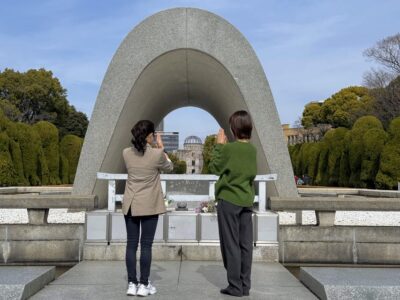
Hiroshima and Miyajima UNESCO Sites 1-Day Tour
Read our review →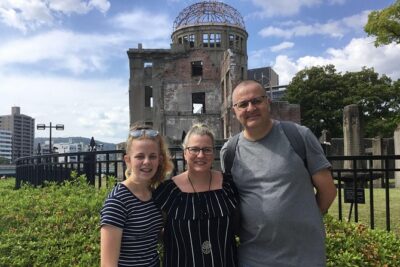
Hiroshima / Miyajima Full-day Private Tour with Government Licensed Guide
Read our review →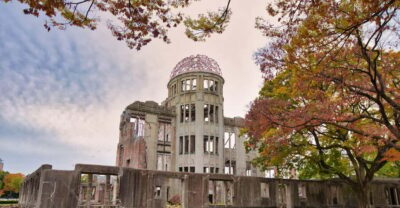
Osaka/Kyoto: Hiroshima Miyajima Bus Tour & Shinkansen Ticket
Read our review →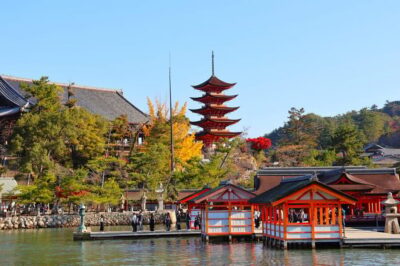
Hiroshima and Miyajima Day Trip with Itsukushima Shrine & Ferry
Read our review →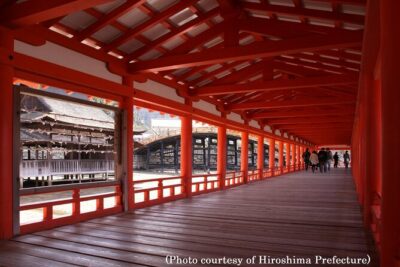
Full Day Hiroshima and Miyajima Bus Tour from Hiroshima
Read our review →
Miyajima Half-day Trip Historical Walking Tour
Read our review →Browse the lists this tour appears in