Reviewed · CITY TOURS
Tokyo: Private City Highlights Tour with Local Guide
Tokyo rewards a good plan. This private tour gives you a flexible way to connect major sights, local neighborhoods, and the city’s famously tricky train system in one day. I especially like the custom itinerary and the chance to travel with a nationally licensed guide who can explain both Japan’s past and daily life today.
I also like that the guide meets you at your hotel and adjusts the pace to your group. Guides such as Fumiko, Atsushi, Kenji, Yumi, and Noripy have helped visitors fit temples, gardens, markets, and shopping streets into a practical day. The main caution is simple: this is a walking and public transport tour, not a private-car sightseeing ride, and transport, lunch, and entry fees cost extra.
In This Review
- Key points to know before booking
- Why a private Tokyo tour can be useful
- Starting in Asakusa and Senso-ji
- Imperial Palace gardens and the city’s formal center
- Tsukiji for food, color, and a practical lunch stop
- Meiji Jingu and the forest between city districts
- Harajuku, Takeshita Street, and modern youth culture
- Shibuya and Shinjuku after dark or during the day
- Akihabara, Nezu, and Hama Rikyu Gardens
- How much can you cover in 4, 6, or 8 hours
- Guides, communication, and the human side of the day
- Price, inclusions, and what you still pay
- Walking, access, and practical comfort
- Should you book this Tokyo tour?
- FAQ
- How long does the Tokyo private city highlights tour last?
- Which Tokyo sights can I include?
- Is the itinerary fixed?
- Is transportation included?
- Does the tour include lunch and entrance fees?
- Where does the tour begin?
- Is the tour available in English?
Key points to know before booking
- Your route is built around your interests: Choose from Asakusa, the Imperial Palace, Meiji Jingu, Tsukiji, Shinjuku, Harajuku, Akihabara, gardens, markets, and quieter neighborhoods.
- The guide helps with Tokyo’s train system: This can be one of the most useful parts of the day, especially at the start of a first visit.
- The 4 to 8 hour length is flexible: Four hours works for a focused introduction, while eight hours allows several districts with fewer compromises.
- The best value is the local context: A guide can explain shrine customs, imperial traditions, food culture, and ordinary Japanese life as you move through the city.
- Expect plenty of walking: Comfortable shoes, water, and realistic pacing matter, especially in summer or with children.
- The advertised price is $106 per person: You still pay your own transport, food, personal costs, and entrance fees.
Why a private Tokyo tour can be useful
Tokyo can feel like several cities stitched together by rail. Asakusa has an old temple district, Harajuku leans toward youth fashion, Shinjuku is a high-rise entertainment center, and the Imperial Palace area offers quiet gardens and formal spaces. These places are not arranged for an easy walking loop.
That is where this tour earns its keep. Your guide can put together a route that fits your interests instead of taking you through a fixed checklist. You might focus on temples and gardens, combine food with history, or spend more time on youth culture and shopping.
I would use this tour early in a Tokyo visit. Several guides have helped people learn the subway system, understand station transfers, and find their way around independently afterward. Atsushi used phones and train directions to make the network easier to handle, while Steve helped explain routes for the rest of a holiday.
A private group also gives you room to ask questions. If one person wants history and another wants ramen, shopping, or anime, the guide can often adjust the day. That flexibility is harder to get on a large coach tour.
A few more Tokyo experiences worth weighing up
- Mt Fuji and Hakone 1-Day Bus Tour Return by Bullet Train
★ 5.0 · 26,383 reviews - 1-Day Tokyo Bus Tour
★ 5.0 · 14,250 reviews - Tokyo: TOKYO SKYTREE® Admission ticket
★ 4.5 · 11,192 reviews
Starting in Asakusa and Senso-ji
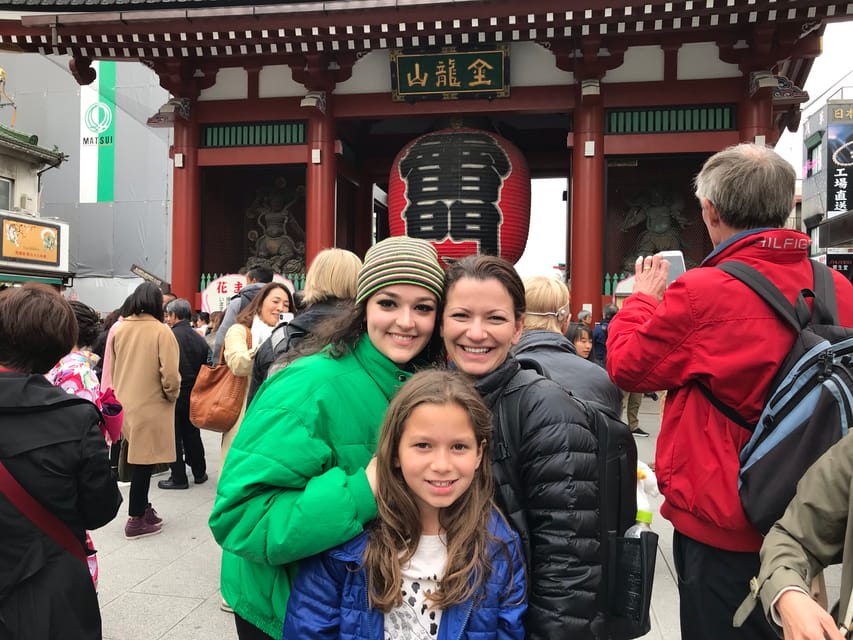
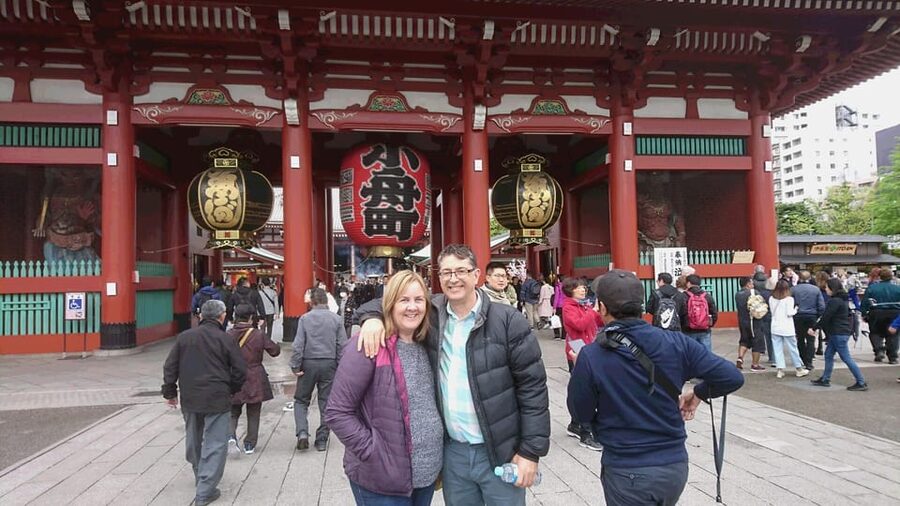
Asakusa is one of the strongest choices for a first stop. The district gives you a clear introduction to Tokyo’s religious traditions, older streets, and popular food stalls. Senso-ji, with its famous entrance gate and temple approach, is the main draw.
The walk along Nakamise Dori leads toward the temple through a busy line of small shops. It is a good place to look at traditional snacks, souvenirs, and small craft items, though it can become crowded. Your guide can explain how to behave at the temple, what the gates and incense area mean, and how Buddhist and Shinto customs differ.
Asakusa also helps you see a side of Tokyo that high-rise districts can hide. It is not a quiet museum piece, but an active neighborhood where worship, shopping, and sightseeing share the same streets.
If you are traveling with children, this area offers plenty to look at without requiring a long formal visit. If you are mainly interested in modern Tokyo, you may prefer a shorter stop here and more time in Akihabara or Shibuya. Tell your guide that before the route is settled.
Imperial Palace gardens and the city’s formal center
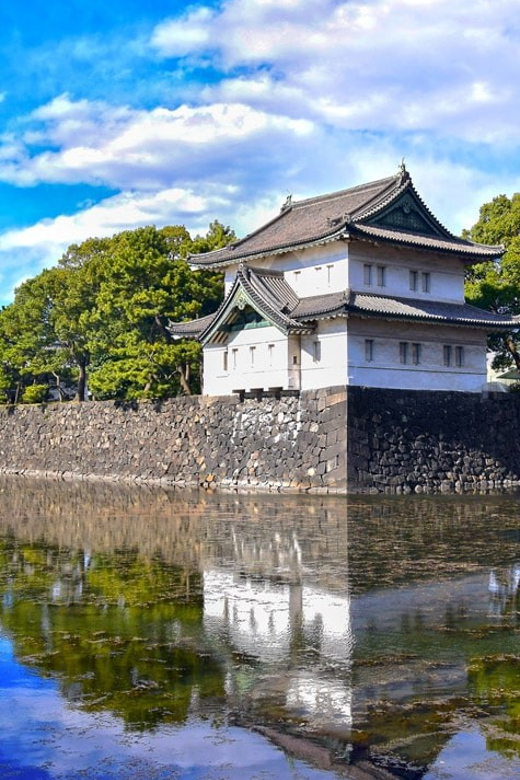
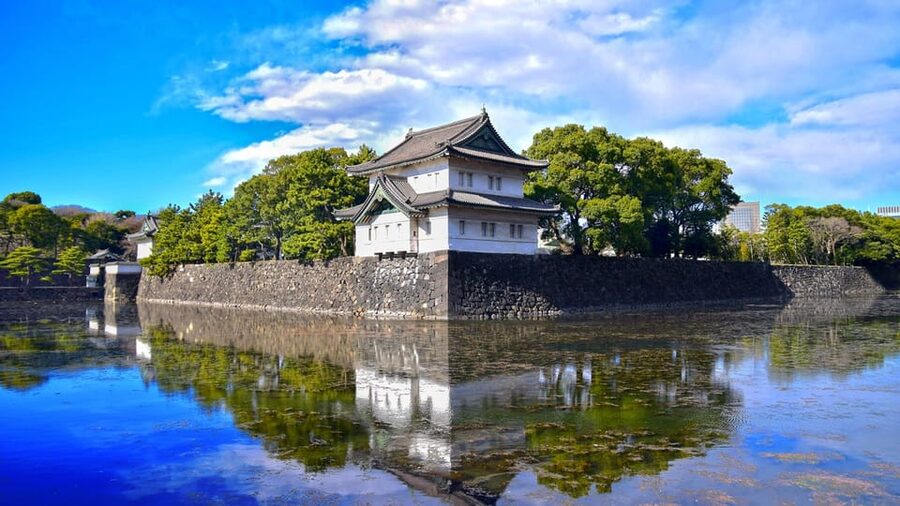
The Imperial Palace area gives the day a welcome change of pace. The outer grounds and East Gardens offer open space, stone walls, trees, and a sense of the city’s political and imperial center. It is a useful counterpoint to Tokyo’s packed stations and commercial streets.
The exact palace access matters. One guide, Kenji, helped arrange a visit inside the grounds during a limited period when that was possible. Do not assume every part of the palace is open at all times. Ask your guide what access fits your date and route.
The gardens are especially rewarding during seasonal foliage. Nicole’s autumn route with Atsushi included the palace gardens before moving into louder parts of the city. That contrast is one of the pleasures of a private itinerary: you can appreciate the quiet rather than rush past it to reach the next district.
The drawback is that the palace grounds can take time without delivering a single dramatic viewpoint. I would choose them for history, gardens, and atmosphere, not for a fast collection of photo stops.
Tsukiji for food, color, and a practical lunch stop
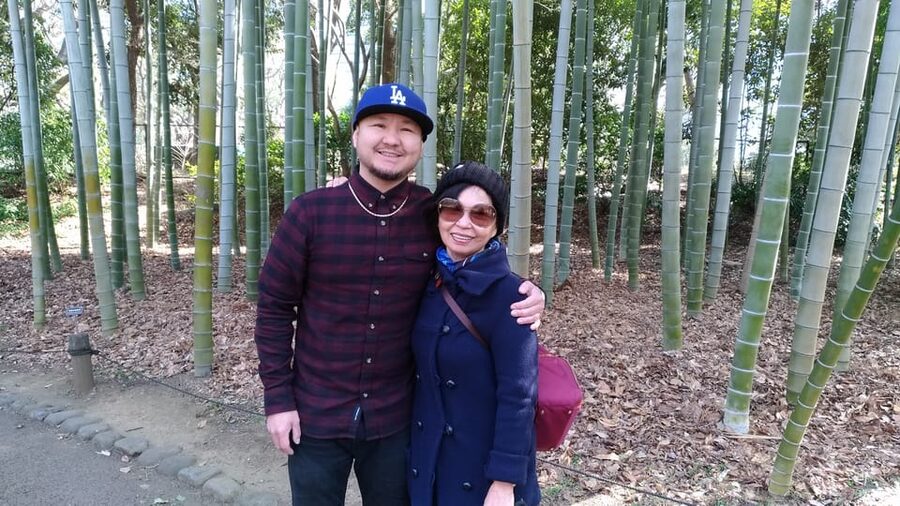
Tsukiji Fish Market is a smart addition if food is important to you. The outer market area is known for small food businesses and places to browse, taste, and eat. It works well as a midday stop because lunch can be handled according to your budget and appetite.
A private guide can help your group manage different food preferences. One six-hour route used a lunch area with several food stalls, which made it easier for everyone to choose something different. Other guides have steered people toward ramen or specific local food experiences.
Remember that lunch is not included. Neither are personal purchases. That is not a problem, but you should budget separately and tell your guide what kind of meal you want before the day begins.
Tsukiji is also not simply a market museum. Some parts are best enjoyed by walking slowly, looking at the shop fronts, and asking questions about Japanese ingredients and eating habits. If you want a long food crawl, a four-hour highlights route will not be enough. An eight-hour booking gives you more breathing room.
A completely different kind of day out in Tokyo:
- Tokyo: teamLab Planets TOKYO Digital Art Museum Entry Ticket
★ 4.6 · 9,779 reviews - Mt Fuji & Hakone Cruise, Drum Show Bullet Train 1 Day from Tokyo
★ 4.0 · 7,413 reviews - Tokyo: Sumo Show Experience with Chicken Hot Pot and a Photo
★ 4.8 · 6,678 reviews - Tokyo: Shinjuku Food Tour (13 Dishes at 4 Local Eateries)
★ 5.0 · 6,603 reviews
Meiji Jingu and the forest between city districts
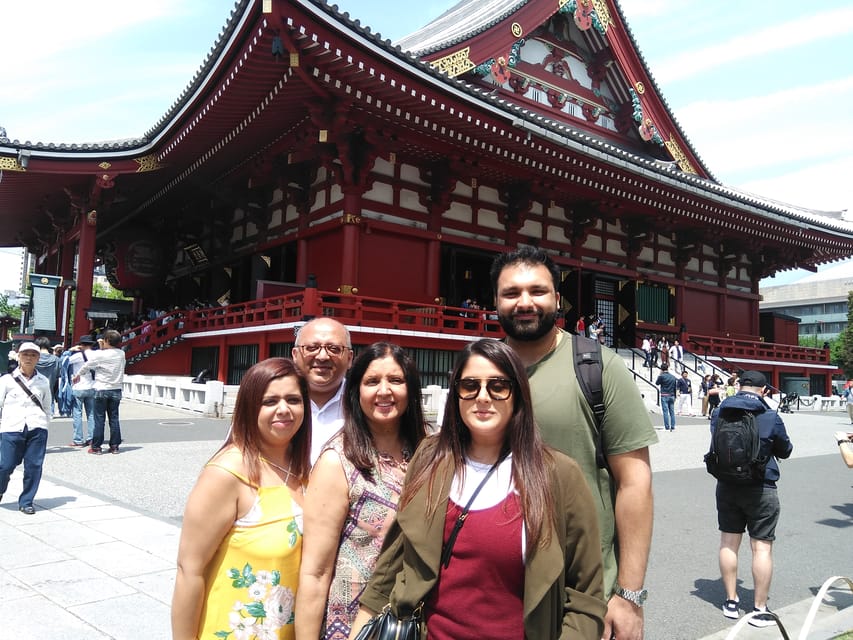
Meiji Jingu is one of the tour’s best places to understand the relationship between Tokyo’s modern neighborhoods and Shinto tradition. The shrine sits within a broad wooded setting between Harajuku, Shibuya, and Shinjuku. The approach feels removed from the traffic even though the city is close by.
Your guide can explain the cleansing ritual, shrine etiquette, and the meaning of offerings. This is where a licensed guide adds more than directions. You get a better sense of what you are seeing and why people come here.
The forest walk takes time, so it should not be squeezed between too many distant stops. In hot weather, the shade helps, but you still need water and sensible shoes. One family with young children found the route manageable because the guide built in breaks and changed the plan when needed.
Meiji Jingu pairs naturally with Harajuku. After the calm of the shrine, you can move into Takeshita Street and see a completely different side of the city.
Harajuku, Takeshita Street, and modern youth culture
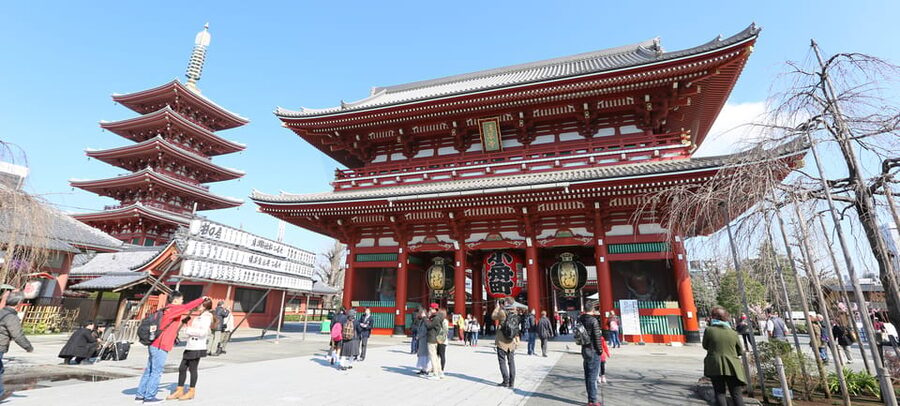
Harajuku is the place to choose for fashion, colorful shops, youth culture, and casual food. Takeshita Street is compact but often crowded, so your guide’s value comes from helping you decide how much time to spend there.
You might browse clothing, snacks, and small gifts, or simply watch the flow of people. The district can feel commercial and noisy, and it will not appeal to everyone. If your interests lean toward architecture, gardens, or traditional crafts, you may want Harajuku as a short connection between Meiji Jingu and another neighborhood.
For families and teenagers, though, it can be a highlight. A guide can also point out nearby options that are less overwhelming than the main street. The route can be adjusted if the crowds or heat become tiring.
The tour is not limited to the listed sights. Some guides have added places such as Kappabashi, the kitchenware district, for hobby cooks. That kind of adjustment is one reason to explain your interests clearly before the day.
Shibuya and Shinjuku after dark or during the day
Shibuya Crossing is an easy choice if you want Tokyo’s famous modern image. The crossing itself takes only a few minutes, but the surrounding district gives you a strong sense of Tokyo’s scale, signage, shops, and constant movement.
Shinjuku offers a different mood. The area includes department stores, high-rise streets, entertainment zones, and the narrow lanes of Golden Gai. Golden Gai is best suited to adults interested in small bars and nighttime city life. It may not fit a family route or a daytime highlights tour.
The order of stops can matter. Atsushi changed plans when a protest made Shinjuku less comfortable and took his group to Meiji Jingu instead. That is a useful reminder that private touring is not just about following a map. A guide can react to heat, crowds, closures, or an unexpected event.
You should not expect to see every corner of both Shibuya and Shinjuku in one short booking. Choose one main purpose for each district, such as the crossing in Shibuya or Golden Gai in Shinjuku, then move on.
Akihabara, Nezu, and Hama Rikyu Gardens
Akihabara belongs on the route if you care about anime, games, electronics, or Japanese pop culture. It gives the tour a very different focus from Asakusa or the Imperial Palace. You can ask your guide to help you spend time where your interests are strongest rather than simply passing through.
Nezu offers a quieter neighborhood feel and shrine visits. It suits people who want a less famous area and more local atmosphere. One food-focused day combined Nezu Shrine with several food and coffee stops, showing how the private format can move beyond the standard sightseeing circuit.
Hama Rikyu Gardens provide another calm pause. The garden setting works well for people who enjoy landscaping, ponds, and a break from city streets. Like the Imperial Palace gardens, it takes walking and time, so I would not combine every garden on the list unless you have the full eight hours.
The central question is not how many places you can name. It is how many places you can enjoy without turning the day into a race.
How much can you cover in 4, 6, or 8 hours
The tour lasts from four to eight hours, depending on the option you select and availability. The difference is substantial in Tokyo because transfer time can eat into the day.
A four-hour tour is best for a focused introduction. You could pair Asakusa with the Imperial Palace area, or Meiji Jingu with Harajuku and Shibuya. You will learn the basics, see several important places, and still have energy for your own evening plans.
Six hours is a useful middle ground. It allows a route such as Asakusa, Tsukiji, the Imperial Palace gardens, and Meiji Jingu, though the pace depends on your starting point and how long you stop. Several people found six hours enough to see a large number of major sights without feeling hurried.
Eight hours works for a full first-day orientation. It can include more districts, a proper lunch break, and time to ask questions about transport, food, and customs. It is also the better choice for families who need pauses, since a longer booking does not have to mean a faster walk.
The tour is described as a walking day tour, with public transport or local taxis used between sites. There is no private vehicle. Have Japanese Yen ready for your own train or taxi costs, and ask the guide to confirm the likely transport expense once the route is chosen.
Guides, communication, and the human side of the day
The guides are nationally licensed Tour Guide-Interpreters. The Japanese government certification requires a strong grasp of Japanese culture and history, though each guide will have a different personality and specialty.
Fumiko has been praised for careful planning and clear presentation. Kenji has helped people understand religious traditions, seasonal customs, goshuin stamp books, and even special palace access. Yumi worked well with a family and helped them learn the metro. Noripy has been especially good at preparing routes around family interests and explaining the system in a way that remains useful later.
Other guides have brought different strengths. Elly combined food and coffee with shrine visits. Ted built a route around less familiar local areas. Atsushi has been helpful with train navigation and historical background. These examples show why communication before the tour matters.
English and Japanese are available. Still, I would send your guide a short list of priorities before the day: food restrictions, walking limits, children’s ages, shopping interests, gardens, temples, pop culture, or specific neighborhoods. The clearer you are, the more useful the custom route becomes.
Price, inclusions, and what you still pay
At $106 per person, this is not a bargain basement city walk. It can be good value if you are new to Tokyo, want private attention, or would otherwise spend hours losing time in stations and choosing between distant districts.
The price includes a licensed local guide, hotel pickup and drop-off, and free photos. It does not include your transport, lunch, entrance fees, private vehicle, or personal spending. The total cost therefore depends on your route and habits.
For a couple or family, the value is strongest when you use the guide as a Tokyo orientation. Learning the train system, finding suitable food, and understanding shrine etiquette can improve the rest of your trip. If you already know Tokyo well and only want someone to escort you from place to place, the price may feel less attractive.
The overall rating is 4.8 from 1,433 ratings, and the strongest pattern is consistent: careful preparation, flexible routing, friendly service, and help with transport. Those are practical benefits, not just pleasant extras.
Walking, access, and practical comfort
The tour is wheelchair accessible, but the route still needs to be discussed in advance because it uses public transport and walking between sites. Ask the guide to favor accessible locations and allow more transfer time if needed.
Wear shoes that can handle temple approaches, garden paths, station corridors, and city sidewalks. The tour can involve a lot of walking, and one family described the heat as a real factor even though the guide provided shade and breaks.
Summer deserves special planning. Sam built in cool stops during a hot day, while Tako adapted a route for two young children. These are good examples of what to request before you start. You can also choose four hours instead of eight if stamina is a concern.
The activity allows free cancellation up to 24 hours before the start and offers reserve-now, pay-later booking. The tour is not final until the guide contacts you, normally within seven days. If a guide cannot take the booking, the provider will contact you.
Should you book this Tokyo tour?
I would book it if this is your first Tokyo visit, your time is limited, or the train system makes you uneasy. It is also a strong choice for families, older visitors who need a flexible pace, and people with specific interests in food, gardens, temples, shopping, or pop culture.
I would choose the eight-hour option for a broad introduction and six hours for a balanced first day. Pick four hours if you want a focused neighborhood combination rather than a citywide sweep.
Before booking, decide what matters most. Do not ask to see every listed sight unless you accept short visits and plenty of transfers. Send your priorities early, carry Yen, plan for lunch and entry fees, and expect a full day on foot.
For an efficient, personal start to Tokyo, this tour makes a sensible investment. Its real strength is not simply reaching famous places. It is helping you understand how those places connect, how to move between them, and how to continue exploring on your own.
FAQ
How long does the Tokyo private city highlights tour last?
The tour lasts between 4 and 8 hours. Starting times depend on availability.
Which Tokyo sights can I include?
Possible stops include Asakusa, the Imperial Palace, Shinjuku Gyoen National Garden, Tsukiji Fish Market, Meiji Jingu Shrine, Akihabara, Hama Rikyu Gardens, Harajuku, Takeshita Street, Nezu, and Shinjuku Golden Gai.
Is the itinerary fixed?
No. The tour is fully customizable. You choose the places that interest you, and the guide builds the route around your preferences.
Is transportation included?
No. The tour uses walking, public transportation, and possibly local taxis. Your own transportation costs are not included, and there is no private vehicle.
Does the tour include lunch and entrance fees?
No. Lunch, personal expenses, and entrance fees for you are not included.
Where does the tour begin?
The guide meets you at your hotel and returns you there. Transfers between sites are made on foot, by public transport, or by local taxi.
Is the tour available in English?
Yes. Live guiding is available in English and Japanese.
Just added around Tokyo
- Tokyo Small Group Tour with Guide★ 4.5 · 38 reviews
- Tokyo 6hr Instagram Highlights Private Tour with Licensed Guide★ 5.0 · 38 reviews
- Tokyo Sumo Experience with Live Show & Audience Challenge★ 5.0 · 38 reviews
- Very popular in Harajuku♡Animal petting zoo★ 4.6 · 39 reviews
- Japanese Food Cooking Class in Asakusa, Tokyo★ 5.0 · 39 reviews
- Ramen Making from Scratch with Tokyo Mom(Vegan Option Available)★ 5.0 · 39 reviews
- Tokyo: Kimono Rental inside Shinjuku Gyoen National Garden★ 4.9 · 39 reviews
- Tokyo JDM Night: 600hp C63s AMG Edition 1 (Private)★ 4.9 · 39 reviews
City Tours, compared.

Asakusa, Skytree & Akhihabara Go-Kart City Experience
Read our review →
Hiroshima City 4hr Private Walking Tour with Licensed Guide
Read our review →

Private Haneda Airport (HND) to Central Tokyo City Transfer
Read our review →
3-hour Guided E-Bike Tour of the City’s Hidden Gems
Read our review →