
Reviewed · HISTORICAL TOURS
Yanaka Walking Tour: Historic and Traditional District of Tokyo
Tokyo has a quieter side. This 3.5-hour walk through Yanaka trades skyscrapers for temple gates, old homes, a century-old cemetery, and the easygoing Yanaka Ginza shopping street. I especially like the chance to see everyday neighborhood life and the way guides such as Charlotte, Michiko, Kiyo, and Mana explain customs as well as history. The main drawback is simple: you walk a lot, and the 40-minute cemetery visit may feel long if graveyards are not your idea of sightseeing.
The tour costs $72.96 per person, which is fair if you want context, local stories, and help finding places you could easily pass on your own. Food, drinks, and the optional tea ceremony cost extra, and the strict cancellation rule means you should watch the weather and your calendar before booking.
In This Review
- Key points before you book
- Why Yanaka feels different from central Tokyo
- Starting at Nippori Station
- Tennoji Temple and the first look at Buddhist Tokyo
- A 40-minute walk through Yanaka Cemetery
- Tea, art, and old neighborhood buildings
- Shrines, trees, and the temple-shrine distinction
- Yanaka Ginza and the best chance for a snack
- What the guides add to the walk
- Walking conditions, weather, and timing
- Is $72.96 a fair price?
- Who should book the Yanaka walk?
- Should you book the Yanaka Walking Tour?
- FAQ
- Where does the Yanaka Walking Tour begin?
- Where does the tour end?
- How long does the tour last?
- What start times are available?
- How much does the tour cost?
- Is food included?
- Is the tea ceremony included?
- What is the largest group size?
- Is hotel pickup included?
- Can I cancel for a full refund?
- Is the tour physically demanding?
Key points before you book
- Yanaka Cemetery takes about 40 minutes, making it one of the tour’s central stops rather than a quick photo pause.
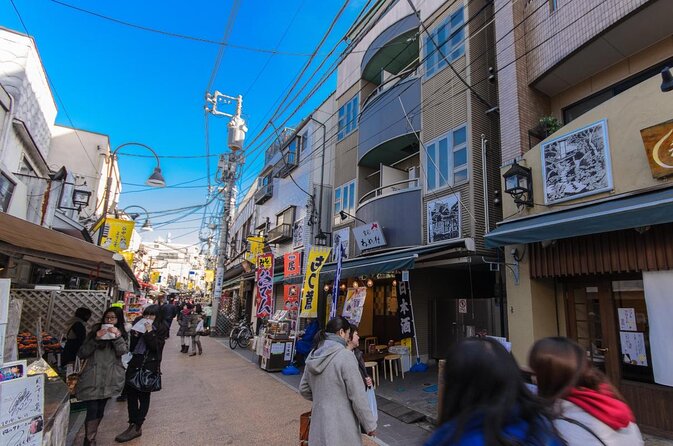
- The walking route includes Tennoji Temple, old streets, shrines, galleries, and Yanaka Ginza, giving you a broad look at traditional Tokyo.
- Guides adjust the pace when possible, answer questions, take photos, and may add stops when time allows.
- Afternoon departures include different cultural stops, such as SCAI The Bathhouse and Edokoro Alan West.
- The tour begins and ends at Nippori Station, with morning and afternoon start times at approximately 9:00 a.m. or 2:00 p.m.
- Comfortable walking shoes matter, since the route lasts three and a half hours and includes cemetery paths and neighborhood streets.
Why Yanaka feels different from central Tokyo
Tokyo can feel like a city built for speed. Yanaka gives you permission to slow down. Its streets have a more residential feel, with temples, small businesses, old buildings, and narrow lanes replacing the giant signs and high-rise views found in districts such as Shinjuku or Shibuya.
The area connects strongly to Tokyo’s Edo-period past, generally described here as the 17th through 19th centuries. The district also carries links to later periods, including the Meiji era, the last shogun, and the last samurai. A guide helps connect these pieces, so the walk becomes more than a pleasant stroll past attractive gates.
I like Yanaka as an early-Tokyo stop because it helps you understand customs before you visit more major temples and shrines elsewhere in Japan. Several guides explain the difference between Buddhist temples and Shinto shrines, along with local manners and courtesies. That practical information can stay useful for the rest of your trip.
The group is intended to be small. The tour information gives a maximum of eight participants, while another booking note says a maximum of ten people per booking. Since those figures do not match perfectly, I would confirm the expected group size before paying if that detail matters to you.
More History Tours in Tokyo
- Tokyo: Imperial Palace and Shogun Historical Walking Tour
★ 5.0 · 2,251 reviews - Tokyo: Imperial Palace Japanese History Walking Tour
★ 4.9 · 987 reviews - Tokyo: Shinjuku Historical Walking Tour & Secret Backstreets
★ 5.0 · 530 reviews
Starting at Nippori Station
The meeting point is at Nippori Station, at 2 Chome-19 Nishinippori in Arakawa City. The location is near public transportation, which makes the tour fairly easy to fit into a Tokyo day.
Your guide meets you there before leading you into Yanaka. This is useful for first-time visitors because the station becomes a clear anchor point, and the tour returns there at the end. There is no standard hotel pickup or drop-off, though that service may be available for an additional fee.
The route is set for either a morning start around 9:00 a.m. or an afternoon start around 2:00 p.m. The afternoon version includes some stops that are not part of the morning route, so your choice affects what you see. If art and an old bathhouse converted to a gallery appeal to you, the afternoon departure may be the better fit.
Tennoji Temple and the first look at Buddhist Tokyo
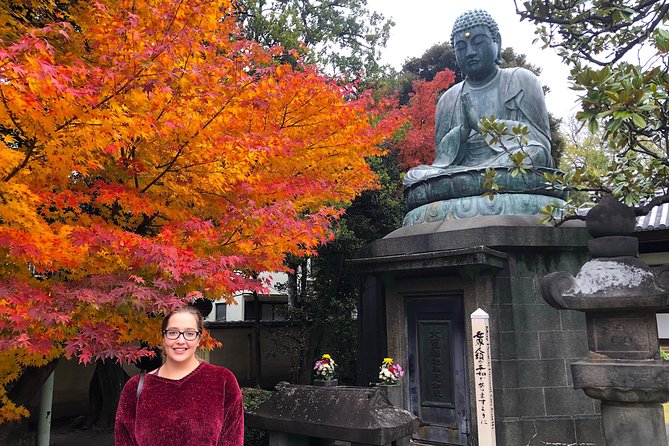
Tennoji Temple dates to 1274 and sits beside Yanaka Cemetery. You enter through an old wooden gate into a pleasant garden, where a bronze Buddhist statue is one of the key sights.
This is a good early stop because it gives you a calm introduction to Japanese temple spaces. You can ask about Buddhist customs, the role of temple grounds, and how they differ from Shinto sites later in the walk. The official stop lasts about 20 minutes, enough for explanation and photographs without turning the visit into a long temple study.
The appeal here is not grand scale. Tennoji works because it feels connected to the neighborhood. You are not being rushed through a famous monument surrounded by crowds. Instead, the guide helps you notice the gate, garden, statue, and setting beside the cemetery.
A 40-minute walk through Yanaka Cemetery
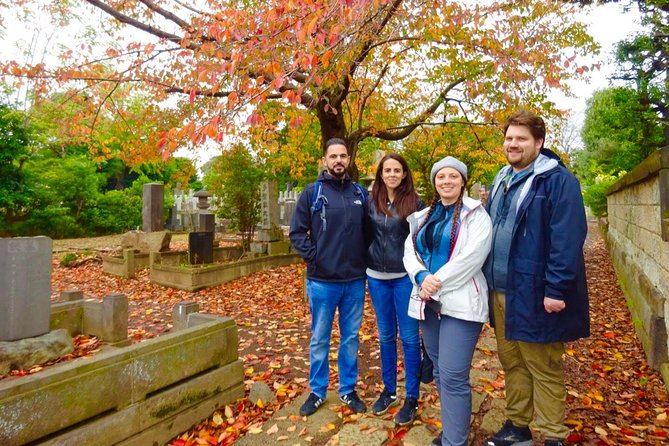
Yanaka Cemetery covers roughly 100,000 square meters and contains more than 7,000 graves. It has more than a century of history and is one of the tour’s most unusual stops.
I think this section will appeal to you if you enjoy quiet places, local customs, and the way a city remembers its past. It also gives the tour a more thoughtful tone. You are walking through a real place of remembrance, not a set built for sightseeing, so respectful behavior matters.
The cemetery is not a quick detour. The planned stop lasts about 40 minutes, and one participant felt that was too much time compared with the rest of the route. That is a fair concern. If your main interests are food, architecture, or shopping, the cemetery may feel slow. If you want to understand Yanaka’s connection to religion, family memory, and old Tokyo, the time makes more sense.
The cemetery also links the tour to the last shogun and his family grave site, a detail that adds political history to the religious setting. Your guide can make these connections easier to follow than a sign in English could.
More Walking Tours in Tokyo
- Tokyo Tsukiji Fish Market Food and Culture Walking Tour
★ 5.0 · 3,184 reviews - Tokyo: Shinjuku Local Bar and Izakaya Guided Walking Tour
★ 4.9 · 1,794 reviews - Tokyo: Tsukiji Fish Market Food and Walking tour
★ 5.0 · 1,724 reviews - Tokyo: Asakusa Walking Tour with Sensoji Temple Visit
★ 4.8 · 1,583 reviews
Tea, art, and old neighborhood buildings
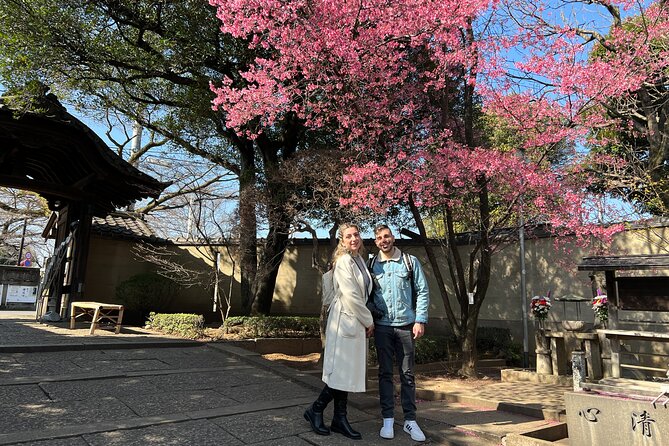
Some stops depend on the time of day or your interests. Gallery Okubo offers an optional tea ceremony on tatami mats. The tea costs ¥1,000 and is not included in the tour price.
This is a worthwhile add-on if you want a short cultural activity rather than only a walking explanation. The extra fee is modest, but you should carry enough cash because the tour also charges cash if you extend it beyond the scheduled time.
Afternoon tours may include SCAI The Bathhouse, a contemporary art gallery inside a former public bath. The building keeps the feel of old Tokyo while serving a modern purpose. That contrast is one of the most appealing ideas in Yanaka: tradition is not frozen in place, it continues to shape how people use the neighborhood.
Another afternoon stop is Edokoro Alan West, an operating traditional studio in a former auto body garage. It sits among Buddhist temples and shows how older forms of craft can survive in an ordinary urban setting.
The Shitamachi Customs Museum and Exhibit Hall is an optional stop. It focuses on the culture of Shitamachi, or Tokyo’s traditional downtown neighborhoods, and displays objects that were actually used in daily life. This could be especially useful if you prefer household history and social customs to monuments.
One useful point: the museum and tea ceremony are optional, and SCAI The Bathhouse and Edokoro Alan West are listed for afternoon tours only. Ask your guide at the beginning what your departure includes, since the precise route can vary.
Shrines, trees, and the temple-shrine distinction

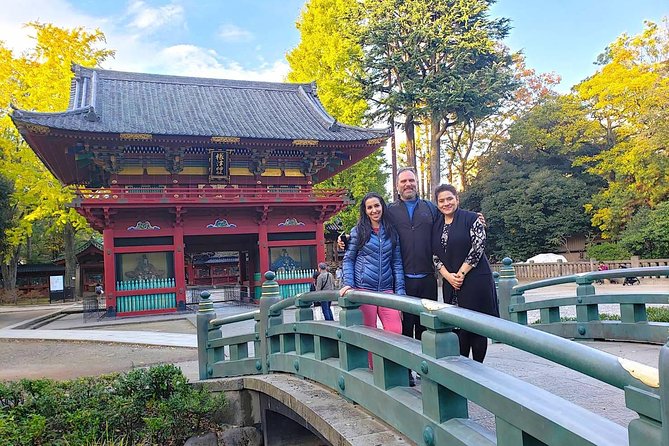
The route also includes one of Japan’s oldest shrines, set among large trees, flowering azaleas, ponds, pathways, and colorful wooden structures. The supplied details do not name this stop, but the description matches the kind of place where a guide’s explanation adds real value.
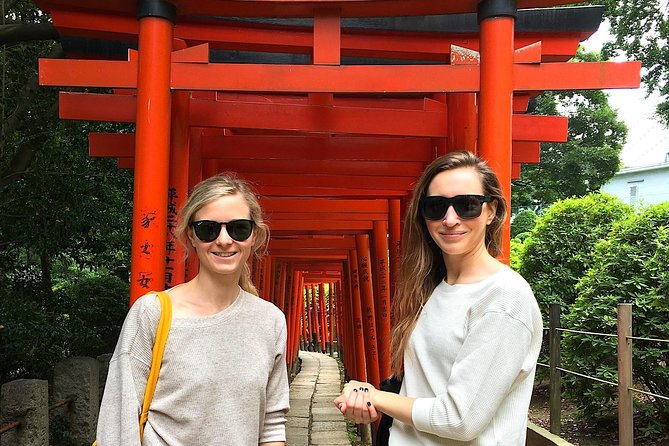
Many first-time visitors see a shrine and temple as similar tourist sights. They are not the same. The guides on this tour explain Shinto and Buddhism, local etiquette, and the customs you should follow at each kind of site.
That makes this more useful than simply collecting another set of photographs. You can learn what to do at the entrance, how the space is arranged, and why a shrine may look and feel different from a Buddhist temple. Several guides also answer questions about Japanese life beyond the formal sights.
The route may include several shrines and temples. One participant suggested replacing one shrine visit with a museum, so you should know that the religious stops form a large part of the experience. If you have already spent days visiting temples and shrines, the museum option or an afternoon route may give you more variety.
Yanaka Ginza and the best chance for a snack
Yanaka Ginza Shopping Street is one of the tour’s strongest finishes. It keeps an old Shitamachi atmosphere, with local shops and a more relaxed neighborhood feel than Tokyo’s major commercial centers.
You have about 30 minutes here, and food and drinks are not included. That is not a complaint. In fact, leaving snacks open for you to choose is better than being handed a fixed meal you may not want.
The walk may introduce you to Japanese sweets, rice cakes, bakery items, local drinks, or other small treats. One guide-led outing included a fantastic bakery, a rice cake shop, clothing made from geisha fabric, and a sake tasting. Those details are not guaranteed on every departure, but they show the kind of local shopping and food discoveries that can fit naturally into the route.
Some guides also finish near a café, including a former bathhouse used as a trendy café. On hot days, a cold drink or matcha milk can be a welcome reward after several hours outside. Bring spending money if you want to sample something, since refreshments are your responsibility.
What the guides add to the walk
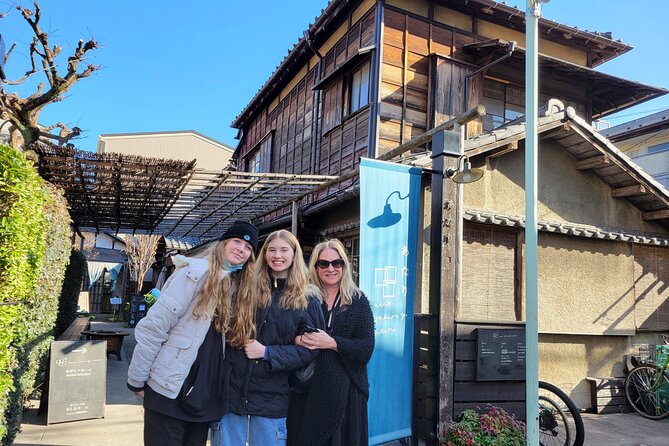
The strongest part of this experience is the guide service. The individual guides named in the supplied feedback include Keita, Charlotte, Kiyo, Mutsuko, Machi, Kaori, Miho, Ken, Fushi-son, Michiko, Mana, Sue, Muchan, Satsuki, Fumiko, Masa, Toshi, and Ryan.
That long list tells you the experience is not tied to one personality. Still, the same qualities come up repeatedly: clear English, warmth, patience, local familiarity, and a willingness to answer questions.
Charlotte is praised for safety, historical background, and easy-to-understand English. Michiko is described as especially helpful with the area and train stations, while Mana took photos and helped interpret conversations inside old buildings. Kaori adjusted the pace for rests, refreshments, and shopping.
The guides also seem willing to adapt when time permits. Some departures include extra places not listed in the main route, and some guides slow down for hot weather or individual needs. That flexibility is valuable on a walking tour, though it should not be treated as a promise that every optional stop will happen.
The included photos are a nice touch. Several experiences included the guide taking pictures so everyone in the group could appear in them. That matters when you are traveling alone or as a couple without a convenient stranger to handle the camera.
Walking conditions, weather, and timing
Plan on a moderate level of fitness. The tour lasts approximately three hours and 30 minutes, and the route includes streets, temple grounds, cemetery paths, shopping areas, and stops where you may stand while listening.
Wear comfortable shoes. That advice appears often for a reason. You should also think about the season. Hot and humid weather can make three and a half hours feel longer, though guides may provide cooling spray, bug spray, or air-conditioned breaks when possible. Rain does not automatically stop the tour, but wet weather can make the walking less pleasant.
One serious practical issue is the weather cancellation rule. You can receive a full refund only if you cancel at least 24 hours before the start time. Changes made within 24 hours are not accepted, and the amount paid is not refunded for a late cancellation. The operator may continue running the tour in difficult weather when it is considered safe, so check the forecast before the deadline.
The tour can be extended for ¥3,000 per group, per hour, payable in cash. This may help if you want extra shopping time or a slower pace, but ask before the scheduled end rather than assuming extra time is included.
Is $72.96 a fair price?
At $72.96 per person, this is not the cheapest way to walk around Yanaka. You can enter the temples, cemetery, shopping street, and many outdoor areas without paying admission.
The value comes from the interpretation. A guide can explain the last shogun, local religion, old architecture, Shitamachi customs, and the difference between ordinary neighborhood buildings and formal sights. You also avoid spending part of your day figuring out where to go next.
The price includes an English-speaking guide, taxes and fees, and photos. It does not include food, drinks, the ¥1,000 tea ceremony, or hotel transfers. For a small group with strong personal attention, I think the cost is reasonable, especially on your first day in Japan.
It is less compelling if you are already comfortable researching Yanaka, speaking with locals, and navigating Tokyo on your own. In that case, you may prefer to spend the money on snacks, museum admission, or a self-guided day.
Who should book the Yanaka walk?
I would choose this tour for a first visit to Tokyo, especially during the first or second day. The guides explain customs you can use throughout Japan, and the route provides a gentle introduction to temples, shrines, food, shopping, and local neighborhoods.
It also suits you if you want a break from major city sights. Yanaka feels calmer, and the walk offers a useful change of pace without leaving Tokyo.
You may want another tour if you dislike cemeteries, have limited stamina, or want a tightly focused food or art experience. The route includes several religious sites, and the cemetery is a substantial part of the morning or afternoon.
For the broadest mix of art and neighborhood culture, I would ask about the afternoon version. For cooler temperatures and a straightforward introduction, the morning route may be more comfortable, depending on the season.
Should you book the Yanaka Walking Tour?
Book it if you want context, conversation, and a slower view of Tokyo. The temples and shrines are pleasant, but the real strength is the connection between them: old Tokyo, local religion, family graves, traditional shops, craft studios, and the daily life of a residential district.
I would not book it as a fast sightseeing checklist. Give the cemetery and neighborhood streets the time they deserve, wear good shoes, bring money for snacks, and confirm which optional and afternoon stops are included. If that sounds appealing, $72.96 buys a thoughtful half-day introduction to a side of Tokyo you might otherwise miss.
FAQ
Where does the Yanaka Walking Tour begin?
The tour begins at Nippori Station, at 2 Chome-19 Nishinippori, Arakawa City, Tokyo 116-0013, Japan.
Where does the tour end?
The experience ends back at the meeting point near Nippori Station.
How long does the tour last?
The tour lasts approximately three hours and 30 minutes.
What start times are available?
The stated start times are around 9:00 a.m. and 2:00 p.m. You should provide your preferred starting time when booking.
How much does the tour cost?
The listed price is $72.96 per person.
Is food included?
No. Food and drinks are not included, so you should budget separately for snacks, refreshments, or other purchases.
Is the tea ceremony included?
No. The optional tea ceremony at Gallery Okubo costs ¥1,000 and is separate from the tour price.
What is the largest group size?
The tour information states a maximum of eight travelers, while a separate booking note gives a maximum of ten people per booking. Confirm the expected group size when booking if this is important to you.
Is hotel pickup included?
No. Hotel pickup and drop-off are not included, though they may be available for an additional fee.
Can I cancel for a full refund?
Yes, if you cancel at least 24 hours before the experience start time. Cancellations or changes made less than 24 hours before the start time are not accepted for a refund.
Is the tour physically demanding?
You should have a moderate fitness level and wear comfortable walking shoes. The route lasts about three and a half hours and includes considerable walking.
Just added around Tokyo
- Tokyo 6hr Instagram Highlights Private Tour with Licensed Guide★ 5.0 · 38 reviews
- Tokyo Small Group Tour with Guide★ 4.5 · 38 reviews
- Tokyo Sumo Experience with Live Show & Audience Challenge★ 5.0 · 38 reviews
- Japanese Food Cooking Class in Asakusa, Tokyo★ 5.0 · 39 reviews
- Very popular in Harajuku♡Animal petting zoo★ 4.6 · 39 reviews
- Ramen Making from Scratch with Tokyo Mom(Vegan Option Available)★ 5.0 · 39 reviews
- Tokyo JDM Night: 600hp C63s AMG Edition 1 (Private)★ 4.9 · 39 reviews
- Tokyo: Kimono Rental inside Shinjuku Gyoen National Garden★ 4.9 · 39 reviews
Historical Tours, compared.
World Heritage Shirakawa-go and Experience Tours from Kanazawa
Read our review →
Imperial Palace and Shogun Historical Walking Tour
Read our review →
World Heritage Kyoto & Nara Uji Authentic Matcha Experience
Read our review →
Kyoto Gion: 2-Hour Geisha Culture & History Walking Tour
Read our review →
World Heritage Shirakawa-go Morning Guided Tour
Read our review →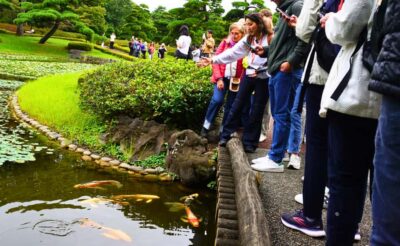
Hiroshima Historical Walking Tour – Why A-Bomb was Dropped
Read our review →
Hiroshima Peace (Heiwa) Walking Tour at World Heritage Sites
Read our review →Browse the lists this tour appears in