
Reviewed · TEMPLE & SHRINE TOURS
Tokyo: Kamakura & Enoshima Day Trip including Temple Tickets
Kamakura packs centuries into one day. This $58 day trip from Tokyo links major temples, a famous shrine, local food streets, and the sea views of Enoshima without making you plan several train rides. I especially like the included Hasedera and Kōtoku-in tickets, plus the chance to see Mt. Fuji from Enoshima when the air is clear.
I also like the mix of guided context and free time. Guides such as Eric, Yuki, Mitsuko, Omar, and Koji have been praised for clear explanations and good timekeeping. The main tradeoff is simple: nine hours goes quickly, and two hours at Enoshima is not enough for a slow visit to every shrine, garden, cave, café, and viewpoint.
In This Review
- Five details that shape the day
- Why Kamakura makes a good break from Tokyo
- Tsurugaoka Hachimangu, Kamakura’s samurai-era shrine
- Komachi Street for one hour of snacks and shopping
- Hasedera and the 9.18-meter Kannon
- Kōtoku-in and the Great Buddha of Kamakura
- Enoshima, where the day turns toward the sea
- Sea Candle, Shrine, Caves, and Benzaiten Street
- How the guide and transport affect the experience
- Is $58 good value?
- Who should book this day trip?
- FAQ
- How long does the Kamakura and Enoshima tour last?
- What is the price?
- Where does the tour start?
- Where does the tour finish?
- Which languages are available?
- Are temple tickets included?
- Is transportation included?
- Can I explore without staying with the guide?
- Can I see Mt. Fuji at Enoshima?
- How early should I arrive?
- Should you book it?
Five details that shape the day
- Tsurugaoka Hachimangu sets the historical tone: Kamakura’s most important shrine connects directly to the city’s samurai past.
- Komachi Street gives you a food break: Use your hour for shirasu dishes, dumplings, croquettes, sweets, or quick shopping.
- Hasedera is the flower stop: Cherry blossoms, hydrangeas, peonies, and autumn leaves change the feel of the temple grounds by season.
- Kōtoku-in includes the Great Buddha ticket: You can see the bronze statue close up and enter its interior.
- Enoshima finishes the tour by the sea: The island offers shrines, caves, shops, seafood, and possible Mt. Fuji views.
- The schedule favors coverage over lingering: It is an excellent first look at the area, but not a full exploration of Kamakura.
Why Kamakura makes a good break from Tokyo
Kamakura was Japan’s political and cultural center during the Kamakura period. That gives the day more weight than a simple sightseeing outing. You are not just moving from one pretty temple to another. You are following the outline of a city shaped by samurai government, Buddhist practice, shrine worship, trade, and coastal life.
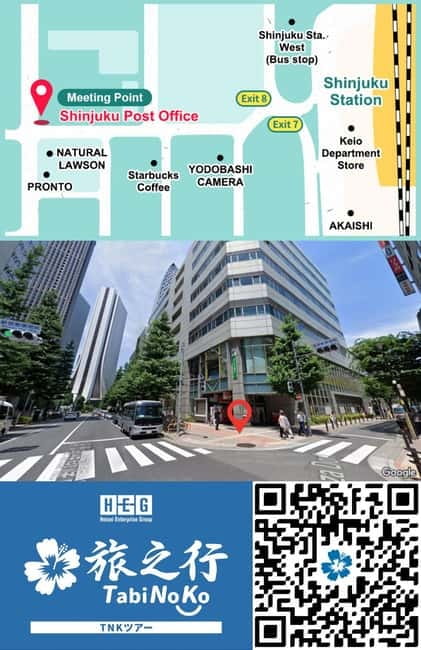
The tour leaves Tokyo in an air-conditioned vehicle and returns to the Shinjuku area. Depending on your booking, you meet at either Shinjuku Post Office or GLOBAL RING CAFÉ, so check the exact option carefully before leaving your hotel. The only stated drop-off area is Shinjuku.
The vehicle may be a bus or a smaller vehicle, depending on group size and conditions. Some departures use assigned seating. That can make the ride easier, especially when the day is full and you want to know where you belong when boarding again.
You need to arrive 10 minutes early. This is not a flexible hop-on, hop-off outing. Traffic can delay the vehicle, and the time at later stops may be adjusted if that happens. Guides have generally been praised for keeping the group on schedule, which matters here because every stop has a firm purpose.
More temple & shrine tours in Japan:
- Kyoto: Fushimi Inari, Kinkakuji, Bamboo Grove 1 Day Bus Tour
★ 4.8 · 4,316 reviews - Kyoto: Tea Ceremony in a Traditional Tea House in Kiyomizu
★ 4.9 · 3,519 reviews - Kyoto: Tea Ceremony Ju-An at Jotokuji Temple
★ 4.9 · 3,207 reviews
Tsurugaoka Hachimangu, Kamakura’s samurai-era shrine
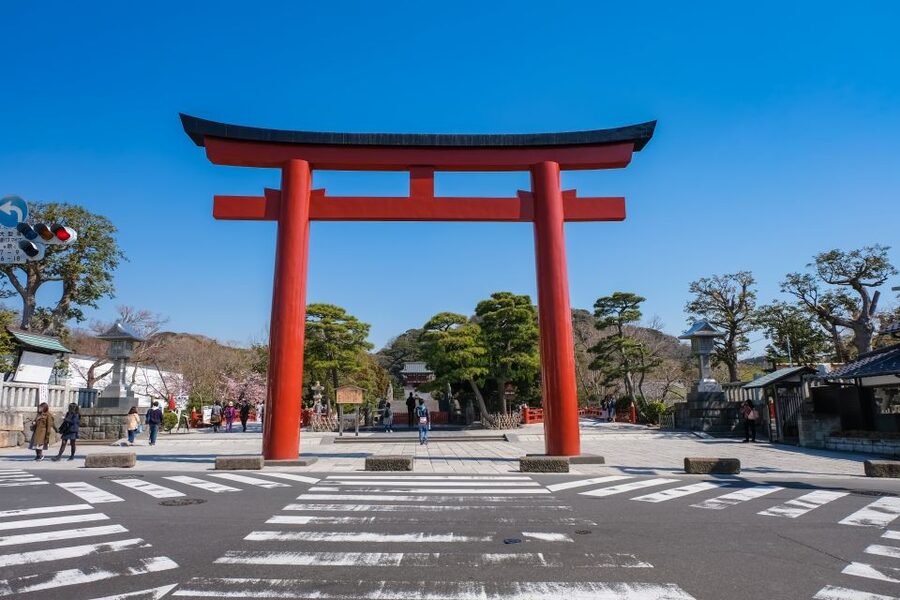
Your first major stop is Tsurugaoka Hachimangu, Kamakura’s best-known shrine and one of Japan’s most visited. It has served as a spiritual anchor for more than 800 years and remains tied to the city’s samurai identity.
The approach gives you a useful sense of scale. This is not a tiny neighborhood shrine tucked behind a side street. It is a major cultural site, with formal grounds, broad paths, and a strong ceremonial feel. Your visit lasts about an hour, including time for photographs, sightseeing, and independent exploring.
The shrine receives about 2.5 million people during New Year’s hatsumode, when people make their first shrine visit of the year. That figure helps explain its importance in Japanese life. Even outside New Year, it can feel busy, so your guide’s meeting instructions and timing are worth taking seriously.
I would use the hour to focus on the main approach, shrine buildings, and the details you might otherwise miss, such as worship customs and the way the complex is arranged. The limitation is that you will not have time to study every corner or visit every small museum nearby. This is a strong introduction, not an exhaustive shrine visit.
Komachi Street for one hour of snacks and shopping
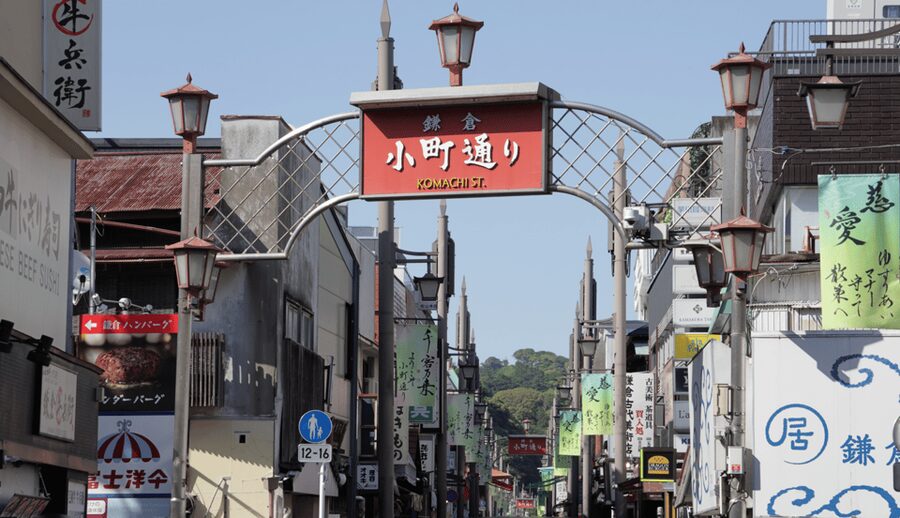
From Kamakura Station, Komachi Street runs roughly 360 to 600 meters toward Tsurugaoka Hachimangu. Around 250 shops line the route, selling traditional goods, modern clothing, souvenirs, sweets, and prepared food.
The hour here works best if you treat it as a tasting stop rather than a full shopping expedition. You might find shirasu dishes, dumplings, croquettes, and other local snacks. Shirasu, or young sardines, is a local specialty around the Shonan coast, so this is a good place to try something tied to the region rather than simply buying another packaged souvenir.
You can also use the break for a proper meal, but watch the clock. One useful tip is to favor a quick vendor or takeaway counter if you want more time later at Enoshima’s caves and viewpoints. Sitting down to eat may make the final island stop feel rushed.
Komachi Street is lively and modern, but it still connects naturally to the old shrine town. I like that contrast. You get a few minutes of everyday shopping and regional food between historic sites, instead of spending the whole day inside temple grounds.
Hasedera and the 9.18-meter Kannon
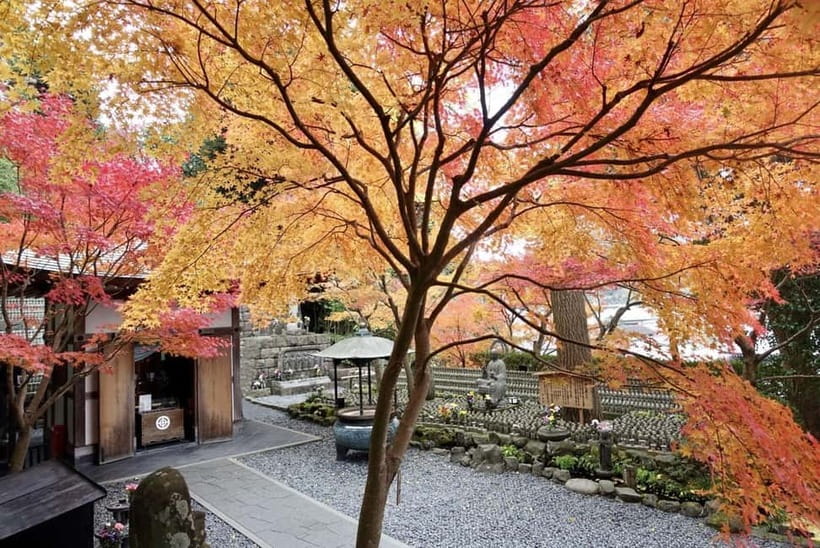
Hasedera is one of Kamakura’s oldest temples, founded in 736. The grounds are known for seasonal flowers, including cherry blossoms, peonies, hydrangeas, and autumn leaves. A visit in June can be especially appealing for hydrangeas, while spring and late autumn bring their own color.
The temple houses a 9.18-meter Eleven-Headed Kannon statue. You may not get a long, quiet viewing, but the statue gives the visit a clear focus. The temple also has views over Kamakura and Sagami Bay, so remember to look beyond the buildings.
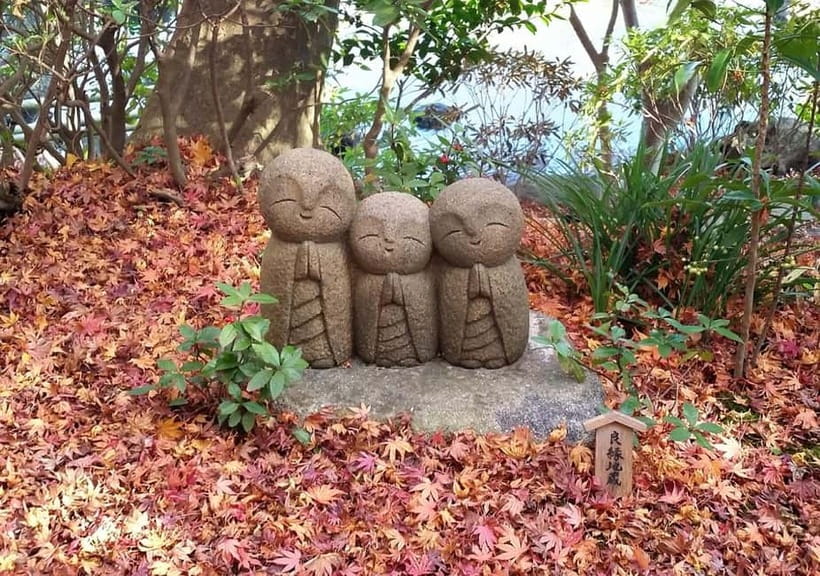
The grounds include small Jizo statues, often associated with children and protection. They add a gentle, human detail to what could otherwise feel like a grand, formal site. I find these small touches help you connect with the temple’s living religious role.
You have about 50 minutes here. That is enough to see the main highlights and walk through part of the grounds, but Hasedera is one place where you may wish for extra time. Paths, stairs, flowers, viewpoints, and religious buildings can easily fill more than an hour, especially during a busy flower season.
The included Hasedera ticket adds real value. You do not need to arrange admission separately, and the group can move straight into the visit.
A few more Japan experiences worth weighing up
- Mt Fuji and Hakone 1-Day Bus Tour Return by Bullet Train
★ 5.0 · 26,383 reviews - 1-Day Tokyo Bus Tour
★ 5.0 · 14,250 reviews - PERFECT KYOTO 1-Day Bus Tour
★ 5.0 · 13,518 reviews - Mt Fuji & Hakone Cruise, Drum Show Bullet Train 1 Day from Tokyo
★ 4.0 · 7,413 reviews
Kōtoku-in and the Great Buddha of Kamakura
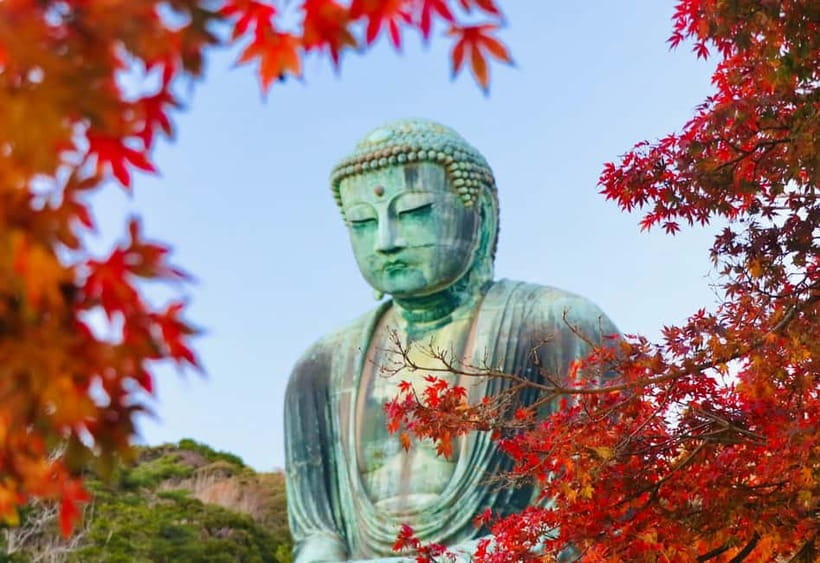
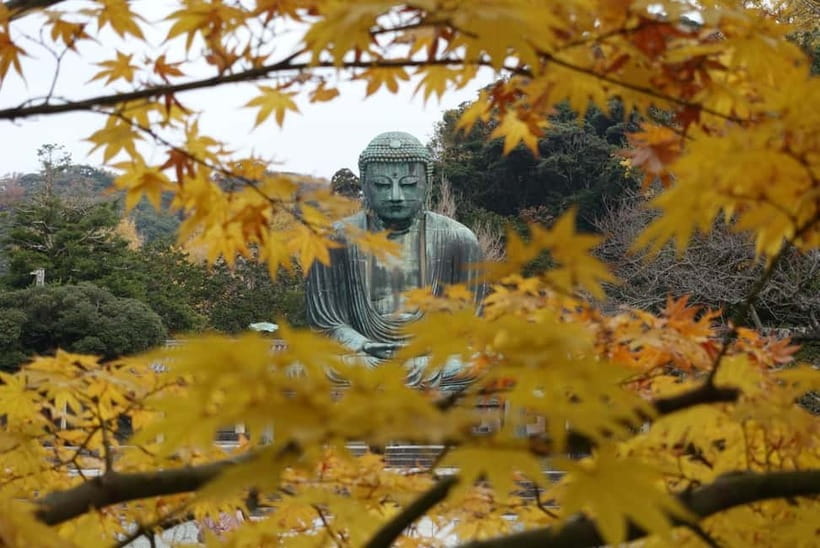
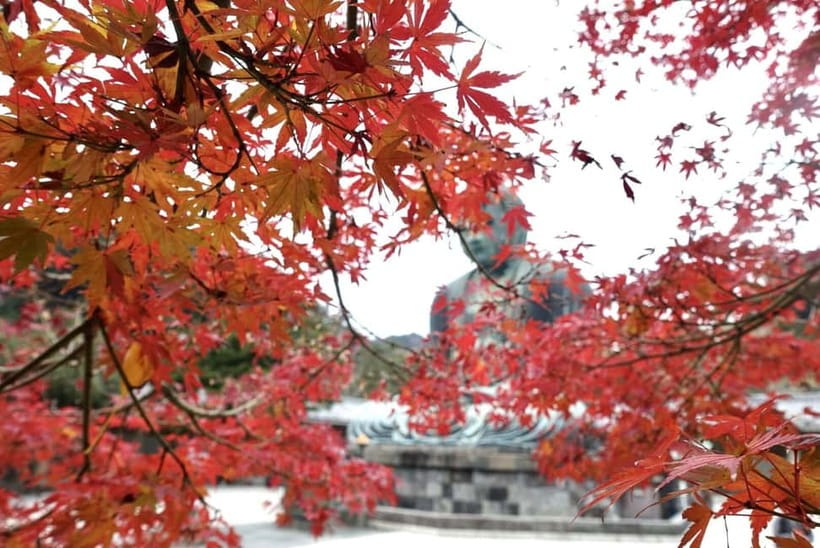
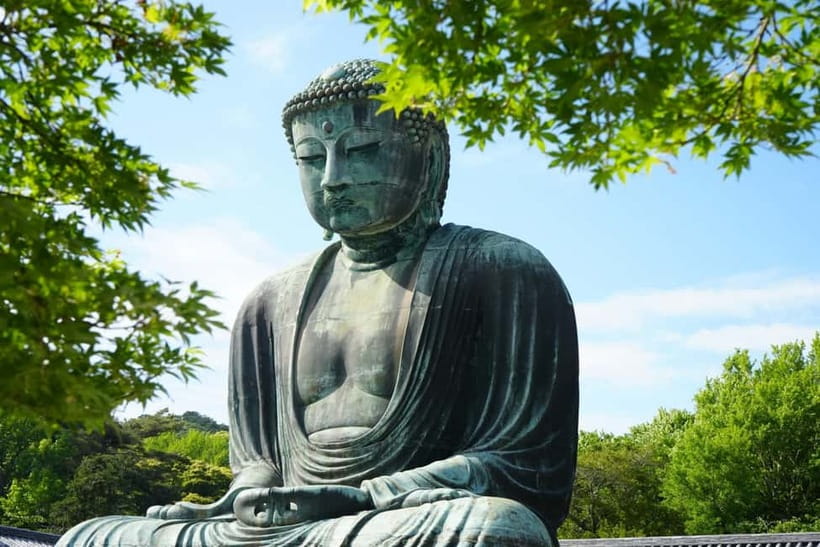
Kōtoku-in is the short, powerful stop. Its Great Buddha is a bronze Amida Buddha about 13.3 meters tall and weighing around 121 tons. The statue is a National Treasure and one of Japan’s most recognizable Buddhist works.
You spend about 30 minutes here. That is enough to walk up to the statue, take photographs from several angles, and appreciate its size without needing a long explanation. The surrounding grounds also have seasonal appeal, with cherry blossoms in spring and autumn leaves later in the year.
You can enter the Great Buddha to see its internal structure. This is a small extra experience, but it changes the statue from a distant monument into a crafted object with a physical interior. Check the available time with your guide, since the visit is brief and the entrance may have a line.
Several people have wished for more time at the Buddha. I agree that 30 minutes is tight if you want the interior, photographs, and a calm look at the grounds. Still, the included Kōtoku-in ticket saves you the trouble of buying admission, and the stop covers the essential sight efficiently.
Enoshima, where the day turns toward the sea
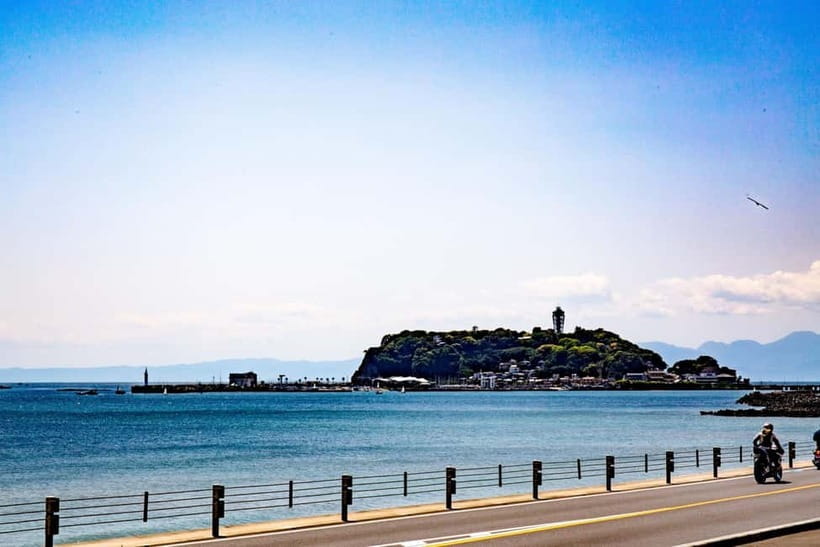
Enoshima gives the tour a different mood. After shrines and temples, you move into a coastal setting with shopping streets, cafés, restaurants, seafood, and views across the Shonan coast.
The island’s main attractions include Enoshima Shrine, the Enoshima Sea Candle observation tower, the Samuel Cocking Garden, and the Enoshima Iwaya Caves. The tour allows about two hours for Enoshima, including free time, food, shopping, and sightseeing.
This is the part of the day where priorities matter. You cannot take your time at every stop, so decide early whether you care most about views, caves, food, or shrine grounds. If Mt. Fuji is visible, you may want to put the higher viewpoints first. Clear air is required, and the view is never guaranteed.
The island has slopes, steps, and walking routes. The schedule includes several named sights, but you should not assume you will explore each one at length. Guides give meeting instructions and may offer the choice of following them or exploring independently. Stay aware of the return time if you split off.
Sea Candle, Shrine, Caves, and Benzaiten Street
The Enoshima Sea Candle is the island’s observation tower. Its height gives you a chance to look over the coast and, on a clear day, toward Mt. Fuji. Even without Fuji, the view helps you understand Enoshima’s position between the sea and the mainland.
Enoshima Shrine is more than 1,000 years old. Its presence adds another layer of worship to a day already filled with religious sites, but it feels different from Tsurugaoka Hachimangu because the island setting and coastal approach shape the visit.
The Enoshima Iwaya Caves are reached on foot and add a more unusual element to the itinerary. They are natural sea caves with a historic religious connection. The cave visit needs time, so a practical approach is to buy food from a vendor rather than sit for a long meal if the caves matter to you.
Benzaiten Shopping Street is the island’s food and shopping route. It is a good place for local snacks, seafood, small gifts, and a final look at Enoshima’s daily tourist life. Fresh seafood is a major reason to save some appetite for this stop.
Some people wish they had more than two hours on Enoshima. That is fair. The island alone can fill a half-day or longer if you want the caves, garden, tower, shrine, and a meal. On this tour, it works best as a well-chosen sampler.
How the guide and transport affect the experience
The guide can make or break a tightly timed day. The strongest guidance reported for this experience includes clear historical explanations, practical photo advice, restaurant suggestions, and careful timekeeping. Eric has been praised for useful background and food recommendations. Yuki, Mitsuko, Omar, Koji, Mitz, Sumi, Yumi, Bande, and Elaine have also been singled out for warmth, organization, or clear English and Chinese explanations.
Guides vary, so the amount of commentary may not be identical on every departure. The tour is designed to let you explore on your own at many stops. That is useful if you want freedom, but it also means you should not expect a continuous lecture from the bus to the final temple.
The vehicle handles the awkward part of the day: moving between several places that would otherwise require local trains, buses, and careful transfers. Kamakura’s narrow streets can be difficult for larger vehicles, and traffic may affect the schedule. A few practical complaints have included a bus that felt too warm at the start and a meeting point that could be easier to find.
The main solution is preparation. Scan the correct QR code for your chosen meeting point, arrive early, and keep your phone available for meeting instructions. If you decide to leave the group before the end, tell the guide and complete the required departure form.
Is $58 good value?
At $58 per person, this is strong value for a first visit to Kamakura and Enoshima. You receive transport in an air-conditioned vehicle, an English or Chinese-speaking guide, and admission to Hasedera and Kōtoku-in. You also avoid the work of arranging a multi-stop route from central Tokyo.
The value is highest if you want coverage. In one day, you see a major shrine, a shopping street, two important temples, the Great Buddha, and several Enoshima sights. For a visitor with limited time in Tokyo, that is a lot of ground.
The price is less attractive if you already know Kamakura well or prefer slow temple visits. Independent travel lets you spend much longer at Hasedera, Kōtoku-in, or Enoshima. You would also have more control over meal times and smaller sites.
I see this as a preview with structure, not the final word on the region. Several people who enjoyed the day still planned to return and spend longer at the places that caught their attention. That is exactly how I would use it.
Who should book this day trip?
I recommend it for first-time visitors to the Kamakura area, families, couples, and solo visitors who do not want to manage local transport. It also suits anyone who wants history, religious sites, food, and coastal scenery in one outing.
Families may appreciate the simple transport plan and the mix of open grounds, snacks, the Great Buddha, and caves. One family traveling with a baby found the group supportive, but you should still expect plenty of walking and a full day.
Photography fans will enjoy the variety, especially during cherry blossom, hydrangea, or autumn-leaf seasons. Fuji watchers should choose a clear-weather day if possible, though visibility cannot be promised.
This is not the best fit for you if your priority is a quiet, detailed study of one temple, a long seafood lunch, or a complete tour of Enoshima. The pace is organized and generally calm, but it remains a packed excursion.
FAQ
How long does the Kamakura and Enoshima tour last?
The tour lasts 9 hours, or 570 minutes, including transportation and visits to Kamakura and Enoshima.
What is the price?
The listed price is $58 per person.
Where does the tour start?
The starting location may be Shinjuku Post Office or GLOBAL RING CAFÉ, depending on the option booked. Check your selected meeting point and scan the correct QR code.
Where does the tour finish?
The available drop-off location is in the Shinjuku area, with Shinjuku Post Office listed as the return point.
Which languages are available?
Live guiding is available in English and Chinese.
Are temple tickets included?
Yes. Admission tickets for Hasedera and Kōtoku-in are included.
Is transportation included?
Yes. Transportation is provided in an air-conditioned vehicle. The vehicle size may change according to group size or conditions on the day.
Can I explore without staying with the guide?
At several stops, you can follow the guide or explore independently, as long as you return to the vehicle at the agreed time. If you leave the tour before the end, tell the guide and complete the departure form.
Can I see Mt. Fuji at Enoshima?
You can see Mt. Fuji from higher points on Enoshima when the weather and visibility are clear. The view is not guaranteed.
How early should I arrive?
Arrive at the designated meeting point 10 minutes before departure. The vehicle leaves on time, even if a late arrival is caused by confusion about the meeting location.
Should you book it?
Book this tour if you want a well-organized first look at Kamakura and Enoshima for a reasonable price. Its best features are the efficient route, included temple admissions, capable guides, and the broad range of sights.
Skip it if you want to linger. For everyone else, this is a practical way to get beyond Tokyo for a day, eat something local, meet the Great Buddha face to face, and finish beside the sea. Just keep your meals quick, your shoes comfortable, and your watch handy at Enoshima.
Just added around Japan
- Kanazawa private half day/Photoshoot by professional photographer★ 5.0 · 38 reviews
- Osaka Food Tour with 10 Classic Japanese Tastings & Drinks★ 5.0 · 38 reviews
- Osaka: Highlights & Hidden Gems Private Walking Tour★ 4.7 · 38 reviews
- Tokyo Small Group Tour with Guide★ 4.5 · 38 reviews
- Tokyo 6hr Instagram Highlights Private Tour with Licensed Guide★ 5.0 · 38 reviews
- From Tokyo: Kamakura Private Customize Tour by Luxury Van★ 4.6 · 38 reviews
- Tokyo Sumo Experience with Live Show & Audience Challenge★ 5.0 · 38 reviews
- Kyoto: Private Customizable Day Trip by Car★ 5.0 · 38 reviews
Temple & Shrine Tours, compared.
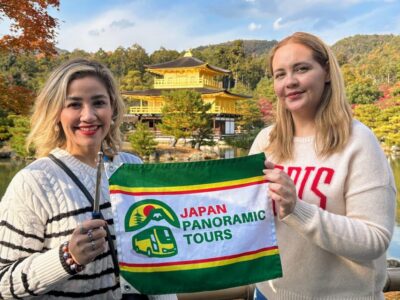
Fushimi Inari, Kinkakuji, Bamboo Grove 1 Day Bus Tour
Read our review →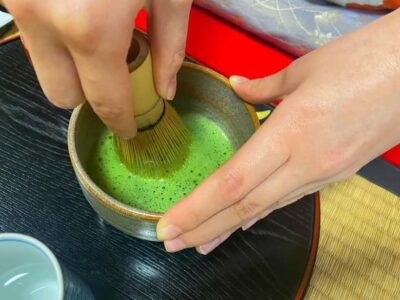
Tea Ceremony in a Traditional Tea House in Kiyomizu
Read our review →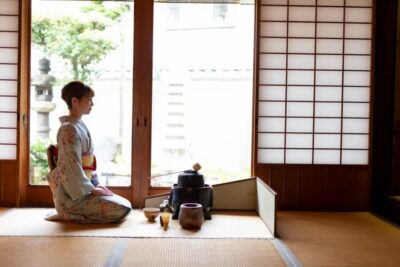
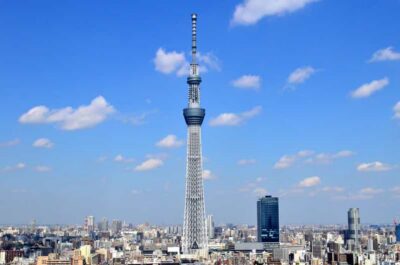
Meiji Shrine, Asakusa, Skytree Bus Tour and Cruise
Read our review →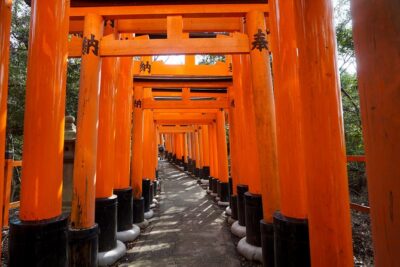
Fushimi Inari Hidden Hiking Tour (Private Option Available)
Read our review →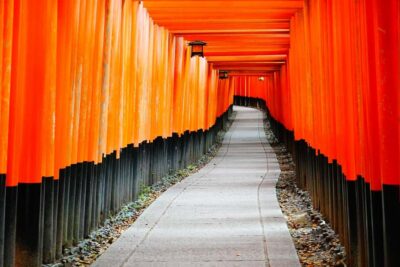
Osaka/Kyoto:Kinkakuji,Arashiyama,FushimiInariShrine,NaraPark
Read our review →
Asakusa Walking Tour with Sensoji Temple Visit
Read our review →
Nikko: Kegon Falls, Lake Chuzenji & Toshogu Temple
Read our review →Browse the lists this tour appears in