
Reviewed · WALKING TOURS
Osaka: Highlights & Hidden Gems Private Walking Tour
Osaka rewards a curious walk. This private tour pairs you with a local guide for Dotonbori’s neon spectacle and quieter corners such as Hozenji Yokocho, while shaping the route around your interests. I like the personal matching and the freedom to choose between two and eight hours. The main catch is that food, transit, and ticketed sights cost extra, and you need to tell the operator in advance if you want a history-heavy route.
I also like the chance to see Osaka through districts locals use, not just its famous signs. Guides such as Maria, Kieran, Antoine, Boris, and others have earned warm praise for clear advice, patience, and flexibility. Still, the experience works best when you speak up early: one guest expected more historical sites and found the market easy enough to visit without a guide.
In This Review
- Key points to know before booking
- A private introduction to Osaka’s street life
- The first decision: food, history, shopping, or local life
- Namba and Kuromon Market: Osaka with an appetite
- Hozenji Yokocho and Sennichimae’s practical Osaka
- Soemon-cho and the many moods of Dotonbori
- Den-Den Town for games, anime, and electronics
- Shinsaibashi and America-mura: Osaka’s younger side
- Shinsekai and the Osaka locals use
- What the guides do best
- Walking, timing, and accessibility
- Is $67 per person good value?
- Who should book this Osaka walking tour?
- FAQ
- How much does the Osaka private walking tour cost?
- How long does the tour last?
- Is the itinerary fixed?
- Can I request specific Osaka neighborhoods?
- Is the tour private?
- Are food and drinks included?
- Is transportation included?
- Can the guide meet me at my hotel?
- What languages are available?
- Is the tour wheelchair accessible?
Key points to know before booking
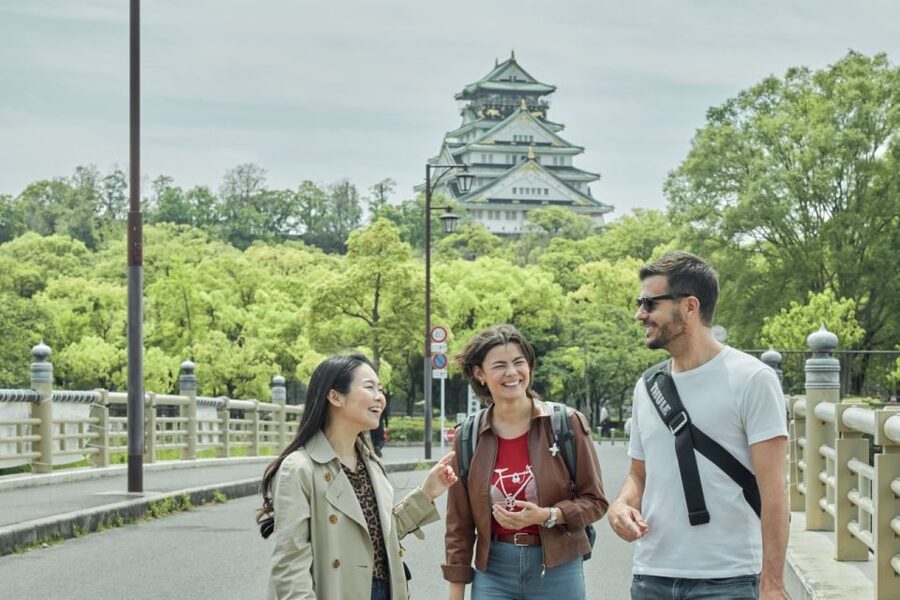
- Your route is personal, not fixed: The guide plans around your interests, walking pace, and chosen duration.
- Osaka’s famous and less familiar sides meet: Expect possible stops around Dotonbori, Kuromon Market, Hozenji Yokocho, Shinsekai, and America-mura.
- A private group keeps the pace flexible: Groups are normally limited to six people, so you can pause for photos or change direction.
- The market is a food stop, not a meal package: Seafood and street food are available to buy, but food and drinks are not included.
- History needs to be requested: If temples, old neighborhoods, or Osaka’s past matter to you, say so before the tour.
- The longer options offer better value: Two hours can cover one compact area, while six to eight hours allow a fuller city walk.
A private introduction to Osaka’s street life
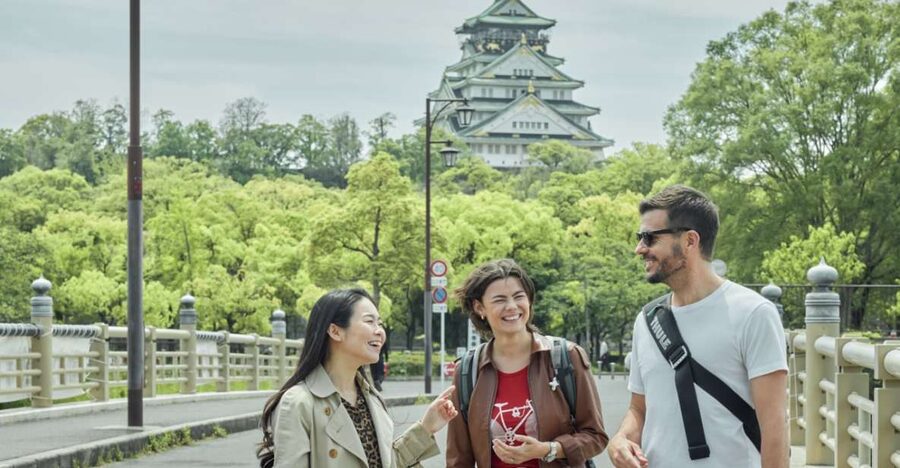
Osaka can feel like several cities packed into one. There are canals, huge food signs, old alleys, shopping arcades, anime stores, kitchen-supply shops, and entertainment streets that change character from one block to the next.
That is where a private guide earns the fee. You are not simply following a flag through a standard route. You can ask why a neighborhood matters, how to order a dish, which streets suit your interests, or where to spend the rest of your stay.
The price is listed at $67 per person, though the final value depends on your group size and tour length. For a small group taking a two-hour walk, it is a fair orientation service. For six to eight hours with several people sharing the cost, it becomes more attractive, especially if your guide helps you use your time well and sends tailored suggestions afterward.
You should think of this as a guided city introduction, not an all-inclusive excursion. Transportation, food, drinks, and entry fees are separate. A train ride to Namba may be part of the suggested route, but you should expect to pay that fare yourself unless extra arrangements are made.
More Hidden Gem Tours in Osaka
- Osaka Kickstart: Hotspots & Hidden Gems Tour
★ 5.0 · 1,306 reviews - Osaka: Hotspots & Hidden Gems Walking Tour Private or Group
★ 4.9 · 1,300 reviews - Ultimate Osaka Walking Tour: Castle, Dotonbori & Hidden Gems
★ 5.0 · 862 reviews
The first decision: food, history, shopping, or local life
The most important step comes before you meet. Tell the operator what you want to see, how much walking suits you, and what you want to avoid. The team asks for at least 72 hours so it can arrange a better match and plan the route.
You might ask for a food-focused walk through Namba and Kuromon Market. You might prefer old Osaka, with Hozenji Yokocho and Soemon-cho. You could request pop culture, shopping, neighborhood life, or a mix of famous sights and quieter streets.
This matters because the advertised places are examples rather than a guaranteed checklist. Your host chooses the stops based on your preferences. If you want historical areas, say that plainly. One person enjoyed the guide but felt the route did not include enough history, a useful warning for anyone expecting temples and heritage sites without requesting them.
The personality match also matters. A guide who is chatty and flexible may suit you if you want local advice and spontaneous stops. If you want a tight historical explanation, make that clear. The best results come when you treat the pre-tour conversation as part of the booking, not as a minor formality.
Namba and Kuromon Market: Osaka with an appetite
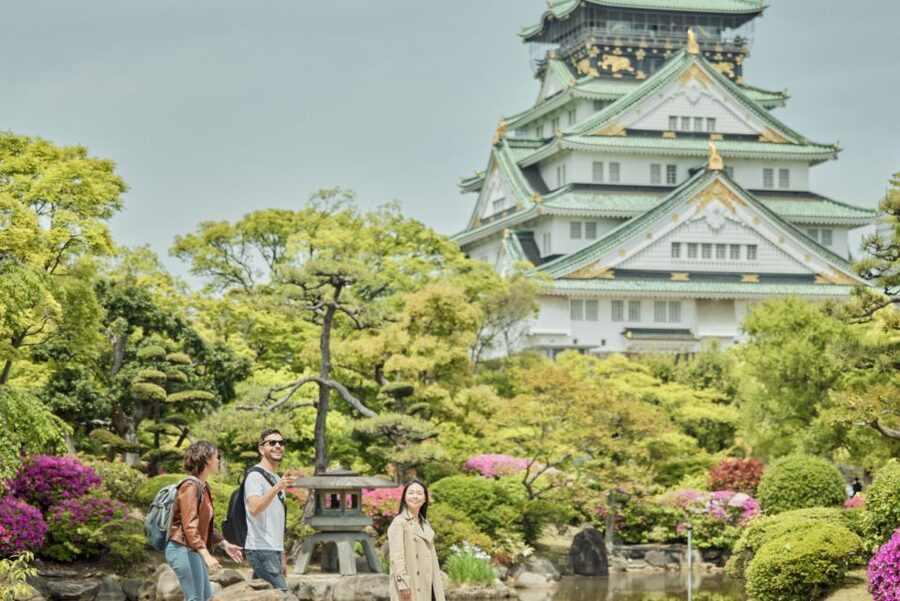
A route through Namba gives you a quick lesson in Osaka’s energy. This entertainment district draws locals at all hours, with food, shopping, bars, and bright streets close together.
Kuromon Market adds a more direct look at the city’s food culture. The covered market includes more than 100 shops and vendors selling seafood, street food, souvenirs, and cooking ingredients. You might point to scallops, sea urchin, or another item and have it cooked in front of you, but remember that these purchases are extra.
The market is easy to enjoy without help if you only want to stroll and buy food. A guide becomes more useful when you want to understand what you are seeing, ask questions, communicate with vendors, or connect the market to Osaka’s eating habits.
I would not book the tour solely for Kuromon Market. You can visit it independently. I would book the guide if you want the market to be one part of a larger walk that includes neighborhood context, local customs, and advice for the rest of your visit.
The market can also shape the pace. Food stops take time, especially if you pause for photos or try several small portions. A two-hour tour may disappear quickly here, so ask for a clear plan if you want to add Hozenji Yokocho or Dotonbori afterward.
Hozenji Yokocho and Sennichimae’s practical Osaka
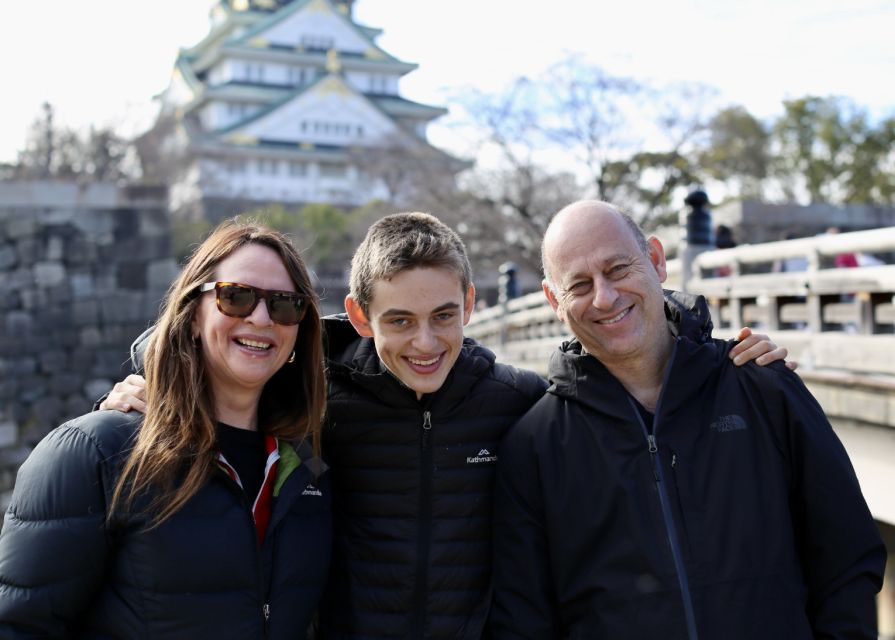
Hozenji Yokocho is one of the most appealing stops on the route. Its stone pavement, old-style bars, and long-running restaurants offer a sharp contrast to the giant screens and loud signs nearby.
This is the kind of place where a guide can add useful context. You can ask about the alley’s atmosphere, the style of restaurants, and how it fits into Osaka’s older entertainment culture. It is compact, atmospheric, and easy to combine with Dotonbori.
Sennichimae Kitchenware Street shifts the focus from eating to the tools behind it. Shops here sell kitchen utensils and food supplies, making the street a fun stop even if you do not plan to buy anything.
I like this pairing because it gives you two sides of Osaka. Hozenji Yokocho shows a preserved old lane, while Sennichimae shows the practical trade that supports the city’s food scene. If you enjoy cooking, restaurants, or unusual souvenirs, tell your guide to give this area enough time.
More Walking Tours in Osaka
- Osaka Local Foodie Walking Tour in Dotonbori and Shinsekai
★ 5.0 · 985 reviews - Osaka Bar Hopping Night Walking Tour in Namba (3 bars, 6 tastes)
★ 5.0 · 958 reviews - Osaka: Deep Backstreets Walking Tour with Dinner Option
★ 4.9 · 902 reviews - Osaka: Main Sights and Hidden Spots Guided Walking Tour
★ 4.9 · 702 reviews
Soemon-cho and the many moods of Dotonbori
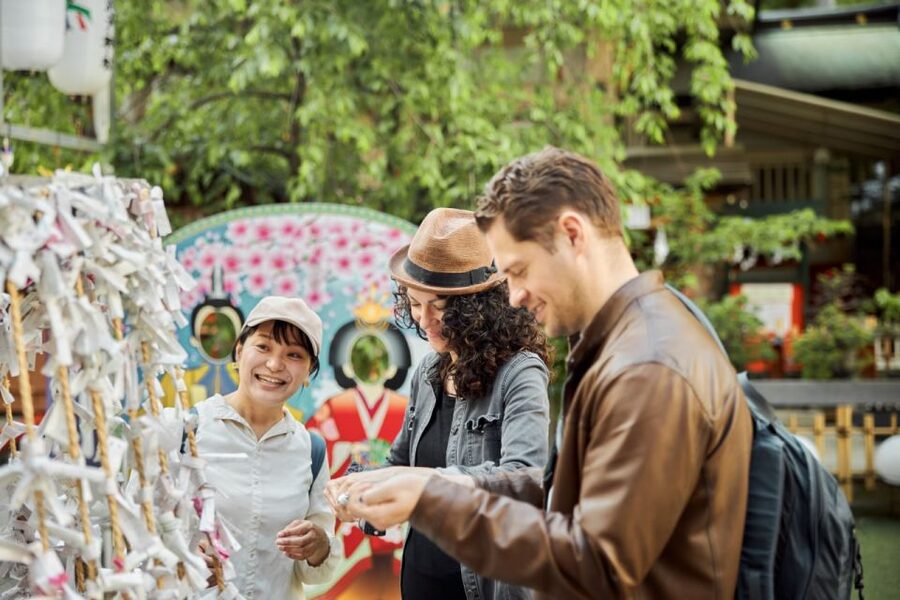
Soemon-cho has more than 400 years of history and remains tied to Osaka’s nightlife. You can peer into the restaurants and bars along the district, then compare the older street pattern with Dotonbori’s modern visual overload.
Dotonbori is the city’s postcard moment. Huge food signs and flashing lights line the canal-side district, and the famous Glico Running Man above Ebisubashi Bridge is the obvious photo stop.
The area can be crowded and noisy, which is part of its appeal and part of its nuisance. You get a strong sense of Osaka’s theatrical food culture, but not much peace. A guide helps you move through it with purpose rather than wandering in circles beneath the signs.
Do not expect Dotonbori to feel like a quiet introduction to Japan. It is loud, commercial, and proudly showy. That makes it valuable as a snapshot of Osaka, but you will want Hozenji Yokocho or another calmer stop for balance.
Den-Den Town for games, anime, and electronics
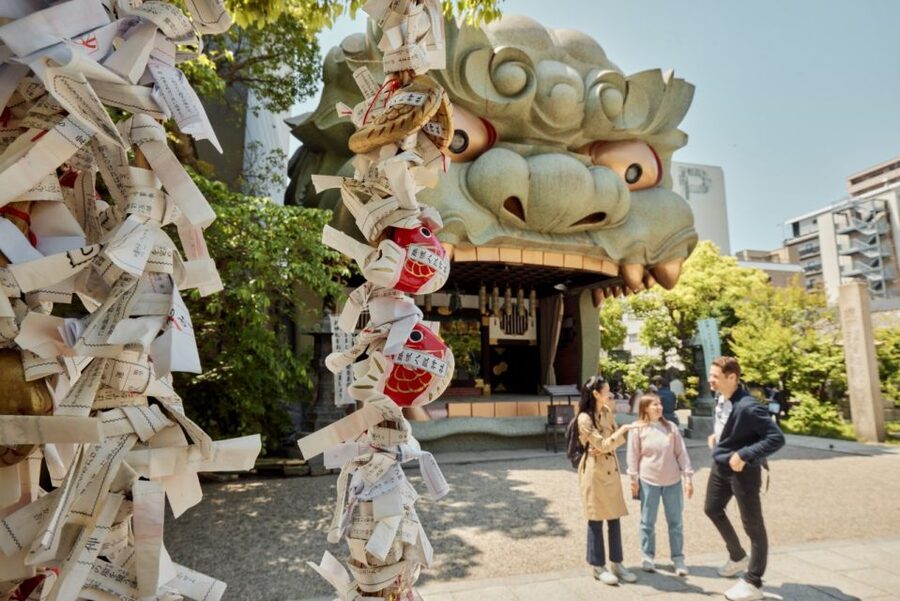
Den-Den Town is the stop for your inner hobbyist. Its shops focus on cameras, computers, games, anime, and other parts of pop culture.
The value here depends entirely on your interests. If you enjoy electronics, gaming, or anime, ask for time to browse instead of treating the area as a quick pass-through. If those subjects do not interest you, use your private itinerary for food, history, or neighborhoods instead.
A guide can help you decide how the district fits your day, but the information supplied does not promise special shopping discounts or arranged purchases. Keep expectations practical. This is a chance to explore the area with local direction, not a guaranteed shopping service.
Shinsaibashi and America-mura: Osaka’s younger side
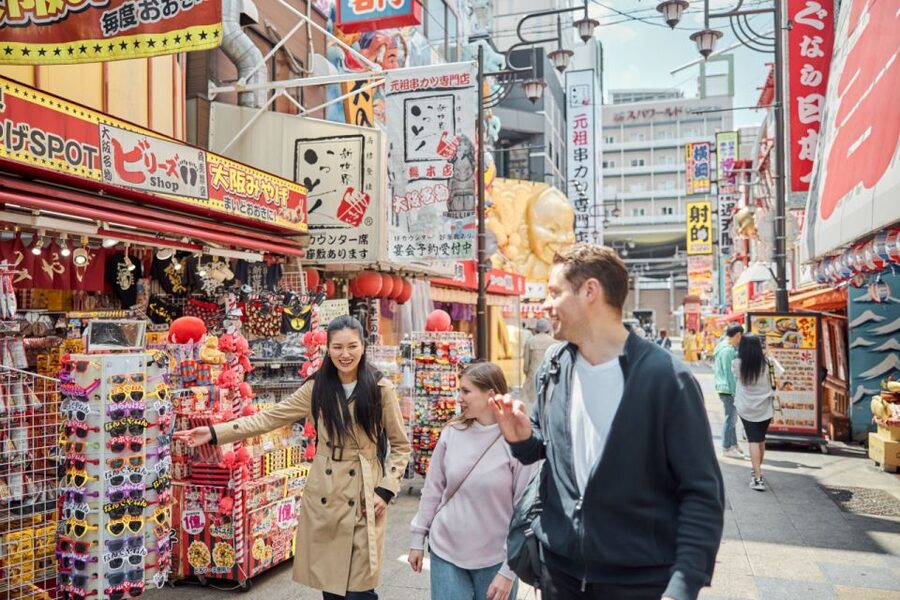
After Dotonbori, you may walk toward Shinsaibashi and America-mura. Shinsaibashi is associated with shopping, while America-mura brings a younger, more creative mood.
America-mura includes retro stores, independent galleries, and cafés. It is a good counterpoint to the old lanes around Hozenji and the food-centered streets near Kuromon.
This section suits you if you like browsing, design, vintage items, and casual cafés. It may be less useful if your main goal is traditional Osaka. Again, the private format helps because you can ask to shorten or skip it.
The route also shows why duration matters. In two hours, you may see only one or two districts. With four hours, you can link a market, old alley, and major entertainment zone. Six to eight hours gives you room for a broader route, though extended walking can become tiring, especially after several days of sightseeing.
Shinsekai and the Osaka locals use
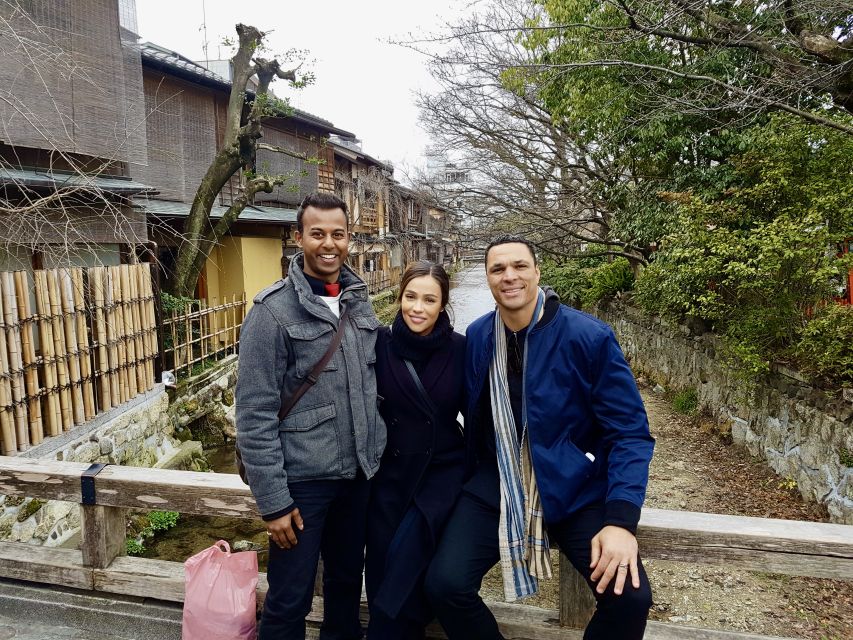
Shinsekai is named as one of the areas local people enjoy, and it offers another view of the city beyond the polished shopping streets. The district is tied to Osaka’s everyday entertainment culture and is often included when people want a more local-feeling route.
The exact stops depend on your host, so do not assume Shinsekai is guaranteed. Request it if the district interests you. The same applies to any specific historical site or neighborhood.
This is one of the better reasons to choose a private walk. You can ask what makes an area important to residents, not just what makes it famous online. You may also receive advice for the rest of your stay, an included benefit that can be especially useful early in your Osaka visit.
What the guides do best
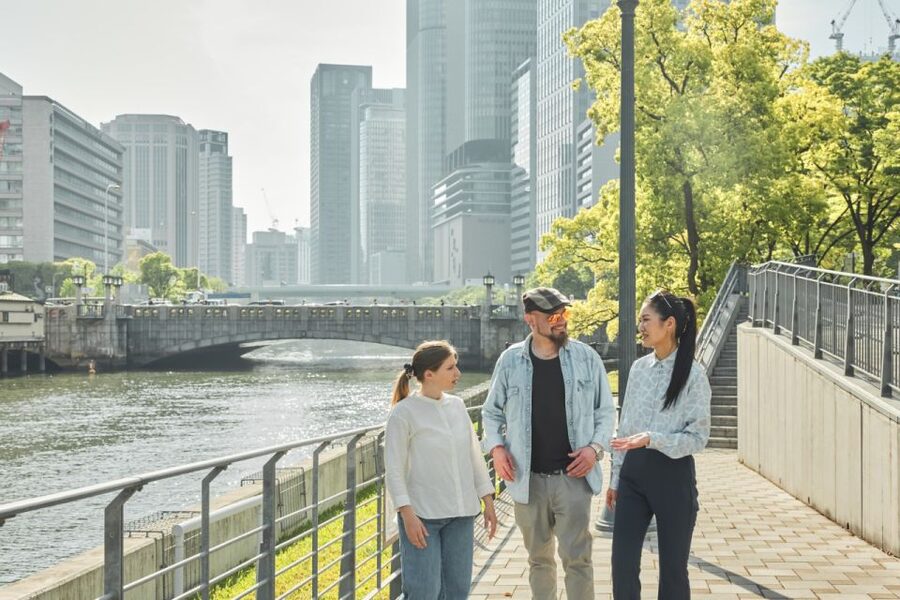
The strongest pattern from the guide feedback is personal care. Maria received praise for her patience, strong English, fluent Japanese, local experience, and attention to the heat. She allowed time for photos and kept the day comfortable rather than rushing from one checkpoint to another.
Another guide, Antoine, was described as easygoing and flexible after the group arrived tired from earlier walking in Tokyo. Kieran was praised for being fun and offering useful advice, while Boris was noted for clear information.
These details point to the main strength of the experience: the human element. You are paying for a person who can adjust the day, explain local customs, help with practical questions, and suggest what to do next.
The guide quality can still vary, as it does with any service based on individual matching. You should send specific requests before arrival rather than assume the guide will know your priorities. Ask for history if you want history. Ask for food explanations if you want food. Ask for a slower pace if you want time for photos.
Walking, timing, and accessibility
The tour lasts from two to eight hours, with starting times based on availability. Because walking is central to the experience, choose the duration honestly. A long route through Namba, Kuromon, Dotonbori, Shinsaibashi, and America-mura can cover a lot, but it can also be tiring.
Private groups are normally no larger than six people. If your party is bigger, state that when booking so arrangements can be made. A smaller group makes it easier to hear the guide, stop when you wish, and change the plan.
A hotel meeting is available on request from a central location. The meeting point can vary by option, so confirm it before the day. The activity is wheelchair accessible, but the exact route still depends on the personalized plan. If you have mobility needs, include them with your other requirements so the operator can adapt the outing.
English and Japanese guides are available. The individual guides praised for language ability show why communication can be a major benefit, particularly in markets and restaurants, but the available information does not promise that every guide speaks additional languages.
Is $67 per person good value?
At $67 per person, this is not the cheapest way to see Osaka’s main streets. You can walk through Dotonbori, visit Kuromon Market, and photograph the Glico sign on your own.
The price makes more sense when you value time, conversation, and planning. A private guide can connect several areas, help you choose what deserves attention, and give you ideas for the rest of your stay. For a small group, that convenience may outweigh the cost of figuring out every connection yourself.
It is less convincing if you want only a market visit or a photo walk. Food and drinks are separate, transportation is separate, and ticketed attractions are not included. Extra arrangements can be made for these needs, but they cost more.
The best value comes from booking enough hours for your goals. A short session is useful for orientation in one district. A longer session offers a better chance to combine famous sights with less obvious streets and still have time to ask questions.
Who should book this Osaka walking tour?
I would recommend it to first-time visitors who want a fast, personal introduction to Osaka. It also suits families, couples, and small groups with different interests because the route can change around you.
Food lovers will appreciate Kuromon Market and the restaurant districts. Pop culture fans should request Den-Den Town. Shoppers may prefer Sennichimae Kitchenware Street, Shinsaibashi, and America-mura. People interested in Osaka’s past should specifically request Hozenji Yokocho, Soemon-cho, and other historical areas.
I would be cautious if you dislike walking, want a fully included food experience, or expect every listed district to appear. I would also skip it if your only plan is to visit Kuromon Market, since that stop is accessible without a guide.
Book at least 72 hours ahead and send a clear wish list. Choose a longer option if you want several neighborhoods. With the right expectations, this private walk can turn Osaka’s noisy, confusing center into a city you can read more easily.
FAQ
How much does the Osaka private walking tour cost?
The listed price is $67 per person. Food, drinks, transportation, and entry to ticketed attractions are not included.
How long does the tour last?
You can book a tour lasting from two to eight hours. Starting times depend on availability.
Is the itinerary fixed?
No. The itinerary is personalized according to your interests, personality, and the number of hours booked. The places visited may differ from the examples provided.
Can I request specific Osaka neighborhoods?
Yes. You should tell the local operator about your preferred areas and special requirements after booking. Request historical areas in advance if that is important to you.
Is the tour private?
Yes. It is offered as a private group experience. Groups are normally no larger than six people.
Are food and drinks included?
No. Food and drinks are not included, though they can be arranged at an additional cost.
Is transportation included?
No. Transportation is not included. Additional transportation arrangements can be made at extra cost.
Can the guide meet me at my hotel?
A hotel meet-up is available upon request from a central location. The exact meeting point depends on the option booked.
What languages are available?
Live guides are available in English and Japanese.
Is the tour wheelchair accessible?
Yes, the activity is listed as wheelchair accessible. Share any specific requirements in advance so the personalized route can be planned appropriately.
Just added around Osaka
- Osaka Food Tour with 10 Classic Japanese Tastings & Drinks★ 5.0 · 38 reviews
- Kyoto private tour (Shore excursion available from Osaka or Kobe port)★ 5.0 · 39 reviews
- Osaka Private Day Trip – Enjoy Your First-Time Visit to Osaka!★ 5.0 · 39 reviews
- Kyoto & Nara & Uji: Full Day Sightseeing Tour from Osaka or Kyoto★ 4.5 · 39 reviews
- Authentic SUSHI Course Cooking Class★ 5.0 · 39 reviews
- Osaka: Mind & Spirit Balance Temple Reiki Healing★ 5.0 · 41 reviews
- Osaka Afternoon Walking Tour with Osaka River Cruise★ 3.5 · 42 reviews
- Osaka: Gluten-Free Ramen and Gyoza Cooking Class★ 5.0 · 42 reviews
Walking Tours, compared.
Kyoto Geisha Walking Tour: Gion District & Hidden Gems
Read our review →
Tokyo Tsukiji Fish Market Food and Culture Walking Tour
Read our review →
Gion Magical Night Walking Tour with Geisha Trivia
Read our review →
Imperial Palace and Shogun Historical Walking Tour
Read our review →
Gion Geisha District Walking Tour – Stories of Geisha
Read our review →
Shinjuku Local Bar and Izakaya Guided Walking Tour
Read our review →
Browse the lists this tour appears in