
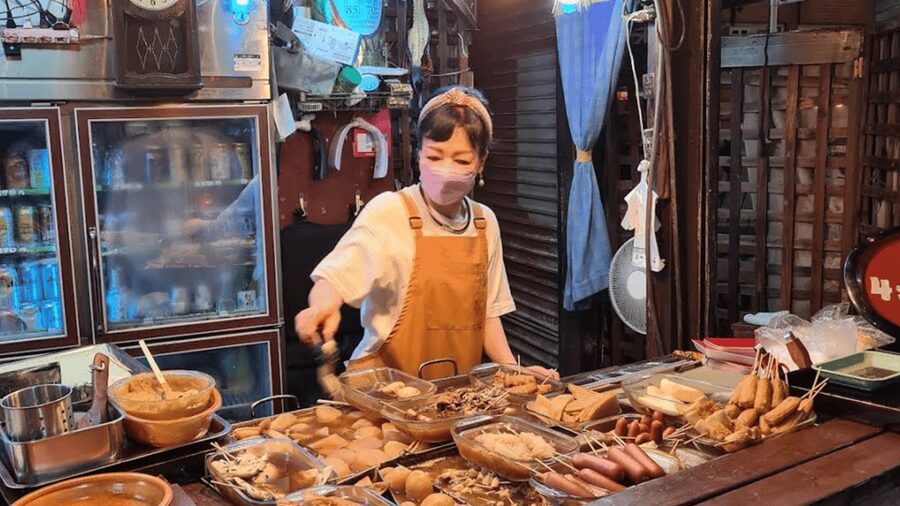
Reviewed · WALKING TOURS
Osaka: Deep Backstreets Walking Tour with Dinner Option
Old Osaka still has secrets. This three-hour walk leads you through retro arcades, oddball markets, winding lanes, abandoned properties, and a preserved Taisho-Era red light district that most visitors would miss. I like the candid look at Japanese society, including difficult subjects usually skipped on standard sightseeing walks. I also like the food stops, where two local side dishes add taste and character to the evening. The main drawback is clear: this is not a family tour and some topics may feel too blunt for people seeking a polished, comfortable Osaka introduction.
The $40 price is fair for 210 minutes with a live English-speaking guide and two food samples. Add dinner if you want the evening to continue around a restaurant table. I would book this early in your Osaka stay, since the stories may change how you understand the city for the rest of your visit.
In This Review
- Key points before you book
- Why this Osaka walk feels different
- Retro arcades and old Osaka entertainment
- Back alleys, local snacks, and a slower pace
- The abandoned properties and Osaka’s uncomfortable past
- The Taisho-Era red light district
- What the guides add to the evening
- Adding dinner after the three-hour walk
- The $40 price and practical details
- Who should book this Osaka experience?
- Should you book the Deep Backstreets Walking Tour?
- FAQ
- How long does the Osaka Deep Backstreets Walking Tour last?
- What language is the tour conducted in?
- Is dinner included?
- What food is included during the walking tour?
- Can I skip the red light district?
- Is the tour suitable for children?
Key points before you book
- Retro Osaka comes first: Expect old-fashioned markets, Japanese games, unusual entertainment venues, and a look at how locals spend an evening.
- The back alleys are the real setting: You walk through narrow lanes and lesser-seen neighborhoods rather than the usual Osaka sights.
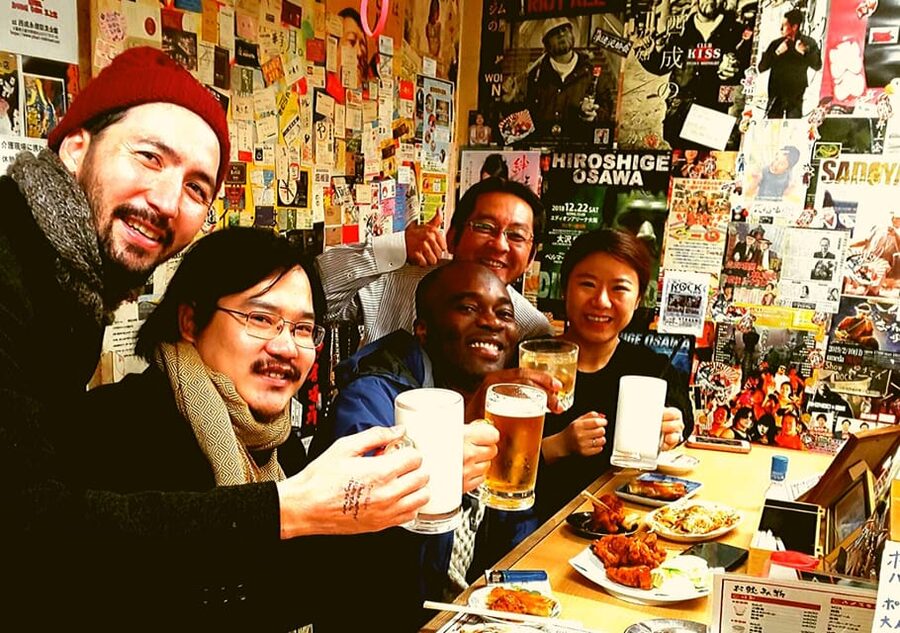
- Two side dishes are included: Food comes from two separate stalls, while drinks cost extra.
- The subject matter is blunt: Guides discuss the Yakuza, sexism, war, illegal gambling, sex work, homelessness, welfare, pachinko, and other difficult parts of society.
- The red light district is optional: You can walk through the historic area or take a separate route.
- Dinner is an add-on: The meal has been praised for its quality and variety, but drinks are not included.
Why this Osaka walk feels different
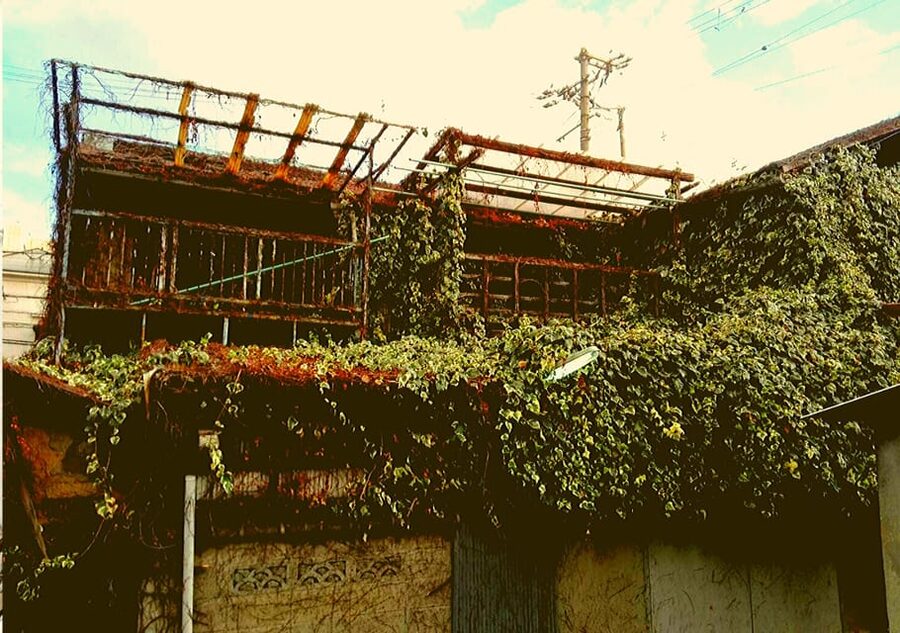
Most first-time Osaka walks stay around bright shopping streets, famous food districts, and easy photo stops. This one turns away from the glossy version of the city and asks you to pay attention to what sits behind it.
That does not mean the tour is simply a parade of gloomy buildings. The evening begins with playful, distinctly Japanese places: retro video game parlors, old-fashioned markets, unusual fishing restaurants, and a glimpse of an Osaka theater. These stops give you a feel for local entertainment before the mood grows more serious.
I like that contrast. Osaka can be loud, funny, rough-edged, generous, and complicated within a few blocks. The tour tries to show all of those sides rather than reducing the city to neon signs and street food.
The experience has a 4.9 out of 5 rating from 902 ratings, and the strongest praise goes to the guides. Knox, Rudy, Taka, Brian, Bennett, Mari, Joseph, Tommy, and others are described as warm, funny, candid, and easy to talk with. Since guide assignments vary, your experience will depend partly on who leads your group, but the repeated praise points to a strong guiding team.
More Walking Tours in Osaka
- Osaka: Hotspots & Hidden Gems Walking Tour Private or Group
★ 4.9 · 1,300 reviews - Osaka Local Foodie Walking Tour in Dotonbori and Shinsekai
★ 5.0 · 985 reviews - Osaka Bar Hopping Night Walking Tour in Namba (3 bars, 6 tastes)
★ 5.0 · 958 reviews
Retro arcades and old Osaka entertainment
The opening section helps you reset your expectations. Instead of heading straight to a famous temple or food street, you get a look at the older, stranger side of urban entertainment.
Retro game parlors are more than a quick novelty stop. They help show how Japan’s leisure culture developed outside the grand tourist attractions. You might see games and pastimes that are unfamiliar even if you have spent time in modern Japanese arcades.
The route also includes old-fashioned markets and a look at unusual restaurant concepts, including fishing restaurants. These details make the walk feel local without pretending that every stop is untouched by change. Osaka is a modern city, but old habits and older forms of entertainment still appear in its side streets.
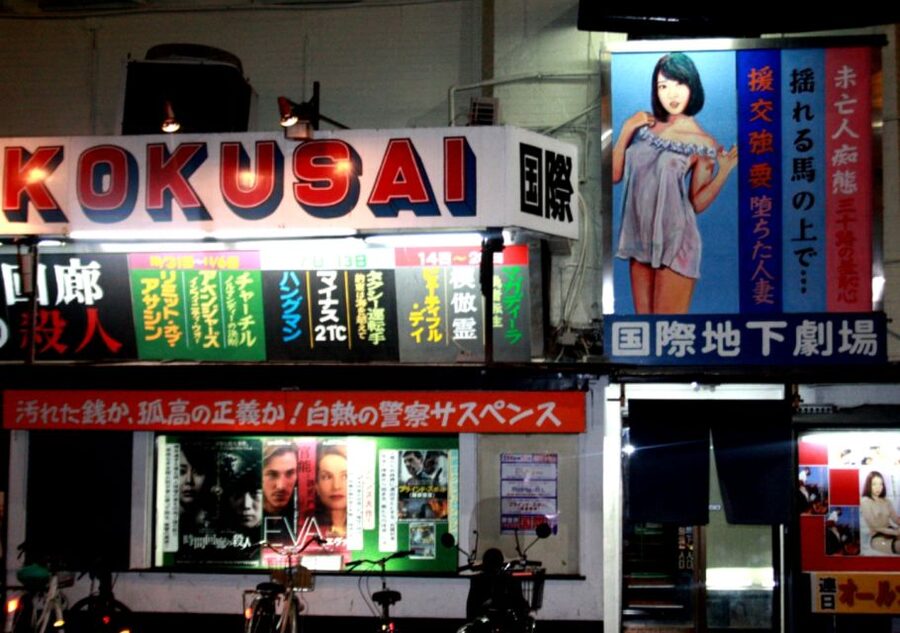
A glimpse of an Osakan theater adds another useful layer. You are not simply looking at old buildings. You are hearing how people use them, what kind of entertainment has mattered here, and how the evening economy works after dark.
The pace is described as easygoing and suitable even after several full days of walking. Still, you should wear comfortable shoes. The route includes winding alleys, and high heels are not allowed. The group cannot wait for late arrivals, so arrive early enough to find the meeting point without rushing.
Back alleys, local snacks, and a slower pace
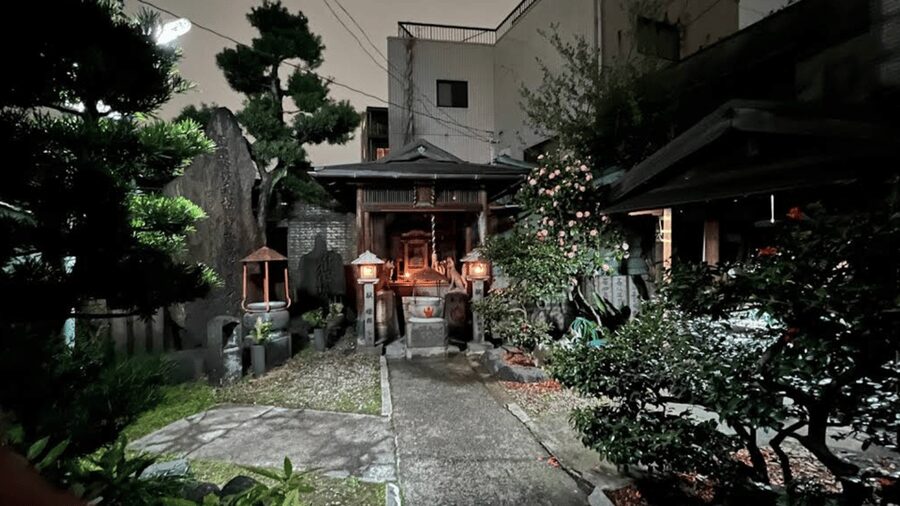
The middle of the walk moves into some of Osaka’s most atmospheric lanes. These alleys are narrow, irregular, and full of small details. You may pass places you would never notice from a main road, including old properties and businesses with a strong sense of place.
This is where the tour’s value becomes practical. You could spend days in Osaka and still walk past the entrance to these lanes without realizing what lies inside. A guide provides the context that a map cannot, explaining how the neighborhood developed and why its streets look and feel different from the city center.
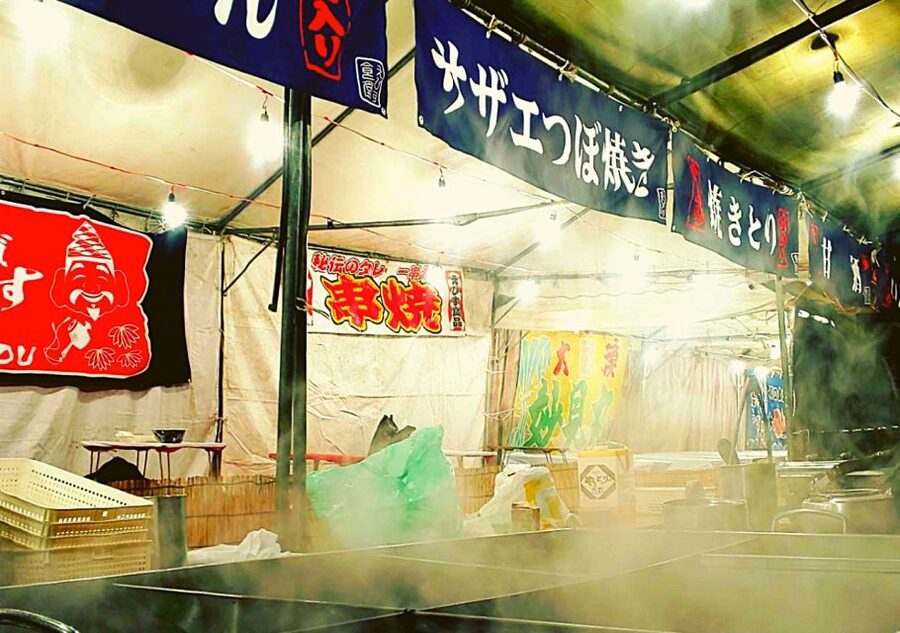
Two side dishes are included, bought from two different stalls. The food is not presented as a formal tasting menu. It is more casual: a bite at a back-alley stop, followed by another local dish farther along the route.
That format suits the setting. You are not seated for a long meal at the busiest point of the evening. Instead, you eat in small portions while staying connected to the neighborhood around you. Several people also appreciated the snack and drink provided during the walk, though you should not count on drinks being included unless your specific option says so.
The food is one of the tour’s best features, but it should not be your sole reason for booking. If you want a full Osaka food tour with many tastings, this is not quite that. The emphasis is the neighborhood and its stories, with food used to make the walk more enjoyable.
The abandoned properties and Osaka’s uncomfortable past
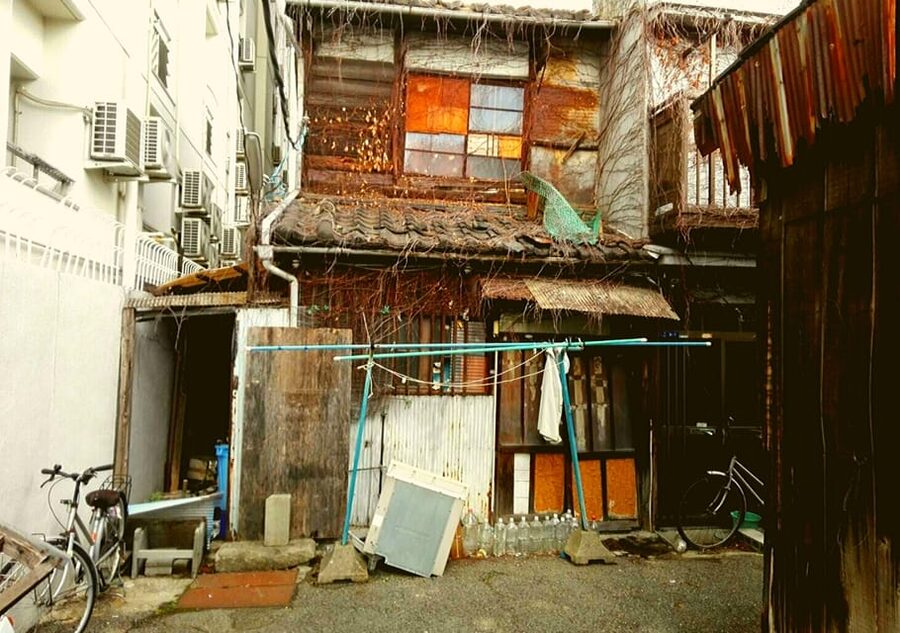
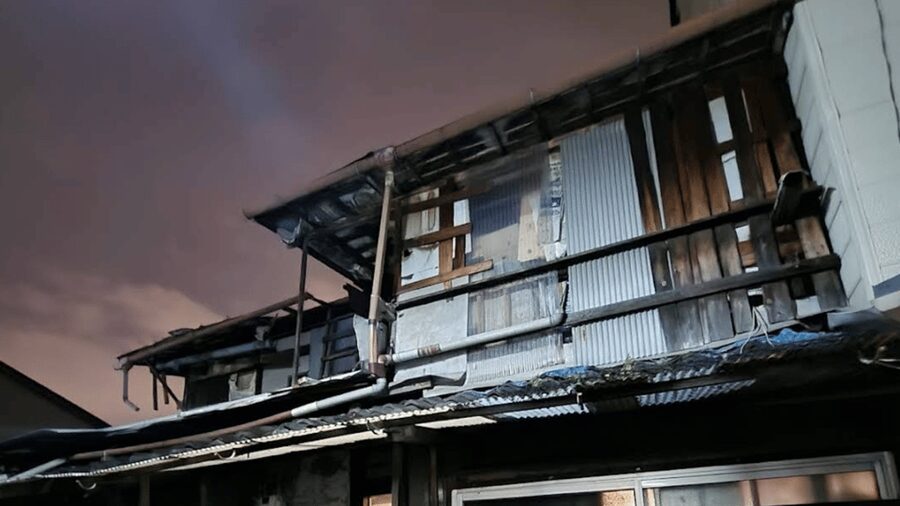
A short distance from the lively lanes, the atmosphere changes sharply. The route reaches an area filled with untouched and abandoned properties. In the middle of a major Japanese city, these empty buildings can feel surprisingly unreal.
This part is not about taking dramatic photographs of decay. The guide explains the area’s controversial past and the social forces that shaped it. You get a look at how redevelopment, poverty, exclusion, and neglect can exist close to busy commercial districts.
That context matters. Without it, an abandoned building is just an abandoned building. With a guide, you can begin to understand why some parts of a city receive investment while others are left behind.
The subject is handled as a serious part of Osaka’s story, not as cheap shock entertainment. The strongest guides appear to balance humor with respect, especially when discussing people who have been forgotten or pushed aside. Joseph, Rudy, Bennett, and Brian were repeatedly praised for making difficult information understandable without losing sight of the human side.
You should still ask yourself how comfortable you are with this material. The tour openly discusses homelessness and welfare, and it may challenge the tidy image of Japan that many visitors bring with them. If you want only cheerful street food and pretty night views, choose another walk.
The route does not go through the homeless district. Guides are expected to remain respectful if people who are homeless happen to be on the same streets. That distinction is important. You are learning about social conditions, not being led through someone’s living space as a spectacle.
A few more Osaka experiences worth weighing up
- Deep Backstreet Osaka Tours (Option to add Dinner)
★ 5.0 · 1,290 reviews - Osaka Umeda: PICCADILLY DINNER SHOW & NIGHTCLUB with Tasting
★ 4.8 · 49 reviews - Tokyo Bar Hopping Tour in Shinjuku (All-You-Can-Drink + Dinner)
★ 5.0 · 3,587 reviews - Tokyo: Sumo Show and Dining Experience
★ 4.8 · 2,742 reviews
The Taisho-Era red light district
The red light district is one of the most unusual sections. You can choose to walk through it or take a separate route, giving you some control over the tone of the evening.
The area is described as remarkably preserved from the Taisho Era, with historic buildings tied to Osaka culture. The architecture and street layout offer a rare look at a part of the city that is usually left out of ordinary sightseeing routes.
The guide also explains how the district operated and how sex work, illicit businesses, gambling, gender, and social rules fit into the larger story. This is not a stop for people who want vague hints and polite omissions. The topics are direct, and the tour makes no attempt to airbrush them.
That frankness is useful when it is handled with care. Japan is often presented to first-time visitors as orderly, safe, and highly refined. Those qualities are real, but they are not the entire picture. A serious look at sex work, organized crime, sexism, and minority communities gives you a more grounded understanding of the country.
Some guests called this a wild-side experience, and that is a fair description. People under 16 should not attend, and the tour is not recommended for pregnant women or people with mobility impairments. It is also a poor fit if you are easily offended by adult subjects.
The route is listed as wheelchair accessible, but the same information says it is not suitable for people with mobility impairments. Those statements do not fully agree, so you should confirm the current route and your mobility needs before booking.
What the guides add to the evening
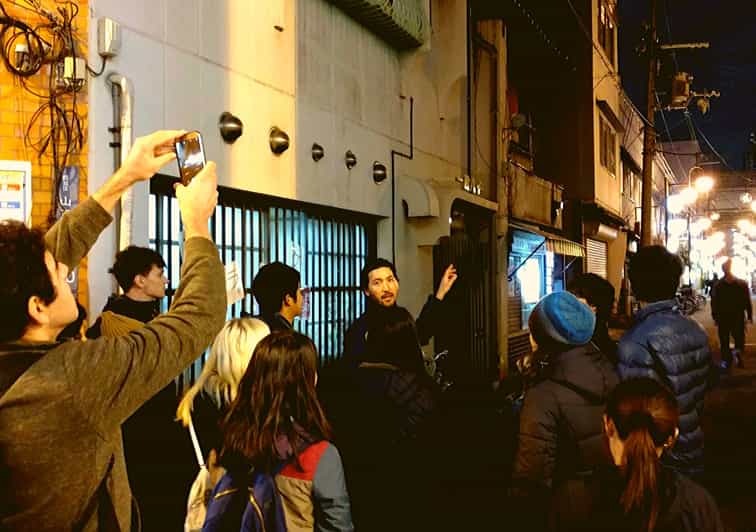
The guide is central here. A map cannot explain the jokes, local tensions, old businesses, or unwritten rules that make these neighborhoods understandable.
The most praised guides use storytelling rather than a lecture. Knox was praised for bringing the backstreets to life and for sharing personal experience from living in Osaka. Rudy was praised for humor and an ability to answer unusual questions. Taka, Mari, Tommy, Brian, Bennett, Joseph, and others were described as entertaining, respectful, and well informed about Japanese culture and the areas visited.
The tone seems conversational. One person compared the evening to chatting among friends, while others enjoyed the quiz-like snack and drink stop. That relaxed style helps because the material can be heavy. You are more likely to ask questions when the guide feels approachable.
Guide personalities differ. One might tell a long story with theatrical flair, while another may focus more on social background and direct explanations. That variation is normal on a multi-guide operation, but the repeated praise for humor, passion, and clear English is reassuring.
The tour is conducted in English. If you want a quiet, self-guided walk, this is not the right choice. The value comes from the live explanations, and you should expect plenty of conversation.
Adding dinner after the three-hour walk
The dinner option extends the evening after the walking portion ends. It is not simply another snack stop. You sit down at a traditional restaurant and continue the experience with a full meal.
The meal has been praised for good quality and a broad selection of Japanese fare. Specific dishes described include fried chicken, beef soup, pasta, and dessert. That combination suggests a flexible restaurant rather than a narrowly traditional tasting menu, so do not expect a formal progression of regional specialties.
I like the dinner option for two reasons. First, it saves you from finding a restaurant after a late walk in unfamiliar lanes. Second, it gives the group and guide time to keep talking. Several people considered the dinner one of the best parts of the evening, especially because the guide led the group to a place they would not have found alone.
Drinks are not included. Budget separately for them, and check the booking option carefully so you know exactly what your price covers. The $40 base price is already good value for the walk, two side dishes, and a professional English guide. The dinner makes sense if you want convenience and company, not simply if you are trying to eat the cheapest possible meal.
The $40 price and practical details
At $40 per person, you are paying for access and interpretation more than transportation or grand monuments. There is no hotel pickup, and the meeting point can vary by option. You should check the exact meeting instructions before leaving your hotel.
The 210-minute duration is long enough to cover several sharply different parts of Osaka without turning into an exhausting full-day outing. The easy pace is helpful, but you still need comfortable walking shoes. High heels are prohibited, and winding alleys make late arrival especially problematic.
Being on time is not a minor suggestion. Once the group enters the backstreets, catching up can be impossible. Build in extra time for the subway, finding the meeting point, and any confusion caused by a changing neighborhood.
Free cancellation is available up to 24 hours before the start for a full refund. You can also reserve now and pay later, which is useful when your Osaka plans are still shifting.
The activity is available in English and is listed as wheelchair accessible, but mobility restrictions should be clarified in advance because the tour is also marked unsuitable for people with mobility impairments. The route is not designed for children under 16, and the adult subject matter makes that age limit sensible.
Who should book this Osaka experience?
I would recommend this tour to an independent-minded visitor who has already seen, or does not care about seeing, the standard Osaka sights. It suits solo visitors especially well because the guide opens doors to places you would be unlikely to locate alone.
It is also a good match for couples and adults who enjoy social history, candid conversation, local food, and a little discomfort. You should have a sense of humor, an open mind, and the willingness to listen before judging.
I would skip it if you are traveling with young children, want a polished introduction to Osaka, dislike adult themes, or have difficulty walking narrow urban routes. The red light district can be avoided, but the wider tour still covers serious subjects.
The best way to fit it into your schedule is early in your stay. Afterward, you may view Osaka’s bright entertainment areas differently. A pachinko hall, a boarded-up house, or an ordinary side street can carry more meaning once you have heard the stories behind it.
Should you book the Deep Backstreets Walking Tour?
Book it if you want an honest, unusual look at Osaka and you are comfortable with adult subject matter. The combination of retro entertainment, hidden lanes, abandoned properties, historic red light district, two food stops, and optional dinner gives you far more than a standard orientation walk.
The strongest reason to go is the guide. Names such as Knox, Rudy, Joseph, Brian, Bennett, Mari, and Taka appear again and again in praise for humor, care, and clear explanations. The main caution is the same feature that makes the tour special: it shows Osaka’s good, bad, and gray areas without much softening.
For curious adults, the $40 walk is a strong buy. Add dinner if you want a relaxed finish and more time with the group. Arrive early, wear sensible shoes, and expect an evening that may change your picture of Japan.
FAQ
How long does the Osaka Deep Backstreets Walking Tour last?
The tour lasts 3 hours, or 210 minutes.
What language is the tour conducted in?
The live tour guide speaks English.
Is dinner included?
Dinner is included only if you select the dinner option. Drinks are not included.
What food is included during the walking tour?
The tour includes two side dishes from two different stalls.
Can I skip the red light district?
Yes. You can choose to walk through the Taisho-Era red light district or take a separate route.
Is the tour suitable for children?
No. It is not suitable for children under 16 because it covers adult and taboo subjects, including sex work, gambling, organized crime, and sexism.
More Dining Experiences
- Tokyo: Samurai Restaurant Show Ticket with 2 Drinks
★ 4.5 · 1,307 reviews - Sumida River: Japanese Traditional Yakatabune Dinner Cruise
★ 4.6 · 779 reviews - Kyoto Gion Cultural Walk & Geisha Show with Dining Options
★ 5.0 · 518 reviews - Kyoto Gion Cultural Walk & Geisha Show with Dining Options
★ 5.0 · 483 reviews
Just added around Osaka
- Osaka Food Tour with 10 Classic Japanese Tastings & Drinks★ 5.0 · 38 reviews
- Osaka: Highlights & Hidden Gems Private Walking Tour★ 4.7 · 38 reviews
- Kyoto private tour (Shore excursion available from Osaka or Kobe port)★ 5.0 · 39 reviews
- Osaka Private Day Trip – Enjoy Your First-Time Visit to Osaka!★ 5.0 · 39 reviews
- Kyoto & Nara & Uji: Full Day Sightseeing Tour from Osaka or Kyoto★ 4.5 · 39 reviews
- Authentic SUSHI Course Cooking Class★ 5.0 · 39 reviews
- Osaka: Mind & Spirit Balance Temple Reiki Healing★ 5.0 · 41 reviews
- Osaka Afternoon Walking Tour with Osaka River Cruise★ 3.5 · 42 reviews
Walking Tours, compared.
Kyoto Geisha Walking Tour: Gion District & Hidden Gems
Read our review →
Tokyo Tsukiji Fish Market Food and Culture Walking Tour
Read our review →
Gion Magical Night Walking Tour with Geisha Trivia
Read our review →
Imperial Palace and Shogun Historical Walking Tour
Read our review →
Gion Geisha District Walking Tour – Stories of Geisha
Read our review →
Shinjuku Local Bar and Izakaya Guided Walking Tour
Read our review →
Browse the lists this tour appears in