
Reviewed · WALKING TOURS
Osaka: Hotspots & Hidden Gems Walking Tour Private or Group
Osaka rewards curious walkers. This tour connects Kuromon Ichiba Market and Dotonbori with quiet lanes, a tiny temple, America-mura, and old Shinsekai, giving you far more than the usual neon-photo stop. I like the mix of famous sights and places you could easily miss, and I like the practical advice about food, shopping, and getting around. The included takoyaki and canned drink are a nice touch, though they are only a small snack, not a full meal.
The 3-hour group option is a good first look at Namba and central Osaka, while the 4, 5, and 7-hour private versions allow time for Osaka Castle, Shitennoji, a knife demonstration, or extra food districts. The main consideration is the amount of walking on crowded streets and uneven lanes. This is not a good fit if you have limited mobility, are pregnant, or need to carry large bags.
In This Review
- Osaka in a few useful points
- Why this walk works as an Osaka introduction
- Meeting at Namba and finding the right exit
- Kuromon Ichiba Market, where Osaka shops for food
- Dotonbori after dark, with one hot takoyaki stop
- Back streets, bars, and a small temple
- America-mura and Japan’s playful view of America
- Shinsekai, retro Osaka with an eccentric edge
- What changes on the 3-hour group tour
- What the 4, 5, and 7-hour private tours add
- Guides, tone, and the value of local insight
- Who should book, and who should skip it
- Final verdict: a strong first-day choice
- FAQ
- Where does the group tour meet?
- Is hotel pickup available?
- Does the tour include food?
- Does the three-hour tour visit Osaka Castle?
- How large is the group tour?
- What should I bring, and can I bring luggage?
Osaka in a few useful points
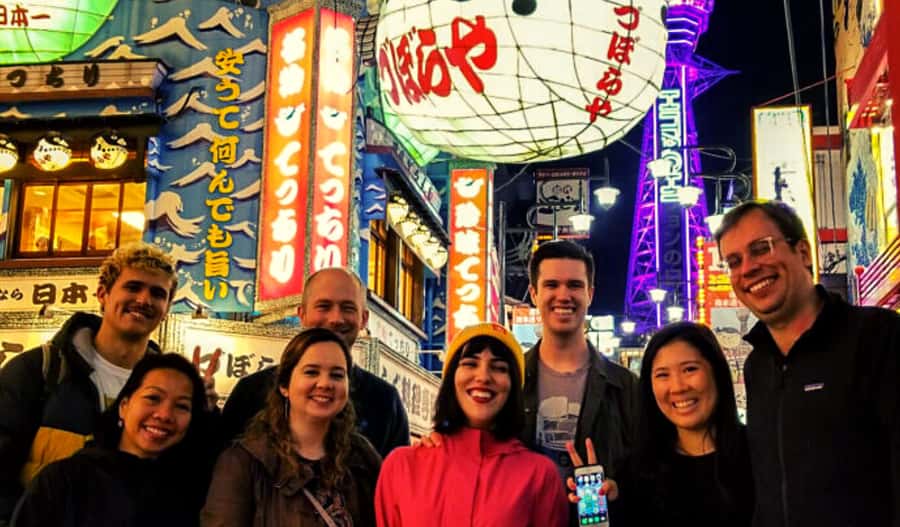
- Taste takoyaki beside Dotonbori: You receive a small serving of Osaka’s famous battered octopus snack and a canned drink from a vending machine.
- See Kuromon Ichiba through a food-focused lens: Your guide explains the seafood, unusual ingredients, and market customs, with some taste testing along the way.
- Trade neon for old lanes: The route slips into narrow passages with small bars, restaurants, shops, and local stories.
- Compare Osaka’s neighborhoods: America-mura’s youth culture and Shinsekai’s retro atmosphere show sides of the city that feel very different from Dotonbori.
- Choose your pace and depth: The small group tour has a maximum of nine people, while longer private tours can include Osaka Castle, Shitennoji, and a knife lesson.
- Start early in your stay: The route gives you useful ideas for where to eat, shop, return, and spend the rest of your Osaka visit.
Why this walk works as an Osaka introduction
Osaka can feel confusing at first. Namba, Shinsaibashi, Dotonbori, Kuromon, and Shinsekai are close enough to connect, yet each has its own mood and visual language. A map shows the streets, but it does not explain why one alley is packed with tiny bars, why a restaurant has a giant moving sign, or how a local market fits into everyday life.
This tour gives you that orientation on foot. You move through major sights, then turn down side streets where the city becomes smaller and more personal. Guides such as Stephane, Josh, Rahat, Taka, Harry, Mary, and Stephanie have been praised for friendly conversation, strong storytelling, humor, and useful suggestions for the rest of a stay.
That variety matters. You are not simply collecting photo stops. You are learning how the districts connect and what each one is good for. If you take the tour near the beginning of your Osaka visit, you can return later to the restaurants, shops, and neighborhoods that suit your interests.
The price begins at about $33 per person, which is strong value for a three-hour walk with a guide, snack, takoyaki, and drink. You are paying mainly for orientation and interpretation, not for a large amount of food. If you want a full market lunch or several tastings, you will need extra money.
More Hidden Gem Tours in Osaka
- Osaka Kickstart: Hotspots & Hidden Gems Tour
★ 5.0 · 1,306 reviews - Ultimate Osaka Walking Tour: Castle, Dotonbori & Hidden Gems
★ 5.0 · 862 reviews - Private Osaka Walking Tour: Highlights & Hidden Gems
★ 5.0 · 569 reviews
Meeting at Namba and finding the right exit
The group tour meets at Exit 24 of Namba Metro Station, at the top of the stairs. Look for the Exit 24 sign and a bicycle stand about seven metres away. Your guide waits near the vehicles.
This is a practical meeting point in the middle of the action, but Namba has several stations and underground passages. Give yourself extra time to find the correct exit. Do not rely on a quick dash from your hotel, especially if you are unfamiliar with Osaka’s station signs.
Private tours can include hotel pickup if your hotel is in a central part of Osaka. You need to send the hotel details at least the day before. That option is only available for private tours, not the shared group departure.
Bring comfortable shoes. Leave large luggage and oversized bags behind. The route uses busy commercial streets, narrow lanes, and market areas, so travelling light makes the walk much easier.
Kuromon Ichiba Market, where Osaka shops for food
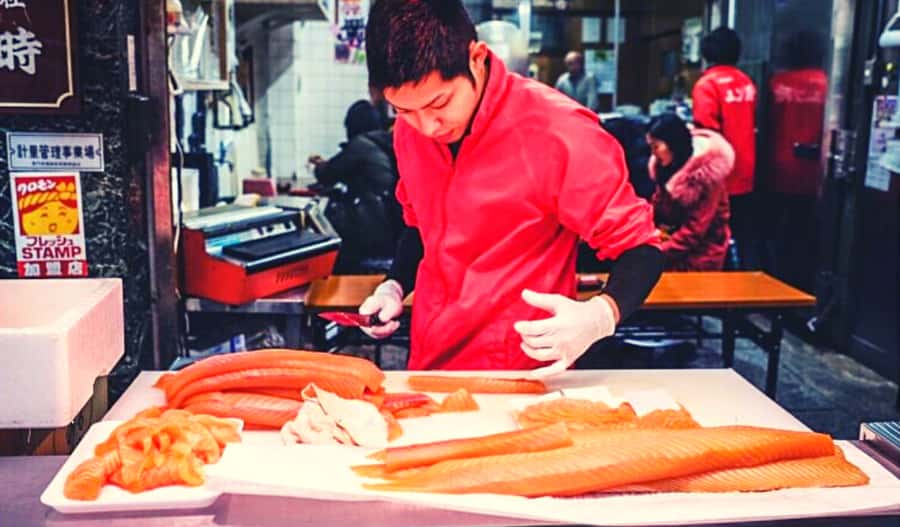
Kuromon Ichiba is one of the tour’s best stops because it gives you a close look at Osaka’s food culture without asking you to guess what everything is. Seafood stalls, prepared foods, produce, and unusual ingredients fill the market, and your guide helps explain what you are seeing.
The useful part is not simply pointing out fish. You learn how ingredients are selected, how certain foods are eaten, and what might be worth trying. The tour includes some taste testing, but the exact items can vary. One person enjoyed trying puffer fish and Kobe beef, though those foods are not promised as standard inclusions.
Keep your expectations clear: the included food is limited. The takoyaki and canned drink are specified, while market tastings may depend on what is available and what you choose to buy. Kuromon is a place where you may want to spend extra money, so carry a small amount of cash or be prepared to pay for additional food yourself.
The market can be crowded and stimulating. If you dislike tight spaces or strong food smells, you may find this section intense. For most people, though, it is an excellent place to ask questions and get comfortable with Japanese food before ordering on your own.
Dotonbori after dark, with one hot takoyaki stop
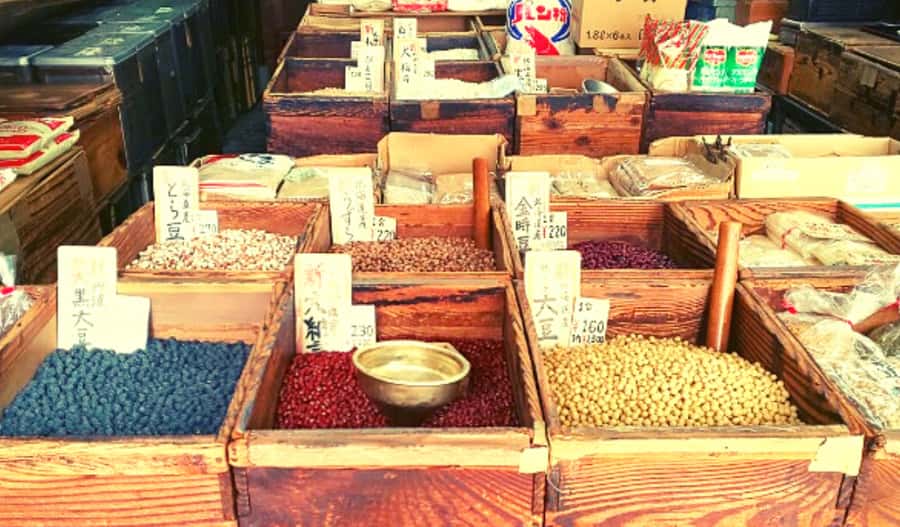
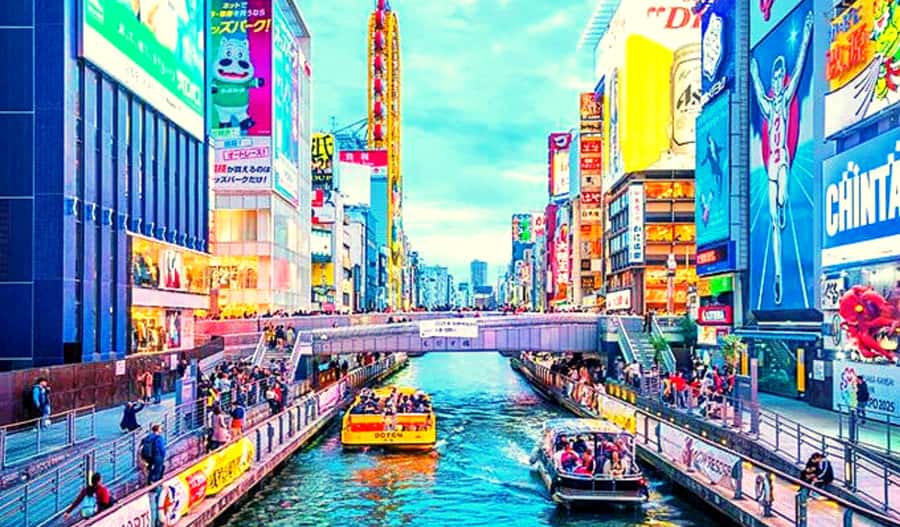
Dotonbori is Osaka’s visual overload: giant signs, bright lights, restaurants, and the river running through the center. At night, the district becomes especially photogenic, and one recent participant specifically found the evening light ideal for seeing the area.
Your guide explains the stories behind the signs and the local character of the neighborhood rather than simply leading you to the famous bridge. You get a sense of why Dotonbori is so closely linked with Osaka’s eating culture and outgoing personality.
The takoyaki stop adds a small but useful food lesson. These are battered octopus balls cooked in a special molded pan, usually served hot and covered with sauce and other toppings. Since they are hot inside, take your first bite carefully.
The portion is small, so do not treat it as dinner. Think of it as a sample and a chance to understand one of Osaka’s signature foods. You also receive a can of drink from a vending machine. That is refreshment, not a restaurant meal.
Dotonbori’s popularity is also its weakness. It can be loud, packed, and full of large commercial signs. If you want quiet Osaka, this is not it. The tour handles that contrast well by pairing the main street with back lanes and older neighborhoods.
More Walking Tours in Osaka
- Osaka Local Foodie Walking Tour in Dotonbori and Shinsekai
★ 5.0 · 985 reviews - Osaka Bar Hopping Night Walking Tour in Namba (3 bars, 6 tastes)
★ 5.0 · 958 reviews - Osaka: Deep Backstreets Walking Tour with Dinner Option
★ 4.9 · 902 reviews - Osaka: Main Sights and Hidden Spots Guided Walking Tour
★ 4.9 · 702 reviews
Back streets, bars, and a small temple
One of the most appealing parts of the walk comes when you leave the main roads. The route moves through winding alleys with cobblestones, small bars, restaurants, and shops that are easy to overlook when you are focused on the biggest signs.
These lanes offer a different kind of Osaka. Instead of a polished sightseeing corridor, you see compact spaces designed for regular customers and neighborhood life. Your guide can explain the etiquette and atmosphere, which helps you understand where it is appropriate to pause and where you should keep moving.
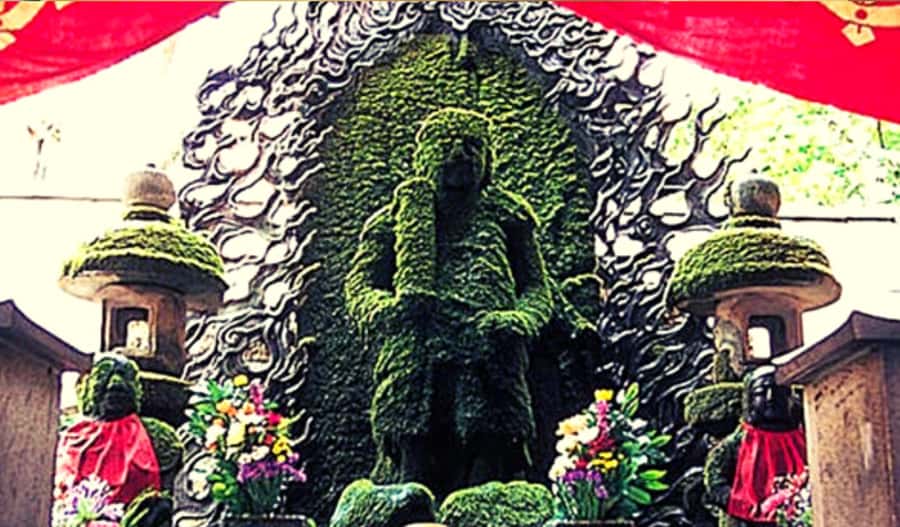
The tour also visits a quiet temple with centuries-old connections to the area. The information provided does not promise one specific temple for every version of the tour, so the exact stop may depend on your guide and chosen duration. Still, the contrast is valuable: a peaceful religious site can appear only minutes from the noise of Namba.
Pay attention to the pacing here. The path is not a long countryside walk, but it is still a city walk over several hours. Comfortable footwear matters more than fashionable shoes.
America-mura and Japan’s playful view of America
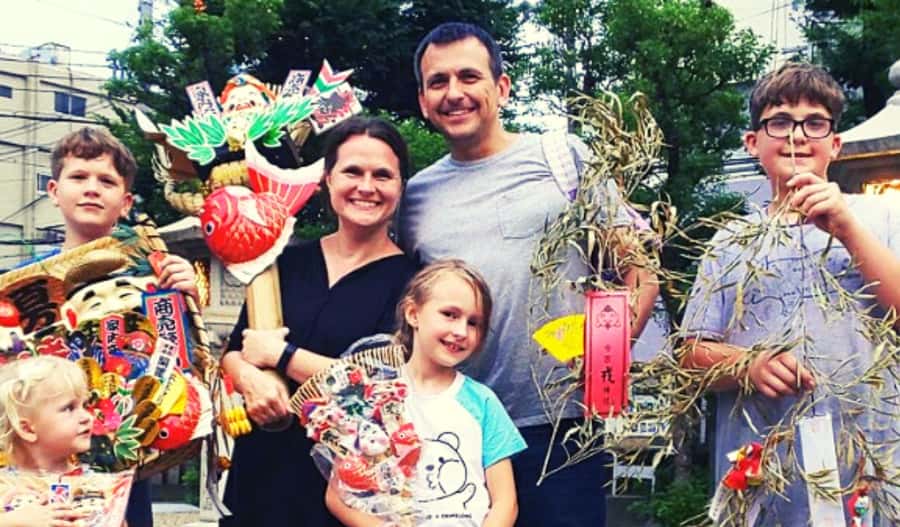
America-mura, or America Town, offers a lively look at how American culture has been reworked for a Japanese audience. Expect fashion, youth culture, unusual shops, and references to the United States filtered through local tastes.
The point is not to find an exact copy of an American neighborhood. It is more interesting to notice what Japan chooses to borrow, exaggerate, or turn into something new. Guides use the area to explain modern Osaka culture and the city’s sense of humor.
This stop can be especially useful if you enjoy shopping or street photography. A private tour may allow more time for a vintage shop or a particular store, depending on your interests. On the group tour, the schedule is tighter, so you should not expect a long shopping session.
America-mura also helps break up the food-and-history pattern. After markets, temples, and old lanes, you get a look at present-day style and youth culture.
Shinsekai, retro Osaka with an eccentric edge
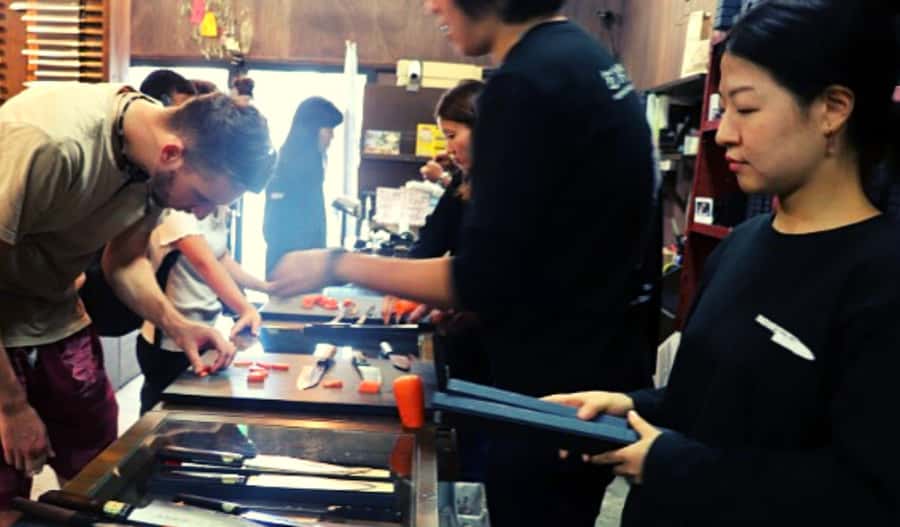
Shinsekai feels older and more theatrical than the polished center. The neighborhood is known for a retro atmosphere, unusual fishing-themed restaurants, and old Japanese gaming parlors. It shows a less glossy side of Osaka and gives the tour a strong final change of mood.
You may notice the contrast between the district’s nostalgic appearance and its quirky restaurant signs. This is the sort of place where a guide adds real value because the visual details can seem odd without context.
Shinsekai is not presented as a spotless theme park. Its appeal lies in the slightly rougher, more dated feel. If you prefer carefully preserved historic streets, the area may seem untidy. If you want to see how Osaka’s entertainment districts vary, it is a memorable stop.
The route may also include unusual pieces of city design. One guide pointed out a working curved escalator, a small detail that would be almost impossible to find without someone who knows the area well.
What changes on the 3-hour group tour
The group version is capped at nine people, keeping it small enough for questions without the cost of a fully private guide. In three hours, you get a quick route through the Namba and central Osaka area, including market food, Dotonbori, back streets, America-mura, and Shinsekai elements as time allows.
This option makes sense if you have just arrived, have limited time, or want a useful overview before exploring alone. The walk covers a lot of ground, so the benefit is range rather than lingering at every stop.
A shared group also adds a social element. You will be walking with other people, and the pace has to work for the group. Guides are often flexible, but the private option is better if you want frequent stops, a slower rhythm, or a route built around one interest.
The group tour is also the best price-conscious choice. At around $33 per person, it is a practical way to spend a first afternoon or evening in Osaka without committing to a full-day expense.
What the 4, 5, and 7-hour private tours add
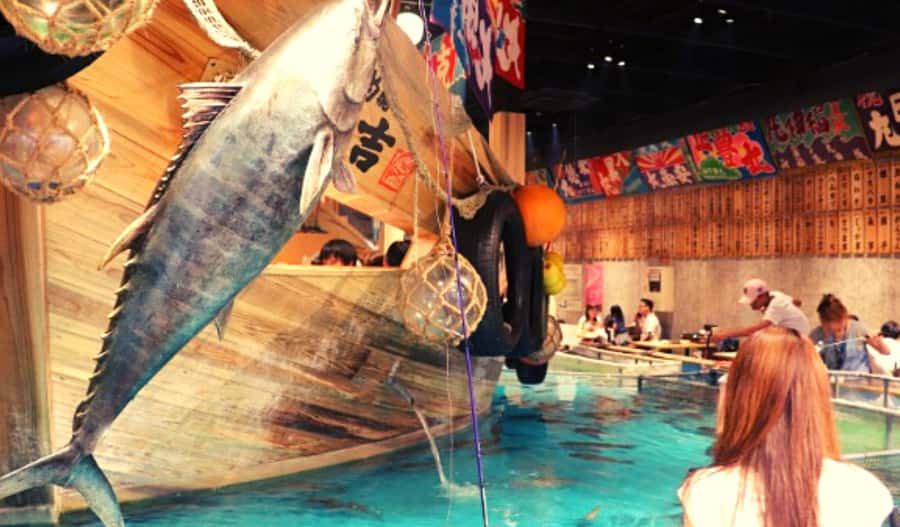
The private tours are designed for more time and customization. You can request extra alleys, the East Shinsaibashi food area, the Museum of Housing and Living, Osaka Castle, or Shitennoji.
A knife shop visit may include a private demonstration and lesson about Japanese knives. This is a particularly good choice if you care about cooking, craftsmanship, or food culture. Confirm the details when booking because the exact route is personalized.
The Museum of Housing and Living offers a look at how Osaka residents lived from earlier periods into more recent times. It gives the tour a more structured cultural stop after the loose street scenes and market activity.
Osaka Castle is available only on the private 4, 5, and 7-hour versions. It is not part of the three-hour group tour. Transport is not included, so you may use public transit and pay your own fares. One guide adjusted the route so a group could see the castle in daylight and after dark, a smart use of a longer booking.
Shitennoji is another possible addition. It is a historic and serene temple, and it brings a calmer, more reflective mood to a tour otherwise centered on food, commerce, and entertainment.
The seven-hour option sounds long, but a well-paced private walk can make the time pass quickly. It is best for you if Osaka is a major focus of your trip and you want both orientation and cultural context in one day.
Guides, tone, and the value of local insight
The guide quality is central to this experience. The strongest descriptions consistently point to energy, humor, clear English, good stories, and a willingness to answer questions. Rahat, Josh, Stephanie, Taka, Harry, Mary, Meryem, and others have been praised for making the walk feel like time with an enthusiastic friend rather than a formal lecture.
Do keep the word local in perspective. The guide team includes people from different backgrounds, including long-term residents and guides who have lived in Osaka for shorter periods. What matters most is their grasp of the city, their ability to explain Japanese customs, and their comfort navigating the neighborhoods.
If you want a strictly academic history tour, this may feel informal. The strength here is the blend of facts, personal stories, jokes, food advice, and practical help. Many guides also suggest places to eat, shop, photograph, and revisit later.
That makes the tour especially useful at the start of a trip. You can ask direct questions about vending machines, meals, transportation, restaurant areas, and cultural habits while the subjects are right in front of you.
Who should book, and who should skip it
I would recommend this walk to first-time Osaka visitors, couples, solo visitors, and families with older children who can manage several hours on foot. It is also useful if you have visited Osaka before but stayed mostly around the major signs and shopping streets.
The group tour suits a short stay or a modest budget. Choose an evening departure if you want Dotonbori at its most illuminated. Choose private time if you want Osaka Castle, Shitennoji, a knife lesson, a museum, or a slower route.
You should skip it if you want a seated food tour with a full meal. The food included is only a small takoyaki snack, a can of drink, and some market tasting. You should also reconsider if crowded streets, uneven paving, or a long walk are difficult for you.
The tour runs rain or shine. It is canceled with a full refund only in very serious conditions such as a typhoon or earthquake. Bring comfortable shoes and avoid bringing luggage.
Final verdict: a strong first-day choice
At about $33 per person, the three-hour walk offers excellent value for an introduction to Osaka. Its best feature is the range: market stalls, neon Dotonbori, old lanes, a temple, America-mura, and Shinsekai all appear within one connected experience.
The private tours cost more, but the added hours make sense if you want Osaka Castle, Shitennoji, the housing museum, a knife demonstration, or a personal food-and-neighborhood route. I would book the group tour early in my stay for orientation, or choose the seven-hour private version if Osaka deserves a full day of attention.
Book it for context, conversation, and a better sense of where to return. Do not book it expecting a large meal or a quiet stroll. For most visitors, this is an energetic and useful way to understand why Osaka feels so different from other parts of Japan.
FAQ
Where does the group tour meet?
The group tour meets at Exit 24 of Namba Metro Station, at the top of the stairs. Look for the Exit 24 sign and a bicycle stand about seven metres away.
Is hotel pickup available?
Hotel pickup is available only for private tours when the hotel is in a central area of Osaka. Send your hotel details at least the day before if you want to request pickup.
Does the tour include food?
It includes a small takoyaki snack, a can of drink from a vending machine, and some market taste testing. The food is not a full meal, and additional food and drinks are not included.
Does the three-hour tour visit Osaka Castle?
No. Osaka Castle is available only on the private four, five, and seven-hour tours.
How large is the group tour?
The small group tour has a maximum of nine participants. Private tours are available for just you or your own group.
What should I bring, and can I bring luggage?
Wear comfortable shoes. Large bags and luggage are not allowed.
Just added around Osaka
- Osaka Food Tour with 10 Classic Japanese Tastings & Drinks★ 5.0 · 38 reviews
- Osaka: Highlights & Hidden Gems Private Walking Tour★ 4.7 · 38 reviews
- Kyoto private tour (Shore excursion available from Osaka or Kobe port)★ 5.0 · 39 reviews
- Osaka Private Day Trip – Enjoy Your First-Time Visit to Osaka!★ 5.0 · 39 reviews
- Kyoto & Nara & Uji: Full Day Sightseeing Tour from Osaka or Kyoto★ 4.5 · 39 reviews
- Authentic SUSHI Course Cooking Class★ 5.0 · 39 reviews
- Osaka: Mind & Spirit Balance Temple Reiki Healing★ 5.0 · 41 reviews
- Osaka: Gluten-Free Ramen and Gyoza Cooking Class★ 5.0 · 42 reviews
Walking Tours, compared.
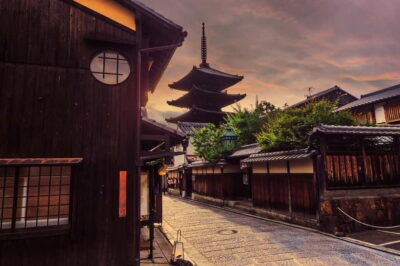
Kyoto Geisha Walking Tour: Gion District & Hidden Gems
Read our review →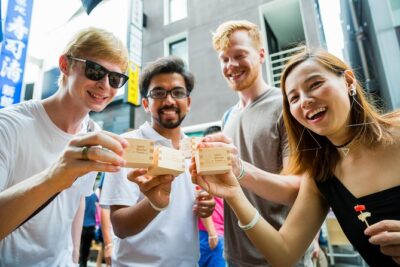
Tokyo Tsukiji Fish Market Food and Culture Walking Tour
Read our review →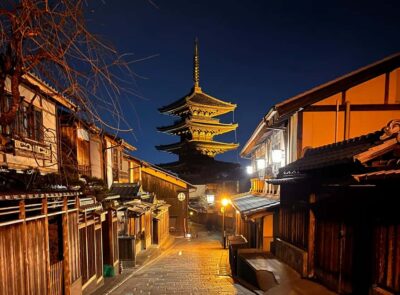
Gion Magical Night Walking Tour with Geisha Trivia
Read our review →
Imperial Palace and Shogun Historical Walking Tour
Read our review →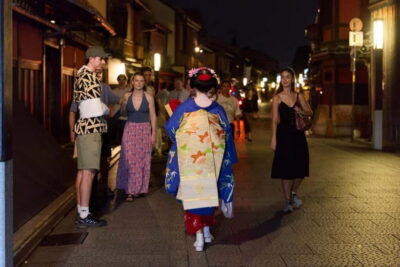
Gion Geisha District Walking Tour – Stories of Geisha
Read our review →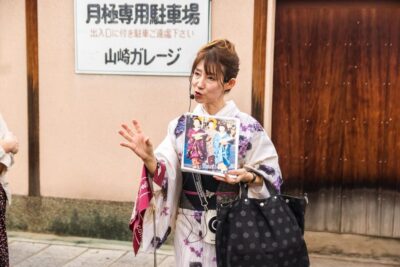
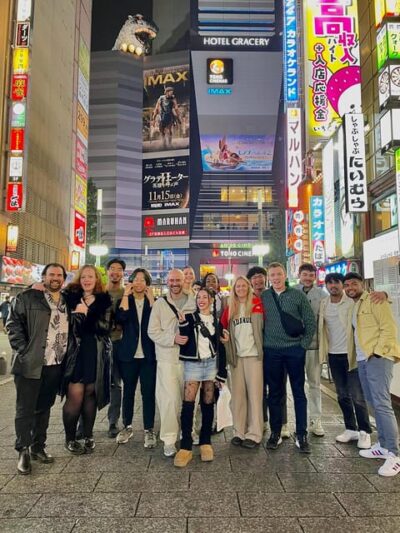
Shinjuku Local Bar and Izakaya Guided Walking Tour
Read our review →
Browse the lists this tour appears in