
Reviewed · GEISHA & GION DISTRICT TOURS
Kyoto: Gion Geisha District Walking Tour – Stories of Geisha
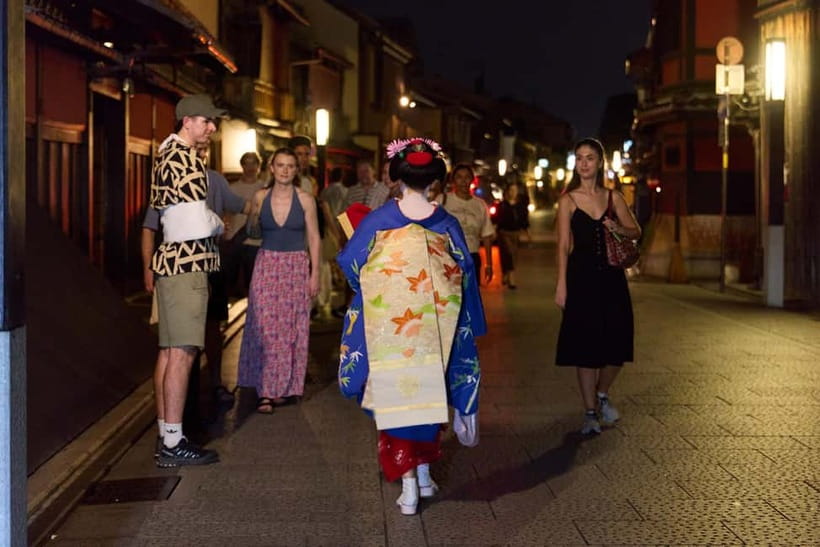
Kyoto’s evening streets tell a different story. This two-hour walk takes you through Pontocho and Gion, where narrow lanes, wooden teahouses, shrines, and traditional entertainment districts offer a clear introduction to Kyoto’s geiko and maiko culture. At $20 per person, it is an appealing way to add local context to a night in the city.
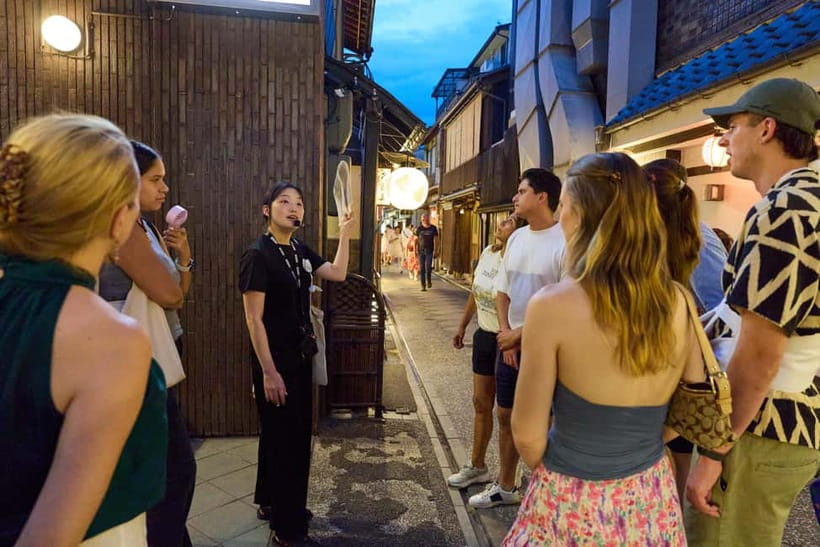
I like the route’s mix of famous sights and quieter lanes, and I especially like that the guide explains training, customs, and modern geiko life rather than treating the women as photo props. Guides such as Nami, Yuki, Deborah, Manuel, and Yukari have earned strong praise for their warmth and clear storytelling. The main consideration is that you may not see a geiko or maiko, and nighttime darkness can make some historic details harder to see.
I also appreciate the easy pace. You have time for questions, photos, and short stops without racing from one point to another. Still, the walk ends away from the original meeting point, so you should pay attention to the final location and know how you will continue your evening.
In This Review
- Key points to know before you book
- What this Kyoto night walk is really about
- Starting at Ben’s Cookies Kyoto Shijo
- Pontocho Alley and the traditional evening scene
- The Izumo-no-Okuni statue and the story of kabuki
- Entering Gion, Kyoto’s best-known geiko district
- Yasaka Shrine after dark
- Gion Corner and Hanamikoji Street
- How much geisha culture will you actually learn?
- The guides are the main reason to book
- Is $20 a fair price?
- Who should take this tour?
- Should you book the Gion Geisha District Walking Tour?
- FAQ
- How long does the Kyoto Gion Geisha District Walking Tour last?
- How much does the tour cost?
- Where does the tour begin?
- Does the tour visit both Gion and Pontocho?
- What languages are available?
- Does the tour guarantee a geisha or maiko sighting?
- Is a meal included?
- What should I bring?
- Can children join the tour?
- Can I cancel for a full refund?
Key points to know before you book
- Two historic districts in two hours: The route links Pontocho and Gion, giving you a useful first look at Kyoto’s traditional entertainment quarters.
- Nighttime atmosphere: Wooden townhouses and narrow alleyways take on a special mood after dark, though low light can limit sightseeing.
- Stories matter more than sightings: The guide provides the cultural background needed to understand geiko and maiko life, even if none appear.
- Guides make the difference: Nami, Yuki, Deborah, Manuel, Yukari, Kenji, and others are praised for friendly, lively explanations and patience with questions.
- Good value at $20: You receive a two-hour walking tour and a live local guide, with no separate attraction admission listed.
- Not for young children: The experience is not suitable for children under 10.
What this Kyoto night walk is really about
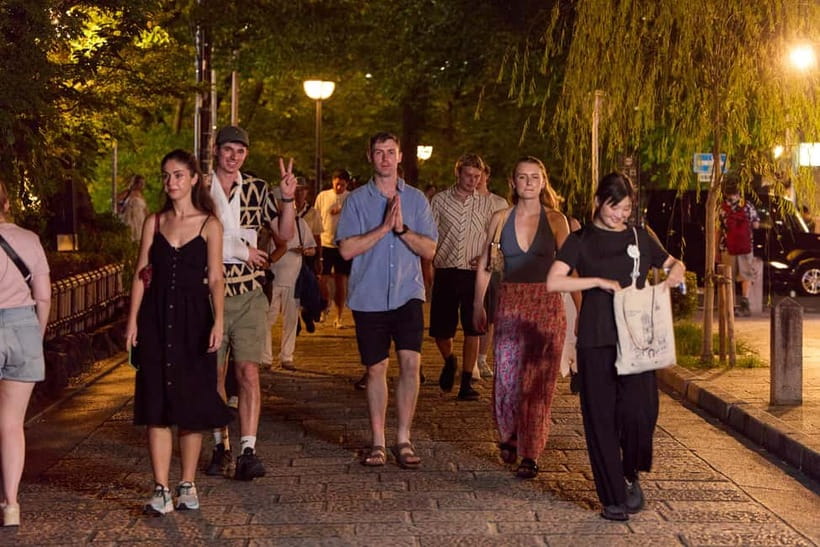
This is not a staged geisha performance. It is a guided walk through the neighborhoods where Kyoto’s traditional entertainers work, with explanations about the people, places, and customs connected to that world.
That distinction matters. You might see a geiko or maiko heading to an appointment, but the tour does not promise a sighting. The best reason to book is the storytelling. A guide can explain the difference between a geiko and a maiko, describe the long training involved, and give you a better sense of why ceremony, music, dress, and conversation remain important.
The tour is conducted in English or Spanish. It lasts two hours and begins at a central meeting point in front of Ben’s Cookies Kyoto Shijo. Your guide holds a sign board, which should make the meeting fairly simple.
The walk is designed for people who want an introduction rather than a full academic study. If you know little about Kyoto’s geisha culture, you will get the basic framework quickly. If you already know the subject, the local stories and chance to ask questions can still make the route worthwhile.
More Walking Tours in Kyoto
- Kyoto Geisha Walking Tour: Gion District & Hidden Gems
★ 4.7 · 3,273 reviews - Kyoto: Gion Magical Night Walking Tour with Geisha Trivia
★ 4.9 · 2,393 reviews - Night Walk in Gion: Kyoto’s Geisha District
★ 4.5 · 2,003 reviews
Starting at Ben’s Cookies Kyoto Shijo
The tour begins in front of Ben’s Cookies Kyoto Shijo, a practical central point in the Shijo area. The first ten minutes are used for the initial orientation before the group heads toward the traditional districts.
This opening is useful because geisha culture can be confusing at first. Terms such as geiko, maiko, hanamachi, and teahouse refer to different parts of a specific social and artistic system. A good guide sets out those basics before you enter the lanes where the subject becomes more visible.
The meeting point is in a busy central part of Kyoto, so allow enough time to find the shop. Since the guide holds a sign, you should look for the person rather than simply waiting inside or near the storefront.
Pontocho Alley and the traditional evening scene
The first major stop is Pontocho Alley, with about 15 minutes set aside for a guided visit. This narrow passage is lined with traditional Japanese restaurants and exclusive clubs. Its compact scale gives you an immediate sense of how different Kyoto’s old entertainment districts are from the city’s broad modern streets.
Your guide can point out the wooden facades and explain how the area functions. The point is not to enter the elite clubs, which are private businesses, but to understand the setting from the public lane.
At night, Pontocho can feel atmospheric, with lantern light and old-style buildings creating a strong sense of place. It can also be busy, and the narrow route leaves little room for a large group to spread out. Stay close to your guide and be considerate of people entering restaurants or going to work.
This is one place where the tour’s timing works in its favor. The district is at its most relevant in the evening, when restaurants and entertainment venues are preparing for the night. You are seeing the neighborhood as a working part of Kyoto, not as a preserved museum street.
The Izumo-no-Okuni statue and the story of kabuki
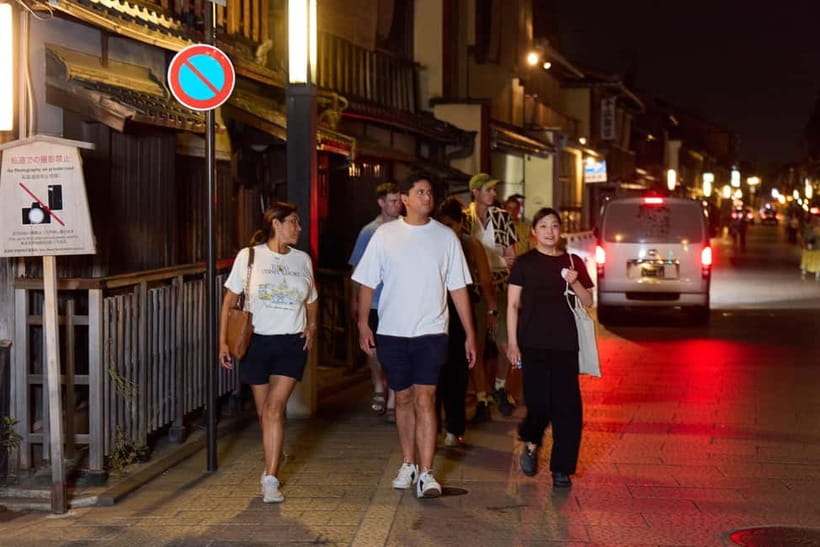
After Pontocho, the group crosses the river for a 15-minute stop at the statue of Izumo-no-Okuni. She is remembered as the woman who invented kabuki, making this a useful pause to connect Kyoto’s entertainment culture with Japanese theater.
The statue gives the guide a fixed point for a short history lesson. It also broadens the tour beyond geiko and maiko. Traditional performance in Japan has many branches, and the story of kabuki helps show how public entertainment, dance, music, costume, and social life have long overlapped.
This stop is brief, so you should not expect a full theater lecture. Its value is in the connection. You begin to see that Kyoto’s entertainment quarters are not only about dining or nightlife. They are also tied to performance traditions that developed over centuries.
More geisha district walks in Kyoto:
- Best of Kyoto: Gion, Geisha, Pagodas & Cobblestones
★ 4.9 · 2,058 reviews - Kyoto Night Foodie Tour in Gion (9+ dishes + 6 Sake tastings)
★ 5.0 · 1,762 reviews - Kyoto Gion Geisha District Walking Tour – The Stories of Geisha
★ 5.0 · 1,441 reviews - Kyoto Gion: 2-Hour Geisha Culture & History Walking Tour
★ 5.0 · 1,186 reviews
Entering Gion, Kyoto’s best-known geiko district
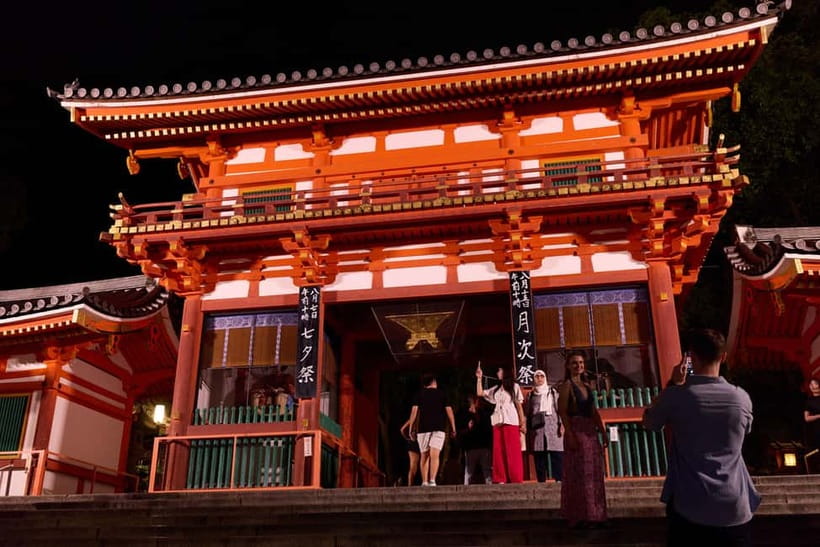
The tour then spends about 30 minutes in Gion. This is the central portion of the walk and the section most people picture when they think of Kyoto’s geisha districts.
Gion is made up of old wooden buildings, lanes, teahouses, restaurants, and streets where geiko and maiko may travel to appointments. Your guide explains how the district works and what you are seeing. The strongest part of the experience is the chance to ask about daily routines, training, etiquette, clothing, and the difference between an apprentice maiko and an established geiko.
Several guides are singled out for making this information accessible. Nami is praised for keeping a good pace and checking that everyone is comfortable. Yuki is often described as warm, proud of Kyoto, and highly respectful of local traditions. Deborah is praised for using photographs and lively stories to make the subject easier to understand. Manuel and Yukari are also noted for clear, engaging explanations.
Those details matter because the subject can easily become a collection of clichés. A thoughtful guide helps you see geiko and maiko as trained artists and working professionals, not costumes moving through a picturesque street.
You may encounter one on the way to an appointment. If that happens, the correct approach is quiet observation. Do not block the lane, follow her, or treat the moment as a guaranteed photo opportunity. The tour’s emphasis on respect is one of its strongest qualities.
Yasaka Shrine after dark
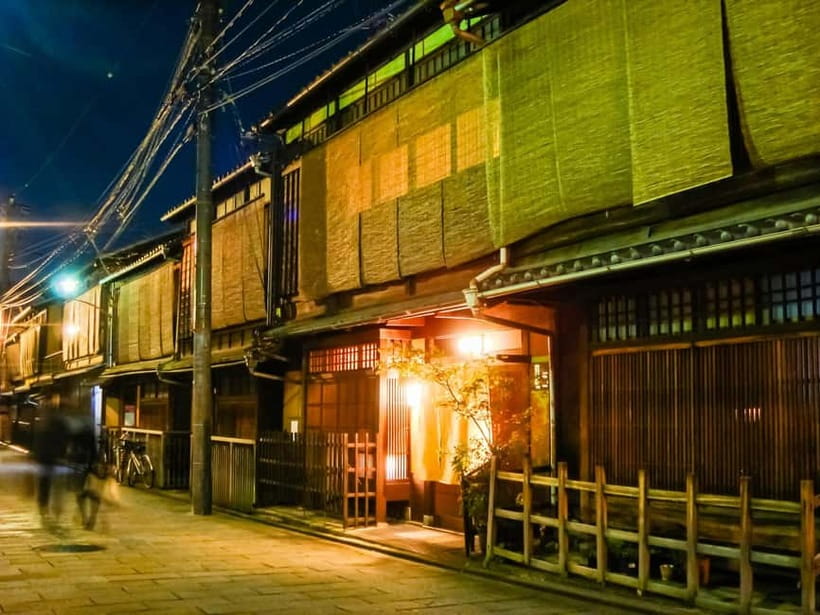
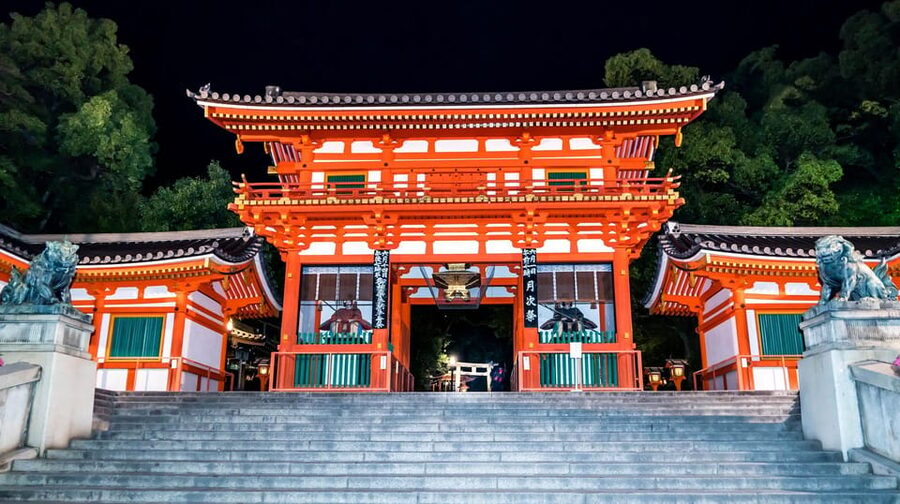
Yasaka Shrine receives about 25 minutes, making it one of the longer stops. This famous shrine sits at the eastern edge of the Gion area and gives the walk a religious and historical counterpoint to the teahouses and clubs.
The stop also helps explain why Gion developed where it did. The shrine has long drawn worshippers and visitors, while nearby entertainment districts served people moving through the area. Your guide can connect the shrine, the surrounding streets, and the traditional businesses into a more complete picture of eastern Kyoto.
Nighttime changes the experience. You will see the shrine under evening light rather than in the full detail of daytime. That creates a calmer mood, but it can make signs and architectural features harder to inspect. If you want detailed shrine photography, return during daylight. As part of a two-hour cultural walk, however, Yasaka Shrine is a sensible and memorable pause.
The route may also provide sheltered places to stop if the weather turns poor. One guide received praise for adjusting the walk and finding cover during rain. You should still bring water and dress for the weather, since this remains an outdoor walking activity.
Gion Corner and Hanamikoji Street
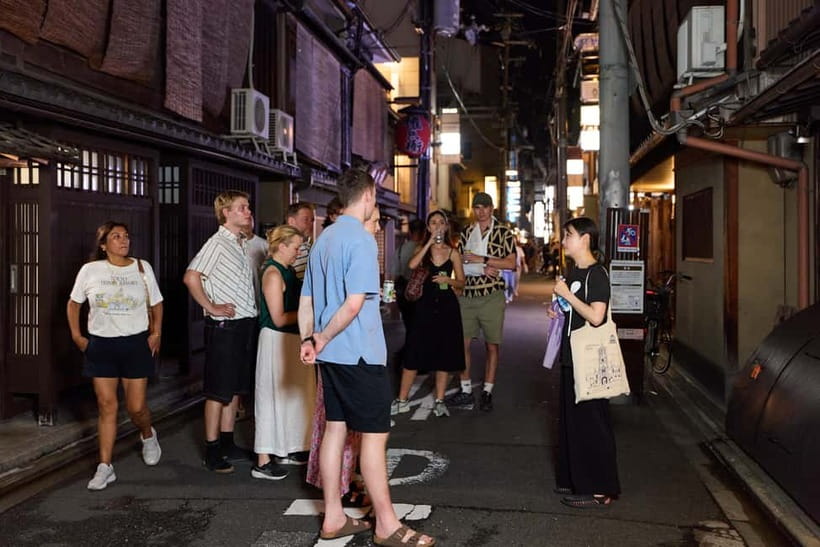
The final two stops are Gion Corner, for about 10 minutes, and Hanamikoji Street, for about 15 minutes. Together, they bring the tour back to performance and architecture.
Gion Corner is associated with traditional Japanese arts and entertainment. On this walk, it serves mainly as a place for the guide to explain the cultural setting. It is not described as a separate performance admission, so you should not book expecting a show as part of the tour.
Hanamikoji Street is one of Gion’s best-known lanes, with traditional wooden buildings and teahouses. This is a strong ending because it puts the visual details together: dark timber facades, narrow streets, discreet entrances, and the quiet movement of people heading to evening appointments.
The street can be crowded, especially at popular times. Your guide’s job is to keep the group moving respectfully while pointing out details you might miss alone. This is also a good place to ask final questions about the neighborhood or request suggestions for the rest of your Kyoto evening.
The tour does not finish at the original meeting point. That is a small but important practical detail. Before the group separates, confirm where you are and how you will get to your next stop.
How much geisha culture will you actually learn?
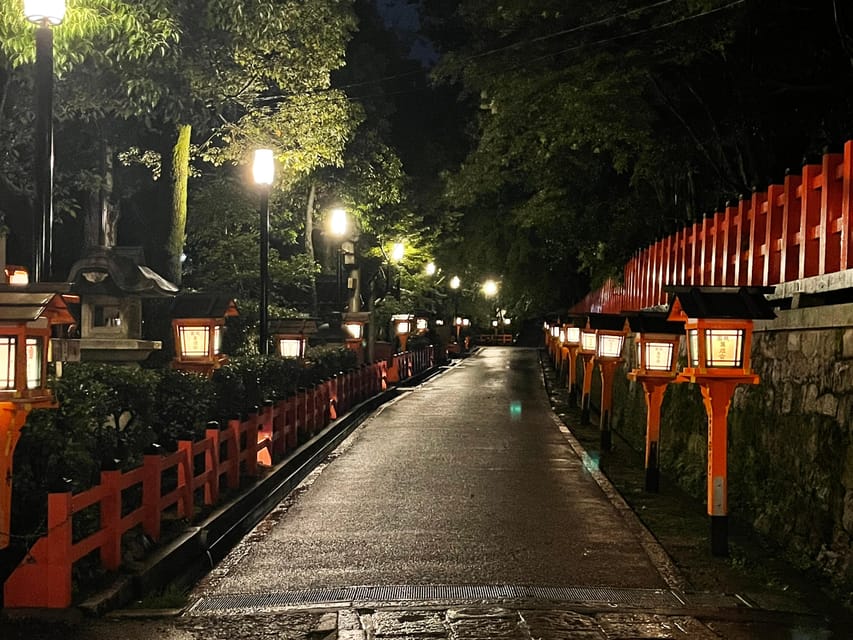
You will learn the most if you arrive curious and willing to ask questions. The tour covers the history and training of geiko and maiko, their place in Japanese culture, and the role of teahouses and entertainment districts.
It is especially useful for clearing up common misunderstandings. The guide can explain why geiko and maiko wear different clothing, how an apprentice progresses, and why their work involves far more than appearance. The descriptions also touch on everyday Japanese habits and local customs, which adds useful context for the rest of your Kyoto visit.
The experience cannot show you private interiors or offer direct access to the women working in Gion. That is a limitation, but also an ethical strength. You see the public streets and receive an explanation of the private world without turning it into a spectacle.
Sightings vary. Some outings have included a maiko or a geiko, while others have had few or none outside. Think of a sighting as a bonus. If you book mainly to take photographs, you may be disappointed. If you book to understand the district, the tour remains useful in any weather and at any level of street activity.
The guides are the main reason to book
The experience uses different guides, so the tone may vary from one departure to another. The strongest pattern is clear: guides are praised for friendliness, local pride, humor, and their ability to answer questions.
Nami receives particular praise for her clear communication before the tour, her careful pacing, and her habit of checking on the group. Yuki is repeatedly praised for his enthusiasm and local perspective. Deborah is noted for vivid explanations and photographs that help bring the subject to life.
Kenji, Manuel, Yukari, Michael, Adrian, Akari, Shin, and Melanie are also described as personable and effective. Some guides offer restaurant suggestions at the end, which can be handy if you are still deciding where to eat. The group size can be small, with one outing including six people, though another group reached about 13. Expect a walking tour rather than a private experience every time.
The guide’s skill matters more here than the number of stops. Pontocho and Gion are easy to find on a map. What you pay for is the interpretation.
Is $20 a fair price?
At $20 per person, this is a good-value introduction to two of Kyoto’s most famous traditional districts. You receive two hours of guiding in English or Spanish, a planned route, and cultural explanation at several meaningful stops.
The value is strongest early in your Kyoto stay. Once you understand the difference between a geiko and a maiko, and learn how to behave around working performers, later walks through Gion become more rewarding.
You should not compare the price with a private dinner, a geisha performance, or a formal cultural lesson. Those are different experiences. This is a public-street walking tour with no listed meal, show, or guaranteed encounter.
The booking terms are flexible. You can reserve and pay later, and cancellation is free up to 24 hours before the start for a full refund. Check the available departure times when booking, since the tour lasts two hours and begins in the evening.
Who should take this tour?
I would recommend it to first-time Kyoto visitors, adults interested in Japanese culture, couples, solo visitors, and families with children aged 10 or older. It is also a good choice if you have only a short stay and want a clear introduction to Gion without spending a large amount.
The walk suits you if you enjoy stories, local context, and questions. It may not suit you if you want a guaranteed meeting with a geiko or maiko, a meal, a formal performance, or a private teahouse visit.
Comfortable shoes are sensible, and bring water. Alcohol and drugs are not allowed. Because the tour takes place at night, you should also be ready for changing weather and reduced visibility at some sites.
Should you book the Gion Geisha District Walking Tour?
Book it if you want a low-cost, well-paced introduction to Gion and Pontocho, especially near the start of your Kyoto visit. The route covers the right places, and the guides add the cultural explanation that you would miss by walking alone.
Go with realistic expectations. You may see a maiko or geiko, but you may not. The lasting value is learning how to read the district, understand its traditions, and observe it respectfully. For $20, that is a sensible exchange, particularly when you are lucky enough to get a guide such as Nami, Yuki, Deborah, Manuel, or Yukari.
FAQ
How long does the Kyoto Gion Geisha District Walking Tour last?
The tour lasts two hours.
How much does the tour cost?
The listed price is $20 per person.
Where does the tour begin?
Meet your guide in front of the Ben’s Cookies Kyoto Shijo shop. The guide will hold a sign board.
Does the tour visit both Gion and Pontocho?
Yes. The route includes Pontocho Alley and Gion, along with Yasaka Shrine, Gion Corner, and Hanamikoji Street.
What languages are available?
Live guiding is available in English and Spanish.
Does the tour guarantee a geisha or maiko sighting?
No. You may encounter a geiko or maiko traveling to an appointment, but a sighting is not guaranteed.
Is a meal included?
No meal is listed as included. The experience includes a walking tour and a local guide.
What should I bring?
Bring water for the walk.
Can children join the tour?
The tour is not suitable for children under 10 years old.
Can I cancel for a full refund?
Yes. You can cancel up to 24 hours in advance for a full refund. You can also reserve now and pay later.
Just added around Kyoto
- Kyoto: Private Customizable Day Trip by Car★ 5.0 · 38 reviews
- Kyoto: Gion Night Walking Tour with Geisha Insight★ 5.0 · 39 reviews
- Kyoto: Full Day Bike Tour★ 4.9 · 39 reviews
- Private Japanese Calligraphy in Kyoto – Learn Shodō with a Master★ 5.0 · 39 reviews
- Kyoto: Gion Evening Walk with Hidden Gems, Geisha & Sake★ 5.0 · 41 reviews
- Experience a tea ceremony in an authentic tearoom, in Kyoto!★ 4.5 · 41 reviews
- Kyoto Private Photo Shoot & Tour by SnapKyoto★ 5.0 · 41 reviews
- The Way of Tea: Kyoto Crafts, Hidden Temples & Wabi-Sabi Walk★ 5.0 · 41 reviews
Geisha & Gion District Tours, compared.
Kyoto Geisha Walking Tour: Gion District & Hidden Gems
Read our review →
Gion Magical Night Walking Tour with Geisha Trivia
Read our review →
Best of Kyoto: Gion, Geisha, Pagodas & Cobblestones
Read our review →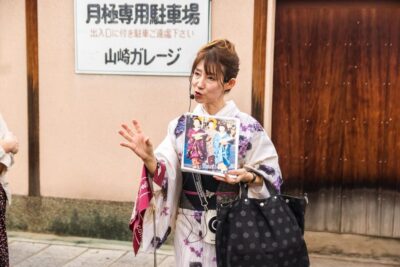
Kyoto Night Foodie Tour in Gion (9+ dishes + 6 Sake tastings)
Read our review →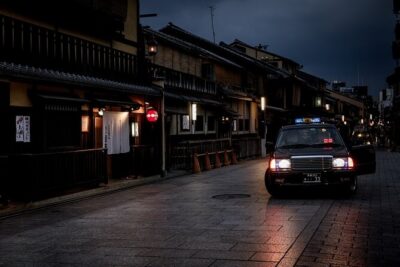
Kyoto Gion Geisha District Walking Tour – The Stories of Geisha
Read our review →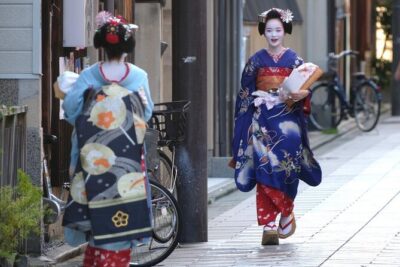
Kyoto Gion: 2-Hour Geisha Culture & History Walking Tour
Read our review →
Chopsticks Making Workshop in Gion with Engraving Option
Read our review →Browse the lists this tour appears in