
Reviewed · COOKING CLASSES
Authentic SUSHI Course Cooking Class
Sushi is better when you make it. This Osaka cooking class turns dinner into a practical lesson in Japanese food, with hands-on work from sushi rice to grilled chicken. I like the small-group format and the way the class covers a full meal, not just a few rolls. The main consideration is the price, $99.08 per person, which is fair if you value instruction and dinner, but high if you only want a quick sushi demonstration.
You’ll also get a choice of lunchtime or evening scheduling, though the supplied booking details list a 5:30 pm start for this session. The class lasts about two and a half hours, and the food is filling. If you are nervous about joining alone, don’t be: instructor Fumi has a warm, patient teaching style, and solo participants have received plenty of attention.
In This Review
- Key points at a glance
- Why this Osaka sushi class is more than a roll-making demo
- Meeting Fumi at Kitahorie
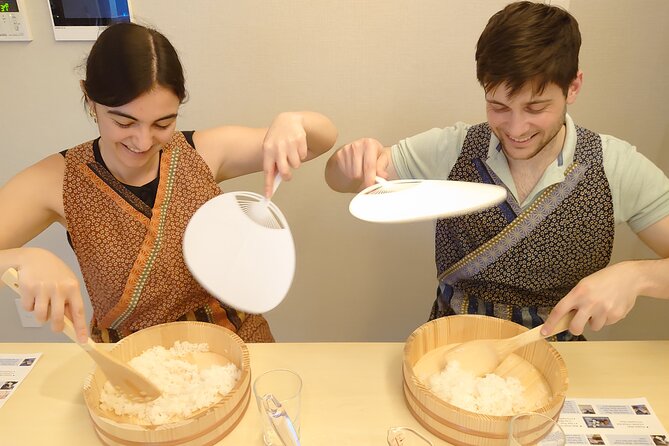
- Starting with sushi rice in your own wooden tub
- Tamagoyaki with a rectangular pan
- Dashi and miso soup from basic ingredients
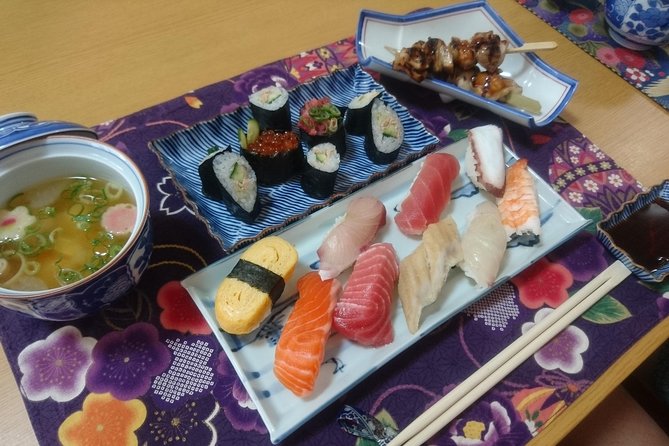
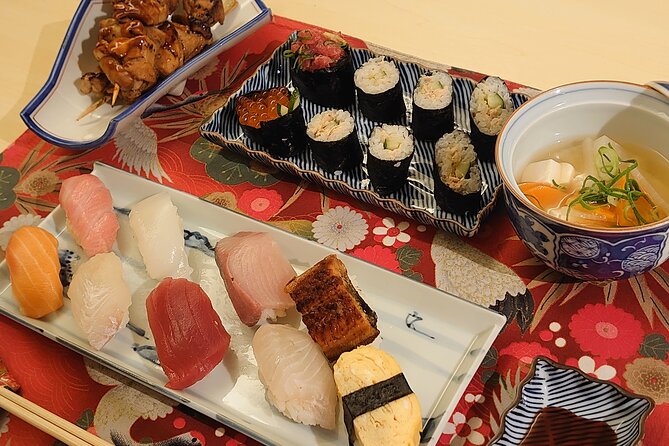
- Nine nigiri, two gunkan-maki, and one rolled sushi
- Skewering chicken for yakitori
- Sitting down for an Itadakimasu dinner
- Is $99.08 a fair price?
- Who will enjoy this class most?
- Timing, group size, and booking advice
- Should you book the Sakura Cook sushi course?
- FAQ
- Where does the sushi cooking class take place?
- What time does this class start?
- How long does the class last?
- Does the activity return to the meeting point?
- What kinds of sushi will I make?
- Does the class include dishes besides sushi?
- Are ingredients included in the price?
- Can children attend?
- Can I provide dietary requirements?
- What is the cancellation policy?
Key points at a glance
- Make three kinds of sushi: Prepare nine nigiri, two gunkan-maki, and one rolled sushi.
- Cook more than sushi: The menu also includes dashi broth, tofu miso soup, tamagoyaki, and yakitori chicken.
- Learn by doing: You make your own sushi rice in a wooden tub, shape vegetables, roll egg, and skewer chicken.
- Friendly instruction: Fumi and her assistants explain each step carefully and add useful notes about ingredients such as bonito and umami.
- Eat a full dinner: Sit down with your finished dishes, chopsticks, and a seasonal dessert.
- Small class, with one detail to confirm: The experience is described as having a maximum of 14 people in one place and 8 in another, so check the final group size when booking.
Why this Osaka sushi class is more than a roll-making demo
Many cooking classes focus on one showy dish. This one gives you a small Japanese meal to build from start to finish. You work on sushi, soup, egg, and chicken, so the two and a half hours feel like a proper introduction to home-style Japanese cooking.
I especially like that you do not begin with a pile of prepared rice. Each participant receives a wooden tub and paddle, then seasons and works with their own sushi rice. That simple step teaches an important point: good sushi depends as much on rice texture and seasoning as it does on fresh toppings.
The class also includes cultural background as you cook. Fumi has explained ideas such as umami and the role of bonito in dashi, rather than treating the ingredients as mysterious items on a workbench. You leave with more than a plate of food. You have a better sense of how several familiar Japanese dishes are built.
The format suits families, couples, friends, and solo participants. A family with two teenagers found the pace manageable, while one solo participant ended up receiving especially personal attention. The listed maximum is small enough to keep the instructor involved, though the published group limits do not match. I would confirm that detail before paying.
More Cooking Classes in Osaka
- Osaka: Ramen and Gyoza Cooking Class in Dotonbori
★ 5.0 · 378 reviews - Osaka Cooking Class: Okonomiyaki &Japanese cuisines experience
★ 5.0 · 261 reviews - Ramen and Gyoza Cooking Class in Osaka
★ 5.0 · 202 reviews
Meeting Fumi at Kitahorie
The meeting point is Banix北堀江, at Systema Gallery, 3-chōme 6-2 Kitahorie, Nishi Ward, Osaka, postal code 550-0014. The activity begins and ends at this same location, and it is described as being near public transportation.
The listed start time for this experience is 5:30 pm. That makes it a useful evening plan after sightseeing, but allow enough time to reach Kitahorie without rushing. You will need to arrive ready to begin, since the class moves through several separate preparations before you sit down to eat.
An apron is provided at the start. This is a small touch, but a useful one when you are handling seasoned rice, egg, marinade, and grilled chicken in one session. Specific transport directions are not supplied, so use the meeting address rather than relying only on the activity name.
Starting with sushi rice in your own wooden tub
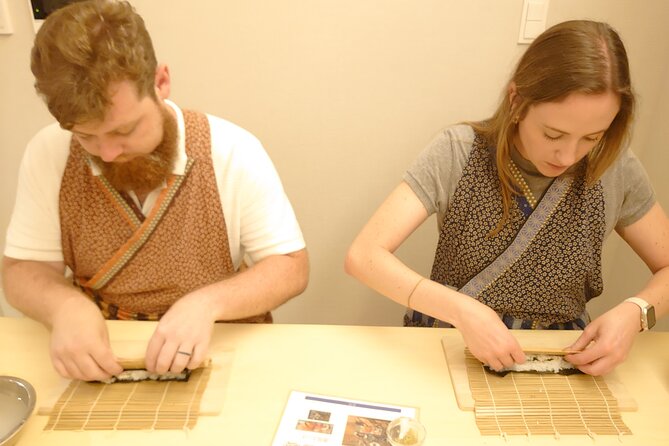
The first task is making sushi rice. You work separately with your own wooden tub and paddle, rather than crowding around one communal bowl. This gives you a chance to see how the rice is handled and seasoned before you try to shape it.
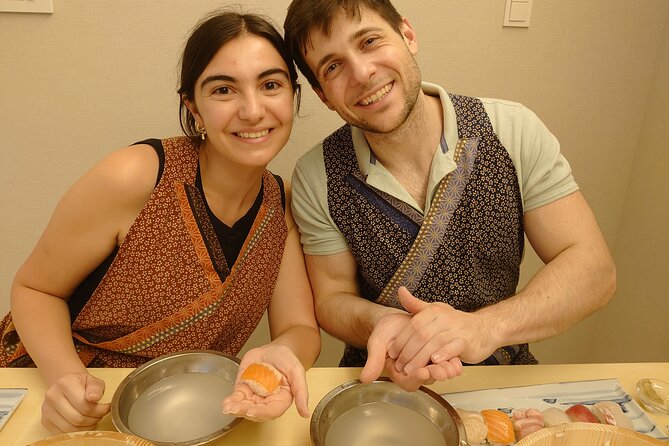
That matters because sushi rice is easy to underestimate. It needs the right balance of texture and seasoning, and the class treats it as a key part of the meal. You may also learn to handle and roll the rice with your bare hands, an essential practical skill for shaping nigiri and maki.
The hands-on method is one of the strongest reasons to choose this activity. You are not simply watching Fumi produce perfect sushi while you take photographs. You make the food yourself, with instruction close by when your rice, fingers, or rolling technique needs help.
Do not expect every piece to look like it came from a sushi counter on your first try. That is part of the fun. The useful goal is learning how to shape the pieces and understanding why the technique works.
Tamagoyaki with a rectangular pan
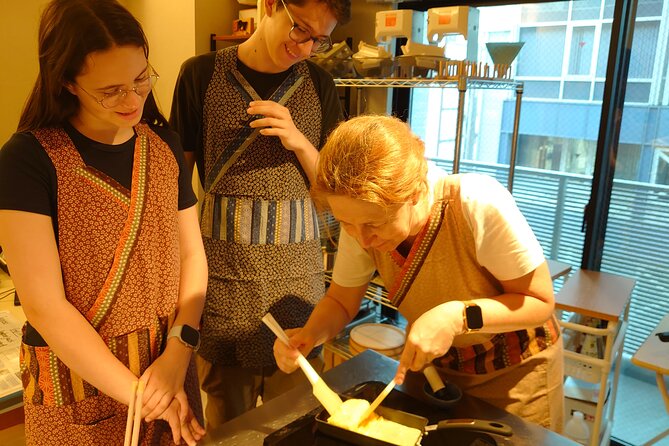
Next comes the egg sushi. You make rolled eggs, known as tamagoyaki, in a small rectangular Japanese frying pan. The shape of the pan helps create the neat layered form associated with this dish.
Tamagoyaki looks simple until you try to build it layer by layer. The class breaks down the process so you can see how the egg is cooked, folded, and rolled. It is a good change of pace from rice work, and it adds a soft, savory element to the final sushi plate.
This is also one of the more useful skills to repeat at home. You may not have the same pan in your kitchen, but the lesson gives you a clear idea of how the omelette is formed. One practical limitation is that the supplied recipes have been described as somewhat light on detail. Pay close attention during the demonstration and take mental notes, especially for the order of steps.
A completely different kind of day out in Osaka:
- Osaka Go Karting Tour with Funny Costume
★ 5.0 · 2,658 reviews - Osaka Castle: Museum and Tower Entry Ticket
★ 4.5 · 2,380 reviews - Osaka: Shinsekai Food Tour with 13-15 Dishes at 5 Eateries
★ 4.8 · 2,204 reviews - Osaka Food Tour: 13 Dishes at 5 Local Eateries
★ 5.0 · 2,149 reviews
Dashi and miso soup from basic ingredients
The class then shifts from sushi to soup. You make traditional Japanese dashi, the broth that gives many dishes their savory depth, before turning it into tofu miso soup.
This part adds real value because miso soup is often treated as a quick side dish. Here, you see the broth first and then learn how it becomes soup. Fumi has also explained ingredients such as bonito and the idea of umami, which helps connect the cooking technique to the taste in your bowl.
The vegetables are cut into fancy shapes, and tofu is added to the soup. That detail makes the dish feel festive without turning it into an elaborate restaurant production. You get to practice knife work and presentation while still making something you can easily prepare at home.
The soup is also a welcome pause between the more technical sushi tasks. It gives you something warm and savory before the final meal, and it shows that Japanese cooking is not only about raw fish.
Nine nigiri, two gunkan-maki, and one rolled sushi
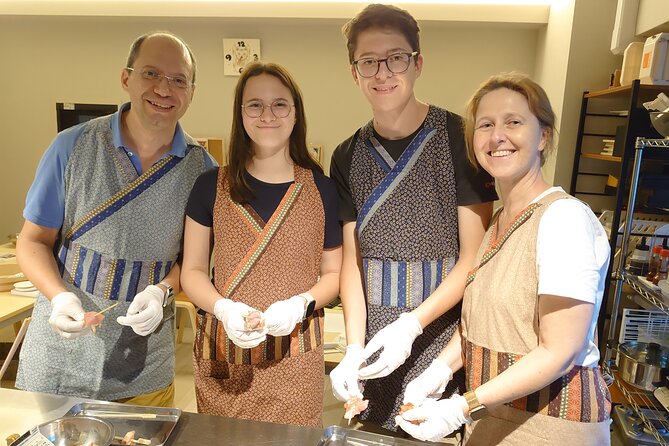
The central portion of the class is the sushi set. You make nine nigiri, two gunkan-maki, and one rolled sushi, with the ingredients included in the class price.
Nigiri teaches you to shape rice into compact pieces and place the topping neatly. Gunkan-maki has a different construction, with seaweed forming a small belt around the rice. The rolled sushi then adds another technique, as you learn to place the ingredients and roll the seaweed into a firm cylinder.
The variety is important. If you only learned one kind of roll, you might leave with a narrow skill. Here, you get three styles and can compare how each one is handled. It is enough food to feel substantial, but not so much that the class becomes a production line.
Fumi’s teaching style receives the strongest praise in the available feedback. She is described as patient, encouraging, attentive to each person, and good at explaining both ingredients and technique. That matters in sushi, where a small adjustment in hand pressure can make the difference between a tidy piece and a loose one.
The food itself is intended for eating at the end, not merely for display. Fresh ingredients are included, and the finished meal can be surprisingly filling. One of the nicest outcomes is that you can leave with skills that are realistic to repeat at home.
Skewering chicken for yakitori
Sushi is only part of the dinner. You also marinate chicken, place it on skewers, and prepare yakitori.
This section gives the class a different rhythm. After the careful shaping of rice and egg, you work with chicken and grilling. It also rounds out the meal with a cooked protein, so you are not eating a plate made entirely of rice and seafood.
The activity description calls the dish yakitori chicken, while one participant referred to it as chicken satay and another described it as teppanyaki chicken. The clear point is that you season, skewer, and cook chicken as part of the meal. If you have a dietary restriction, tell the provider when booking rather than assuming the menu can be changed on the day.
The skewering is simple enough for beginners, but it gives you another technique to take home. You can also see how a few prepared components become a complete dinner when served together.
Sitting down for an Itadakimasu dinner
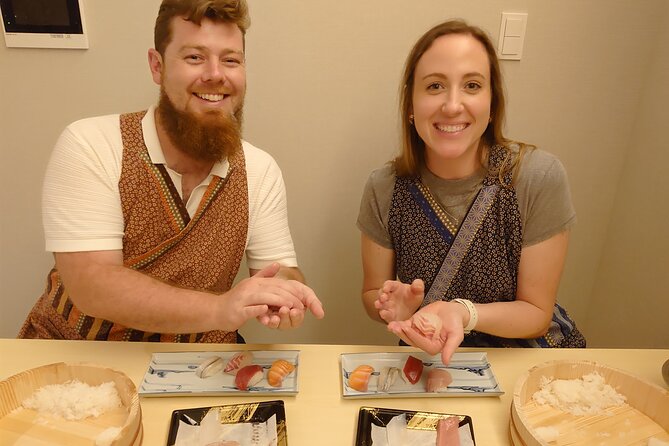
At the end, you arrange the sushi, soup, yakitori, chopsticks, and other dishes, then say Itadakimasu before eating. The meal is the reward for the work, but it also helps you judge your own progress.
You may notice that your sushi is not perfectly uniform. That is fine. It is more satisfying to eat pieces you shaped yourself, especially after learning why the rice, egg, seaweed, and toppings need to be handled differently.
A complimentary seasonal dessert follows the meal. It is a modest but welcome finish, and one participant enjoyed taking the dessert along for a flight home. The menu is already generous, so do not plan a large dinner afterward.
The class has a useful balance of instruction and eating. You spend much of the time working, but the final meal prevents the experience from feeling like a school lesson with no payoff.
Is $99.08 a fair price?
At $99.08 per person, this is not the cheapest way to eat sushi in Osaka. You can find a good meal for less, especially if your only aim is to taste nigiri.
The value changes if you want instruction. Your fee covers ingredients, an apron, several dishes, professional guidance, the meal you prepare, and dessert. You are not paying only for food. You are paying for the chance to learn sushi rice, three sushi styles, tamagoyaki, dashi, miso soup, and yakitori in one sitting.
I consider the price reasonable for visitors who will use the skills again. The strongest evidence of value is that participants have recreated the meal after returning home. If you enjoy cooking, that makes the class more useful than a single restaurant dinner.
The cost may feel high for a very casual night out, particularly if you are not interested in cooking. It is also worth remembering that the class lasts about 2 hours and 30 minutes. That is a substantial evening activity, not a short tasting stop.
The experience is booked, on average, 63 days ahead. That suggests you should reserve early if your Osaka dates are fixed, particularly if you want the evening class.
Who will enjoy this class most?
I would recommend it to you if you want to understand Japanese food by making it yourself. It works especially well for:
- Families with older children or teenagers
- Couples looking for an evening activity
- Solo participants who enjoy meeting an instructor and a small group
- Beginners who want clear, guided practice
- Cooks who hope to repeat the recipes at home
- Sushi fans who want more than a restaurant meal
Children must be accompanied by an adult. The class includes several tasks, so younger children may need close help, but the available information specifically confirms that children can attend with an adult.
You should think twice if you dislike structured activities or want a purely relaxed dinner. There is a lot to do, and the class moves through rice, egg, soup, sushi, and chicken in one sitting. It is friendly, but it is still a lesson.
Dietary requirements should be provided at booking. No specific substitutions are listed, so do not count on changes unless the provider confirms them.
Timing, group size, and booking advice
The duration is approximately two and a half hours. The published start time here is 5:30 pm, and the class returns to the meeting point when finished. A lunch or dinner option is also described, so check the exact time available for your date.
The group size needs a quick check. The overview says a maximum of 14 participants, while the additional details say a maximum of 8. Both descriptions point to a small-group setting, but the difference could affect how much individual attention you receive.
Confirmation is sent within 48 hours of booking, subject to availability. A mobile ticket is provided, which keeps the entry process simple. Free cancellation is available if you cancel at least 24 hours before the local start time. Cancellations or changes made inside that window are not accepted for a refund.
Should you book the Sakura Cook sushi course?
Book this class if you want a hands-on Osaka food experience and would enjoy learning a complete meal. Fumi’s patient teaching, the broad menu, and the chance to recreate the dishes at home make it more useful than a quick sushi demonstration.
Skip it if you only want to eat sushi cheaply, or if a two-and-a-half-hour cooking session sounds like work. Before booking, confirm the group limit, start time, and any dietary arrangements. For families, solo participants, and curious home cooks, this is a strong choice, and the finished dinner gives you a satisfying reason to practice every step.
FAQ
Where does the sushi cooking class take place?
It takes place at Banix北堀江, Systema Gallery, 3-chōme 6-2 Kitahorie, Nishi Ward, Osaka, 550-0014.
What time does this class start?
The listed start time is 5:30 pm. A lunch or dinner class may be available, so check the exact option for your booking date.
How long does the class last?
The experience lasts approximately 2 hours and 30 minutes.
Does the activity return to the meeting point?
Yes. The activity ends back at the same meeting point.
What kinds of sushi will I make?
You will make nine nigiri-sushi, two gunkan-maki, and one rolled sushi.
Does the class include dishes besides sushi?
Yes. You will prepare sushi rice, rolled egg, dashi, tofu miso soup, and yakitori chicken. A seasonal dessert is also included.
Are ingredients included in the price?
Yes. All ingredients for the activity are included.
Can children attend?
Yes, but children must be accompanied by an adult.
Can I provide dietary requirements?
Yes. You should advise the provider of any specific dietary requirements when booking.
What is the cancellation policy?
You can cancel for a full refund up to 24 hours before the experience start time. Cancellations or changes made less than 24 hours before the start are not accepted for a refund.
Just added around Osaka
- Osaka Food Tour with 10 Classic Japanese Tastings & Drinks★ 5.0 · 38 reviews
- Osaka: Highlights & Hidden Gems Private Walking Tour★ 4.7 · 38 reviews
- Kyoto private tour (Shore excursion available from Osaka or Kobe port)★ 5.0 · 39 reviews
- Osaka Private Day Trip – Enjoy Your First-Time Visit to Osaka!★ 5.0 · 39 reviews
- Kyoto & Nara & Uji: Full Day Sightseeing Tour from Osaka or Kyoto★ 4.5 · 39 reviews
- Osaka: Mind & Spirit Balance Temple Reiki Healing★ 5.0 · 41 reviews
- Osaka: Gluten-Free Ramen and Gyoza Cooking Class★ 5.0 · 42 reviews
- Osaka Afternoon Walking Tour with Osaka River Cruise★ 3.5 · 42 reviews
Cooking Classes, compared.
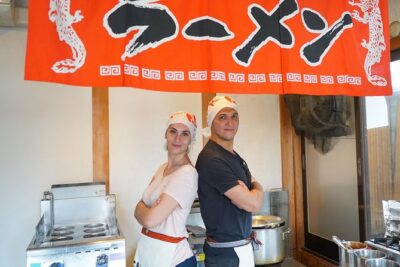
Ramen Cooking Class at Ramen Factory in Kyoto
Read our review →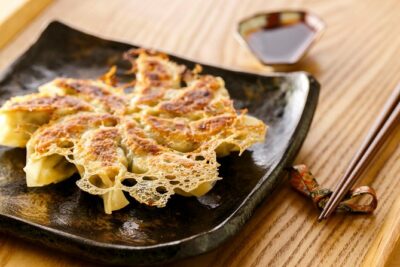
Ramen & Gyoza Cooking Class in Tokyo with Local Supermarket Visit
Read our review →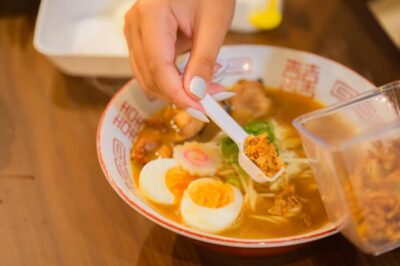
Ramen Cooking Class at a Ramen Factory with Souvenir
Read our review →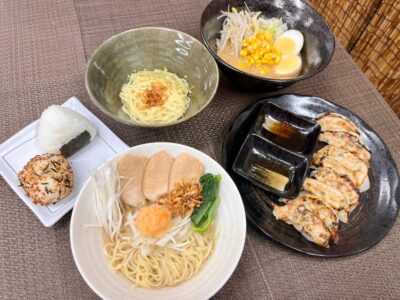
Japanese Washoku Bento Small Group Cooking Class
Read our review →
Easy Ramen Cooking Experience in Kabukicho, Shinjuku
Read our review →
Ramen and Sushi Cooking Class with Sake Pairing Set in Tokyo
Read our review →Browse the lists this tour appears in