
Reviewed · RAMEN & NOODLE TOURS
Kyoto: Ramen Cooking Class at a Ramen Factory with Souvenir
Ramen making is far more hands-on than it looks. At Kyoto’s Ramen Factory, you turn flour into noodles, season chicken, choose a broth and sauce, then sit down to eat the bowl you made. I especially like the 90-minute format, which fits neatly into a day of sightseeing, and the chance to choose among miso, salt and soy flavors. The main consideration is the price: at $127 per person, this is not a cheap meal, though it includes instruction, food, a souvenir and a recipe for cooking at home.
The class is run by a ramen school established by Menbaka Fire Ramen, a well-known Kyoto ramen house. Guides such as Sakura, Fuku, Akemi, Moeka and Kazuma are praised for keeping the pace lively and the instructions clear. You do not need cooking experience, but you should be ready for flour on your hands, energetic demonstrations and a group activity rather than a quiet restaurant lunch.
In This Review
- The key points at a glance
- Why this short Kyoto class works so well
- Finding the basement near Demachiyanagi
- Aprons, headscarves and the opening video
- Working the dough more than 100 times
- Seasoning the chicken for a quick homemade bowl
- Choosing miso, salt or soy
- Building the bowl and finally eating it
- Souvenirs that are useful after Japan
- Who will get the most from this experience
- Booking, timing and practical details
- Should you book the Kyoto Ramen Factory class?
- FAQ
- Where is the Ramen Factory in Kyoto?
- How do I find the entrance?
- How long does the ramen class last?
- What languages are available?
- How much does the experience cost?
- What sauces can I choose?
- Do I make the noodles from scratch?
- Is food included?
- Can dietary requirements be accommodated?
The key points at a glance
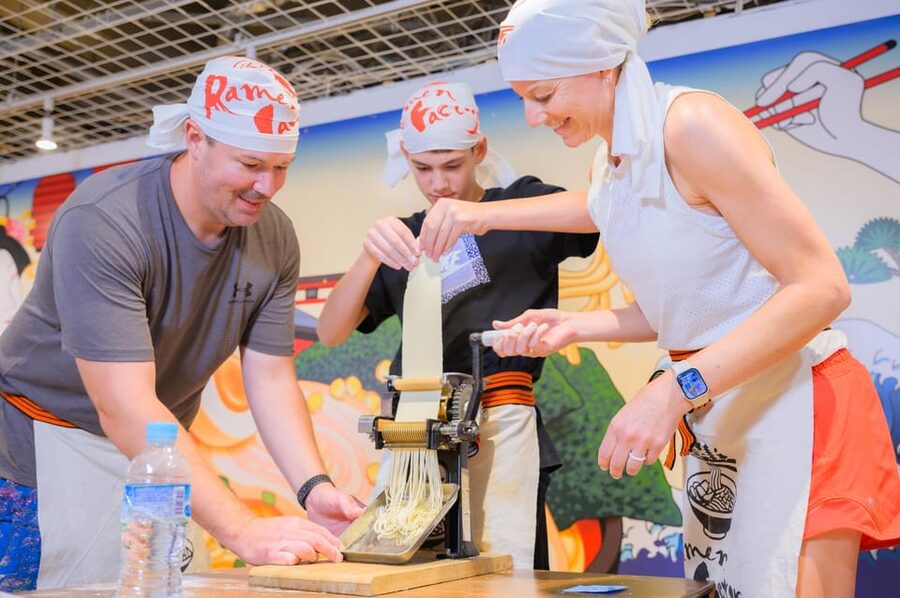
- Noodles begin with flour: You mix, punch, knead, fold and work the dough more than 100 times before turning it into noodles.
- Three classic flavor paths: Choose and mix featured miso, salt and soy sauces to create your bowl.
- Chicken replaces a long pork preparation: The class uses seasoned chicken chashu so you can complete the meal within 90 minutes.
- A practical Kyoto location: The factory is a five-minute walk from Demachiyanagi Station on the Keihan Line.
- Take-home value: You receive a selected souvenir and the full recipe by email, with reported gifts including ramen bowls, bandanas, photos and certificates.
- Strong family appeal: Children, teenagers, solo participants and adults with no kitchen experience can all take part.
Why this short Kyoto class works so well
I like this activity because it gives you something your usual ramen lunch cannot: a clear look at how the bowl comes together. You are not simply watching a chef stretch noodles behind a counter. You season the chicken, work the dough and make decisions about the soup and toppings.
The class also has a useful rhythm. The video explains the process, the instructors demonstrate each stage, and then you repeat it at your station. That structure matters because ramen can seem complicated when you see the finished dish. Here, the work is divided into manageable steps.
The short duration is another strength. Kyoto days fill quickly with temples, gardens and shopping streets. A 90-minute session can serve as lunch while still leaving room for nearby sights. The class is near Demachiyanagi, a useful stop for visits around northern Kyoto, though the activity itself is in a basement and does not offer the atmosphere of a traditional ramen shop.
The price deserves an honest look. At $127, you are paying for more than noodles and broth. The fee includes the chef course, your finished meal, instruction in English or Japanese and a selected souvenir. You also receive the recipe by email, which gives the experience some use after Japan. Still, if your main goal is simply to eat ramen, a restaurant will cost much less. This is worth considering as a cooking activity and cultural experience, not as a bargain lunch.
More Cooking Classes in Kyoto
- Ramen Cooking Class at Ramen Factory in Kyoto
★ 5.0 · 1,937 reviews - Kyoto: Ramen, Gyoza, and Onigiri Cooking Class
★ 5.0 · 445 reviews - Kyoto: Japanese Washoku Bento Small Group Cooking Class
★ 5.0 · 380 reviews
Finding the basement near Demachiyanagi
The Ramen Factory is about a five-minute walk from Demachiyanagi Keihan Line Station. The official directions point you toward the staircase to the right of the supermarket, leading down to the basement.
Allow yourself a few extra minutes to find the entrance. One useful detail from the experience is that the doorway may not appear exactly where Google Maps places it. A street-side staircase behind the bus stop has also been mentioned as the practical entrance. Look for the stairs rather than expecting a prominent street-level restaurant sign.
The basement setting is functional rather than scenic. That is not a problem for a cooking class, since the important features are the workstations, ingredients and instructors. It does mean you should treat the location as a destination for the activity, not a place to wander into casually.
Aprons, headscarves and the opening video
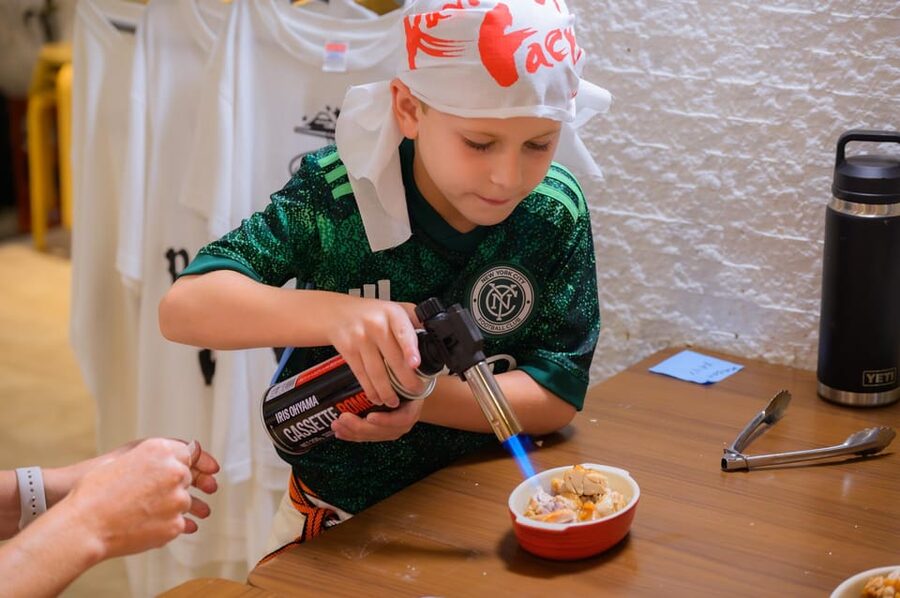
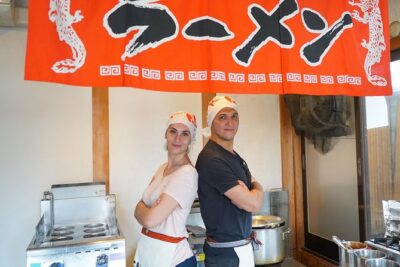
The session starts with the Ramen apron and headscarf. This is partly practical, since you will be handling flour, and partly fun. It gives the class a shared look and helps mark the change from sightseeing mode to cooking mode.
An overview video follows. It explains the basic process before you begin, giving you a sense of how flour, seasoning, broth, toppings and noodles fit together. I find this kind of introduction useful because it removes some of the mystery without turning the class into a lecture.
The teaching style is energetic. Instructors including Sakura, Fuku, Akemi, Moeka and Kazuma have been singled out for humor, warmth and clear demonstrations. The staff also help with photographs and videos, which is useful when both of your hands are covered in dough. Some people have received a printed starting photo or a certificate, but the listed inclusion is a selected souvenir, so the exact take-home items may vary.
Working the dough more than 100 times
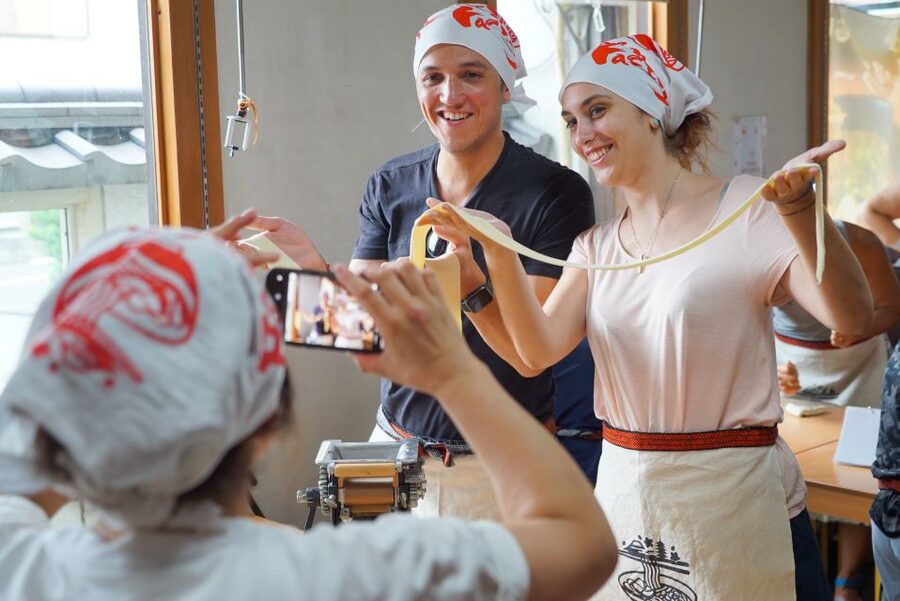
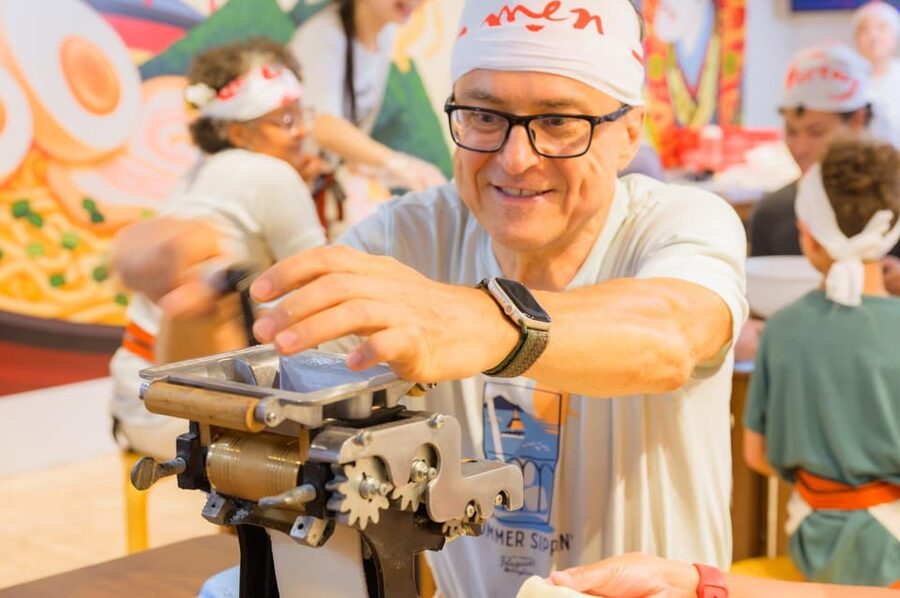
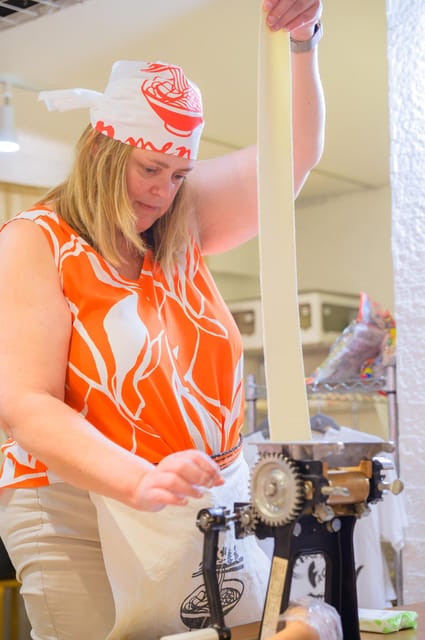
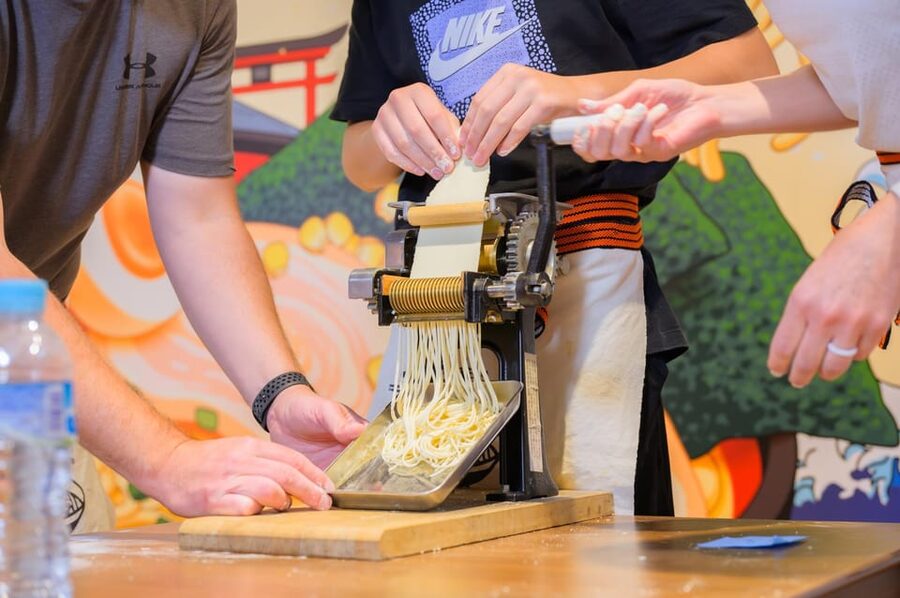
The most memorable part is the noodle making. You begin with flour and turn it into dough through mixing, punching, kneading and repeated folding. The process includes working the dough more than 100 times, a detail that makes clear why good ramen noodles need time and effort.
This is hands-on, but not difficult in the way a serious professional cooking course can be. The instructors guide you through each motion, and the class is designed for beginners. You may not produce perfectly uniform noodles on your first attempt, but that is part of the fun. Your bowl has evidence of your work in it.
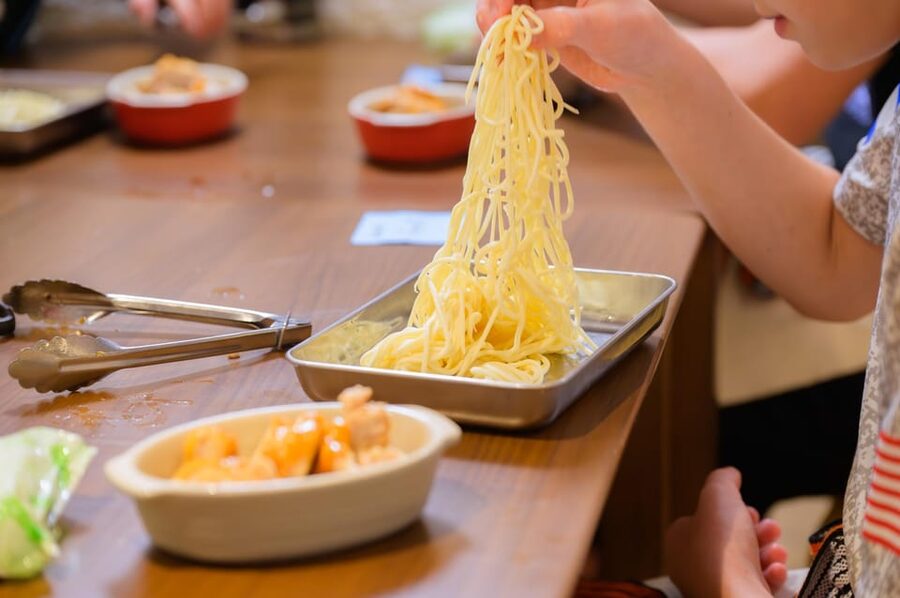
You also drain and shake the noodles before they go into the bowl. Those final movements are simple, but they help you understand the texture and handling of fresh noodles. I would consider this the best part of the class for anyone who wants a skill to take home, since the recipe and method can be used again after your trip.
One practical point is worth noting. The class lets you make the noodles from flour, but not every element of a complex ramen broth can be made from raw ingredients in an hour and a half. Some components are prepared in advance, which is sensible. Good ramen broth can take days, and the class focuses your time on the parts you can realistically make and control during the session.
More Ramen Tours in Kyoto
- Kyoto Ramen and Gyoza Cooking Class with Professional Chefs
★ 5.0 · 282 reviews - Home style Ramen and Homemade Gyoza in Kyoto
★ 5.0 · 152 reviews - Kyoto Ramen & Gyoza Cooking Class with Professional Chefs
★ 4.8 · 100 reviews - Kyoto Michelin Ramen Workshop or Painting Ramen Essentials
★ 4.9 · 100 reviews
Seasoning the chicken for a quick homemade bowl
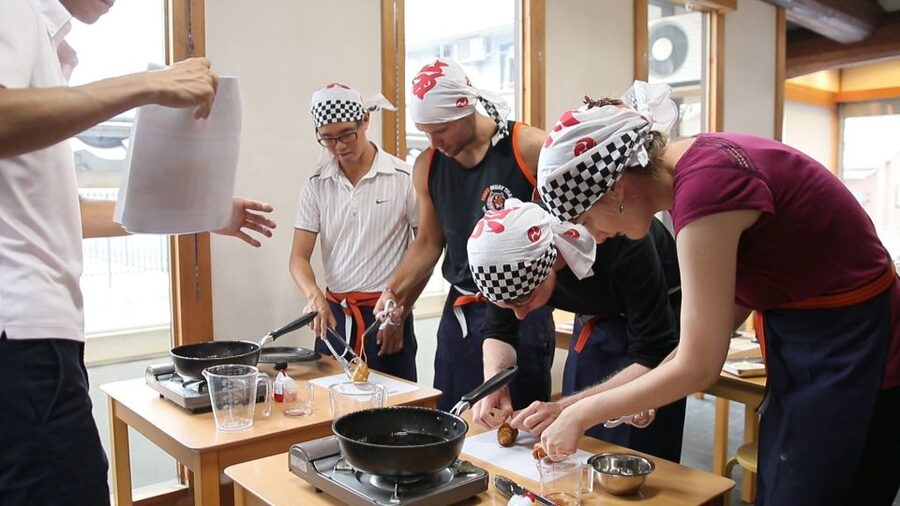
The class uses chicken chashu rather than asking you to prepare a long-cooking pork topping. You flavor the chicken with seasonings before assembling the bowl. This keeps the process within the 90-minute schedule while giving you a proper topping to work with.
The chicken approach also opens the class to more diners who avoid pork. One participant who does not eat meat received an alternative, and the class has accommodated pescatarian choices with tofu and fish broth. Vegan options have also been arranged individually. Do not assume every dietary need is automatically covered, though. Contact the local supplier after booking if you need a special option.
This is one area where advance communication matters. The experience can accommodate different diets, but the information says you should get in touch beforehand. Tell the supplier about allergies or restrictions early, rather than waiting until you arrive.
Choosing miso, salt or soy
Once the noodles and chicken are ready, you choose a soup and sauce combination. The featured sauces are miso, salt and soy, and you can mix the flavors to suit your taste.
This choice gives the class a personal element without making it confusing. Miso offers a fuller, fermented flavor. Salt keeps the bowl lighter and cleaner. Soy adds a familiar savory note. You can decide how bold you want the finished ramen to be, then adjust the bowl with toppings and condiments.
The freedom to customize is repeatedly praised by people who enjoy cooking to their own preference. It also works well for families, since different people can create different bowls from the same basic ingredients. A picky eater can keep things simple, while a more adventurous cook can combine sauces and extras.
Do not expect an advanced lesson in regional ramen styles. The focus is on making and eating your own bowl, with some background about ramen and its place in Japanese food culture. That balance keeps the session lively, but it is not a specialist culinary seminar.
Building the bowl and finally eating it
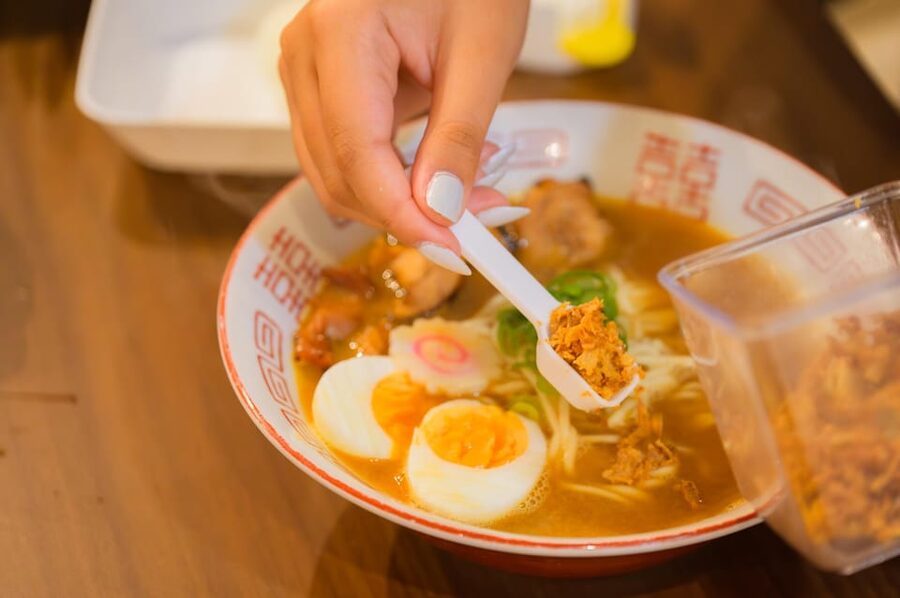
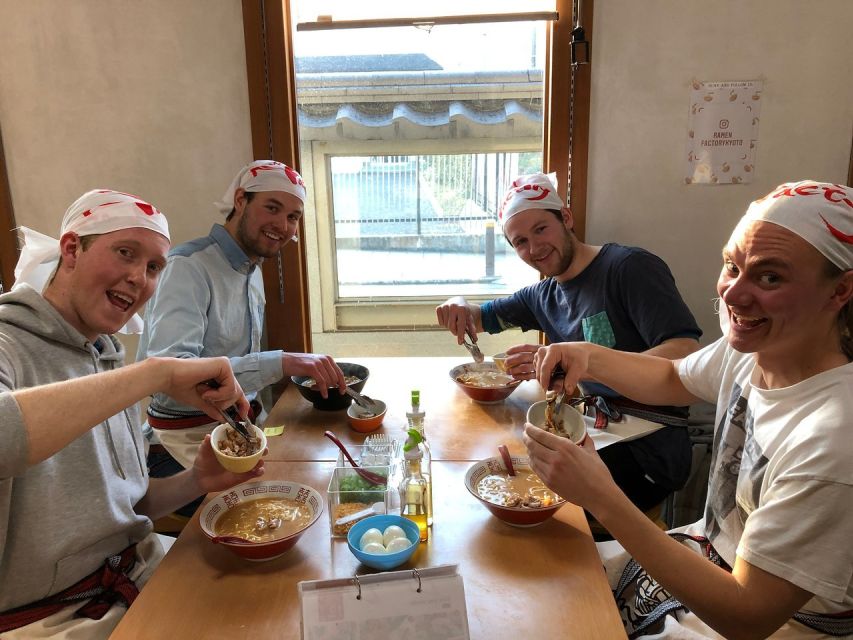
After the cooking steps, you assemble the ramen. You arrange the noodles, broth, chicken, egg, toppings and condiments according to your preference. The staff help you display the bowl, which makes for better photographs before the meal disappears.
Then you eat what you made while looking back at the preparation. This is an important part of the experience. You are not rushed straight out after the final demonstration, and the meal provides a satisfying end to the class.
The finished ramen has received especially strong praise for taste. That may sound surprising for a short tourist activity, but the structure explains it. The ingredients are prepared carefully, the long-cooking elements are handled in advance, and you are guided through the final choices. The result can be much better than many first-time cooks expect.
Still, keep your expectations sensible. You are making a guided bowl, not mastering every stage of ramen production in one visit. The meal is delicious because the class combines your work with professional preparation behind the scenes.
Souvenirs that are useful after Japan
The selected souvenir adds value, especially if you enjoy practical reminders rather than another disposable trinket. Souvenir choices have included ramen bowls, and some people have taken home bandanas, printed photos, certificates and other small gifts.
The recipe arrives by email, often through a QR code. This is perhaps the most useful souvenir because it gives you a chance to repeat the dish at home. You may not reproduce a restaurant broth without several days of preparation, but you can use the noodle method, seasoning ideas and assembly process to make your own version.
Pack carefully if your selected gift is ceramic. A ramen bowl is a fun reminder of Kyoto, but it takes more luggage space and needs protection. If you are traveling with children, the keepsake can also help turn the class into a shared memory rather than just another meal.
Who will get the most from this experience
I would recommend the class most strongly to:
- Families with children or teenagers who need a break from temples and museums
- Couples looking for a shared activity with a meal at the end
- Solo visitors who want a social, guided experience
- Ramen fans curious about noodles, sauces and toppings
- First-time cooks who want clear instruction without a full-day course
- Visitors with dietary needs who contact the supplier in advance
The activity suits people who like a little noise and encouragement. Guides such as Fuku and Sakura are described as funny, upbeat and highly involved, so the tone is more cheerful cooking show than calm kitchen lesson.
It may not suit you if you want a private, slow-paced meal, advanced broth science or a quiet break. A solo booking can sometimes feel personal if attendance is light, but group energy is part of the format. The class is also not the best value for someone who only wants to sample Kyoto ramen.
Booking, timing and practical details
The session lasts 90 minutes, with starting times based on availability. Since transportation is not included, you must make your own way to the factory. The nearest stated rail access is Demachiyanagi Station on the Keihan Line.
English and Japanese instruction is available. Staff support with photos and videos has been a welcome part of the experience, especially for solo visitors who cannot easily document both the dough work and the final bowl.
Drinks are not included, so plan to buy one separately if you want something with lunch. The class offers free cancellation up to 24 hours before the start time, and you can reserve now and pay later, which helps if your Kyoto schedule is still shifting.
The overall rating is 4.9 from 532 ratings, an unusually strong result. The praise centers on the same practical qualities: clear instruction, friendly staff, good food, easy participation and a fun atmosphere. That consistency is more useful than one spectacular story because it tells you what the class reliably does well.
Should you book the Kyoto Ramen Factory class?
Book it if you want to make your own noodles, enjoy a filling lunch and leave with a recipe and keepsake. The class is short, well structured and friendly to beginners. It also gives families and couples an activity they can share rather than another stop where everyone simply looks at the same thing.
At $127, I would place it in the special-activity category. The value improves if you use the recipe at home, appreciate the souvenir and would otherwise pay for a cooking lesson. If you only want an inexpensive bowl of ramen, skip the class and eat at a neighborhood shop.
My practical advice is to book this on a day near Demachiyanagi, contact the supplier about dietary needs, and allow extra time to locate the basement stairs. For many visitors, the best memory will not be the apron or the final photograph. It will be the moment you lift noodles made from your own flour and realize they actually taste like ramen.
FAQ
Where is the Ramen Factory in Kyoto?
It is about a five-minute walk from Demachiyanagi Station on the Keihan Line. The factory is on the basement floor.
How do I find the entrance?
Take the staircase to the right of the supermarket and go down to the basement. The entrance may not match the exact Google Maps position, and a street-side staircase behind the bus stop has also been identified as a useful landmark.
How long does the ramen class last?
The chef course lasts 90 minutes.
What languages are available?
Instruction is available in English and Japanese.
How much does the experience cost?
The listed price is $127 per person.
What sauces can I choose?
You can taste and mix three featured ramen sauces: miso, salt and soy.
Do I make the noodles from scratch?
Yes. You work from flour through dough and finish the noodles by mixing, punching, kneading, draining and shaking.
Is food included?
Yes. You prepare and eat the ramen made during the class. Drinks are not included.
Can dietary requirements be accommodated?
Dietary options can be arranged, including examples such as tofu and fish broth. Contact the local supplier after booking if you need a dietary option or have an allergy.
Just added around Kyoto
- Kyoto: Gion Night Walking Tour with Geisha Insight★ 5.0 · 39 reviews
- Kyoto: Private Customizable Day Trip by Car★ 5.0 · 38 reviews
- Kyoto: Full Day Bike Tour★ 4.9 · 39 reviews
- Private Japanese Calligraphy in Kyoto – Learn Shodō with a Master★ 5.0 · 39 reviews
- Kyoto: Gion Evening Walk with Hidden Gems, Geisha & Sake★ 5.0 · 41 reviews
- Experience a tea ceremony in an authentic tearoom, in Kyoto!★ 4.5 · 41 reviews
- Kyoto Private Photo Shoot & Tour by SnapKyoto★ 5.0 · 41 reviews
- The Way of Tea: Kyoto Crafts, Hidden Temples & Wabi-Sabi Walk★ 5.0 · 41 reviews
Ramen & Noodle Tours, compared.
Ramen Cooking Class at Ramen Factory in Kyoto
Read our review →
Eat and Drink Like a Local: Tokyo Ueno Food Tour-Taverns&Ramen
Read our review →
Ramen & Gyoza Cooking Class in Tokyo with Local Supermarket Visit
Read our review →
Five Must-See Highlights Walking Tour & Ramen Lunch
Read our review →

Easy Ramen Cooking Experience in Kabukicho, Shinjuku
Read our review →Browse the lists this tour appears in