
Reviewed · RAMEN & NOODLE TOURS
Kyoto: Ramen, Gyoza, and Onigiri Cooking Class
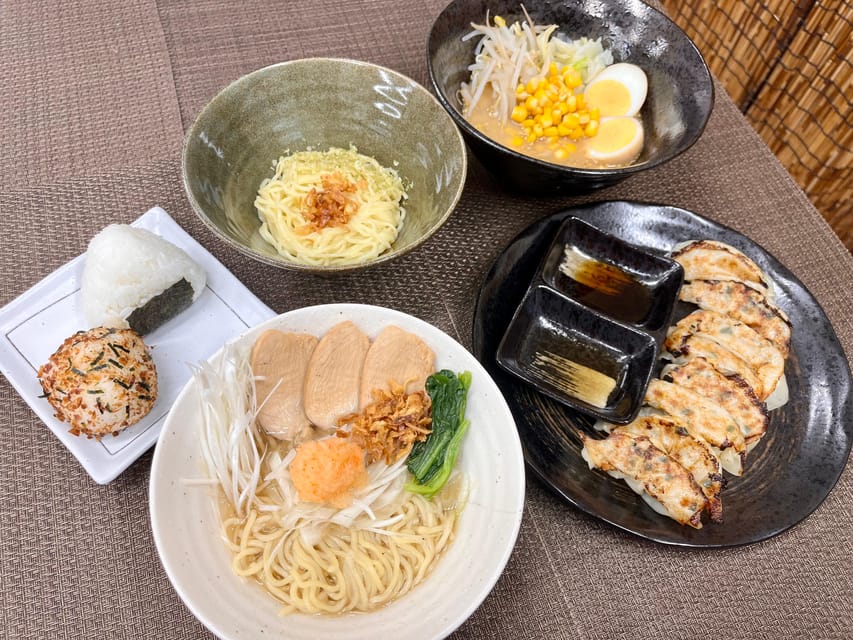
Ramen night starts in Kyoto. This lively 90-minute class teaches you how to make two Japanese ramen broths, pan-fried gyoza, and neatly shaped onigiri in a small English-speaking group. I like the focus on home-friendly recipes, especially the broth, since packaged ramen noodles are easy to find but a good soup base is harder to recreate. I also like that you eat everything you prepare, so the lesson ends with a proper, filling meal.
The main drawback is the menu policy. The class cannot accommodate vegan, pescatarian, gluten-free, or other special diets, and the stated vegetarian option only replaces pork with tofu. You also need to be at least 13 and able to cook independently, so families with younger children should check carefully before booking.
In This Review
- The essential facts at a glance
- Entering the basement classroom near Sanjo Keihan
- Building two ramen broths in 90 minutes
- Filling, folding, and pan-frying gyoza
- Shaping onigiri without overcomplicating lunch
- What the instructors add to the experience
- Is $90 a fair price in Kyoto?
- Who should book this Kyoto cooking class?
- Should you book it?
- FAQ
- Where is the cooking class located?
- What is the nearest taxi drop-off point?
- How long does the class last?
- How many people can join the class?
- Is the class taught in English?
- Are ramen noodles made during the class?
- Which ramen styles are prepared?
- Is there a vegetarian menu?
- Can the class accommodate vegan or gluten-free diets?
- What age must participants be?
- What should I wear or bring?
- Is food included?
- Are recipes provided?
- Can people enter only to watch?
- What is the cancellation policy?
The essential facts at a glance
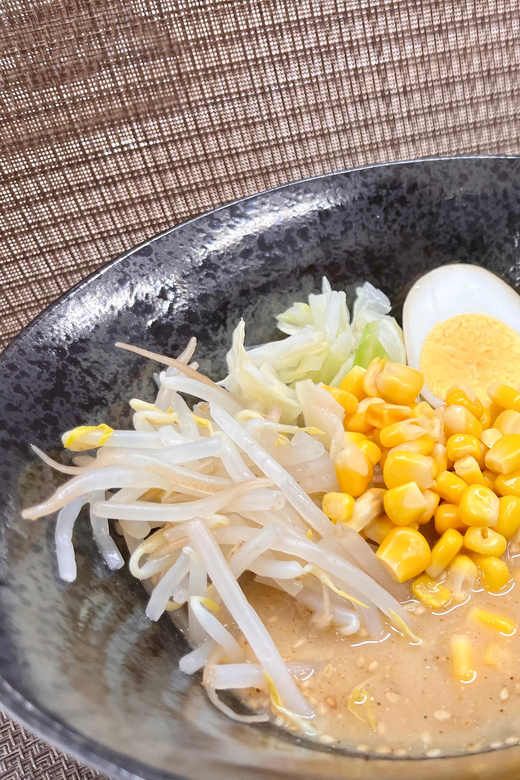
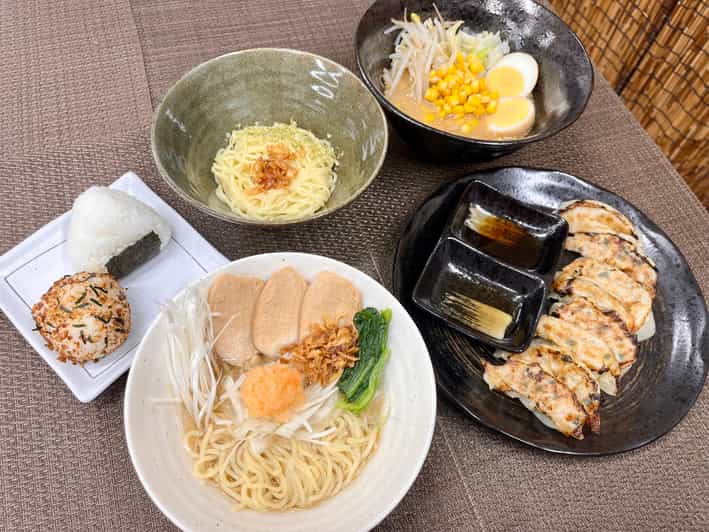
- Two ramen styles: Prepare miso ramen with egg, bean sprouts, green onions, and corn, plus shoyu ramen with chicken, bamboo shoots, and green vegetables.
- Broth is the main lesson: You learn how to build flavorful soup with ingredients commonly found at home. Noodles are not made in class.
- Gyoza practice is hands-on: You balance the pork, cabbage, onion, chives, and seasonings, then learn how to fold and seal the dumplings.
- Onigiri adds a quick lunch idea: Shape seasoned rice balls and learn why they make such a useful Japanese snack.
- Small groups help: Places are limited to eight, and several sessions have had only two to four participants.
- Plan to arrive early: The classroom is in the basement of the Life Building, one street off the main road near Family Mart at Sanjo Keihan.
Entering the basement classroom near Sanjo Keihan
Finding the classroom is the first small challenge. It is on B1 of the Life Building, not directly on the main street, and the directions warn that the entrance sits one street back. Search for Manryo cooking class on Google Maps before setting out, rather than trying to find it at the last minute.
If you take a taxi, ask to be dropped at the Family Mart at Sanjo Keihan. From there, it is about a two-minute walk. I would arrive around 10 minutes early, particularly if you are carrying luggage, traveling with teenagers, or relying on a cab driver who may not know the side street.
Once inside, the compact classroom setup keeps the lesson moving. Ingredients and equipment are supplied, and the cooking stations are prepared before you begin. That preparation is a major reason the class can fit four substantial dishes into only 90 minutes.
The format is practical rather than theatrical. English-speaking instructors explain the steps, demonstrate techniques, and help when your hands get stuck. Nori is frequently mentioned as a friendly and funny lead teacher, with Kairi, Aoi, Minori, Ayuna, Riho, and other assistants helping at different sessions.
More Cooking Classes in Kyoto
- Ramen Cooking Class at Ramen Factory in Kyoto
★ 5.0 · 1,937 reviews - Kyoto: Ramen Cooking Class at a Ramen Factory with Souvenir
★ 4.9 · 532 reviews - Kyoto: Japanese Washoku Bento Small Group Cooking Class
★ 5.0 · 380 reviews
Building two ramen broths in 90 minutes
The ramen portion centers on soup, not noodles. This is a smart choice for a short class and for home cooks. You can often buy fresh or dried ramen noodles in a supermarket, but recreating the broth is the part that determines the character of the bowl.
You work with familiar seasonings such as soy sauce, miso, garlic, ginger, sesame oil, mirin, cooking sake, black pepper, chili oil, butter, salt, and stock powder. Other ingredients include oyster sauce, lard, fish powder, and chicken stock powder, which explains why the class cannot handle vegan, pescatarian, or several other dietary needs.
The class teaches two versions:
- Miso ramen: Topped with a boiled egg, bean sprouts, green onions, and sweet corn.
- Shoyu ramen: Served with chicken, bamboo shoots, and green vegetables.
The toppings are intentionally simple. The idea is that the broth carries the stronger flavor, while the vegetables and other additions provide texture, color, and balance. I find this useful because it avoids the common home-cooking mistake of piling too many bold ingredients into one bowl.
Do not expect to knead or cut ramen noodles. You make the soup and use noodles that are already available. That might disappoint anyone hoping for a full noodle-making workshop, but it keeps the lesson focused on a skill you can easily repeat in your own kitchen.
The pace is brisk. Several participants have managed both ramen styles, gyoza, and onigiri in about an hour, leaving the rest of the 90 minutes for finishing, eating, and questions. You will be cooking, listening, measuring, and assembling at the same time, so this is not a slow demonstration.
The reward is useful knowledge rather than a complicated restaurant imitation. You leave with a way to make a satisfying broth from ingredients you may be able to find outside Japan. That gives the ramen lesson better value than a class that simply shows you how to assemble a bowl from prepared components.
Filling, folding, and pan-frying gyoza
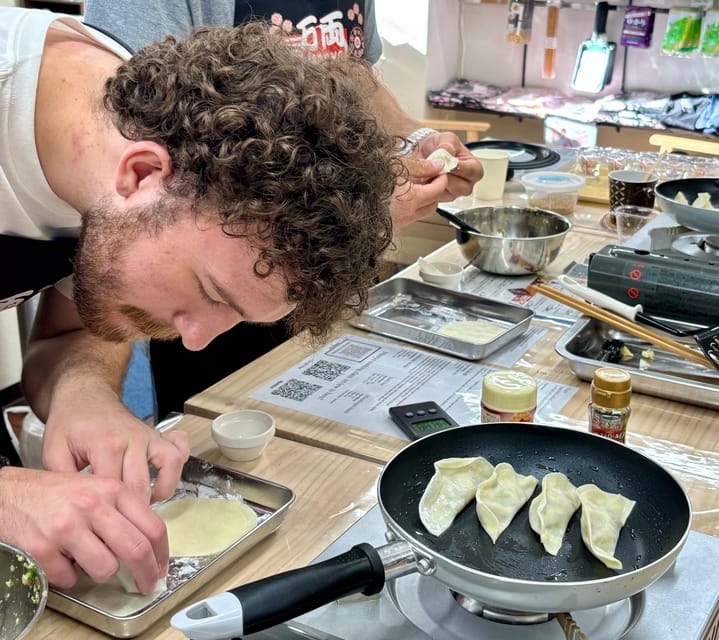
Gyoza is where your hands get the most practice. The filling combines ground pork, cabbage, onion, chives, garlic, ginger, sesame oil, soy sauce, and other seasonings. You learn how to balance meat, vegetables, and flavor before placing the mixture in the wrappers.
The important skill is the fold. The instructors show you how to position the filling, moisten the edge, create the pleats, and seal the dumpling so it keeps its shape during cooking. Your first gyoza may look more like a small stuffed envelope than a restaurant dumpling. That is part of the fun.
The class aims to teach a repeatable method rather than demand perfect decoration. Once you understand how much filling to use and how firmly to close the wrapper, you can make a batch at home without special equipment.
The finished dumplings are pan-fried, giving them the crisp base that makes gyoza so satisfying. You eat them with the other dishes at the end, and the meal tends to be generous. Several participants specifically advise arriving hungry, because the amount of food can be more than you expect from a 90-minute activity.
For me, gyoza also gives the class a social rhythm. One person folds, another compares shapes, and the instructors can correct small mistakes without taking over. In groups of four or fewer, the help feels especially personal. With the maximum eight participants, you still have a small class, but the table will be busier.
Shaping onigiri without overcomplicating lunch
Onigiri is the simplest dish in the lineup, but it adds an important everyday side to the class. These Japanese rice balls can hold different fillings and seasonings, and they make a quick snack or a practical lunch alternative to a sandwich.
You practice forming the rice into a clean, compact shape. The goal is not just appearance. You need enough pressure to hold the rice together without crushing it into a dense lump. The instructors guide you through the shaping so your finished onigiri looks presentable and stays intact.
This part of the class is approachable for beginners. It also gives you a recipe idea that is easier to repeat on a busy weekday than a full bowl of ramen. If you want one takeaway you can use often, onigiri may be it.
The class includes the food you make, along with free coffee and tea. Recipes are provided for ramen and gyoza, while the experience also gives you the method for the rice balls. Several participants have appreciated receiving printed recipes, especially when they wanted to recreate the meal for family or friends at home.
More Ramen Tours in Kyoto
- Kyoto Ramen and Gyoza Cooking Class with Professional Chefs
★ 5.0 · 282 reviews - Home style Ramen and Homemade Gyoza in Kyoto
★ 5.0 · 152 reviews - Kyoto Ramen & Gyoza Cooking Class with Professional Chefs
★ 4.8 · 100 reviews - Kyoto Michelin Ramen Workshop or Painting Ramen Essentials
★ 4.9 · 100 reviews
What the instructors add to the experience
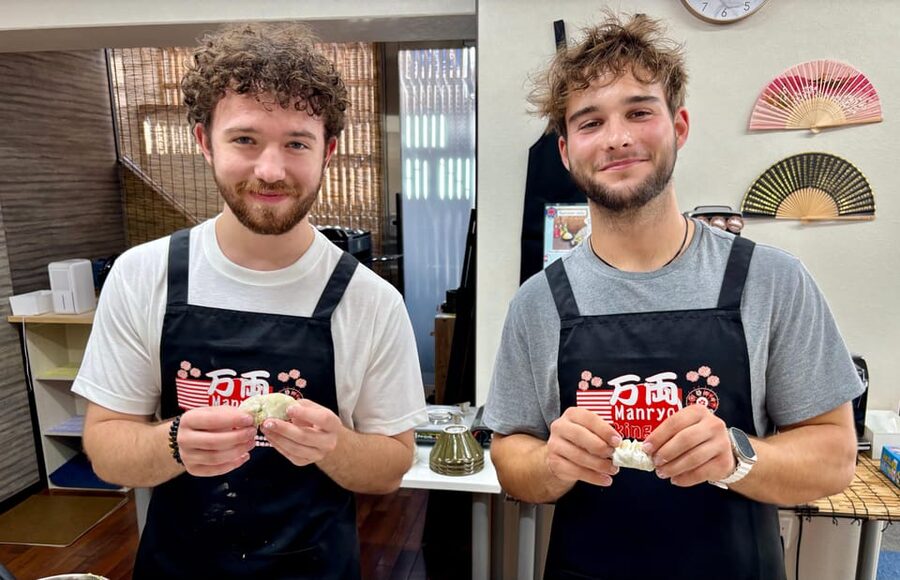
The best part of the class is the teaching style. Nori is described as humorous and encouraging, while the assistants help without hovering. Clear English matters here because the timing is tight and the techniques involve small hand movements.
The instructors also provide short explanations of each dish and the origins of the dish names. That context gives the cooking a bit more meaning without turning the class into a lecture. You learn why toppings should not overpower ramen broth and how small changes in seasonings affect the final taste.
The staff have also answered practical food questions, including discussions about Japanese knives and substitutions. Still, you should not count on substitutions for every dietary requirement. The official menu allows a regular version or a vegetarian version in which pork is replaced with tofu. Other ingredients remain the same.
There is one important contradiction in the age information you should resolve before booking. The official requirement says participants must be 13 or older and able to cook without help. Some past families have brought younger children who were assisted by staff, but that does not replace the stated rule. If your child is under 13, contact the provider first rather than assuming admission will be allowed.
Is $90 a fair price in Kyoto?
At $90 per person, this is not a cheap lunch. It is also more than the cost of buying a bowl of ramen, a plate of gyoza, and an onigiri from casual restaurants in Kyoto.
The value comes from the combination of instruction, ingredients, equipment, a full meal, English guidance, and recipes. You are not paying only to eat. You are paying to learn a broth technique, practice gyoza folding, shape onigiri, and take home methods you can use again.
The price makes the most sense if you enjoy cooking or want a structured food activity during your Kyoto stay. It is less appealing if you only want a quick meal or if your diet prevents you from eating the menu.
Small group size improves the value. Eight is the maximum, and some sessions have operated with only two, three, or four people. Smaller numbers mean more chances to ask questions and more direct help with folding and shaping. The provider also does not admit people who are only accompanying participants, so everyone in the room is there to cook.
Who should book this Kyoto cooking class?
I would recommend it to first-time cooks, couples, families with eligible teenagers, and anyone who wants a useful food memory rather than another restaurant meal. It works well as a late-morning lunch activity or a late-afternoon dinner activity, since you eat what you prepare.
You should also consider it if you are traveling with someone who is not confident in the kitchen. Ingredients are portioned and ready, instructions are clear, and the staff keep the process moving. That makes the class accessible to beginners, though you still need to participate rather than watch.
It is a strong pick for English speakers. The instructors explain the recipes clearly, and the friendly tone helps when your gyoza pleats go astray. You also get a chance to ask about Japanese cooking beyond the printed recipe.
I would skip it if you need vegan, pescatarian, gluten-free, or other special-diet food. The vegetarian menu is limited and should not be treated as vegan. The class is also unsuitable for wheelchair users and people with recent surgeries, according to the stated restrictions.
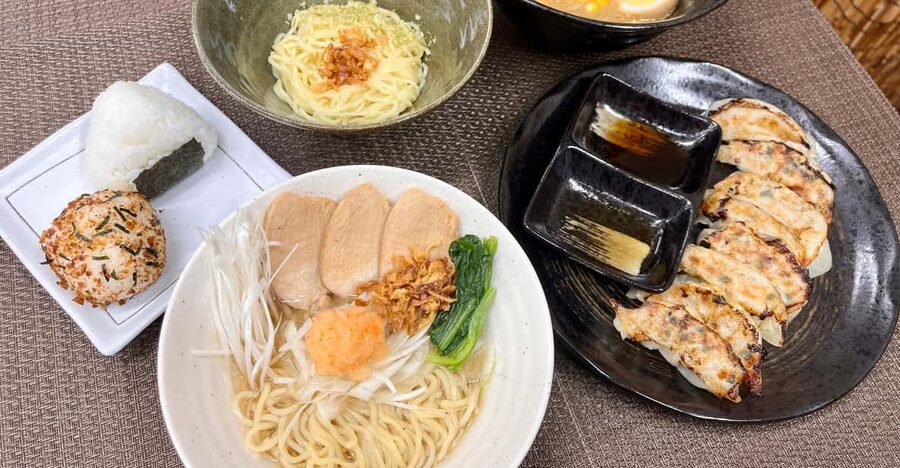
Wear comfortable clothes and shoes. You will be standing, handling food, and moving through several cooking steps in a short period. Most important, do not arrive after a large breakfast. The final spread includes two ramen bowls, gyoza, and onigiri, so you will want room to eat.
Should you book it?
Book this class if you want to leave Kyoto with more than food photographs. For $90, you receive a fast, friendly lesson built around dishes you can realistically make again at home, plus a generous meal at the end.
The strongest reasons to choose it are the small groups, the practical ramen broth instruction, and the patient teaching from Nori and the support team. The main reasons to pass are the strict diet limits, the brisk pace, and the fact that noodles are not made from scratch.
For eligible participants who eat the regular menu, I think it is a very good use of 90 minutes in Kyoto. Arrive early, bring an appetite, and be ready to fold a few imperfect dumplings before you master the shape.
FAQ
Where is the cooking class located?
The classroom is on B1 of the Life Building in Kyoto. It is one street away from the main road. Search for Manryo cooking class on Google Maps.
What is the nearest taxi drop-off point?
If you arrive by cab, get off in front of the Family Mart at Sanjo Keihan. The classroom is about a two-minute walk from there.
How long does the class last?
The cooking class lasts 90 minutes.
How many people can join the class?
The class is limited to eight participants, making it a small-group activity.
Is the class taught in English?
Yes. The instructors teach in English.
Are ramen noodles made during the class?
No. The class focuses on making the ramen broth. Noodles are not made from scratch.
Which ramen styles are prepared?
You prepare miso ramen and shoyu ramen. The miso version includes egg, bean sprouts, green onions, and corn. The shoyu version includes chicken, bamboo shoots, and green vegetables.
Is there a vegetarian menu?
Yes. The vegetarian menu replaces pork with tofu, but the other ingredients remain the same.
Can the class accommodate vegan or gluten-free diets?
No. Vegan, pescatarian, gluten-free, and other special diets cannot be accommodated.
What age must participants be?
Participants must be at least 13 and able to cook by themselves without assistance.
What should I wear or bring?
Wear comfortable shoes and comfortable clothes. Cooking ingredients and equipment are provided.
Is food included?
Yes. You eat the ramen, gyoza, and onigiri you prepare. Coffee and tea are also included.
Are recipes provided?
Recipes for ramen and gyoza are provided.
Can people enter only to watch?
No. Everyone entering must be participating in the class. People who are not booked to cook are not admitted.
What is the cancellation policy?
You can cancel up to 24 hours in advance for a full refund. You can also reserve now and pay later.
Just added around Kyoto
- Kyoto: Private Customizable Day Trip by Car★ 5.0 · 38 reviews
- Kyoto: Gion Night Walking Tour with Geisha Insight★ 5.0 · 39 reviews
- Kyoto: Full Day Bike Tour★ 4.9 · 39 reviews
- Private Japanese Calligraphy in Kyoto – Learn Shodō with a Master★ 5.0 · 39 reviews
- Kyoto: Gion Evening Walk with Hidden Gems, Geisha & Sake★ 5.0 · 41 reviews
- Experience a tea ceremony in an authentic tearoom, in Kyoto!★ 4.5 · 41 reviews
- Kyoto Private Photo Shoot & Tour by SnapKyoto★ 5.0 · 41 reviews
- The Way of Tea: Kyoto Crafts, Hidden Temples & Wabi-Sabi Walk★ 5.0 · 41 reviews
Ramen & Noodle Tours, compared.
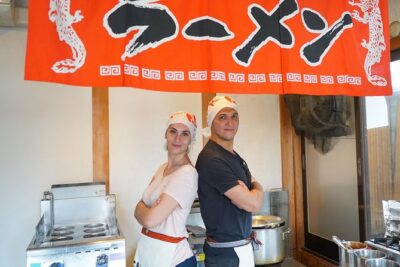
Ramen Cooking Class at Ramen Factory in Kyoto
Read our review →
Eat and Drink Like a Local: Tokyo Ueno Food Tour-Taverns&Ramen
Read our review →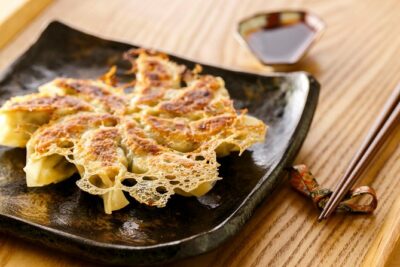
Ramen & Gyoza Cooking Class in Tokyo with Local Supermarket Visit
Read our review →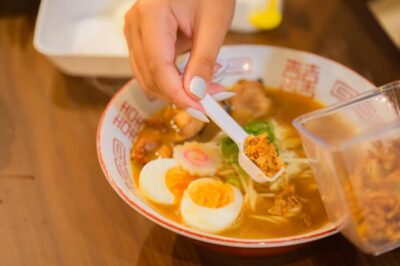
Ramen Cooking Class at a Ramen Factory with Souvenir
Read our review →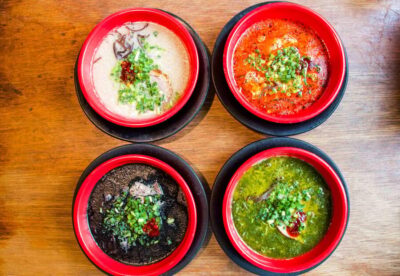
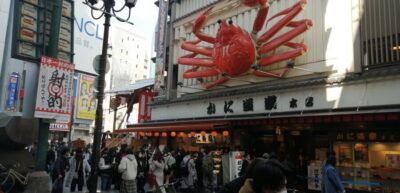
Five Must-See Highlights Walking Tour & Ramen Lunch
Read our review →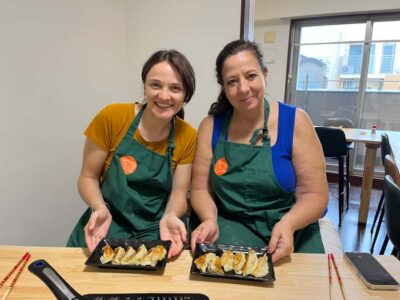

Easy Ramen Cooking Experience in Kabukicho, Shinjuku
Read our review →Browse the lists this tour appears in