
Reviewed · COOKING CLASSES
Kyoto: Japanese Washoku Bento Small Group Cooking Class
Bento turns lunch into a small edible art lesson. This 150-minute class near Saiin Station gives you hands-on practice with sushi rolls, tempura, tofu salad, and Japanese rolled omelette, while an English-speaking chef explains the food culture behind each dish. I like the small group of up to five, which gives you room to ask questions, and I like that you make a full meal rather than one token recipe. The main consideration is timing: arriving more than 15 minutes late means automatic cancellation, with no refund or same-day schedule change.
The class costs $58 per person, a fair price for four dishes, ingredients, equipment, instruction, and a filling meal. It is especially useful early in a Kyoto visit, when you can use the recipes and techniques for the rest of your trip, though anyone with mobility, dietary, or age-related restrictions should check the conditions carefully before booking.
In This Review
- Key points at a glance
- Meeting Chef Rie, Ai, or Miyu near Saiin Station
- Why washoku makes a good cooking lesson
- The 150-minute cooking plan
- Dashi stock: the quiet foundation of Japanese flavor
- Tempura, sushi, tofu salad, and rolled omelette
- Tempura
- Sushi rolls
- Tofu salad
- Japanese rolled omelette
- The meal at the end is part of the lesson
- What $58 gets you
- Who should book this Kyoto cooking class?
- Small details that make the class work
- Should you book it?
- FAQ
- Where does the Kyoto bento cooking class meet?
- How long does the cooking class last?
- What dishes will I make?
- Is the class taught in English?
- How many people can join the class?
- Are ingredients and cooking equipment included?
- Can I eat the food I prepare?
- What happens if I arrive late?
Key points at a glance
- Four dishes in 150 minutes: Prepare sushi rolls, tempura, tofu salad, and a Japanese rolled omelette.
- Practical Japanese techniques: Learn knife handling, dashi stock, frying tempura, and the rolling method for dashimaki.
- A tiny class with room to learn: The group is limited to five participants, so instruction can stay personal.
- Food culture included: You learn why bento is arranged as a balanced meal and how washoku uses seasonal ingredients.
- A substantial final meal: You eat the bento you prepare together, so come hungry.
- Easy rail access, but strict timing: The meeting point is Kyoto Laundry Cafe, about five minutes from Saiin Station on the Hankyu Railway.
Meeting Chef Rie, Ai, or Miyu near Saiin Station
Your meeting point is Kyoto Laundry Cafe, near Saiin Station on the Hankyu Railway. The cafe is about a five-minute walk from the station, making this a simpler outing than classes hidden far from central Kyoto. Use Google Maps for the address. The instructions specifically warn against using Map on Instagram.
The cafe is only the meeting point. On the day of the class, the chef comes to collect you there and takes you to the cooking location. That detail matters, so do not assume you should begin cooking inside the cafe.
Arrive early. If you are more than 15 minutes late, the reservation is automatically canceled. The operator does not offer refunds or schedule changes for late arrival on the day, so allow extra time for finding the station exit and walking through an unfamiliar neighborhood.
The chefs named in the class feedback include Ai, Rie, and Miyu, with Nana and Lausa also helping on some sessions. The strongest pattern is not a single personality but the teaching style: warm, patient, and willing to explain both the food and the customs around it. Ai is often praised for clear English explanations and for discussing the history of bento. Chef Rie receives particular praise for her careful demonstrations and encouraging manner. Miyu is described as friendly, attentive, and good at keeping the class enjoyable.
English and Japanese are available. You do not need to arrive with cooking experience. The class is built around demonstration, repetition, and guided practice.
More Cooking Classes in Kyoto
- Ramen Cooking Class at Ramen Factory in Kyoto
★ 5.0 · 1,937 reviews - Kyoto: Ramen Cooking Class at a Ramen Factory with Souvenir
★ 4.9 · 532 reviews - Kyoto: Ramen, Gyoza, and Onigiri Cooking Class
★ 5.0 · 445 reviews
Why washoku makes a good cooking lesson
Washoku is more than a list of Japanese dishes. It is an approach to food that values fresh, seasonal ingredients and a pleasing balance of taste, color, and texture. A bento makes those ideas easy to see because each item has its own place.
Instead of making one large dish, you prepare several smaller ones. The result may include something fried, something seasoned with stock, something cool and fresh, and something gently sweet or savory. The box becomes a lesson in contrast.
This is a useful way to understand Japanese home cooking. Restaurant food can be polished and hard to reproduce. Bento components are more approachable. Once you understand the basic seasoning and methods, you can make similar food at home using recipes from the class.
The bento format also has a practical side. It is a portable meal with separate portions, commonly eaten for lunch. The class gives you a chance to understand how the parts fit together, rather than treating sushi or tempura as isolated dishes.
The 150-minute cooking plan
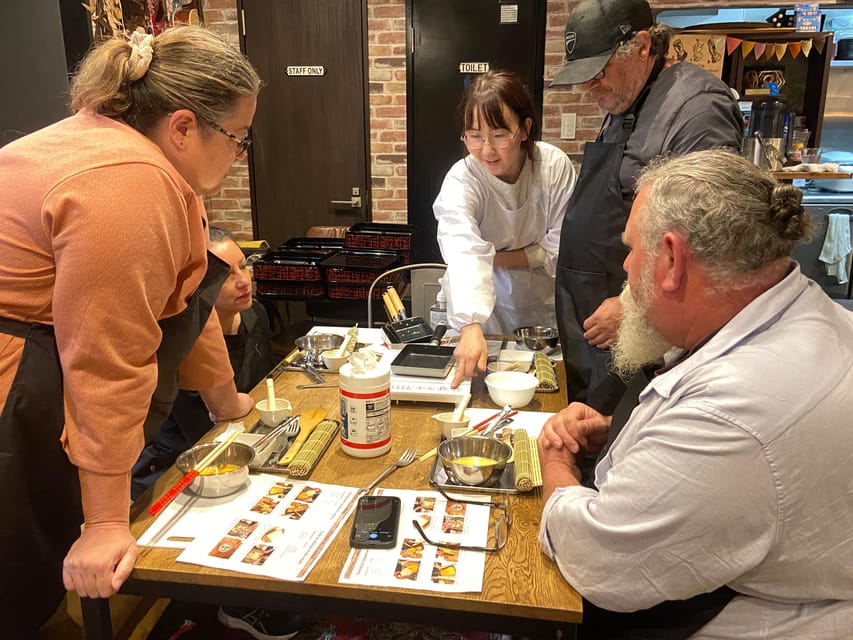
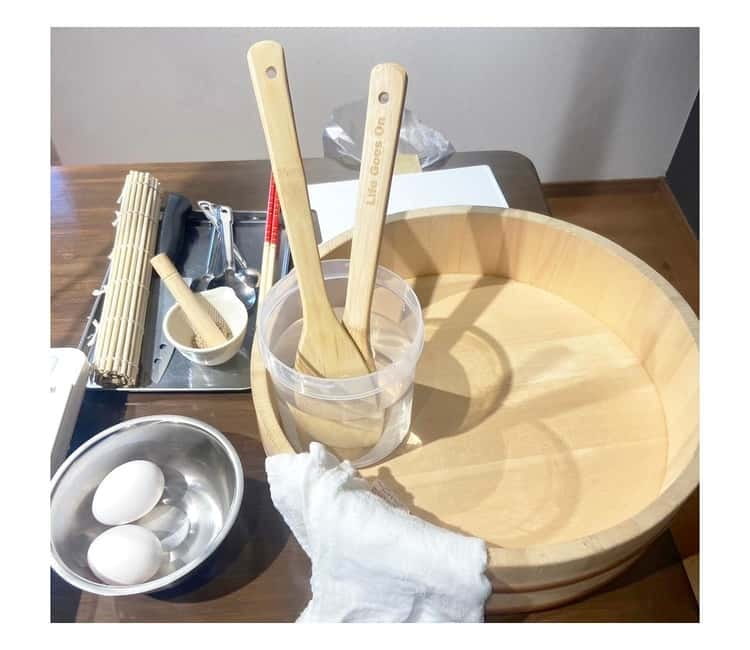
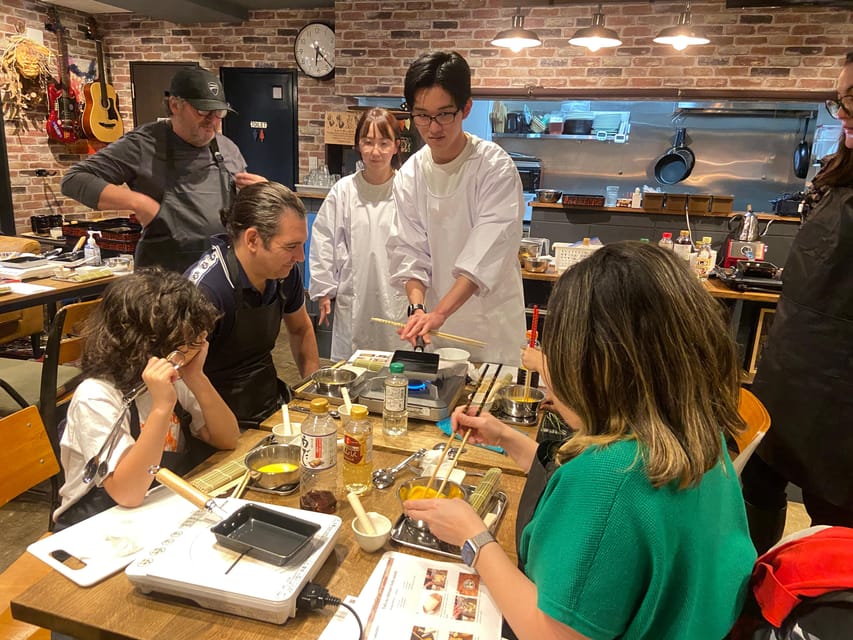
The class lasts two and a half hours. You receive an apron, ingredients, and the cooking equipment needed for the four dishes. The chef demonstrates each task, then you work alongside the instructor and the other participants.
The schedule is not presented as a rigid minute-by-minute route, but the format has a clear rhythm:
- Introduction to bento and washoku
- Preparation of ingredients and seasonings
- Dashi stock and tofu salad
- Japanese rolled omelette
- Sushi rolls
- Tempura
- Bento arrangement and shared meal
The order can vary as the chef manages cooking times. Tempura is best handled at the right moment, and the omelette requires attention while it cooks. That changing pace is part of the class. You are not simply following a printed recipe alone at a table.
The instructors explain the ingredients and show the tools used for each preparation. This matters because Japanese cooking often depends on small actions that are easy to miss in a recipe, such as how to cut ingredients, mix a seasoning, or fold an omelette without tearing it.
Dashi stock: the quiet foundation of Japanese flavor
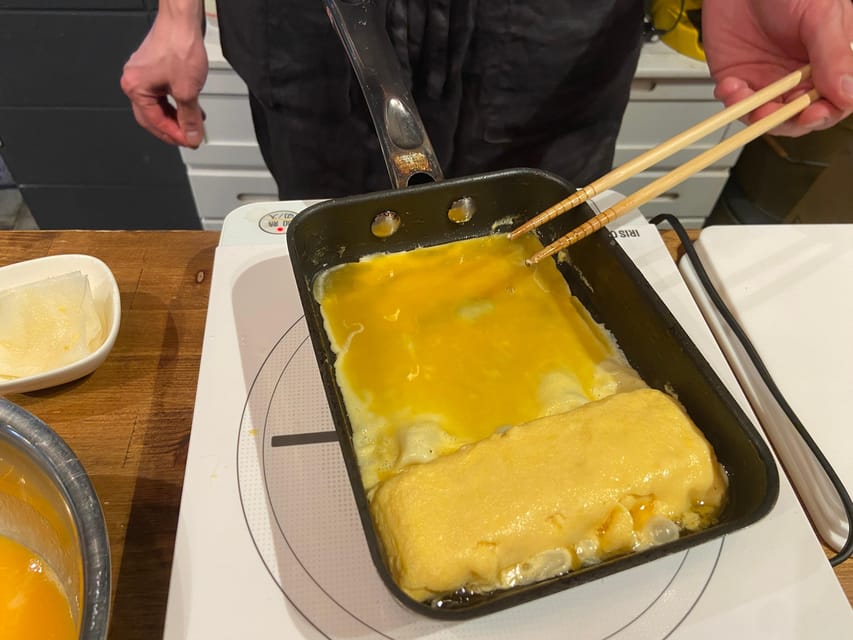
One of the most valuable lessons is making dashi, the stock used in many Japanese dishes. Dashi can seem mysterious when you taste it in soup or sauces, but the class shows how it supports the overall flavor of the meal.
You learn the process directly from the chef rather than only hearing a definition. The stock is then connected to the food you prepare, which helps you understand why it matters. Several people specifically valued this part because it is a technique they could repeat at home.
This is where the class offers more than a fun meal. Dashi is a building block. If you learn to make it properly, you can use it beyond the bento, in soups, sauces, and other Japanese-style dishes.
The class also teaches proper knife handling. You practice cutting ingredients under guidance, with attention to control and preparation rather than speed. That is useful for beginners, and it can also tidy up the habits of anyone who already cooks.
A completely different kind of day out in Kyoto:
- PERFECT KYOTO 1-Day Bus Tour
★ 5.0 · 13,518 reviews - Kyoto: Fushimi Inari, Kinkakuji, Bamboo Grove 1 Day Bus Tour
★ 4.8 · 4,316 reviews - Kyoto: Tea Ceremony in a Traditional Tea House in Kiyomizu
★ 4.9 · 3,519 reviews - Kyoto Geisha Walking Tour: Gion District & Hidden Gems
★ 4.7 · 3,273 reviews
Tempura, sushi, tofu salad, and rolled omelette
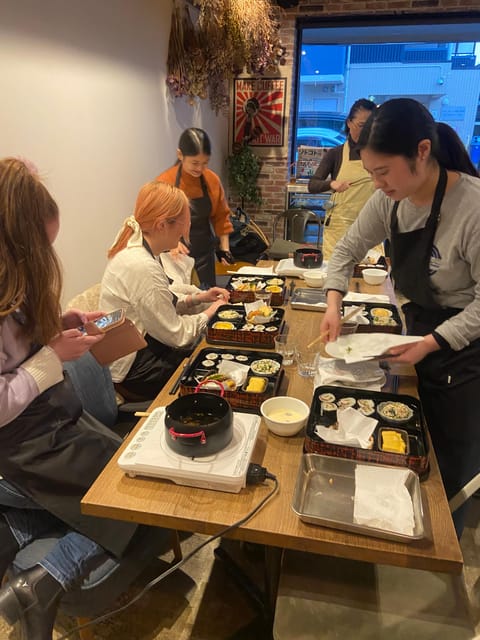
The four dishes give the class a good spread of Japanese techniques.
Tempura
Tempura provides the most dramatic cooking moment. You learn how to prepare and fry it, including the handling needed to produce a light coating. Frying requires more care than simply dropping food into oil, so the chef’s demonstration is important.
This is also the part that may feel least relaxed for very young children or anyone who dislikes working near hot oil. The activity is not suitable for babies and very young children, and the published age restrictions should be checked carefully because they are listed in overlapping terms for children under two, three, and four.
Sushi rolls
The sushi rolls give you a hands-on shaping task. You learn how to assemble and roll the ingredients, then place the finished pieces in the bento.
Do not expect a long sushi-making course. Sushi is one component of a wider meal, and that is the point. You get a useful introduction while also learning three other preparations.
Tofu salad
The tofu salad adds a cooler, softer element to the box. It also helps show how Japanese meals balance textures. After handling tempura and omelette, this dish gives the final bento a different character.
The class places food culture beside technique. You are not only told what to do, but also given context about seasonings and how the dish fits Japanese home cooking.
Japanese rolled omelette
The rolled omelette, often called dashimaki, is a class favorite for good reason. It looks simple, but producing neat layers takes practice. Dashi gives it a distinctive savory flavor, and the rolling method is easy to remember once you have done it with the chef beside you.
This is one of the most practical takeaways. One participant later used the dashimaki and dashi method for lunches at home. That is a useful test of value: the class can send you home with techniques you will actually use, not just a pleasant memory.
The meal at the end is part of the lesson
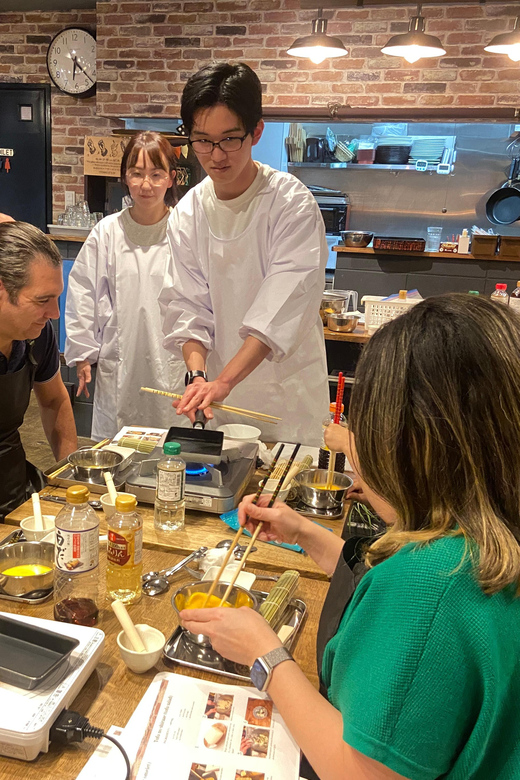
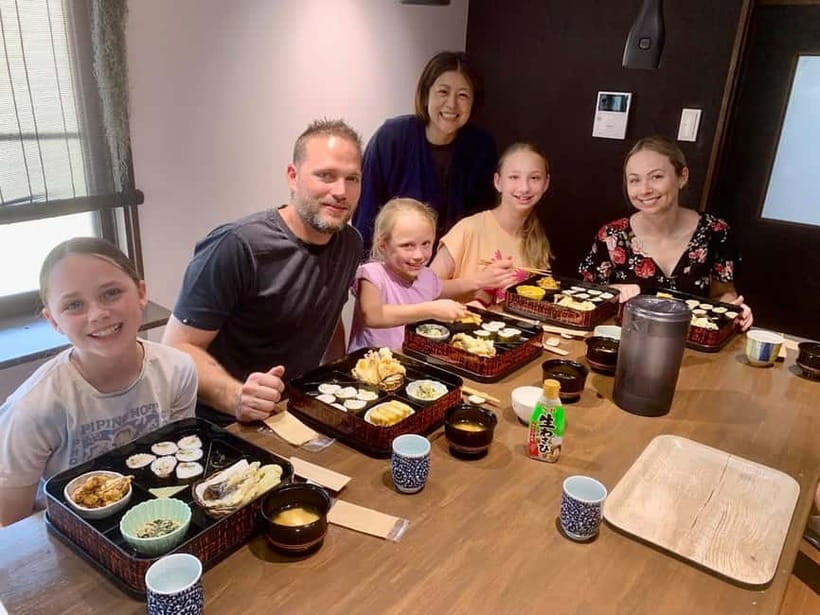
After cooking, you arrange your bento and sit down to eat together. The meal includes the four dishes you prepared, and the portions are repeatedly described as generous. Come hungry. You are not making a decorative sample that disappears after one bite.
Eating together also gives the class a social side. With no more than five participants, conversation is easier than in a large workshop. You can ask about ingredients, Japanese meals, and the place of bento in daily life.
The final box is a small reward for the work, but it also lets you judge the techniques immediately. You can see how the flavors work together and notice the contrast between fried, rolled, fresh, and stock-based foods.
Presentation matters here. Bento is arranged with color and separation in mind, so the finished result feels more special than a pile of separate dishes. Several participants were proud of how their boxes looked, even when they had not considered themselves experienced cooks.
What $58 gets you
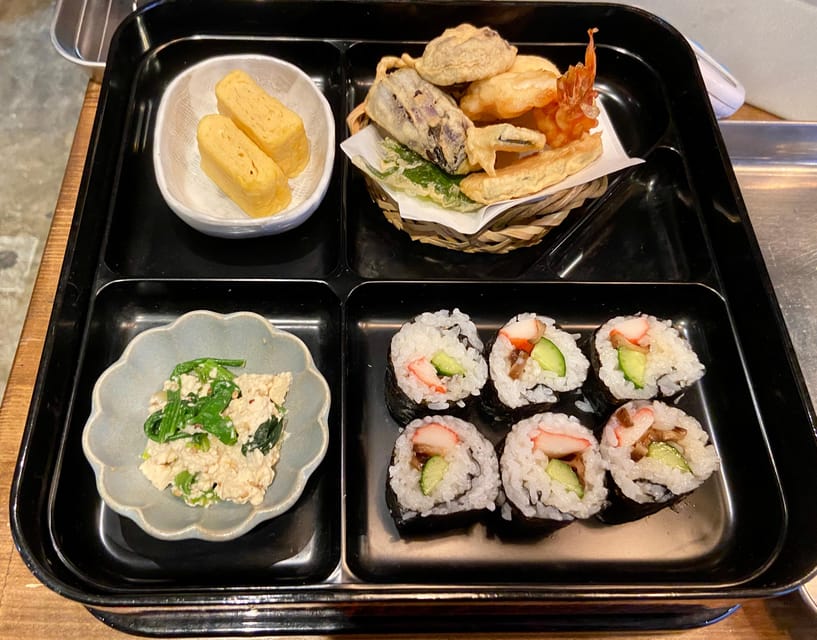
At $58 per person, this is not the cheapest food activity in Kyoto. But the fee includes the instructor, ingredients, apron, equipment, four dishes, and the meal you eat at the end.
The value improves if you count the teaching rather than only the food. A restaurant meal could cost less, especially if you choose an inexpensive lunch. It would not teach you how to make dashi, fry tempura, roll an omelette, handle a knife, or assemble a bento.
The small group also supports the price. A limit of five means you are less likely to spend the lesson watching from the back. You get a chance to perform each technique yourself, ask for corrections, and work at a manageable pace.
Families and couples receive good value if they enjoy doing something together. The class has worked well for families of four and for a parent cooking with a nine-year-old, though the stated age and suitability rules need checking before booking.
For a first visit to Japan, the class can be a smart early-trip choice. You learn what dashi tastes like, become more familiar with Japanese seasonings, and gain a better sense of how several small dishes form a meal.
Who should book this Kyoto cooking class?
I would recommend it to you if you meet one or more of these descriptions:
- You enjoy Japanese food and want to understand how it is made.
- You prefer hands-on activities to another sightseeing stop.
- You want recipes and skills you can repeat at home.
- You are traveling as a couple, family, or small group.
- You want a friendly class where English instruction is available.
- You like learning the cultural meaning behind food, not only the method.
It is less suitable if you want a formal professional cooking course, a large menu, or a completely private session. The class is compact and practical. You make four dishes in 150 minutes, so the chef must keep things moving.
It is also not suitable for wheelchair users or people with diabetes, according to the activity conditions. The listing also gives several overlapping restrictions for young children and babies, so families should confirm the exact minimum age before paying.
Dietary needs deserve a direct question before booking. One participant with a shrimp allergy received an appropriate substitution, which is encouraging, but that does not guarantee every allergy or dietary pattern can be handled. Ask in advance rather than relying on a last-minute adjustment.
Small details that make the class work
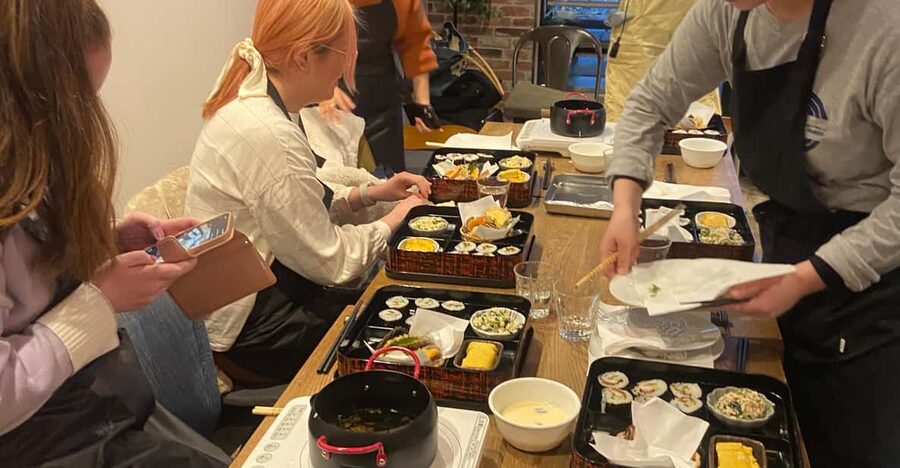
The best part of this experience is the combination of food and instruction. You are not just copying motions. The chef explains why ingredients are used, how the bento developed, and how the dishes appear in Japanese homes today.
The class also avoids a common problem with short cooking activities: making one easy dish and spending the rest of the time waiting. Here, you prepare several items using different tools and methods. That keeps the two and a half hours active.
The teachers receive especially strong praise for patience and English communication. Ai is often singled out for answering questions clearly. Rie is praised for her enthusiasm, preparation, and ability to make beginners feel comfortable. Miyu is described as attentive and fun, with a good eye for helping people through the bento process.
The setting is described in some feedback as cozy and family-style rather than slick or institutional. That may suit you if you want a personal introduction to home cooking. If you prefer a polished culinary school with a large teaching kitchen, this may feel more informal.
Should you book it?
Book this class if you want a filling meal, real participation, and a better grasp of everyday Japanese cooking. The combination of dashi, tempura, sushi rolls, tofu salad, and dashimaki gives you a useful range of skills for $58.
I would place it near the start of a Kyoto itinerary, especially if you want to understand Japanese menus better during the rest of your trip. Just arrive early at Kyoto Laundry Cafe, confirm the age and dietary rules, and plan to eat a lot. If those conditions work for you, this is a well-priced way to spend a rainy morning or afternoon away from the usual temple route.
FAQ
Where does the Kyoto bento cooking class meet?
The meeting point is Kyoto Laundry Cafe, near Saiin Station on the Hankyu Railway. The cafe is about five minutes from the station, and the chef meets you there before taking you to the class location.
How long does the cooking class last?
The class lasts 150 minutes, or two and a half hours.
What dishes will I make?
You make four dishes: sushi rolls, tempura, tofu salad, and a Japanese rolled omelette. The class also teaches you how to make dashi stock.
Is the class taught in English?
Yes. Instruction is available in English and Japanese. The class chefs, including Ai, Rie, and Miyu, are praised for clear English explanations.
How many people can join the class?
The class is limited to five participants, making it a small-group activity.
Are ingredients and cooking equipment included?
Yes. The price includes the instructor, cooking class, ingredients, apron, and other required equipment.
Can I eat the food I prepare?
Yes. After cooking, you arrange your own bento box and eat the meal together with the class.
What happens if I arrive late?
If you arrive more than 15 minutes after the scheduled meeting time, the reservation is automatically canceled. Refunds and schedule changes are not available for late arrival on the day.
Just added around Kyoto
- Kyoto: Private Customizable Day Trip by Car★ 5.0 · 38 reviews
- Kyoto: Gion Night Walking Tour with Geisha Insight★ 5.0 · 39 reviews
- Kyoto: Full Day Bike Tour★ 4.9 · 39 reviews
- Private Japanese Calligraphy in Kyoto – Learn Shodō with a Master★ 5.0 · 39 reviews
- Experience a tea ceremony in an authentic tearoom, in Kyoto!★ 4.5 · 41 reviews
- Kyoto: Gion Evening Walk with Hidden Gems, Geisha & Sake★ 5.0 · 41 reviews
- Kyoto Private Photo Shoot & Tour by SnapKyoto★ 5.0 · 41 reviews
- The Way of Tea: Kyoto Crafts, Hidden Temples & Wabi-Sabi Walk★ 5.0 · 41 reviews
Cooking Classes, compared.
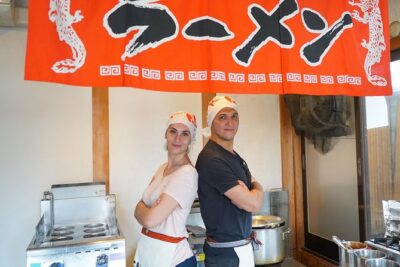
Ramen Cooking Class at Ramen Factory in Kyoto
Read our review →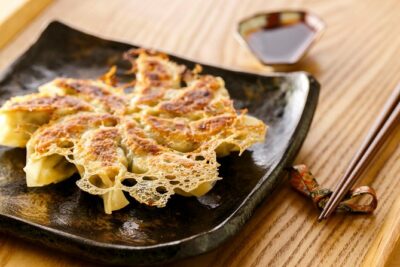
Ramen & Gyoza Cooking Class in Tokyo with Local Supermarket Visit
Read our review →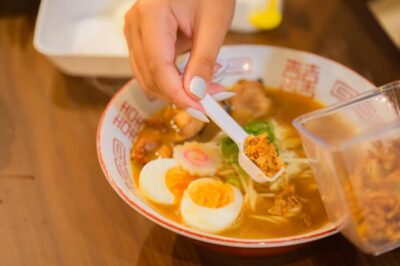
Ramen Cooking Class at a Ramen Factory with Souvenir
Read our review →
Easy Ramen Cooking Experience in Kabukicho, Shinjuku
Read our review →
Ramen and Sushi Cooking Class with Sake Pairing Set in Tokyo
Read our review →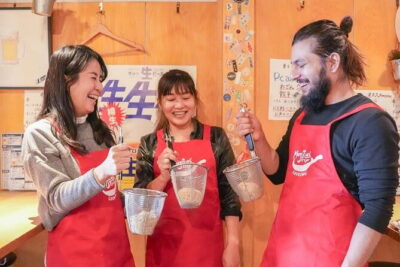
Kyoto Ramen and Gyoza Cooking Class with Professional Chefs
Read our review →Browse the lists this tour appears in