
Reviewed · RAMEN & NOODLE TOURS
Kyoto Ramen & Gyoza Cooking Class with Professional Chefs
Roll up your sleeves for dinner. This Kyoto cooking class gives you a useful taste of Japanese food culture, not just another bowl set in front of you. You knead and cut ramen noodles, fold gyoza, help prepare fried rice, then sit down to eat the full meal with two drinks.
I especially like the small group of eight, which gives the English-speaking guide time to translate and help each participant. I also like the practical finish: you receive recipes and can try the dishes again at home. The main drawback is that this is not a fully from-scratch restaurant apprenticeship. One recent participant felt there was only limited individual cooking beyond cutting and shaping, so serious cooks may want a more advanced class.
The class costs $83 per person and lasts 150 minutes, with ramen, gyoza, fried rice, two drinks, an English-speaking guide, photographs, and recipes included. That is a fair package for Kyoto, especially if you want one filling meal and a social activity in the same two-and-a-half-hour block. Check the exact time and location carefully, though, since one section of the supplied information refers to an Osaka class even though the experience is described as being in Kyoto.
In This Review
- Key points at a glance
- Why making ramen beats simply ordering it
- Meeting the guide at the Latitude 35° monument
- Kneading and cutting your ramen noodles
- Folding gyoza and preparing fried rice
- Sitting down to eat the meal you made
- The guides make the class work
- A good choice for families and solo visitors
- Is $83 a good value in Kyoto?
- What to bring and how to prepare
- FAQ
- Where does the Kyoto ramen and gyoza class meet?
- How long does the cooking class last?
- What food will I make?
- Are drinks included?
- Is the class taught in English?
- How many people are in the group?
- Can children join the class?
- Can the class accommodate dietary restrictions?
- What is the cancellation policy?
- Should you book the Kyoto ramen class?
Key points at a glance
- Fresh ramen noodles are the main event: Knead the dough, cut the noodles, and prepare the toppings for your own bowl.
- Three Japanese comfort foods in one sitting: The class covers ramen, gyoza, and fried rice, so arrive hungry.
- An English-speaking guide bridges the kitchen: Guides such as Rika, Yuki, Ayuri, Shiori, Ken, and Mery have helped translate chef instructions and answer Kyoto questions.
- A genuinely social format: With no more than eight participants, solo visitors can meet people without being swallowed by a large tour group.
- Two drinks are included: Choose beer, sake, or soft drinks, with sake tasting mentioned by one participant.
- Useful take-home value: Downloadable recipes and tour photographs help the class continue after your return home.
Why making ramen beats simply ordering it
Kyoto has no shortage of excellent meals, but a cooking class gives you a different connection to Japanese food. You see how humble ingredients become a meal, and you leave with a skill rather than only a photograph of lunch.
Ramen is a particularly good choice for this format because the process has clear stages. You handle the dough, shape the noodles, prepare ingredients, and later taste the result. The work is simple enough for beginners, but physical enough to feel like you actually made something.
The class also places ramen beside gyoza and fried rice. That combination reflects the familiar Japanese comfort-food menu you find in casual restaurants. It is not a formal study of regional Kyoto cuisine, and you should not book it expecting delicate kaiseki techniques. Instead, you get hearty, popular dishes that are easy to understand and possible to repeat at home.
The basic ramen story adds useful context. Ramen is often associated with modern Japanese restaurant culture, but the dish has older roots. Tokugawa Mitsukuni, also known as Mito Kōmon, was said to have eaten ramen as early as 1697. In 1910, the Rairaiken restaurant in Asakusa helped push ramen into the mainstream. Japan now has more than 24,000 ramen shops, with each one offering its own version.
That short history lesson helps explain why ramen is more than a quick noodle dish. It is a flexible food with local styles, personal touches, and a huge place in daily life. You do not need to memorize the dates, but they make the bowl in front of you a little more interesting.
More Cooking Classes in Kyoto
- Ramen Cooking Class at Ramen Factory in Kyoto
★ 5.0 · 1,937 reviews - Kyoto: Ramen Cooking Class at a Ramen Factory with Souvenir
★ 4.9 · 532 reviews - Kyoto: Ramen, Gyoza, and Onigiri Cooking Class
★ 5.0 · 445 reviews
Meeting the guide at the Latitude 35° monument
The stated meeting point is in front of the Latitude 35° Story Monument, marked in Japanese as 北緯35°物語. Your guide should be holding an orange MagicalTrip board beside the monument.
Arrive early. This class begins on time, and late arrivals cannot join, reschedule, or receive a refund. That rule matters more here than on a casual walking tour because the group enters the kitchen and starts working together. If one participant arrives late, the chef cannot easily pause every stage of the preparation.
The meeting instructions are clear, but the location wording deserves attention. The main description identifies the activity as a Kyoto class, while the practical information includes the line Join our Osaka cooking class. Treat that as a booking detail worth confirming before you leave your hotel. Make sure your map pin, meeting point, and transport plan all match the current confirmation.
No transport is included, so you make your own way to the monument. The information supplied does not give a separate restaurant address or travel time from Kyoto Station. Build in extra time rather than trying to arrive at the last minute.
Kneading and cutting your ramen noodles
The most hands-on part is the noodle work. You knead the ramen dough, cut it, and prepare it for the bowl. This is the part that gives the class its strongest sense of achievement because the noodles are not simply an ingredient handed to you at the start.
The chefs demonstrate each step and guide you through the process. You do not need previous cooking experience. The class is designed for beginners, and the English-speaking guide translates instructions from the ramen master when needed.
That translation support has been one of the class’s strongest features. Rika, Yuki, Ayuri, Shiori, Ken, and Mery are among the guides praised for making chef instructions easy to follow. Ken was particularly careful about making sure everyone understood each stage, while Yuki also answered questions about Kyoto and Japanese culture during the cooking.
You should expect an approachable lesson rather than a technical noodle-making course. The available details do not promise instruction on several ramen broths, advanced knife work, or regional styles. The reward is learning a repeatable basic method, then sitting down to eat noodles you helped make.
One participant felt the class could involve people more fully, describing the individual work as limited in places. That is a fair warning for serious home cooks. You will be actively involved, but the chefs still control some of the faster or more demanding kitchen steps.
Folding gyoza and preparing fried rice
After the noodle work, you help make gyoza and fried rice. Gyoza folding is a good group activity because it is easy to learn, slightly fiddly, and much more fun when everyone compares shapes. Perfect pleats are not the point. Getting a sealed dumpling that cooks well is enough.
The class presents gyoza as part of a full meal, not as a single demonstration. You prepare the filling and fold your own dumplings, then enjoy them with the ramen. The supplied information describes them as juicy and flavor-packed, with a golden, crisp finish.
Fried rice rounds out the meal. It is a practical addition because it shows how common ingredients can be turned into a satisfying dish with a hot pan and good timing. You may not spend as much time on fried rice as on ramen, but it gives you another recipe to take home.
The three dishes also make the price easier to judge. You are not paying $83 for a short noodle demonstration followed by a small sample. You receive a substantial meal covering three dishes, plus two drinks. Several participants specifically noted that the food was filling, and one described the meal as one of the best they had in Japan.
If you prefer no meat, tell the operator when booking so the chef can prepare in advance. The class cannot accommodate vegetarian, vegan, or gluten-free requests, and allergy-free meals are not guaranteed because the food is prepared outside the operator’s own kitchens. Small adjustments may be possible, but you should not count on a fully separate preparation area.
More Ramen Tours in Kyoto
- Kyoto Ramen and Gyoza Cooking Class with Professional Chefs
★ 5.0 · 282 reviews - Home style Ramen and Homemade Gyoza in Kyoto
★ 5.0 · 152 reviews - Kyoto Michelin Ramen Workshop or Painting Ramen Essentials
★ 4.9 · 100 reviews - Kyoto: Ramen Bowl Painting and Michelin Cooking Class
★ 4.9 · 96 reviews
Sitting down to eat the meal you made
The class ends with the best part: you eat the ramen, gyoza, and fried rice. This final meal gives the activity a clear payoff. You have spent time handling dough and folding dumplings, and now you can judge the results while the cooking is still fresh in your mind.
Two drinks are included. You can choose beer, sake, or soft drinks. One participant also described a sake tasting, though the exact tasting format is not detailed, so I would treat that as a possible feature rather than a guaranteed formal lesson.
The drink allowance adds to the social side of the class. It gives solo participants and small groups an easy way to talk while eating, without requiring anyone to order extra items. The food and drink are included in the tour price, and you do not need to pay for the guide’s food or beverages.
Plan your other meals around this one. You are cooking and eating a full serving of ramen, gyoza, and fried rice, not sampling a few bites. An early class may work well as lunch, while an evening booking can serve as dinner.
The guides make the class work
The chefs teach the cooking, but the local guide often shapes the overall experience. The chef may not speak English, so clear translation is essential. A good guide keeps the class moving, explains cultural details, answers questions, and makes sure no one is left behind.
That personal help comes through in the feedback. Rika was praised for translating chef instructions and taking plenty of photographs and videos. Yuki was described as friendly, entertaining, and happy to answer wider questions about Kyoto. Ayuri helped create a welcoming atmosphere, while Shiori was praised for explaining the process at a comfortable pace.
Ken received especially strong praise for translating every detail into clear English and checking that each participant felt included. These details matter because cooking classes can quickly become confusing when several things happen at once. A calm guide turns the kitchen into a lesson rather than a scramble.
The guide also takes photographs during the class and sends them by email afterward. That is a small but useful extra. Your hands may be covered in dough, and you may not want to stop cooking to take pictures of every stage.
A good choice for families and solo visitors
The minimum age is six, but children need supervision during knife use and other risky steps. Several families found the chefs patient and welcoming, including families with younger children. The class can work well for a family because everyone gets a shared task, although parents should stay alert rather than treating the kitchen as a supervised play area.
Couples can use it as a date activity with more substance than a restaurant meal. Friends get a lively group project, and solo visitors can meet other food lovers in a small setting. One of the pleasant side effects is that the meal gives people an easy topic of conversation from the start.
All skill levels are welcome. You do not need to know how to make ramen, gyoza, or fried rice before arriving. If you already cook Japanese food at home, you may find the pace basic, but the recipes and chef guidance can still help you refine your technique.
The class is not recommended for people with mobility issues, and it is not suitable for wheelchair users. A private tour is suggested for participants who need additional mobility support. It is also unsuitable for vegans, and vegetarian or gluten-free arrangements are not promised.
Is $83 a good value in Kyoto?
At $83, this is not the cheapest meal in Kyoto. You can order ramen for far less. The question is what you are buying beyond the food.
Here, the price covers 150 minutes, instruction from a ramen master and local guide, three dishes, two drinks, recipes, and photographs. The group cap of eight is important. A large class could offer the same menu but leave you watching from the edge. This smaller format gives you a better chance to ask questions and receive help with dough, dumpling folds, and knife work.
The class is also good value if you want an evening activity that does not depend on weather. The food is the main event, but you also get cultural explanation, translation, social time, and a meal. For a first visit to Japan, that combination can be more memorable than another standard restaurant stop.
There are limits. You are not guaranteed a private table, advanced instruction, allergy-safe preparation, or a formal sake course. The stated duration is 150 minutes, while the included information also refers to spending three hours with the chef and guide. Confirm the current timing when you book, especially if you have a train, reservation, or another tour afterward.
The free cancellation policy allows cancellation up to 24 hours before the activity for a full refund. You can also reserve now and pay later. Those terms help if your Kyoto schedule is still changing, but they do not protect you from a late arrival on the day.
What to bring and how to prepare
Wear clothes you can cook in comfortably. The supplied details do not specify a dress code, but ramen dough, fillings, and frying work are easier when you are not worried about delicate clothing.
Arrive early at the monument and allow time to find the orange MagicalTrip board. Bring your booking information, and confirm the Kyoto or Osaka wording before setting out.
Most important, arrive hungry. The class includes a full meal of ramen, gyoza, and fried rice, along with two drinks. If you have food allergies, contact the operator before booking and explain your needs clearly. An adjustment may be possible, but allergy-free meals are not guaranteed.
If you are bringing children, plan to supervise them closely during knife work. The class welcomes children aged six and over, but the adult remains responsible for safety.
FAQ
Where does the Kyoto ramen and gyoza class meet?
The meeting point is in front of the Latitude 35° Story Monument, written as 北緯35°物語. Look for a guide holding an orange MagicalTrip board.
How long does the cooking class last?
The stated duration is 150 minutes. Another section says participants spend three hours with the ramen master and guide, so confirm the current schedule when booking.
What food will I make?
You will learn to make ramen, gyoza, and fried rice. The ramen includes making the noodles from scratch, including kneading and cutting.
Are drinks included?
Yes. Two drinks are included. You can choose beer, sake, or soft drinks.
Is the class taught in English?
Yes. The listed instruction language is English, and an English-speaking local guide translates the chef’s directions and helps answer questions.
How many people are in the group?
The class is limited to eight participants. It is a shared group activity and may include other people.
Can children join the class?
Children aged six and over are welcome. Children must be supervised during knife use and other potentially risky steps.
Can the class accommodate dietary restrictions?
The class cannot accommodate vegan, vegetarian, or gluten-free requests as a guaranteed service. Allergy-free meals are not guaranteed, though small adjustments may be possible. If you prefer no meat, tell the operator when booking so the chef can prepare in advance.
What is the cancellation policy?
You can cancel up to 24 hours in advance for a full refund. Reserve now and pay later is also available.
Should you book the Kyoto ramen class?
I would book this class if you want a hands-on, filling, social food activity rather than another restaurant meal. It suits first-time cooks, families with supervised children, couples, friends, and solo visitors who like meeting people over food.
I would skip it if you need vegan, vegetarian, gluten-free, or allergy-safe cooking, or if you want advanced culinary training. The class is practical and friendly, but not designed as an intensive professional course.
For most food-focused visitors, the strongest reasons to book are the small group, patient English translation, three-course meal, and recipes you can use later. Confirm the exact Kyoto meeting details and duration before paying, arrive early, and save room for a generous bowl of noodles.
Just added around Kyoto
- Kyoto: Gion Night Walking Tour with Geisha Insight★ 5.0 · 39 reviews
- Kyoto: Private Customizable Day Trip by Car★ 5.0 · 38 reviews
- Kyoto: Full Day Bike Tour★ 4.9 · 39 reviews
- Private Japanese Calligraphy in Kyoto – Learn Shodō with a Master★ 5.0 · 39 reviews
- Experience a tea ceremony in an authentic tearoom, in Kyoto!★ 4.5 · 41 reviews
- Kyoto: Gion Evening Walk with Hidden Gems, Geisha & Sake★ 5.0 · 41 reviews
- Kyoto Private Photo Shoot & Tour by SnapKyoto★ 5.0 · 41 reviews
- The Way of Tea: Kyoto Crafts, Hidden Temples & Wabi-Sabi Walk★ 5.0 · 41 reviews
Ramen & Noodle Tours, compared.
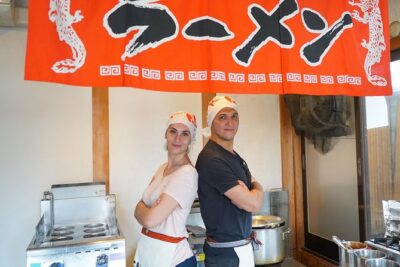
Ramen Cooking Class at Ramen Factory in Kyoto
Read our review →
Eat and Drink Like a Local: Tokyo Ueno Food Tour-Taverns&Ramen
Read our review →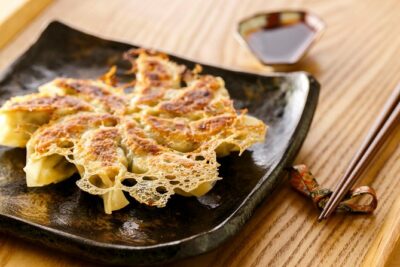
Ramen & Gyoza Cooking Class in Tokyo with Local Supermarket Visit
Read our review →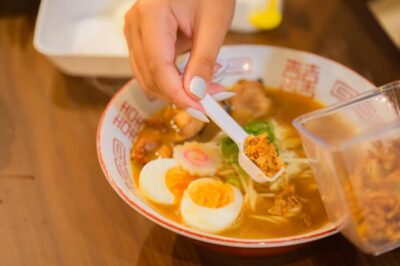
Ramen Cooking Class at a Ramen Factory with Souvenir
Read our review →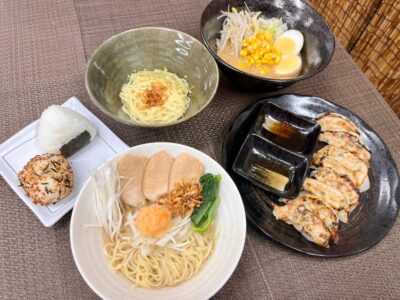
Five Must-See Highlights Walking Tour & Ramen Lunch
Read our review →
Browse the lists this tour appears in