
Reviewed · RAMEN & NOODLE TOURS
Kyoto: Ramen Bowl Painting and Michelin Cooking Class
Ramen tastes better when you make the bowl. At Musoshin Ramen Academy in Kyoto, you paint a ceramic ramen bowl or spoon, then assemble a restaurant-quality meal using ingredients prepared by Musoshin Ramen. I like the mix of creative work and excellent food, and the free kiln firing turns a short activity into a useful souvenir. The main thing to know is that this is more of a ramen assembly class than a from-scratch cooking lesson.
The class costs $64 per person and lasts about one to one and a half hours. That is fair value if you want a meal, a hands-on activity, and a keepsake in one stop. Shin and his team are especially good with children and solo participants, although anyone hoping to learn every step of the broth, sauce, and noodle-making process may find the practical cooking portion limited.
In This Review
- What makes this Kyoto ramen class worth your time
- Arriving at Musoshin Ramen Academy
- Painting your bowl or ceramic spoon
- What you actually cook during the ramen class
- The payoff: a remarkably good bowl of ramen
- Why families tend to enjoy this activity
- A good choice for couples and solo visitors
- The $64 price and what you receive
- What could be improved
- Practical details before you book
- Should you book the Musoshin ramen experience?
- FAQ
- How long does the Kyoto ramen bowl painting class last?
- What do I paint during the activity?
- Can I use the painted bowl for meals?
- Is kiln firing included in the price?
- Is this a full ramen cooking class?
- Are vegetarian, vegan, and gluten-free options available?
- Is the class suitable for children?
What makes this Kyoto ramen class worth your time
- Paint before you eat: Create a personal bowl or ceramic spoon, with time to sketch and decorate your design.
- Restaurant ingredients: The noodles, broth, soy sauce, and roast pork come from Musoshin’s professional kitchen and Gion restaurant.
- Free kiln firing: Have your painted bowl fired at no extra charge and collect it the following day.
- A Michelin connection: Musoshin’s Toronto restaurant has received Michelin nominations for three consecutive years, using the same recipe.
- Good for families: Children as young as four have taken part, with simple jobs during the ramen assembly.
- Dietary choices: Gluten-free, vegetarian, and vegan ramen options are available.
Arriving at Musoshin Ramen Academy
The setting is part restaurant, part workshop, and the atmosphere has a Japanese decorative style. One visitor specifically enjoyed the samurai swords and the attractive interior, while another appreciated the clean, spacious work area. That matters because the class is not squeezed into a busy restaurant dining room. You have room to paint, watch the demonstration, and build your bowl without feeling rushed by surrounding diners.
Musoshin began in Kyoto in 2022 and now has six restaurants in Kyoto and Toronto. The academy has a useful connection to those restaurants: the ramen ingredients are professionally prepared at the Musoshin Gion location and brought to the workshop.
That gives the class a stronger food focus than a craft activity that happens to end with noodles. You are working with the same style of ramen served in the company’s restaurants, not a simplified tourist recipe.
The class is offered in English and Japanese. Small groups are available, and some sessions may feel very intimate. One participant had a private-feeling experience alone, while a family of nine used the larger workshop comfortably. If you are traveling with children, that flexibility can make the activity easier to manage.
More Cooking Classes in Kyoto
- Ramen Cooking Class at Ramen Factory in Kyoto
★ 5.0 · 1,937 reviews - Kyoto: Ramen Cooking Class at a Ramen Factory with Souvenir
★ 4.9 · 532 reviews - Kyoto: Ramen, Gyoza, and Onigiri Cooking Class
★ 5.0 · 445 reviews
Painting your bowl or ceramic spoon
The creative part comes first. You choose between painting a ramen bowl and painting a ceramic ramen spoon. The bowl makes a larger display piece and gives you something directly connected to the meal you prepare. The spoon is easier to pack, and several families chose it to avoid using valuable luggage space.
You do not need to be an artist. The goal is a personal souvenir, not a polished piece of studio pottery. You have brushes and a reasonable amount of time, though one participant found the choice of paint colors a little limited. I would arrive with a simple design in mind, especially if you already know you tend to deliberate over colors and patterns.
This is also the calmest part of the experience. Painting gives children something quiet and focused to do before the faster food preparation begins. Adults can enjoy the same pause, particularly after a busy day in Kyoto.
A useful detail: your ceramic piece can be taken home the same day for decoration. If you want to use it for meals, Musoshin will fire it in a kiln for free. The fired item can be picked up the next day. If you request delivery to another hotel, shipping costs extra.
The next-day pickup is convenient if you are staying nearby or have a flexible Kyoto schedule. It is less convenient for a one-night stay or a quick departure. In that case, the unfired piece can still go home as a decorative souvenir, but you should not treat it as food-safe tableware until it has been fired.
What you actually cook during the ramen class
Here is where expectations matter. The broth takes about 12 hours to prepare, the soy sauce is handmade, and the roast pork is made by Musoshin. The noodles are produced at the shop each morning, then rested overnight for use the next day.
You will not recreate that entire process during a 60 to 90 minute session. Instead, Shin demonstrates how the prepared parts come together and guides you through the final assembly. You put noodles into hot water, arrange toppings, and finish elements such as the roast pork. A blowtorch may be used for the meat, adding a little theater and a satisfying kitchen task.
That may sound modest, but it is the sensible format. A true broth-making class would require most of a day, and the result would not be ready for your lunch. Here, you get to eat a bowl made with the same careful preparation used at the restaurant, while still handling enough of the final process to feel involved.
Several people described Shin as warm, patient, and clear in his explanations. He talks about the ingredients and how the components are prepared, then makes sure each person takes part. He also takes photographs during the session and sends them afterward, which is a nice extra for families and couples.
One detail I appreciate is the chance to ask questions as the ramen comes together. You receive useful cooking tips and, in at least one session, a copy of the recipe. Do not expect a complete restaurant formula, since the exact broth and sauce methods are Musoshin’s business secrets. The class is better understood as an introduction to ramen structure and technique than as a full home-replication course.
The payoff: a remarkably good bowl of ramen
The meal is the strongest reason to book this activity. The broth is made with a long preparation time, the noodles are produced in-house, and the soy sauce and roast pork are handmade. Those details show up in the finished bowl, even though you are not making every component yourself.
The ramen is served after you assemble it, so you can see how the noodles, soup, meat, and toppings are balanced. The taste is not just a reward at the end. It is the point of the demonstration. You learn why timing matters and why the noodles should go into the hot water at the right moment.
The available options make the meal easier for mixed groups. Gluten-free, vegetarian, and vegan ramen are offered. One vegetarian participant found the choice especially helpful, while another diner who does not care for fish enjoyed the pork-based soup. Still, mention your dietary needs when booking or at the start of the class so the team can prepare the correct ingredients.
The Michelin connection needs a small clarification. Musoshin Ramen in Toronto has been nominated for Michelin recognition for three consecutive years, and the Kyoto operation uses the same recipe. This is not a class taught by a chef who has personally received a Michelin star. It is a chance to eat ramen from a restaurant group with a serious Michelin pedigree.
That distinction does not diminish the meal. The food quality is praised far more consistently than any other part of the activity, and the restaurant connection gives the class credibility. If you enjoy ramen, this is not merely an amusing lunch. It is a chance to see how a professional bowl is finished and then eat it immediately.
More Ramen Tours in Kyoto
- Kyoto Ramen and Gyoza Cooking Class with Professional Chefs
★ 5.0 · 282 reviews - Home style Ramen and Homemade Gyoza in Kyoto
★ 5.0 · 152 reviews - Kyoto Ramen & Gyoza Cooking Class with Professional Chefs
★ 4.8 · 100 reviews - Kyoto Michelin Ramen Workshop or Painting Ramen Essentials
★ 4.9 · 100 reviews
Why families tend to enjoy this activity
The class works well for families because it divides naturally into short tasks. Younger children can paint, add noodles with help, and arrange toppings. Older children and teenagers get more out of the explanation, the quick cooking steps, and the chance to create something they will use at home.
A family with children aged 9, 13, and 17 found that everyone had a role. Another family brought children aged four and ten, and the staff made sure both could participate. Shin is repeatedly praised for being patient with children rather than simply performing the activity for them.
The hosts also take photographs, which helps parents stay involved instead of constantly reaching for a phone. The finished bowl or spoon gives children a clear result to remember, and the ramen provides an immediate reward. That combination works better than a craft session where the food is an afterthought.
The only family caution is the timing. Painting requires concentration, while the ramen assembly happens quickly. If your child wants to spend a long time perfecting a design, start promptly and keep the artwork simple. Staff have shown some flexibility, including giving extra time to finish, but a little preparation will make the session more relaxed.
A good choice for couples and solo visitors
This is not limited to family groups. Couples can paint matching bowls or spoons, then share the fun of building their meals. The activity gives you something to do together without requiring advanced kitchen skills.
Solo visitors are also welcome. One person had an excellent experience alone, and the class still went ahead with individual attention. That is useful in Kyoto, where many food workshops are designed around pairs or larger groups.
The English support is another advantage. Shin and the other instructors explain the steps in English and Japanese, and the teaching style is described as friendly rather than formal. You should be able to follow the process even if your cooking vocabulary is limited.
The $64 price and what you receive
At $64, the price includes the ramen class, the meal, a Musoshin bandana, and either the bowl or spoon option if selected. It also includes free kiln firing for the painted ceramic piece.
The value depends on how you measure the experience. If you only want a cheap bowl of ramen, you can spend less at a restaurant. If you want an intensive cooking course where you make broth and sauces from basic ingredients, this is not that. But for a Kyoto activity that combines food, instruction, a souvenir, and a meal in roughly 60 to 90 minutes, the price is reasonable.
The free firing improves the value. Many craft activities charge extra for glazing, firing, or shipping. Here, you can turn the painted piece into usable tableware without another fee, then collect it the next day.
The bowl is the better choice if you have room in your luggage and want a memorable display item. The spoon is practical for families, light packers, and anyone concerned about fragile ceramics. Shipping to your next hotel is possible, but that cost is not included.
What could be improved
The biggest limitation is the use of the phrase cooking class. You do cook parts of the ramen, but the central ingredients are already prepared. You will not make the broth, noodles, or soy sauce from their starting ingredients.
One participant specifically hoped to learn enough to recreate the dish at home and found the cooking portion too light. That is a fair criticism. If you want detailed instruction on sauces, broth ratios, or noodle production, a longer specialist course would suit you better.
The paint selection may also feel narrow if you have a particular design in mind. Another small issue is that the artwork must fit into a fixed activity period, so detailed designs can become stressful. Plan a simple symbol, pattern, or Japanese-inspired motif before arriving.
These limits are balanced by the strengths of the format. You get to eat excellent ramen during a short class, rather than waiting half a day for a broth that may still not match the restaurant result. For most visitors, that is a sensible trade.
Practical details before you book
The session lasts between one hour and 90 minutes, depending on the schedule and pace of the group. Allow extra time the next day if you plan to collect a fired bowl or spoon.
The activity is taught in English and Japanese, and small groups are available. The format suits children, couples, solo participants, and mixed dietary groups. A bandana is included, and the ramen ingredients come from the Musoshin Gion location.
You can cancel up to 24 hours before the activity for a full refund. Reserve now and pay later is also available, which helps if your Kyoto plans are still shifting.
I would book the bowl or spoon option in advance if it is important to you, and I would decide on a design before arriving. If you are staying only one night in Kyoto, choose the unfired decorative piece or confirm that delivery is practical before counting on the finished item.
Should you book the Musoshin ramen experience?
Book it if you want a short, friendly Kyoto activity with genuinely excellent food and a souvenir that carries your own design. It is particularly good for families, first-time ramen fans, couples, and solo visitors who want more than a restaurant meal but less than a full-day cooking course.
Skip it if your main goal is to learn broth-making, sauce preparation, or noodle production from the beginning. You will assemble and finish the ramen rather than make every component.
For most people, I think the balance is right. The painting is relaxing, the staff are attentive, the ramen is the star, and the free kiln firing gives the experience a useful afterlife at home. Just book it for what it is: a well-run ramen assembly workshop with a high-quality meal, not a full culinary apprenticeship.
FAQ
How long does the Kyoto ramen bowl painting class last?
The experience lasts about one hour to 90 minutes. Starting times vary, so you need to check availability when choosing a session.
What do I paint during the activity?
You can paint a ramen bowl or a ceramic ramen spoon, depending on the option you select. The painted item becomes your personal souvenir.
Can I use the painted bowl for meals?
You can take the unfired ceramic home for decoration the same day. Musoshin can fire it in a kiln at no extra charge, after which it can be used for meals. The fired item is ready to pick up the next day.
Is kiln firing included in the price?
Yes. Kiln firing is included without an additional charge. Shipping to your next hotel is not included if you request delivery.
Is this a full ramen cooking class?
It is a hands-on ramen assembly class rather than a full from-scratch course. The broth, noodles, soy sauce, and roast pork are professionally prepared, while you complete the final cooking and assembly steps.
Are vegetarian, vegan, and gluten-free options available?
Yes. Vegetarian, vegan, and gluten-free ramen options are available.
Is the class suitable for children?
Yes. The activity is family-friendly, and children can take part in painting and simple ramen preparation tasks. The instructors can explain the process and help children participate.
Just added around Kyoto
- Kyoto: Gion Night Walking Tour with Geisha Insight★ 5.0 · 39 reviews
- Kyoto: Private Customizable Day Trip by Car★ 5.0 · 38 reviews
- Kyoto: Full Day Bike Tour★ 4.9 · 39 reviews
- Private Japanese Calligraphy in Kyoto – Learn Shodō with a Master★ 5.0 · 39 reviews
- Experience a tea ceremony in an authentic tearoom, in Kyoto!★ 4.5 · 41 reviews
- Kyoto: Gion Evening Walk with Hidden Gems, Geisha & Sake★ 5.0 · 41 reviews
- Kyoto Private Photo Shoot & Tour by SnapKyoto★ 5.0 · 41 reviews
- The Way of Tea: Kyoto Crafts, Hidden Temples & Wabi-Sabi Walk★ 5.0 · 41 reviews
Ramen & Noodle Tours, compared.

Ramen Cooking Class at Ramen Factory in Kyoto
Read our review →
Eat and Drink Like a Local: Tokyo Ueno Food Tour-Taverns&Ramen
Read our review →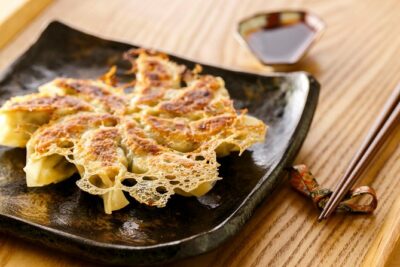
Ramen & Gyoza Cooking Class in Tokyo with Local Supermarket Visit
Read our review →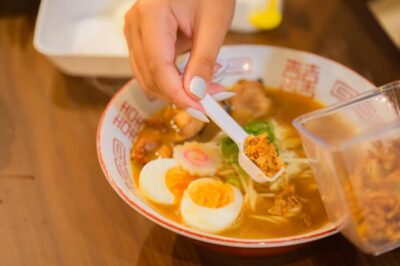
Ramen Cooking Class at a Ramen Factory with Souvenir
Read our review →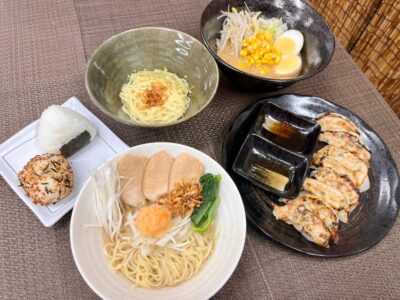
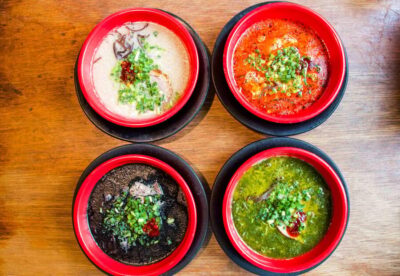
Five Must-See Highlights Walking Tour & Ramen Lunch
Read our review →
Browse the lists this tour appears in