
Reviewed · RAMEN & NOODLE TOURS
Home style Ramen and Homemade Gyoza in Kyoto
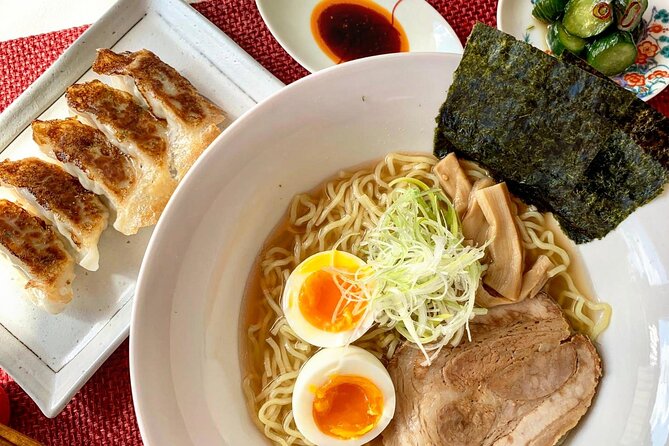
Good food starts with your hands. In Kyoto, Nariko’s home class turns a simple meal into a practical cultural experience: you prepare ramen soup, shape gyoza wrappers, fold dumplings, make cucumber pickles, and eat the results together. I like the small class size and the fact that you receive skills you can use at home. I also like the warm, personal setting, where cooking comes with conversation about Japanese life.
The main limitation is worth knowing before you pay: this class does not make ramen noodles, and the soup uses dried fish, so it is not suitable for vegetarians. At $118.92 per person, it is not a cheap meal, but it offers three and a half hours of instruction, food, recipes, and time in a real Japanese home.
In This Review
- Key points at a glance
- Why this Kyoto cooking class is worth your morning
- Entering Nariko’s home kitchen
- Building the ramen soup from a family recipe
- Rolling gyoza wrappers and folding the dumplings
- Cucumber pickles and the meal at the end
- What Nariko teaches particularly well
- The $118.92 price and what you receive
- Who should book this experience
- Practical advice before you go
- Should you book Nariko’s ramen and gyoza class?
- FAQ
- Where does the ramen and gyoza class take place?
- What time does the class start?
- How long does the experience last?
- Where does the class finish?
- How many people can join the class?
- Do you make ramen noodles during the class?
- Are the gyoza wrappers made from scratch?
- Can vegetarians join the class?
- Can children participate?
Key points at a glance
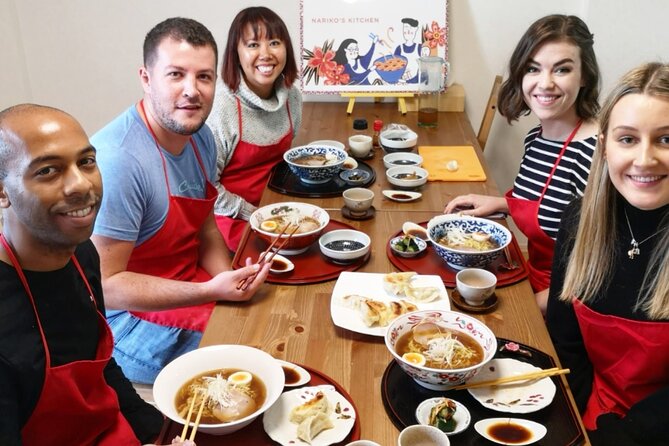
- A home kitchen, not a restaurant demonstration: You work in Nariko’s own home and prepare the meal step by step.
- Gyoza wrappers are made from scratch: The class makes homemade skins, while the ramen noodles are prepared separately.
- A family ramen recipe: Nariko uses her mother’s recipe for the soup, including dried fish.
- A small group of no more than eight: This gives you room to ask questions and take part in the hands-on tasks.
- More than two dishes: The class also includes cucumber pickles and a full meal made from your own work.
- Useful for families and couples: Participants must be older than 10 and able to use a knife.
Why this Kyoto cooking class is worth your morning
Many cooking classes show you how food is made. This one asks you to make nearly every part that matters. You work with soup ingredients, vegetables, dumpling filling, dough, and cooking techniques rather than simply watching an instructor assemble a finished bowl.
That difference matters. Ramen can seem like a restaurant-only dish, especially when you picture elaborate broths and handmade noodles. Nariko’s version is more practical. It is home-style ramen built around a family recipe and simple ingredients, with an emphasis on methods you can repeat in your own kitchen.
I especially like the promise of usefulness after the class. You are not just collecting a pleasant Kyoto memory. You are learning how to prepare gyoza wrappers, fold dumplings, season soup, and make a quick cucumber pickle. Nariko shares the recipes, so you can try the dishes again after returning home.
The class lasts about three hours and 30 minutes. That is long enough to work carefully without turning the experience into a rushed assembly line. It also means you should treat this as a substantial half-day activity, not a quick lunch stop.
More Ramen Tours in Kyoto
- Ramen Cooking Class at Ramen Factory in Kyoto
★ 5.0 · 1,937 reviews - Kyoto: Ramen Cooking Class at a Ramen Factory with Souvenir
★ 4.9 · 532 reviews - Kyoto: Ramen, Gyoza, and Onigiri Cooking Class
★ 5.0 · 445 reviews
Entering Nariko’s home kitchen
The meeting point is at 5-6 Matsugasaki Rokunotsubochō in Sakyo Ward, Kyoto, with a 10:00 am start. The address is near public transportation, and the class finishes back at the same meeting point.
The home setting is one of the best parts of the experience. You see how the food fits into an ordinary domestic environment rather than a theatrical cooking studio. Participants have described the kitchen as clean, comfortable, and arranged well for teaching, with ingredients prepared before the work begins.
Nariko has also met participants at a train station and walked with them to the house. Because meeting arrangements can vary, I would follow the confirmed instructions carefully and allow time to reach Matsugasaki Rokunotsubochō. A mobile ticket makes it easy to keep the booking details with you.
The group can include up to eight people. That is large enough to create a social meal but small enough for Nariko to demonstrate techniques and check your progress. Groups of four to seven have been particularly comfortable for this kind of work.
Building the ramen soup from a family recipe
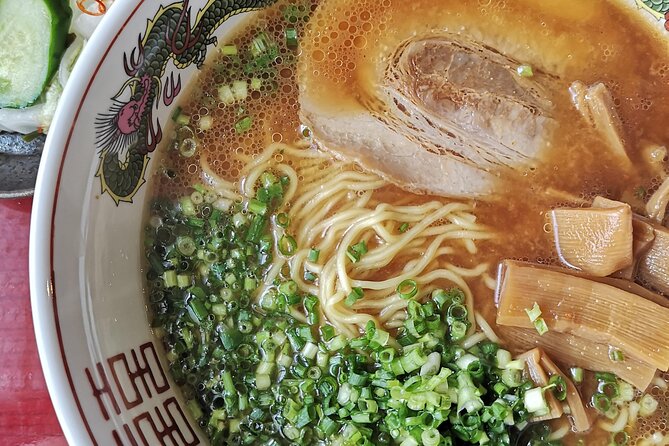
The ramen portion begins with soup, using Nariko’s mother’s recipe. The class uses dried fish, a common ingredient in ramen broth, and Nariko cannot prepare the soup without it. This is not a vegetarian class, and anyone with dietary restrictions should contact her before booking.
You will work with vegetables and meats as part of the soup preparation. The process gives you a better sense of how a bowl of ramen gets its flavor than ordering one at a restaurant ever could. You also learn how simple ingredients can produce a satisfying broth when handled in the right order.
There is an important distinction here: you do not make the ramen noodles. The class focuses on the soup and toppings rather than noodle production. If your dream is to stretch, cut, and cook ramen noodles from flour, this is not that class.
For most people, that is a sensible trade. Handmade noodles would require more time and could crowd out the gyoza work. The class instead concentrates on a meal you have a realistic chance of repeating at home.
Rolling gyoza wrappers and folding the dumplings
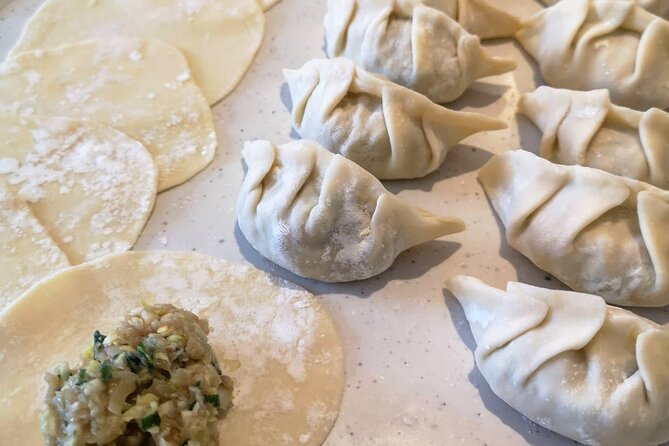
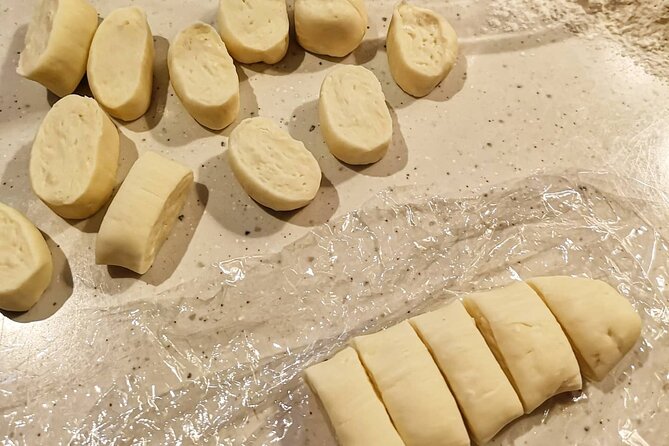
The gyoza lesson is the most hands-on part of the morning. You make the wrappers from scratch, prepare the filling, and fold the dumplings yourself. For many people, making the dough is the new skill, while folding is the part that requires patience and a little practice.
Nariko demonstrates the steps and keeps the pace manageable. You do not need to arrive with professional cooking ability. The point is to learn the proper feel of the dough, how much filling to use, and how to seal each dumpling so it holds together during cooking.
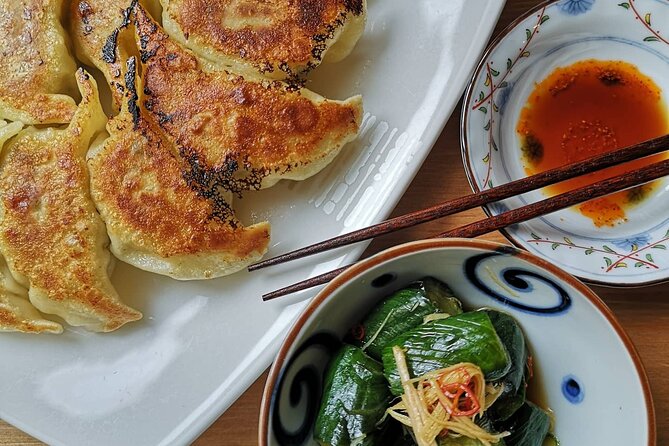
The dumplings are fried rather than boiled. That gives the finished gyoza a browned exterior and a crisp texture, while the filling stays soft inside. It also makes the result feel different from the gyoza you may have eaten elsewhere in Japan.
I appreciate that everyone takes part in the small steps. You are not handed a piece of dough at the end and told to fold one dumpling for a photograph. The work belongs to the class, which makes the meal more satisfying when you finally sit down.
Knives are used during preparation, so children must be older than 10 and able to use one. This rule is practical, not fussy. A young person who is comfortable with a knife may enjoy the class, but an adult should not book it expecting a spectator activity for younger children.
A completely different kind of day out in Kyoto:
- PERFECT KYOTO 1-Day Bus Tour
★ 5.0 · 13,518 reviews - Kyoto: Fushimi Inari, Kinkakuji, Bamboo Grove 1 Day Bus Tour
★ 4.8 · 4,316 reviews - Kyoto: Tea Ceremony in a Traditional Tea House in Kiyomizu
★ 4.9 · 3,519 reviews - Kyoto Geisha Walking Tour: Gion District & Hidden Gems
★ 4.7 · 3,273 reviews
Cucumber pickles and the meal at the end
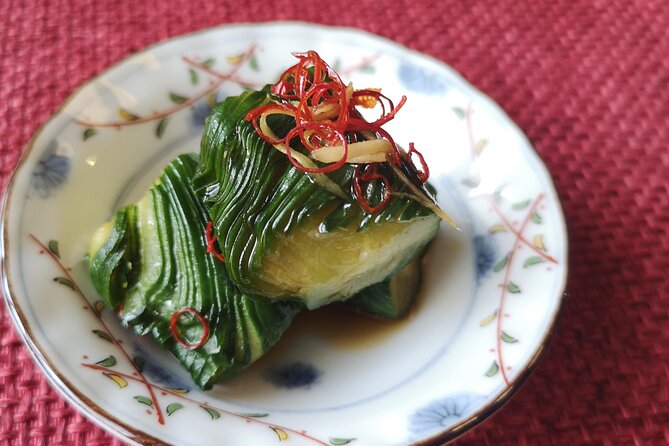
The cucumber pickles are a small part of the menu, but they help explain how Japanese home cooking balances a meal. Their fresh, sharp flavor gives you a break from the warmth of the ramen and the richness of fried gyoza.
Once the preparation is complete, you eat what you have made. This is not a tasting with a few sample bites. The meal is intended to be plentiful enough to feel like lunch, and the table is set so the class can finish in a relaxed way.
That shared meal is where the home setting pays off. You can talk with Nariko and the other participants, compare folding styles, and learn more about Japan outside the formal cooking steps. The small international groups add a social touch without turning the class into a loud production.
Nariko is praised for being patient, friendly, and easy to follow. She explains techniques in a straightforward way and takes pressure off beginners. Her hospitality can also extend beyond the kitchen. She has helped participants with dinner reservations during their stay, a useful kindness when Kyoto restaurants are busy.
What Nariko teaches particularly well
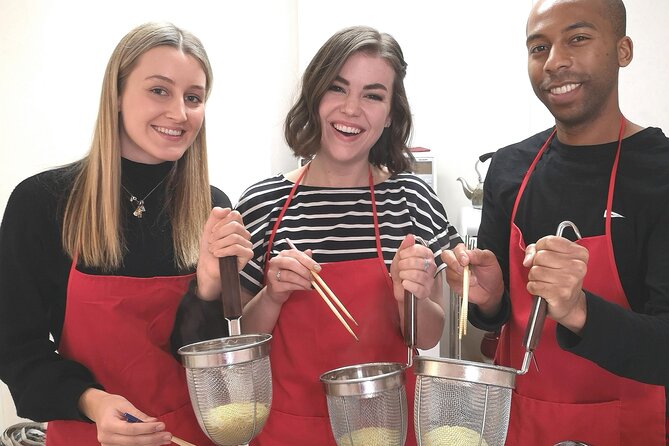
Nariko’s strength is the step-by-step pace. She demonstrates a technique, lets you try it, and stays available when your dough or dumpling does not behave perfectly. That makes the class friendly for first-time cooks.
You also get small lessons that are easy to miss in a recipe. Proper vegetable cutting, the feel of gyoza dough, the amount of filling, and the way to seal each dumpling can make the difference between a neat result and a leaking one.
The class has a calm, personal tone. You are cooking in a private home, yet the room is organized for instruction. The combination gives you the comfort of a hosted meal with enough structure to make the time worthwhile.
Recipes are shared afterward, which improves the value. You can buy ingredients at home and repeat the dishes while the techniques are still fresh in your mind. The ramen may not taste exactly the same outside Kyoto, but you will understand its basic structure and can adjust it to your own kitchen.
The $118.92 price and what you receive
At $118.92 per person, this experience costs more than a bowl of ramen and a plate of gyoza at a neighborhood restaurant. You should not book it for the cheapest possible meal.
I think the price makes more sense when you count the full package: three and a half hours, a small group, instruction, ingredients, several dishes, a meal, recipes, and time in a Japanese home. You are paying for participation and teaching, not just food.
The class is strongest for someone who values an activity with a lasting payoff. If you like learning recipes, meeting people in a small group, and bringing home a practical skill, the price is easier to justify. If you simply want to eat excellent ramen, a restaurant will be cheaper and faster.
The booking pattern also matters. It is booked about 24 days ahead on average, so I would not leave it until the final days of a Kyoto visit. Confirmation arrives within 48 hours, subject to availability. Since the experience is non-refundable and cannot be changed after booking, check your schedule, dietary needs, and meeting details before paying.
Who should book this experience
I would recommend this class to couples, families with older children, solo visitors who enjoy meeting people, and anyone who wants a break from temples and sightseeing. It gives you a slower morning and a direct connection with everyday Japanese food.
It is especially well suited to cooks who want recipes they can repeat at home. The class is also a good choice if you want cultural contact without a formal lecture. Conversation happens naturally while you chop, mix, roll, and eat.
This is less suitable for vegetarians because of the dried fish in the ramen soup. It may also disappoint you if your main goal is handmade ramen noodles. The class makes gyoza skins from scratch, but the ramen noodles are not part of the lesson.
People who dislike using knives or working with dough should think twice. The point is to participate, and the class is not designed for spectators. Only booked participants may attend because space is limited.
Practical advice before you go
Contact Nariko before booking if you have allergies, intolerances, or other dietary restrictions. She may be able to accommodate some needs, but she cannot make the ramen soup without dried fish.
Plan to arrive ready for a hands-on morning. You will be preparing food, handling dough, using a knife, and cooking the finished dishes. Comfortable clothing makes sense, though no special cooking background is required.
Keep the 10:00 am start in mind when planning your Kyoto day. Since the activity ends at the meeting point around lunchtime, it can fit neatly into a day of sightseeing afterward, provided you allow time to travel from Sakyo Ward to your next stop.
The class has a maximum of eight participants, but availability is not guaranteed. Since it often fills well ahead of the date, booking several weeks in advance is sensible. Do not assume a child under 10 can attend, even though one past account described a younger child joining. The stated rule requires participants to be older than 10 and able to use a knife.
Should you book Nariko’s ramen and gyoza class?
Yes, if you want to cook rather than watch. Nariko’s class offers a rare combination: a real home environment, a family ramen recipe, homemade gyoza wrappers, fried dumplings, pickles, and a full meal you prepare yourself.
I would skip it if you need vegetarian food, want to make ramen noodles from flour, or are searching for a short and inexpensive lunch. For everyone else, the small group, patient teaching, clean kitchen, and recipes to take home make the $118.92 price reasonable.
Book it early, read the dietary notes carefully, and arrive ready to work. You will leave with more than a full stomach. You will have a practical piece of Kyoto home cooking to recreate after Japan.
FAQ
Where does the ramen and gyoza class take place?
The class takes place at 5-6 Matsugasaki Rokunotsubochō, Sakyo Ward, Kyoto, 606-0915, Japan. It is near public transportation.
What time does the class start?
The class starts at 10:00 am.
How long does the experience last?
The activity lasts approximately three hours and 30 minutes.
Where does the class finish?
The experience ends back at the meeting point.
How many people can join the class?
The maximum group size is eight participants.
Do you make ramen noodles during the class?
No. You make the ramen soup, but the class does not include making ramen noodles.
Are the gyoza wrappers made from scratch?
Yes. The class includes making homemade gyoza skins from scratch.
Can vegetarians join the class?
No. The ramen soup uses dried fish, and the instructor cannot make the soup without it.
Can children participate?
Participants must be older than 10 and able to use a knife. Only people taking part in the class may attend, and spectators are not permitted.
Just added around Kyoto
- Kyoto: Gion Night Walking Tour with Geisha Insight★ 5.0 · 39 reviews
- Kyoto: Private Customizable Day Trip by Car★ 5.0 · 38 reviews
- Kyoto: Full Day Bike Tour★ 4.9 · 39 reviews
- Private Japanese Calligraphy in Kyoto – Learn Shodō with a Master★ 5.0 · 39 reviews
- Kyoto: Gion Evening Walk with Hidden Gems, Geisha & Sake★ 5.0 · 41 reviews
- Experience a tea ceremony in an authentic tearoom, in Kyoto!★ 4.5 · 41 reviews
- Kyoto Private Photo Shoot & Tour by SnapKyoto★ 5.0 · 41 reviews
- The Way of Tea: Kyoto Crafts, Hidden Temples & Wabi-Sabi Walk★ 5.0 · 41 reviews
Ramen & Noodle Tours, compared.

Ramen Cooking Class at Ramen Factory in Kyoto
Read our review →
Eat and Drink Like a Local: Tokyo Ueno Food Tour-Taverns&Ramen
Read our review →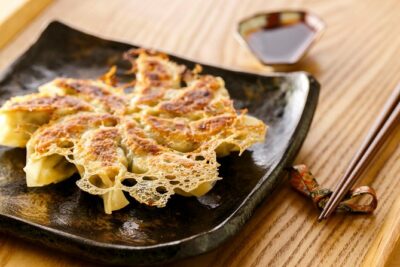
Ramen & Gyoza Cooking Class in Tokyo with Local Supermarket Visit
Read our review →
Ramen Cooking Class at a Ramen Factory with Souvenir
Read our review →
Five Must-See Highlights Walking Tour & Ramen Lunch
Read our review →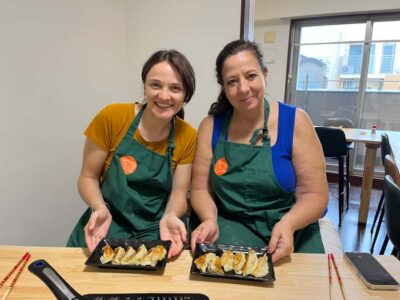
Browse the lists this tour appears in