
Reviewed · RAMEN & NOODLE TOURS
Osaka: Five Must-See Highlights Walking Tour & Ramen Lunch
Osaka packs a lot into one day. This tour links Osaka Castle, Shitennoji Temple, Shinsekai, Kuromon Market, and Dotonbori by foot and subway, giving you a useful first look at the city. I like the small groups, limited to eight people, and the local guidance from Takanobu, known as Taka, who adds history, food advice, and practical help. The main drawback is the pace: you may walk about 11 kilometers and tackle plenty of station stairs.
The ramen lunch is included, which helps the $56 price feel fair. You still pay separately for Osaka Castle, Shitennoji Temple, and public transportation, so budget for those extras. Bring good walking shoes, water, and rain gear, then expect a full but well-organized day.
In This Review
- Five things to know before booking
- A fast, useful introduction to Osaka
- Osaka Castle begins the day with big views
- Ramen lunch adds a welcome local pause
- Shitennoji Temple offers the oldest stop
- Shinsekai brings old Osaka character
- Kuromon Market is best for food curiosity
- Dotonbori closes with Osaka’s loudest image
- Subway travel keeps the route practical
- What makes Taka such a valuable guide
- Is $56 a good value?
- Who should book this Osaka walking tour?
- Booking flexibility and practical details
- Should you book it?
- FAQ
- How long does the Osaka highlights tour last?
- Where is the meeting point?
- What sights are included?
- Is ramen lunch included?
- Is public transportation included?
- Are Osaka Castle and Shitennoji entrance fees included?
- How large is the group?
- What should I bring?
Five things to know before booking
- Five major sights in one day: You see Osaka’s castle, oldest major Buddhist temple, retro entertainment quarter, traditional market, and neon-lit canal district.
- Taka’s personal guidance: Takanobu is praised for clear English, local food suggestions, photo help, and careful attention to comfort.
- Ramen is part of the price: Lunch takes place after Osaka Castle at a popular ramen shop.
- A real walking day: The tour uses the subway to connect distant areas, but you still cover roughly 11 kilometers on foot.
- Small-group format: With no more than eight participants, the guide can answer questions and adjust the pace more easily.
- Extra admission costs: The subway pass and two attraction tickets are not included, though an Osaka Amazing Pass may help in some cases.
A fast, useful introduction to Osaka
Osaka can feel less formal than Kyoto and less polished than Tokyo. Its character comes from food, trade, jokes, shopping, and a willingness to have a good time. This tour gives you a quick lesson in that mix, moving from feudal power to Buddhist tradition, old amusement streets, market snacks, and giant neon signs.
I would choose this experience early in an Osaka visit, especially if you have only one or two days. It helps you understand where the main districts sit and gives you ideas for a second look later. You will not have hours at every stop, but you will see enough to decide where you want to return.
The group meets at 9:00 a.m. in front of the FamilyMart at Tanimachi 4-chome Station, Exit 4. Look for a man wearing green glasses. The meeting point is precise, but large Japanese stations can be confusing, so arrive with time to spare.
More Ramen Tours in Osaka
- Osaka: Ramen and Gyoza Cooking Class in Dotonbori
★ 5.0 · 378 reviews - Ramen and Gyoza Cooking Class in Osaka
★ 5.0 · 202 reviews - Walking Tour of Osaka’s 5 Must-See Sights, with Ramen for Lunch
★ 5.0 · 158 reviews
Osaka Castle begins the day with big views
From the meeting point, the group walks about 30 minutes to Osaka Castle. That opening walk gets you moving before the day’s subway rides and introduces the central part of the city at street level.
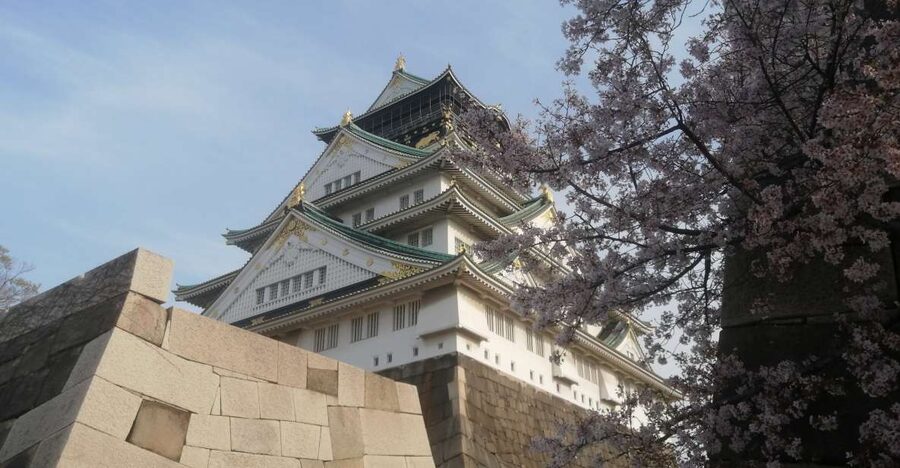
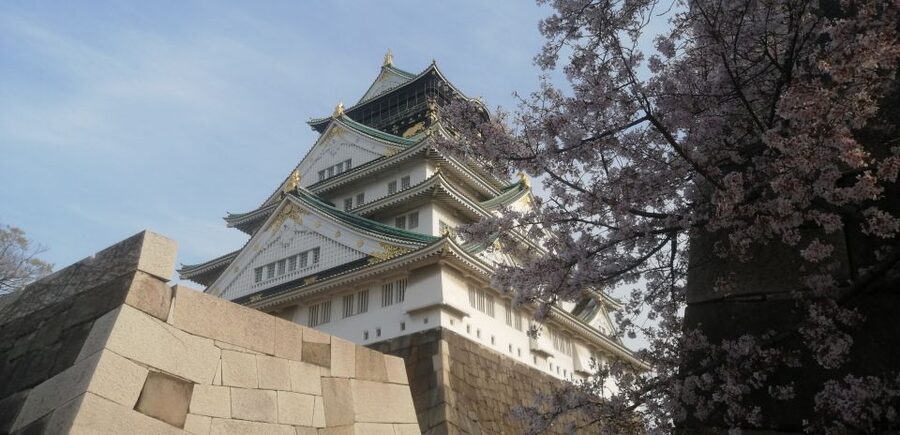
The guided visit lasts about 75 minutes. Osaka Castle is the grand visual opening you would expect, with strong photo opportunities around the tower and grounds. Inside the tower, the museum explains the castle’s past and the Sengoku period, the era of military conflict that shaped much of Japan before national unification.
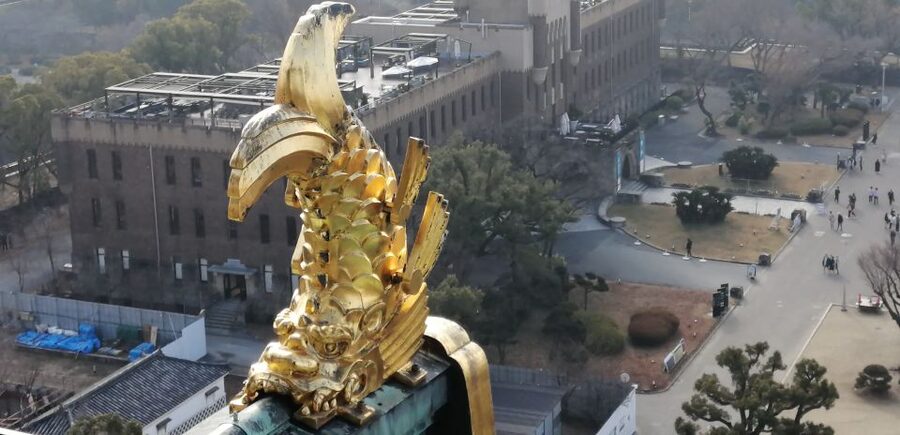
The top of the tower gives you a view across Osaka. I like that the stop combines scenery with context. You are not simply taking a castle photograph, then moving on. The guide explains why the castle matters and how it fits into Osaka’s story.
There is an important cost detail here. Osaka Castle admission is separate, listed at about ¥1,080 to ¥1,430 depending on the season and day. The tour includes guidance and photo assistance, but not the entrance ticket. Some participants found that an Osaka Amazing Pass offered useful savings and helped with a faster entrance, so ask Taka about current ticket choices before buying anything.
The castle stop can feel short if you want to study every exhibit. The 75-minute visit works best if your goal is a broad introduction rather than a museum-focused morning.
Ramen lunch adds a welcome local pause
After the castle, you walk roughly 20 minutes toward Temmabashi Station. Lunch lasts about 45 minutes at a popular ramen shop, and the ramen is included in the tour fee.
That inclusion matters in Osaka, where a sit-down meal can quickly add to the day’s cost. It also removes the stress of choosing a restaurant for a group. You get a familiar Japanese staple at the point when the morning walking has built up an appetite.
The meal is not presented as a long food tour. Think of it as a substantial break between the castle and the southern sights. Some participants also had opportunities for extra snacks or a sake tasting during the day, but those additions should not be treated as guaranteed parts of the advertised experience.
I like this part of the schedule because it keeps lunch practical. You eat, rest, and get ready for the next section. If you have dietary restrictions, ask about the ramen arrangements before booking, since the supplied details do not specify alternatives.
Shitennoji Temple offers the oldest stop
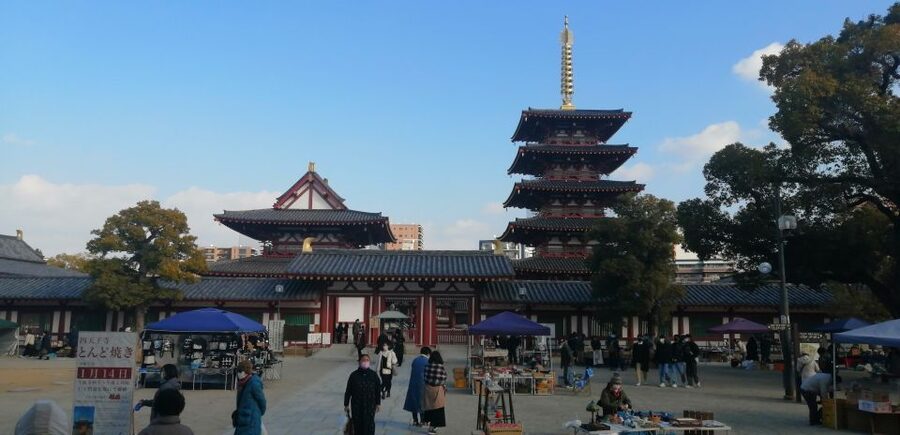
The subway ride from Temmabashi takes about 20 minutes. You then spend around 45 minutes at Shitennoji Temple, with a guided visit focused on its founding and religious importance.
Shitennoji was founded in 593 and is described as one of Japan’s oldest Buddhist temples. It was also the first temple built by the state. That gives the stop a different weight from Osaka Castle, where the focus is military power and political struggle.
The guide explains the temple’s origins and the achievements of its founder during that period. You get a chance to slow down and see a quieter side of Osaka, even though the wider tour keeps a fairly active rhythm.
Admission is not included. The listed price is about ¥400 to ¥600, depending on the season and day. Bring cash or a payment method suitable for the current ticket system, though the tour information does not specify accepted payment types.
Forty-five minutes is enough for an introduction and a look around, but not a detailed study of every building. I would think of this as a focused cultural stop rather than a long temple visit.
More Walking Tours in Osaka
- Osaka: Hotspots & Hidden Gems Walking Tour Private or Group
★ 4.9 · 1,300 reviews - Osaka Local Foodie Walking Tour in Dotonbori and Shinsekai
★ 5.0 · 985 reviews - Osaka Bar Hopping Night Walking Tour in Namba (3 bars, 6 tastes)
★ 5.0 · 958 reviews - Osaka: Deep Backstreets Walking Tour with Dinner Option
★ 4.9 · 902 reviews
Shinsekai brings old Osaka character
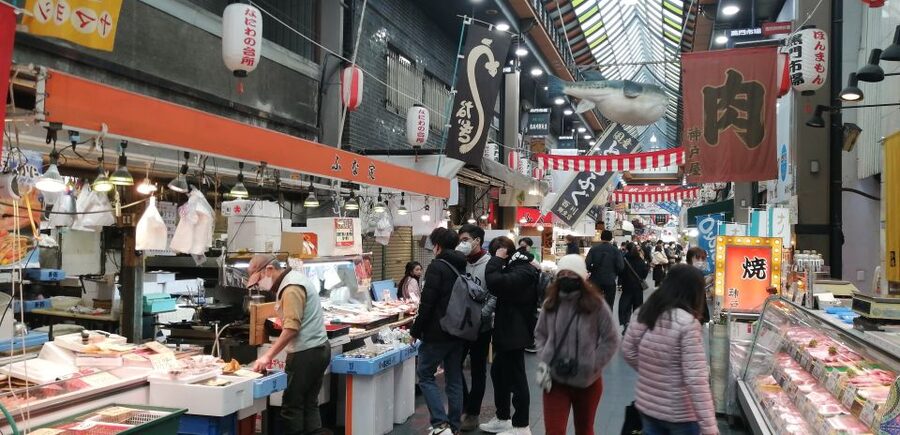
A 15-minute walk leads to Shinsekai, where the tour allows about 45 minutes for photos, free time, shopping, and a break. This is one of the most characterful parts of the day.
Shinsekai grew in the early 20th century and is known for its nostalgic streets, quirky signs, food stalls, and Tsutenkaku Tower. The atmosphere is tied to an older idea of Osaka entertainment, with plenty of visual detail at street level. Around the tower, you can take a commemorative photograph with the city behind you.
This is also the place to look for kushikatsu, deep-fried skewers that are closely associated with the district. The guide can point out local food choices, but additional snacks are not included in the $56 price.
The free time is useful. After two guided cultural stops, you get room to browse and take photographs without listening to continuous commentary. Still, 45 minutes disappears quickly. If you want a full meal, tower visit, and serious shopping session, you will need to return on your own.
Kuromon Market is best for food curiosity

The next subway ride takes about 15 minutes and brings you to Kuromon Ichiba Market. The group spends roughly 45 minutes here, combining a guided walk with free time and shopping.
Kuromon is a covered public market with more than 200 years of history. Its long food stalls and compact passages offer a direct look at Osaka’s eating culture. The guide recommends local street food, which is particularly useful if you are unsure what to try or how much to buy.
I see this stop as a sampler rather than a full market expedition. You can get your bearings, taste something if you wish, and note places for a return visit. Since ramen has already been served, you do not need to force another large meal into the schedule.
Prices for market food are not included. That is worth remembering because small bites can add up when every stall looks tempting. The tour gives you orientation and advice, while your own purchases remain your responsibility.
Dotonbori closes with Osaka’s loudest image
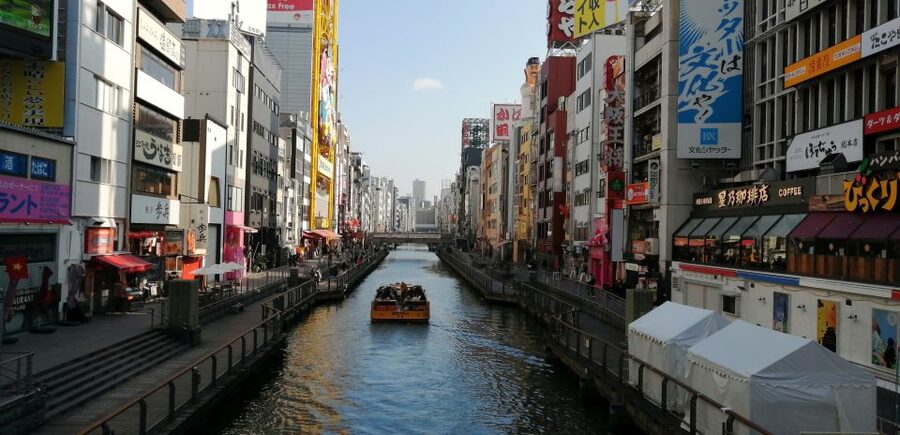
A 15-minute subway ride takes you to Dotonbori, Osaka’s best-known tourist district. The visit lasts about 45 minutes and includes sightseeing, guidance, and time to take photographs.
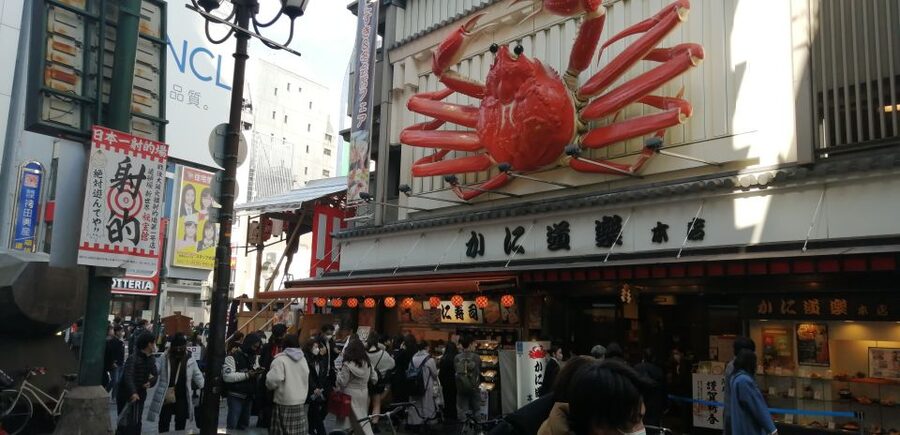
The key photo is the Running Man above Ebisubashi Bridge. Dotonbori’s signs, crowds, restaurants, and canal views create the city image most often associated with modern Osaka. After the earlier castle and temple, this final stop shows the city’s playful commercial side.
The guide can help with photographs, which is handy at the bridge where it can be difficult to frame everyone with the sign. You may also get food suggestions, including the kind of sweet or savory snacks that make Dotonbori worth revisiting after dark.
The official finish is a short five-minute walk away at Hozenji Temple. That small final stop changes the mood again. Hozenji gives you a quieter ending after the noise and lights of Dotonbori, and it makes a fitting place to finish the tour.
Because the tour ends there rather than returning you to the starting station, plan your next move in advance. The guide can help you understand the subway, but you should still know where you are going afterward.
Subway travel keeps the route practical
Osaka’s five featured sights are spread across the city. Walking between all of them would be tiring and inefficient, so the subway sections are essential rather than decorative.
The tour uses subway rides of about 20, 15, and 15 minutes between major stops. You do not need to work out each transfer alone, which is a real benefit in Osaka’s busy stations. Taka helps with route choices and ticket purchases, and he has also advised people about Osaka city passes and ways to reduce attraction costs.
Public transportation is not included. The Osaka Metro 1-day Pass is listed at ¥620 to ¥820, with the price varying by day of the week. Ask about the best ticket on the day, since the most useful option may depend on current fares and your plans afterward.
The practical warning is stairs. One participant specifically noted the repeated up-and-down movement in subway stations, and another estimated around 11 kilometers of walking. This is not a gentle sightseeing stroll. You should be comfortable walking for most of a day and standing on trains.
What makes Taka such a valuable guide
Taka is the main reason this tour earns strong praise. He speaks English well, explains history without turning every stop into a lecture, and gives useful food recommendations. His role is also practical: he helps with subway navigation, tickets, photographs, bathroom stops, and changes caused by weather or group needs.
Several experiences point to careful personal attention. In hot weather, he sought shade when possible. In rain, he adjusted the route to limit exposure. He has also helped participants dealing with health concerns and even assisted someone who lost a wallet during the tour.
That does not mean the day becomes fully private or slow. The schedule is fixed around five distant sights, and the group has to keep moving. But a small group of up to eight gives Taka more room to answer questions and notice when someone needs help.
The supplied information names Takanobu, or Taka, as the guide associated with many departures. Guide assignments can change, so do not assume every date will have the same person.
Is $56 a good value?
At $56 per person, the tour offers a lot of coverage. You receive a local English-speaking guide, commentary, photo help, and ramen lunch. You also avoid planning a route across five separate parts of Osaka.
The extra fees are the main qualification. Add the subway pass, Osaka Castle admission, and Shitennoji admission, and the final cost rises. You also pay for market snacks, Shinsekai food, Dotonbori treats, or any optional tasting.
Even so, I think the price is reasonable for a first day in Osaka. A private guide would cost much more, while navigating the same route alone takes time and confidence. The tour is especially good value if you are short on time and want a broad introduction without spending hours on transit research.
It is less compelling for you if you prefer slow museum visits, long meals, or unplanned wandering. You are buying efficient coverage, not complete depth at every stop.
Who should book this Osaka walking tour?
I would recommend it to first-time visitors, solo travelers, couples, and anyone with a short Osaka stay. It is also a strong choice if you want help using the subway and would rather let someone else handle the route.
The tour suits people who enjoy a full day of movement. Good shoes are essential, and rain gear is wise. Summer heat can make the pace harder, while wet weather may add discomfort even when the guide tries to find shade or shelter.
It is not suitable for children under 12, pregnant women, people with mobility impairments, people with heart problems, or people with a cold. The organizers specifically request hiking shoes and rain gear, which tells you something about the physical demands.
If you need frequent seated breaks or step-free transportation, choose a slower private option instead. Osaka’s subway stations can require stairs, and the route covers a lot of ground.
Booking flexibility and practical details
You can cancel up to 24 hours before the start for a full refund. The reserve-now, pay-later option is useful if your Osaka plans are still shifting.
The tour lasts about seven hours and starts at 9:00 a.m. at Tanimachi 4-chome Station, Exit 4. The meeting point is in front of FamilyMart, and the guide is identified by green glasses.
The advertised tour language is English. The group is limited to eight participants, though the actual group may be smaller. Some departures have felt almost private when only two, three, four, or six people joined.
Should you book it?
Book this tour if you want to see Osaka’s major contrasts in one day: castle grandeur, ancient Buddhism, retro streets, market food, neon nightlife, and a quiet temple finish. The included ramen, small group, and strong practical support from Taka make it a solid introduction.
Skip it if 11 kilometers of walking, subway stairs, and a tightly planned schedule sound tiring. You will pay extra for transport and entrance tickets, and each sight receives an introduction rather than a long, detailed visit. For an energetic first day, though, this is a smart way to get your bearings fast and leave with a clear sense of which parts of Osaka deserve more of your time.
FAQ
How long does the Osaka highlights tour last?
The experience lasts about seven hours, beginning at 9:00 a.m.
Where is the meeting point?
Meet at Osaka Metro Tanimachi Line, Tanimachi 4-chome Station, Exit 4, in front of FamilyMart. Look for a man wearing green glasses.
What sights are included?
The route visits Osaka Castle, Shitennoji Temple, Shinsekai, Kuromon Ichiba Market, Dotonbori, and finishes at Hozenji Temple.
Is ramen lunch included?
Yes. Ramen lunch is included in the tour price.
Is public transportation included?
No. You pay separately for the subway. An Osaka Metro 1-day Pass is listed at ¥620 to ¥820, depending on the day of the week.
Are Osaka Castle and Shitennoji entrance fees included?
No. Osaka Castle admission is listed at ¥1,080 to ¥1,430, and Shitennoji admission at ¥400 to ¥600, with prices varying by season and day.
How large is the group?
The tour is limited to eight participants. Some departures may have fewer people.
What should I bring?
Bring hiking shoes and rain gear. You should also be prepared for substantial walking and repeated subway-station stairs.
More Lunch Experiences
- Osaka/Kyoto: Amanohashidate & Miyama Tour with Boat & Lunch
★ 4.6 · 207 reviews - 5-Hour Osaka Highlights Bike Tour with Lunch
★ 4.8 · 146 reviews - Play with Snow Crab Buffet Lunch and Strawberry Picking Bus Tour
★ 5.0 · 88 reviews - From Osaka/Kyoto: Kyoto & Nara Day Trip with Optional Lunch
★ 4.5 · 79 reviews
Just added around Osaka
- Osaka Food Tour with 10 Classic Japanese Tastings & Drinks★ 5.0 · 38 reviews
- Osaka: Highlights & Hidden Gems Private Walking Tour★ 4.7 · 38 reviews
- Kyoto private tour (Shore excursion available from Osaka or Kobe port)★ 5.0 · 39 reviews
- Osaka Private Day Trip – Enjoy Your First-Time Visit to Osaka!★ 5.0 · 39 reviews
- Kyoto & Nara & Uji: Full Day Sightseeing Tour from Osaka or Kyoto★ 4.5 · 39 reviews
- Authentic SUSHI Course Cooking Class★ 5.0 · 39 reviews
- Osaka: Mind & Spirit Balance Temple Reiki Healing★ 5.0 · 41 reviews
- Osaka Afternoon Walking Tour with Osaka River Cruise★ 3.5 · 42 reviews
Ramen & Noodle Tours, compared.
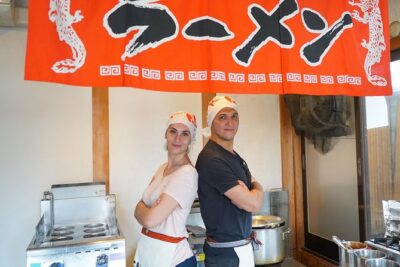
Ramen Cooking Class at Ramen Factory in Kyoto
Read our review →
Eat and Drink Like a Local: Tokyo Ueno Food Tour-Taverns&Ramen
Read our review →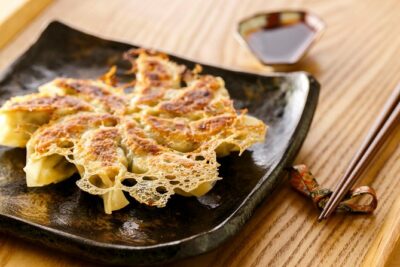
Ramen & Gyoza Cooking Class in Tokyo with Local Supermarket Visit
Read our review →
Ramen Cooking Class at a Ramen Factory with Souvenir
Read our review →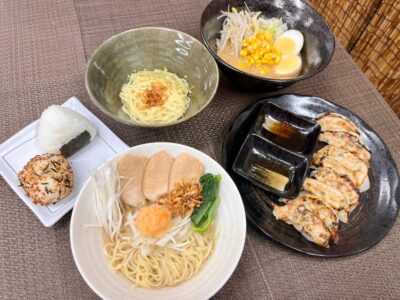
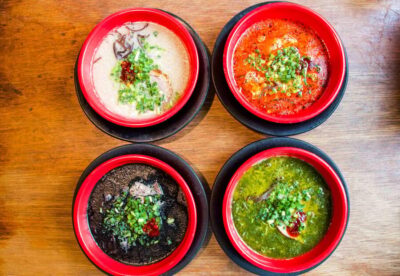


Easy Ramen Cooking Experience in Kabukicho, Shinjuku
Read our review →Browse the lists this tour appears in