
Reviewed · LUNCH EXPERIENCES
From Osaka/Kyoto: Kyoto & Nara Day Trip with Optional Lunch
Kyoto’s big three fit one long day. I like the easy bus transport and the smart route linking Arashiyama, Nara Park, and Fushimi Inari Shrine. I also like the optional Kyoto Wasabi lunch, especially the Kobe beef shabu-shabu, but you should expect a strict schedule, lots of walking, and possible traffic delays.
This is a practical first-look tour, not a slow cultural stroll. Guides such as Nick, Amanda, Gary, Harry, and V have earned praise for humor, clear explanations, and helpful organization, though guide quality and bus comfort can vary. The biggest drawback is simple: with roughly 80 minutes at each main sightseeing stop, you will see the highlights but cannot explore every corner.
In This Review
- Key points at a glance
- Arashiyama Bamboo Forest and the western edge of Kyoto
- Kyoto Wasabi lunch in a traditional townhouse
- Nara Park, deer, and the Great Buddha
- Fushimi Inari Shrine and its vermilion gates
- What the bus ride adds, and what it costs
- Timing, walking, and meeting points
- Who will like this Kyoto and Nara tour
- Should you book it?
- FAQ
- How long is the Kyoto and Nara day trip?
- Can I start the tour in Osaka or Kyoto?
- Is hotel pickup and drop-off included?
- What sights are included?
- Is lunch included?
- Is the Todai-ji entrance fee included?
- What language does the guide speak?
- How large can the group be?
- Can I cancel for a full refund?
Key points at a glance
- Three major sights in one day: Visit Arashiyama Bamboo Forest, Nara Park, and Fushimi Inari Shrine without arranging several train journeys.
- Optional traditional lunch: Choose Kobe beef or pork shabu-shabu, a Kobe beef rice bowl, or Kobe beef sukiyaki at Kyoto Wasabi Restaurant.
- A full 9 to 10 hours: The day can run longer because Kyoto traffic and the Kyoto to Nara drive are not minor details.
- Only about 80 minutes per main stop: You have time for key sights and photos, but not for a relaxed, detailed visit.
- Todai-ji admission is extra: The temple visit is optional, and its entrance fee is not included.
- Strict meeting times: Arrive at least 10 minutes early at the exact selected meeting point, since the bus leaves on time.
For $68.03 per person, this experience gives you a lot of Japan in a single day. You get an air-conditioned vehicle, an English or Chinese-speaking guide, and transportation between three famous areas that are not especially convenient to combine on your own.
The price is fair if your priority is coverage. You are paying to avoid figuring out the train connections, station exits, bus transfers, and walking routes between Arashiyama, Nara, and Fushimi Inari. You are not paying for a relaxed pace or a small private group. The vehicle may hold up to 49 people, so expect a shared excursion with firm departure times.
The route begins from Osaka or Kyoto, depending on your booking. Hotel pickup and drop-off are not included, so you must reach the selected meeting point yourself. That makes the exact departure instructions important. Arrive 10 minutes early, confirm your name with the guide or staff, and do not assume the bus can wait if you are delayed.
Arashiyama Bamboo Forest and the western edge of Kyoto
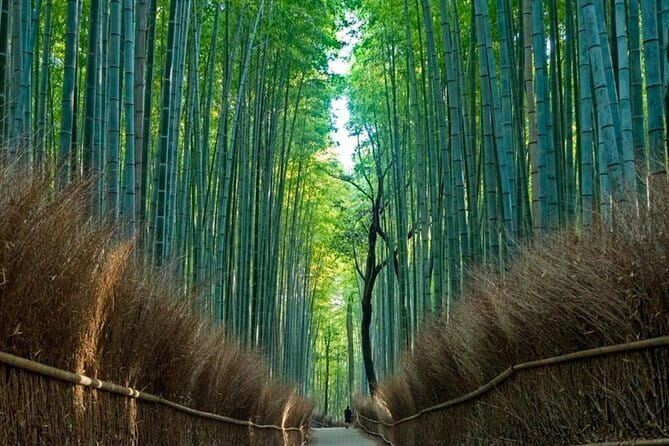
Arashiyama is the most atmospheric opening to the day. Tall bamboo rises on both sides of the path, and filtered sunlight gives the grove a cool, green feel. It is a lovely place for photographs, though the main path can be crowded and the famous view may be less quiet than you expect.
The scheduled time here is about 1 hour and 20 minutes, with no admission fee for the forest itself. That sounds generous until you account for walking from the bus parking area, orienting yourself, and reaching the grove. You will want to keep an eye on your watch.
Arashiyama is more than bamboo. Depending on the guide’s instructions and your pace, you might choose from several nearby sights, including Tenryu-ji, Nonomiya Shrine, Togetsukyo Bridge, the Kimono Forest, or the paths around the river.
Tenryu-ji is a major Rinzai Zen temple with gardens and forest views. It is particularly appealing in autumn, when the maple leaves change color. The tour information does not include a separate entrance fee for Tenryu-ji, so check locally if you plan to enter rather than simply view the area from outside.
Togetsukyo Bridge gives you a different view of Arashiyama. Its name means Moon-Crossing Bridge, and it crosses the Katsura River near the main district. The bridge and river make a good photo stop, but reaching several attractions in one short visit requires choosing carefully.
You might also see the Kimono Forest at Randen Arashiyama Station. This public art installation uses around 600 cylindrical pillars covered in Kyoto-style kimono fabric. It is a colorful contrast to the bamboo and is easy to appreciate if the route takes you near the station.
The Iwatayama Monkey Park is another possible Arashiyama attraction, but its location atop Mount Arashiyama means it requires an uphill walk and a separate admission fee. With only about 80 minutes at the stop, I would not try to combine the monkey park with every other sight.
The same rule applies to Okochi Sanso, the former home and garden of actor Denjiro Okochi. The villa is known for its gardens and views, but it has an admission charge and can consume much of your free time. Pick one or two priorities before the bus arrives, rather than trying to collect every name on the list.
A few more Osaka experiences worth weighing up
- Osaka: Five Must-See Highlights Walking Tour & Ramen Lunch
★ 4.7 · 411 reviews - Osaka/Kyoto: Amanohashidate & Miyama Tour with Boat & Lunch
★ 4.6 · 207 reviews - Walking Tour of Osaka’s 5 Must-See Sights, with Ramen for Lunch
★ 5.0 · 158 reviews
Kyoto Wasabi lunch in a traditional townhouse
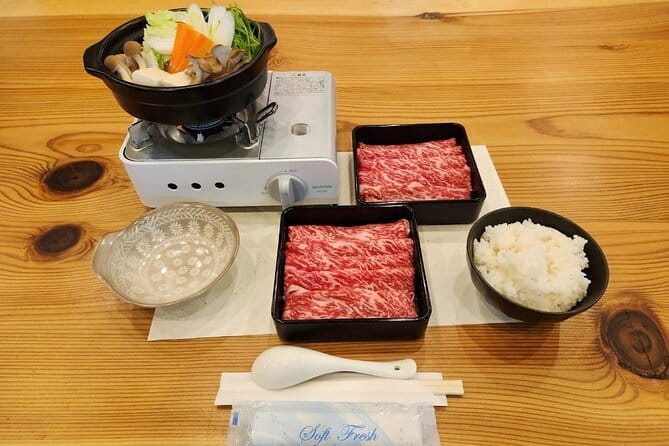
The lunch stop lasts about 50 minutes at Kyoto Wasabi, a centuries-old Kyoto townhouse that has welcomed diners for more than 120 years. The setting adds a sense of place that a quick meal beside a highway would not provide.
Lunch is optional, and you can choose among four dishes:
- Kobe beef shabu-shabu
- Pork shabu-shabu
- Kobe beef rice bowl
- Kobe beef sukiyaki
The shabu-shabu is the experience most often praised for being both tasty and enjoyable to prepare. You cook thin slices in a hot broth at the table, which makes lunch more than a simple plate of food. The Kobe beef option sounds luxurious, but keep your expectations sensible. Beef texture and fat content can vary, and one reported experience found the meat too fatty and tough.
The 50-minute meal is also a useful rest in the middle of a long day. You can sit down, eat, and cool off before returning to the bus. If you do not select lunch in advance, the meal is not part of the included cost, and you should clarify the ordering arrangements before departure.
A nearby stop may include the Fukuda Art Museum, which holds about 2,000 works, mainly Japanese paintings from the Edo period. The museum is not presented as a full scheduled visit, so do not plan your day around entering it. Treat it as an optional nearby point of interest if time and access allow.
Nara Park, deer, and the Great Buddha
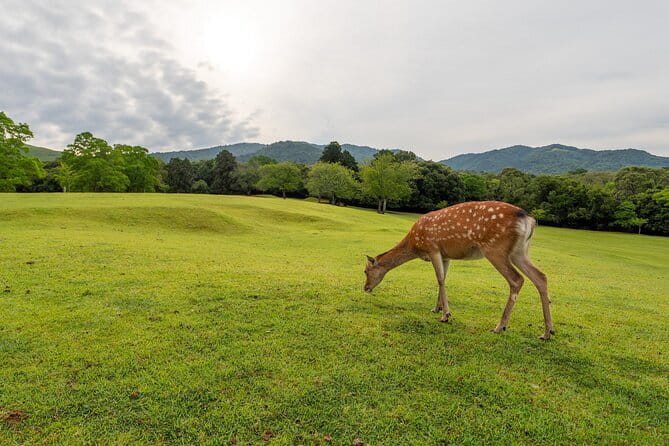
Nara changes the mood completely. Instead of bamboo paths and Kyoto neighborhoods, you get broad parkland, old religious sites, and free-roaming deer. For many people, this is the most memorable part of the day.
The deer are accustomed to people and are famous for bowing when offered special crackers. You can buy deer treats in the park, but keep food controlled and follow local instructions. The animals are charming, but they are still animals, and a deer that wants your snack may be more direct than polite.
The main cultural stop is Todai-ji Temple, a UNESCO World Heritage site and one of Japan’s great religious buildings. Its massive wooden hall houses a 15-meter Great Buddha, an enormous bronze image that gives the temple its powerful scale.
Admission to Todai-ji is optional and not included. That arrangement keeps the basic tour price down, but it means you should budget for the entrance fee if seeing the Great Buddha is important to you. I would consider the extra cost worthwhile for a first visit, since the interior is the central reason to come to this part of Nara.
The scheduled Nara visit is about 1 hour and 20 minutes. That is enough for a quick walk through the park, a deer encounter, and Todai-ji if you keep moving. It is not enough for a slow visit to every nearby temple and garden.
Possible nearby sights include the Manyo Botanical Garden beside Kasuga Shrine and Tamukeyama Hachiman Shrine, founded in 749. You may need to choose between these and Todai-ji. The tour works best when you accept that Nara is a highlights visit, not a complete tour of the old capital.
The Nara stop also requires attention to the return time. A late return can affect everyone on the bus, and the departure policy is strict. Set an alarm on your phone before leaving the bus, especially if you are feeding deer, shopping, or taking photographs.
Fushimi Inari Shrine and its vermilion gates
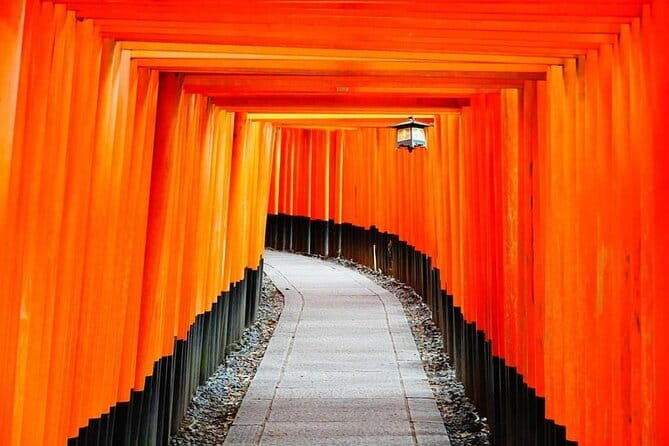
Fushimi Inari is the final major sight, and it is a strong finish. The shrine is famous for its thousands of vermilion torii gates, which form corridors up Mount Inari. The gates create one of Japan’s most recognizable views.
You have about 1 hour and 20 minutes here. That is enough to enter the shrine grounds, walk through the first section of gates, and take photographs. It is not enough to climb all the way up the mountain and return at a relaxed pace.
The lower part of the route is usually the practical choice for a group visit. If you want to walk farther, watch the time carefully. The shrine grounds extend well beyond the first photogenic tunnels, and the upward route takes more energy than the initial entrance suggests.
Fushimi Inari is also a working Shinto shrine, not just a photo backdrop. Look for the fox imagery associated with Inari worship, and take a moment to notice the gates as offerings that mark the route. The experience is more rewarding when you allow a little space for observation rather than rushing from one picture to the next.
There is also a garden noted for a buried earthen jar that makes a sound when drops of water hit its ceramic bottom. The description does not make clear how this garden fits into every departure, so consider it a possible extra rather than a guaranteed feature.
A completely different kind of day out in Osaka:
- Osaka Go Karting Tour with Funny Costume
★ 5.0 · 2,658 reviews - Osaka Castle: Museum and Tower Entry Ticket
★ 4.5 · 2,380 reviews - Osaka: Shinsekai Food Tour with 13-15 Dishes at 5 Eateries
★ 4.8 · 2,204 reviews - Osaka Food Tour: 13 Dishes at 5 Local Eateries
★ 5.0 · 2,149 reviews
What the bus ride adds, and what it costs
The air-conditioned bus is the main practical advantage of this tour. You can rest between sights instead of navigating Kyoto and Nara’s public transport with a map in one hand and a phone in the other. On a hot August day, that break can make the difference between enjoying the afternoon and simply enduring it.
The tradeoff is road time. Arashiyama, central Kyoto, Nara, and Fushimi Inari are spread across a large area, and traffic can stretch the day. One reported experience found the bus ride too long and the total day closer to 11 hours, while other departures ran on time and felt well organized.
Bus comfort may also vary by weather and vehicle. Most feedback about the coach is positive, but there was a complaint about weak air-conditioning during extreme heat. If you are visiting during a hot, humid period, bring water, a hat, and something to cool yourself between stops.
The guide can make a major difference. Nick is repeatedly praised for energy, humor, and historical explanations. Amanda is described as friendly and informative, while Gary received especially strong praise for his humor, calm manner, multilingual ability, and knack for pointing out sights that might otherwise be missed.
That said, the service is not perfectly consistent. Some departures have had unclear communication, a hard-to-hear guide, or a guide who did not provide enough help. Depending on group size, English and Chinese commentary may take place on the same bus, which can make announcements longer or harder to hear.
Timing, walking, and meeting points
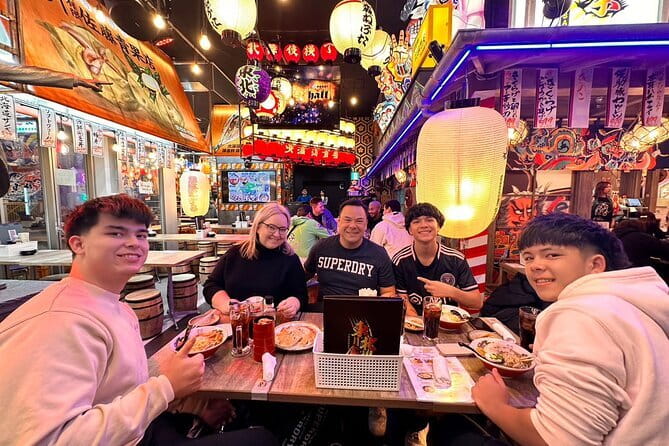
Think of this as a full physical day. You will walk through bamboo paths, temple grounds, park roads, shrine approaches, and crowded sightseeing areas. Comfortable shoes are essential, and you should not plan an important dinner reservation, cruise, or train connection immediately after the tour.
The meeting-point rules are unusually strict because the bus is shared. Your assigned vehicle and guide are tied to the selected departure location. Arriving at the wrong point, even if you contact the operator, can mean missing the tour without a refund.
Keep valuables with you. One piece of luggage per person is allowed, provided it fits comfortably in the vehicle. Stored luggage is not accessible between stops, and the combined height, width, and depth should not exceed 155 centimeters.
The mobile ticket is convenient, but do not rely on a last-minute email. Departure information may be sent through the booking system or WhatsApp, and office phone support may not be available outside Monday through Friday business hours in Japan. Check the product page photo and scan the QR code for the meeting point before the day begins.
Who will like this Kyoto and Nara tour
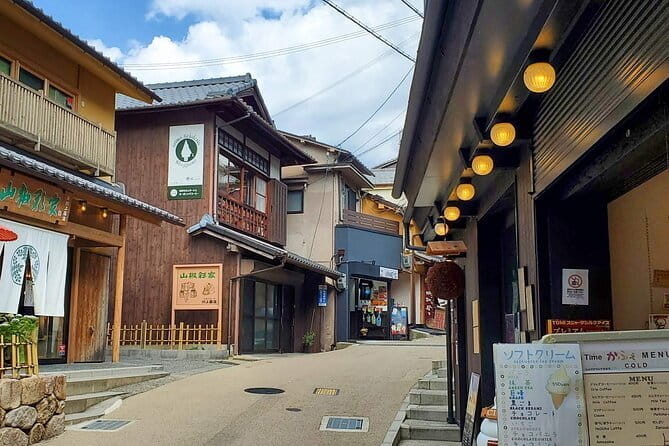
I would choose this tour if you have a short stay in Osaka or Kyoto and want to cover the area’s most famous sights in one day. It is also a good fit if train changes make you nervous, if you prefer a guide’s historical context, or if you want to see Nara without planning a separate excursion.
Families may appreciate the deer, the simple transport, and the variety of stops. First-time visitors can also benefit from the route because it gives you a useful overview of western Kyoto and Nara before you decide where to return independently.
I would hesitate if you prefer quiet temples, long meals, or time for museums and side streets. I would also avoid pairing this with another demanding activity that evening. The tour can feel rushed, particularly when traffic eats into the time at a stop.
The route does not include Gion as a main destination. If traditional Kyoto lanes, geisha culture, and evening atmosphere are your top priorities, this is not the best match. Arashiyama, Nara, and Fushimi Inari offer a broader mix of nature, temples, deer, and shrine architecture instead.
Should you book it?
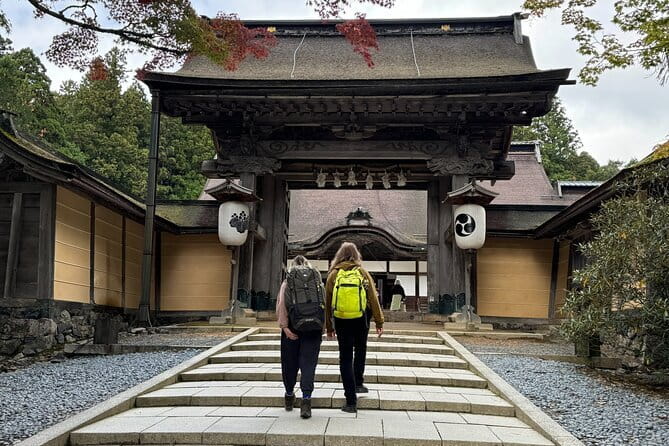
Book this Kyoto and Nara day trip if you want maximum sightseeing with minimum transport planning. At $68.03, the bus and guide provide solid value, especially when you consider the distance between the stops and the effort required to arrange them independently.
Skip it if you need a slow pace or dislike strict group schedules. If you do book, choose your lunch option carefully, pay for Todai-ji if the Great Buddha matters to you, wear comfortable shoes, arrive early, and treat every return time as firm. Done with the right expectations, this is an efficient and memorable first pass through three of Japan’s biggest sights.
FAQ
How long is the Kyoto and Nara day trip?
The experience lasts approximately 9 to 10 hours, although traffic and other unforeseen conditions can make the return later.
Can I start the tour in Osaka or Kyoto?
Yes. The tour offers departure options from Osaka or Kyoto. You must select and reach the correct meeting point.
Is hotel pickup and drop-off included?
No. Hotel pickup and drop-off are not included.
What sights are included?
The main stops are Arashiyama Bamboo Forest, Nara Park with Todai-ji Temple, and Fushimi Inari Shrine.
Is lunch included?
Lunch is optional and is not included in the base price. The choices include Kobe beef shabu-shabu, pork shabu-shabu, a Kobe beef rice bowl, and Kobe beef sukiyaki.
Is the Todai-ji entrance fee included?
No. Entrance to Todai-ji Temple is optional and the admission fee is not included.
What language does the guide speak?
The tour includes an English or Chinese-speaking guide. Depending on the number of participants, both languages may be used on the same bus.
How large can the group be?
The tour can have a maximum of 49 participants.
Can I cancel for a full refund?
You can cancel at least 24 hours before the local start time for a full refund. Cancellations or changes made less than 24 hours before departure are not accepted for a refund.
Just added around Osaka
- Osaka Food Tour with 10 Classic Japanese Tastings & Drinks★ 5.0 · 38 reviews
- Osaka: Highlights & Hidden Gems Private Walking Tour★ 4.7 · 38 reviews
- Kyoto private tour (Shore excursion available from Osaka or Kobe port)★ 5.0 · 39 reviews
- Osaka Private Day Trip – Enjoy Your First-Time Visit to Osaka!★ 5.0 · 39 reviews
- Kyoto & Nara & Uji: Full Day Sightseeing Tour from Osaka or Kyoto★ 4.5 · 39 reviews
- Authentic SUSHI Course Cooking Class★ 5.0 · 39 reviews
- Osaka: Mind & Spirit Balance Temple Reiki Healing★ 5.0 · 41 reviews
- Osaka: Gluten-Free Ramen and Gyoza Cooking Class★ 5.0 · 42 reviews
Lunch Experiences, compared.
Mt.Fuji & Lake Kawaguchiko 1-Day Bus Tour w/Optional Lunch
Read our review →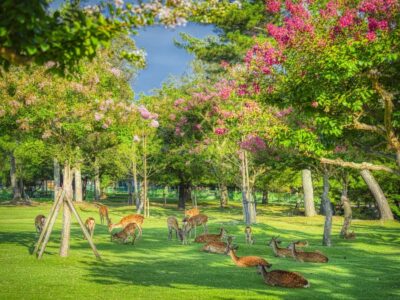
Osaka/Kyoto: Arashiyama, Nara & Fushimi Inari Shrine w/Lunch
Read our review →
Kyoto Zen Meditation & Garden Tour at a Zen Temple with Lunch
Read our review →
Five Must-See Highlights Walking Tour & Ramen Lunch
Read our review →

Naha, Okinawa: Keramas Island Snorkeling Day Trip with Lunch
Read our review →
Snow Monkey 1 Day Tour with Beef Sukiyaki Lunch
Read our review →Browse the lists this tour appears in